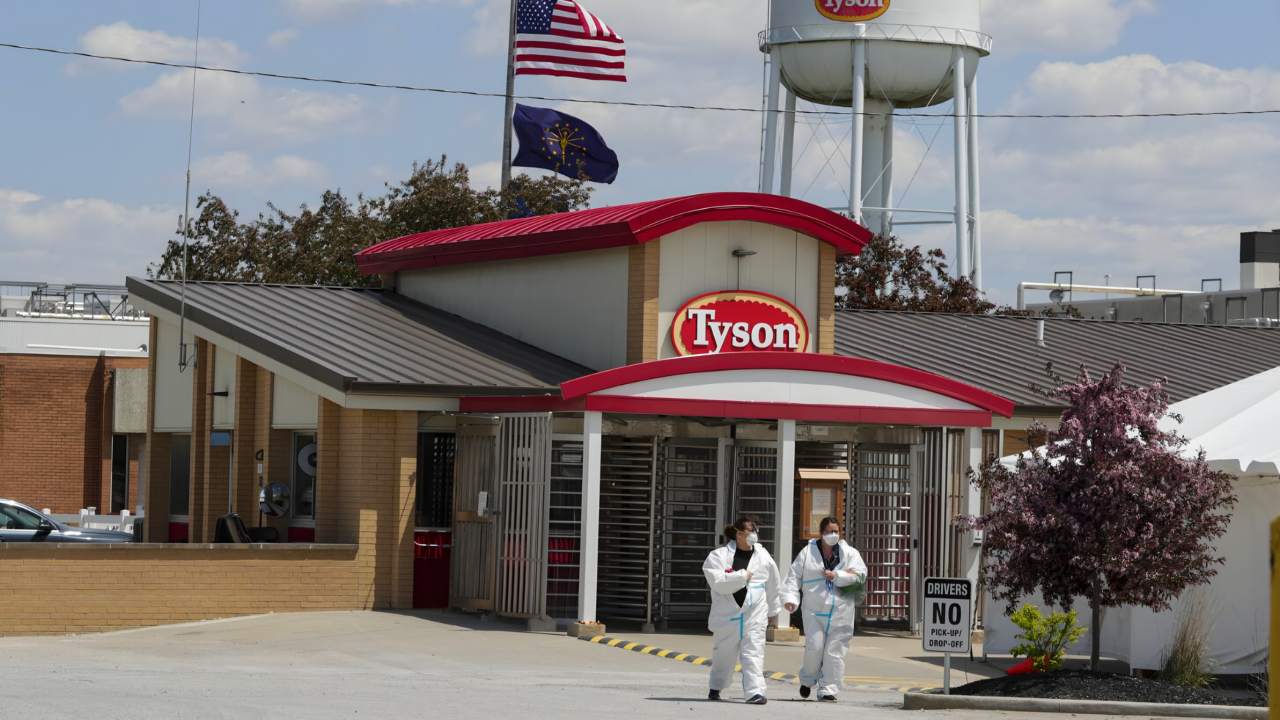
The announcement came as a shock. Tyson Foods declared the permanent closure of its Lexington, Nebraska, beef plant and the elimination of the second shift at its Amarillo, Texas, facility.
Starting January 20, 2026, nearly 4,900 workers would lose their jobs, and 11,000 cattle would no longer be processed daily. The company’s decision, linked to years of operating losses and tight cattle supplies, marks a major shift in the U.S. beef industry. But what triggered this abrupt decision?
A $1.5 Billion Loss: What Went Wrong?
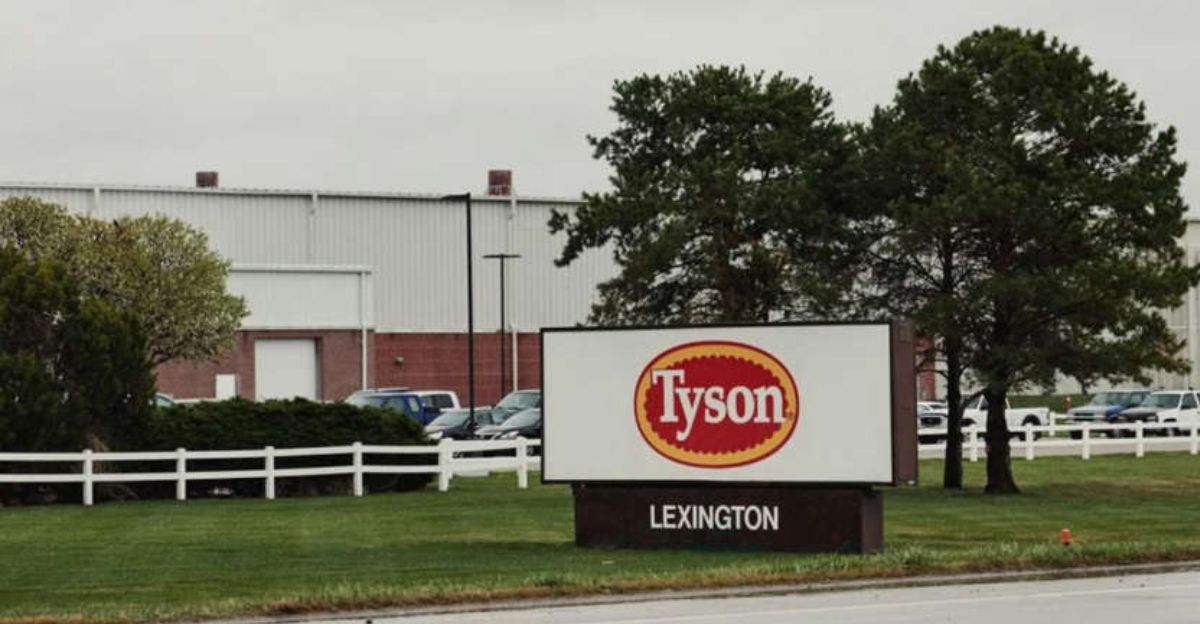
Tyson Foods’ beef segment has posted a staggering $1.5 billion in losses over the past two fiscal years. The company attributes this to a combination of the severe drought, rising feed costs, and the liquidation of cattle.
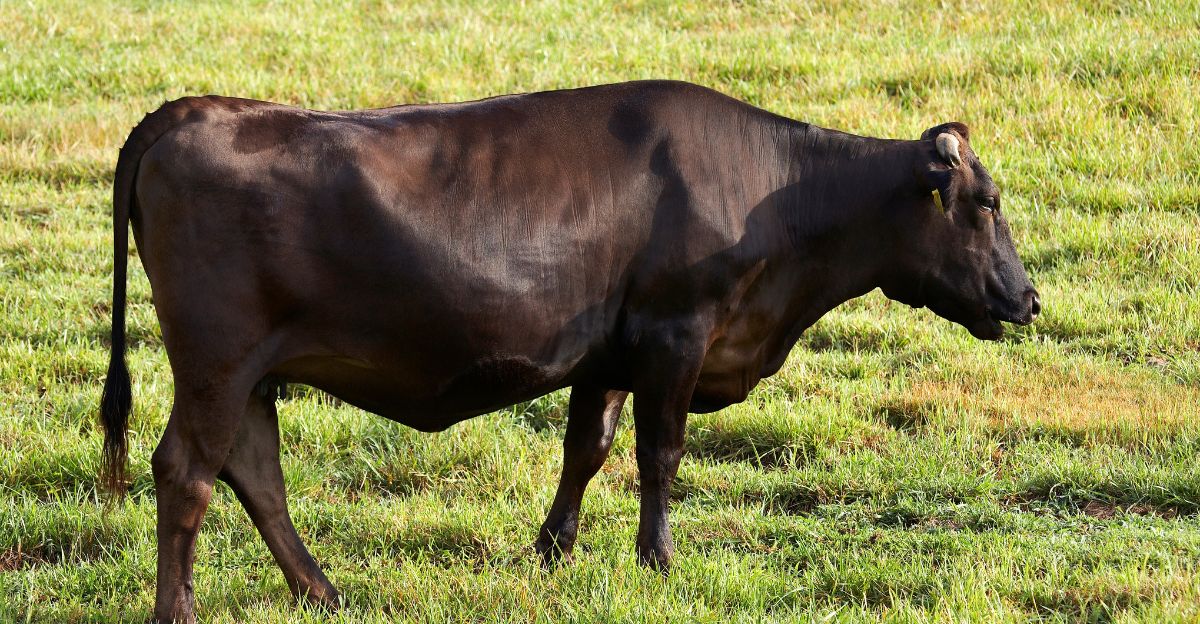
Despite expanding the U.S. cattle herd in previous years, these environmental pressures have led to a severe shortage of cattle, driving Tyson’s crisis.
Rising Beef Prices: What Consumers Can Expect

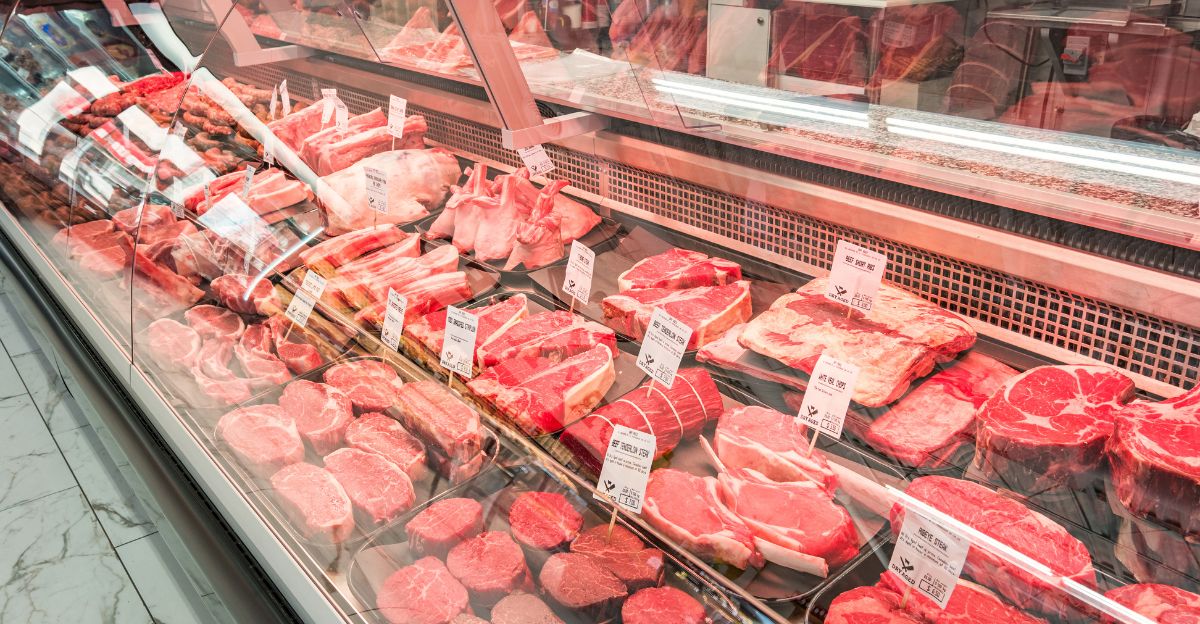
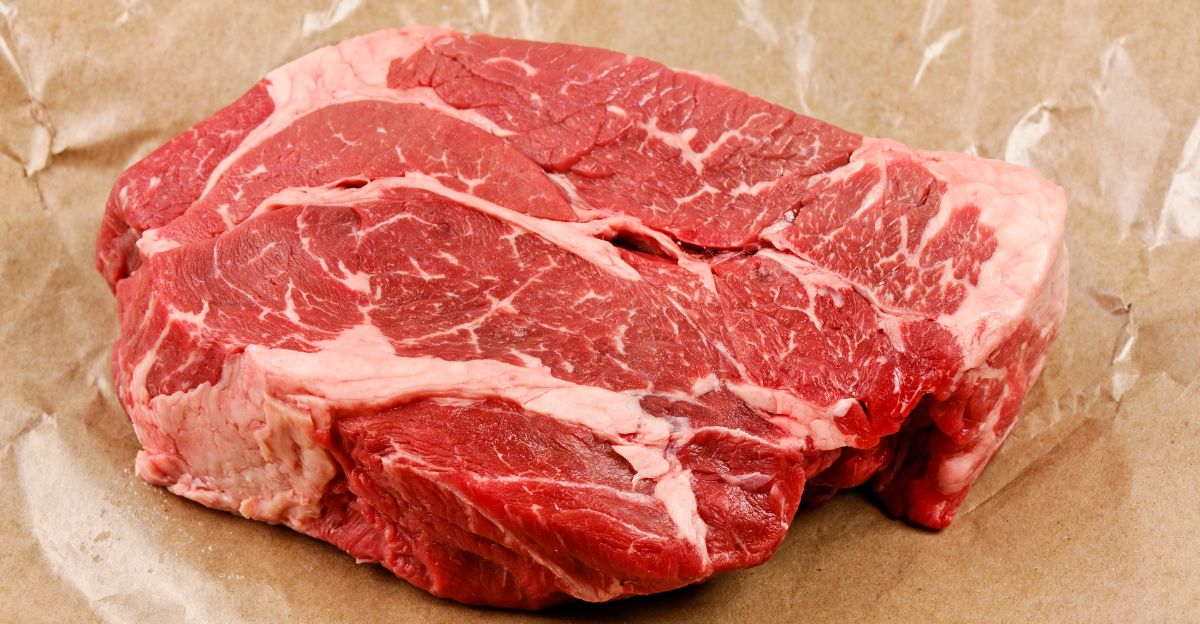
With the U.S. cattle herd at its smallest since 1951, beef prices are expected to rise. Tyson’s capacity reduction, combined with tight cattle supplies, could result in higher prices for cuts like steaks, ground beef, and roasts.
The impact will likely be felt in grocery stores, with families facing higher prices and fewer options.
Tyson’s Shift to Other Plants
As Tyson shuts down Lexington and Amarillo reduces operations, the company plans to move production to other plants in Kansas, Nebraska, and beyond.
This shift will allow Tyson to maintain some of its processing capacity, but it may not be enough to compensate for the loss of 11,000 head of daily slaughter capacity, signaling a shift in the broader beef industry.
The Domino Effect: Impact on Other Meat Sectors
As beef prices increase, consumers may shift towards more affordable proteins like pork, chicken, and plant-based meats.
Tyson’s poultry division could see increased demand as beef becomes scarcer, but the overall impact will extend beyond Tyson, with retailers and restaurants adjusting to the changing market dynamics.
Global Beef Imports Soar
To mitigate the shortage of U.S. beef, the USDA has raised its forecast for beef imports in 2026, predicting a 10% increase.
Lower tariffs on Brazilian beef and efforts to diversify supply sources are expected to fill some gaps, although these imports may come with their own set of challenges for consumers and the broader market.
Small Towns Hit Hard: Job Losses in Lexington and Amarillo

The closures of Tyson’s Lexington and Amarillo plants will have profound effects on the local communities.
In Lexington, Tyson was a major employer, and the shutdown will devastate the town. Amarillo will also be hit hard, with up to 1,900 positions lost. These layoffs come at a time when few alternative employment opportunities exist in these rural areas.
Political and Policy Responses to Tyson’s Cuts
In response to the closures, local and state officials are pushing for retraining programs, relocation assistance, and efforts to attract new employers to the region.
Nationally, the closures raise broader concerns about market concentration and the power of major meatpackers like Tyson, sparking debate on the role of trade policy, antitrust enforcement, and drought response in stabilizing rural economies.
Impact on Cattle Prices and Ranchers
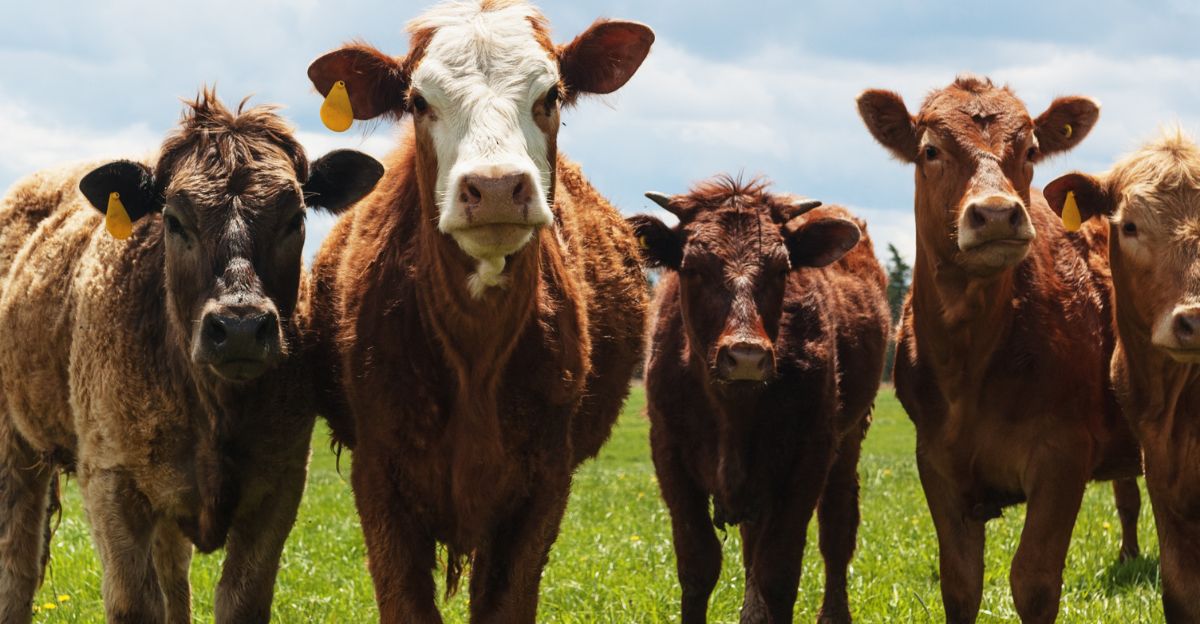
While beef processing capacity shrinks, cattle prices are projected to rise in 2026. Despite a projected 4.5% drop in steer prices, ranchers may experience a tight market with less competition from packers.
This could lead to challenges for smaller ranchers who rely on competitive bidding from meat processors.
Shifts in Consumer Behavior: Beef Alternatives
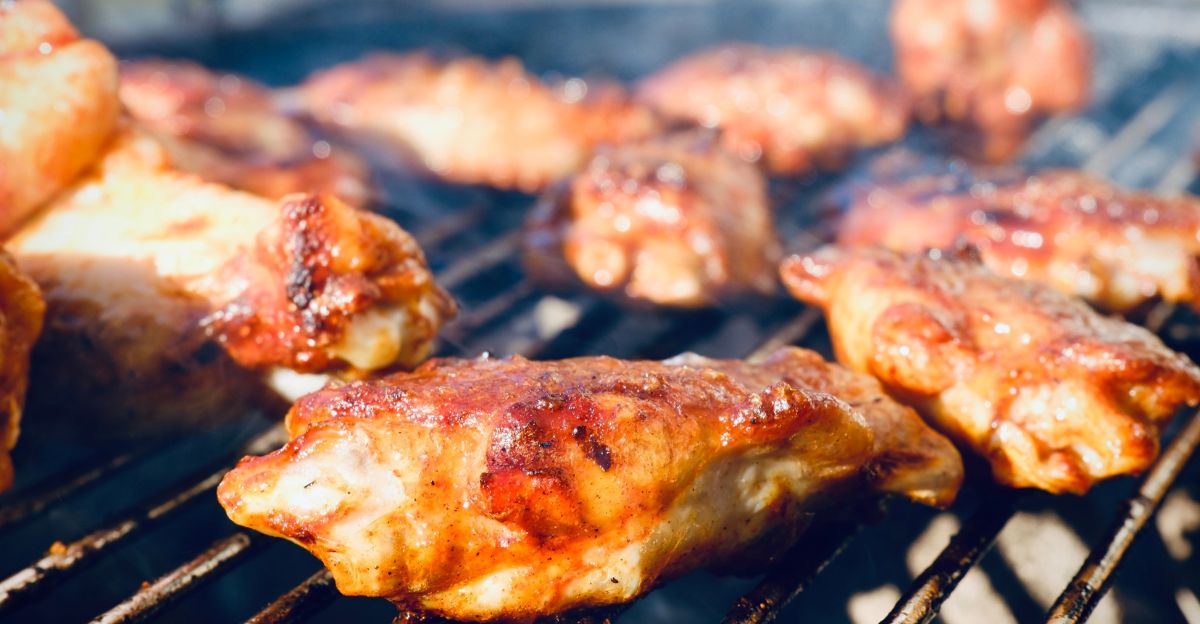
As beef prices rise, many households may turn to alternatives such as chicken, pork, beans, or lentils for their regular meals.
This dietary shift could be driven by economic pressures, with consumers choosing more affordable options for everyday meals while reserving beef for special occasions or holidays.
Environmental Impact: Beef’s Role in Sustainability
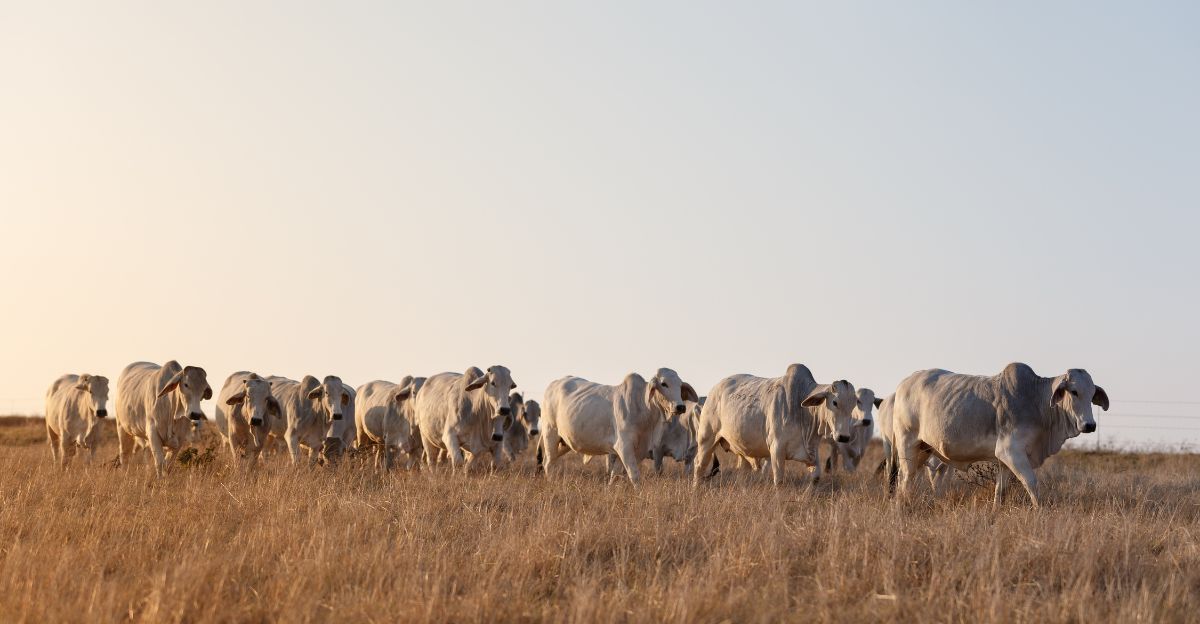
With a shrinking cattle herd and reduced slaughter capacity, the environmental debate surrounding beef production is gaining new momentum.
Advocates for sustainable, lower-emission diets may see the cattle shortage as an opportunity to push for greater adoption of plant-based proteins. Meanwhile, the beef industry continues to argue that beef can coexist with conservation efforts when managed properly.
Global Impact: How Other Markets Are Affected

The reduced supply of U.S. beef may impact global markets, particularly in key exporting nations like Brazil.
As U.S. demand softens due to higher prices, some of this beef may be redirected to Asia or the Middle East, further shifting global supply chains and reshaping menus and prices abroad.
The Rise of Smaller Packers
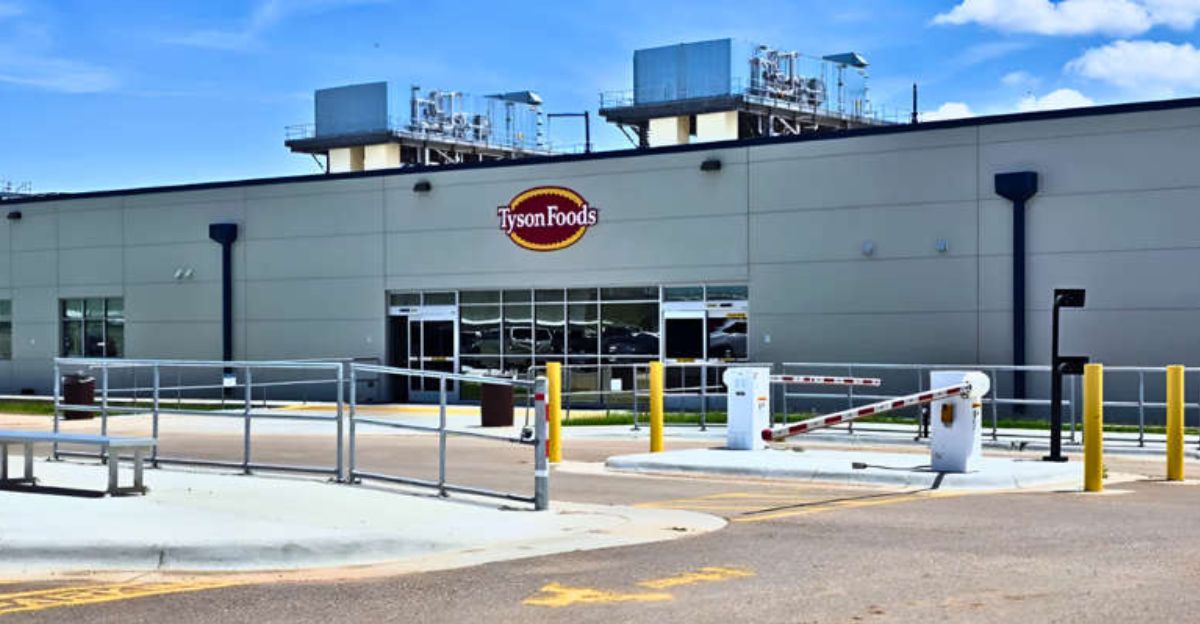
As Tyson downsizes, smaller regional processors and niche brands could fill the gaps left by the company’s closures.
Grass-fed and branded beef programs may see an uptick in demand, and some larger rivals might capitalize on Tyson’s scaled-back operations. Meanwhile, feed suppliers in affected areas could lose major customers.
How Consumers Can Adapt to Rising Prices
In response to higher beef prices, shoppers can look for ways to save. Buying in bulk, freezing beef in smaller portions, and opting for less expensive cuts are just a few strategies to manage the price hike.
Shoppers may also explore alternative proteins and compare prices to find the best value at the grocery store.
Looking Ahead: A Leaner Beef Industry
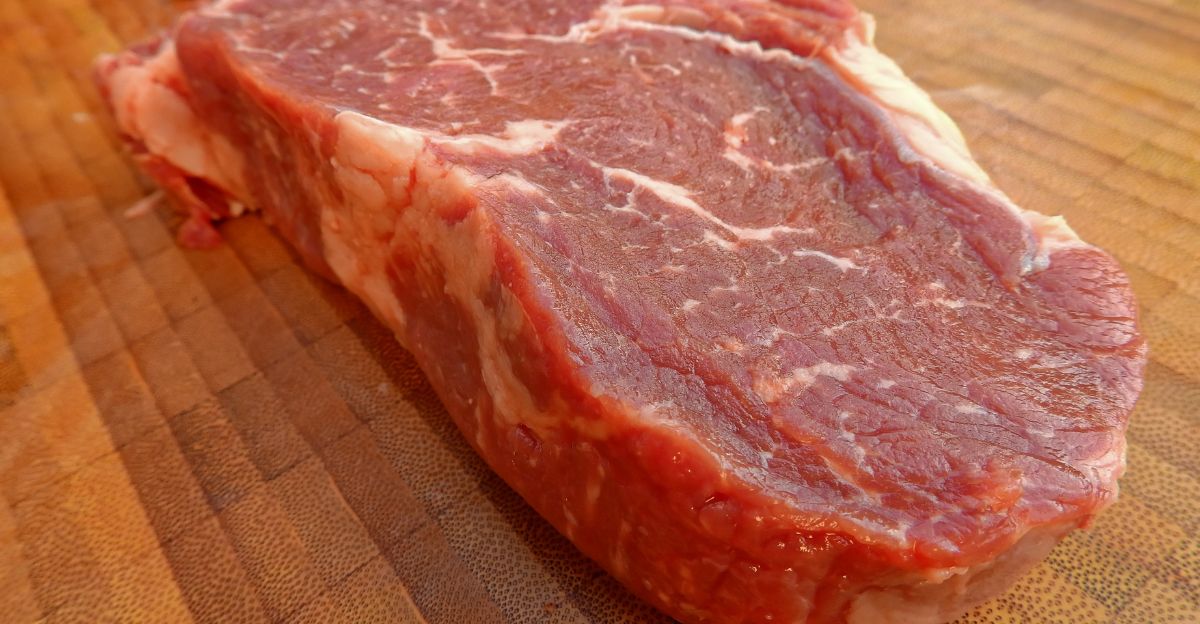
With Tyson closing two major plants and the U.S. cattle herd shrinking, the beef industry is entering a challenging period. The drought and cattle liquidation have reshaped the market, and it may take years to rebuild herd sizes and production capacity.
The next few years will be a test of how quickly the industry can recover from this unprecedented downturn.
Sources:
Tyson Foods Official Press Release, November 21, 2025; “Tyson Foods Announces Network Changes to Strengthen Long-Term Beef Business”
Reuters / Associated Press, November 21, 2025; “Tyson Foods to close US beef plant as cattle supplies dwindle”
Tyson Foods Fiscal 2025 Earnings Report, November 9, 2025; Investor Relations Statement on Beef Segment Operating Losses
USDA National Agricultural Statistics Service (NASS) Cattle Inventory Report, January 31, 2025; “January 1, 2025 Cattle Inventory Summary”