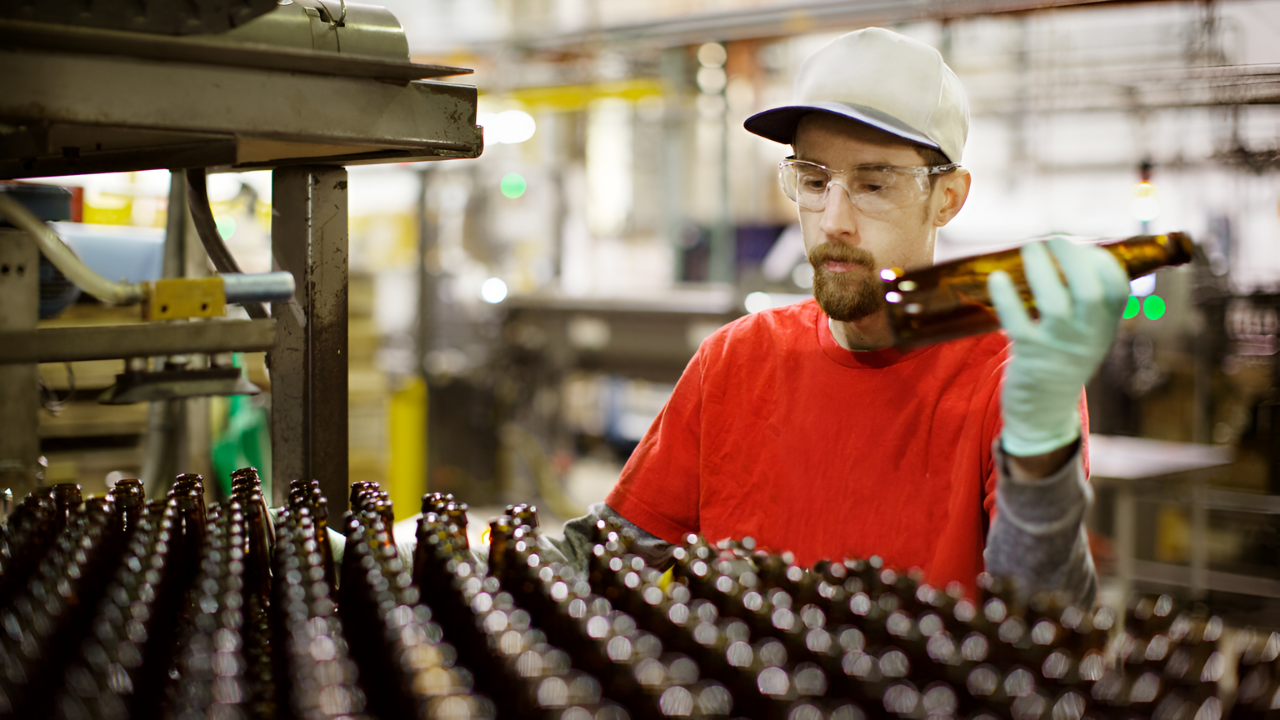
For almost 40 years, Rogue Ales & Spirits was one of Oregon’s best-known craft breweries. Founded in 1988, the company grew from a small coastal operation into one of the 50 largest independent breweries in the U.S. Its creative beers and spirits earned it worldwide fame and more than 2,000 awards. But that long run ended abruptly on November 25, 2025, when Rogue filed for Chapter 7 bankruptcy, choosing to close and sell off everything instead of trying to reorganize or recover. Overnight, a brand that once symbolized innovation and local pride became another casualty of a tough craft beer market.
When the closure hit, all Rogue locations, including breweries, restaurants, pubs, and the big Newport production site, closed without warning. Employees arrived to find locked doors, and customers discovered one of Oregon’s most famous breweries had vanished. Without a public notice or farewell, the shutdown left staff, local governments, and business partners stunned and scrambling to handle the aftermath.
What Chapter 7 Means
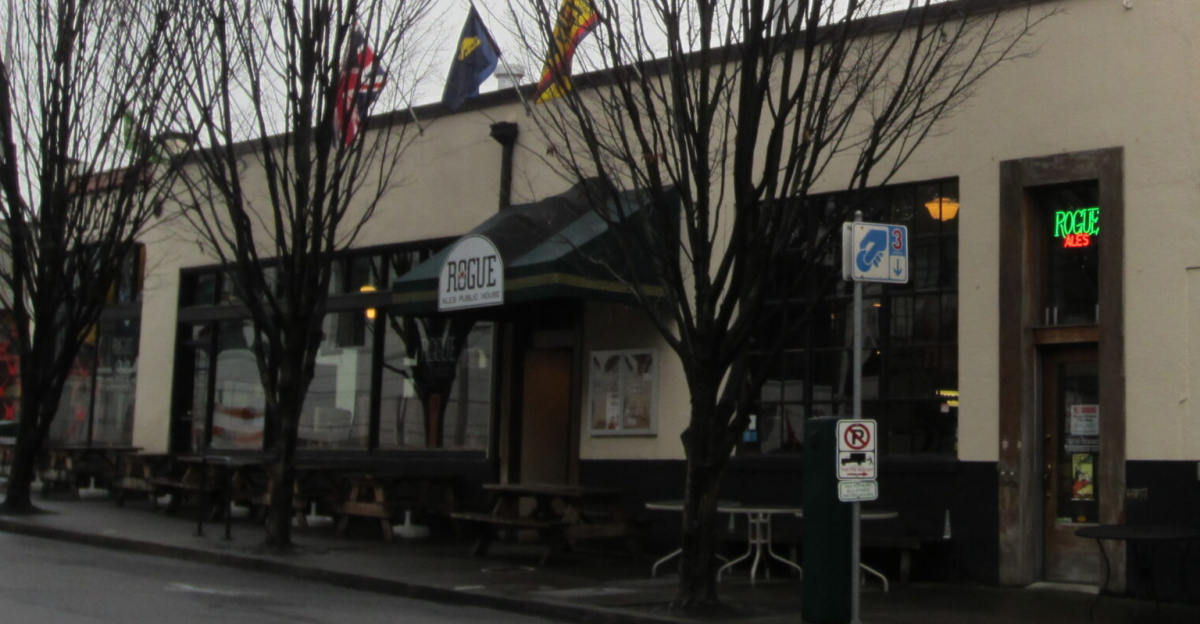
Chapter 7 bankruptcy is the most final type of closure for a business. It means Rogue Ales will not reopen or operate again. Instead, a court-appointed trustee will sell everything the company owns, its brand names, recipes, brewing equipment, aging barrels, and inventory. Once these items are auctioned off, the money will go to pay creditors, and Rogue as a business will officially disappear.
Documents filed in court show that Rogue owed $16.7 million in total debt but had only $4.9 million in assets, leaving a $12 million shortfall. This means that most creditors will get only a fraction of the money they are owed. One major burden was a $10 million lawsuit connected to a 2022 incident where the company was accused of over-serving alcohol. That single case made up more than 60% of Rogue’s debt and likely pushed the company past the point of recovery.
Several public agencies were also affected. The Port of Newport is owed nearly $594,000 in rent, Lincoln County is due more than $500,000 in property taxes, and the federal government is owed at least $66,000 in alcohol excise taxes. These debts must now line up with all the private claims in the bankruptcy process, and it’s unclear how much anyone will ultimately receive.
Auctions and Financial Losses
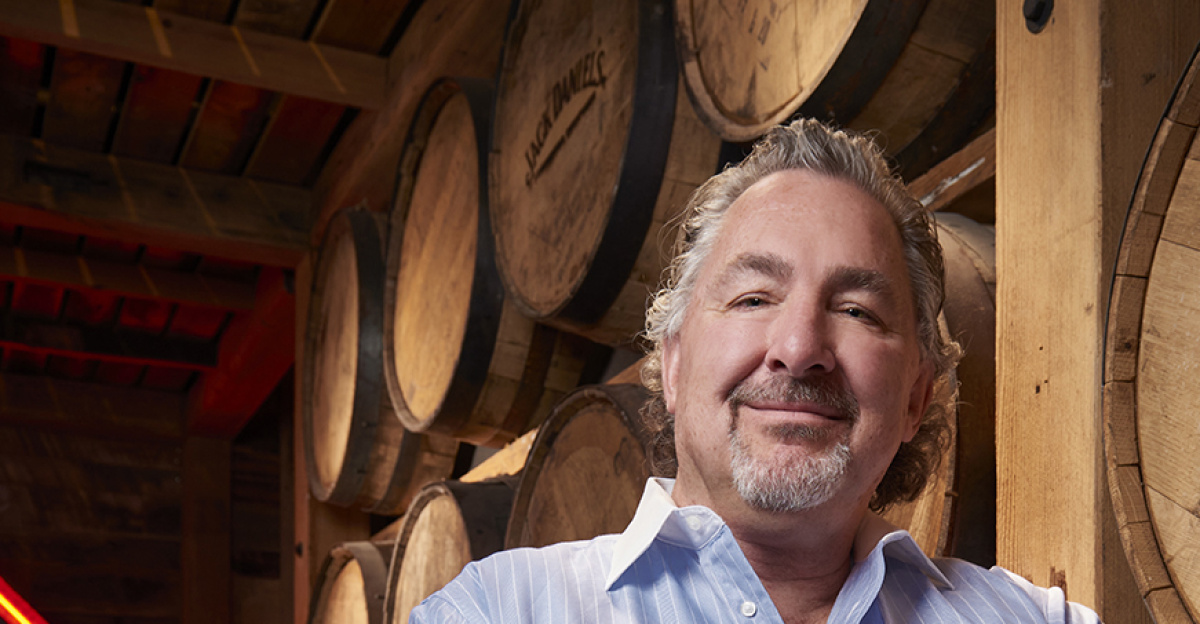
Rogue Ales had a wide range of assets, from brewing equipment to aging whiskey barrels, that will now be auctioned off to pay creditors. The company’s most valuable items include about 1,300 barrels of whiskey, valued by Rogue at $2.8 million. However, auction experts estimate the whiskey may sell for only $975,000, about one-third of what it was worth on paper. Buyers will still have to finish aging, bottling, and distributing it, which reduces its market value in a liquidation scenario.
In addition, more than $1 million in hops, malt, and grain will also be sold, along with fermenters, bottling machines, and other brewery equipment. These sales will determine how much money is available to pay debts, but full repayment seems unlikely. Many small suppliers that provided raw materials or services to Rogue now face significant financial losses, as the bankruptcy settlement won’t cover all unpaid invoices.
This steep discount in asset value reflects how liquidation works: items often sell quickly and below market price because buyers must invest additional time and money to make use of them. For creditors, from farmers and packaging companies to local landlords, these auctions represent only a partial and uncertain recovery of what they are owed.
Why Rogue Fell
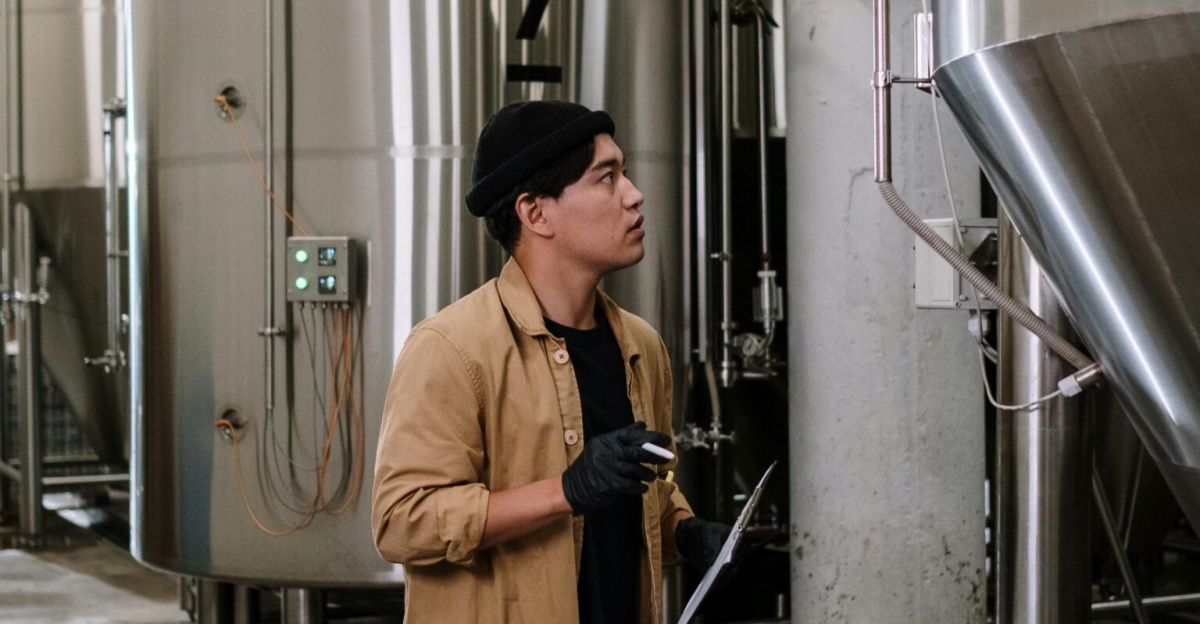
Rogue’s downfall reflects broader struggles in the craft beer industry, where many established brands are facing slowing sales and rising costs. After reaching $23.5 million in revenue in 2023, Rogue’s earnings dropped to $19.6 million in 2024, and by late 2025 the company had made only $14.9 million, a 37% decline in less than three years. The Oregon Brewers Guild reported that 2024 was one of the hardest years ever for the state’s brewers, with most large producers seeing revenue drops. Rogue’s 18% decline that year was among the steepest.
As revenue fell, fixed costs, such as rent, taxes, and payroll, remained high. Combined with growing debt and the expensive lawsuit, the financial strain became impossible to overcome. The closure eliminated between 100 and 300 jobs across Rogue’s facilities. Many workers had no warning, leaving them without severance or time to prepare. For Newport, where Rogue’s main plant was located, the loss is particularly painful: the brewery was a major employer, a tourist draw, and a key contributor to local taxes.
The ripple effects extend to the entire craft brewing community. Suppliers, truck drivers, bartenders, and local farms connected to Rogue’s operations now face major economic uncertainty. Industry experts view Rogue’s collapse as a warning: even well-known brands with loyal fans are vulnerable when profits shrink and debt grows. The case highlights how, beyond creative recipes and branding, a healthy financial structure and risk management are essential for survival. Whether other Oregon breweries can adapt may determine if Rogue’s story stands as a lone misstep or the start of a broader shift in the craft beer world.
Sources
Rogue Ales & Spirits files for Chapter 7 bankruptcy – KATU News
Rogue Ale & Spirits Files Chapter 7 Bankruptcy – Willamette Week
37-year-old liquor and beer brand files Chapter 7 bankruptcy, liquidating – TheStreet
10 days after shutting down, Rogue’s parent company files for bankruptcy – Lincoln Chronicle
Oregon brewers remain optimistic, even after Rogue Ales closure – KLCC