In the United States, the animals most likely to kill humans are not the largest predators but the familiar species people encounter in daily life. Traffic collisions, allergic reactions, and routine farm or outdoor activities account for far more deaths than rare attacks by bears or sharks. Researchers stress that most of these fatalities can be avoided through awareness, cautious behavior, and timely medical care after bites or stings.
Hidden Dangers on Roads and Farms
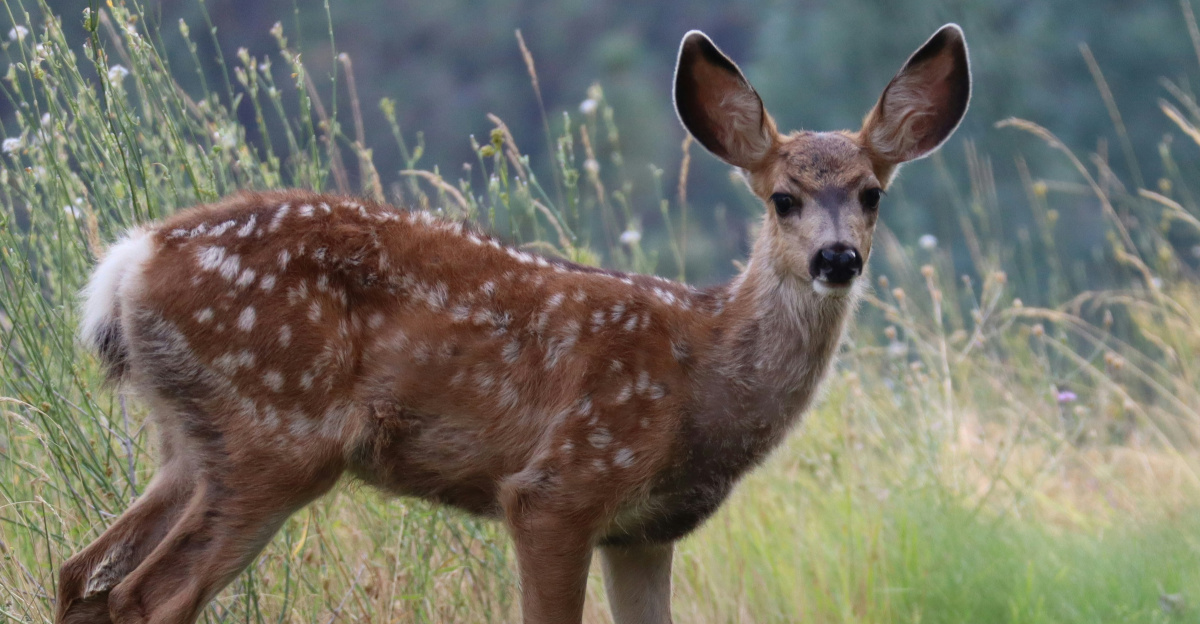
Deer are responsible for more human deaths than any other wild animal in the country, almost entirely through crashes on highways and rural roads. Each year, vehicles strike deer in an estimated 2.1 million collisions, leading to about 440 deaths and 59,000 injuries nationwide. Most occur in fall and winter during dawn and dusk, when deer are more active and visibility is lower. The danger comes from drivers swerving or hitting the animal at high speed, causing loss of control. Insurance data suggest a typical claim from a deer collision approaches $4,000, and combined property damage runs into the tens of billions of dollars annually.
On farms, large livestock such as cattle pose serious risks during everyday work. A single adult cow can weigh more than 1,000 pounds, and frightened or protective animals can trample, crush, or gore nearby workers. Injuries often happen in pens, chutes, and feeding areas when animals are stressed, crowded, or defending calves. Many farm tasks are done alone, far from immediate help, which makes severe trauma especially dangerous. Animals that appear calm can still bolt without warning, leaving little time for someone to move to safety.
Common Creatures, Severe Reactions
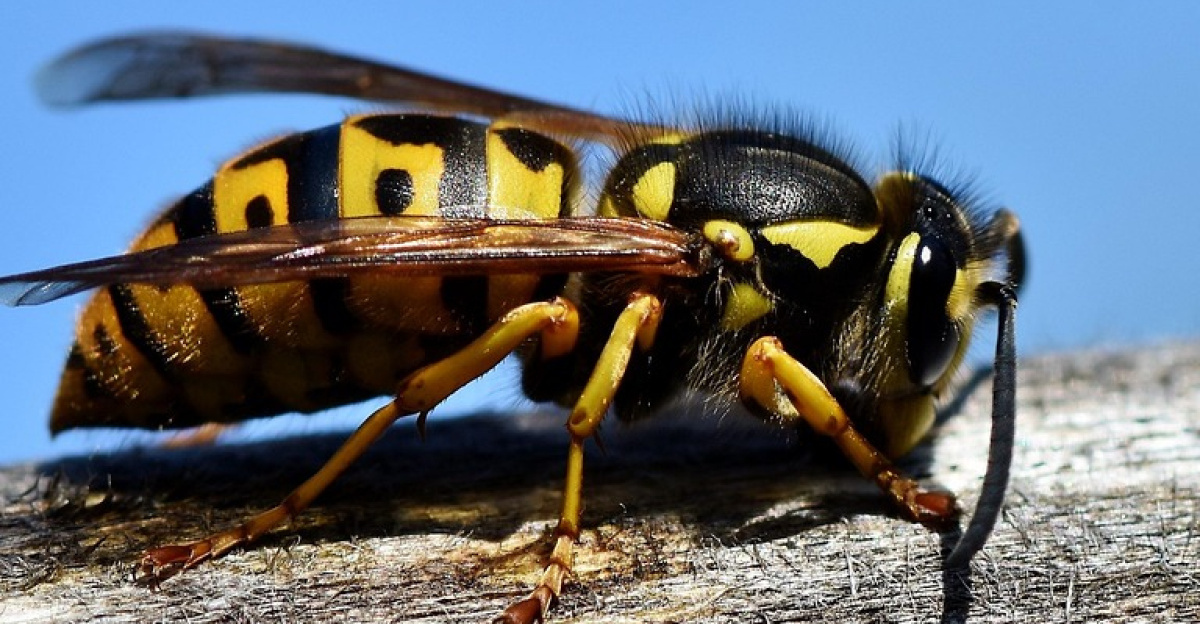
Insects and household animals that people consider routine can also be lethal. Between 2011 and 2021, stings from hornets, bees, and wasps killed an average of 72 Americans per year. The overwhelming cause is anaphylaxis, a rapid, life-threatening allergic reaction that can follow even a single sting. Only a small fraction of the population—around four-tenths of one percent—is truly allergic, but for those individuals, minutes can make the difference between recovery and death. Early use of epinephrine and emergency care is critical once symptoms like trouble breathing or swelling appear.
Domestic dogs, one of the nation’s most popular companion animals, are linked to hundreds of fatalities over the past decade. From 2011 to 2021, dog bites caused about 468 deaths in the United States. The deadliest incidents typically involve powerful breeds, multiple dogs attacking together, or animals with a known history of aggression. Studies have found pit bulls involved in roughly two-thirds of recent fatal attacks, though any large, strong dog can be dangerous if poorly trained, neglected, or left unsupervised with vulnerable people. Young children and older adults face the greatest risk of severe or fatal injuries.
Bites, Stings, and Venom
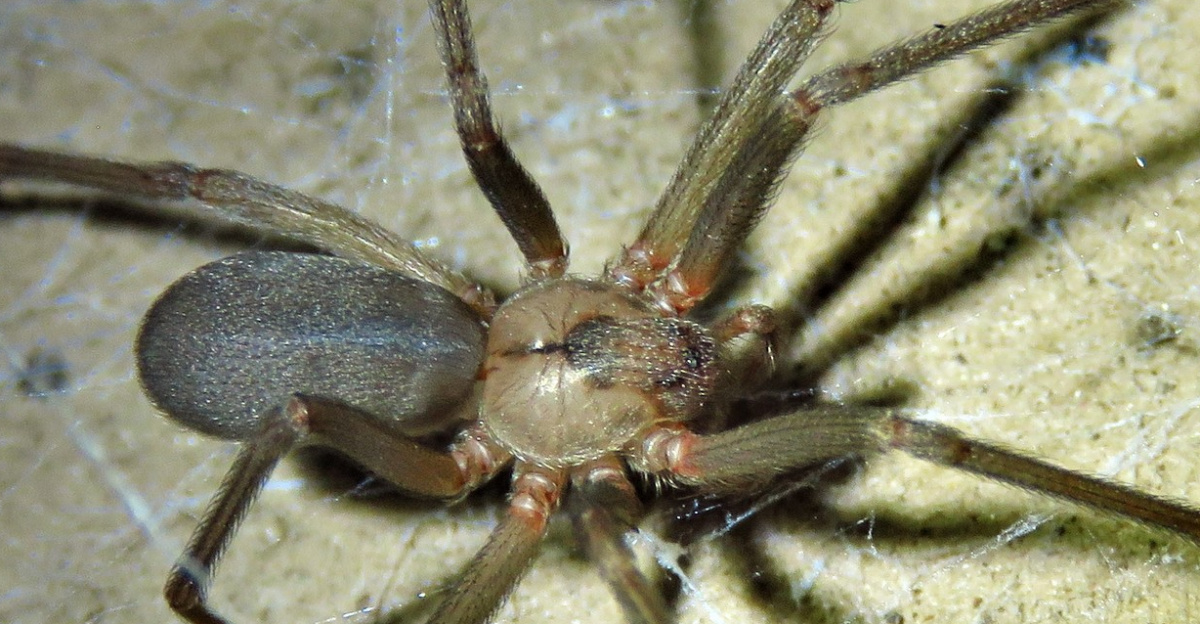
Several American species are dangerous not because of their size, but because of venom. In warmer regions, spiders such as black widows and brown recluses occasionally cause serious illness. Black widow bites can trigger intense muscle pain, cramping, and tremors that last for hours or days, while brown recluse venom can destroy tissue near the wound and leave deep scars. Deaths today are rare thanks to improved treatment, but medical attention remains important when symptoms spread beyond the bite area.
Venomous snakes—including rattlesnakes, copperheads, cottonmouths, and coral snakes—bite thousands of people each year. Most victims survive, but they often endure severe pain, swelling, and tissue damage that may require hospitalization or surgery. Without prompt antivenom and supportive care, venom can damage organs and become fatal. Hikers, outdoor workers, and people moving through brush, rocks, or tall grass are most likely to encounter defensive bites. In the desert Southwest, scorpions add another threat. Most species cause only local pain, but the Arizona bark scorpion can trigger intense pain, numbness, muscle spasms, and breathing difficulties, especially in children and older adults.
In coastal and marine settings, jellyfish and related stinging organisms can cause intense pain and, more rarely, dangerous allergic or heart reactions. Because many are nearly transparent, swimmers may not notice them until welts or systemic symptoms appear. Serious outcomes, including anaphylaxis and heart rhythm problems, are uncommon but possible, underscoring the need to leave the water and seek care if strong reactions develop.
Predators and Powerful Wild Animals
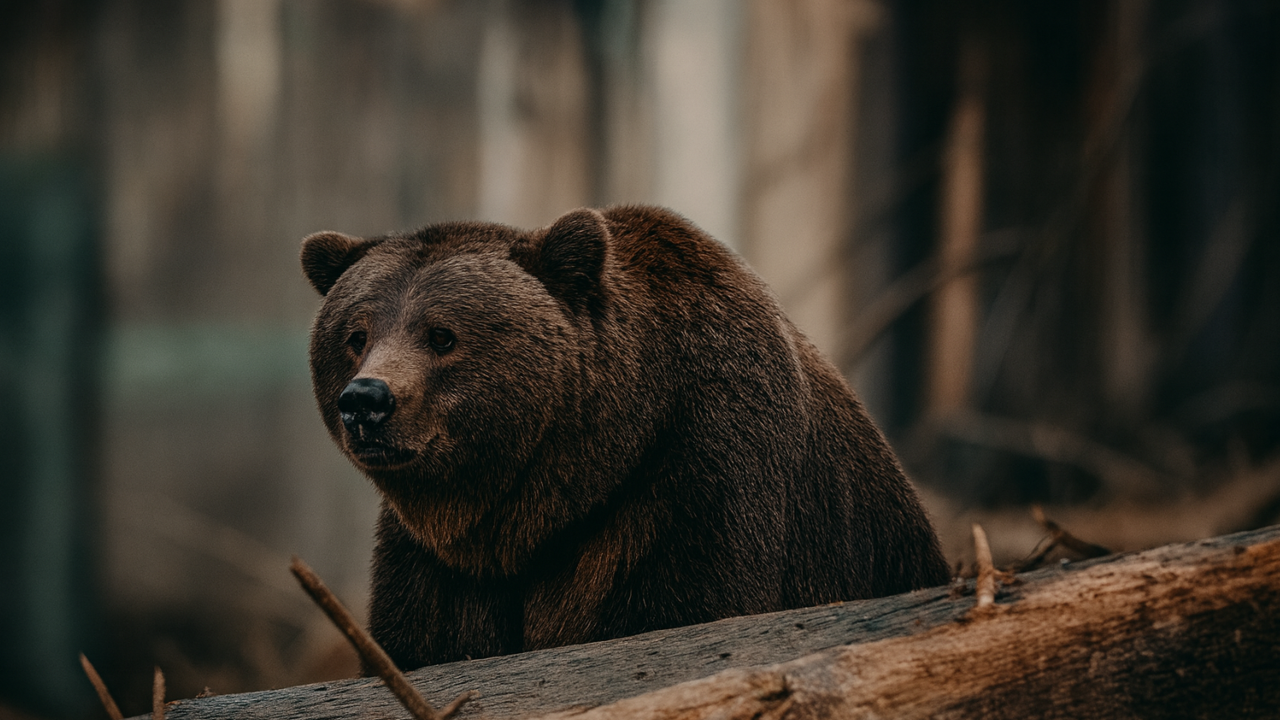
Larger wild animals capture more public attention, though they account for relatively few deaths. Bears, particularly brown and grizzly bears, are capable of killing a person in a single attack. Most serious encounters occur when a bear is surprised at close range, defending cubs, or protecting food. Grizzlies, found mainly in the northern Rocky Mountains and Alaska, are generally larger and more aggressive than black bears, which makes sudden encounters especially dangerous. Carrying bear spray, staying in groups, and making noise in dense habitat can reduce risk.
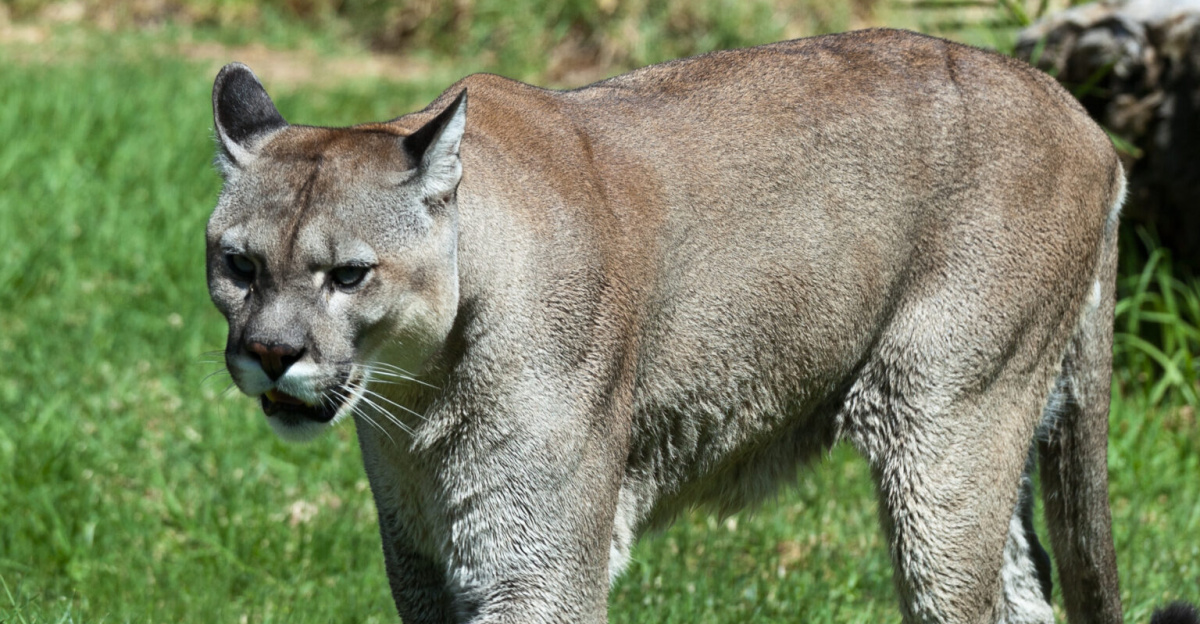
Cougars, also known as mountain lions or pumas, rarely attack humans, but their strength and stealth make any incident potentially lethal. These cats prefer deer and other wild prey. Problems arise when cougars become accustomed to human presence or mistake a person—often a child or small adult—for prey. They stalk quietly and strike with speed, so people in cougar country are urged to keep children close, avoid running if confronted, and try to appear larger while backing away.
In the Southeast, American alligators sometimes kill people in or near freshwater lakes, ponds, and marshes. These reptiles are ambush hunters that often wait at the water’s edge. Walking dogs near the shoreline, wading in murky water, or swimming where warning signs are posted can all increase risk. Alligators defend nests and young aggressively and can move quickly over short distances on land, surprising those who assume they are slow.
Sharks off U.S. coasts occasionally bite swimmers, surfers, and divers, though overall risk remains low. Species such as bull sharks are considered especially hazardous because they tolerate freshwater and hunt in shallow, nearshore areas frequented by people. Many shark bites are exploratory rather than full predatory attacks, but the force of their jaws can still cause life-threatening injuries.
Other Threats on Land and Sea
A few less familiar animals present focused but real dangers. Feral hogs, now widespread across many states, can be highly aggressive when cornered or defending young. Their tusks can cause deep lacerations, and they also create indirect hazards by damaging crops, tearing up landscapes, and contributing to vehicle collisions. Hunters and trappers dealing with these powerful animals must use caution and appropriate equipment.
Gila monsters, one of the few venomous lizards native to the United States, deliver a slow, gripping bite that can be extremely painful and may lead to numbness, weakness, and breathing problems. These lizards are generally shy, and bites are uncommon, but they are taken seriously in medical settings.
Wolves almost never attack people in North America. When attacks have occurred, they have usually involved animals that were fed by humans or individuals sick with rabies. Because wolves hunt in packs and target large prey, any predatory encounter with humans could be severe, but modern wildlife management and public education keep such events exceptionally rare.
Moose, the heaviest members of the deer family, can become dangerous during autumn mating season or when cows protect calves. Bulls may act aggressively toward people or vehicles, while cows can charge if they perceive a threat. Their great size—often over 1,000 pounds—makes roadway collisions especially hazardous, and close approaches by photographers or tourists can provoke attacks.
Forward-looking wildlife experts emphasize that while these animals can be deadly, nearly all risks can be reduced. Defensive driving in areas with heavy deer and livestock traffic, carrying emergency medications for known allergies, using protective gear on farms and trails, and respecting distance from wild animals all help prevent tragedies. As human activity continues to expand into habitats across the country, understanding how seemingly ordinary animals cause harm will remain an important part of staying safe outdoors and at home.
Sources
Animal‑Related Fatalities in the United States – PMC
Animal‑Related Fatalities in the United States – Scientific Direct
The 10 Deadliest Animals Found in America – A‑Z Animals
10 Animals That Kill The Most Humans – World Atlas