
A tiny pest has quietly infiltrated Oregon’s oak forests, spreading unnoticed until its devastating effects become visible. Barely larger than a grain of rice, this invader burrows into the bark of white oaks, causing the branches to wither, signaling potential destruction.
Scientists are working urgently to assess its spread and understand the full scope of the damage, but the true consequences are just beginning to unfold.
The Spread of the Infestation

In the summer of 2025, state crews set up traps across Oregon’s Willamette Valley to track the growing infestation. Over 500 specimens were captured from more than 30 different sites.
This marked a troubling shift from isolated sightings to widespread infestation, raising concerns about the beetle’s impact. As the threat grows, experts warn that this tiny pest could severely disrupt Oregon’s oak woodlands if not managed swiftly.
Silent, Elusive Invader

Native to Europe, North Africa, and Western Asia, it was introduced to the U.S. through international trade.
Initially detected in Napa County, California, in 2019, the pest made its way to Oregon’s Troutdale area in 2018. By 2025, it had spread across several counties, marking the beginning of a long-term problem. Experts are now scrambling to figure out how far it has spread and how best to contain it.
Oaks at Risk

Oregon’s white oaks are essential to the local ecosystem, providing crucial services such as habitat, carbon storage, and shade. However, these trees have been under stress due to urban development and agricultural expansion.
The arrival of this invasive pest compounds these challenges, further endangering the oaks. With the beetle’s rapid spread, Oregon could see the loss of these vital trees, which play a crucial role in maintaining ecological balance.
Establishment Confirmed
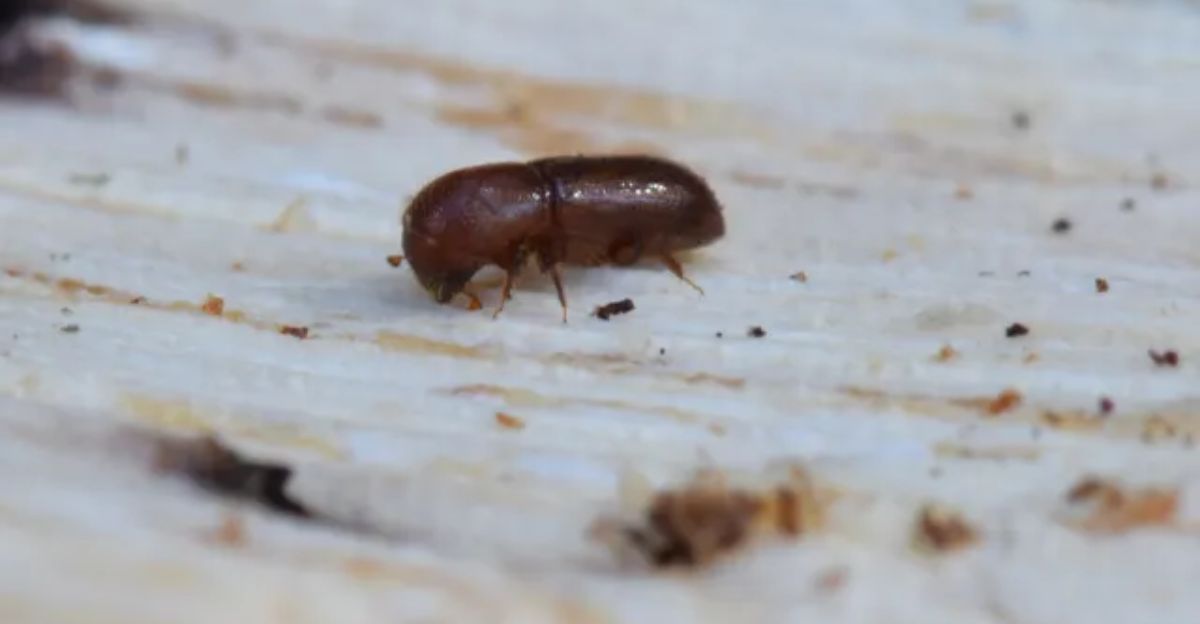
In 2025, experts confirmed that the Mediterranean oak borer is now widely established across Oregon’s northern Willamette Valley. Extensive trapping efforts have shown that the infestation is no longer isolated.
The spread has been so extensive that eradication is no longer a feasible option. The pest is now firmly entrenched in Oregon’s oak forests, and the focus has shifted from eradication to controlling the spread and mitigating damage.
Targeted Counties
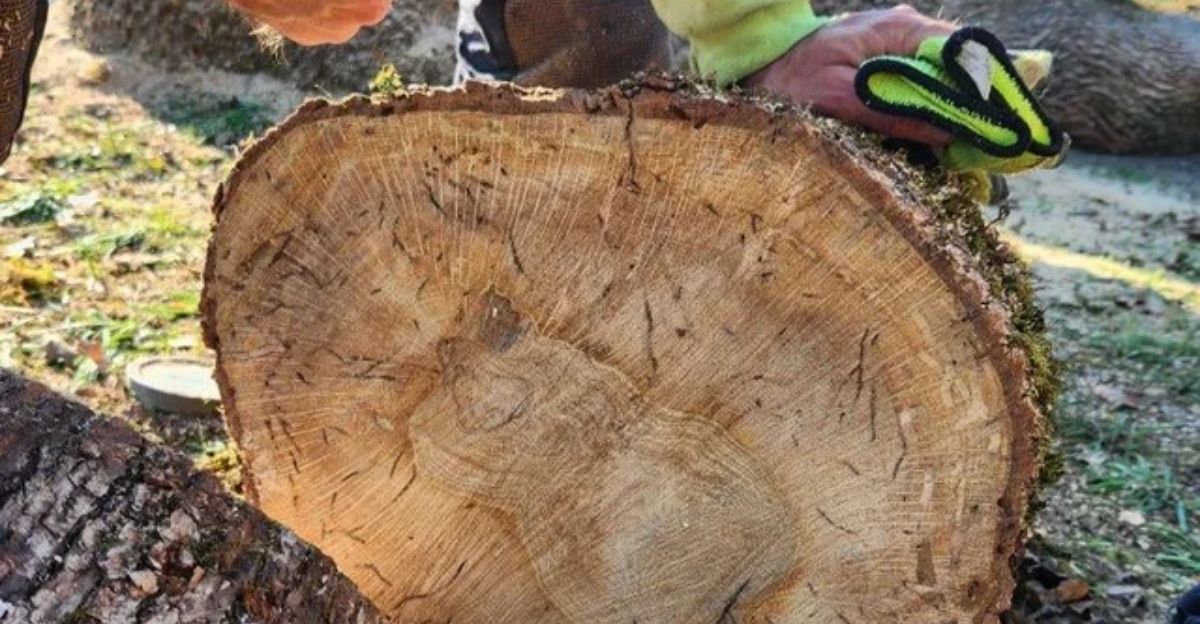
Infestation has been confirmed in several counties across Oregon, including Multnomah, Clackamas, Marion, Polk, Washington, and Yamhill. These areas, rich in oak trees, are now facing a growing risk of ecological disruption.
The Mediterranean oak borer is spreading rapidly in these regions, threatening the health of Oregon’s iconic oak woodlands. The presence of this pest in such large swaths of the state calls for urgent action to prevent further spread.
Wider Consequences

Beyond the environmental damage, the Mediterranean oak borer’s spread poses a threat to property values and wildlife habitats. Communities that rely on oak trees for shade, construction materials, and cultural practices now face a direct impact on their livelihoods.
The infestation jeopardizes not only the trees themselves but also the broader ecosystem that depends on them. Local residents and tribes are concerned about the loss of these important resources.
State Response
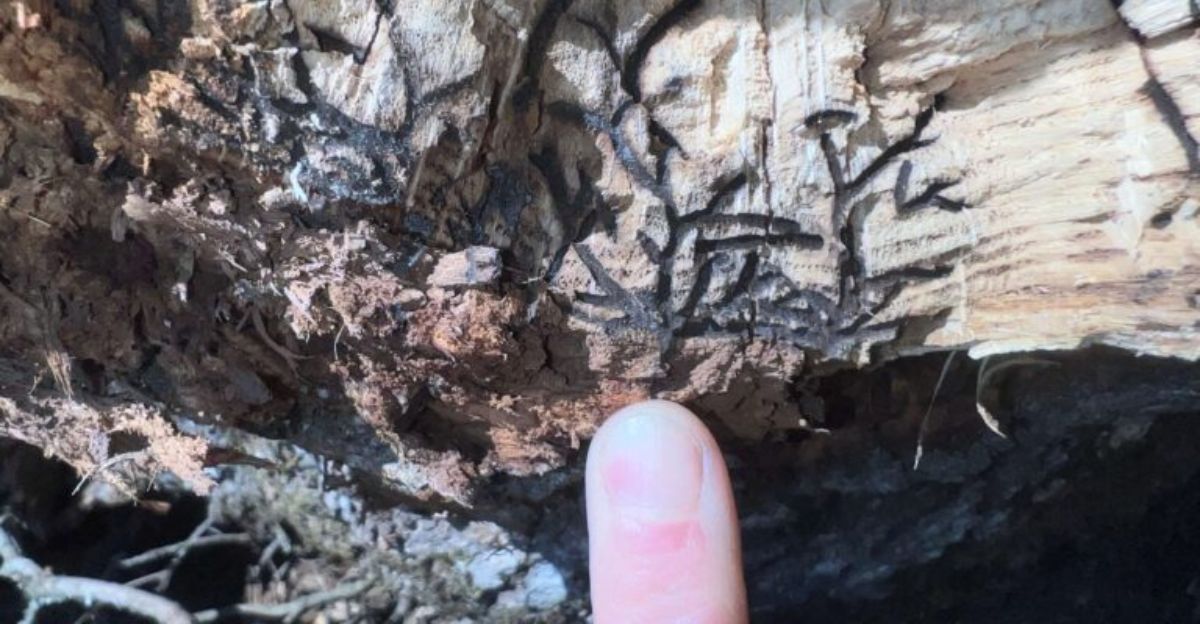
The Oregon Department of Agriculture has prioritized the Mediterranean oak borer as a significant concern. State agencies are collaborating with experts to devise an effective management strategy. The Oregon Invasive Species Council has also made the pest a top priority.
Oregon has reached out to California, sharing information and resources to monitor the beetle’s movement across state lines. The urgency of the situation has prompted action from both state and federal agencies.
A Growing Issue

The Mediterranean oak borer is part of a larger trend of invasive species threatening North American oak forests. In California, similar pests have already caused significant ecological and economic damage, and Oregon is now facing the same risks.
If left unchecked, the spread of this beetle could have devastating consequences for Oregon’s oak ecosystems. The threat is growing, and experts warn that other regions may soon face similar infestations if preventative measures aren’t taken.
Economic Ramifications

Oregon’s white oaks are essential for the local economy, providing ecosystem services like carbon sequestration, wildlife habitat, and even contributing to tourism. The continued spread of the Mediterranean oak borer threatens to devastate these industries, which rely on the long-term health of the oak trees.
Economic losses could reach millions if the pest continues to spread. Agriculture, tourism, and local communities could all face significant disruptions as a result of the infestation.
Scientific Uncertainty
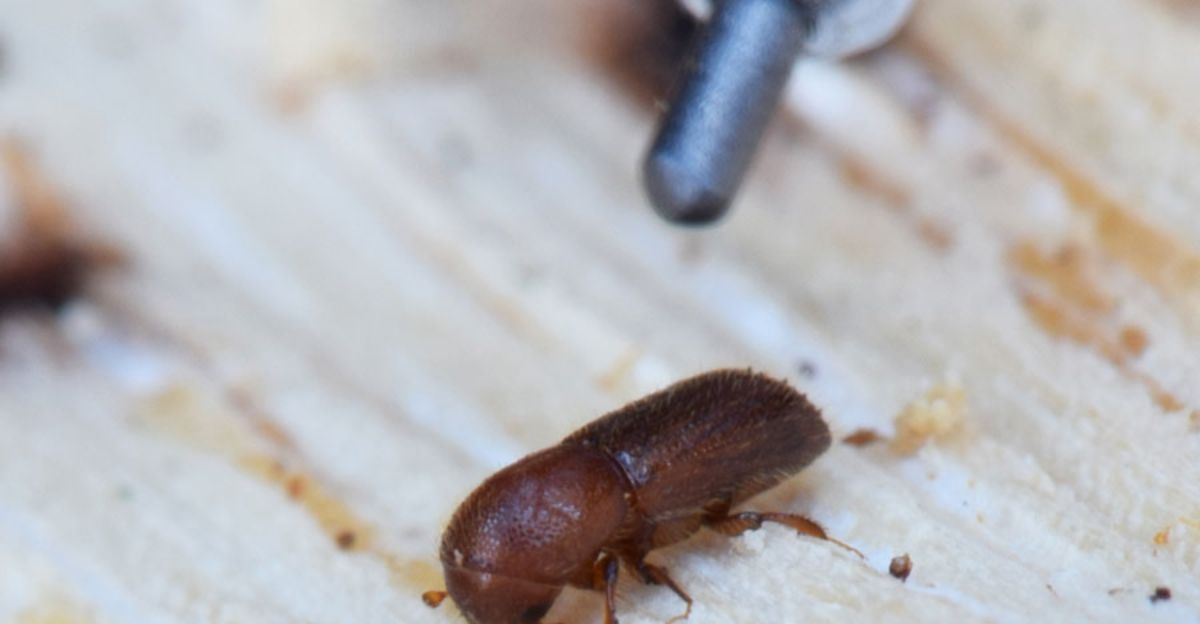
While experts have confirmed the presence of the Mediterranean oak borer in multiple areas, many trees show no visible signs of damage, leaving researchers uncertain about the extent of the infestation. This uncertainty makes it difficult to determine which areas require the most immediate attention.
The lack of clear symptoms in some trees has complicated efforts to assess the situation accurately. Scientists are working to better understand the pest’s behavior and potential long-term effects on Oregon’s forests.
Leadership in Action
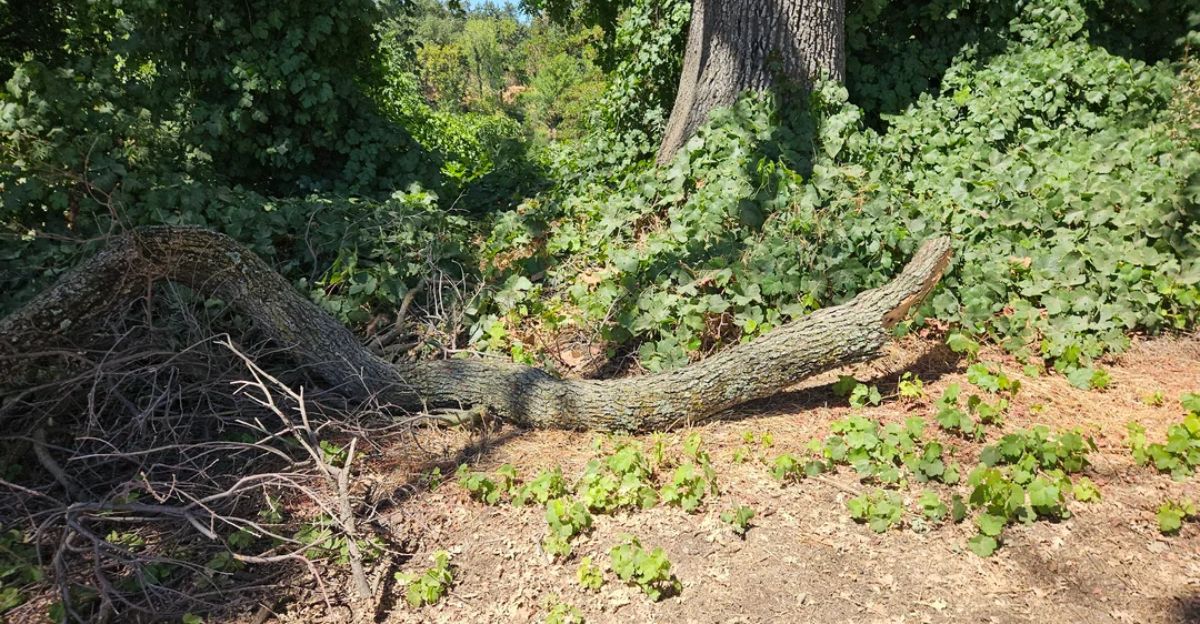
Cody Holthouse, chair of Oregon’s interagency task force, is leading efforts to manage the Mediterranean oak borer. Holthouse has emphasized the urgency of tracking the beetle’s spread and securing federal support for long-term management. He acknowledges that the situation could persist for decades if not handled effectively.
His team is focused on data collection, risk assessment, and securing resources to help mitigate the beetle’s impact on Oregon’s oak trees and the surrounding ecosystem.
Containment Strategy
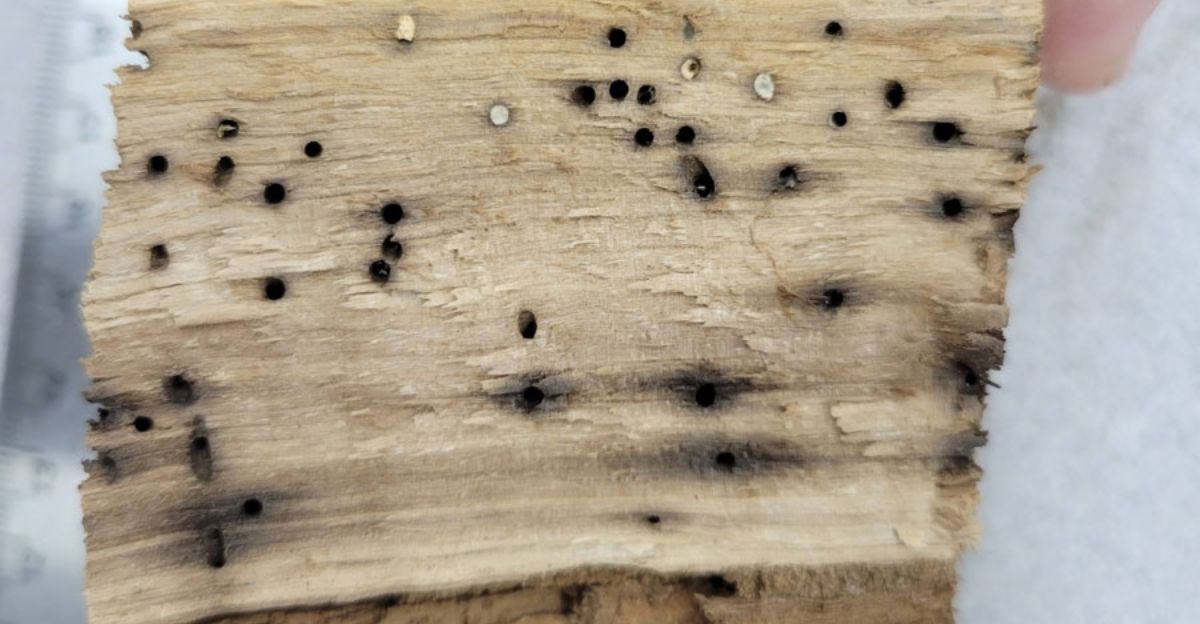
Given that eradication is no longer a viable option, Oregon is focusing on containment. The state’s trapping program is designed to track beetle populations, and experts are working to adapt methods from California’s experience to Oregon’s unique conditions.
Removing heavily infested trees has helped slow the spread in California, and Oregon plans to implement similar strategies. While eradication is unlikely, containment remains the best option for limiting the damage caused by this invasive species.
Questions Persist
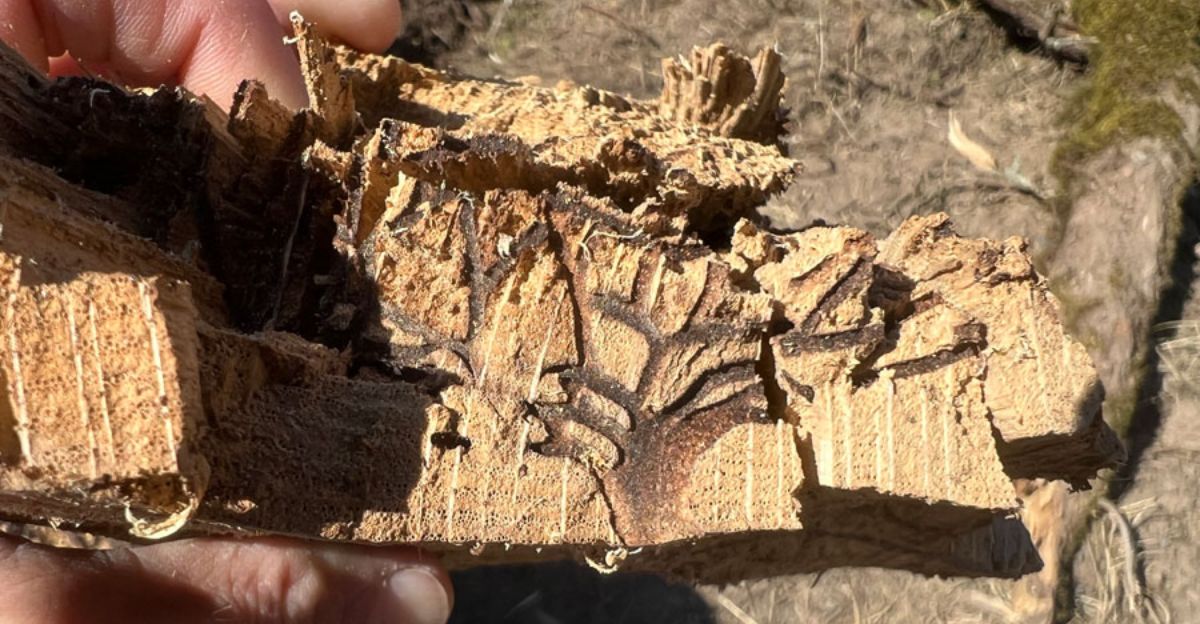
Despite extensive monitoring and coordination efforts, researchers remain unsure about the full impact of the Mediterranean oak borer on Oregon’s oak trees. The beetle’s behavior in Oregon differs from its native range, leading to questions about its long-term effects.
Scientists are grappling with uncertainty about the pest’s behavior, its ecological impact, and the strategies required to mitigate the damage. These unanswered questions make it difficult to craft an effective, long-term management plan.
Looking Ahead
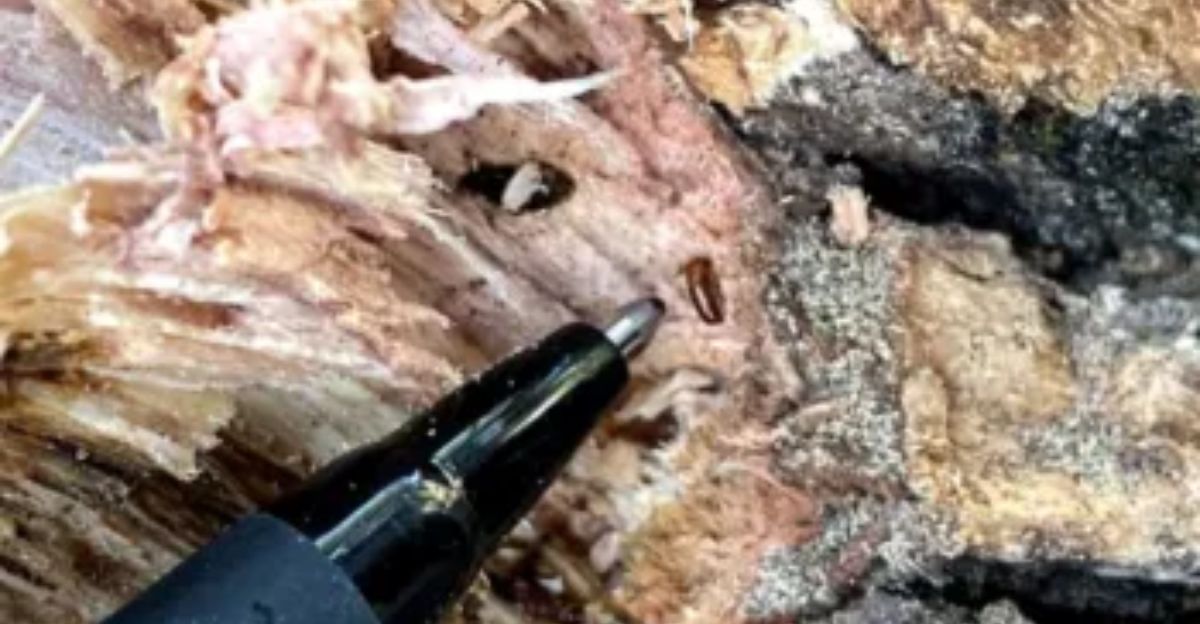
The next few years will be critical in determining whether the Mediterranean oak borer becomes a persistent threat or if its damage can be minimized.
Early detection, public reporting, and proactive management are key to limiting the infestation’s spread. Experts are hopeful that coordinated efforts across state and federal agencies can help manage the situation, but much work remains to be done to protect Oregon’s oak trees from further decline.
Policy Shift

The Mediterranean oak borer’s spread is pushing Oregon to reconsider its approach to forest management. The Invasive Species Council has recognized the economic threat posed by the beetle, prompting discussions about increased funding for monitoring and rapid-response programs.
The state is also exploring ways to support private landowners who are facing the brunt of the infestation. The issue has sparked conversations about how best to balance environmental conservation with economic growth.
Beyond Oregon
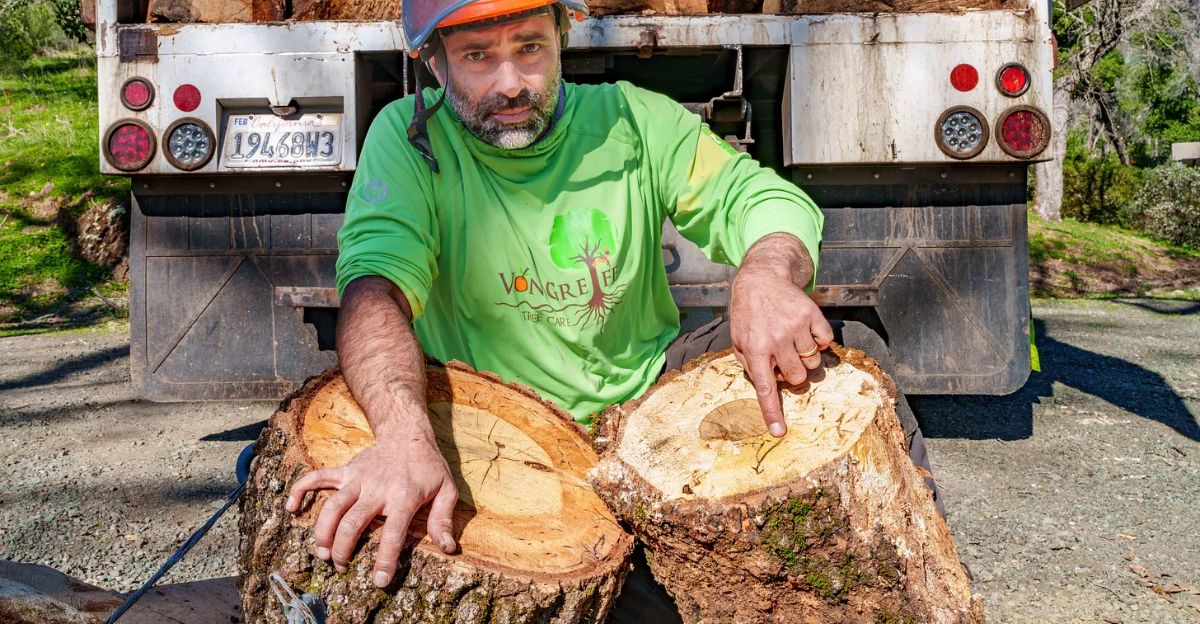
The Mediterranean oak borer’s rapid spread across state lines highlights the need for stricter controls on firewood and wood waste. Infested wood can transport the beetle to new areas, increasing the risk of broader ecological disruption.
Oregon’s efforts to contain the pest must also consider how it could affect other regions. The movement of this pest across the West Coast is a stark reminder of how invasive species can disrupt ecosystems on a large scale.
Firewood and Wildfire Risk

The movement of infested firewood is a key factor in spreading the Mediterranean oak borer. By unknowingly transporting infested wood from one area to another, people are helping to relocate the pest.
This practice also increases wildfire risks, as infected oak trees become weakened and more prone to dying. These dead trees could fuel future wildfires, compounding the environmental threat posed by the Mediterranean oak borer’s spread.
Cultural Impact
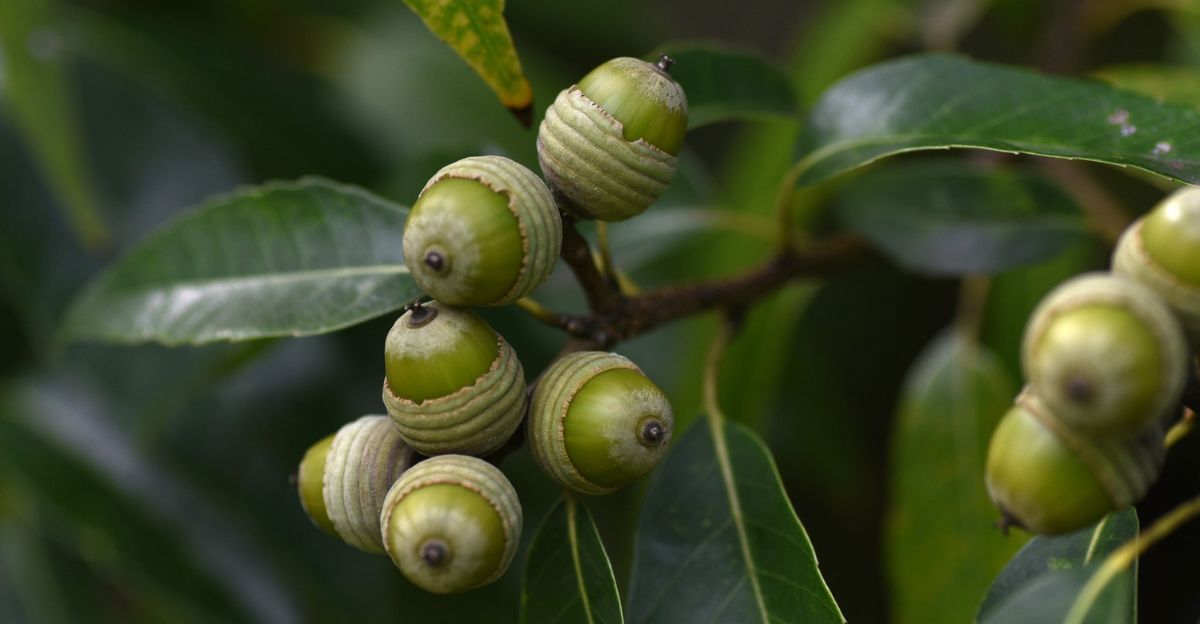
Oregon’s white oaks are deeply embedded in local cultures, especially for Native American communities, who use the trees for materials and ceremonial purposes. The loss of these trees would erase not only ecological services but also cultural traditions.
The spread of the Mediterranean oak borer threatens to sever these deep cultural ties, making the ecological loss even more profound. The community’s connection to these ancient trees highlights the broader significance of the issue.
A Test of Resilience
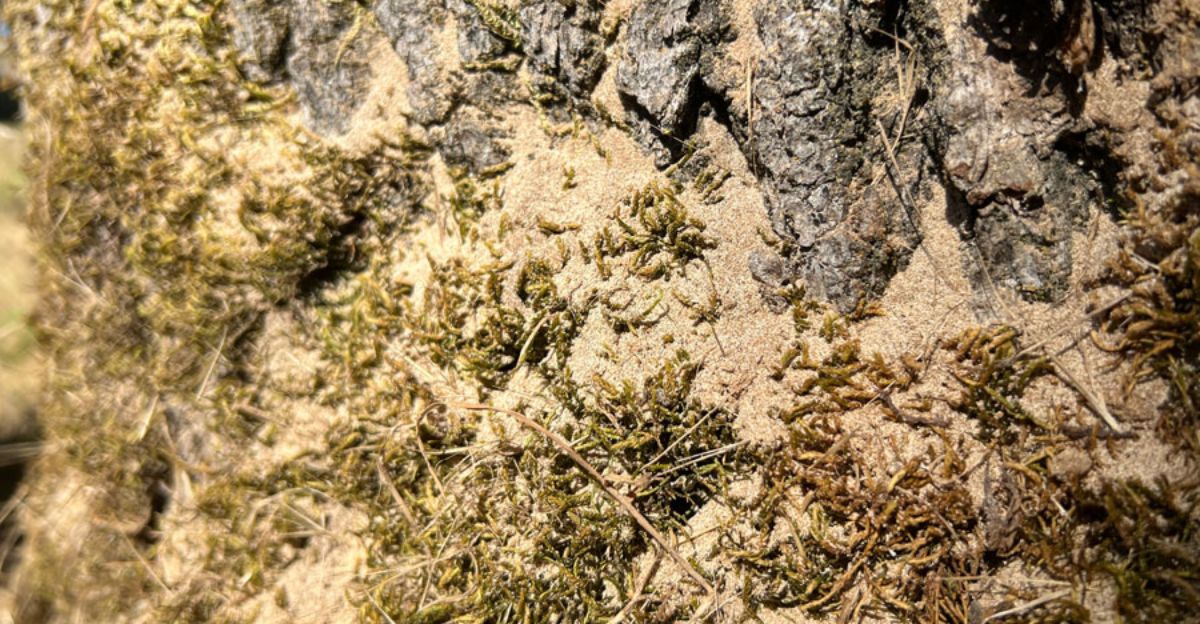
The Mediterranean oak borer’s spread is more than just an ecological crisis—it’s a test of resilience for Oregon and its neighbors. How effectively the region responds will shape the future of its oak ecosystems.
Decisions made now, including how to monitor, manage, and conserve these oak trees, will determine how well Oregon can face future environmental challenges and protect its natural resources from invasive species.
A Serious Threat
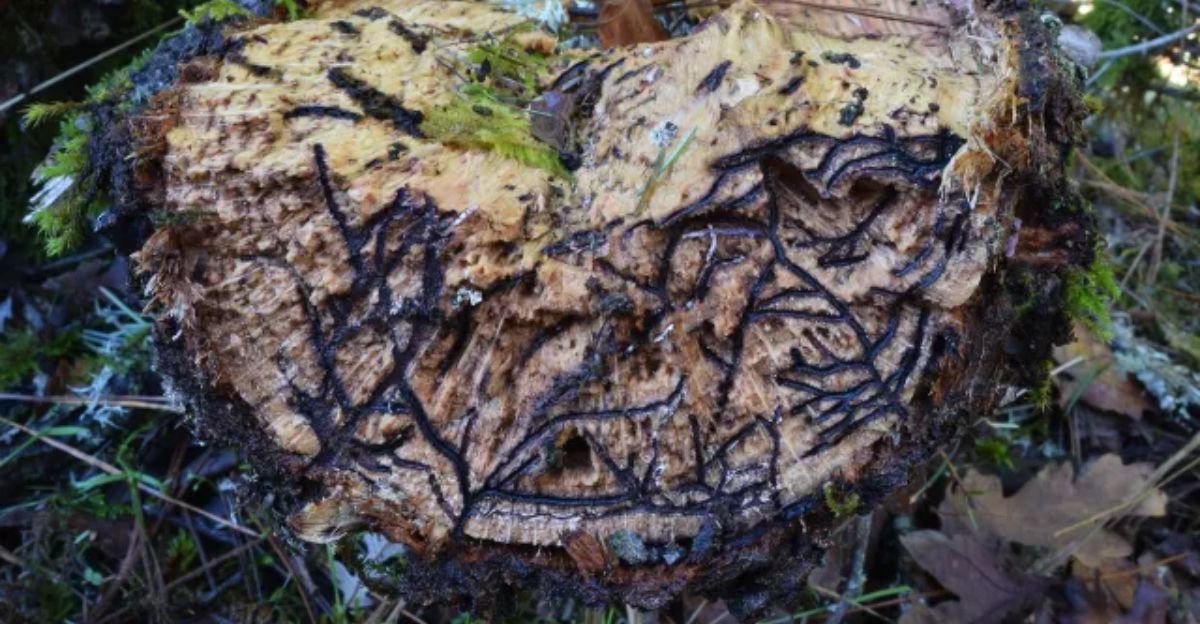
The Mediterranean oak borer poses a serious threat to Oregon’s oak ecosystems, with far-reaching impacts on both the environment and local communities. As the pest continues to spread, early detection, coordinated management, and public involvement will be key to minimizing its damage.
The coming years will be crucial in determining the future of Oregon’s oak trees and the broader ecosystems they support. Effective action now could help ensure their survival.
Sources:
Oregon Department of Forestry Fact Sheet: Mediterranean Oak Borer (October 2025); Oregon Department of Forestry Forest Health Threats Bulletin (November-December 2025)
Oregon Department of Agriculture Collaborative Trapping Program Report (2025); Cody Holthouse, Chair of State Interagency MOB Task Force Press Statement (November 2025)
University of California Forest Service Research: Mediterranean Oak Borer Biology and Management Best Practices; Christine Buhl, Oregon Department of Forestry Forest Entomologist Study on MOB Fungal Vectors and Host Species
Oregon Invasive Species Council 2024 Annual Report and Threats & Opportunities Primer; USDA Forest Service Pacific Northwest Region Mediterranean Oak Borer Assessment and Funding Documentation