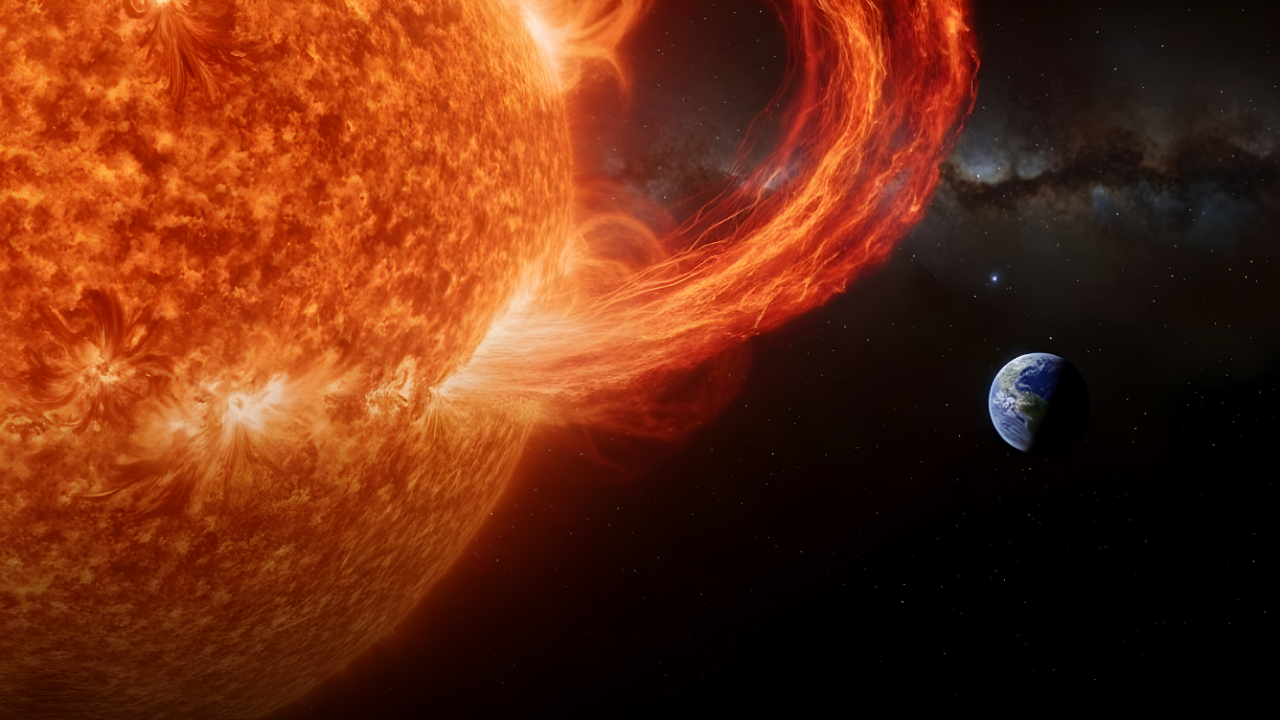
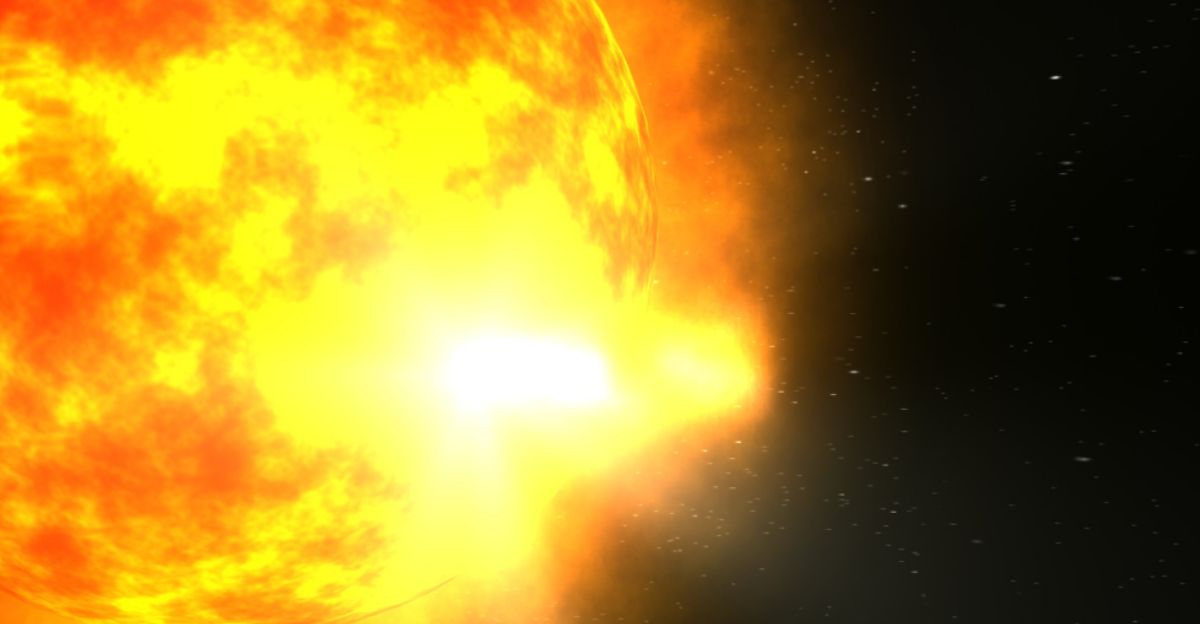
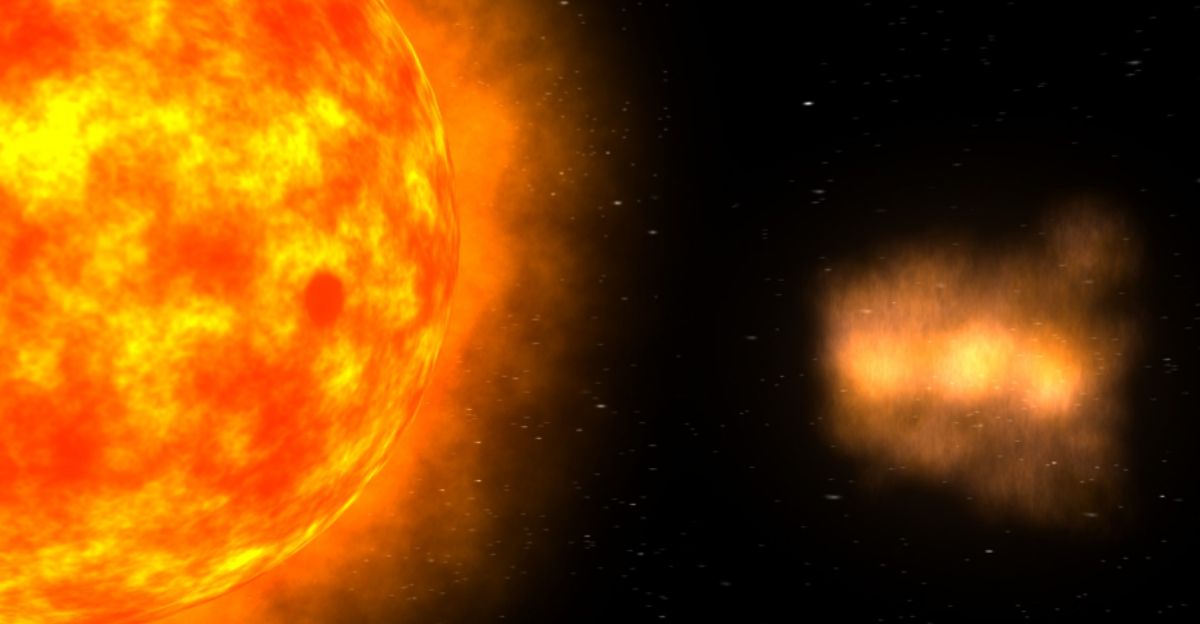
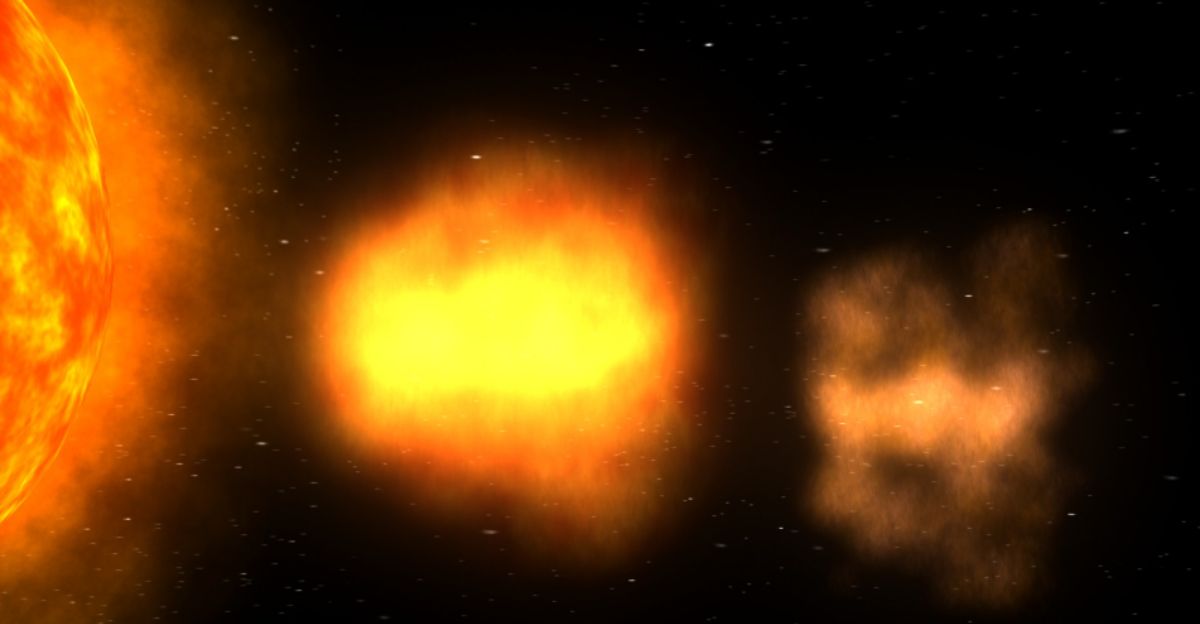
The solar flare erupted with stunning intensity at 12:01 a.m. EST (05:01 UTC) on December 8, 2025. The sky above the Sun’s surface twisted violently, releasing a massive Coronal Mass Ejection (CME) toward Earth. Within moments, it was clear: this wasn’t just another flare. The X1.1-class flare, originating from sunspot region AR4298, was charged with an unusual magnetic field that would collide fiercely with Earth’s magnetosphere. Experts scrambled to prepare, knowing this was only the beginning.
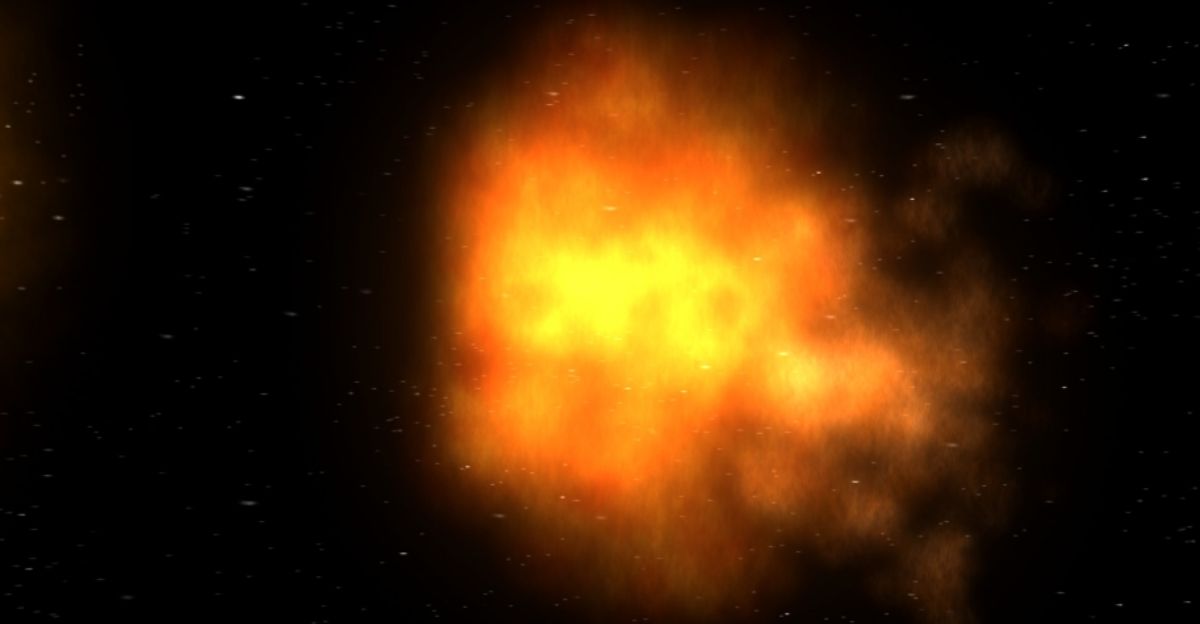
As the CME races closer, the storm is expected to hit by December 9, triggering a G3-Strong geomagnetic storm that could disrupt communications and technology worldwide. What exactly will happen next? The countdown has begun.
A Rare and Powerful Solar Event

Unlike typical flares, this X1.1-class eruption comes from sunspot region AR4298. The combination of multiple CMEs interacting with each other amplifies the storm’s strength.
Scientists warn that this unprecedented solar outburst could lead to significant geomagnetic disruptions.
Impact on Technology and Communication
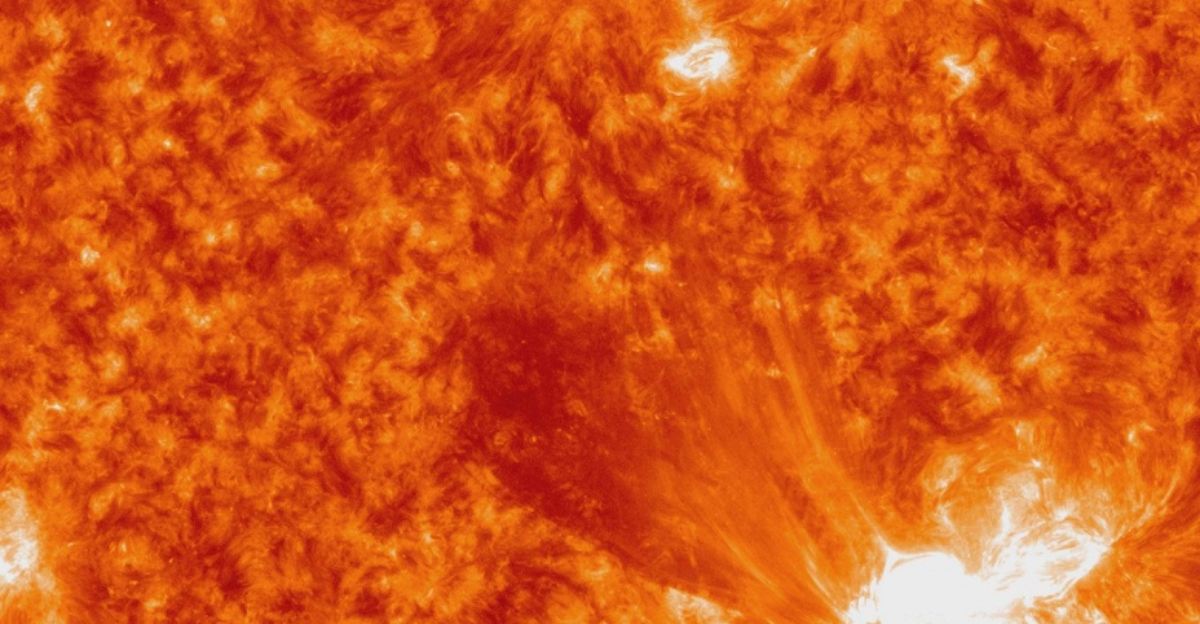
As the CME moves toward Earth, NOAA warns of potential GPS disruptions and radio communication breakdowns, especially in aviation.
Australia and parts of Southeast Asia experienced radio blackouts on December 8. Shortwave radio frequencies below 20 MHz were impacted, signaling that the coming storm may have even broader technological effects.
Satellites on High Alert
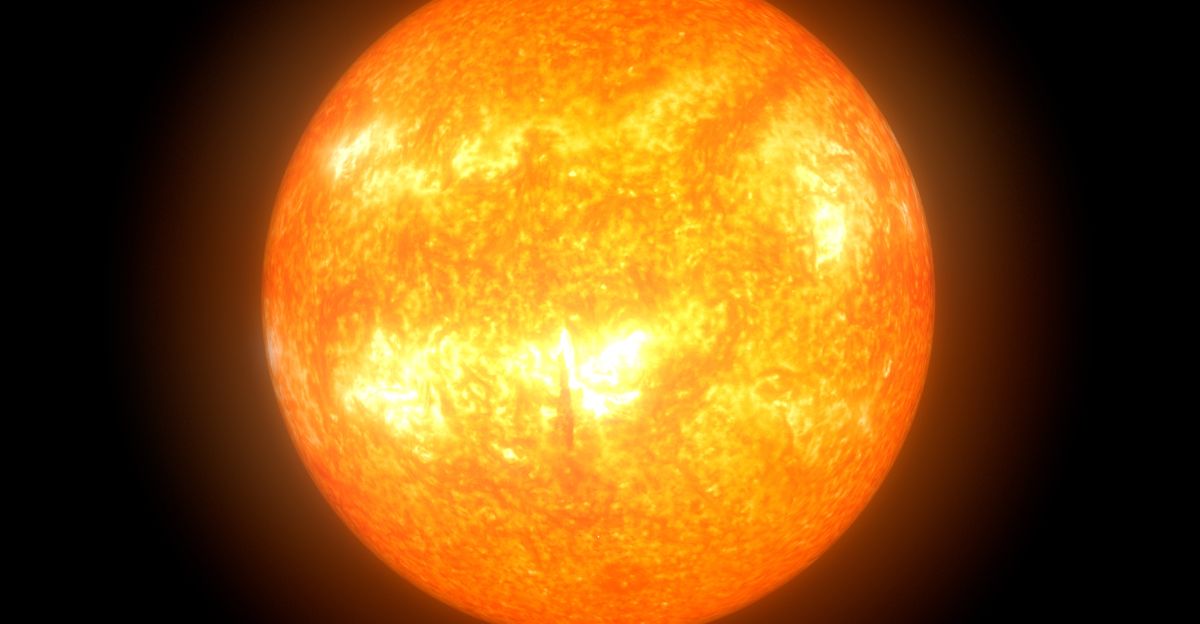
With the CME heading toward Earth, satellite operators are bracing for increased atmospheric drag on low-orbit spacecraft. The charged particles from the CME can cause anomalies and require swift adjustments to satellite orientation.
Some satellites may also experience brief interruptions in their functionality, requiring immediate corrective action.
Power Grids Preparing for Geomagnetic Currents
Electric utilities in northern regions are taking precautions against geomagnetically induced currents (GICs), which can affect high-voltage transformers.
If these currents disrupt power grids, operators will implement voltage corrections to prevent large-scale blackouts, aiming to ensure minimal and localized disruptions.
Aviation Faces High Frequency Disruptions

With high-frequency radio transmissions already disrupted over the Pacific, airlines are on alert. Long-haul flights, especially over polar or oceanic routes, could face further radio blackouts, requiring route adjustments.
Aviation authorities are revising communication protocols to mitigate the storm’s impact on flight operations.
Aurora Tourism Sees a Surge
For the first time, auroras are expected to appear as far south as Oregon and parts of the Midwest, creating a rare opportunity for skywatchers.
Communities that rely on aurora tourism are seeing a boost in interest, as this geomagnetic event will light up the sky in locations that rarely experience such natural displays.
How Agencies Are Responding
NASA and NOAA have ramped up their coordination through the Space Weather Prediction Center. Real-time updates and storm alerts are being sent to grid operators and aviation authorities.
The agencies are also reviewing their space-weather resilience plans to ensure infrastructure remains protected during solar events like this one.
Economic Impacts of Solar Storms
While a G3 storm is unlikely to cause catastrophic economic damage, the cumulative effects of repeated solar storms during solar maximum can increase operational costs.
Industries reliant on satellite communications, GPS systems, and high-frequency radio, such as logistics, telecommunications, and agriculture, may face higher insurance claims and disruptions.
Health and Lifestyle Effects
While the immediate health risk from this storm is low, the broader lifestyle impact could be felt through inconveniences like patchy GPS, internet slowdowns, or flight rescheduling.
Travelers and businesses that depend on precise navigation or real-time data may experience delays and disruptions, especially on December 9.
Solar Weather and Climate Debates
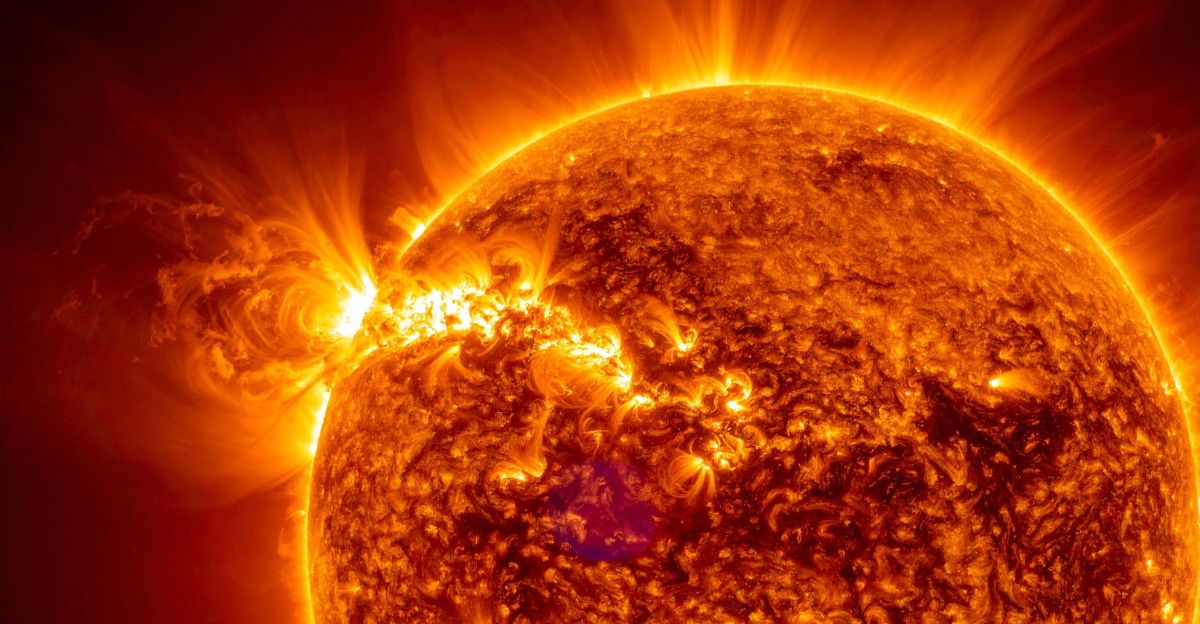
Solar events like this flare highlight the vulnerability of Earth’s magnetosphere but don’t directly affect long-term climate patterns.
While solar maximum brings heightened solar activity, it also fuels discussions about investing in space-weather research and infrastructure resilience. These storms, although rare, remind us of our dependence on space-based technologies.
Public Reaction: Fear vs. Fact

As the solar storm approaches, social media has been buzzing with mixed reactions—some in awe of the aurora displays, others fearing power outages and GPS failure.
Experts stress that while the storm is strong, the disruptions are manageable. However, public literacy about space weather risks remains crucial to prevent unnecessary panic.
The Silent Benefits

While satellite operations, aurora tourism, and space-weather services benefit from increased awareness during such events, industries relying on GPS and radio may face short-term disruptions.
This storm, although alarming, provides an opportunity to reinforce the need for resilient systems and better preparedness in space weather.
What Consumers Can Do
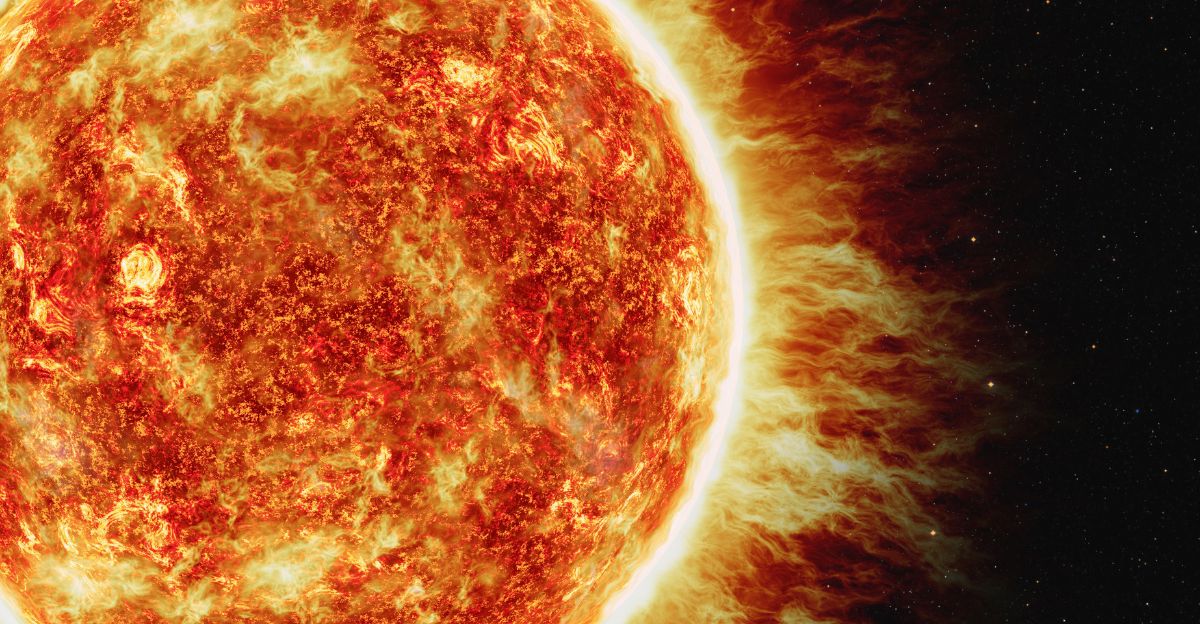
Consumers who rely on GPS for navigation should prepare for possible inaccuracies, especially during the storm window.
Airlines, maritime operators, and emergency services are urged to review backup communication strategies and stay updated with NOAA’s real-time alerts. For most, the best response is staying informed—and for some, enjoying the rare aurora displays.
Looking Ahead: Solar Cycle 25
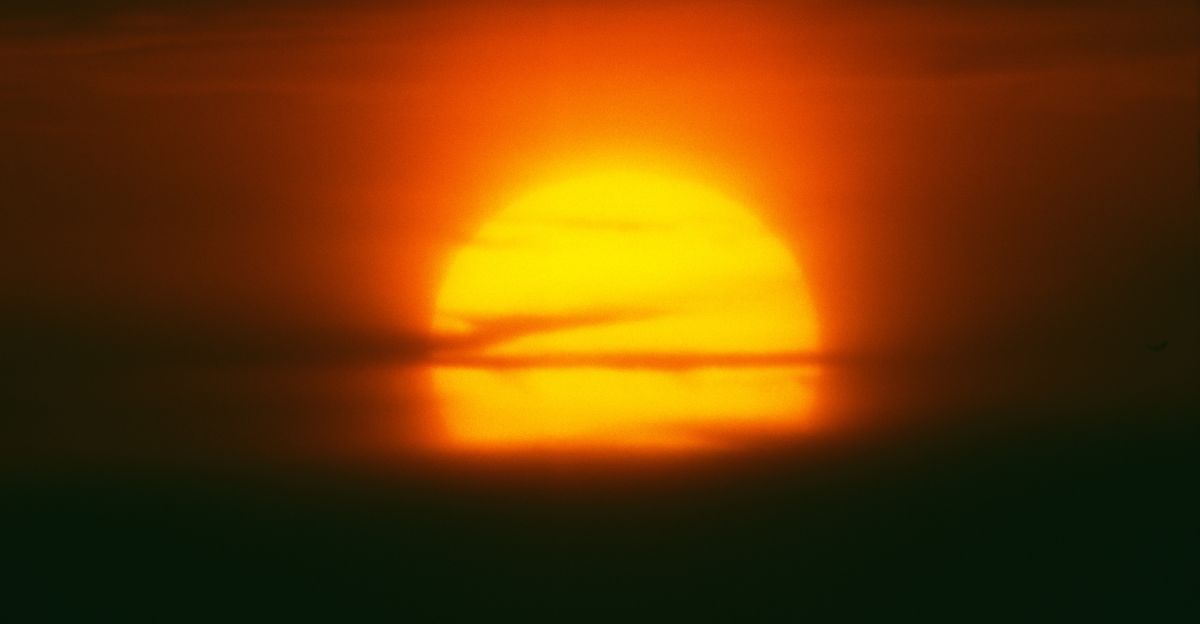
As Solar Cycle 25 reaches its peak, events like this M8-class flare serve as reminders of how solar activity can impact modern life. Both NASA and NOAA are closely monitoring solar storms and refining models to better predict and mitigate future disruptions.
The continued study of the Sun and its effects will be essential as we approach the next solar maximum.
Sources:
NOAA Space Weather Prediction Center G3 Geomagnetic Storm Watch, December 6, 2025; SWPC solar flare classification and radio blackout guidance
NASA Solar Dynamics Observatory Solar Cycle 25 reports; Solar and Heliospheric Observatory (SOHO) coronal mass ejection monitoring
SpaceWeatherLive M8.1 solar flare bulletin, December 7, 2025; Royal Observatory of Belgium Solar Influences Data Analysis Center
Federal Energy Regulatory Commission (FERC) geomagnetically induced currents power grid impact analysis; NOAA electric power transmission space weather effects documentation