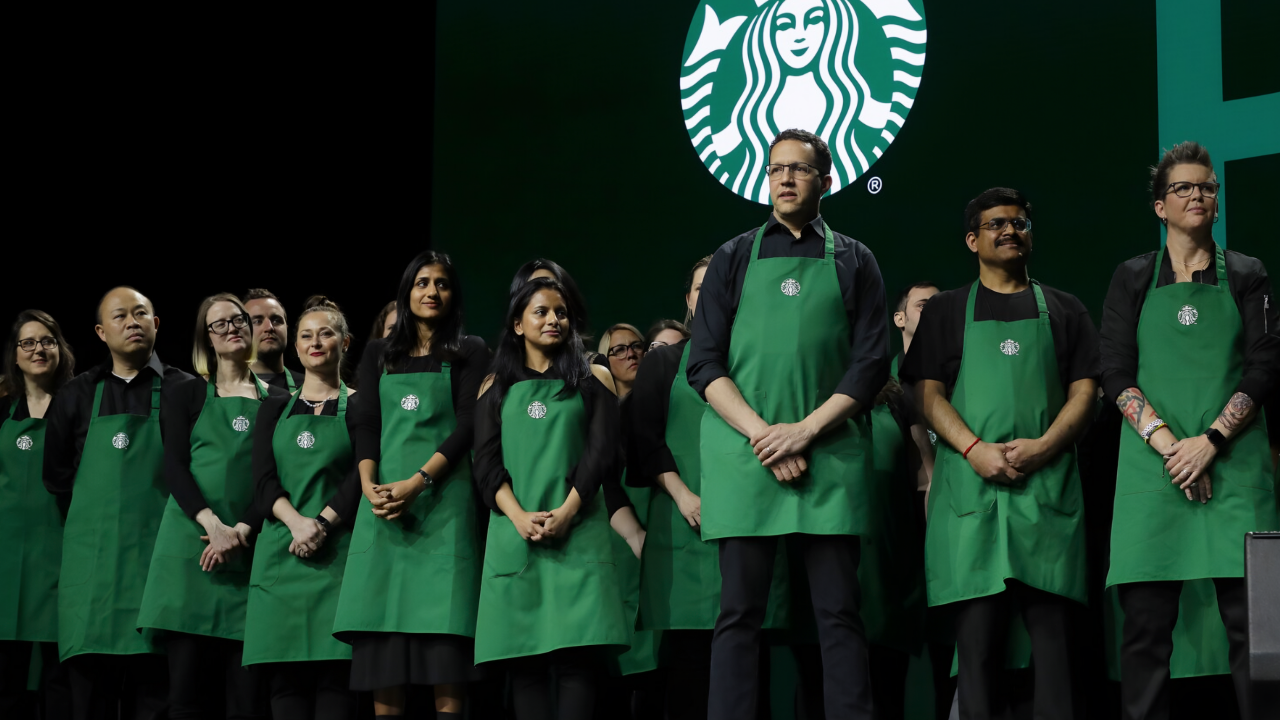
On December 1, 2025, New York City announced a stunning $38.9 million settlement with Starbucks—the largest worker protection settlement in the city’s history. The trigger: over 500,000 documented violations of the Fair Workweek Law across more than 300 Starbucks locations spanning July 2021 through July 2024.
The admission of systemic, intentional labor law violations directly contradicts the company’s carefully crafted self-image as a progressive employer offering healthcare, equity benefits, and educational tuition programs to its frontline workforce globally.
The Investigation Uncovers Systemic Worker Abuse Across New York
The Department of Consumer and Worker Protection launched its comprehensive probe in 2022 after receiving dozens of detailed worker complaints from multiple Starbucks locations across New York City. What started as a targeted investigation quickly evolved into something far more comprehensive and wide-reaching in scope.
DCWP examined detailed reports from hundreds of individual employees and requested company-wide data directly from Starbucks corporate records systematically.
Three Violations: Schedule Manipulation, Hour Cuts, and Denied Shift Opportunities

DCWP’s findings revealed three interconnected violations affecting thousands of workers systematically and deliberately across multiple locations. First, most Starbucks employees never received regular schedules posted 14 days in advance as required by law.
This absence made it nearly impossible for workers to arrange childcare, pursue education, or secure second jobs successfully. Second, Starbucks routinely reduced employee hours by more than 15 percent without legitimate business justification whatsoever for such actions.
The Systematic Strategy: Keeping Workers in Perpetual Financial Instability
The third violation involved deliberately denying workers the opportunity to pick up additional shifts, keeping them involuntary part-time status. Starbucks continued to hire new employees despite refusing to offer existing workers additional hours for supplemental income.
These three tactics created perfect storms of financial instability for vulnerable hourly workers struggling to support families in expensive New York. The systematic approach demonstrated that violations weren’t isolated incidents, but rather embedded operational procedures deliberately designed to maximize corporate flexibility while minimizing labor costs significantly.
Financial Breakdown: Settlement Distribution and Worker Compensation Details

The settlement structure reflects the severity of violations documented comprehensively during the investigation period. Starbucks will pay $35.5 million in direct restitution to affected workers, with an additional $3.4 million going toward civil penalties and investigation costs.
Over 15,000 hourly workers employed during the violation period are eligible for compensation payments from the settlement.
Payment Timeline and Extended Eligibility for Ongoing Violations

Starbucks is committed to distributing checks by winter 2025, ensuring workers receive restitution without excessive administrative delays throughout the process. The compensation provides immediate financial relief for workers who endured years of scheduling uncertainty and income instability related to violations.
Workers can track their payment status through DCWP’s online portal, ensuring transparency throughout the distribution process effectively.
Reinstatement Rights and Ongoing Compliance Monitoring and Oversight
Workers laid off due to recent Starbucks store closures throughout New York City retain the right to reinstatement at other available locations under the law. DCWP is actively monitoring Starbucks’ compliance with reinstatement obligations and systematically assisting workers seeking job restoration throughout the process.
This protection ensures that workers do not lose employment entirely due to corporate restructuring decisions made by executives.
The Fair Workweek Law: Comprehensive Protections Starbucks Ignored and Violated
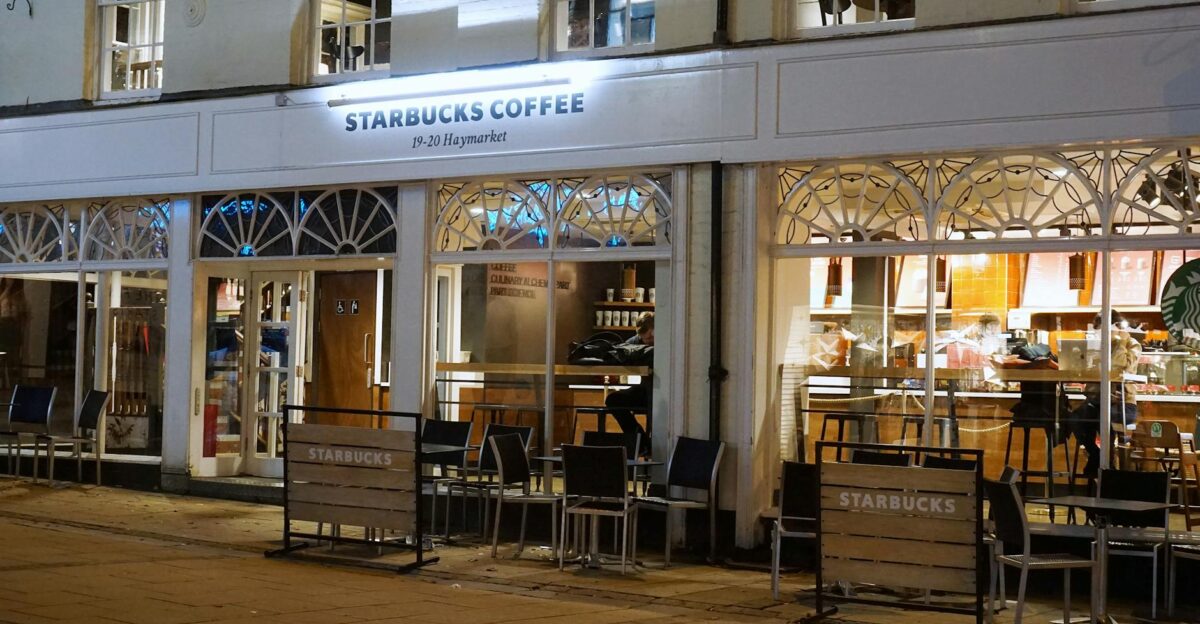
New York City’s Fair Workweek Law, enacted in 2017, establishes comprehensive scheduling protections for fast-food and other industries operating within city limits. The law requires employers to provide stable work schedules, posted at least 14 days in advance, thereby preventing last-minute scheduling chaos.
Employers cannot reduce hours by more than 15 percent without legitimate business reasons justifying such reductions.
Schedule Protections and Clopening Prohibition: The Law’s Core Requirements
The law explicitly prohibits “clopening” shifts—where workers close stores at night then open them early the next morning—unless workers specifically consent in writing and receive $100 premium payment. These protections exist because studies demonstrate that scheduling unpredictability significantly undermines worker wellbeing, mental health, and economic stability.
The law represents a fundamental recognition that hourly workers deserve predictable income and the ability to plan their lives responsibly. These scheduling protections prioritize worker dignity over corporate operational convenience.
Mayor Adams and Government Officials Issue Accountability Warning to Corporations
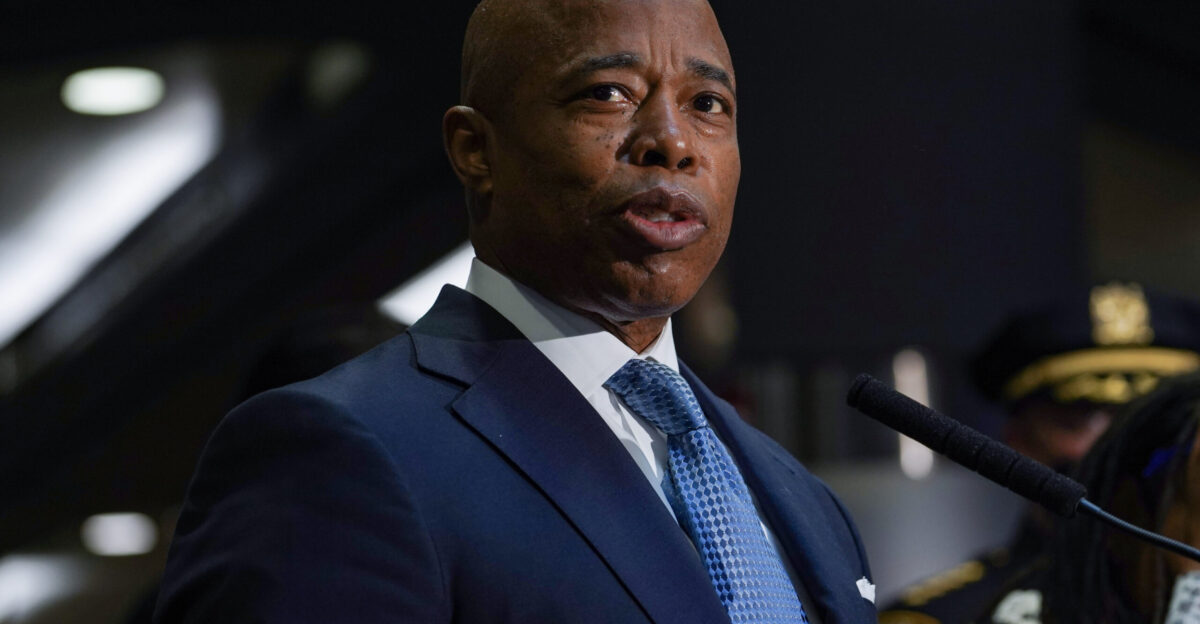
During the settlement announcement, Mayor Eric Adams delivered a message resonating far beyond New York City’s borders. “It does not matter how big your business is or how much money your company makes, if you violate our workers’ rights, you will pay the price,” Adams declared firmly to corporate leaders.
Adams emphasized that the settlement returns tens of millions of dollars to hardworking New Yorkers while protecting basic worker dignity.
DCWP Commissioner and Labor Leaders Celebrate Worker Dignity and Organizing Power
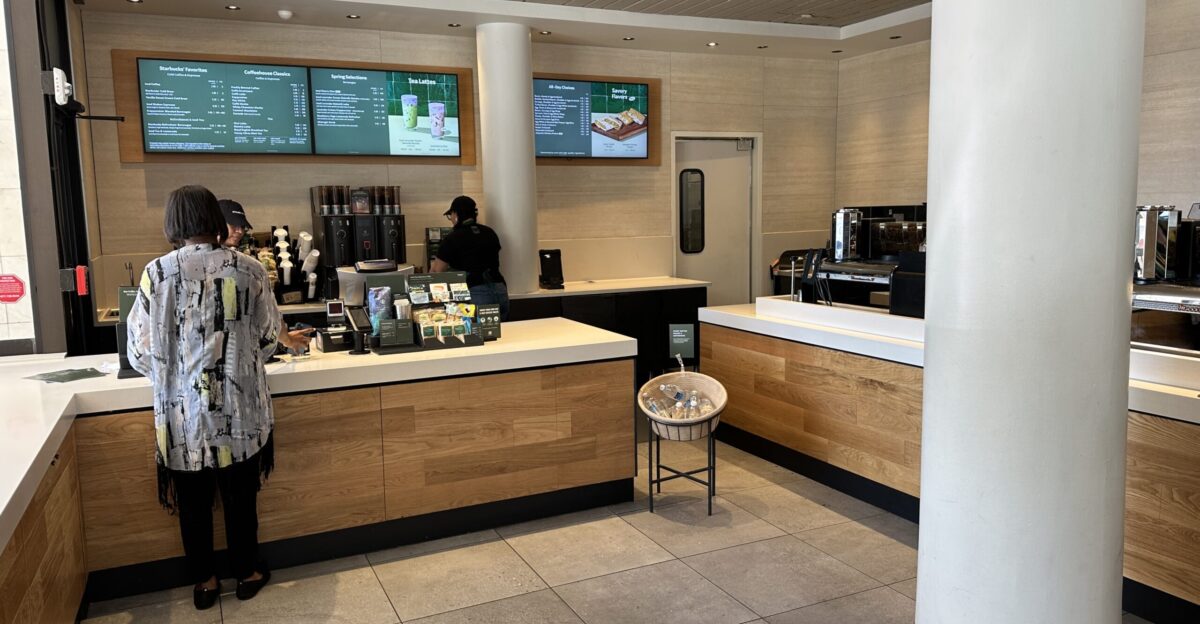
Department of Consumer and Worker Protection Commissioner Vilda Vera Mayuga framed the settlement in deeply human terms during the announcement. “All workers deserve to be treated with dignity. We are proud to stand up for our neighbors when a multibillion-dollar company like Starbucks chooses to systematically violate their employees’ rights,” Mayuga stated powerfully.
Labor leaders celebrated the settlement as validation of worker organizing efforts and government enforcement action meaningfully and significantly.
Starbucks’ Corporate Response: Blaming Complexity Rather Than Accepting Accountability
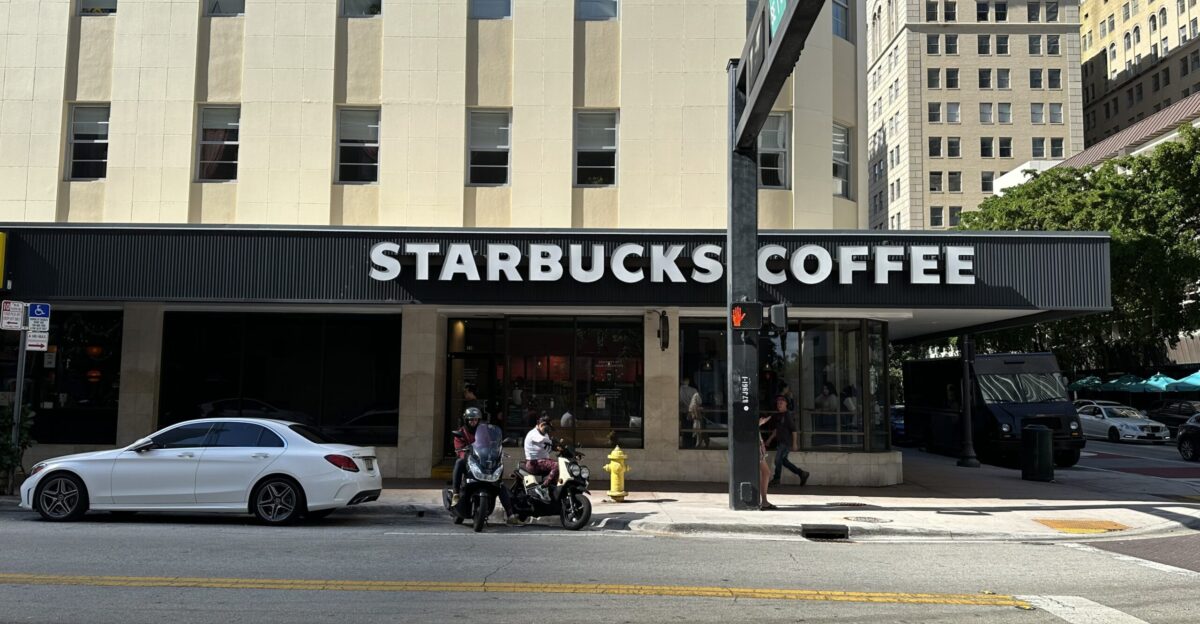
In its official response to the settlement, Starbucks described New York City’s Fair Workweek Law as “complex” and acknowledged it creates “real-world challenges” for business operations.
The company argued that even minor shift changes—such as when employees swap shifts for medical appointments—can trigger violations requiring paperwork. Starbucks stated the settlement concerns compliance rather than intentional wage theft or missing payments.
The Scale Problem: 500,000 Violations Across 300 Locations Indicates Systematic Abuse
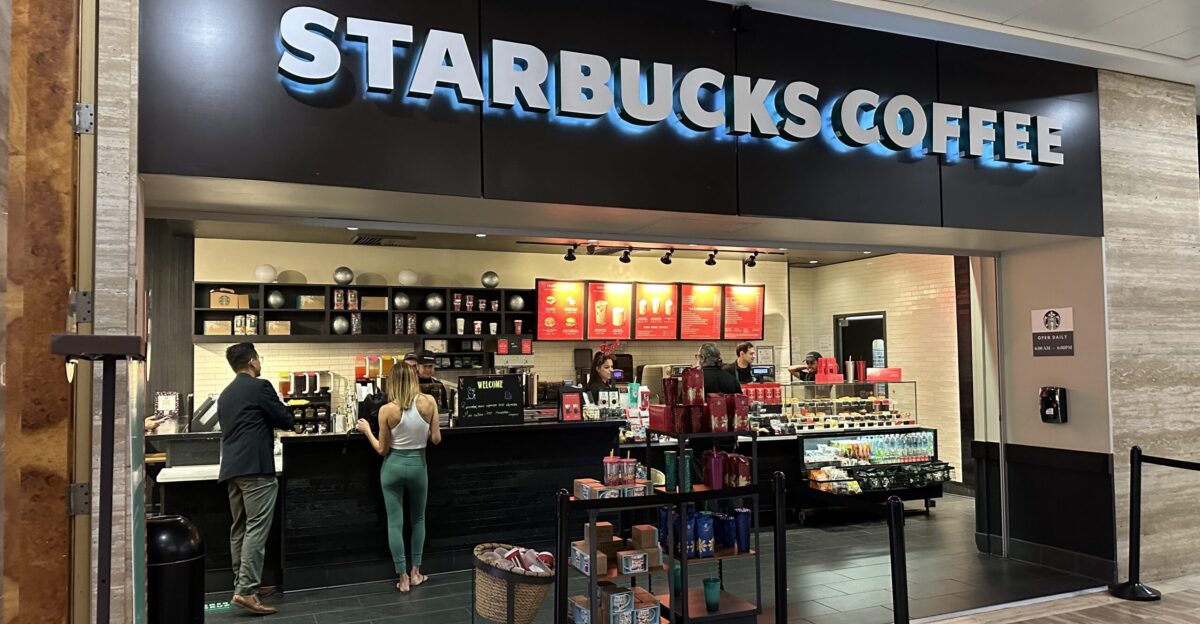
Starbucks’ violations numbered over 500,000 across more than 300 locations, suggesting systematic rather than incidental noncompliance definitively throughout the period. The sheer scale indicates that scheduling violations weren’t occasional mistakes but rather patterns embedded in operational procedures deliberately.
This scale demonstrates that violations weren’t management oversights but rather systematic policies designed to maximize corporate flexibility and minimize labor costs.
Starbucks’ Benefits Package Cannot Excuse Schedule Violations and Worker Exploitation
Starbucks emphasized its commitment to employee compensation by highlighting that hourly partners earn an industry-leading average of $30 in total pay and benefits annually. The company noted comprehensive benefits, including healthcare coverage, company equity participation through the Bean Stock program, and up to 18 weeks of paid parental leave.
Additionally, Starbucks offers a four-year college degree program with tuition paid upfront for qualifying employees.
The Strike Backdrop: Labor Organizing Continues Amid Settlement Announcement

The settlement announcement coincided with ongoing unfair labor practice strikes launched by unionized Starbucks baristas across multiple cities beginning in November 2025. Workers were striking for living wages, fair schedules, and greater respect on the job comprehensively and meaningfully.
The timing underscores a critical tension: while the settlement addresses historic violations, it doesn’t address the core demand animating strikes. Barista Kai Fritz emphasized that “the power baristas have when we stand together and demand change” remains most effective and necessary.
Industry Implications: Wake-Up Call for Fast-Food Giants About Legal Compliance
The Starbucks settlement sends a clear and unmistakable message throughout the fast-food industry, definitively and clearly to all major corporations. Systematic labor law violations can trigger massive financial penalties and significant reputational damage, ultimately affecting corporate value.
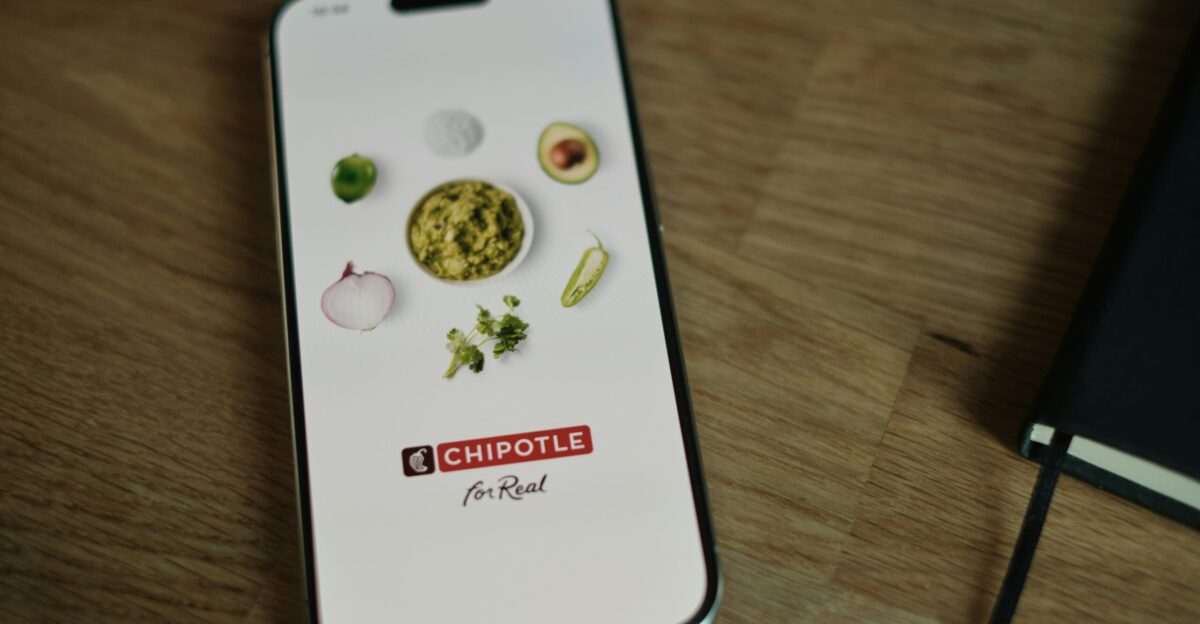
New York City previously secured a $20 million settlement from Chipotle Mexican Grill in 2022 for similar Fair Workweek Law violations affecting over 13,000 workers.
Timeline and Compliance Monitoring: DCWP Oversight Ensures Accountability and Enforcement

The settlement agreement requires Starbucks to comply rigorously and comprehensively with New York City’s Fair Workweek Law going forward. DCWP will retain the authority to monitor the company’s future employment practices through unannounced audits and investigations into worker complaints.
Affected workers will receive settlement checks by winter 2025, providing immediate financial relief to struggling households throughout the city. Mayuga confirmed that DCWP will continue to rigorously monitor Starbucks’ future employment practices, particularly regarding schedule compliance and worker reinstatement obligations.
Broader Context: NYC’s Strategy of Aggressive Worker Protection Enforcement Across Industries
The Starbucks settlement reflects New York City’s broader strategy of aggressive worker protection across industries. Recent city laws protecting fast-food workers—the 2017 Fair Workweek Law and the 2021 Just Cause law—have led to 230 investigations, with multiple settlements currently underway.
This infrastructure represents a fundamental shift in how cities approach labor protection actively and comprehensively.
The Settlement’s Deeper Meaning: Power Dynamics Reimagined Between Workers and Corporations

At its core, the Starbucks settlement represents a fundamental reimagining of power dynamics between workers, corporations, and the government. For decades, fast-food and retail workers have occupied positions of minimal bargaining power, facing constant schedule unpredictability and wage stagnation relentlessly.
The settlement demonstrates that organized workers, supported by government enforcement agencies, can compel even multibillion-dollar corporations to acknowledge wrongdoing.
Starbucks Corporation: A Multinational Retail Giant Confronting Historic Accountability Measures
Starbucks Corporation operates one of the world’s largest coffeehouse chains, with roots tracing back to Seattle, Washington. The company pioneered progressive corporate employee benefits in retail, introducing healthcare coverage, equity participation, and education benefits decades before such practices became industry standards.
Yet as the settlement demonstrates, comprehensive corporate benefits programs can coexist with systematic scheduling violations affecting hourly workers’ economic security fundamentally.
Sources:
“NYC Reaches $38M Settlement with Starbucks.” NYC Department of Consumer and Worker Protection, November 30, 2025.
“Starbucks to Pay $39 Million in Landmark N.Y.C. Labor Settlement.” The New York Times, December 1, 2025.
“Starbucks To Pay $38.9M To Thousands Of Workers After Violating NYC Fair Workweek Law.” AfroTech, December 3, 2025.
“Starbucks Agrees to Largest Worker-Protection Settlement in NYC History.” Brightmine, December 2, 2025.
“Mayor Adams, DCWP Announce $38 Million Settlement with Starbucks, Largest Worker Protection Settlement in NYC History.” NYC Department of Consumer and Worker Protection Official Statement, November 30, 2025.