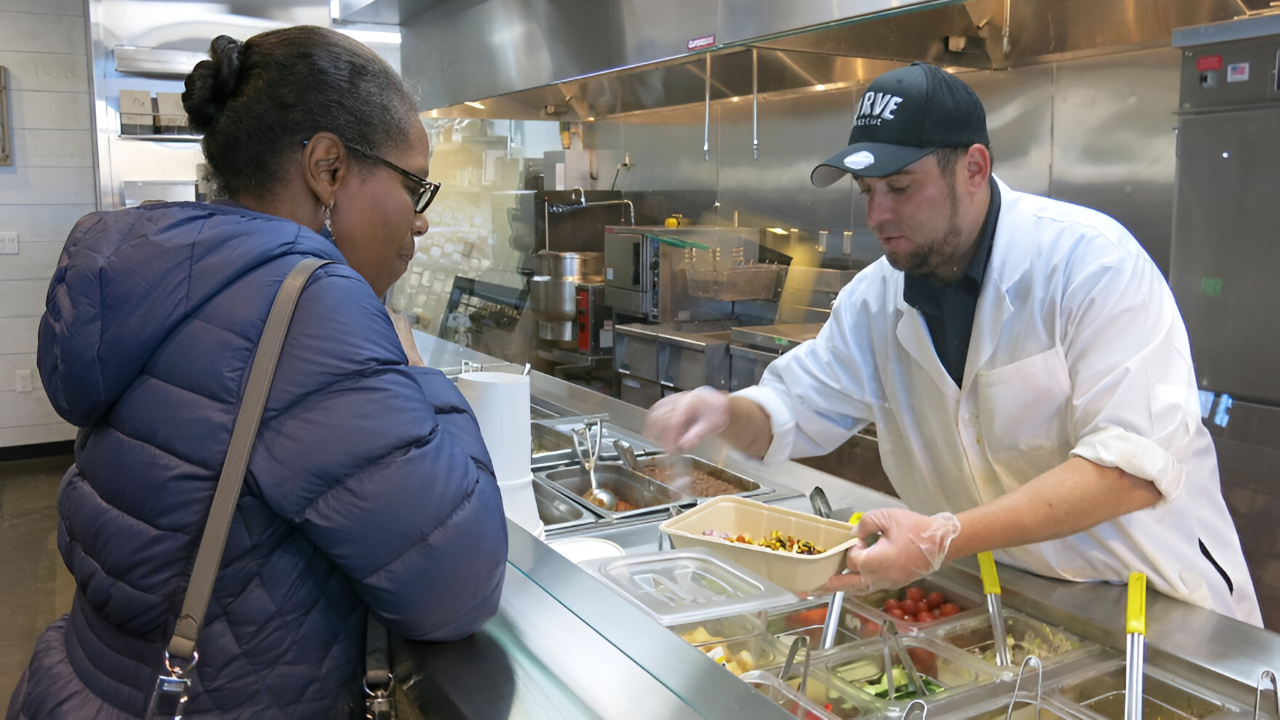
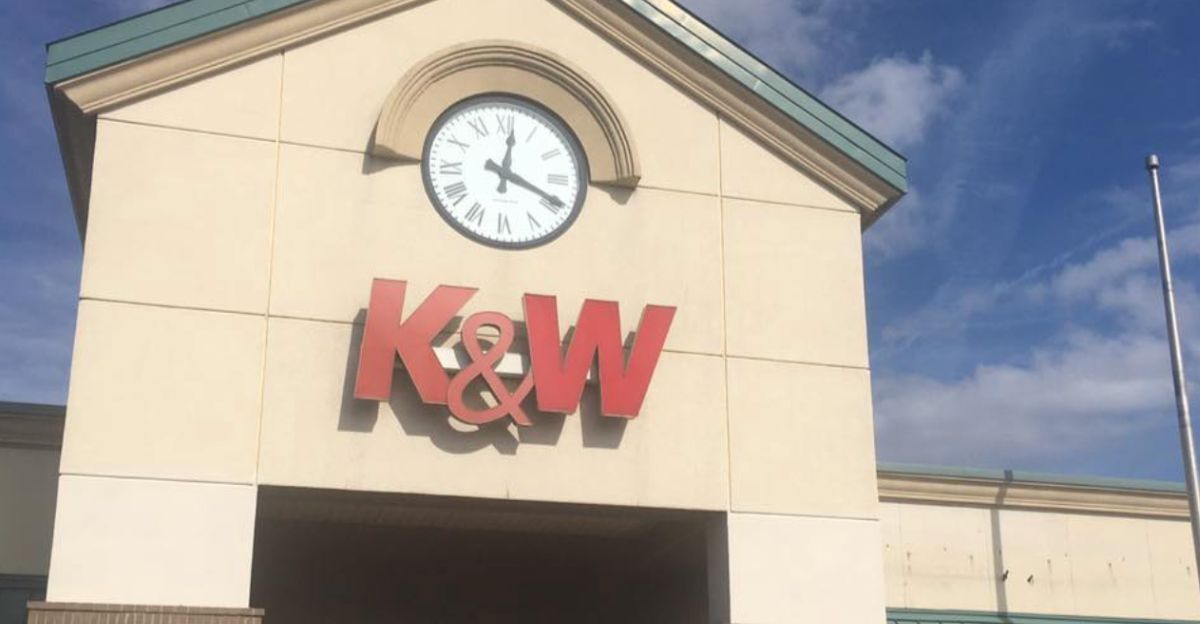
On December 1, 2025, a Southern dining fixture ended its 88-year run. K&W Cafeteria shut down its remaining nine locations across North Carolina, South Carolina, Virginia, and West Virginia, closing a regional institution that had survived the Great Depression, World War II, and the Great Recession. In a single day, the last cafeterias went dark, leaving loyal customers without a familiar place for Sunday meals.
At its peak, K&W operated 35 locations and generated about $101.3 million in systemwide sales. By late 2025, only nine outlets remained, supported by just over 300 employees. When those final doors closed, workers lost their jobs at the height of the holiday season, and communities lost a longstanding gathering place that blended routine, affordability, and Southern cooking in a recognizable tray line.
Financial Unraveling and a Broken Business Model
Behind the sudden end was accelerating financial decline. Between 2019 and 2025, K&W’s sales fell by more than 70 percent due to shrinking traffic, rising costs, and a customer base that did not fully return after the pandemic. The company entered Chapter 11 bankruptcy protection in September 2020 and emerged in September 2021, having closed weaker locations and restructured debts.
That reset never became a true recovery. Labor and food expenses rose while core diners—especially older patrons and families on tight budgets—remained sensitive to any price increases. Inflation pressures in the early 2020s forced the chain and the broader restaurant industry to adjust menu prices, challenging regulars on fixed incomes. With fewer guests to spread costs across large-format buildings, the thin cafeteria margins evaporated.
A Vanishing Ritual of Trays, Rails, and Comfort Food
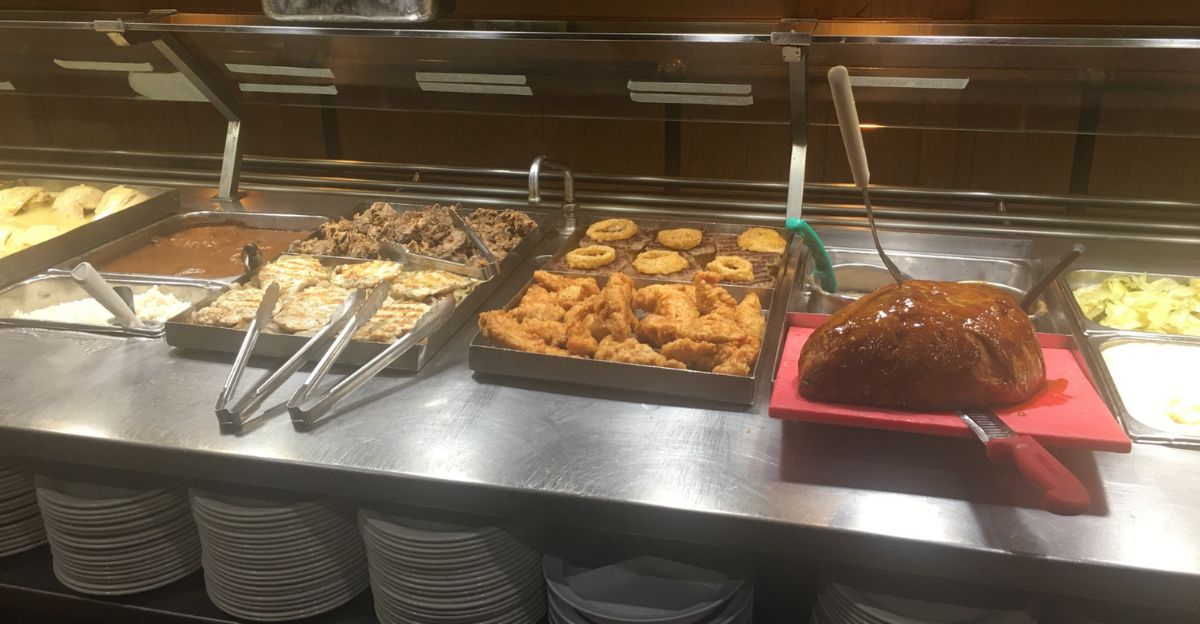
For generations of Southerners, K&W offered a distinctive ritual: pick up a plastic tray, slide it along the metal rail, and choose from roast meats, vegetables, breads, and desserts. The experience functioned as a “third place” between home and work, particularly for retirees, church groups, and families watching their spending. A full dinner commonly stayed under $15, and popular plates like baked chicken around the $8 range helped cement its reputation for value.
Desserts carried emotional weight. Strawberry shortcake, one of the chain’s most recognizable treats at $4.12, shared space with items like egg custard as part of an expected meal finish. These dishes were more than menu listings; for many, they were small, affordable indulgences tied to childhood memories or regular Sunday outings. Their disappearance underscores the sense of loss surrounding the brand’s exit.
Industry Headwinds and the Limits of Scale
K&W’s collapse did not happen in isolation. It unfolded amid a broad shakeout in American dining through 2024 and 2025. Large players have also been retrenching: Wendy’s announced plans to close between 200 and 360 outlets, Maple Street Biscuit Company is scheduled to shut 14 locations in fiscal 2026, and Darden Restaurants closed 15 Bahama Breeze units in 2025. Inflation, shifting consumer habits, and lingering health concerns pressured the entire sector.
But some big brands used their size and marketing clout to pull customers back with steep value promotions. McDonald’s introduced a $5 meal deal in June 2024 that helped reverse traffic declines. Chili’s reported significant same-store sales growth after leaning into value-oriented offers. K&W, with its regional footprint and scratch-cooked cafeteria format, could not match those aggressive national price points without sacrificing quality or viability. In a climate requiring deep discounting or massive corporate reserves, the chain had neither.
Cultural Loss and What Comes Next
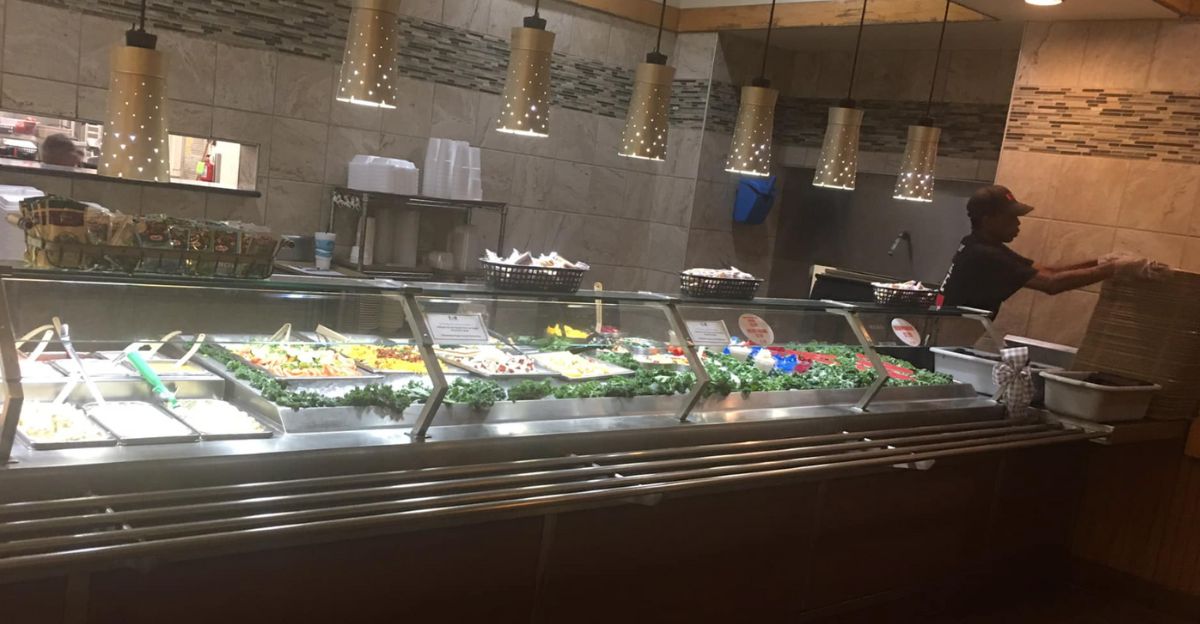
The emotional impact of K&W’s closure resonates in the communities it served. The owners described the cafeterias as “a home for Sunday traditions” and “a warm table for millions of families across generations.” The immediate shutdown left customers and longtime staff with no formal chance to say goodbye.
K&W’s large, purpose-built spaces—varying from 10,000 to over 13,000 square feet with long queuing rails and expansive kitchens—are highly specialized. Converting them to other uses will be difficult, and some could sit dormant for months or years as “ghost boxes” in shopping centers. This shift reflects broader change: the cafeteria model skewed toward older diners slow to return after 2020, while younger patrons gravitated toward drive-thrus, delivery apps, and faster formats.
For smaller, independent eateries, K&W’s fate serves as a cautionary example. If an 88-year-old regional institution with strong name recognition cannot withstand inflation, rising wages, and evolving consumer expectations, owner-operated dining rooms face steeper odds. K&W’s disappearance deepens a sense of homogenization in American eating habits. Its menu of turnip greens, baked spaghetti, fried okra, and country-style steak reflected a particular place and culture; in many plazas, those doors will likely be filled by national chains offering standardized menus. As communities adjust, K&W’s closure marks both a financial failure and a turning point in how and where families share everyday meals.
Sources
Business Insider – “K&W Cafeteria Closes All Restaurants After 88 Years” (December 2, 2025)
Yahoo Finance – K&W Cafeteria Sales Data and Financial Analysis (2014-2025)
Wikipedia – K&W Cafeterias Company History and Operations
USA Today – “Wendy’s to Begin Closing Hundreds of Stores” (November 7, 2025)
CNN – “Wendy’s is Closing Hundreds of Restaurants” (November 7, 2025)
Restaurant Dive – “Chili’s Same-Store Sales Growth and Industry Trends” (2025)