
The year 2024 marked a historical milestone for the planet’s oceans, with temperatures reaching unprecedented levels that alarmed researchers worldwide. According to the World Meteorological Organization, ocean heat content has soared to new heights, exceeding previous records in alarming ways.
Independent thermal monitoring networks, leveraging satellite data, buoy arrays, and subsurface sensors, detected this abrupt shift, not a gradual warming but a sudden intensification in energy accumulation. These changes challenge long-held understandings about oceanic behavior and its role in climate dynamics, emphasizing the urgent need for both scientific inquiry and public awareness of this pressing issue.
The 16 Zettajoule Spike
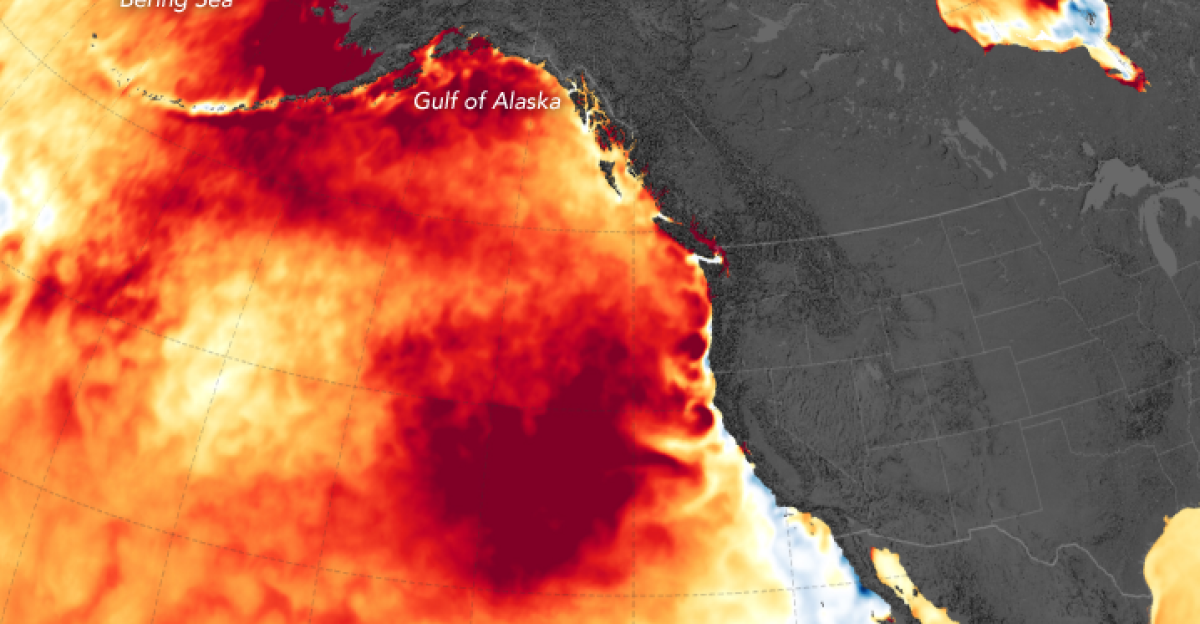
From 2023 to 2024, the global upper ocean heat content surged by 16 zettajoules, an astonishing amount representing an energy increase that eclipses global electricity generation by 140 times. This spike, reported by the Institute of Atmospheric Physics and the WMO, reflects a concerning acceleration.
Climate researchers, accustomed to record-breaking temperatures, now found themselves grappling with a surge that defied explanation. This extraordinary shift underscores the urgent need to address climate change and its profound impact on Earth’s marine systems, where the accumulation of heat may lead to unforeseen consequences for both ecosystems and human activities.
Eight Years of Breaking Records

Since 2016, every year has witnessed a new record for ocean heat content, breaking historical norms and establishing a troubling trend. Unlike earlier warming phases, which displayed plateaus or modest declines, this newfound streak of thermal highs reflects alarming continuity.
According to the WMO report, the oceans, serving as the primary heat sink, have absorbed 91% of the excess energy generated by greenhouse gases. As this buffer becomes increasingly saturated, the ramifications for marine life, weather systems, and global climate necessitate urgent attention, highlighting the interconnectedness of these systems in an age of unprecedented climate change.
December’s Peak Alarm
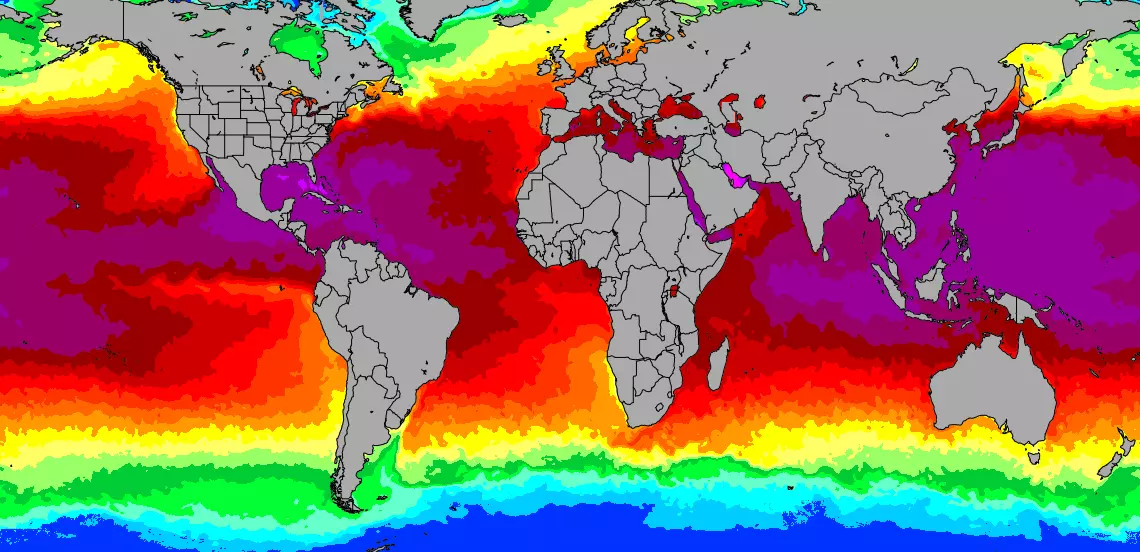
December 2024 found itself in the spotlight as the second-warmest December on record since global satellite observations began in 1991. Mean sea surface temperatures reached 20.67°C globally, while localized areas, specifically in the North Atlantic, recorded a staggering 22.11°C.
This alarming report, featured in the Ocean Temperature Bulletin, not only drew attention to rising surface temperatures but also ignited concerns about deeper ocean behaviors. Researchers are now focusing on how these significant surface spikes may be indicators of complex underlying trends that could reshape our understanding of oceanic and atmospheric dynamics.
Deep Atlantic’s Forty-Year Cooling

Amidst the rising surface temperatures, a paradox emerged with research revealing significant cooling beneath the depths of the subtropical North Atlantic. Here, at a depth of more than 2,000 meters at 26.5°N latitude, a cooling rate of 0.2523°C per 40 years has been documented, based on four decades of hydrographic surveys.
This deep-ocean anomaly contradicts prevailing surface trends yet aligns with broader oceanographic cycles. According to findings published in Nature Climate Communications, this critical data redefines scientists’ understanding of ocean complexity, suggesting a regionally localized cooling effect within a warming planet and bringing nuance to the ongoing climate narrative.
Origin Story: The Subpolar Freshening
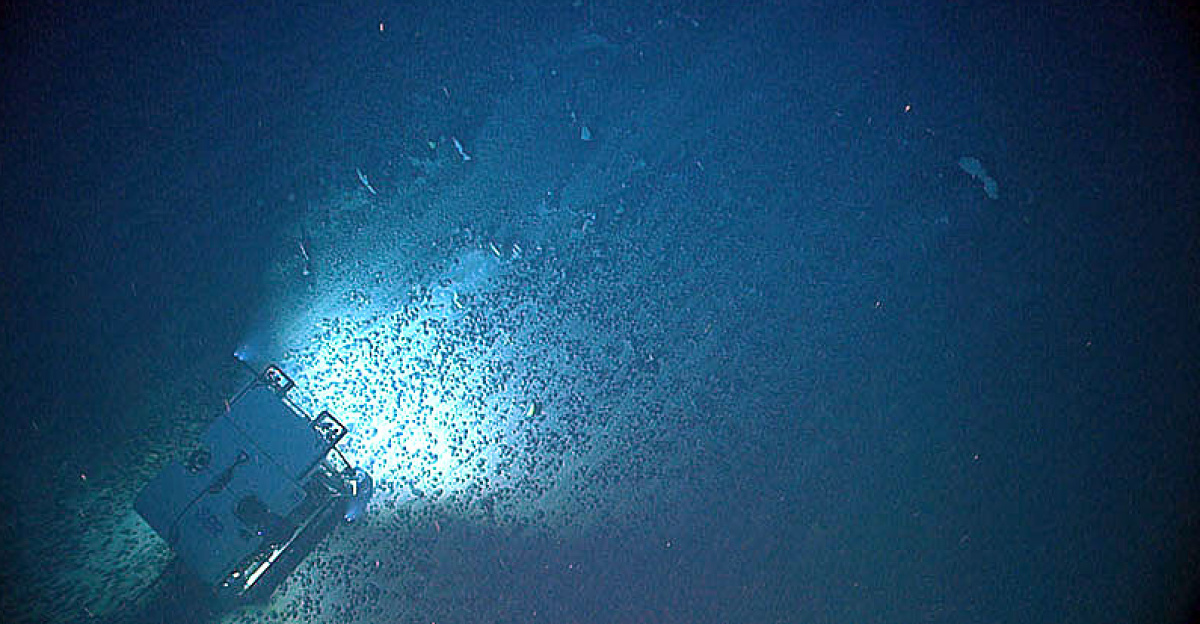
The cooling observed in the deep Atlantic isn’t a contemporary phenomenon; rather, it stems from a multi-decade freshening event that spanned the 1970s to 2000s. This period was characterized by significant contributions of fresh meltwater and changes in precipitation patterns, resulting in layered density fluctuations that ultimately sank during deep-water formation processes.
As noted by researchers in Nature Climate Communications, the cold and fresh anomaly gradually advected southward, reaching the monitoring station at 26.5°N after a decade-long journey. This nuanced perspective highlights the significance of historical climate data in understanding current trends and anomalies in ocean behavior.
A Human Lens: Abaco Island’s Watchers
At the forefront of this research effort are the dedicated scientists at NOAA’s Atlantic Oceanographic and Meteorological Laboratory. Maintaining the Abaco 26.5°N hydrographic transect, they conduct quarterly ship-based surveys using cutting-edge conductivity-temperature-depth (CTD) instruments.
Oceanographer Dr. Julia Martinez states, “Our long-term observations capture vital data that satellites miss. It’s about understanding the ocean’s real pulse.” For 40 years, these dedicated technicians have worked tirelessly, underscoring the human effort that is vital in climate science. Their careful measurements enrich our understanding of ocean dynamics, providing crucial insights necessary for addressing the challenges posed by climate change.
The Regulatory and Scientific Consensus
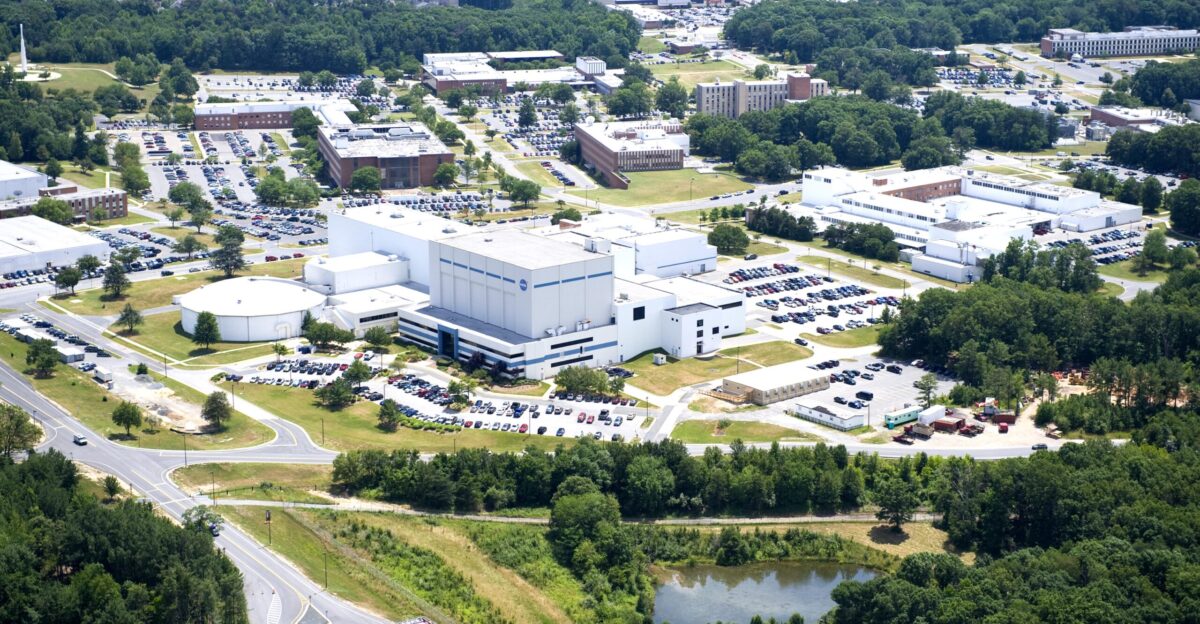
In response to the rapidly changing ocean climate, multiple leading institutions, including the WMO, NOAA, NASA’s Goddard Institute for Space Studies, and the UK Met Office, have mobilized to coordinate independent datasets. Their collaboration validates the alarming records of ocean heat rise in 2024, revealing a unanimous consensus across diverse measurement methods.
As reported by the WMO, the record-high temperatures pose urgent questions regarding ecosystem stability and future weather patterns, while the localized deep Atlantic cooling anomaly highlights the complexity inherent in global ocean phenomena. Understanding both fronts will be key in shaping future climate policies and adaptations.
Implications for Ecosystems and Humanity

The escalating ocean temperatures are not abstract figures; they have a direct impact on ecosystems and human livelihoods. Marine biologist Dr. Anne Kelsey warns, “Higher ocean temperatures can disrupt food chains, leading to biodiversity loss. Coastal communities especially feel the brunt.” From coral bleaching to shifts in fish populations, the repercussions are profound.
As we experience intense weather events, including more frequent hurricanes and shifting monsoons, the connection between ocean health and human resilience becomes increasingly apparent. Urgent action is required to mitigate these impacts and safeguard not only marine ecosystems but also the economies and cultures that depend on them.
Understanding Localized Cooling

As the narrative unfolds, the deep Atlantic’s cooling anomaly, a localized phenomenon affecting less than 0.1 percent of ocean volume, challenges broader misconceptions regarding global warming. The findings underscore the need for a nuanced understanding, showing that regional temperature shifts can deviate significantly from international trends.
The cooling observed at depths of 2,000 meters invokes more profound questions about the interaction between surface and deep ocean processes. These insights pave the way for future research that must prioritize understanding localized phenomena to fully grasp the complexity of our planet’s climate system as a whole.
Climate Feedback Loops
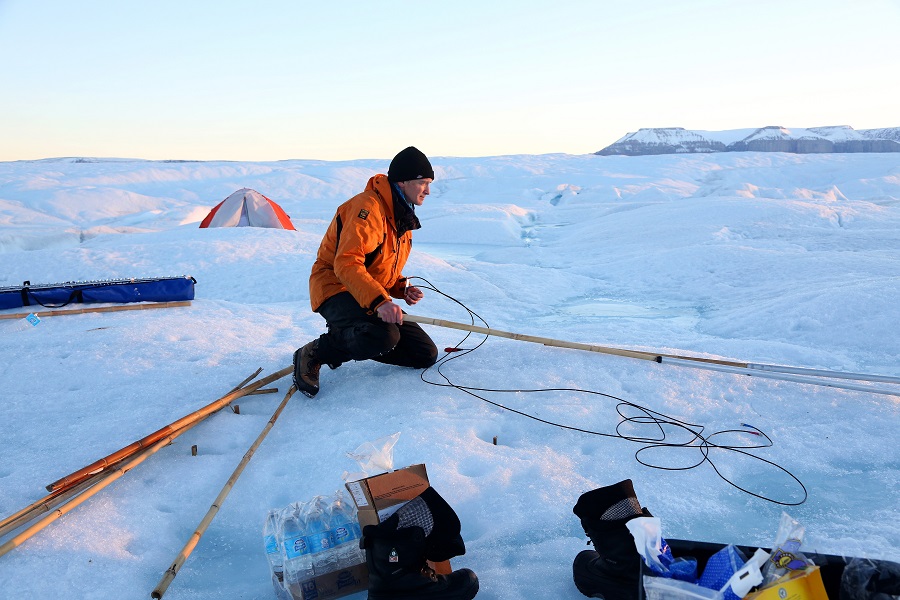
The interconnectedness of ocean temperature shifts illustrates the concept of climate feedback loops, where changes in ocean conditions can trigger alterations in atmospheric patterns. For example, increased ocean temperatures contribute to the destabilization of polar ice, further compounding sea-level rise.
Climate scientist Dr. Mark Reynolds emphasizes, “Every degree matters. What happens below the surface can influence atmospheric conditions in ways we are only beginning to understand.” The current situation highlights the need for multidisciplinary collaboration to conduct comprehensive research on these feedback loops, which is essential for developing effective climate mitigation strategies and informed policy decisions.
Addressing the Challenge Head On

In response to the escalating crisis, nations worldwide are slated to enact environmental reforms that target greenhouse gas emissions and enhance marine protection. The urgency has never been more apparent, as scientists emphasize the need for swift action.
As conservationist Elena Roberts advocates, “We must be proactive rather than reactive; this is about preserving our oceans and ensuring future generations can thrive.” The commitment to international climate agreements can foster coordinated efforts for mitigation and adaptation. Fresh approaches to ocean governance also empower local communities to adopt sustainable practices that protect marine resources and enhance their resilience.
Costs of Climate Inaction

Ignoring the implications of rising ocean temperatures carries steep economic costs. Damage to fisheries, increased flooding in coastal areas, and the loss of biodiversity lead to heightened expenditures for communities and governments alike.
A recent analysis by environmental economist Dr. Lisa Chen highlights that “the economic fallout of inaction will be felt across sectors.” It emphasizes the need for effective climate policies that promote sustainable practices, economic resilience, and enhanced investment in renewable energy sources. By addressing these challenges head-on, societies have the opportunity not only to safeguard marine ecosystems but also to foster economic growth through innovation and adaptation.
Raising Awareness
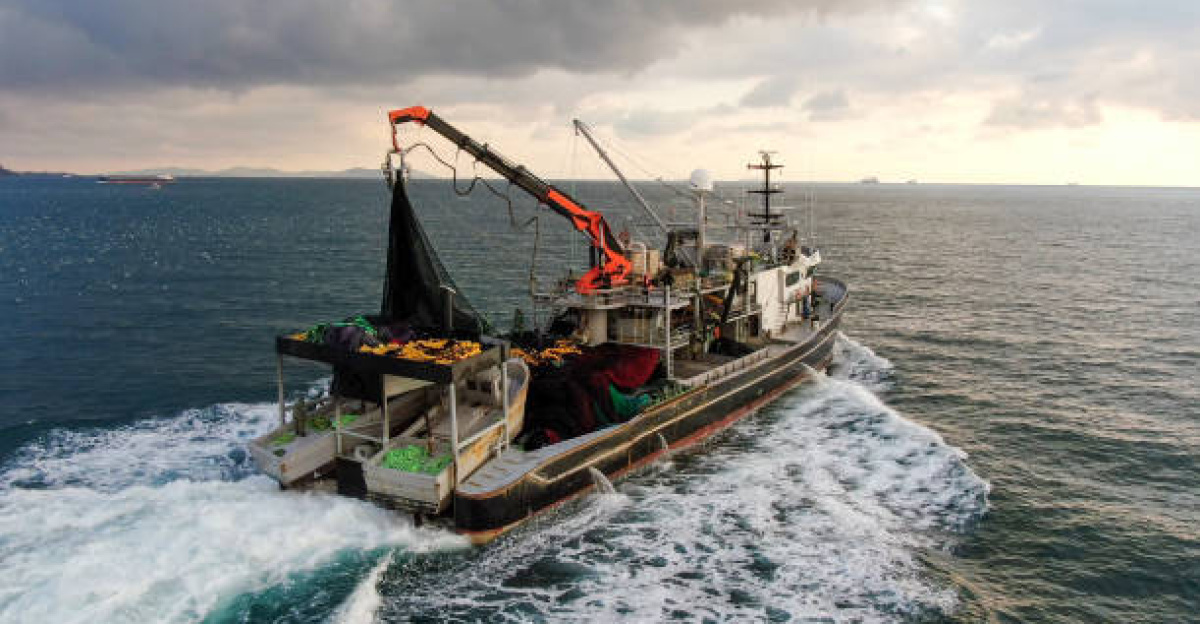
Education is a pivotal tool in combating climate change, providing the public and policymakers with the knowledge necessary to make informed decisions. Initiatives aimed at increasing awareness of ocean health, climate impacts, and sustainability practices are essential. Marine education programs, community workshops, and public seminars serve as platforms to engage citizens.
Dr. Sophia Landers suggests, “Informed communities are empowered to advocate for policy changes that protect marine resources.” Heightened awareness can catalyze grassroots movements urging for accountability and action, reinforcing the collective responsibility towards preserving our oceans and combating climate change.
Technological Advances in Ocean Monitoring
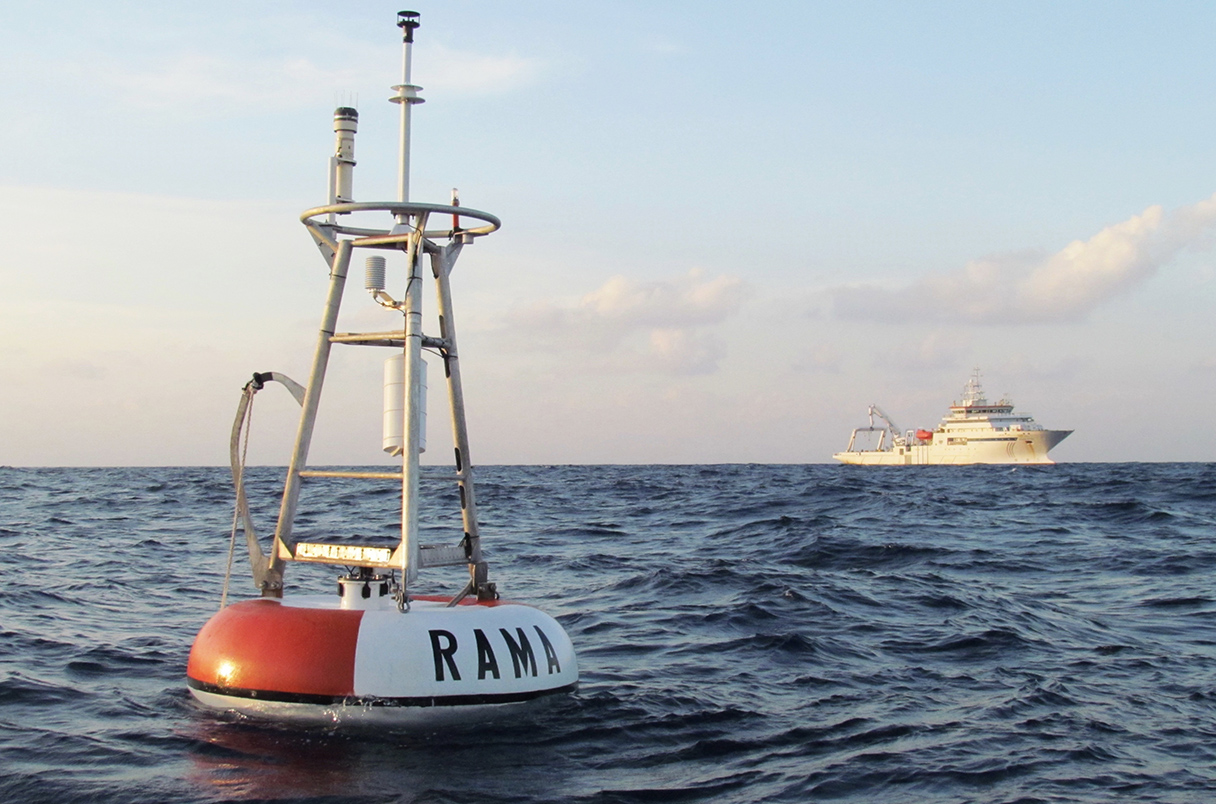
Advancements in Technology play a crucial role in enhancing ocean monitoring capabilities, providing scientists with tools to understand dynamic marine environments better. Innovations, such as improved remote sensing techniques and autonomous underwater vehicles, allow for comprehensive data collection. Oceanographer Dr. Emily Wong notes, “Technology enables us to unravel complexities that were once out of reach.
We can now monitor deep-sea currents and thermal properties in real-time.” Such progress paves the way for more accurate climate modeling, ultimately informing effective response strategies and fostering resilience in the face of ongoing climate challenges. Investment in these technologies is critical for future insights.
Future Research Directions
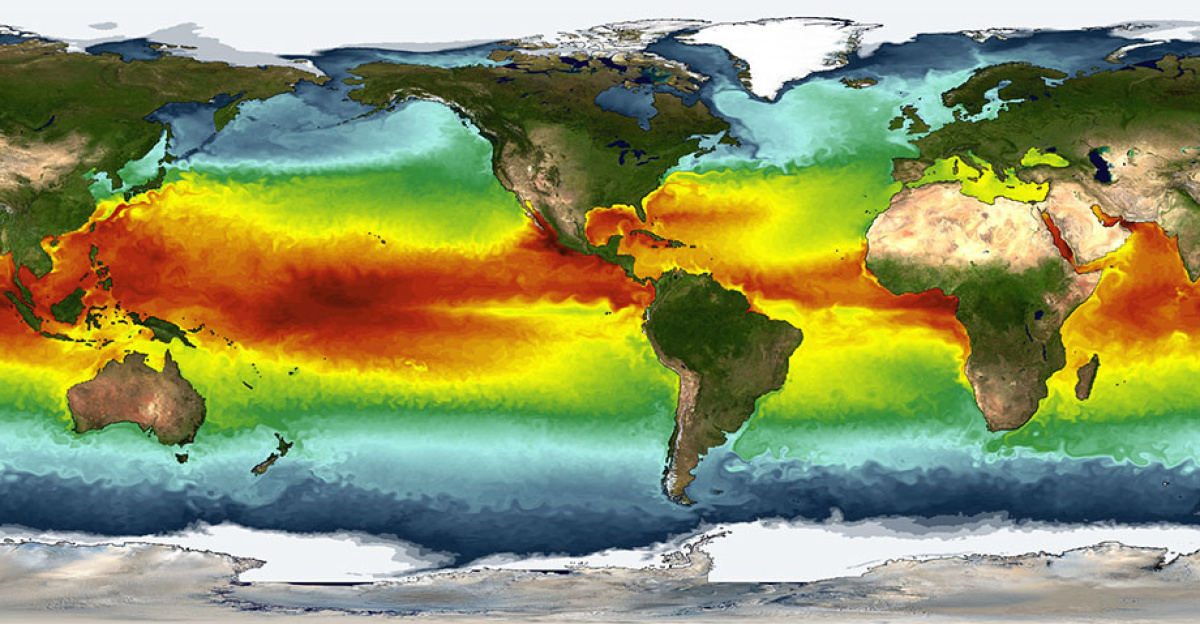
As the scientific community grapples with the challenges presented by rising ocean temperatures and localized cooling phenomena, future research must prioritize understanding the complex interactions within ocean systems. Investigating the implications of thermal content shifts on global weather patterns will inform climate adaptation strategies and enhance our understanding of the impacts of climate change.
Collaborative international research initiatives focusing on the subtropical North Atlantic can provide valuable insights into how regional anomalies influence global trends. Dr. Kevin Myles stresses, “Future research must bridge gaps between disciplines to develop a holistic understanding of our evolving climate.” This focus will be pivotal for shaping evidence-based responses to our planet’s pressing climate challenges.
Urgency of Climate Action

The imperative for climate action grows as ocean temperatures continue to rise and unique phenomena emerge. As we witness profound shifts in marine ecosystems and weather patterns, the call to pursue sustainable solutions intensifies. Dr. Hannah Greene, a climate activist, asserts, “We can’t afford to be passive.
Immediate action is essential in reversing the course of climate change and stabilizing our oceans.” The collaborative efforts of individuals, communities, and nations can create impactful change, fostering resilience and adaptation strategies that underscore the importance of enhancing marine and coastal protections in the face of a rapidly changing world.
Community Involvement and Advocacy
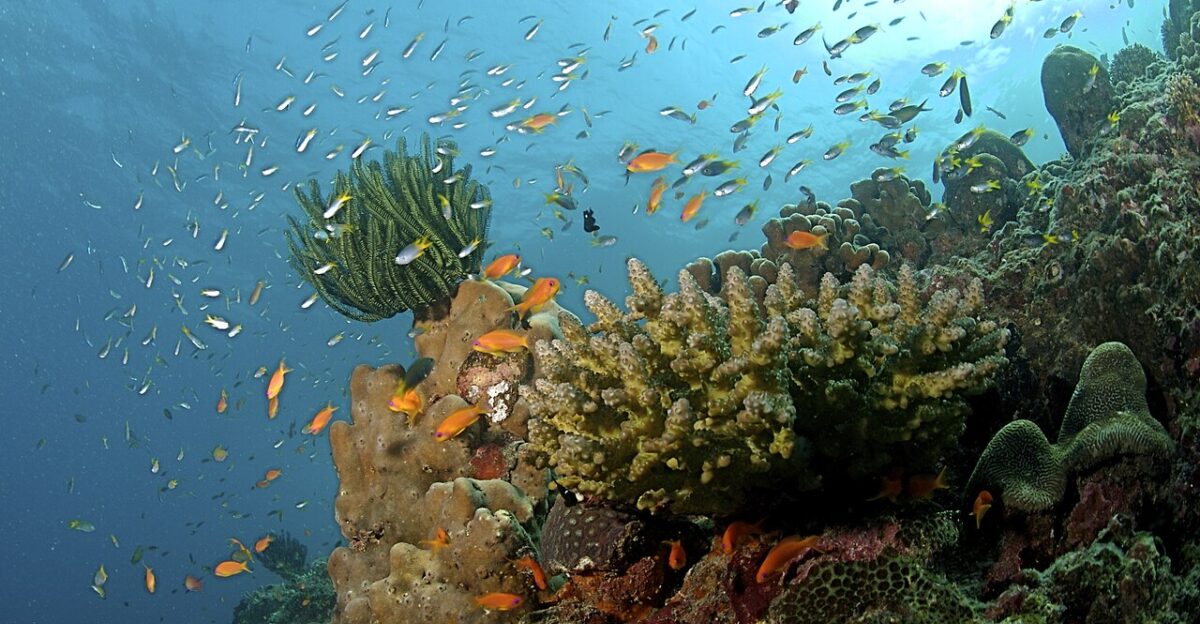
Local communities have the power to drive change in conservation efforts and policy advocacy, solidifying their role as stewards of the oceans. Grassroots initiatives centered around community coastal cleanups, educational workshops, and sustainable fishing practices serve as models for effective action.
Environmental activist Marco Reyes states, “When communities unite, we amplify our voice for conservation. Small actions lead to monumental changes.” Encouraging community involvement nurtures stewardship and ensures the continued health of marine environments. Mobilizing citizens around cohesive goals enhances resilience against climate impacts while enriching local cultures and fostering sustainable practices.
The Importance of Collective Responsibility
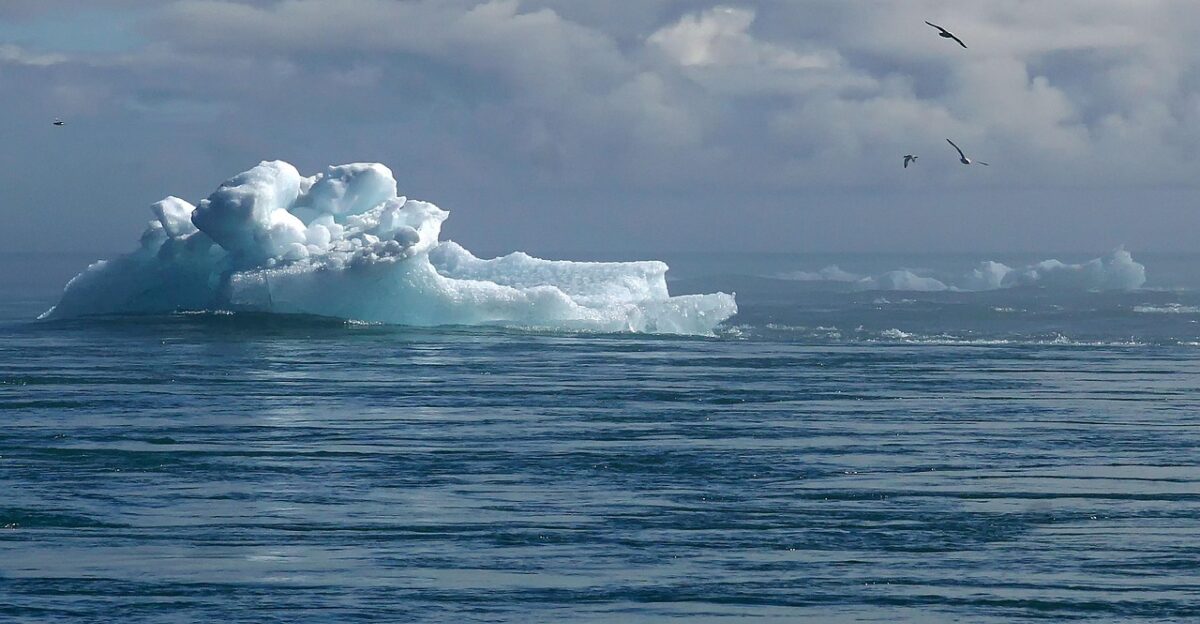
As we face a critical moment in our planet’s history, collective responsibility emerges as a guiding principle for tackling ocean health and climate change. The intersections of science, Technology, community action, and policy underscore the importance of cooperation across all sectors.
Addressing these pressing challenges requires a commitment to informed choices and advocacy that prioritizes the well-being of the planet. Each individual can contribute to this mission, emphasizing the notion summarized by climate scientist Dr. Rachel Nunez: “We are all part of this ecosystem; the health of our planet is a shared responsibility.” Collaboratively, we can forge a sustainable future.
Hope Amidst Uncertainty
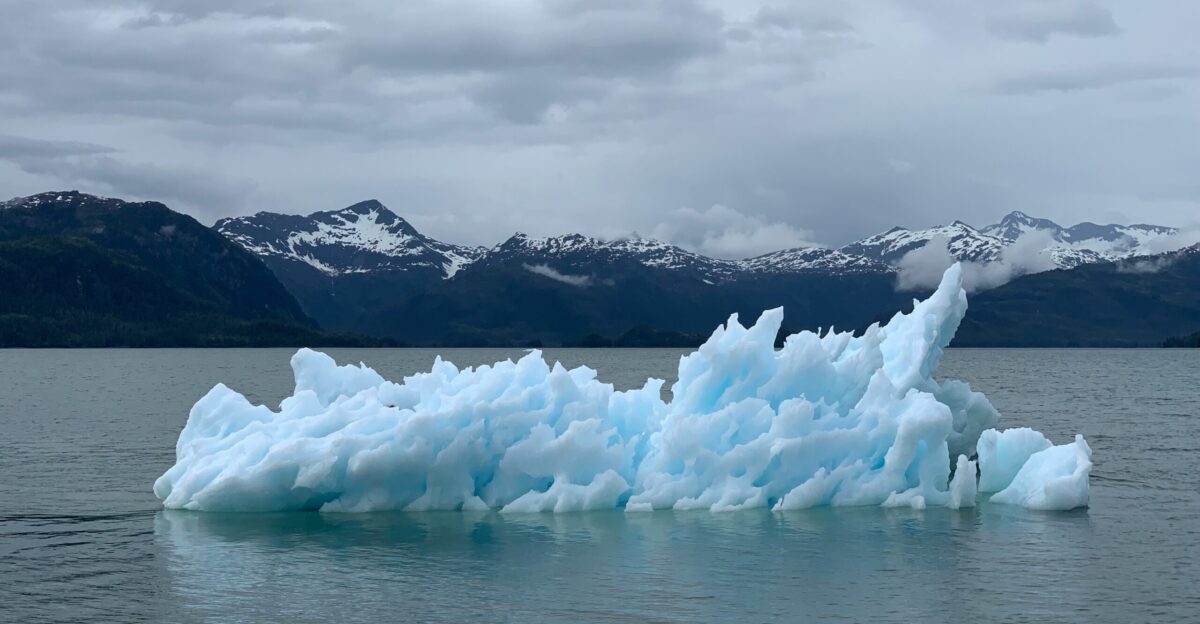
Despite the alarming data surrounding ocean temperature records and deep-cooling anomalies, there lies an inherent hope in our capacity for change. As scientific discoveries unveil new dimensions of our global climate, society has the opportunity to embrace innovation, adapt practices, and advocate for healthy ecosystems.
The principles of sustainability and stewardship stand at the forefront of fostering resilience against climate change. Collective efforts toward education, policy shifts, and community engagement hold promise for restoring balance in our oceans, demonstrating that through collaboration and insight, we can navigate this era of uncertainty toward a sustainable future.
Sources:
World Meteorological Organization – “WMO confirms 2024 as warmest year on record at about 1.55°C above pre-industrial level” – wmo.int
Institute of Atmospheric Physics, Chinese Academy of Sciences – “Ocean heat content study by 54 scientists from 7 countries” – Advances in Atmospheric Sciences
NOAA National Centers for Environmental Information – “Assessing the Global Climate in 2024” – ncei.noaa.gov
Mercator Ocean International – “Ocean Temperature Bulletin – December 2024” – mercator-ocean.eu
Nature Climate Communications – “Deep ocean cooling and freshening from Subpolar North Atlantic climatic signals imprint deep subtropical waters” by Chomiak et al. – nature.com
NOAA Atlantic Oceanographic & Meteorological Laboratory – “New Insights into Deep Ocean Cooling in the Atlantic” – aoml.noaa.gov