In a discovery that reshapes planetary science, researchers reported evidence that fragments of proto-Earth—the planet that existed before its catastrophic collision with the Mars-sized body Theia—still persist deep within Earth’s mantle.
Using ultra-precise potassium isotope measurements, scientists identified chemical signatures that should not exist if Earth had been fully homogenized by the Moon-forming impact 4.5 billion years ago. This finding challenges decades of dominant formation theory, revealing that parts of Earth’s original building material survived intact.
The Giant Impact – The Event That Created the Moon
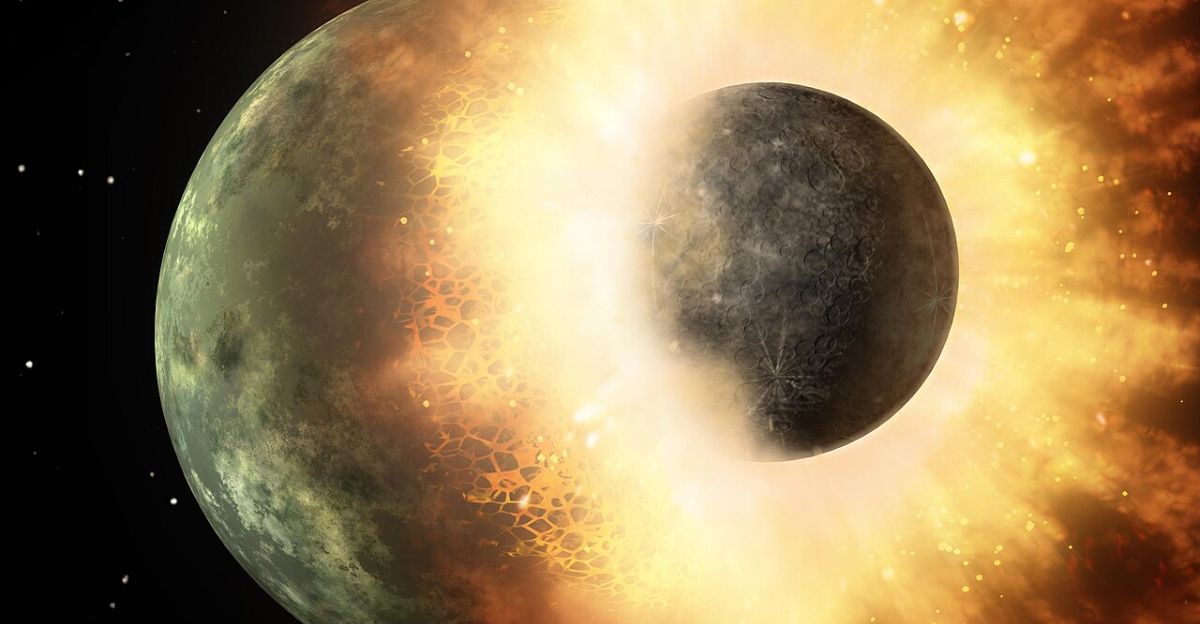
Roughly 4.5 billion years ago, Earth suffered the most violent collision in its history when Theia struck the young planet. The impact melted vast portions of Earth’s mantle, blasted rocky debris into orbit, and ultimately produced the Moon.
The unimaginable energy involved led scientists to assume that all pre-existing material was vaporized and thoroughly mixed, erasing any chemical memory of proto-Earth. That assumption now faces serious challenge.
Why Complete Mixing Was Long Assumed
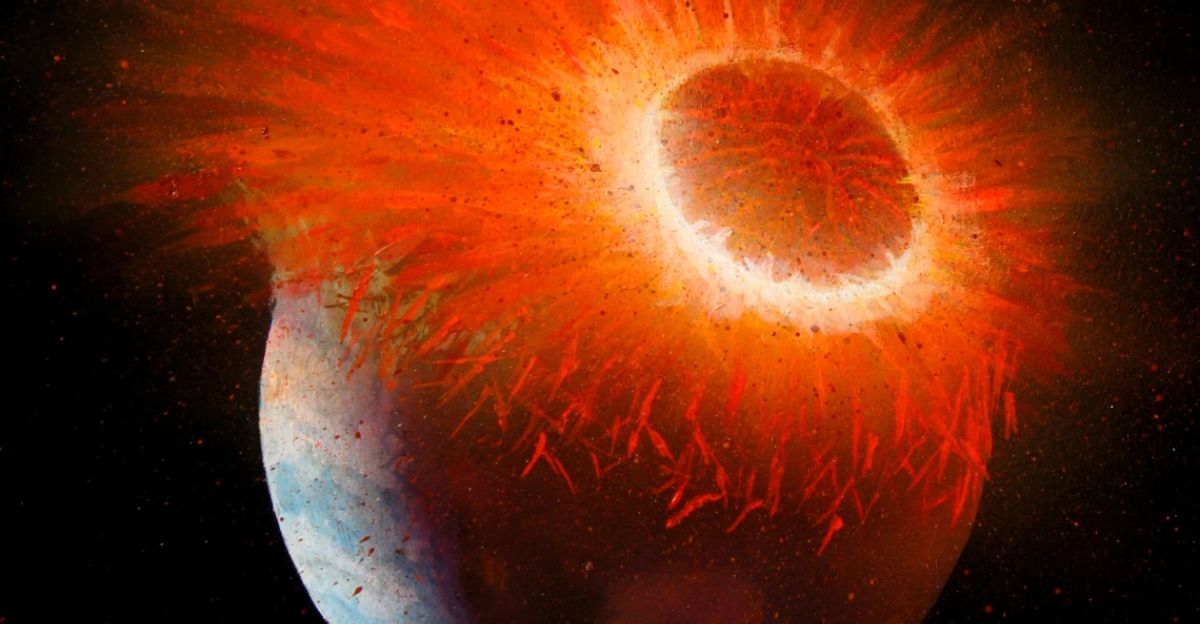
For decades, the dominant “reset model” held that the sheer heat and turbulence of the giant impact would have completely homogenized Earth’s mantle.
Temperatures exceeded the melting points of silicate rocks by thousands of degrees, while global magma oceans churned deep into the interior. With mantle convection continuing for billions of years afterward, most models predicted that any pre-impact chemical anomalies would be permanently erased. The new isotope data contradicts that expectation.
Measuring the Nearly Unmeasurable
The breakthrough came through thermal ionization mass spectrometry, a technique capable of detecting isotopic differences at parts-per-million resolution. Scientists chemically isolated potassium from rock samples and measured the ratios of its three natural isotopes with extreme precision.
The key target was potassium-40, a radioactive isotope that exists in very small quantities. Detecting deviations at the scale of only a few dozen atoms per million required major instrumental advances and rigorous calibration.
The Potassium-40 Anomaly

Across multiple rock samples, researchers identified a consistent deficit in potassium-40 relative to the rest of Earth’s mantle. This shortage was too large and uniform to be explained by radioactive decay, mineral crystallization, or melting processes that operate inside Earth today.
Computer simulations of mantle behavior also failed to reproduce this pattern. The only scenario that fit the data was survival of ancient proto-Earth material that escaped total remixing after the giant impact.
Why Radioactive Decay Could Not Explain the Signal
Potassium-40 decays at a known and steady rate over geological time. If radioactive decay were responsible for the observed deficit, the reduction would vary by age and thermal history of each rock sample. Instead, the same signature appeared in both ancient and modern materials.
That uniformity ruled out all known post-formation processes. The isotopic fingerprint had to be inherited from a much earlier source—before the Moon-forming collision rewrote Earth’s surface.
Ancient Rocks Carrying a Deep-Earth Signature
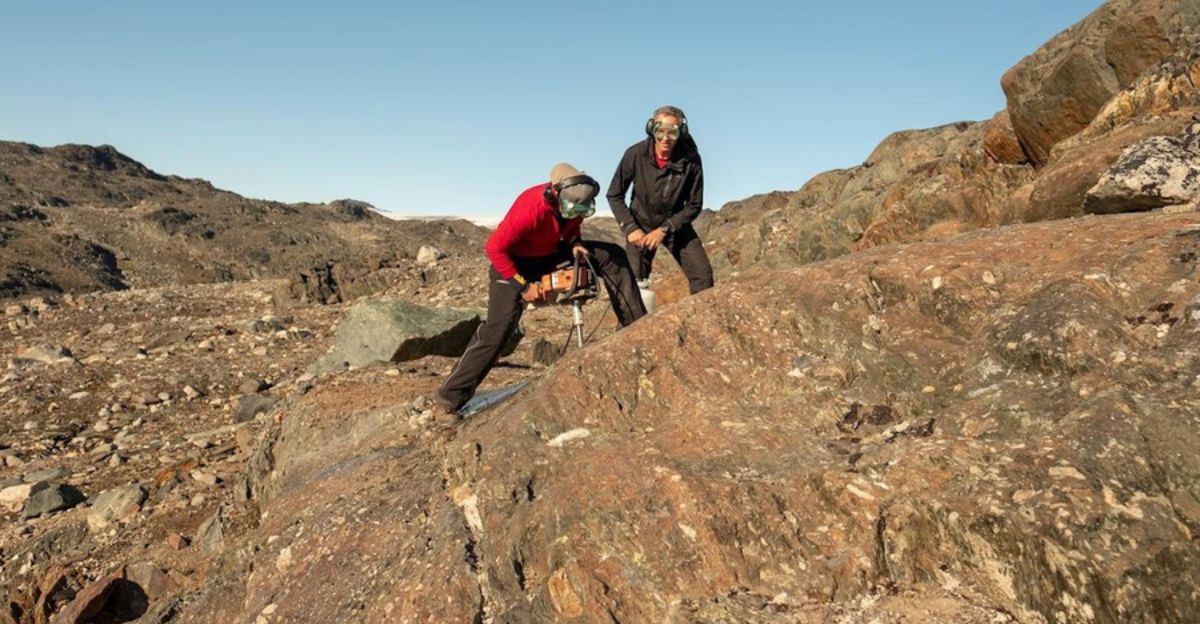
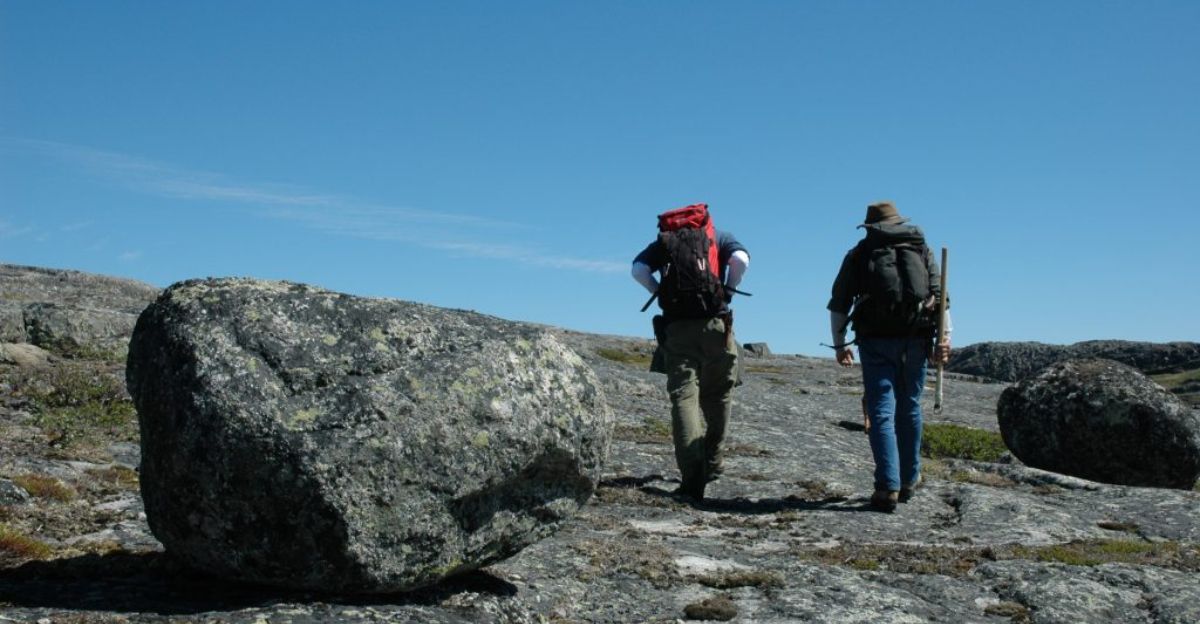
The team analyzed some of the oldest known crustal rocks on the planet, including samples from Greenland, eastern Canada, and South Africa. These ancient formations, dating back nearly four billion years, preserved the same potassium-40 deficit found in much younger volcanic rocks.
This overlap demonstrated that both ancient crust and modern lavas are tapping the same hidden mantle reservoir—one that has remained chemically distinct since Earth’s earliest history.
Modern Volcanoes as Deep-Earth Messengers

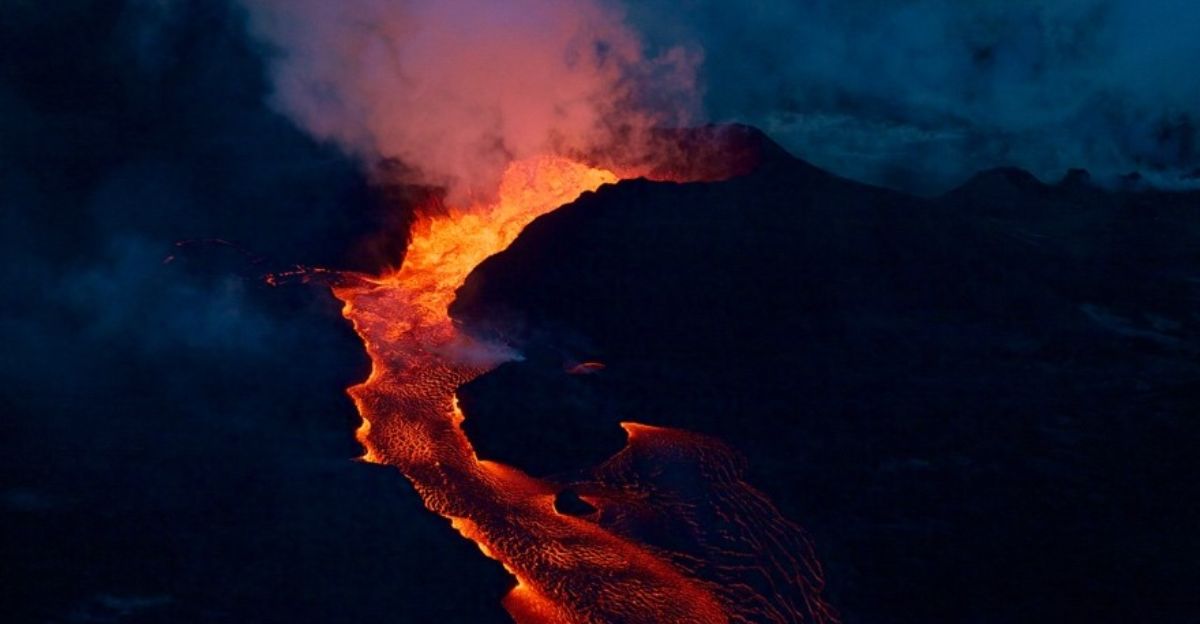
Volcanic systems such as those beneath La Réunion Island and Hawaii draw magma from exceptionally deep within the mantle. These plumes act as natural elevators, carrying material from thousands of kilometers below the surface.
The modern lavas from these hotspots displayed the identical proto-Earth isotope signature, proving that ancient material still resides at extreme depths and occasionally breaches the surface through rare volcanic pathways.
Computer Simulations Put the Theory to the Test
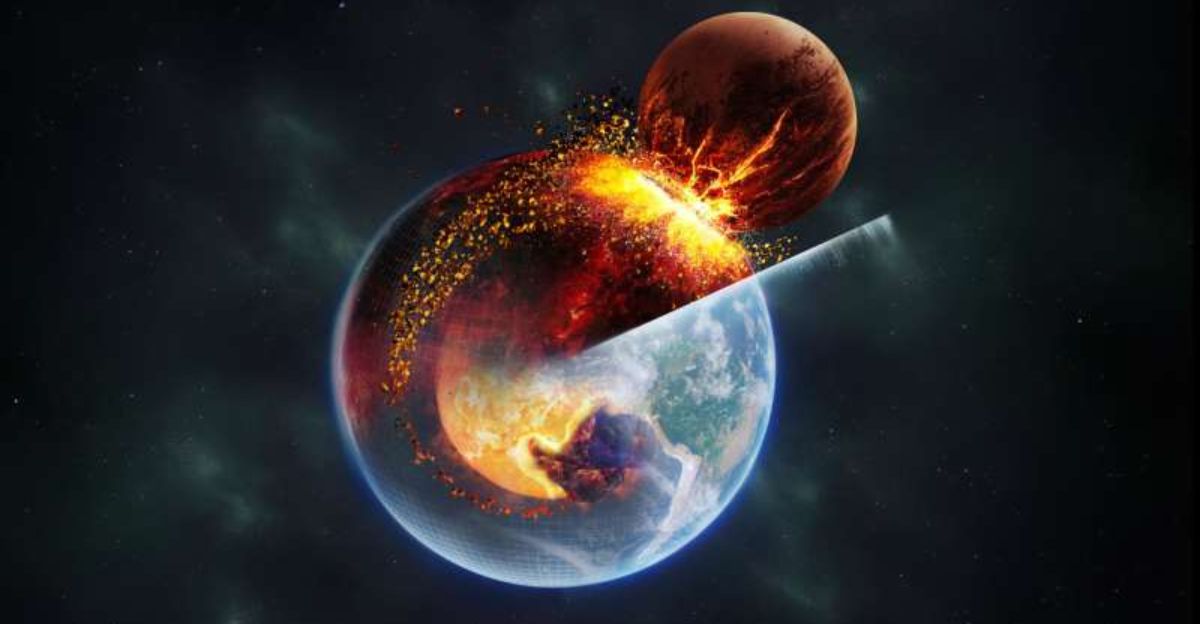
To verify whether primitive mantle could survive the giant impact, researchers ran high-resolution simulations combining collision physics with long-term mantle convection. The models showed that while much of the upper mantle melted and mixed, dense material could sink and become trapped in the lower mantle.
These isolated “thermochemical piles” remained shielded from complete remixing. Over billions of years, they could persist largely intact while occasionally feeding mantle plumes.
The Role of the Lower Mantle
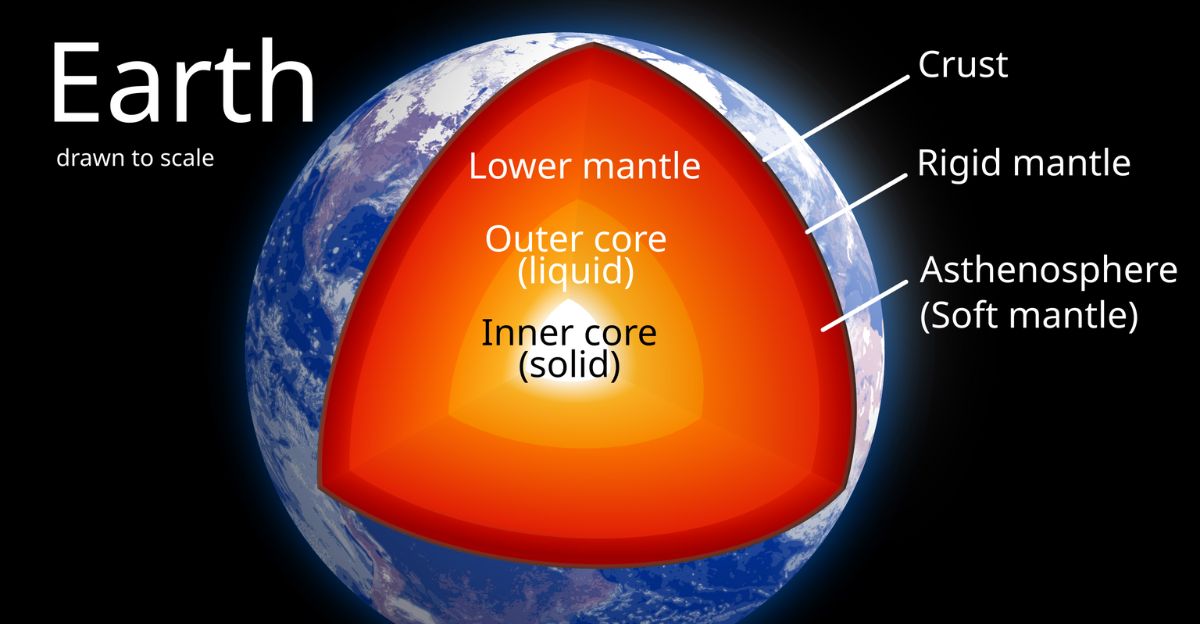
Earth’s lower mantle accounts for most of the planet’s internal volume, extending from 660 kilometers below the surface to nearly 2,900 kilometers at the core-mantle boundary. Seismic imaging reveals large anomalous regions within this zone where seismic waves travel unusually slowly.
These structures, long considered mysterious, now appear to be likely storage zones for both Theia debris and surviving proto-Earth material, preserved by density contrasts over geological time.
The Mystery of the Missing Meteorites

When researchers compared the proto-Earth isotope signature to hundreds of known meteorite samples, they found no exact match. This implies that the primary building blocks of proto-Earth may come from a class of early solar-system material that is now either extremely rare or entirely absent from modern meteorite collections.
The mismatch introduces a major puzzle: the original matter that formed Earth may not be fully represented in known extraterrestrial samples.
What Large Low-Shear Velocity Provinces May Contain
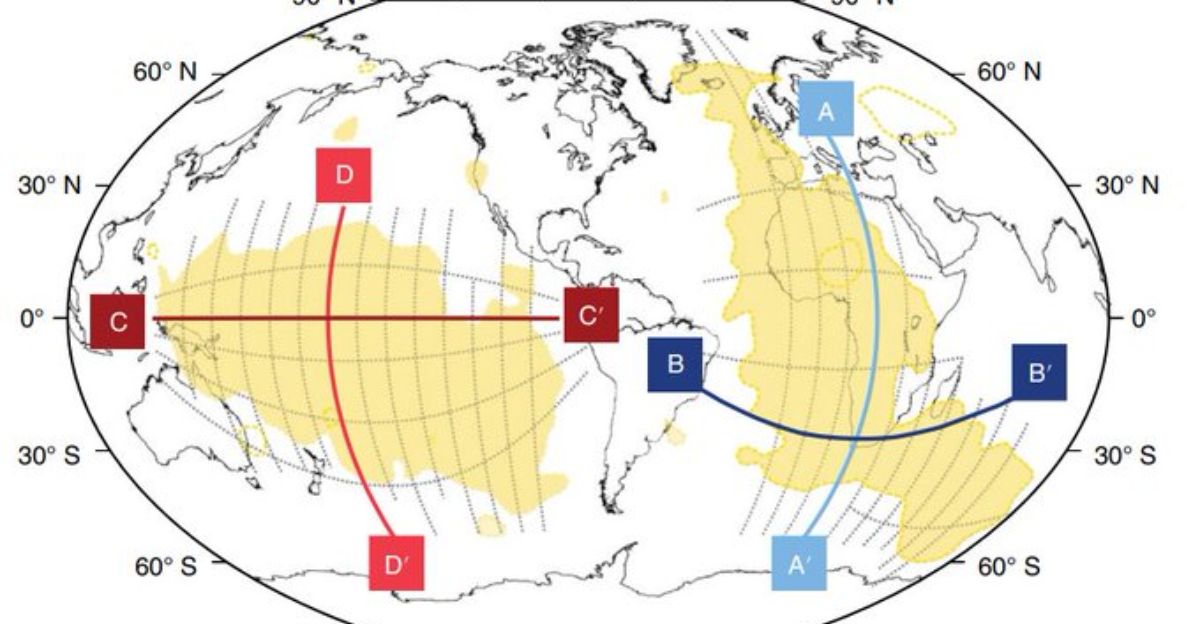
Seismic studies have identified massive structures near Earth’s core where seismic waves slow dramatically.
These Large Low-Shear Velocity Provinces cover vast areas beneath Africa and the Pacific. The new findings suggest these regions may store dense material from both Theia and primordial Earth. Their physical properties would allow them to resist complete convective mixing, explaining how chemical time capsules have remained hidden for more than four billion years.
Revising the History of Earth’s Earliest Crust
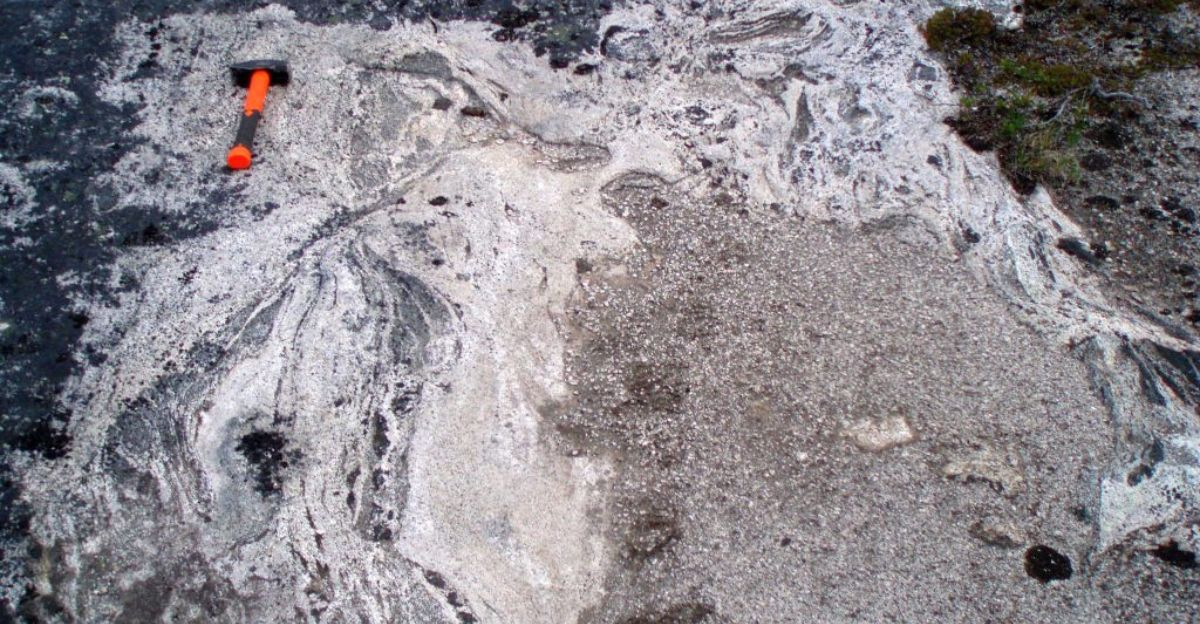
The survival of proto-Earth material reshapes interpretations of the planet’s earliest crustal formation. Instead of forming from a completely homogenized mantle, early crust may have drawn from chemically diverse source regions.
This means that Earth’s primordial continents likely developed from a far more complex interior than previously assumed, carrying geochemical fingerprints from multiple ancient reservoirs inherited directly from the planet’s violent formation.
Implications for Early Oceans and Atmospheres

If proto-Earth domains preserved distinct elemental ratios, their eruption at the surface would have influenced the chemistry of early oceans and atmospheres.
Potassium, sulfur, nitrogen, and other volatile elements affect seawater chemistry, atmospheric composition, and energy transfer in early planetary environments. Variations in these elements could have produced localized chemical conditions that shaped how Earth cooled, how oceans formed, and how early geochemical cycles developed.
Possible Links to Early Habitability
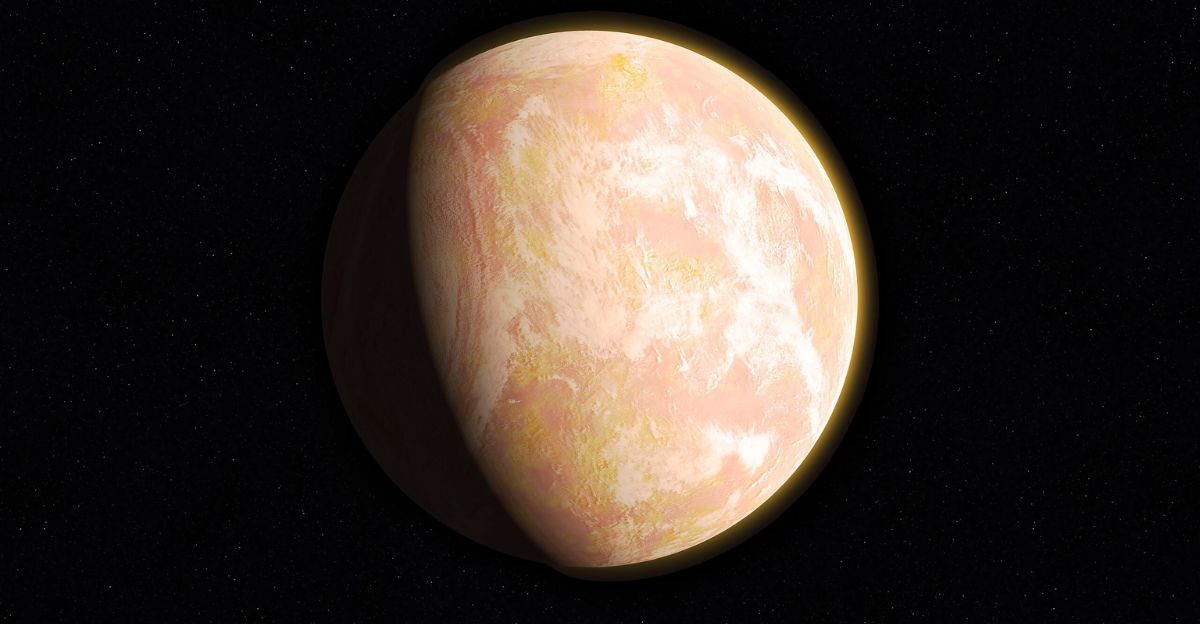
Life depends on finely balanced chemical conditions, including the availability of potassium for cellular energy transfer and osmotic regulation. If isolated proto-Earth domains altered potassium delivery to early surface environments, they could have created chemically unique niches.
These regions may have influenced where primitive biochemical systems could first stabilize. While still speculative, the connection raises new questions about how deep-Earth chemistry may have subtly guided life’s emergence.
The Collapse of the “Reset Model”

The long-standing reset model treated Earth’s interior as having been completely re-melted and chemically rebooted after the giant impact. The potassium isotope evidence now shows this assumption to be incomplete.
Instead of full homogenization, Earth retained chemically isolated regions that escaped total mixing. This forces a major revision of how scientists model planetary interiors, mantle convection, and long-term chemical evolution following giant planetary collisions.
What This Means for Other Planets
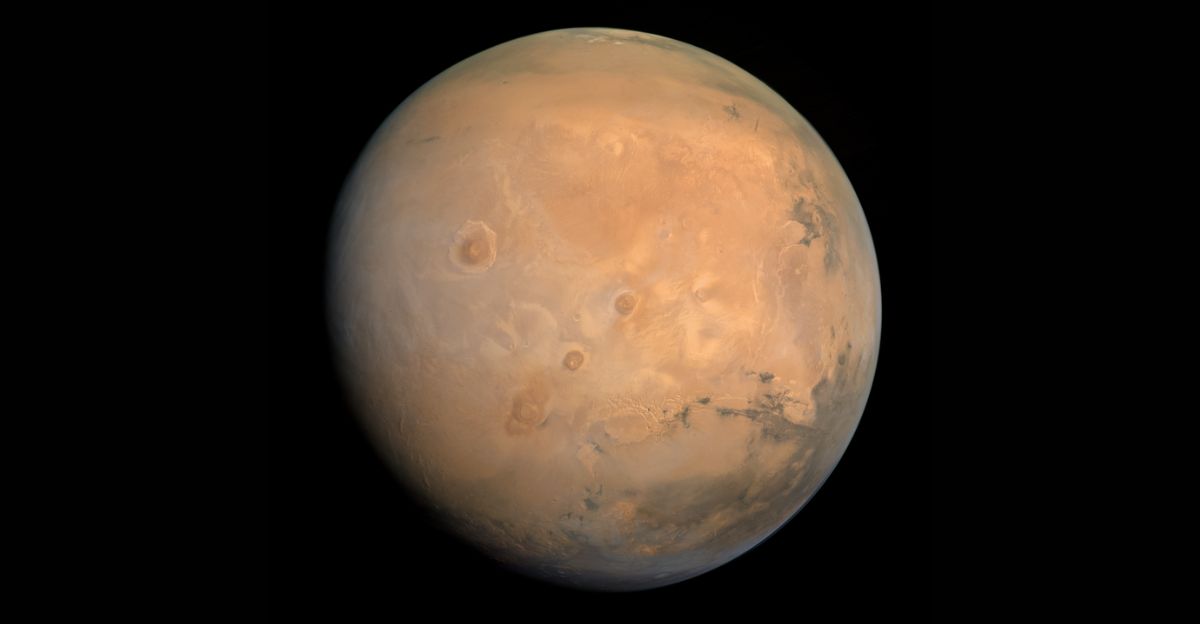
If proto-Earth material survived a collision as extreme as the Theia impact, similar preservation may have occurred on other rocky planets. Mars, Venus, and many exoplanets likely experienced comparable large collisions during formation.
If ancient survivor domains still exist inside those worlds, their interiors may be far more chemically complex than current models assume. Earth now serves as a template for how hidden primordial reservoirs might persist elsewhere.
A New Frontier in Isotopic Fingerprinting

Potassium isotopes open a new path for probing Earth’s deepest interior, but they are only the beginning. Researchers are now expanding studies to tungsten, silicon, molybdenum, iron, and oxygen isotopes.
Each isotope system offers a different window into planetary differentiation, shock processing, and core formation. Together, these tools promise to build a far more detailed chemical map of Earth’s ancient interior than ever before possible.
Why the Lower Mantle Remains Earth’s Greatest Unknown
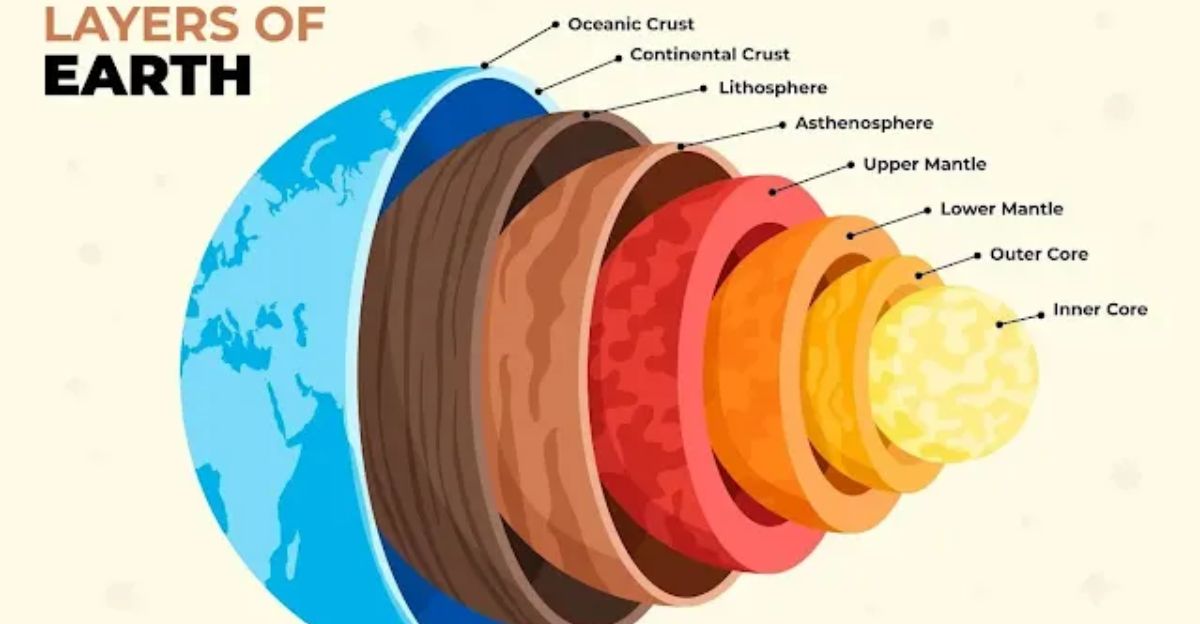
Despite advances in seismology and high-pressure physics, humans cannot directly access the lower mantle. Drilling barely scratches the crust, while seismic waves only provide indirect imaging. As a result, plume-fed volcanoes remain the only real sampling conduits from deep Earth to the surface.
Each eruption becomes a rare geological message from a hidden world that still contains chemical memories from the birth of the planet.
Earth as a Preserver of Cosmic Memory
The discovery of surviving proto-Earth material rewrites the story of planetary formation. Earth is no longer seen as a thoroughly mixed product of collision and chaos, but as a layered archive that still preserves fragments of its original form.
These deep reservoirs function as chemical time capsules, recording events from the dawn of the solar system. As analytical tools advance, Earth may continue revealing forgotten chapters of its own violent origins—and, by extension, the origins of rocky worlds across the universe.
Sources:
MIT News, report on first evidence of 4.5‑billion‑year‑old proto‑Earth in the mantle
Space.com, coverage of 4.5‑billion‑year‑old proto‑Earth evidence deep within Earth
Futura Sciences, article on a relic of pre‑impact Earth before the Moon formed
ScienceAlert, article on remnants of “proto‑Earth” deep underground