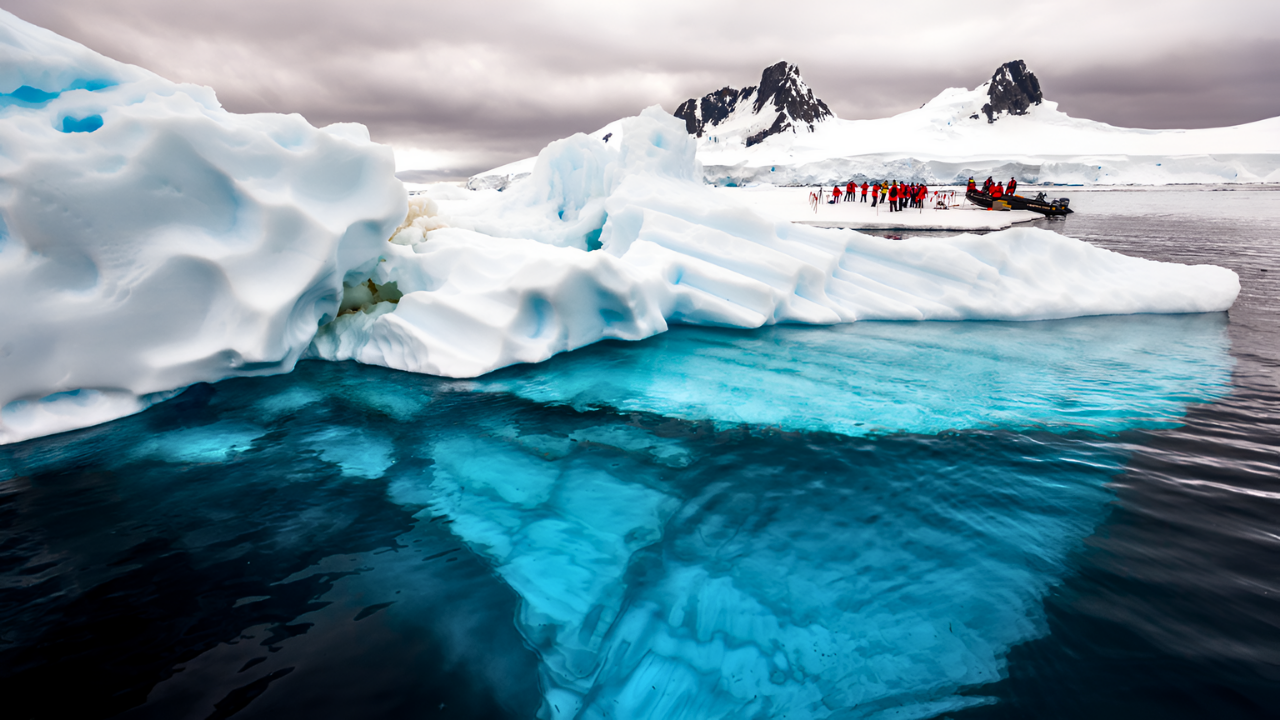
Beneath 2.7 kilometers of Antarctic ice, something unexpected is happening. Radar scans reveal a hidden danger: the oldest ice in the world—locked for over 800,000 years—is melting from below.
Geothermal heat is working its way up through the layers, disturbing ancient sediments and threatening to erase centuries of climate records just as scientists were about to drill for them.
As the heat accelerates, a once-stable climate vault begins to unravel. What happens next? The hunt for Earth’s deepest secrets is now a race against time.
Ice Core History Unveiled
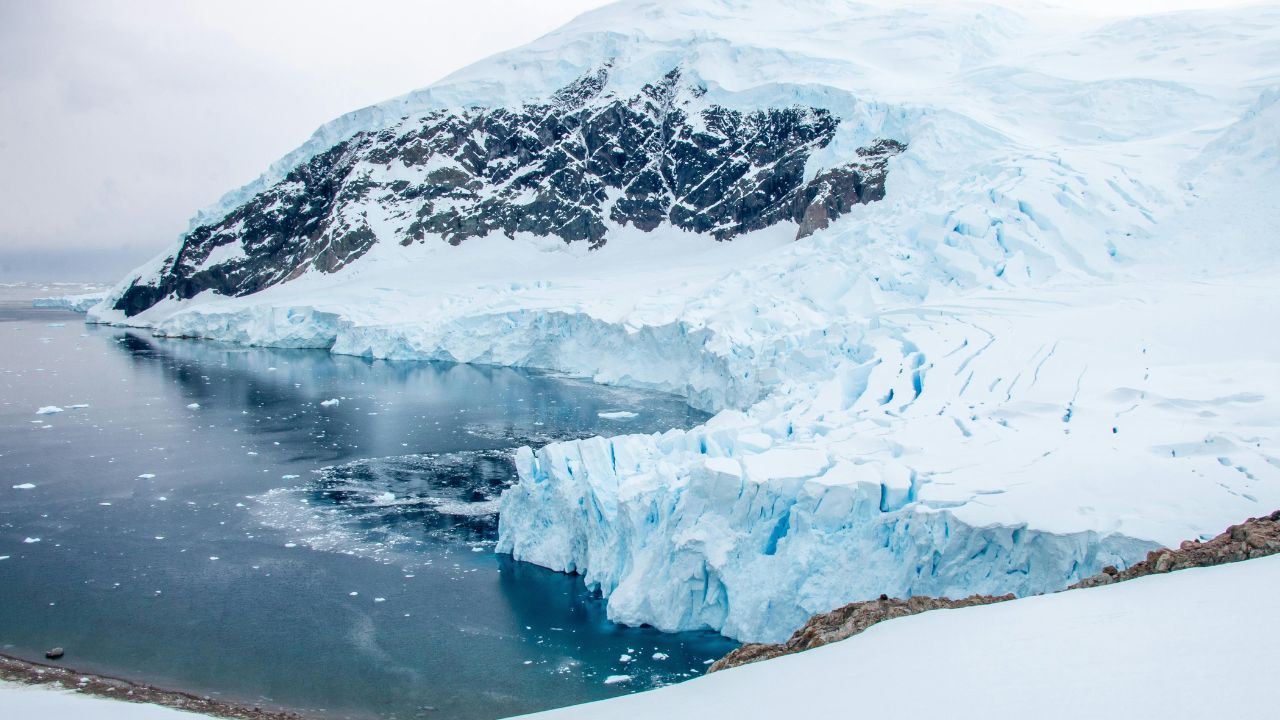
For decades, ice cores have provided vital climate data, the longest record spanning 800,000 years. In 2021, the NSF COLDEX initiative launched to push the boundaries further.
It aimed for ice older than 1 million years. What’s driving this urgency? The rapidly changing climate demands answers.
Radar Discovery
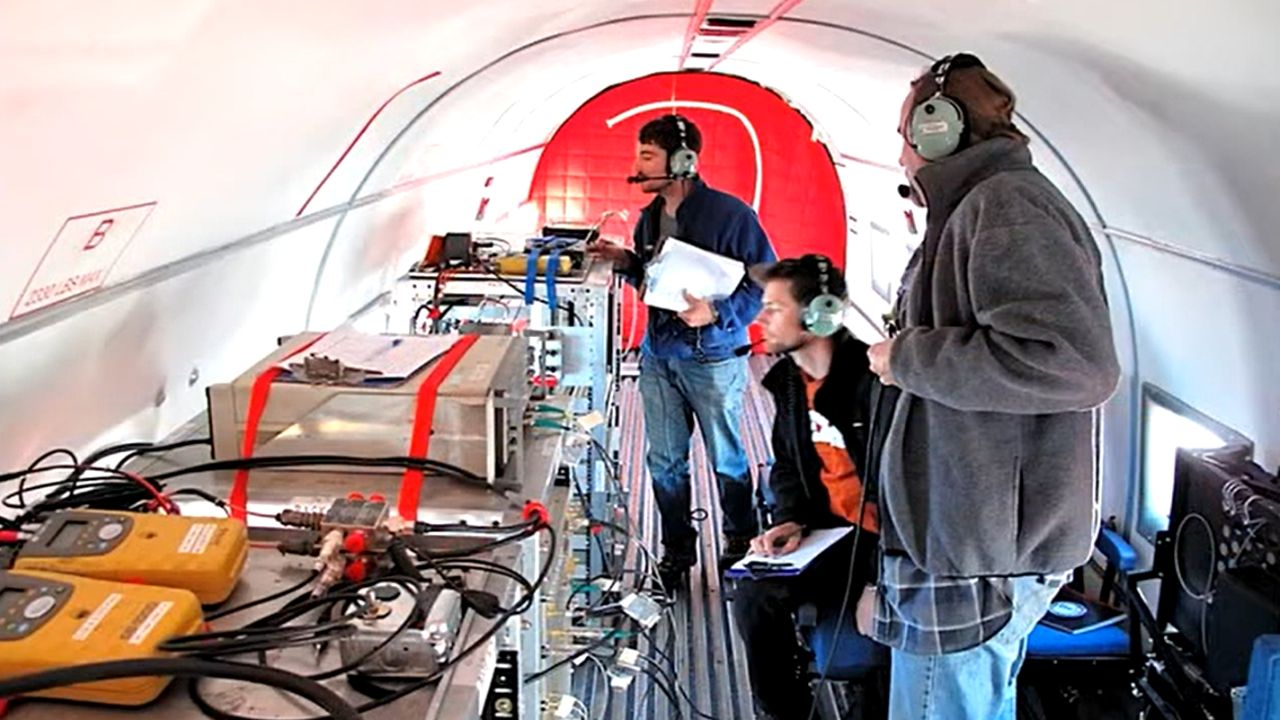
In 2021, the University of Texas Institute for Geophysics (UTIG) partnered with COLDEX for a groundbreaking radar survey over the South Pole Basin.
This thick ice sheet held promise for a continuous climate record. But early radar scans hinted at unexpected dangers beneath.
Antarctica’s Ice Under Siege
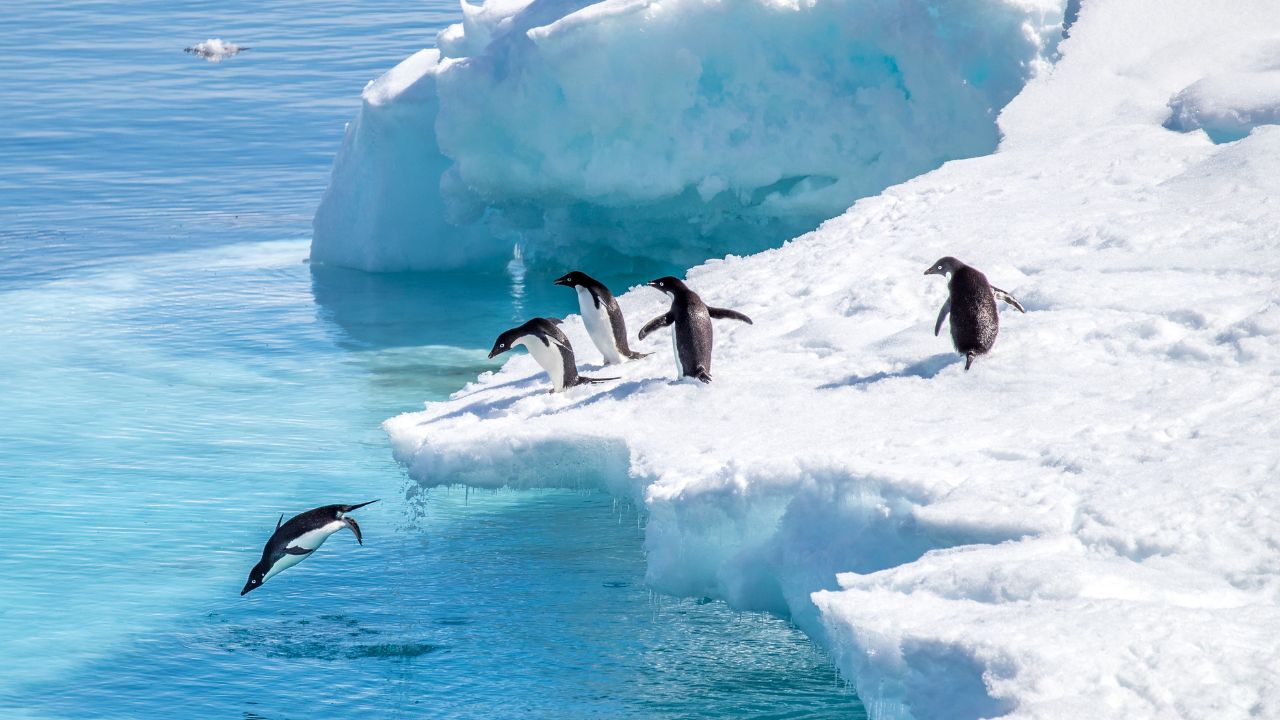
With global warming driving rapid ice loss, Antarctica’s contribution to rising sea levels grows. Until recently, drilling typically reached 800,000 years, leaving major climate shifts unexplored.
But as pressure mounts, subglacial water is accelerating ice flow—threatening stability. Is this ice vault still reliable?
The Basal Melt Phenomenon
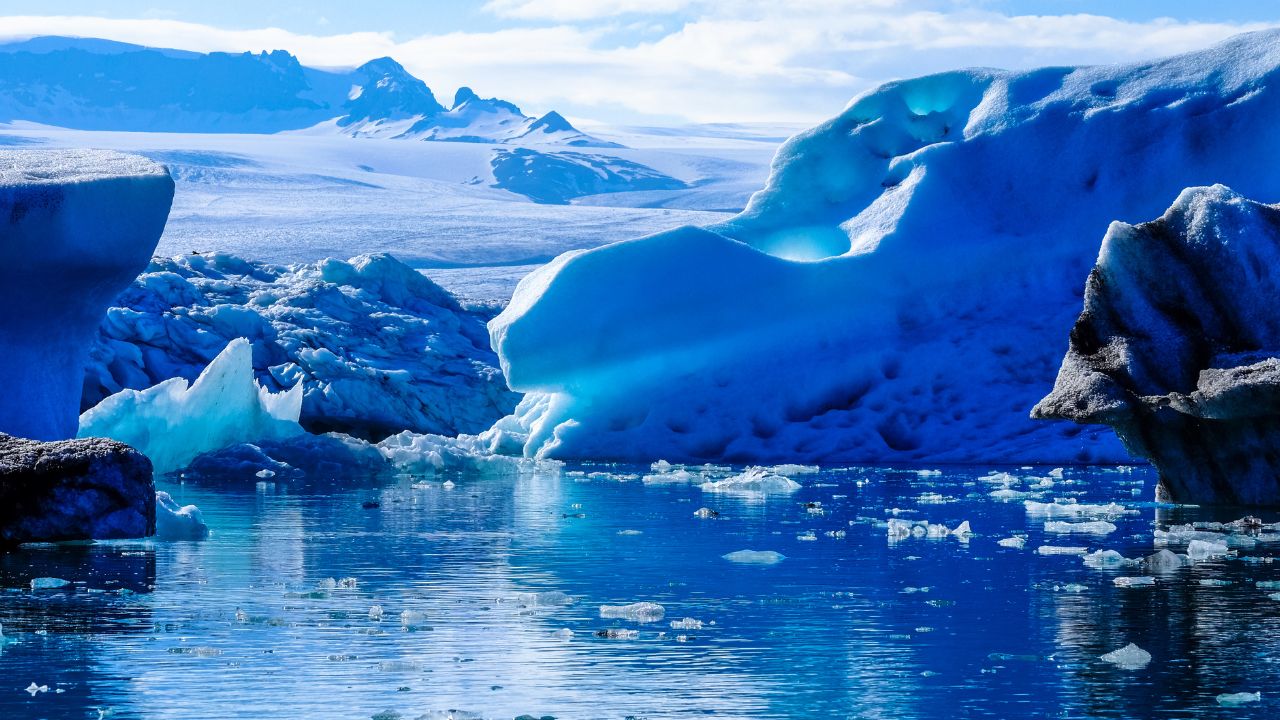
New radar data from 2021-2023 revealed a startling find: geothermal heat is melting Antarctica’s deepest ice.
Sediment and heat from below disturb layers that have been untouched for millions of years. This threatens to corrupt centuries of critical climate history.
South Pole Basin’s Shifting Foundation
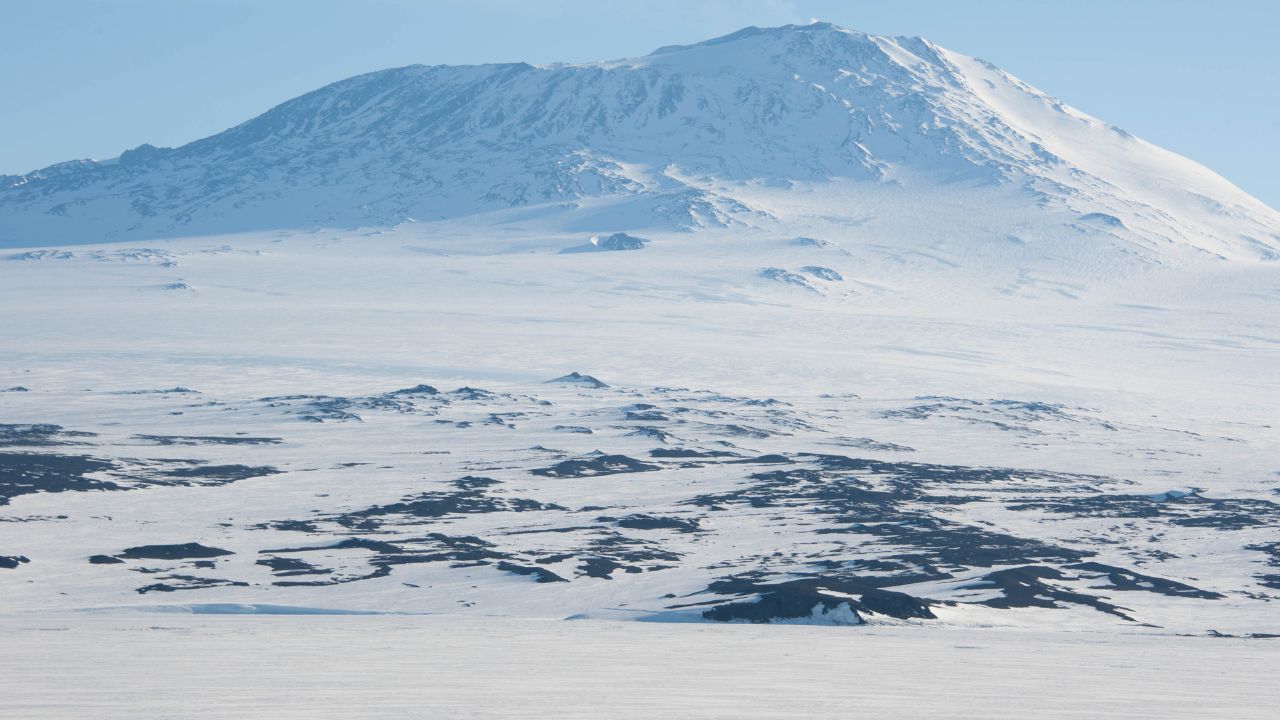
The South Pole Basin’s subglacial terrain, once stable, now shows signs of disturbance. As ice melts, sediment from ancient mountain ranges accumulates, forming a new type of subglacial basin.
This unexpected change jeopardizes the integrity of the entire ice archive. What happens if this process continues?
Surprising Discovery Rocks Science
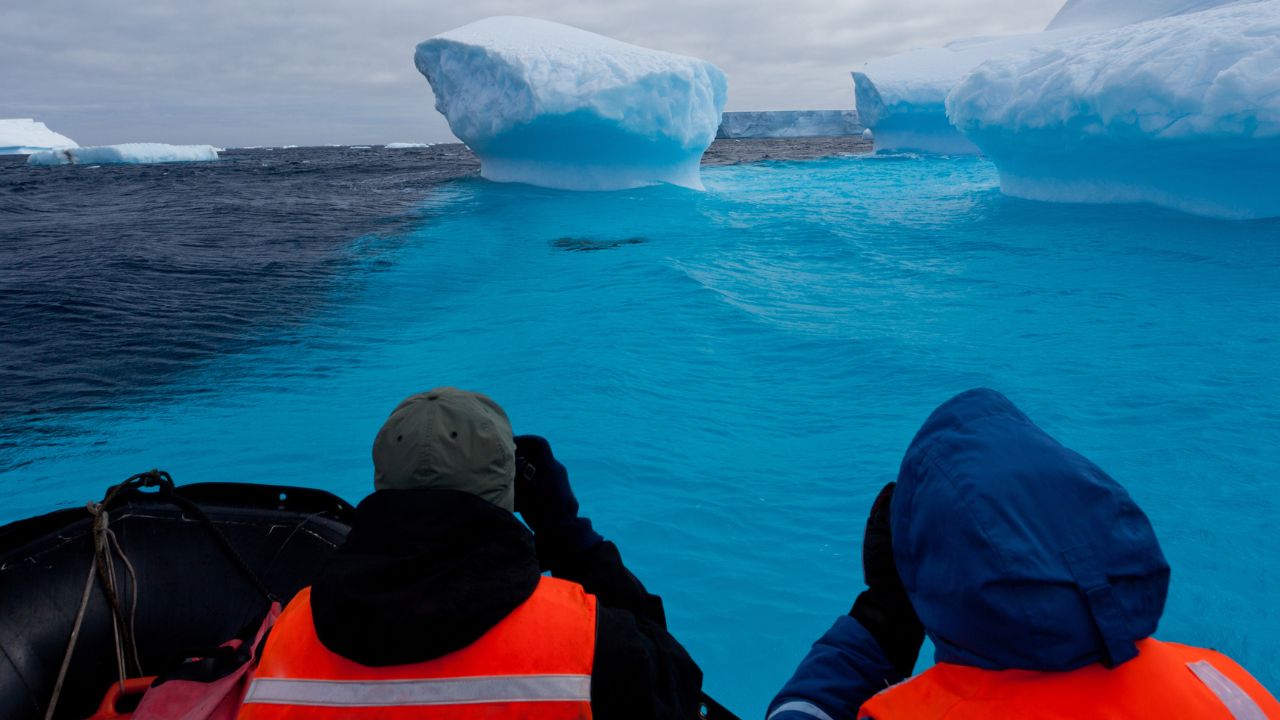
“We weren’t expecting this,” says Duncan Young, the UTIG researcher who led the survey. The melting from below wasn’t anticipated—corrupting the pristine layers scientists had hoped to study.
What does this shock mean for the future of ice drilling projects?
Geothermal Heat Unleashed
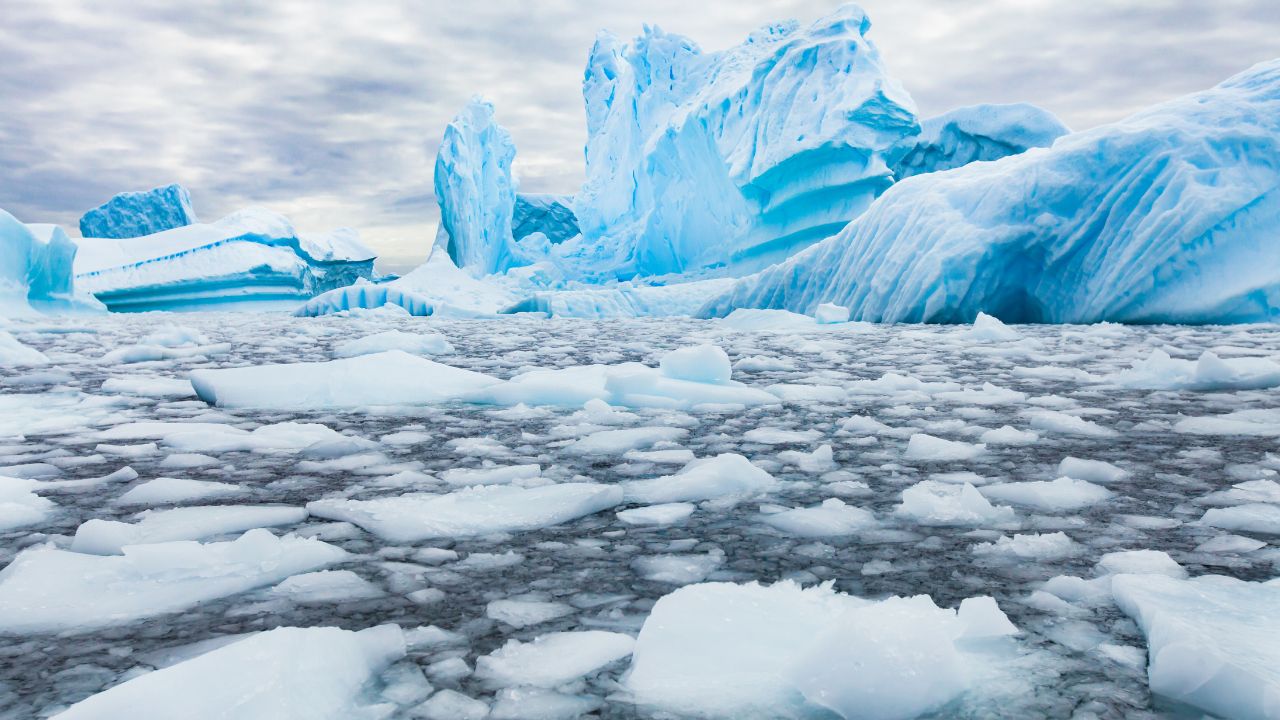
Localized geothermal heat is at the heart of the problem, driving ice melt from beneath. This process influences ice flow, contributing to sea level rise and disrupting the delicate balance of ice flow.
Can scientists adapt their models to understand these new forces?
A New Geological Process Emerges
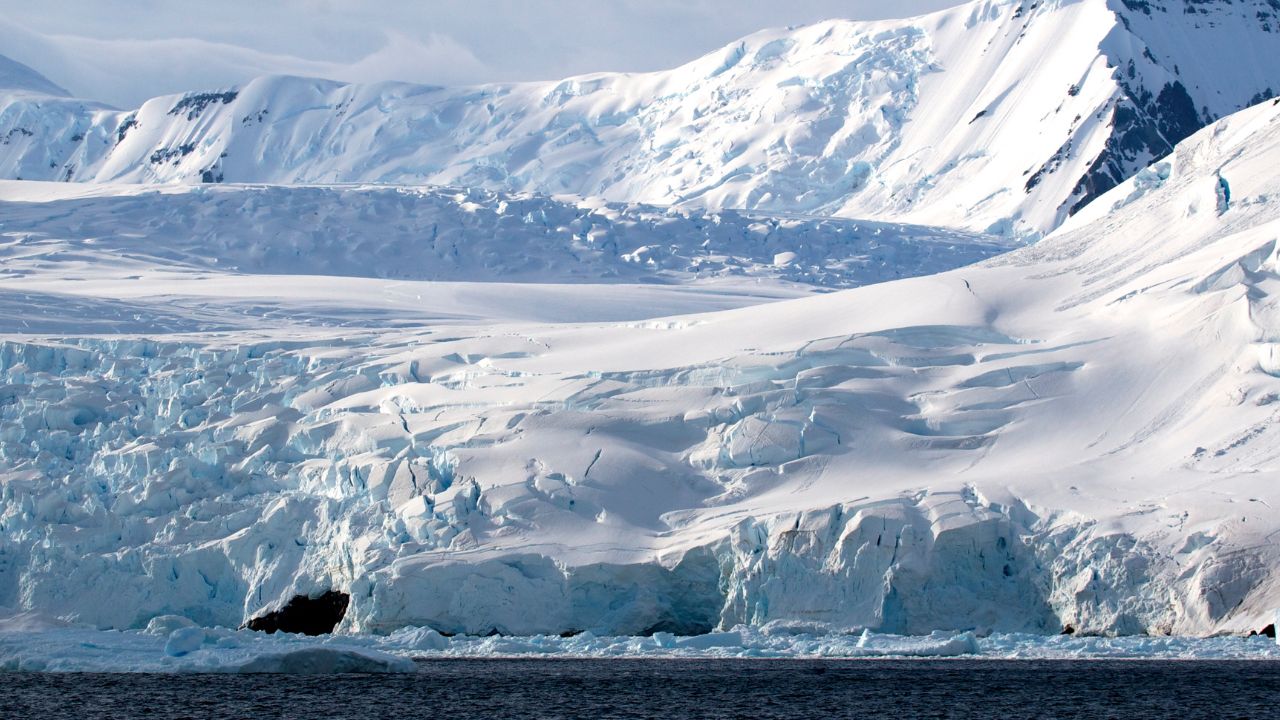
The melting ice is revealing an unusual pattern: sediment that has built up over 14-30 million years. These particles are now being deposited into the basin, offering insights into a process previously unknown.
What does this discovery mean for our understanding of Earth’s climate system?
Revising the Climate Models
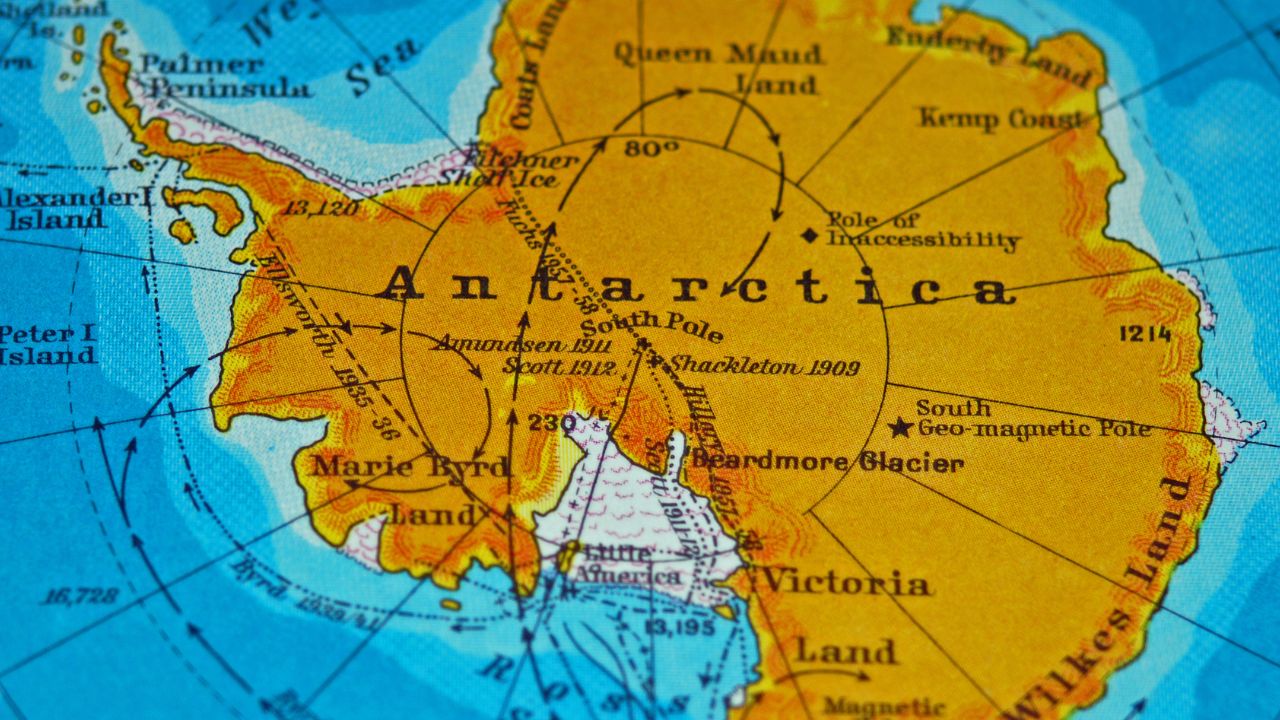
Current models failed to predict the heat variations seen in the South Pole Basin, highlighting a significant gap in our understanding.
The geothermal heat is melting basal ice, threatening the most ancient climate records. What does this mean for future drilling projects?
Upstream Ice
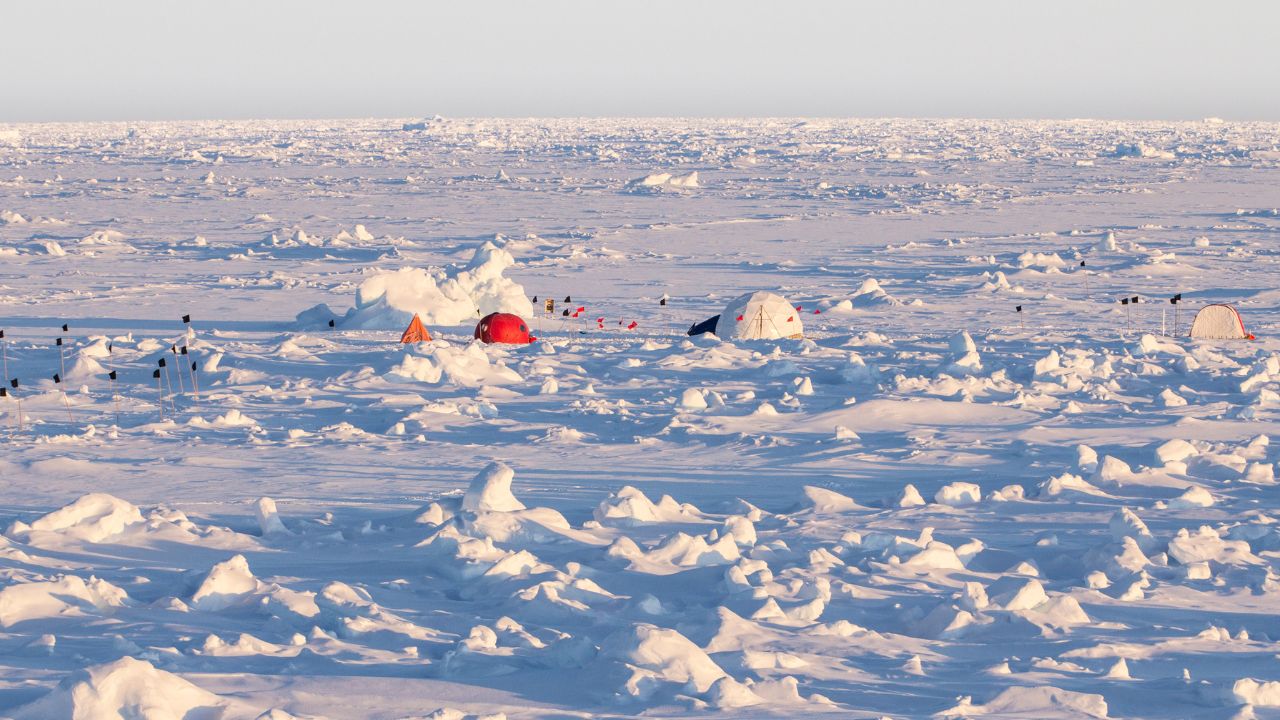
Amid the chaos of basal melt, researchers find hope: upstream ice layers remain largely untouched by the geothermal disturbance.
Shifting focus to these regions could allow scientists to continue their quest for older, undisturbed climate records. Can this area serve as a backup?
Drilling Delays and Challenges
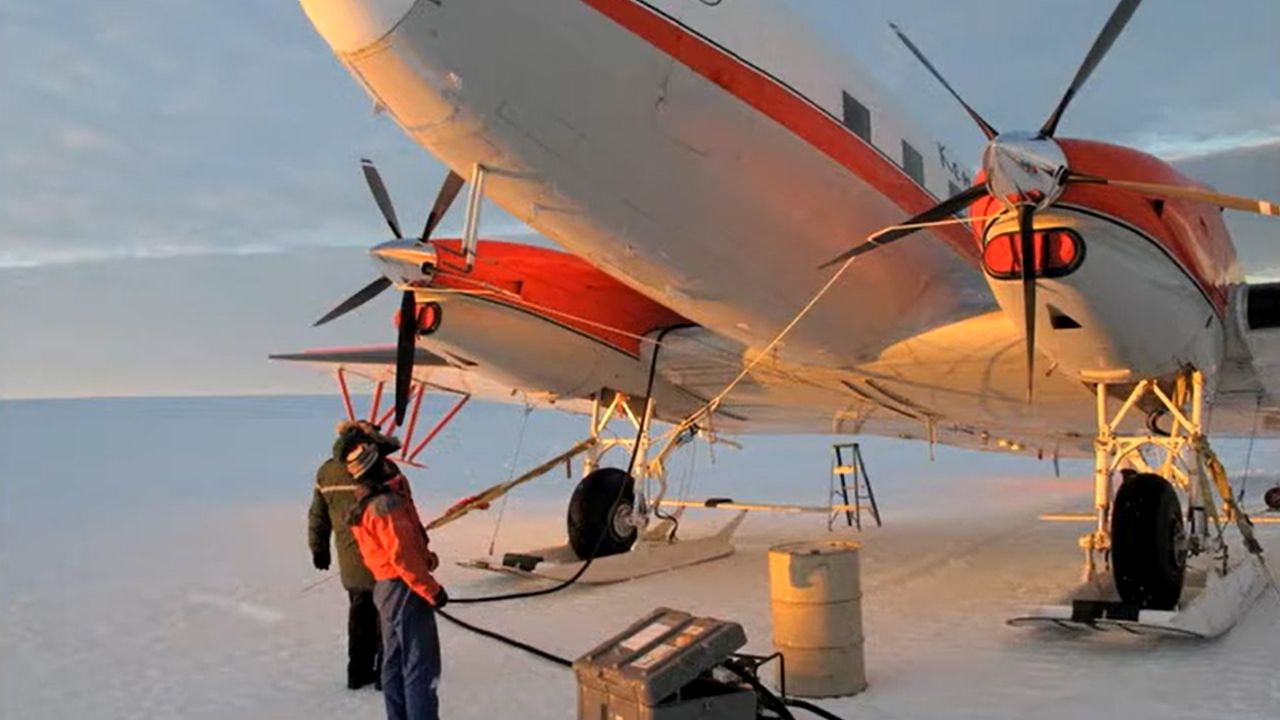
COLDEX’s mission faces setbacks as their target ice becomes compromised. The realization that basal melt could corrupt samples has led to frustrating delays.
Researchers are caught between the risks of continuing and the urgent need to retrieve valuable climate data. Can they overcome these hurdles?
Allan Hills Mission
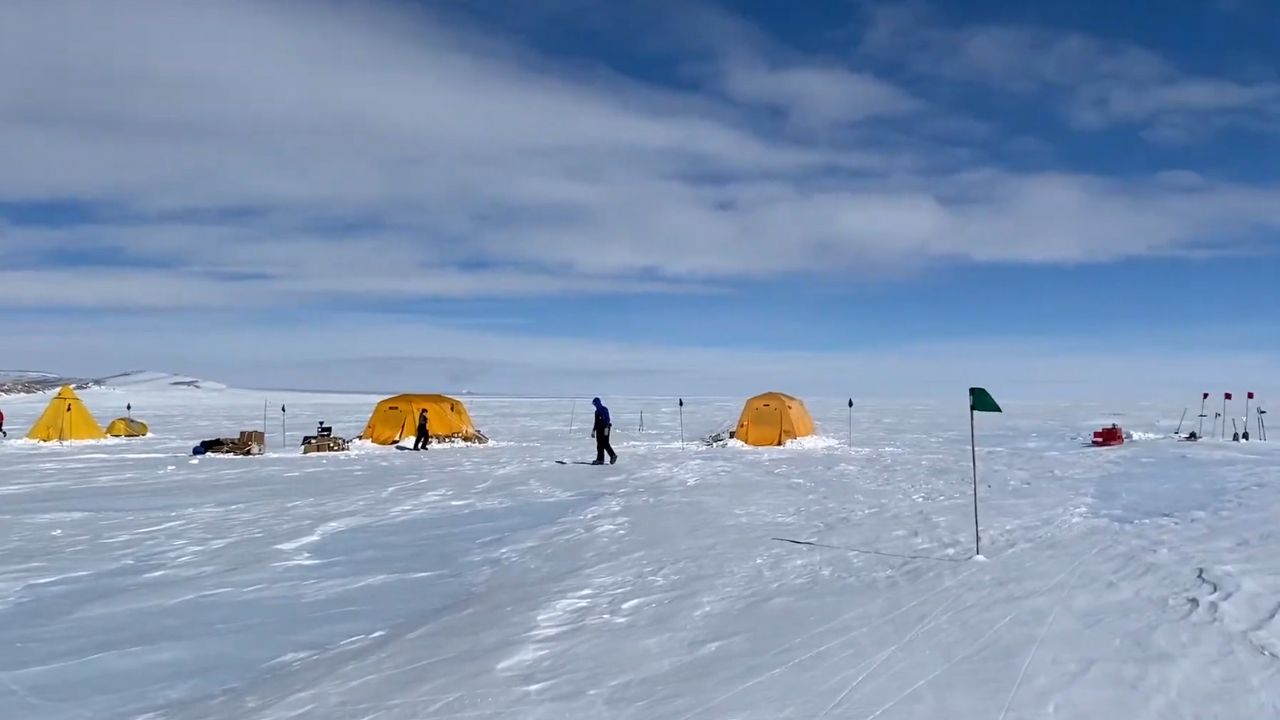
In response to the challenges at the South Pole Basin, COLDEX is refocusing on Allan Hills, home to 6-million-year-old ice.
This area may provide an alternative path to uncovering the long-sought climate records, but does it offer the stability needed to avoid further disruptions?
The Race Against Time

The clock is ticking. As sea levels rise and Antarctica’s ice continues to melt, the urgency to extract and study these ancient records intensifies.
The question is: can researchers secure the data before it’s lost to geothermal heat and melting?
A Future Without Ice?
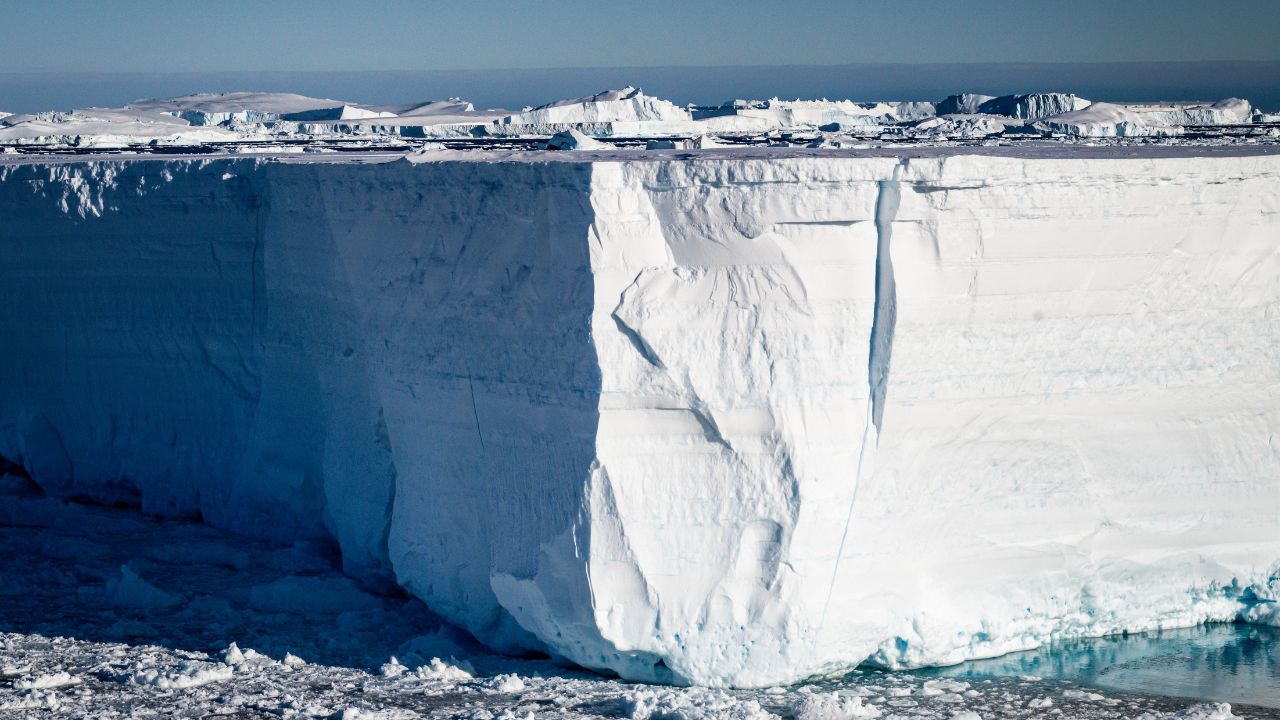
As geothermal heat continues to reshape Antarctica’s ice sheets, the planet’s oldest climate archive may be erased before scientists can unlock its secrets.
The fate of these irreplaceable records hangs in the balance. What happens if humanity loses access to this key piece of our climate history?
Sources:
“Coupled Ice Sheet Structure and Bedrock Geology in the Deep Interior of East Antarctica: Results From Dome A and the South Pole Basin.” Geophysical Research Letters, 3 Oct 2025.
“While Searching for the World’s Oldest Ice, Scientists Find Sediment Sneaking Under the Antarctic Ice Sheet.” University of Texas Institute for Geophysics, 17 Oct 2025.
“Reaching Big Milestones at the Allan Hills.” NSF Center for Oldest Ice Exploration (COLDEX), 30 Dec 2024.
“Discovery of High Geothermal Heat at South Pole.” British Antarctic Survey, Nov 2018.