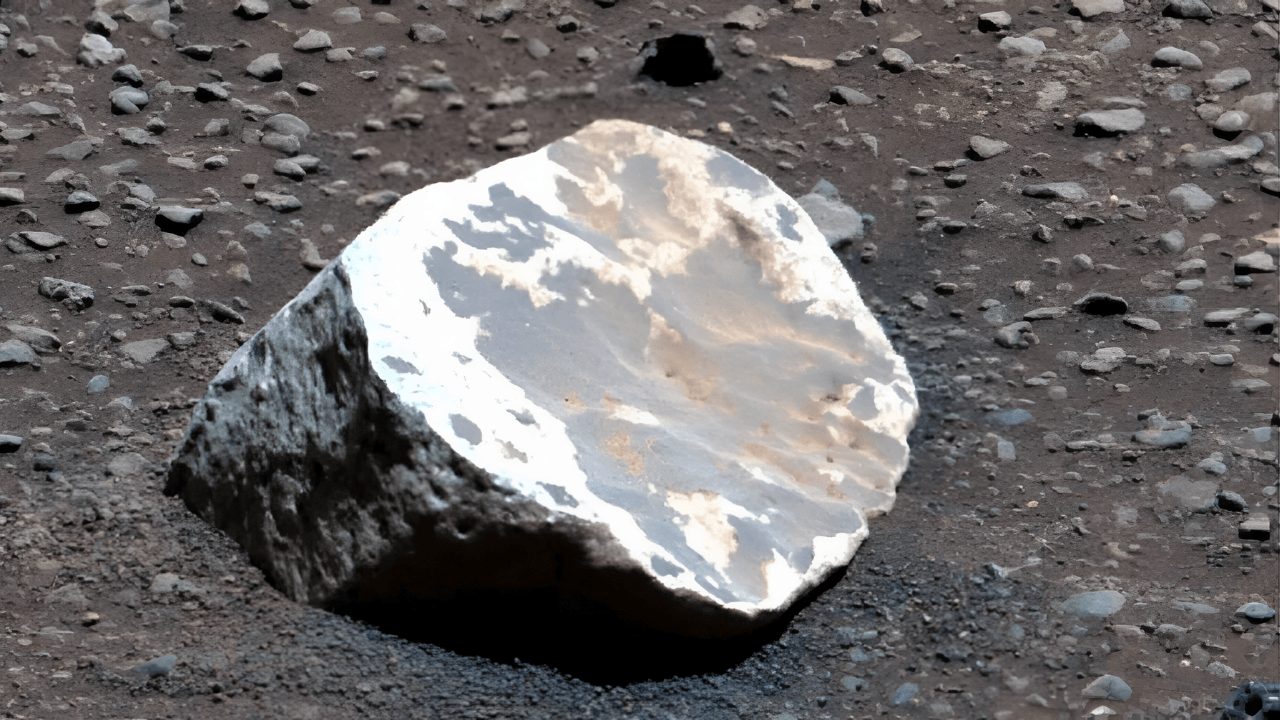
NASA’s Perseverance rover discovered something remarkable in Jezero Crater. Scientists found light-colored rocks containing kaolinite clay—a mineral that only forms where water once flowed.
What makes this discovery thrilling? Kaolinite preserves evidence of ancient life for billions of years. This finding transforms our search for Martian life from mere speculation into genuine geology.
Mars’ Hidden Past
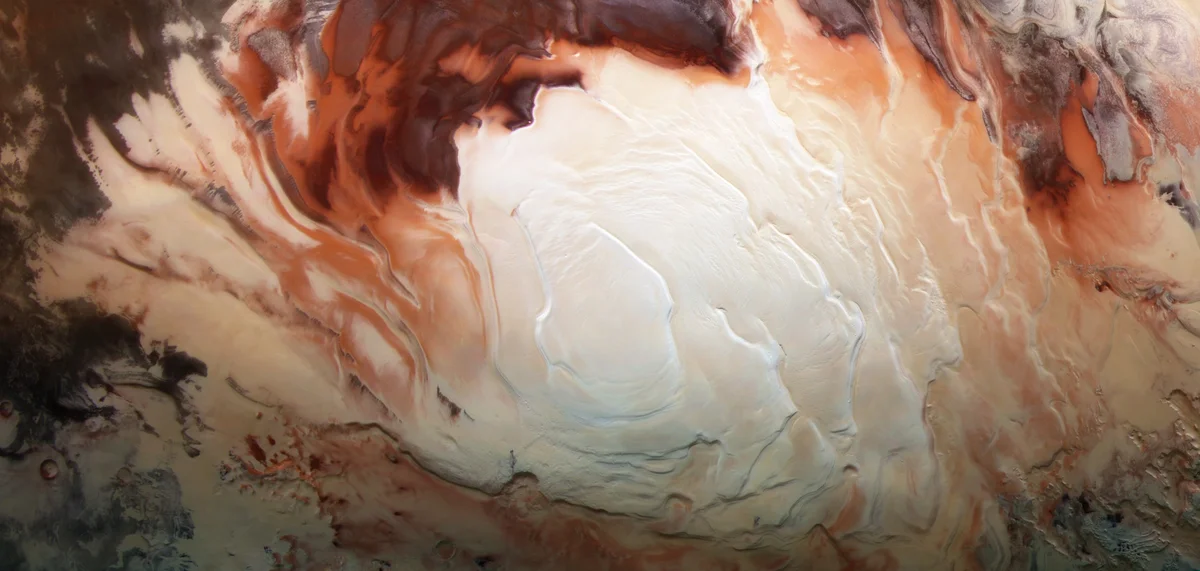
Today’s Mars looks frozen and dead. But scientists believe early Mars—around 4.1 to 3.7 billion years ago—was completely different. It had a thicker atmosphere, warmer temperatures, and liquid water covering the surface.
If life emerged on early Earth under these conditions, why couldn’t it emerge on early Mars? Jezero Crater once held a massive freshwater lake.
The Crater of Possibility

Before landing in February 2021, satellites spotted tantalizing clues around Jezero: ancient riverbeds, dried lake deposits, and signs of water flow.
Scientists chose Jezero because it had everything life needs: abundant water and chemical diversity. A vast lake once filled the crater, fed by a river delta. But they needed ground truth.
Perseverance carried instruments to confirm habitability.
A Mineral That Matters
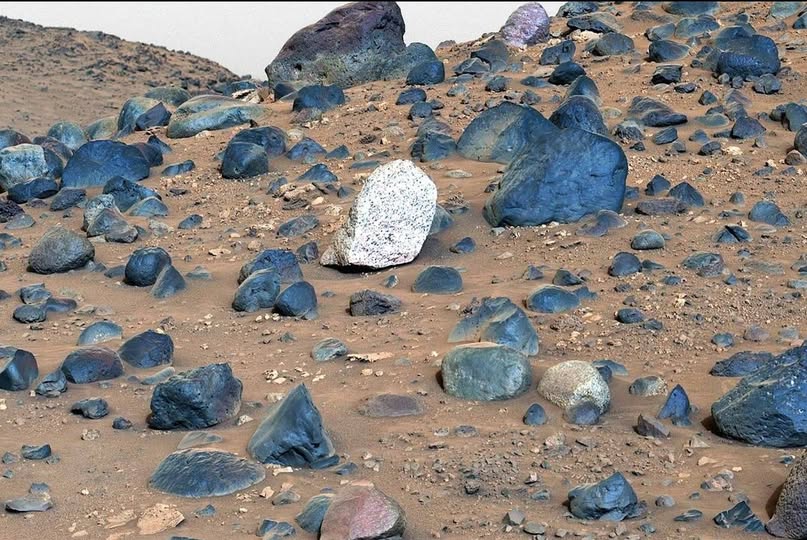
In December 2025, Perseverance discovered thousands of pale, aluminum-rich rock fragments on Jezero’s floor, which contained kaolinite clay. On Earth, kaolinite forms only in tropical, life-bearing environments.
Scientists love this discovery because kaolinite preserves organic molecules—the building blocks of life—for billions of years, even through intense radiation.
Chemical tests matched those from Earth samples, confirming that ancient Mars had habitable conditions.
Gateway to Evidence
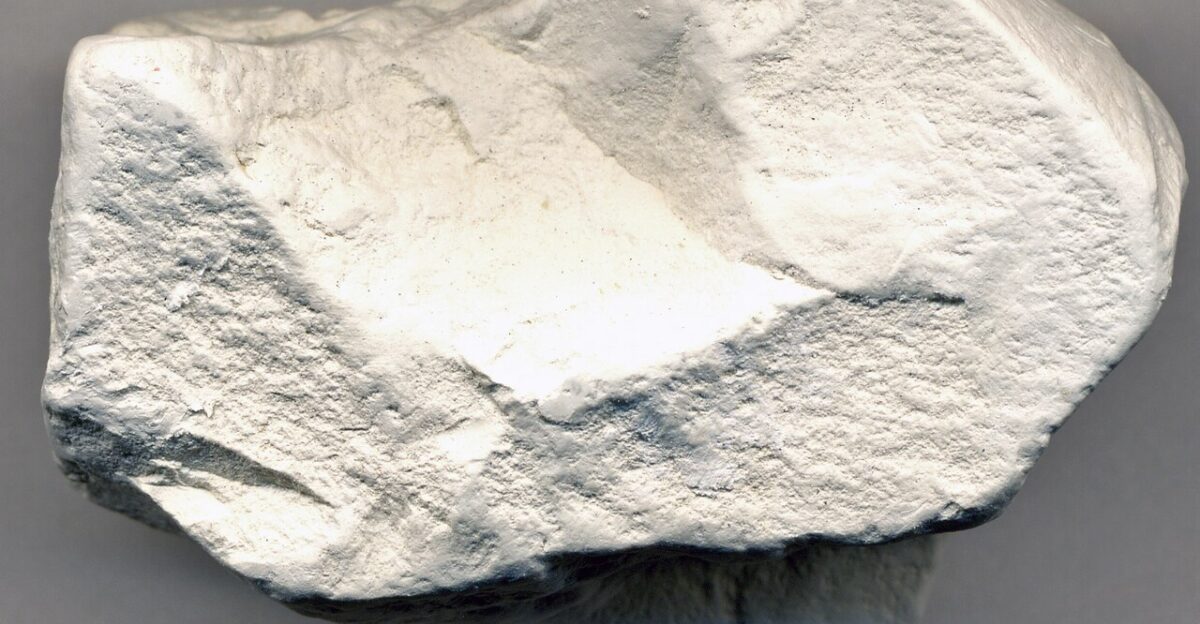
The discovery of kaolinite, published in November 2025, proves that Jezero experienced rainfall-driven weathering for millions of years during the Noachian period. Adrian Broz from Purdue University conducted careful chemical analysis, ruling out competing explanations.
Hydrothermal hot springs also produce kaolinite, but with different chemistry. The Martian rocks showed the exact pattern of rain-weathered soils where life thrives on Earth.
Where Life Belongs
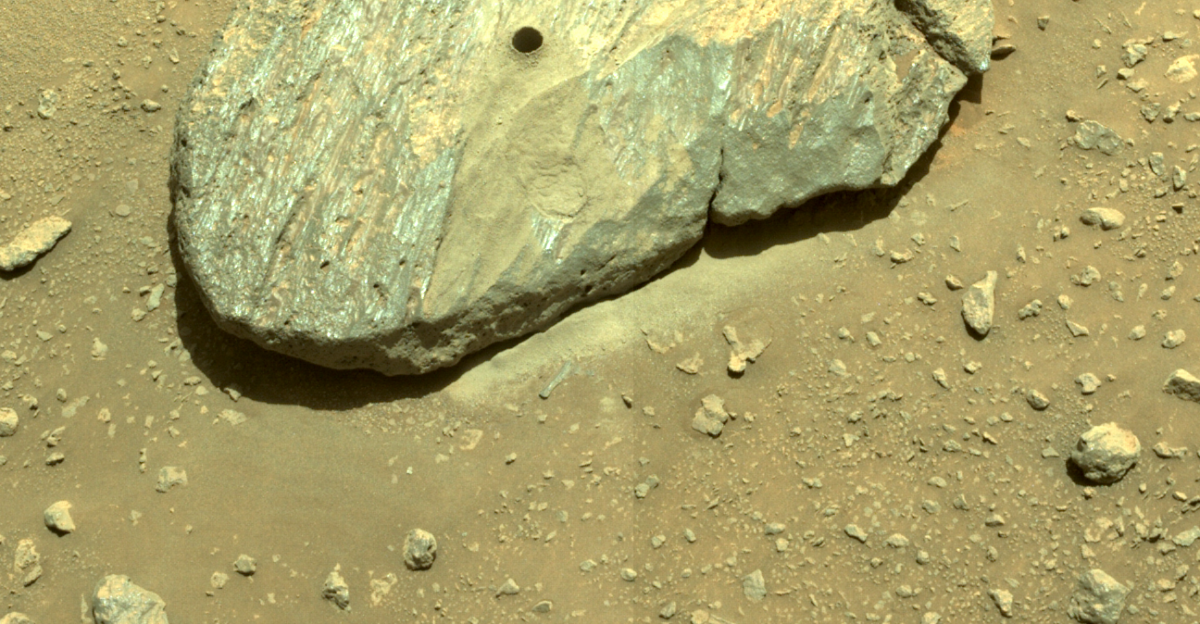
Kaolinite forms when rock meets liquid water, mild temperatures, and plenty of time—exactly what life needs. Briony Horgan from Purdue called these deposits ‘probably the most important outcrops we’ve seen on Mars.’
Why? Because ancient environments with kaolinite would let life thrive and leave fossilized remains. Jezero transformed from an interesting geological feature into humanity’s best hunting ground for evidence of Martian life.
Millions of Years of Possibility
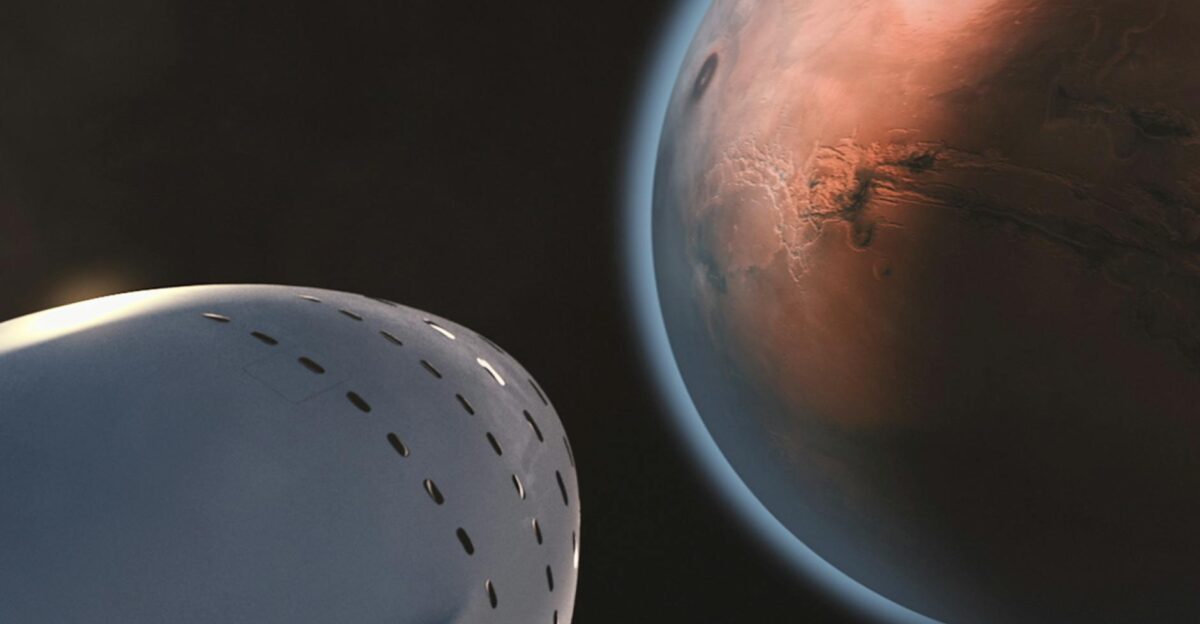
Early Mars didn’t experience one brief wet spell. Instead, it cycled through climate shifts with long warm, wet periods separated by colder intervals.
Kaolinite evidence indicates that Jezero experienced one of Mars’ longest wet intervals—millions of years of rainfall, groundwater, and humidity. This duration matters.
On Earth, even the simplest microbial life requires sustained, favorable conditions over geological time.
The Fundamental Requirement
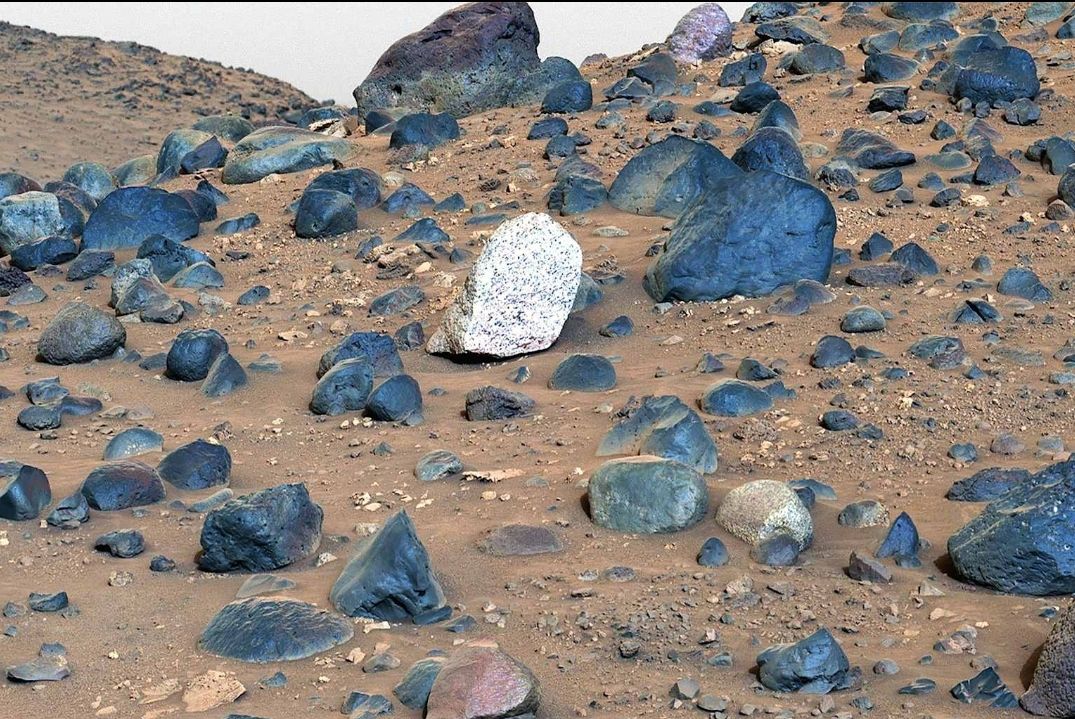
Adrian Broz stated, “All life uses water. These rocks representing a rainfall-driven environment create an incredible, habitable place where life could have thrived on Mars.”
This captures the discovery’s power. Kaolinite proves liquid water existed abundantly and sustainably on ancient Mars. Crucially, clays like kaolinite preserve organic molecules through geological time. If life emerged in Jezero, kaolinite would be the best place to find its traces.
Rigorous Confirmation
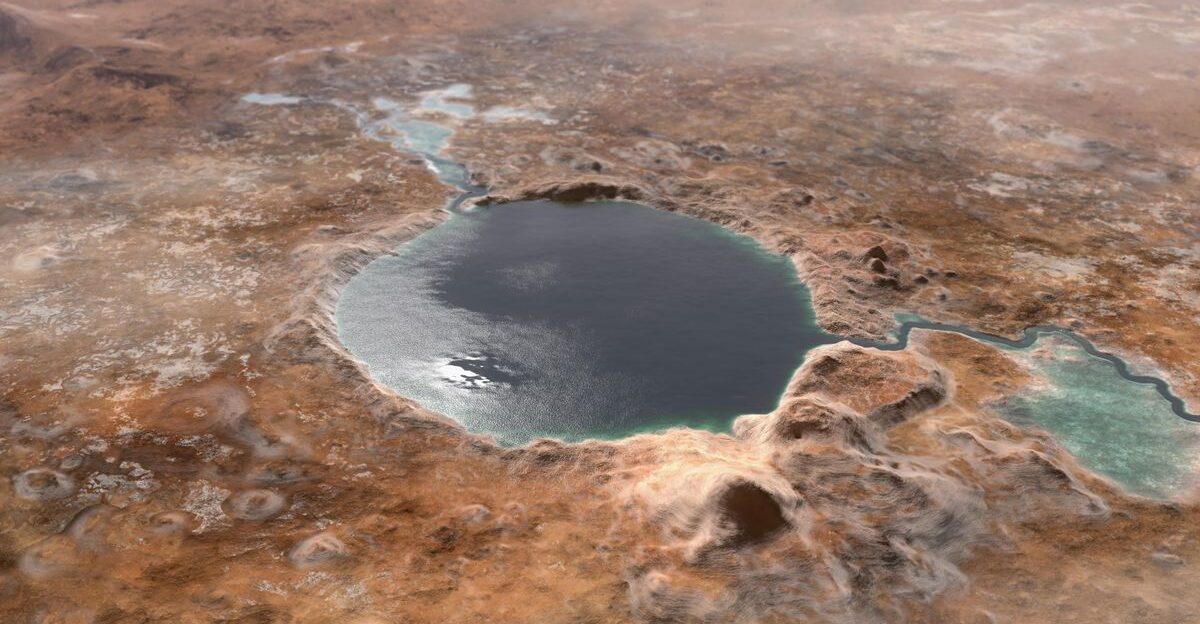
The research team didn’t just identify minerals; they also analyzed them. They conducted rigorous chemical analysis comparing data from three Earth locations—tropical soils and hot-spring deposits—to Martian samples.
Key differences are evident in element ratios and mineral compositions. Rain-leached soils exhibit one signature, while hot-water systems display another. Perseverance data strongly favored the low-temperature, rain-weathering explanation, which scientists must confirm through intense scrutiny.
Sealed in Stone
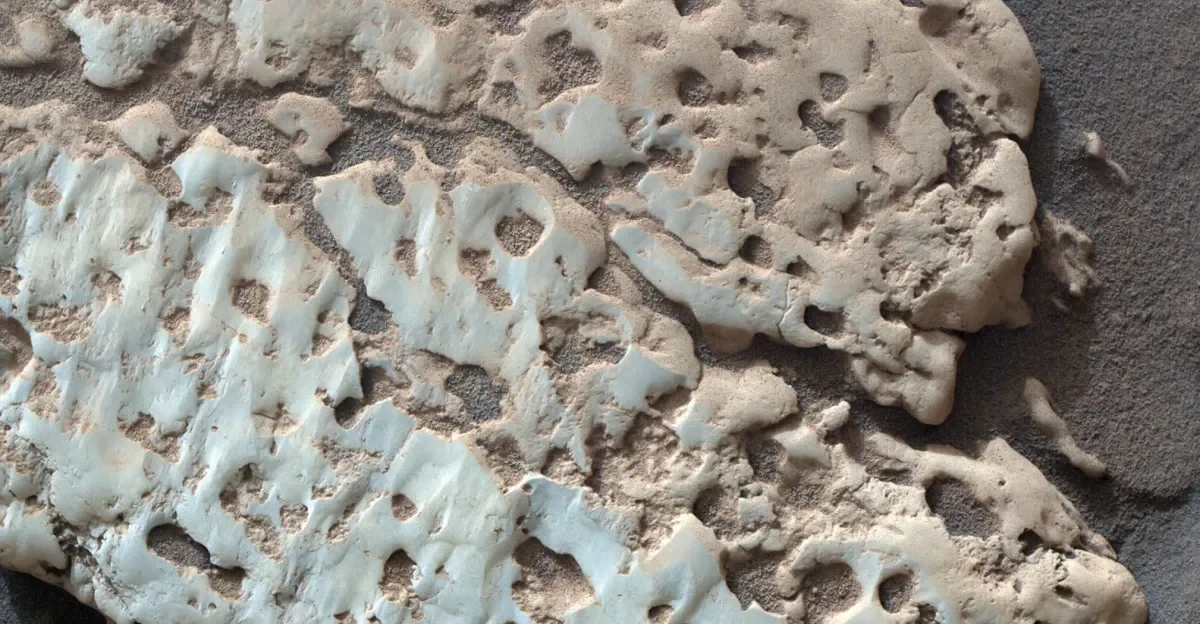
Briony Horgan noted something remarkable: “Kaolinite traps water in its structure. Much of that water might still exist on Mars, locked in these minerals.” This carries two implications.
First, water was abundant enough during kaolinite formation to integrate into mineral structure—another sustained wet-condition signature. Second, these hydrated minerals preserve ancient biosignatures. Microbial chemical traces would remain protected for billions of years.
A Trail to Follow
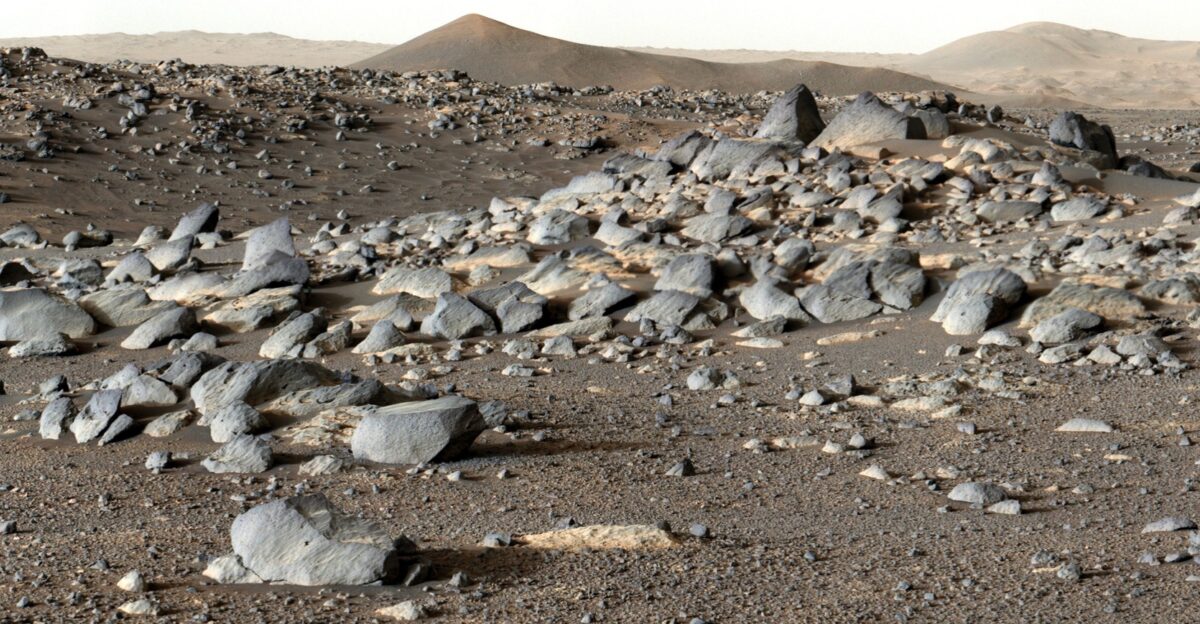
A mystery remains: pale rocks scatter across Jezero’s floor, yet scientists haven’t found their source outcrop nearby. Horgan noted: “No major outcropping exists nearby where these rocks could have originated.”
Scientists see opportunity, not dead ends. Ancient rivers might have transported rocks from distant formations. Alternatively, meteorite impacts billions of years ago could have scattered them. This puzzle drives Perseverance to search for in-place deposits.
Following the Trail
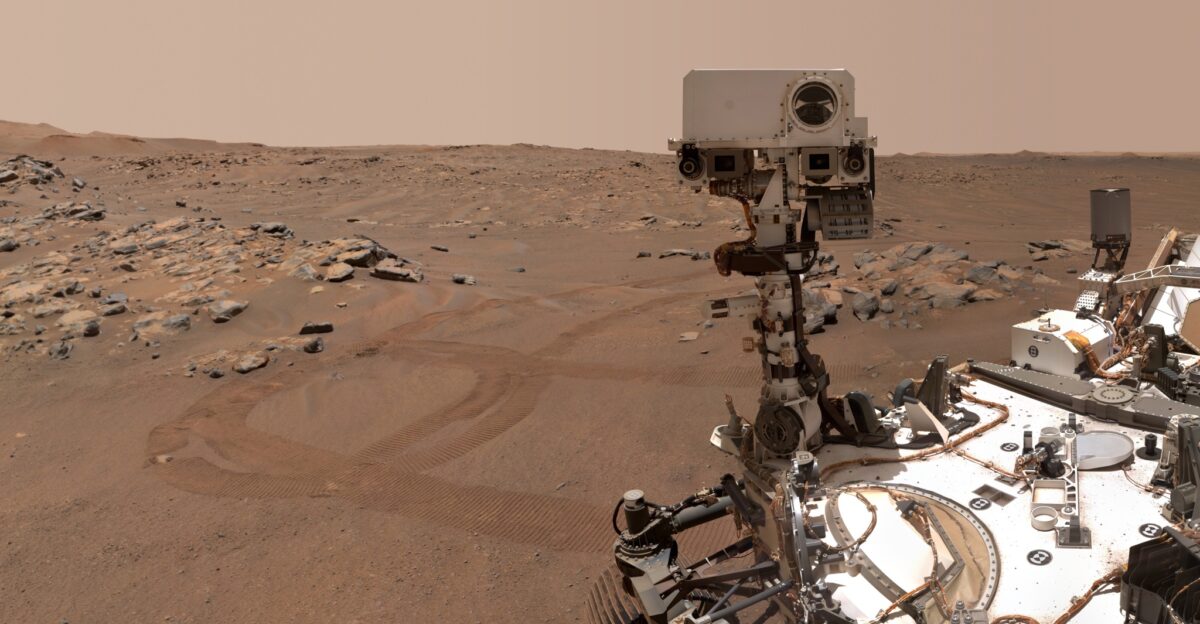
Since discovering kaolinite, Perseverance adjusted its mission priorities to investigate source regions. Orbital imaging identified kaolinite deposits elsewhere on Mars, particularly on Jezero’s rim, suggesting larger outcrops await exploration.
Scientists strategically position Perseverance to reach these locations, hoping to find kaolinite in the original bedrock rather than scattered fragments. In-place deposits would reveal rich data about ancient weathering rates, climate duration, and mineral associations.
Bringing Mars Home
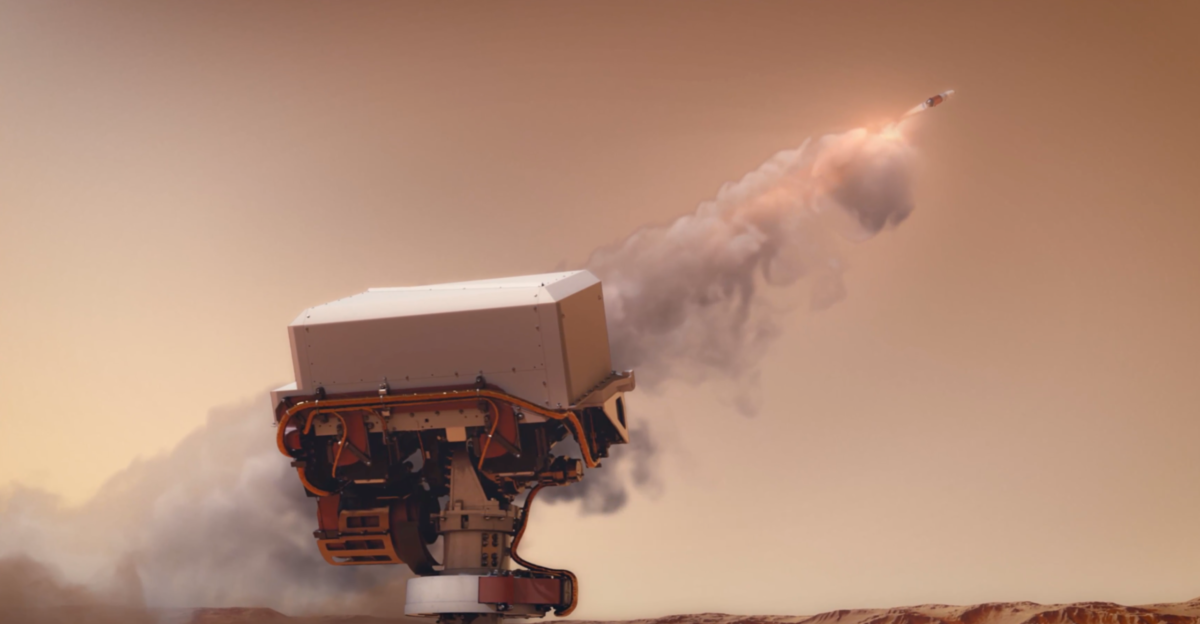
Perseverance collects and caches rock samples for eventual return to Earth via future missions. Kaolinite-bearing rocks are now the top candidates. Laboratory analysis on Earth would reveal discoveries that are impossible to make in the field.
Kaolinite’s ability to preserve organic molecules makes these samples invaluable for biosignature hunting. If Perseverance caches kaolinite samples and they reach Earth, we could fundamentally advance our understanding of Martian life.
The Right Conditions
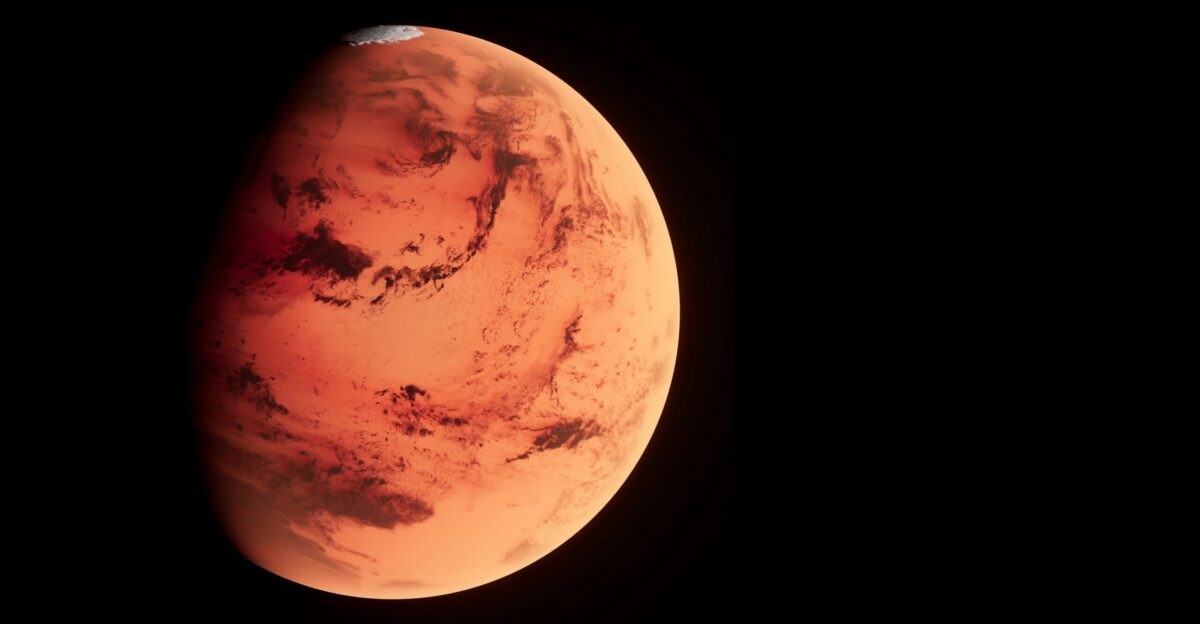
Mars researchers debate whether early Mars experienced sustained wetness or brief, intermittent wet periods. Some models suggest “warm and wet” Mars with constant rainfall.
Others propose “cold and icy” Mars with brief warming spells triggered by volcanoes or orbital changes. Kaolinite evidence supports the “warm and wet” hypothesis, at least for Jezero during the Noachian period.
However, different regions on Mars may have experienced varying climates.
Could Life Have Emerged?

Kaolinite suggests that Mars had the essential requirements for life: liquid water, suitable temperatures, chemical complexity, and a sustained period. Some researchers speculate that life might have emerged more easily on early Mars than on early Earth.
Early Mars had more diverse wet-dry cycles, higher energy-yielding compounds like hydrogen and sulfur, and less surface radiation. Early Earth suffered catastrophic lunar-forming impacts that sterilized it. Ancient Mars might have been a better cradle for life.
The Next Frontier: Sample Return

NASA and ESA are developing the Mars Sample Return mission to retrieve Perseverance’s cached samples and bring them to Earth in the early 2030s. Laboratory analysis would exceed rover capabilities.
Scientists measure stable isotope ratios, which reveal ancient water cycles and climate. X-ray diffraction is used to characterize the clay crystal structure. Microscopy and chemical analysis might detect biosignatures—chemical or morphological traces of ancient microbial life.
Astrobiology’s Convergence

Kaolinite discovery connects multiple scientific fields. Planetary geochemists study Mars’ mineralogy to locate ancient habitable environments. Astrobiologists assess where biosignatures survive.
Microbiologists investigate how Earth life adapts to extreme environments—such as deep aquifers and hydrothermal vents—imagining what Martian life might resemble. Paleontologists predict how Martian microbial remains would appear.
Exobiologists extend frameworks to other potentially habitable worlds. Kaolinite evidence informs broader conversations about life in the cosmos.
Why Biosignatures Matter
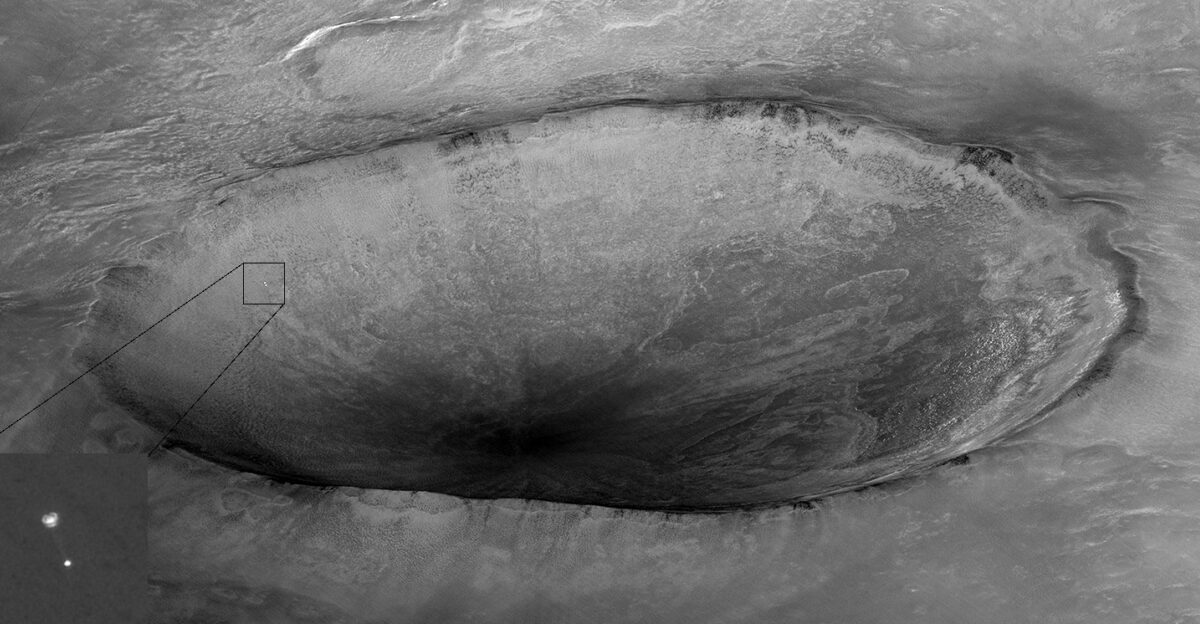
Kaolinite in ancient, habitable environments is significant because it indicates where actual life signs might be preserved. Scientists exercise proper caution about Mars and life claims—the search demands the highest standards of evidence. But this discovery changes everything.
We now know where to look: kaolinite deposits forming during sustained, rainfall-driven weathering. We know what to search for: organic molecules, isotopic signatures, morphological traces. Jezero’s deposits represent a roadmap toward discovering past Martian life.
Lost and Preserved
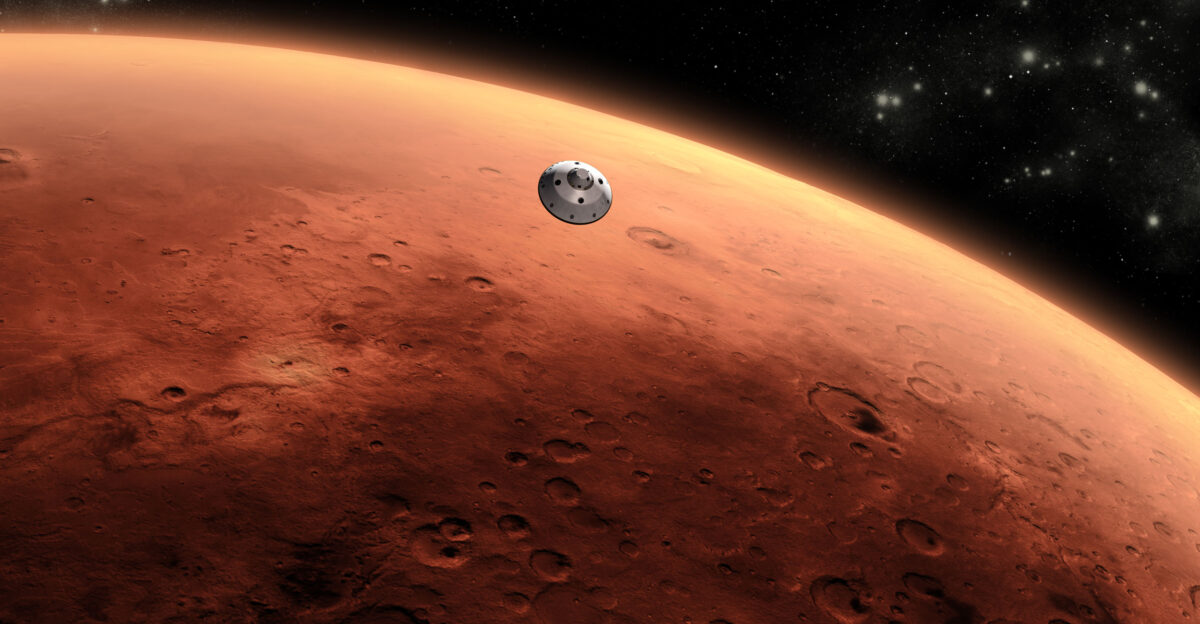
Early Mars transformed from a habitable world to a frozen desert—a sobering parallel. The planet lost its magnetic field early, leaving its atmosphere vulnerable to solar-wind stripping. As hydrogen escaped, the greenhouse effect weakened, temperatures plummeted, and water froze or seeped underground.
Scientists speculate that if life emerged, it would migrate subsurface as a climate catastrophe unfolded. Martian microbes initially thrived and diversified, possibly creating colonies underground. Even in extinction, they’d leave chemical signatures.
The Signs Are There
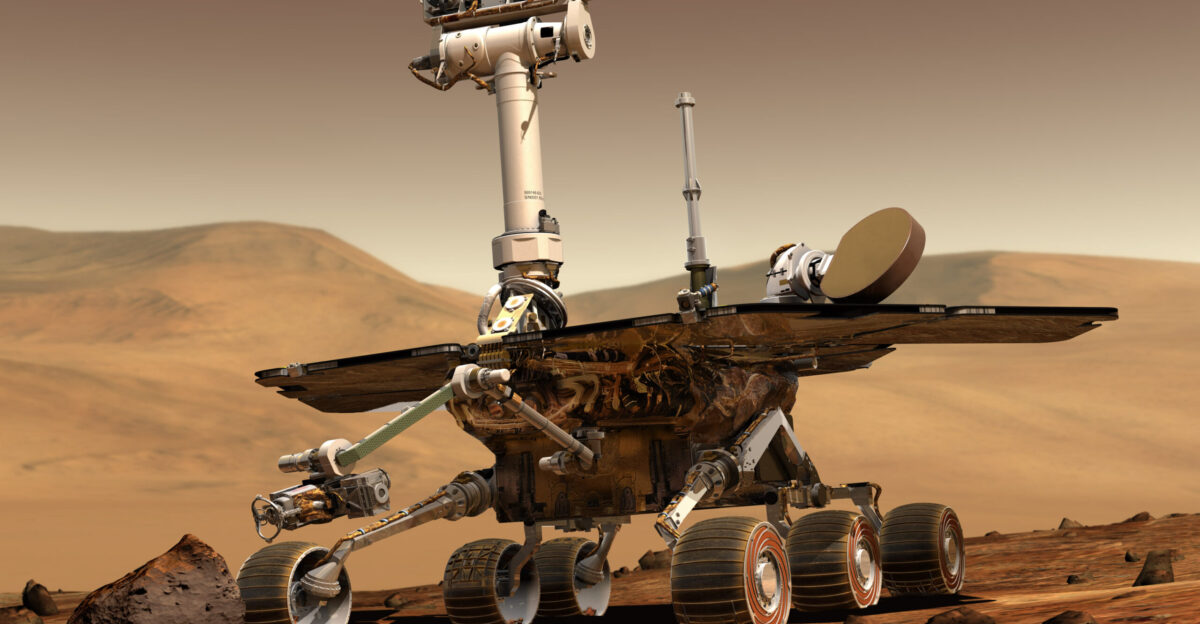
The discovery of kaolinite answers a fundamental question: Where on Mars should we search for signs of ancient life? The answer emerges clearly: ancient, kaolinite-rich deposits formed under sustained, rainfall-driven weathering. These minerals don’t prove life existed.
They prove Mars provided everything life needs. More importantly, they point toward where biosignatures—actual evidence of past Martian life—would most likely be discovered. Kaolinite deposits offer humanity’s best pathway to finding ancient Martian life.
Sources:
Communications Earth & Environment, November 2025
Futurism, December 10, 2025
Phys.org, December 1, 2025
University of Arizona, October 9, 2022
Nature, July 4, 2024
NASA, December 2025