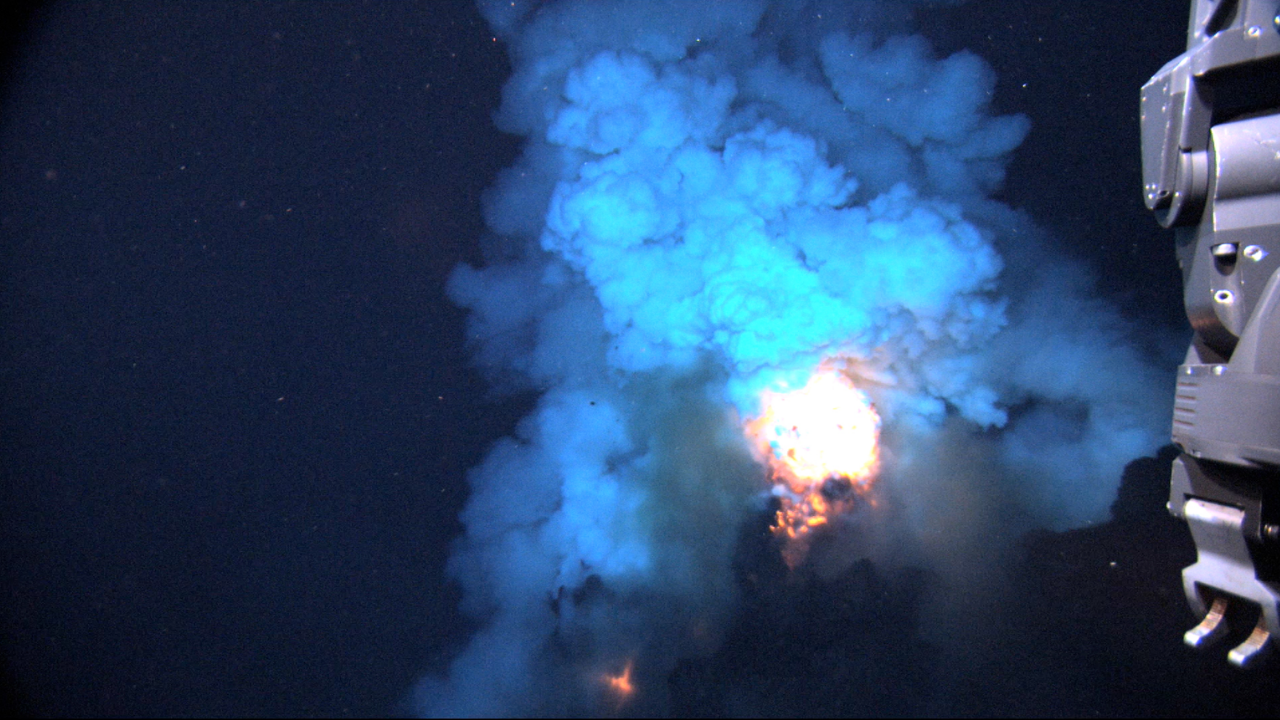
Scientists deploy 660 miles of underwater fiber-optic cables and 140 sensors to monitor Axial Seamount, located one mile below the Pacific. Instruments detect pressure changes, earthquakes, and temperature spikes.
This monitoring system represents humanity’s most sophisticated effort to predict submarine eruptions. Most Americans are likely unaware of this achievement. What data do scientists decode, and what does it mean for volcanic science?
Forecasting Revolution
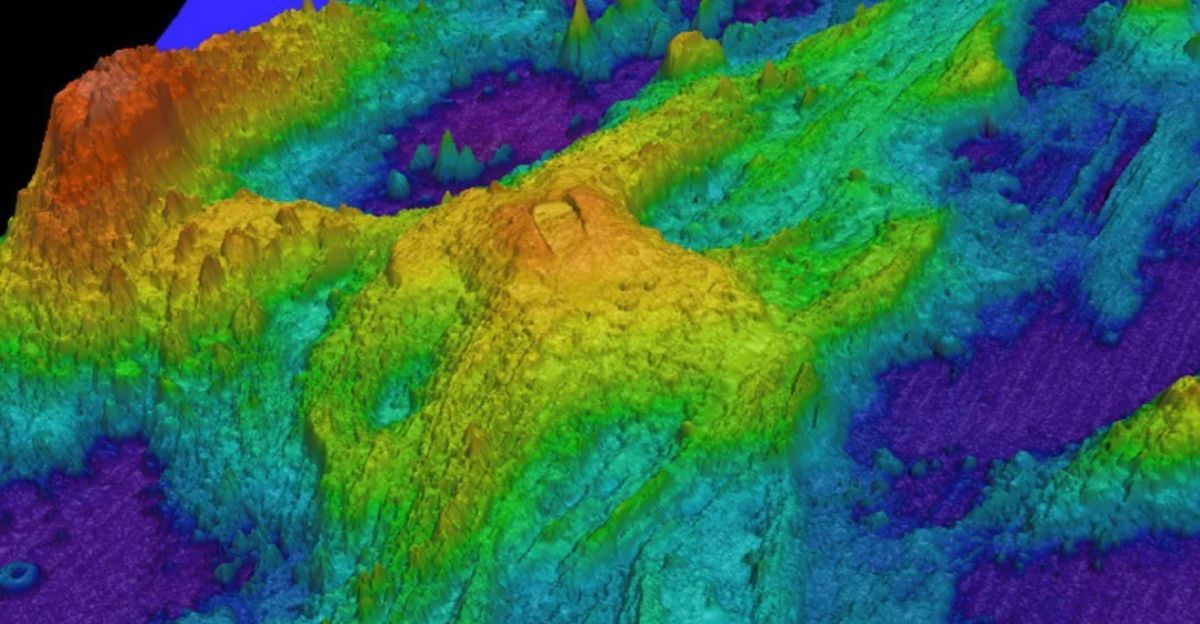
For decades, underwater volcanic eruptions shocked scientists. Geologists discovered lava flows weeks after they occurred. One Oregon seamount changed everything. Researchers using bottom-pressure recorders predicted eruptions years in advance.
The volcano’s predictability stems from a steady magma supply and consistent recharge cycles. Scientists unlocked a physics-based forecasting model, transforming volcano science worldwide. How does understanding one volcano reshape all volcano science?
The Predictable Monster
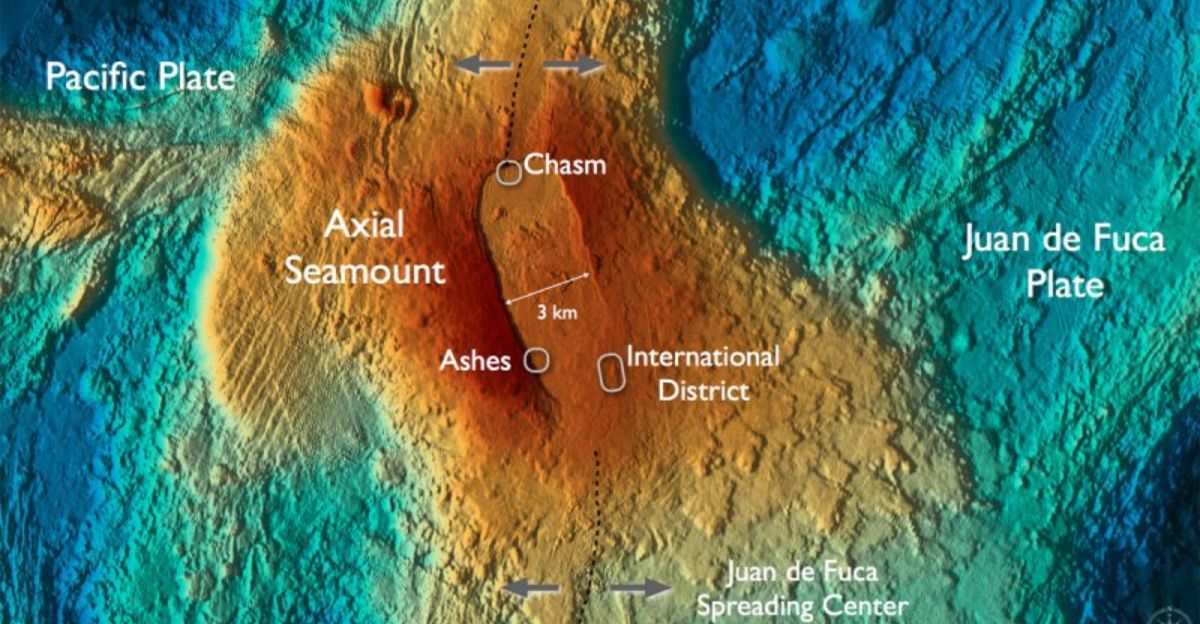
Axial Seamount is located on the Juan de Fuca Ridge, where the Earth’s crust is constantly pulling apart. This geological setting provides a steady supply of magma. Unlike chaotic land volcanoes, Axial displays mechanical precision. It erupts roughly every 5–10 years following identical patterns.
Between eruptions, magma accumulates steadily, inflating the seafloor like a slow balloon. Scientists realized the behavior is predictable from its simple system. Why does Axial differ from land volcanoes?
The Recharge Race
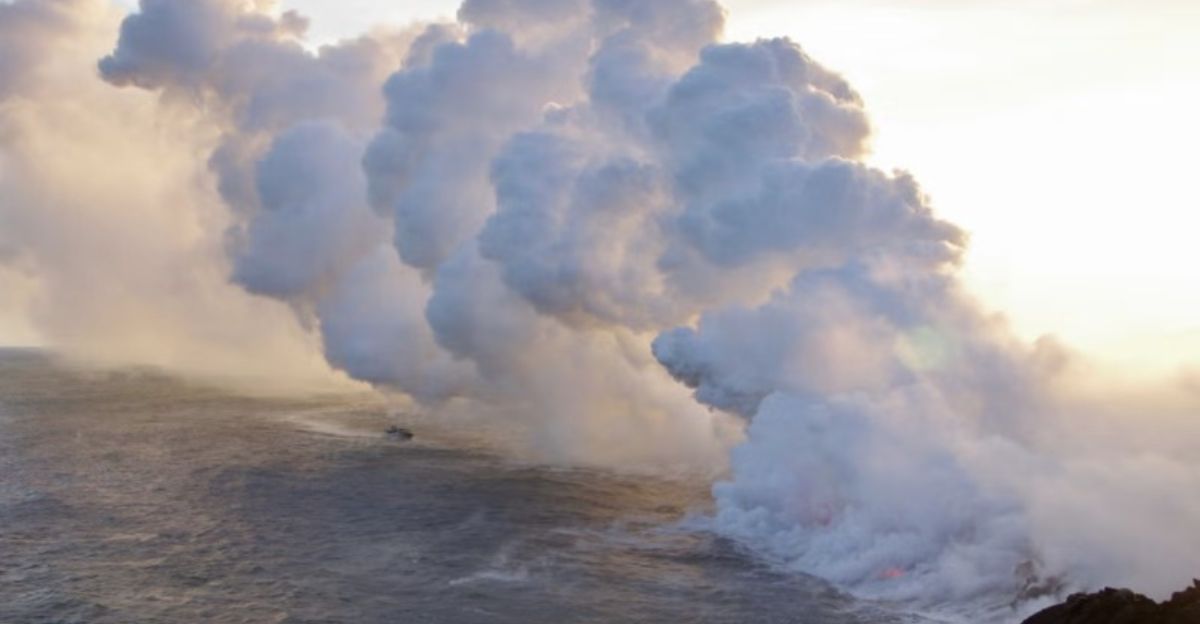
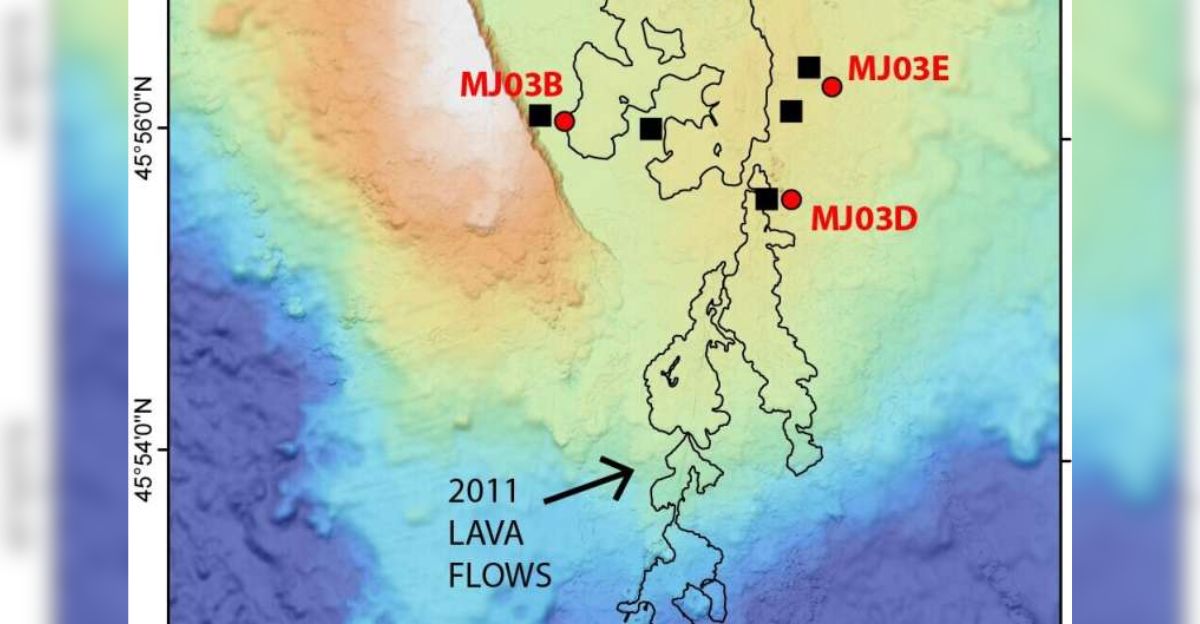
After erupting in 1998, Axial’s seafloor rose about 6 inches yearly, tracking magma refill. Between 1998 and 2011, pressure rebuilt enough to rupture again. A 2006 forecast predicted an eruption before 2014. The 2011 eruption confirmed their model.
Pressure and seismic activity increased; the seafloor dropped 8 feet, then deflation ceased and recharge resumed. Seven years into the current recharge, scientists prepare for the next rupture. What threshold signals imminent eruption?
Eruption Forecast: Mid-to-Late 2026
In October 2025, Bill Chadwick and Scott Nooner released their forecast, stating that Axial would erupt in mid-to-late 2026. They revised an earlier 2025 forecast after analyzing inflation rates from Regional Cabled Array sensors.
The volcano inflates steadily but remains below critical thresholds from 2011 to 2015. Chadwick stated: “At the current inflation rate, we won’t reach that threshold until mid-to-late 2026.” The forecast rests on two decades of pressure recordings.
The Isolated Abyss
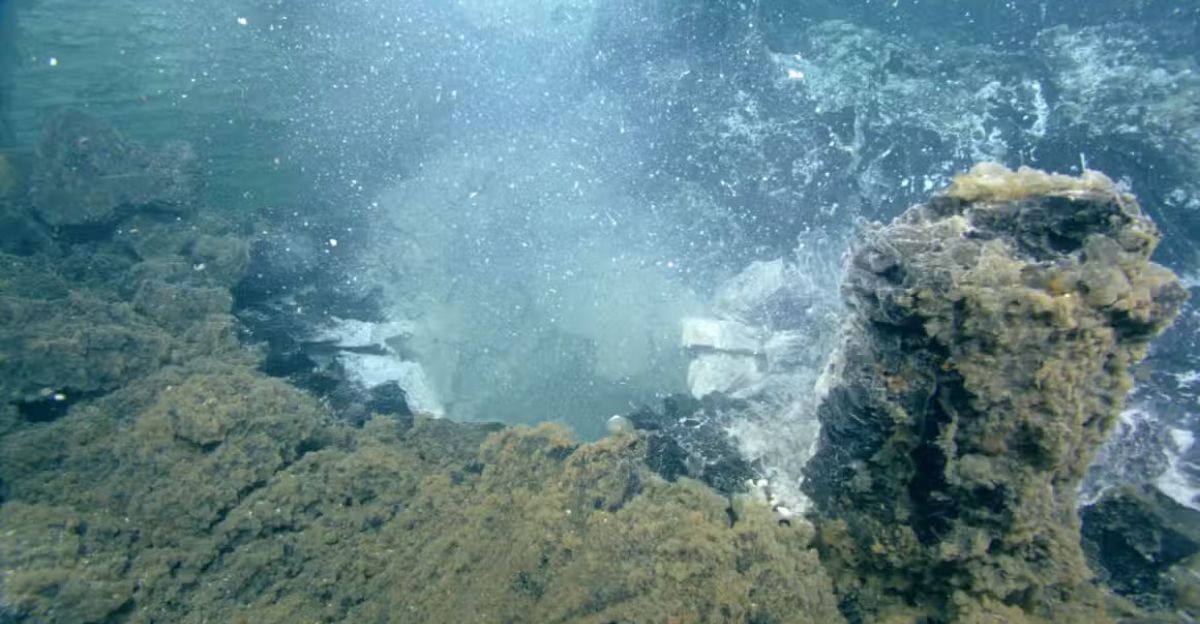
Axial Seamount rises 3,609 feet above the ridge, yet its peak sits nearly one mile below the ocean surface—4,500 feet deep. Located roughly 300 miles west of the Oregon coast, the seamount sits in Earth’s remote waters.
No shipping lanes or settlements exist nearby. This isolation means Axial is virtually immune to human vulnerability. Any eruption reshapes only the seafloor, affecting no one on land. What advantage does this offer to volcanic science?
Regional Cabled Array
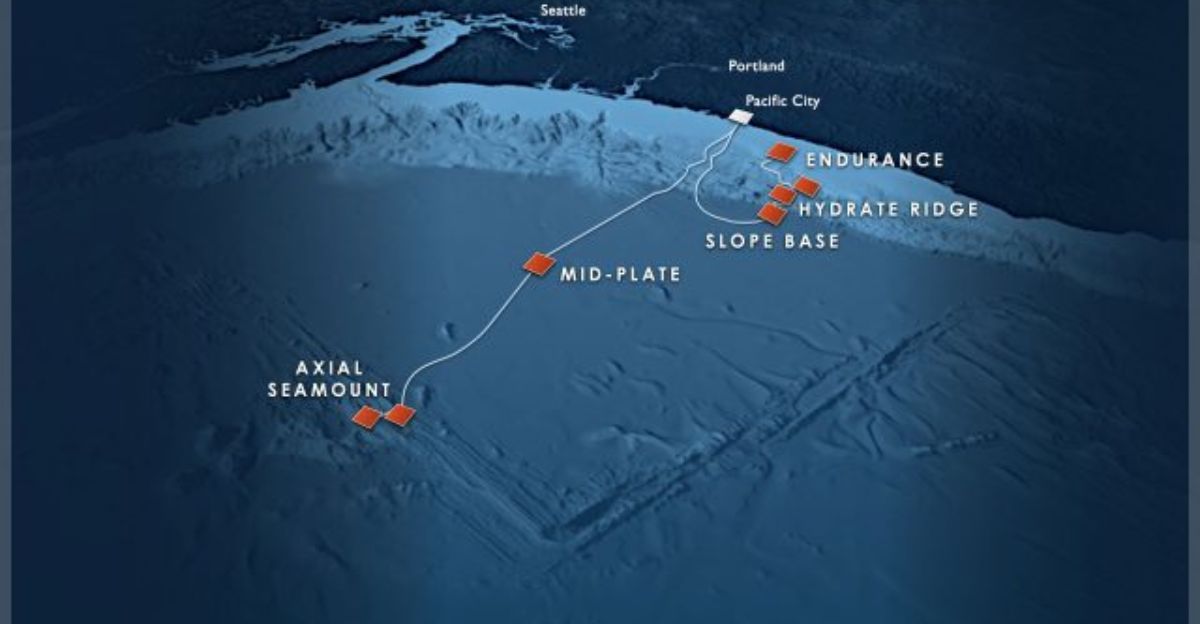
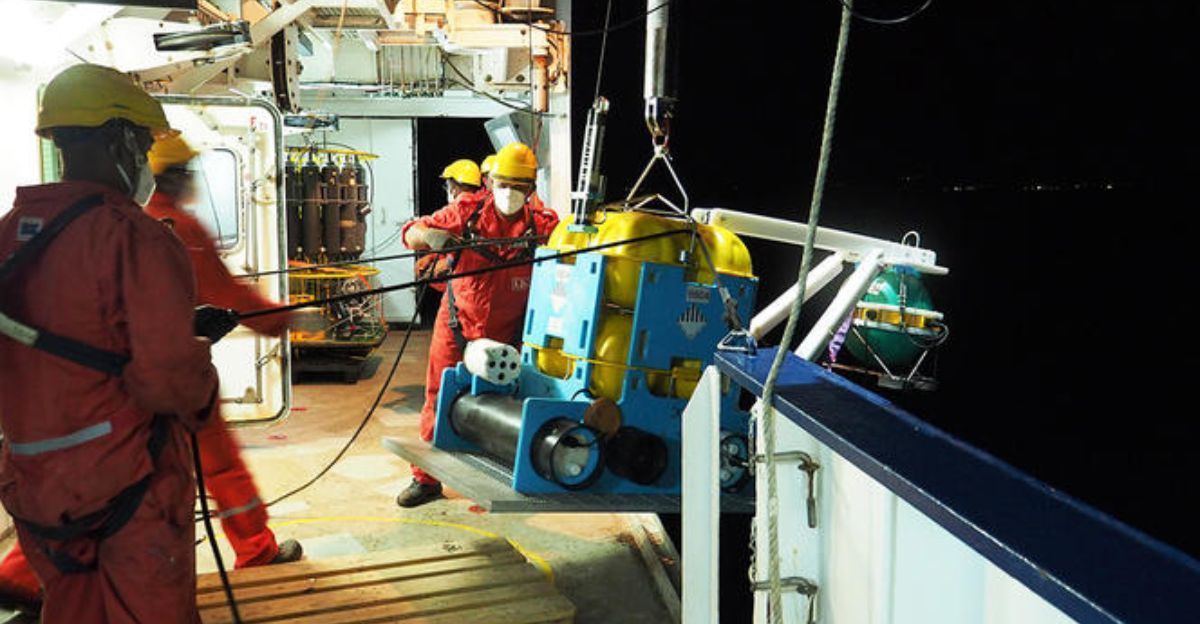
The Regional Cabled Array (RCA) represents a generation-defining leap in ocean observation. Installed in 2014 by the Ocean Observatories Initiative and operated by the University of Washington, this underwater sensor network transformed Axial into a continuously monitored laboratory.
The system deploys 660 miles of fiber-optic cable, connecting over 140 instruments. Sensors measure pressure, temperature, seismic activity, and hydrothermal chemistry in real time. The RCA became the world’s most extensive system for monitoring undersea volcanoes.
The Physics Model
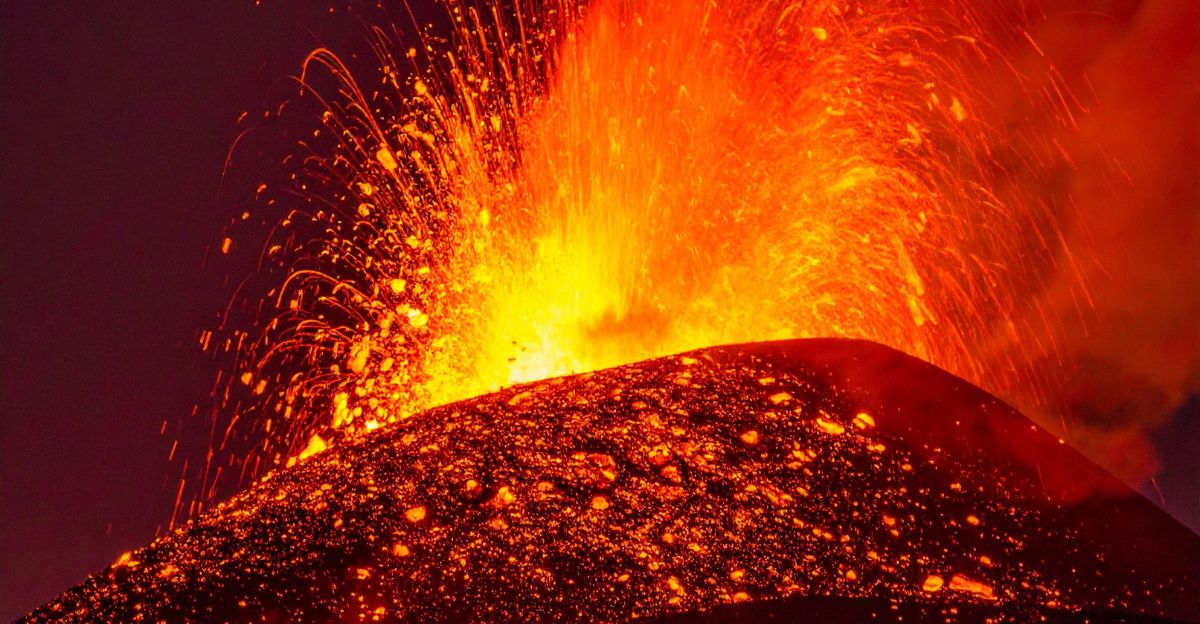
Traditional volcanic forecasts relied on expert judgment combining eruption records, monitoring data, and intuition. Axial changed that by enabling the first quantitative, physics-based eruption prediction model.
Researchers developed a computational model of the seamount’s magma system using real pressure sensor measurements. The model treats Axial like a balloon: magma accumulates, pressure rises predictably until rupture becomes inevitable.
Scientists feed sensor data into the model, which calculates the eruption probability. Could this model apply to inhabited volcanoes?
Global Implications
Earth hosts approximately 1,350 active volcanoes; roughly 70 percent of these are located underwater. Yet submarine volcanoes remain vastly understudied. The Axial breakthrough changes that.
Success at one seamount offers a template for monitoring other mid-ocean ridge volcanoes. Japan has recently completed a massive undersea earthquake-detection network using similar fiber-optic technology.
France is building a deep-sea observatory near Mayotte Island to monitor submarine volcanic activity. Scientists envision cabled array networks transforming submarine volcanism from mystery into continuous data streams.
The October 2025 Revision
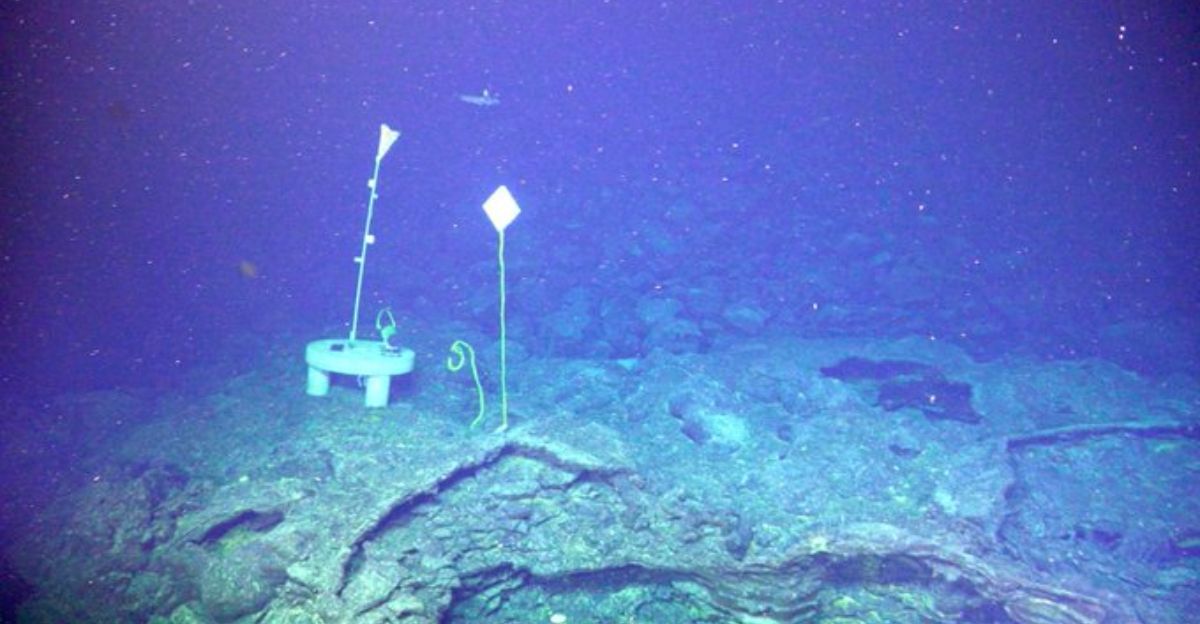
Scientists initially forecast a 2025 eruption based on inflation rates through mid-2024. By October 2025, continuous sensor data revealed that the recharge rate was running slower than expected. Bottom-pressure recorders indicated the volcano needed several more months.
Chadwick’s team publicly revised their forecast to mid-to-late 2026, providing transparent explanations for the data. This revision demonstrated scientific honesty: the volcano behaved normally, the forecast was accurate, and the model was refined with new information.
The RCA provides data in real-time on a weekly basis.
Eruption in Deep Time
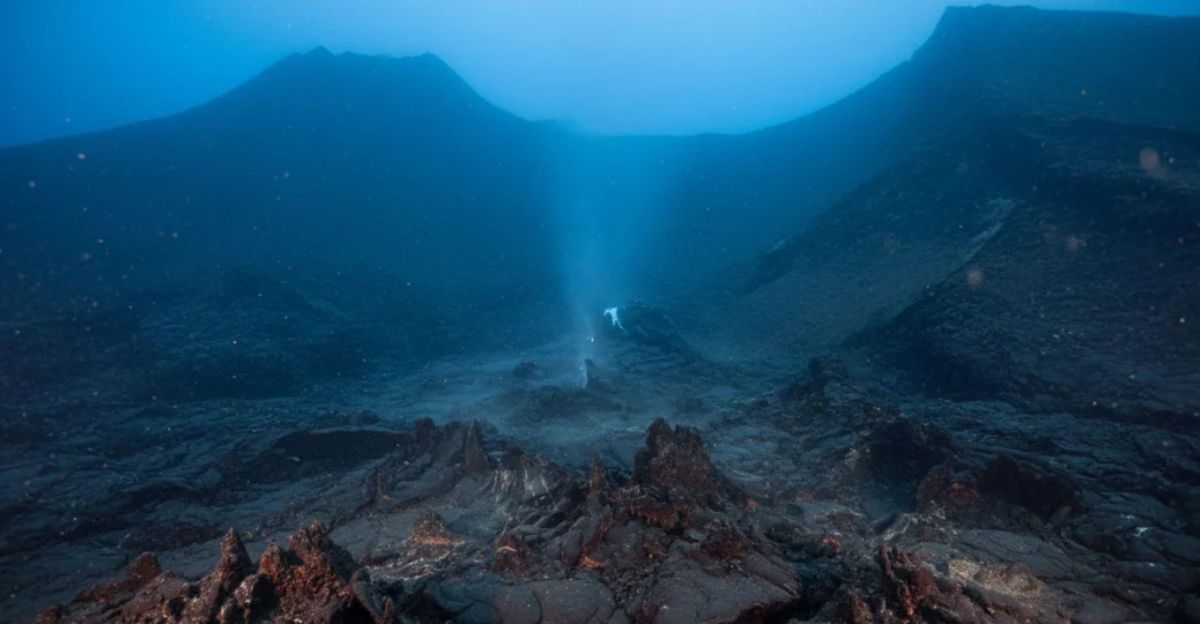
When Axial erupts in 2026, it will join an ancient pattern of submarine volcanism. Over the course of approximately 800 years, geological records indicate that Axial erupted approximately 50 times—one eruption every 16 years on average.
The seamount erupted in 1998, 2011, and 2015. Earlier eruptions in 1987 and 1982 confirm the rhythm. Lava flows from eruptions built the seamount’s current form, creating the rectangular caldera and twin rift zones. Each eruption produces slow-moving, effusive lava flows rather than explosive activity.
Deep-Sea Eruptions: No Explosion

Axial’s predicted 2026 eruption poses zero threat to human life. The extreme water pressure at 4,500 feet eliminates explosive dynamics. When magma meets seawater at such depths, pressure prevents rapid boiling and steam-driven explosions. Eruptions produce gentle lava flows that move across the seafloor like thick honey, reshaping the bottom topography.
Previous Axial eruptions created earthquakes detectable only by offshore instruments—never by land-based seismometers. No tsunamis resulted. Americans 300 miles away will experience nothing. How does removing human risk reshape volcanic studies?
Invisible Earthquakes
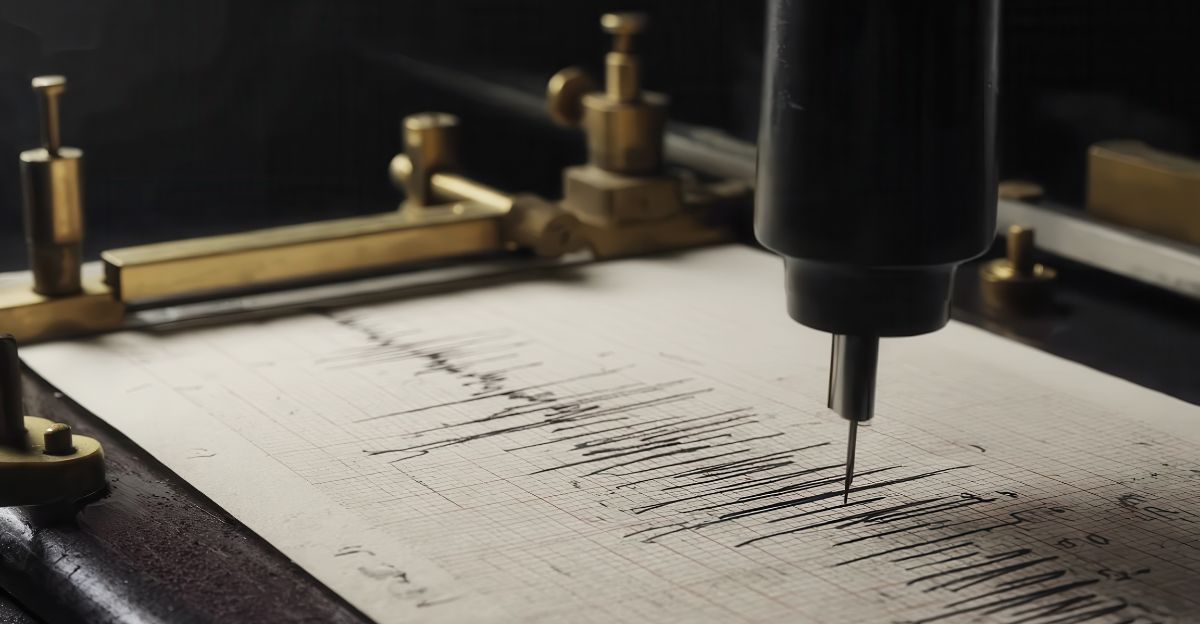
Before Axial’s 2015 eruption, daily earthquake counts escalated from fewer than 1,000 events to nearly 8,000 on April 24, 2015. The seamount fractured internally; magma forced open pathways, releasing stress in small, rapid ruptures. Yet no one on land felt tremors.
Bottom-pressure recorders and ocean-bottom hydrophones captured earthquakes clearly. The 4,500 feet of water and 300 miles of distance insulated the continent. Scientists benefit from this invisibility, as they can study volcanic earthquakes without interference from background seismic noise. Will underwater sensors detect the next eruption?
Research Frontier
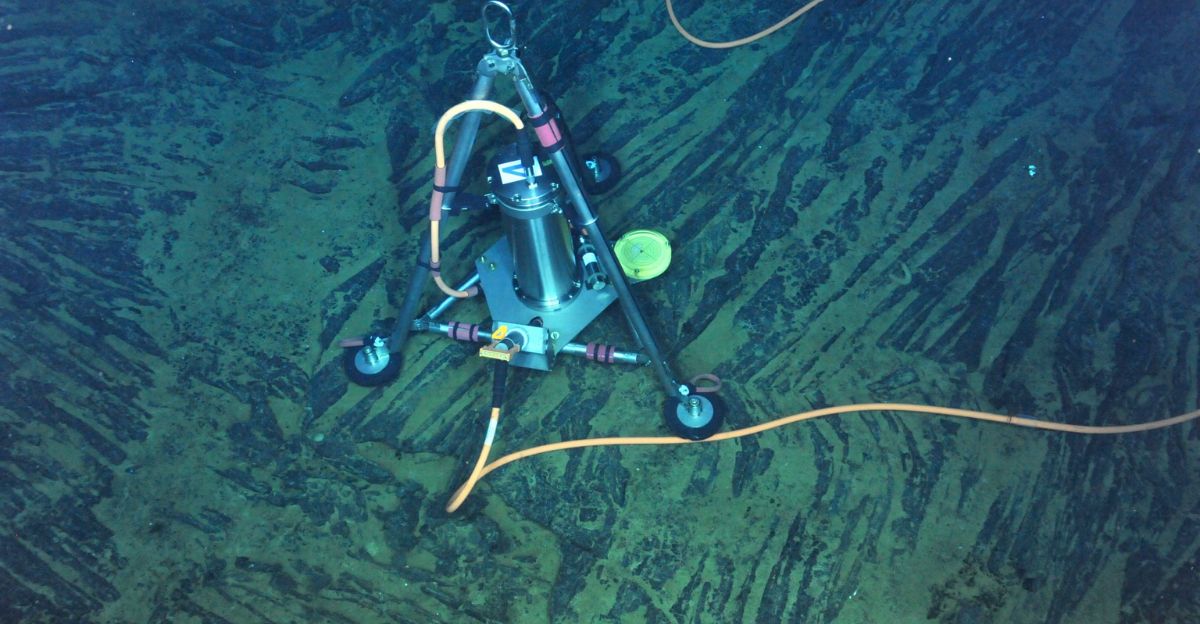
The Axial Seamount monitoring effort represents far more than one volcano forecast. It serves as a proof of concept for a new era of ocean observation. Researchers at Axial have published numerous peer-reviewed papers detailing the mechanics of magma recharge, eruption triggers, and hydrothermal dynamics.
The cabled array generates a continuous archive of submarine volcanic data unmatched on Earth. These datasets train the next generation of volcanologists in interpreting underwater eruptions. Students from Oregon State, the University of Washington, and global institutions participate in Axial research. Success at Axial justifies a multi-million-dollar investment in submarine monitoring.
A Question of When

As of December 2025, Axial continues to experience slow inflation, accumulating magma beneath the seafloor. Pressure sensors record steady uplift. Seismicity remains relatively quiet. Scientists calculate the volcano will reach the critical pressure threshold between June and December 2026.
But volcanic systems rarely erupt on exact dates. The 2011 eruption came in early April. The 2015 eruption struck in late April. Timing windows shift by months due to variations in magma supply. Chadwick emphasizes: “We know it’s coming, but exact timing is uncertain.” What will the eruption reveal?
Sources:
Bill Chadwick, Scott Nooner, Oregon State University
Ocean Observatories Initiative
University of Washington School of Oceanography
Global Volcanism Program
Yahoo News and Indian Defence Review, December 8, 2025
USGS Global Volcanism Program