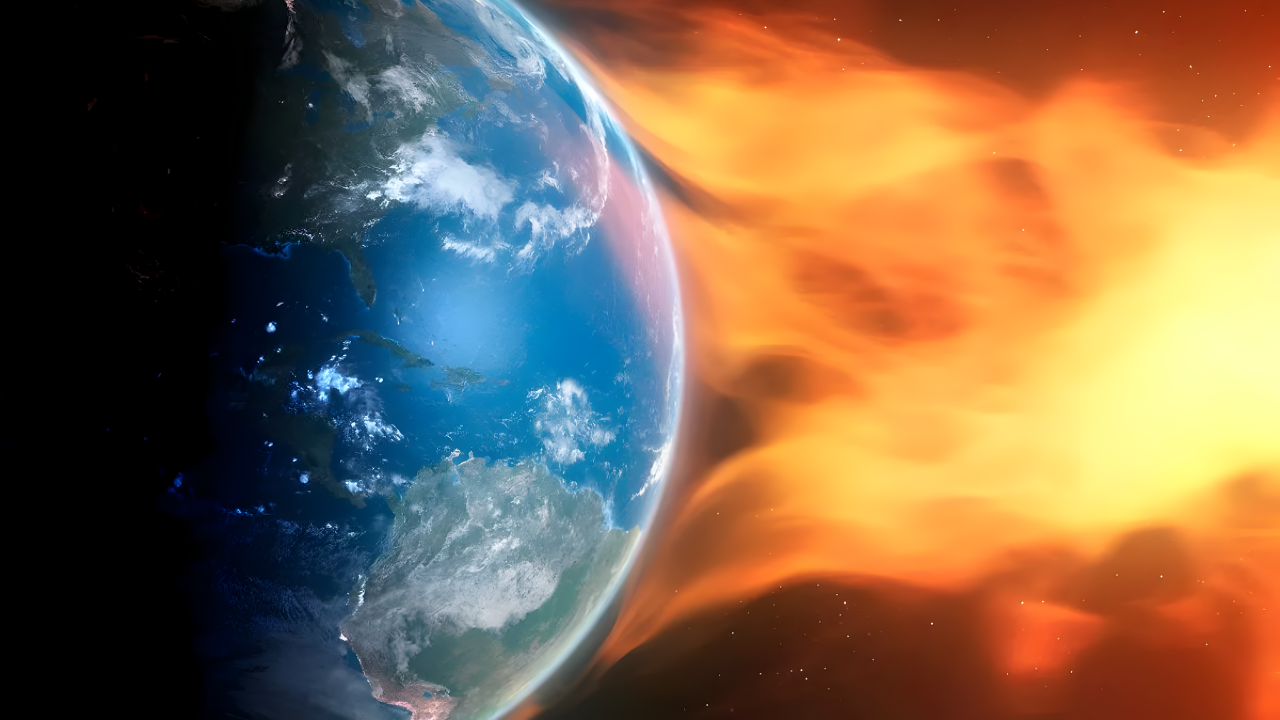
The spotlight is on sunspot AR4294, a gigantic and explosive area on the Sun’s surface that’s now so complex NOAA had to split it into three official regions. This split signals just how tangled and energetic its magnetic fields are, the kind that often release massive solar flares.
After disappearing for a few weeks while rotating around the Sun, AR4294 reappeared facing Earth, even larger than before. With its chaotic magnetic energy, scientists expect more flares and eruptions in the days ahead, and possibly more effects reaching Earth.
December Kicked Off with a Huge Blast
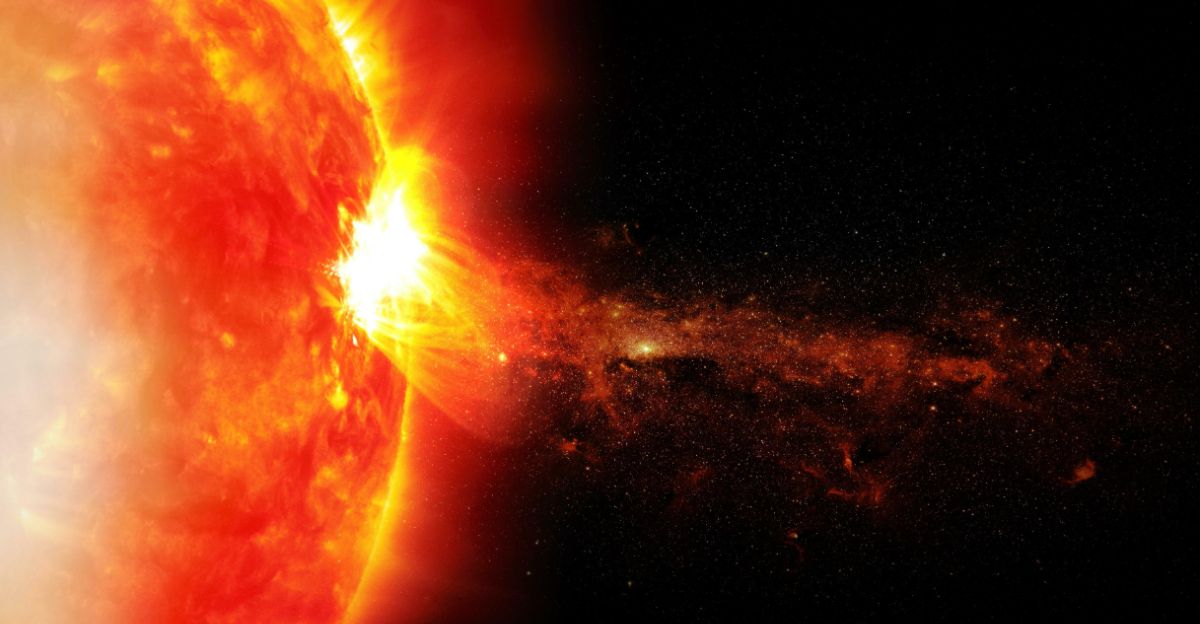
Early on December 1, at 2:49 GMT, the Sun unleashed a powerful X1.9‑class flare from a nearby region, AR4299. X‑class flares are the biggest explosions our star can produce, and each one releases energy millions of times greater than an atomic bomb.
NASA’s Solar Dynamics Observatory and the SOHO spacecraft caught the fiery burst, and watched as a massive cloud of charged particles, called a coronal mass ejection (CME), shot into space.
Australia’s Sky Went Silent
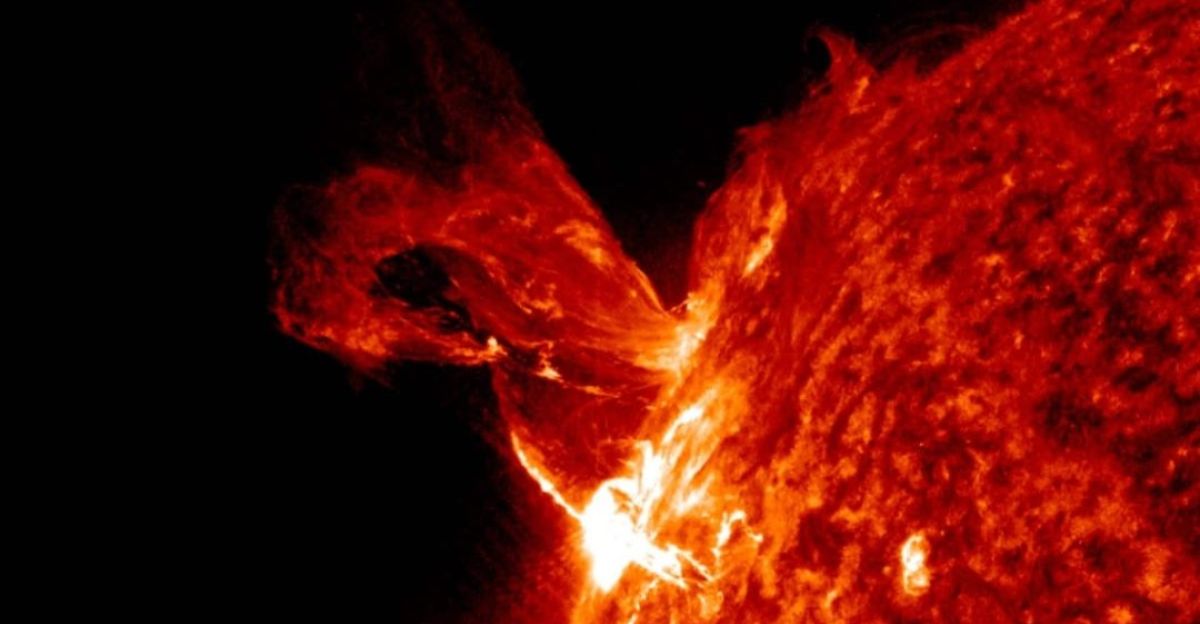
The X1.9 flare quickly caused a powerful radio blackout across daylight regions, especially over Australia and Southeast Asia. These blackouts happen when intense radiation from a flare temporarily disturbs Earth’s upper atmosphere, cutting off high‑frequency signals used by planes and ships.
For about 30 minutes, major aviation and maritime channels went silent. According to NOAA’s Space Weather Prediction Center, this was categorized as an R3 event strong, though not the worst level. Pilots and vessel operators had to switch frequencies or use satellite backups while the storm passed.
The Solar Blast That’s Heading Our Way
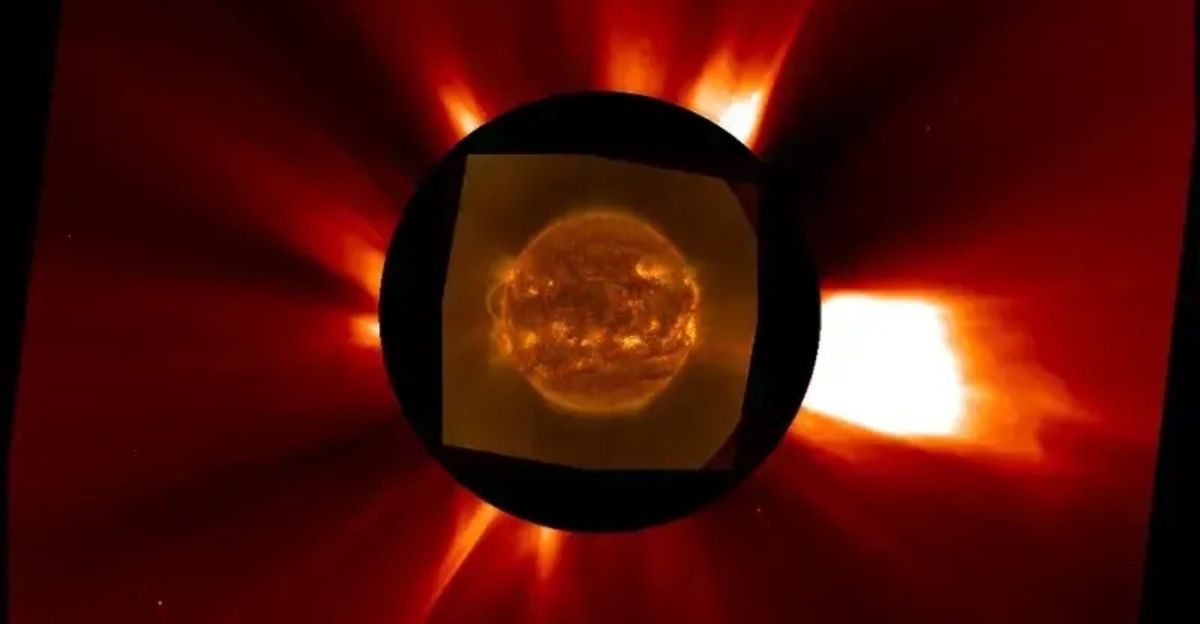
Images from the SOHO satellite showed a huge CME launching from the Sun’s northeast edge after the flare. Most of it is expected to miss Earth, but NOAA models show part of the cloud could graze our planet. Even a partial hit can rattle Earth’s magnetic shield, stirring up auroras and minor tech disruptions.
Why NOAA Issued a G2 Storm Watch
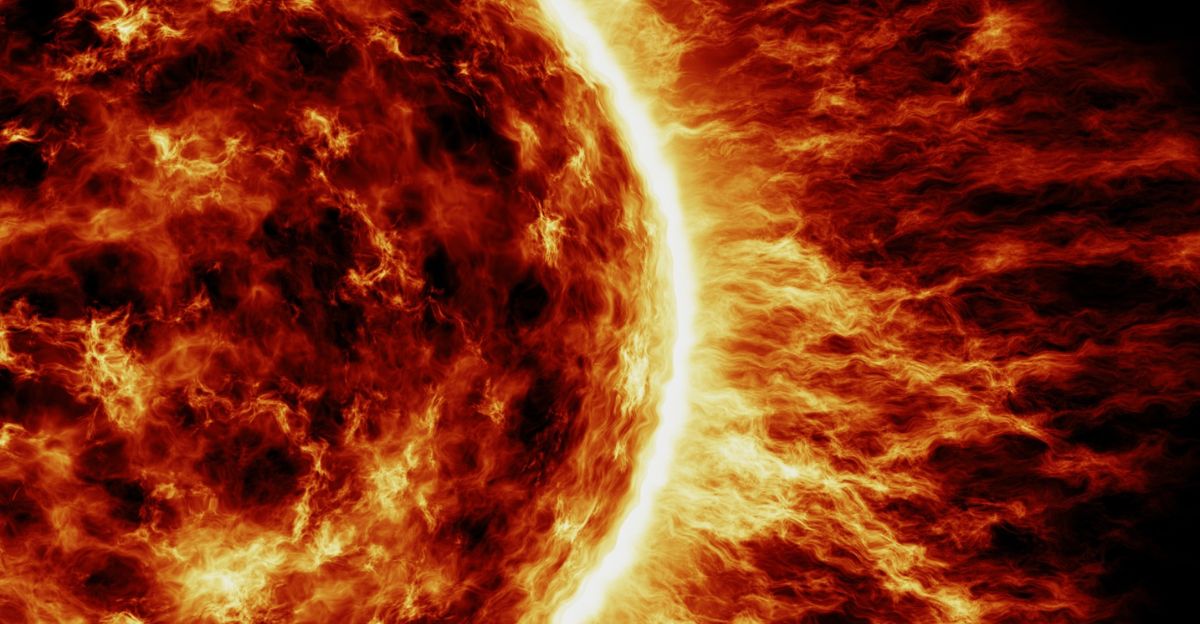
Because of this CME, NOAA issued a G2 (moderate) geomagnetic storm watch for December 3–4. On the G‑scale, which runs from G1 (minor) to G5 (extreme), a G2 storm is strong enough to cause mild power‑grid issues and bright auroras at mid‑latitudes.
Some GPS and satellite systems could experience temporary glitches. That means between Wednesday and Thursday, North America could experience both skyglow and technology challenges.
Why Scientists Can’t Pinpoint the Hour
Predicting the exact arrival of a CME isn’t easy. The blast’s speed, angle, and density all change as it travels through space. Because this one is striking Earth on a glancing path, timing estimates stretch over roughly two days. Forecasters say we’re certain to get some effect but can’t guarantee when the magnetic cloud’s most active part will arrive.
From Australia’s Blackout to North America’s Glow
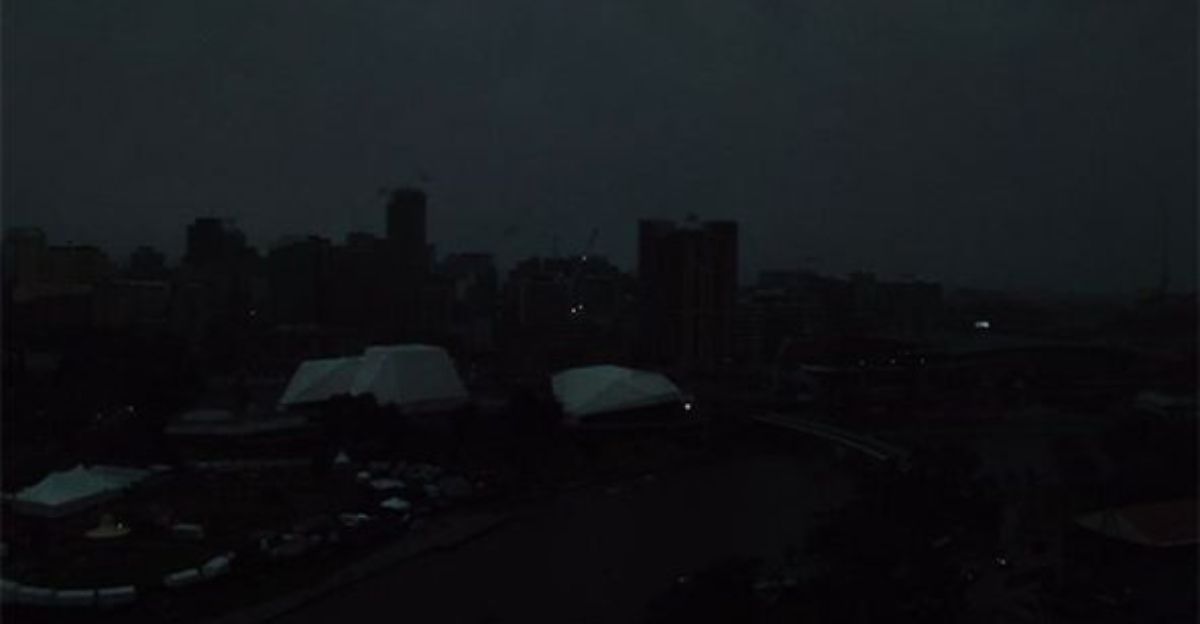
What began as a communications blackout over Australia could soon become a light show over North America. When CMEs reach Earth, they interact with the magnetic field, creating the dancing auroras we know as the northern lights.
G2 storms usually light up skies around the 50° latitude line, stretching from Minnesota through Michigan and across New England. If conditions line up just right, people across this band could witness shimmering green and purple lights across the northern sky.
Where You Could See the Northern Lights
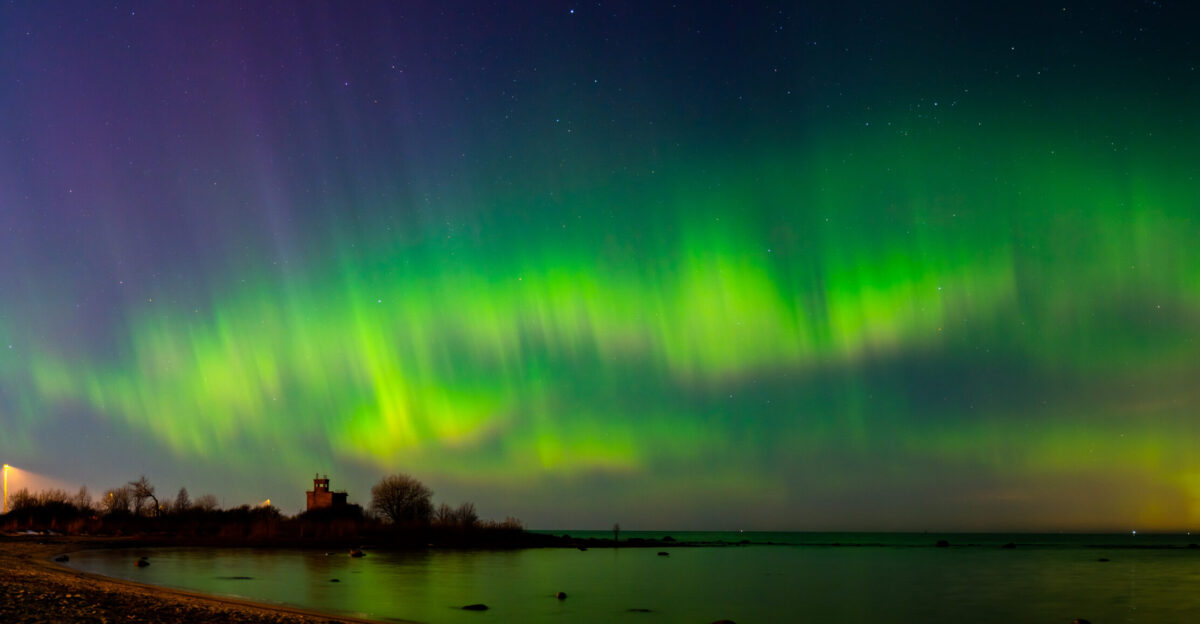
This potential aurora zone includes Minnesota, Wisconsin, Michigan, New York, Vermont, New Hampshire, and Maine, plus nearby parts of Canada and the Dakotas. That means up to 70 million people are in the right spot to see nature’s light show.
If the storm grows stronger than expected, the auroral oval could shift south, maybe reaching cities like Chicago or Boston. Sky watchers are already readying cameras in hopes of a spectacular display.
What a G2 Storm Can Actually Do
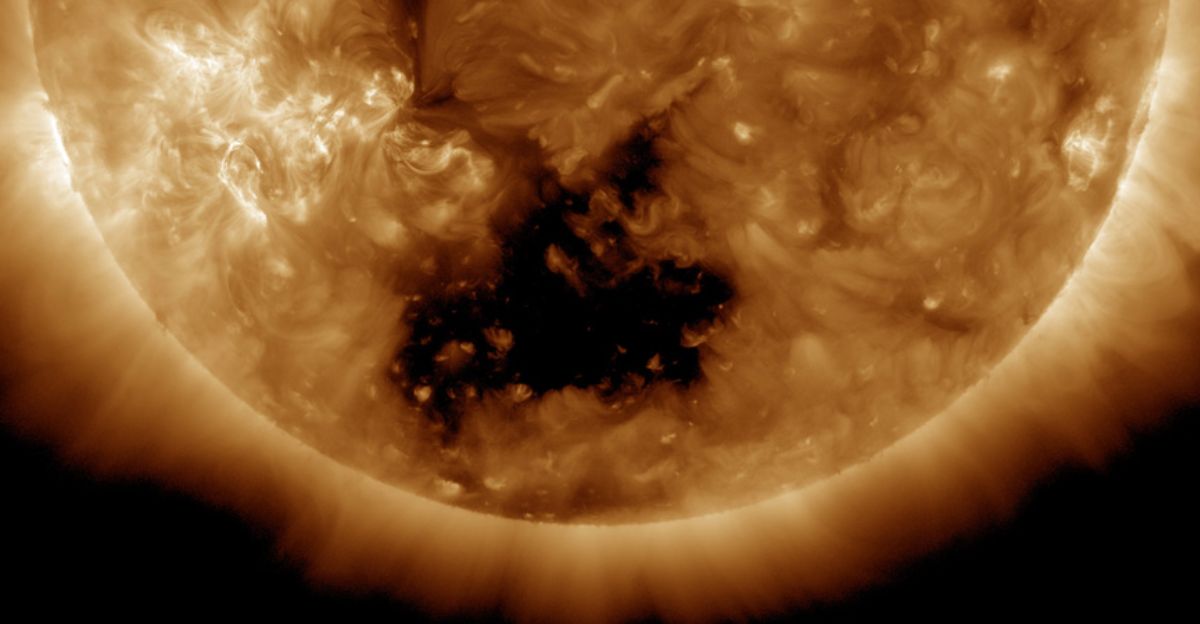
A G2 storm doesn’t cause chaos, but it’s no small thing. Power‑grid operators in northern regions might see extra current surges in long transmission lines, which can temporarily stress transformers. Satellites in low orbit may experience drag, shifting their paths slightly.
GPS readings can jitter, and shortwave radio may get patchy at higher latitudes. These effects usually fade as Earth’s magnetic field absorbs and settles the storm’s energy, but they’re vivid reminders of how closely our technology depends on space weather.
When the Skies Go Quiet for Pilots and Ships

During the Australian blackout, pilots found themselves suddenly unable to talk to controllers on standard radio channels. Thousands of planes fly through those routes every day, so thirty minutes of silence can be nerve‑wracking.
Ships in the Indian Ocean and Coral Sea also lost routine contact with coastal stations. According to the International Civil Aviation Organization, space weather poses a real risk to flight safety, which is why airlines and maritime companies now treat solar flares like severe thunderstorms, they monitor and plan for them.
How Many Were Affected by the Blackout

Australia’s population of about 26 million people sat under the blackout zone during local daytime, along with countless travelers moving through its skies and waters. Given that thousands of international flights pass through nearby airspace daily, experts estimate several thousand crew and passengers were directly impacted by lost radio contact.
Why Scientists Split AR4294 Into Three
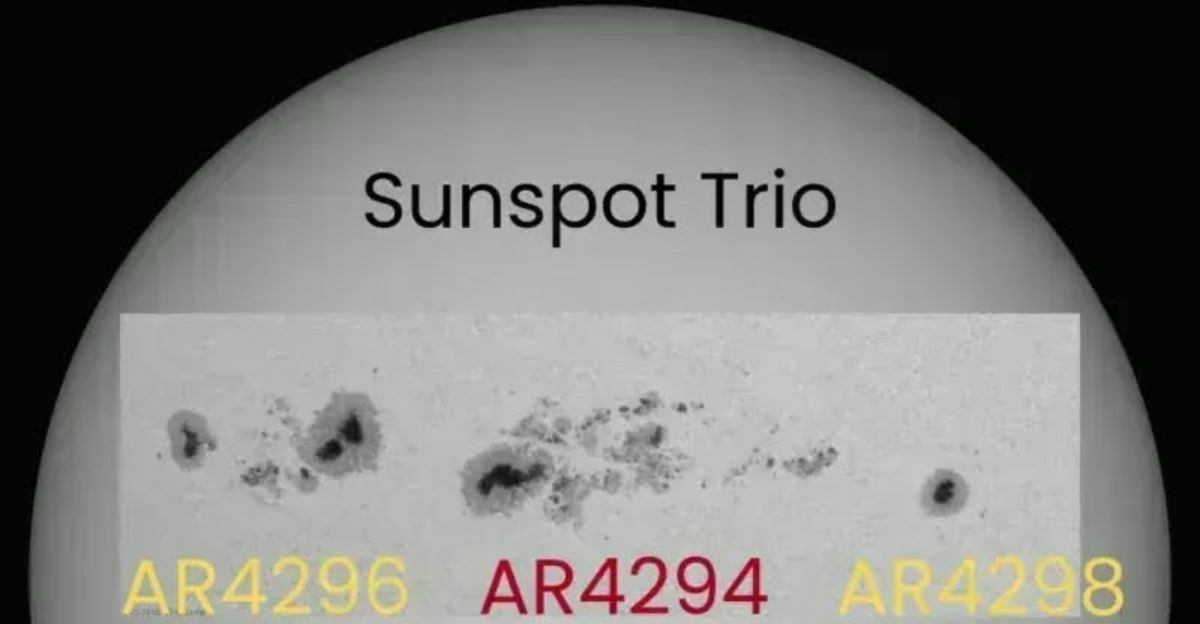
NOAA’s decision to label AR4294 as three different zones reflects its magnetic complexity. Sunspots form when magnetic fields twist so tightly they poke through the Sun’s surface, and this one has multiple large cores tangled together. Each can trigger its own flare. Complex, fast‑changing regions like this tend to release major eruptions repeatedly.
More Flares Brewing This Week
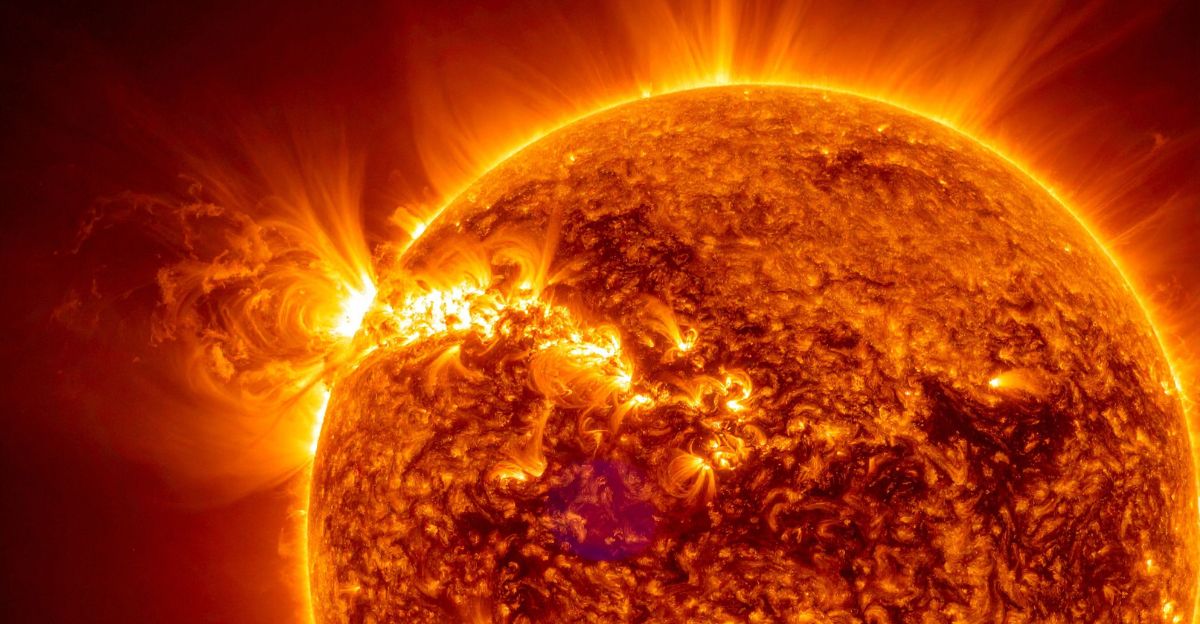
Forecasters say M‑class flares (medium strength) will likely continue erupting, and there’s still a small chance for another X‑class burst as AR4294 moves into full view. Scientists track its flaring likelihood using models based on size, complexity, and past activity.
Even if the next flares don’t send CMEs straight toward Earth, they can still cause more daytime radio blackouts. That means more busy days for space weather forecasters, and more stunning potential for auroras worldwide.
Why the Sun Is So Hard to Predict
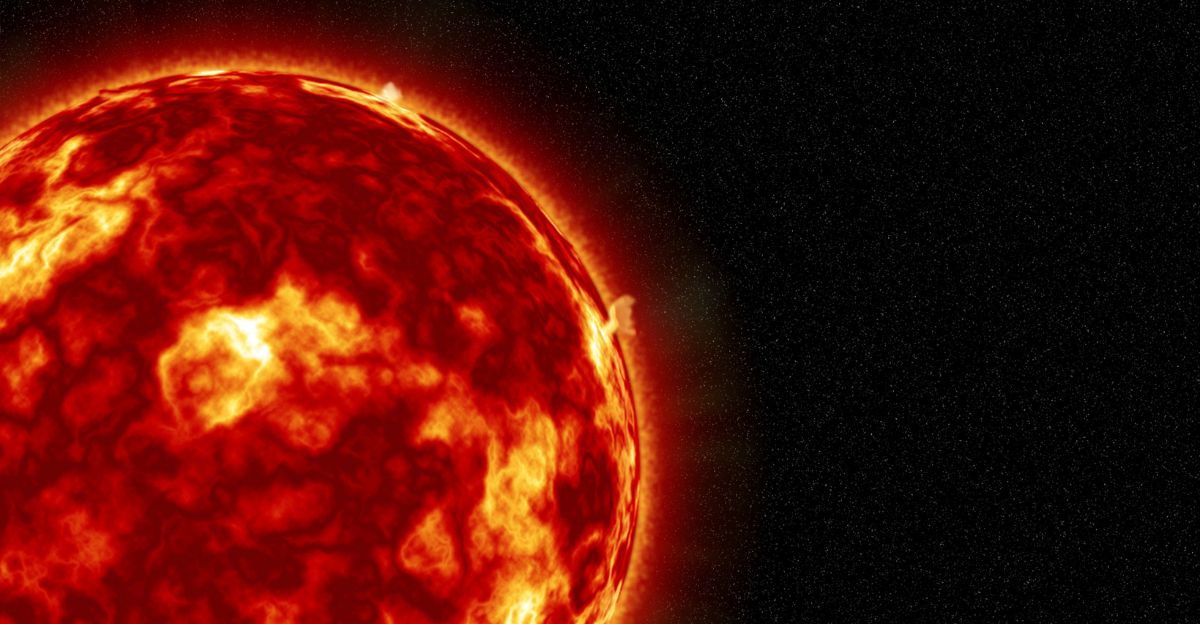
Even with advanced spacecraft like NASA’s Parker Solar Probe, solar forecasting remains uncertain. The Sun’s magnetic loops twist and snap in three dimensions, under constantly shifting plasma flows.
This makes flare prediction a bit like trying to guess where lightning will strike inside a hurricane. NOAA scientists emphasize probability, not certainty.
Why Space Weather Affects Everyday Life
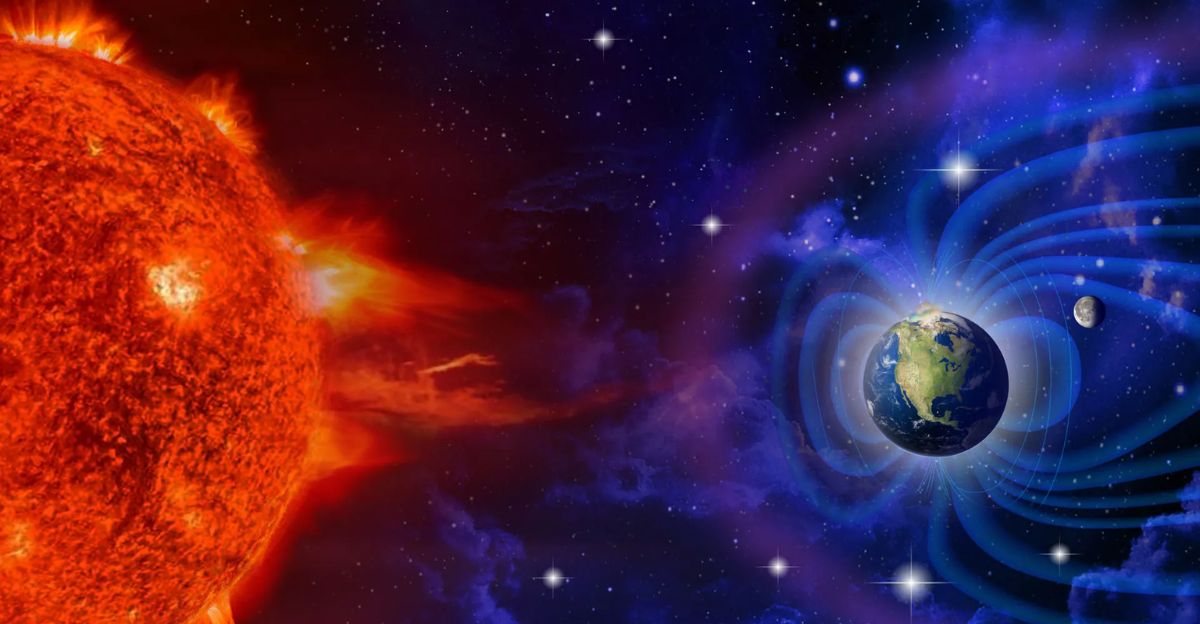
Space weather might sound remote, but it shapes daily technology in surprising ways. Power‑grid fluctuations, GPS navigation errors, weakened radio links, and spacecraft disruptions all trace back to solar storms.
When Australia’s communications fell silent, cargo flights had to reroute, ships paused transmissions, and GPS trackers struggled. It’s the quiet reminder that space weather isn’t just about astronauts, it’s about everything wired, guided, or flying under the Sun.
Keeping the Power On in the North
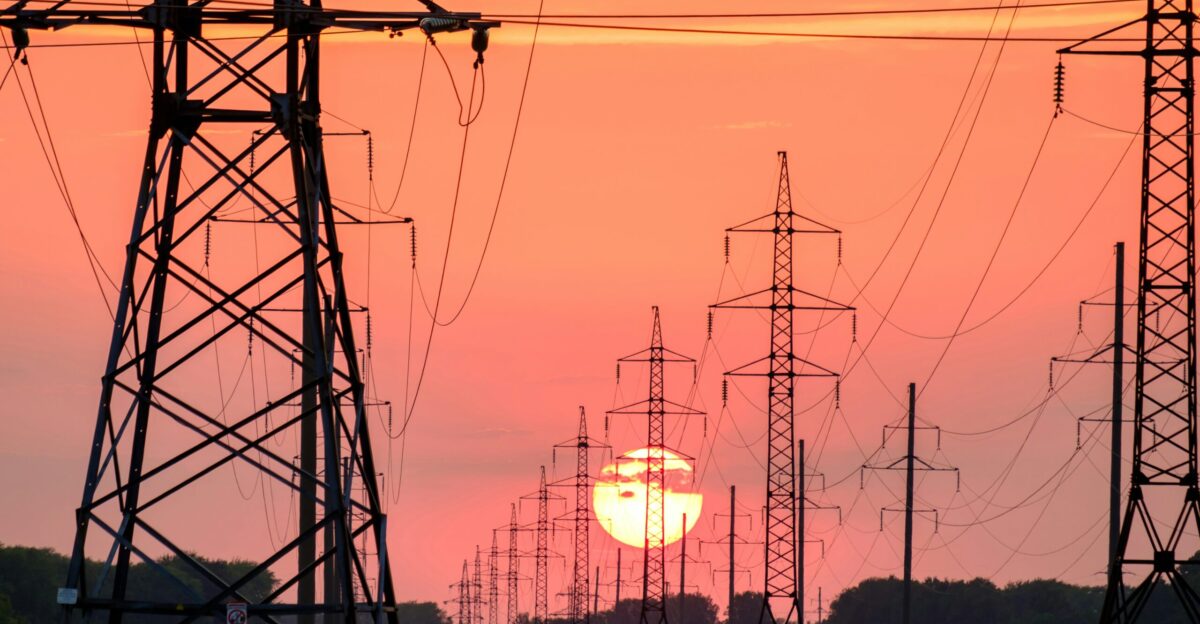
In northern U.S. states and Canada, power companies are always on alert for geomagnetic disturbances. During a G2 storm, electric currents can flow through long grid lines, heating transformers and tripping safety systems.
Operators respond by adjusting voltages or rerouting loads to protect equipment. For most people, lights will stay on. Still, grid watchers treat these solar alerts as practice for stronger events in the future.
Satellites and GPS Under Stress
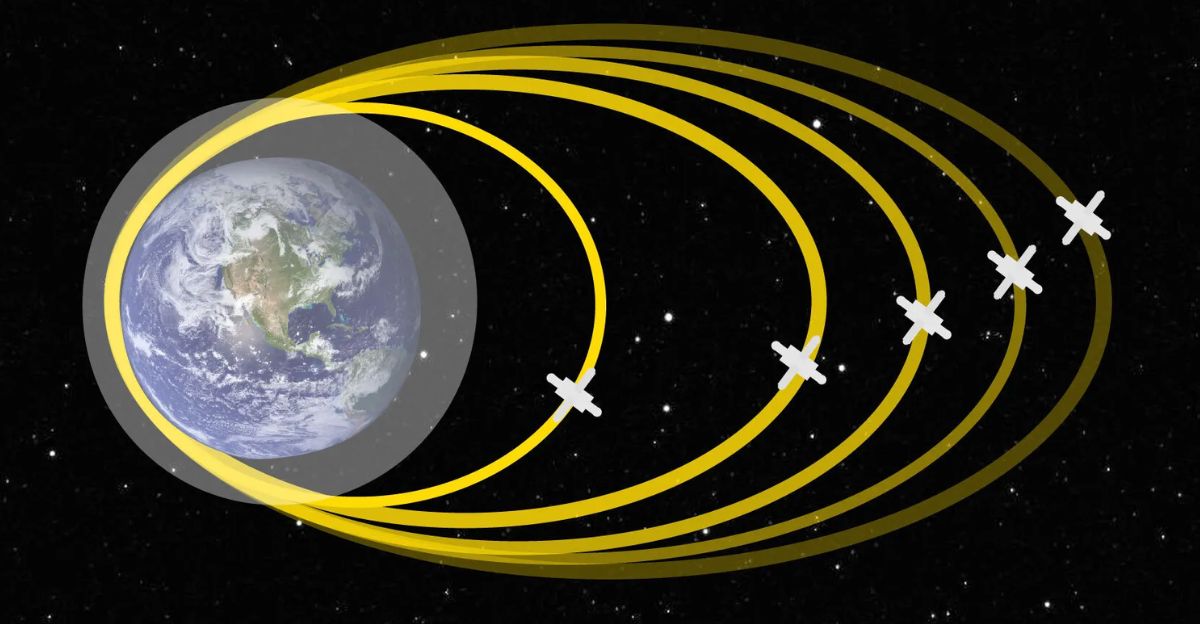
Satellites orbiting Earth encounter more atmospheric drag as solar storms heat and expand the upper atmosphere. This can nudge their positions, requiring small orbital corrections. Meanwhile, GPS and other navigation signals must travel through a churning ionosphere, which can distort or delay them slightly.
Farmers using precision tractors, surveyors, and delivery networks may notice temporary errors of several meters. For safety systems that depend on pinpoint accuracy, small deviations can become costly hiccups.
How to Watch the Northern Lights
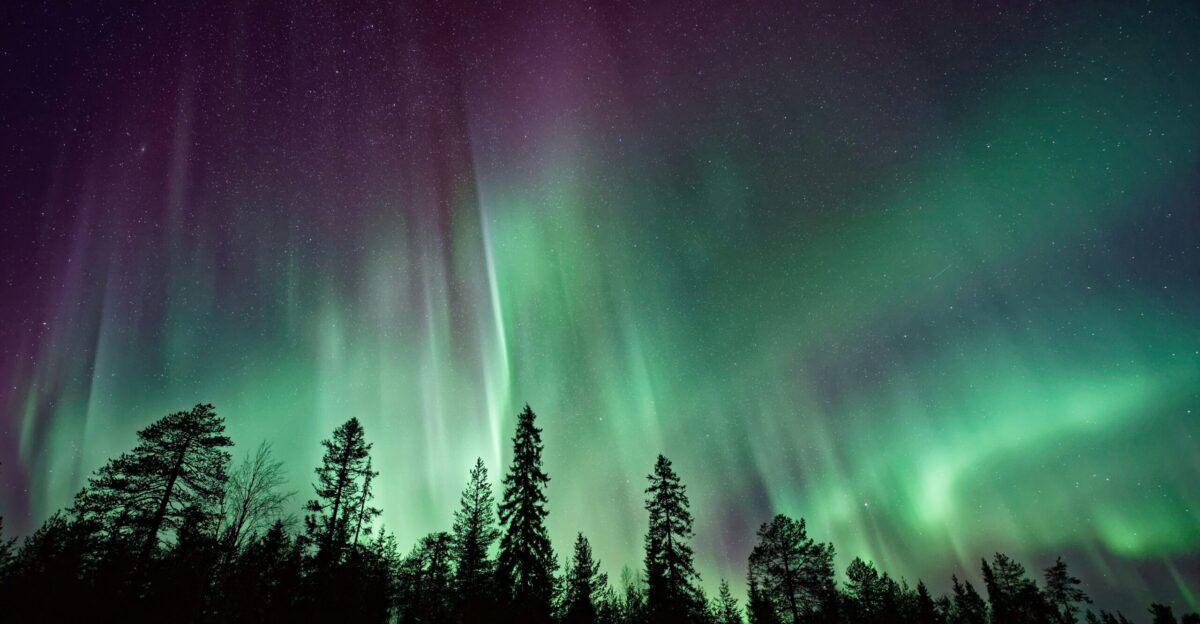
If you live in the northern U.S. or southern Canada, this storm could bring a rare aurora opportunity. The best viewing happens under dark, clear skies far from city lights, around local midnight.
Apps and websites like NOAA’s Aurora Dashboard or SpaceWeatherLive can track the event in real time. Grab a camera, check the sky, and let nature do the rest.
What This Means for the Solar Cycle
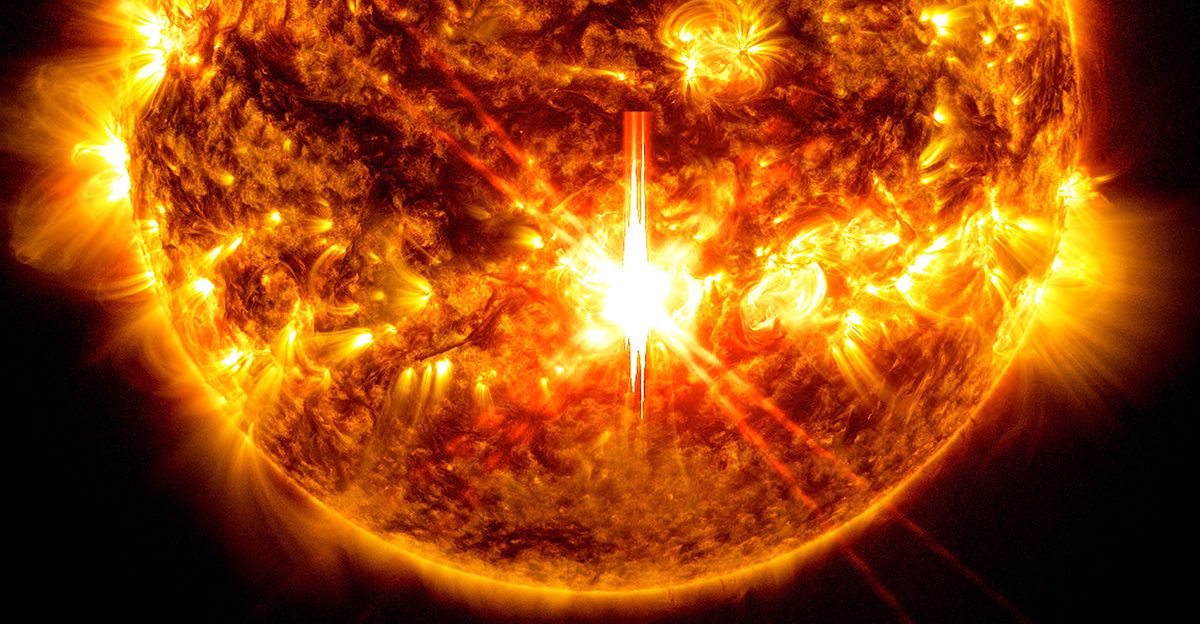
This fiery week fits the pattern of an increasingly active Sun as it nears the peak of Solar Cycle 25 around 2025–2026. Big sunspots and frequent flares are signs of that cresting energy.
Each 11‑year cycle sees similar bursts, though each has unique quirks. AR4294’s sheer size and rapid evolution have made it a standout event for scientists tracking solar behavior.
Today’s Glancing Blow, Tomorrow’s Direct Hit?
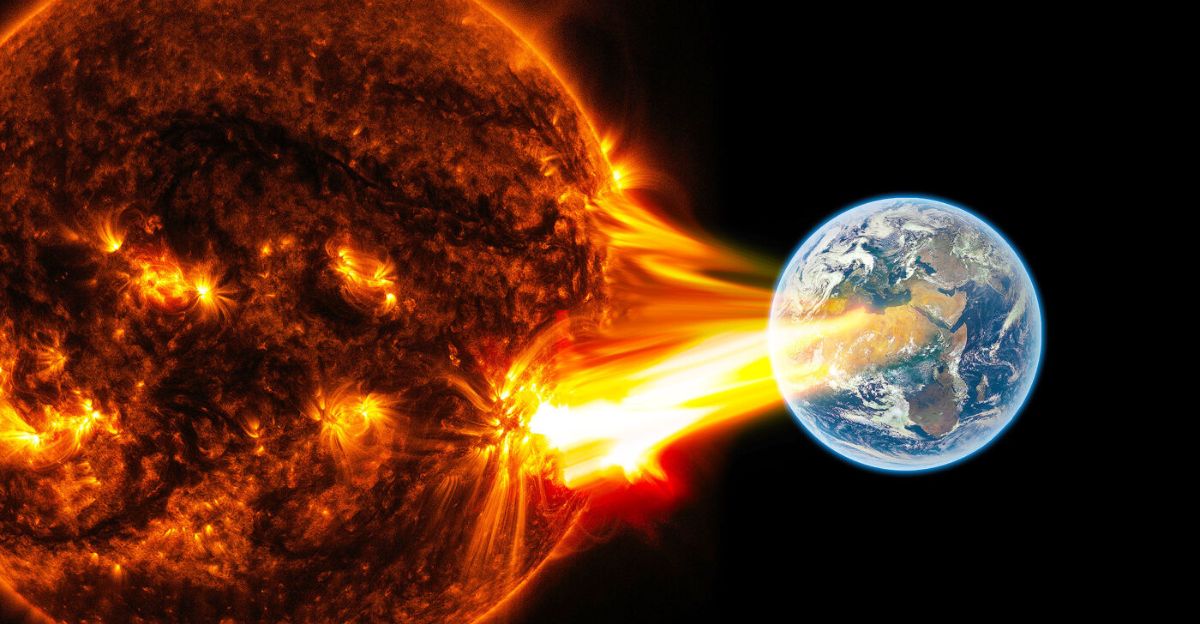
The current CME is expected to graze Earth, but AR4294 is still turning fully toward us. That means any new flares it throws off could send CMEs straight along the Sun‑Earth line, potentially producing stronger storms later this week.
For now, space‑weather forecasters are watching closely, balancing excitement and caution. One day, the same monster sunspot that muted radios over Australia could dazzle skies across America, a reminder of our small planet’s place under the Sun’s mighty power.
Sources
- NOAA Space Weather Prediction Center – G2 Geomagnetic Storm Watch (Dec 3–4, 2025)
- NASA – “Solar Cycle 25 Is Here. NASA, NOAA Scientists Explain What That Means”
- Space.com – News article on the X‑class solar flare and AR4294
- Manistee News / local space‑weather explainer on AR4294 & AR4299 and U.S. aurora odds