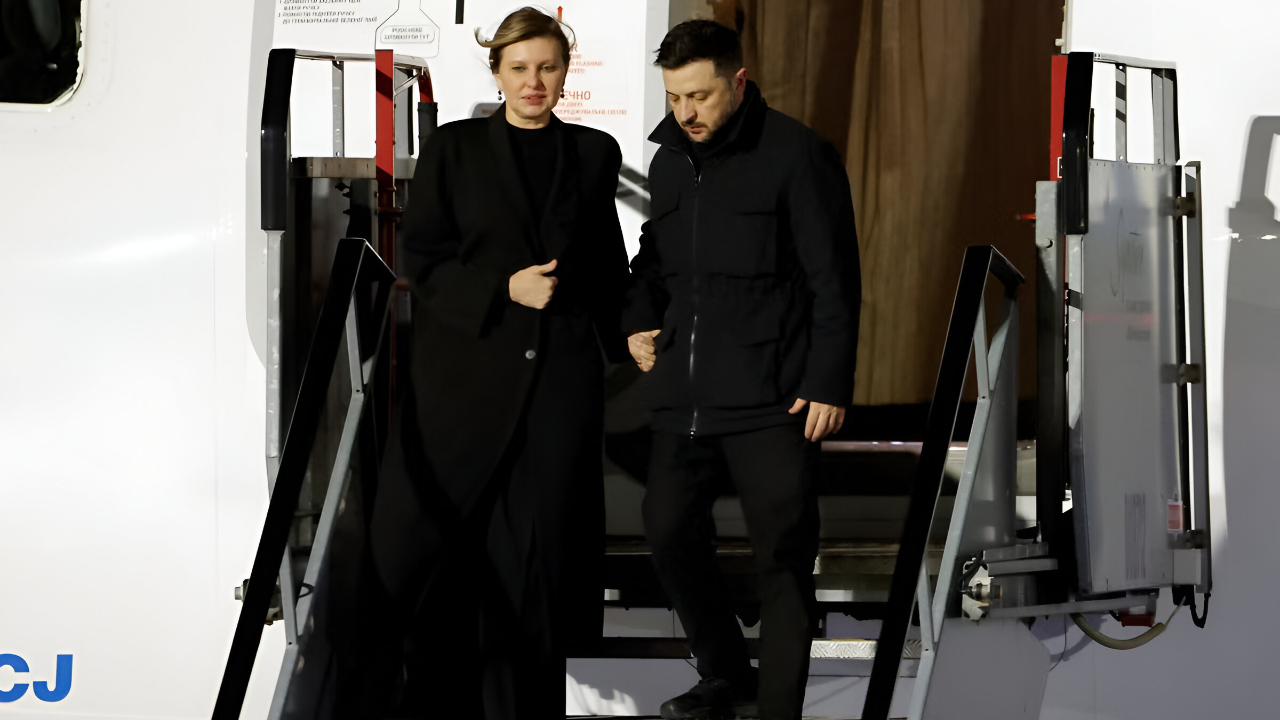
At 11 p.m. on Monday, December 1st, four military-grade drones descended through Irish airspace toward a precise point over the Irish Sea—the exact location where Zelenskyy’s aircraft was scheduled at that exact moment.
His plane touched down minutes early, and catastrophe was averted by seconds. The drones reached the intercept point moments after the aircraft had left it, like an assassin arriving at an empty room to find the target already gone.
The Navy’s Unwelcome Visitors
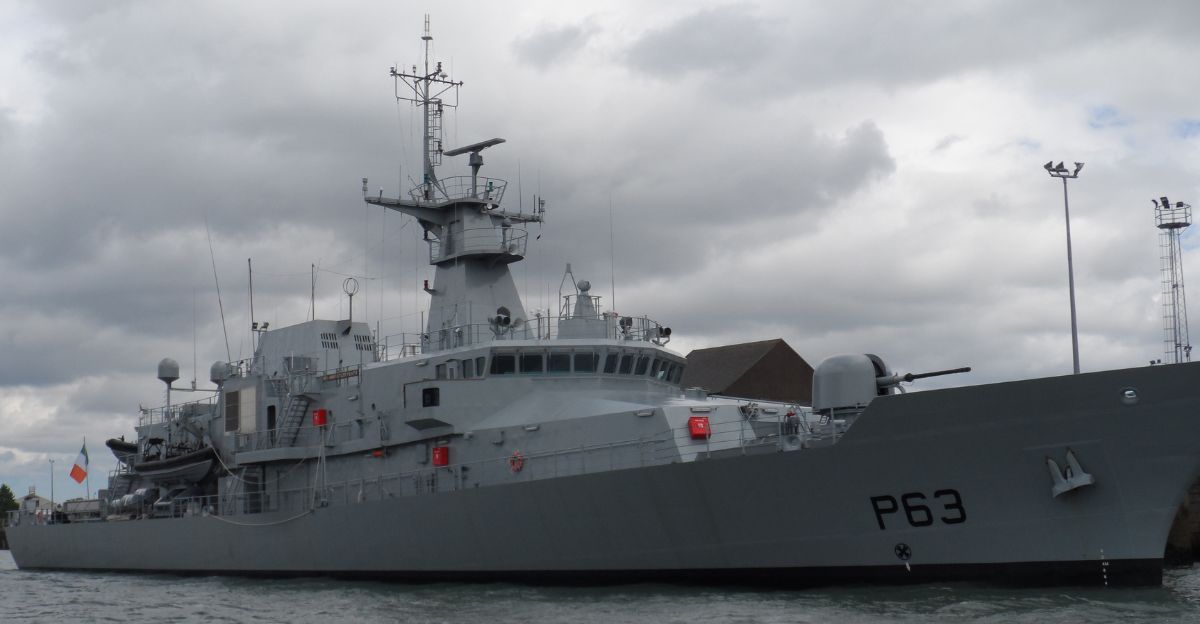
Once safely landed, the four drones shifted focus and began circling the LÉ William Butler Yeats, a patrol ship secretly stationed in the Irish Sea as Zelenskyy’s guardian. For up to two hours, drones orbited overhead, their lights blazing against the black sky north of Dublin near Howth.
The crew watched helplessly from the deck as security officials in Dublin watched the same radar blips circling endlessly.
Who Launched Them—And From Where?

Investigators believe the four aircraft took off from northeast Dublin, possibly near Howth, but cannot be certain. They could have launched from Irish soil or from a ship positioned beyond the horizon, beyond detection. They operated within the 12 nautical mile boundary of Irish territorial waters.
Either their controllers possessed intimate knowledge of Irish airspace, or they represented state-level sophistication that rendered borders irrelevant.
Machines of War, Not Consumer Tech
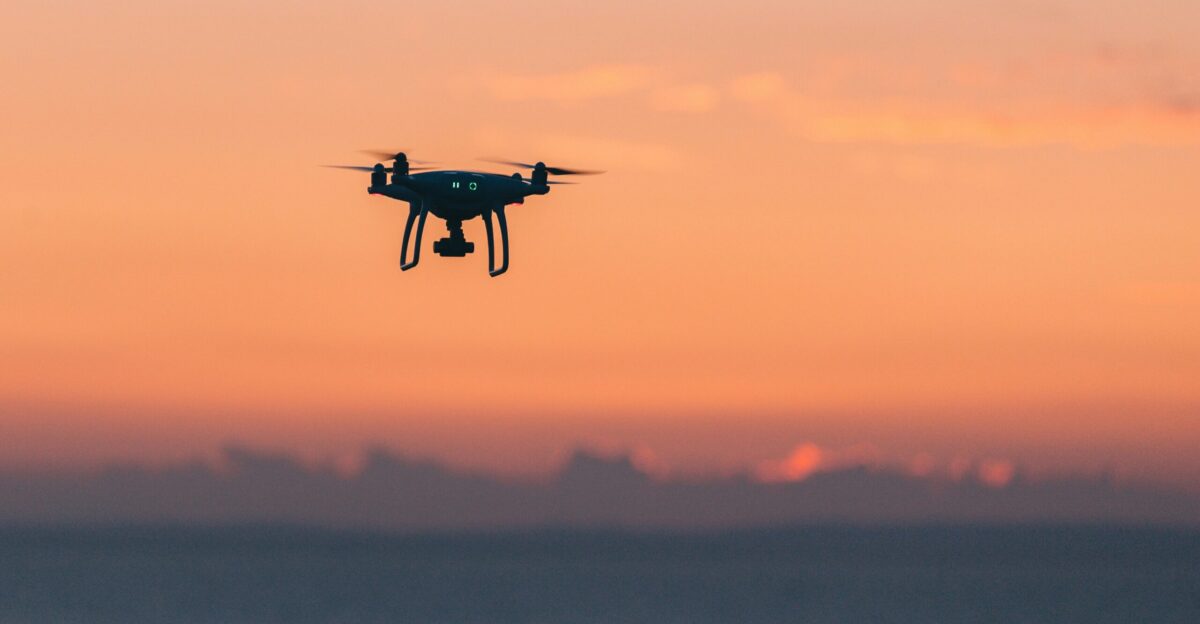
These were not hobby drones purchased online. Security officials described them as large, hugely expensive machines of military specification—quadcopters with four independent pilots controlling them separately as distinct operators.
Military-grade quadcopters typically cost between $125,000 and $500,000 per unit, placing the total hardware value between $500,000 and $2 million. These were instruments of state-level hybrid warfare designed to destabilize without crossing into overt conflict.
The Lights Were a Statement
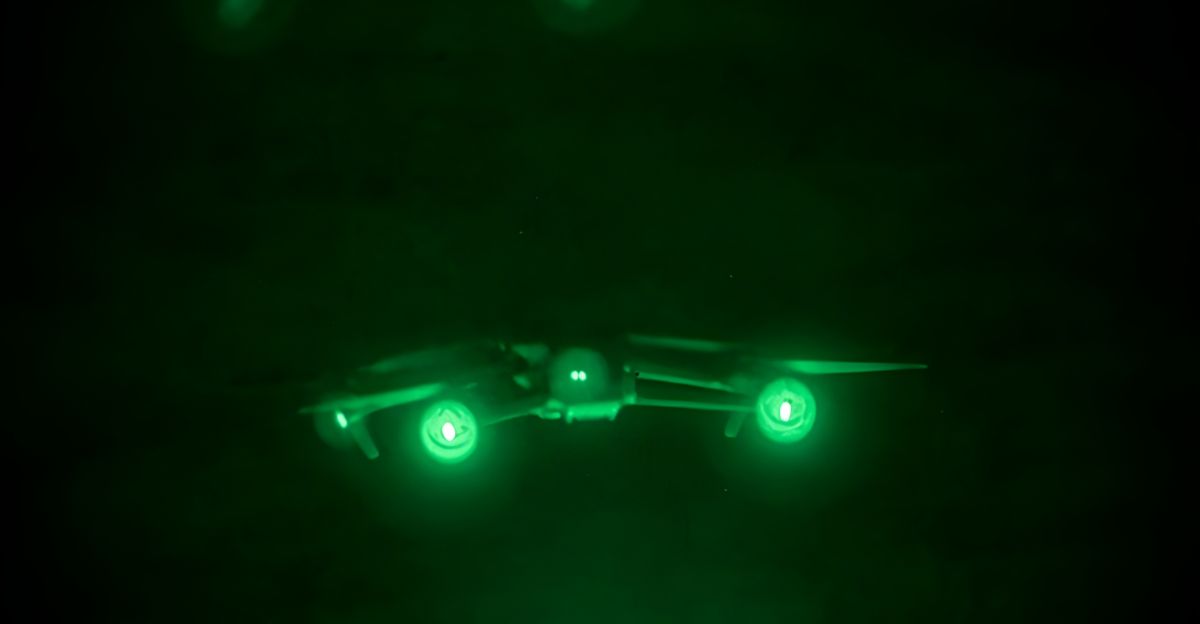
Unlike reconnaissance drones operating in stealth, these aircraft had their lights activated, cutting through the night sky with brazen visibility. Security experts believe this was deliberate—a show of force demonstrating that unknown actors could breach Irish airspace at will.
Someone possessed both the capability and audacity to conduct military operations over Dublin with impunity.
Ireland Watched and Could Not Act
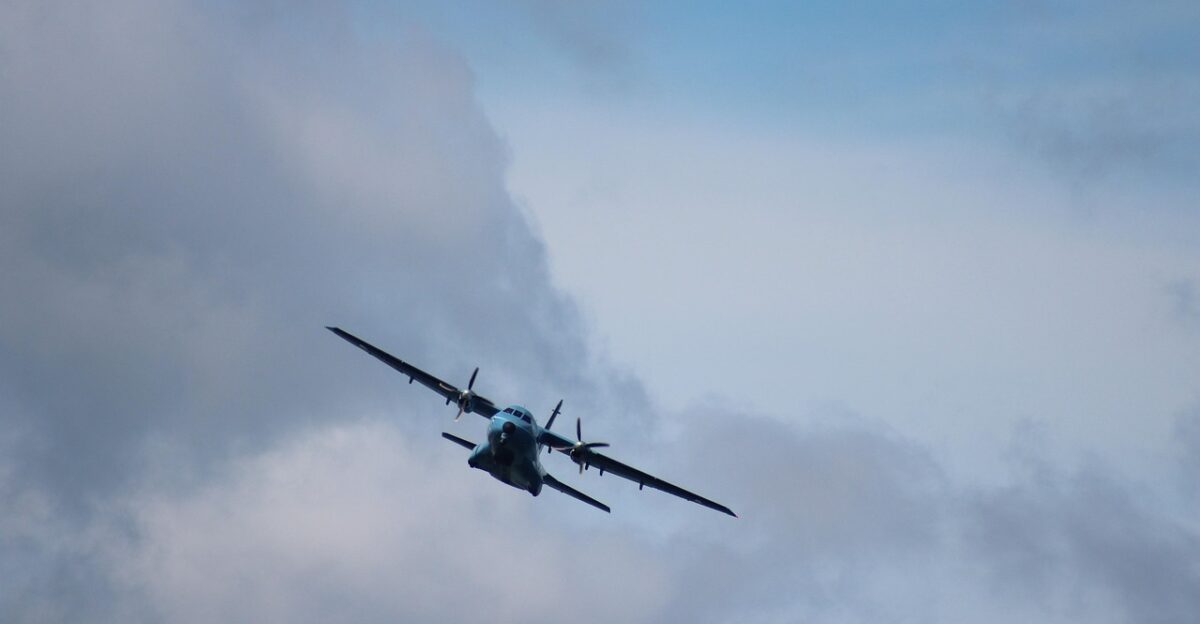
When the drones appeared, Irish security forces discovered a grim truth: the nation possessed virtually no capability to stop them. The LÉ William Butler Yeats lacked air radar systems capable of tracking unmanned aircraft.
An Irish Air Corps aircraft was patrolling the area but did not engage the targets. An Garda Síochána’s handheld counter-drone equipment could not reach the targets—they were simply out of range.
The Decision in the Dark
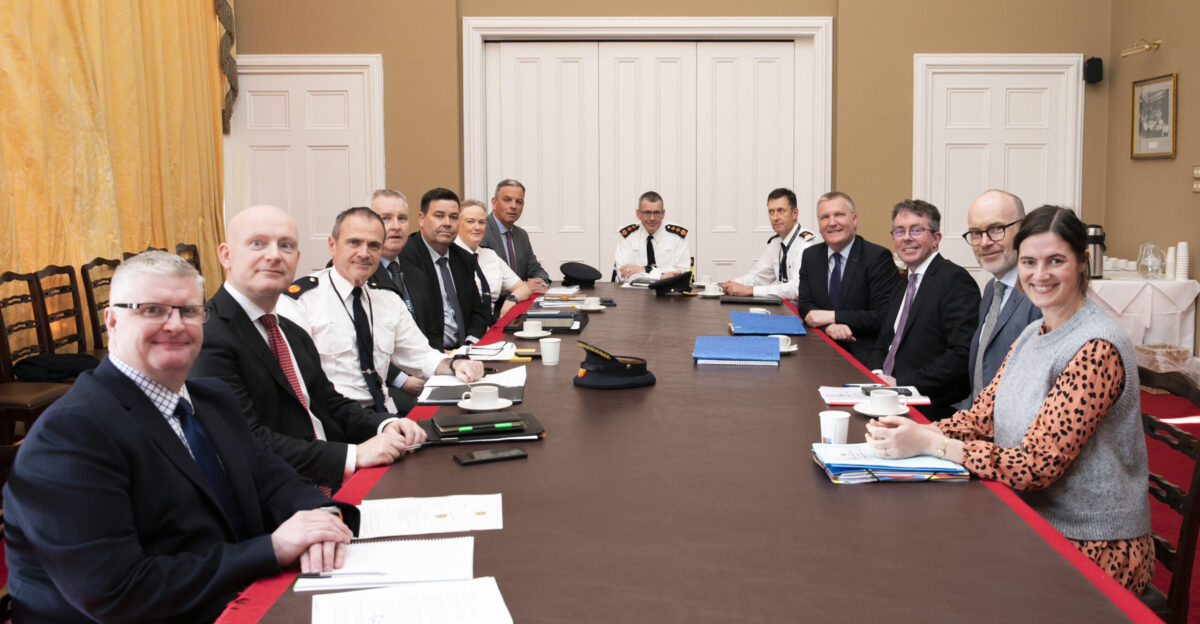
In early Tuesday morning hours, Garda Commissioner Justin Kelly received an urgent briefing about what had occurred over the Irish Sea. Within hours, the Taoiseach and Ministers for Justice and Defence were awakened with the same disturbing news.
A critical decision had to be made: should they attempt to shoot down the drones? The answer was no. Let them leave, document everything, investigate later.
Four Drones Vanish Into the Night
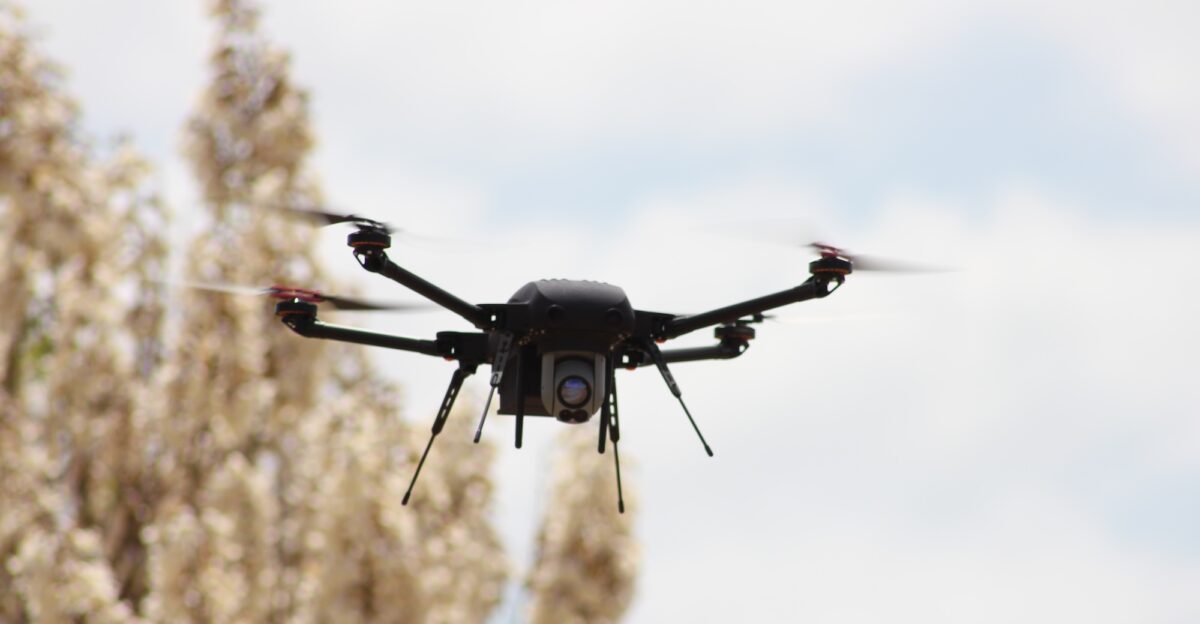
By dawn on Tuesday, all four military-grade drones had disappeared. Their location is unknown. Their operators remain unidentified. No nation or non-state actor has claimed responsibility. The drones ceased existing in any trackable sense—removed, recovered, or destroyed by whoever sent them.
The mystery deepened: such sophisticated and precise intelligence indicated resources far beyond those of rogue actors or lone operators engaged in this operation.
A President Addresses Parliament While Secrets Burn
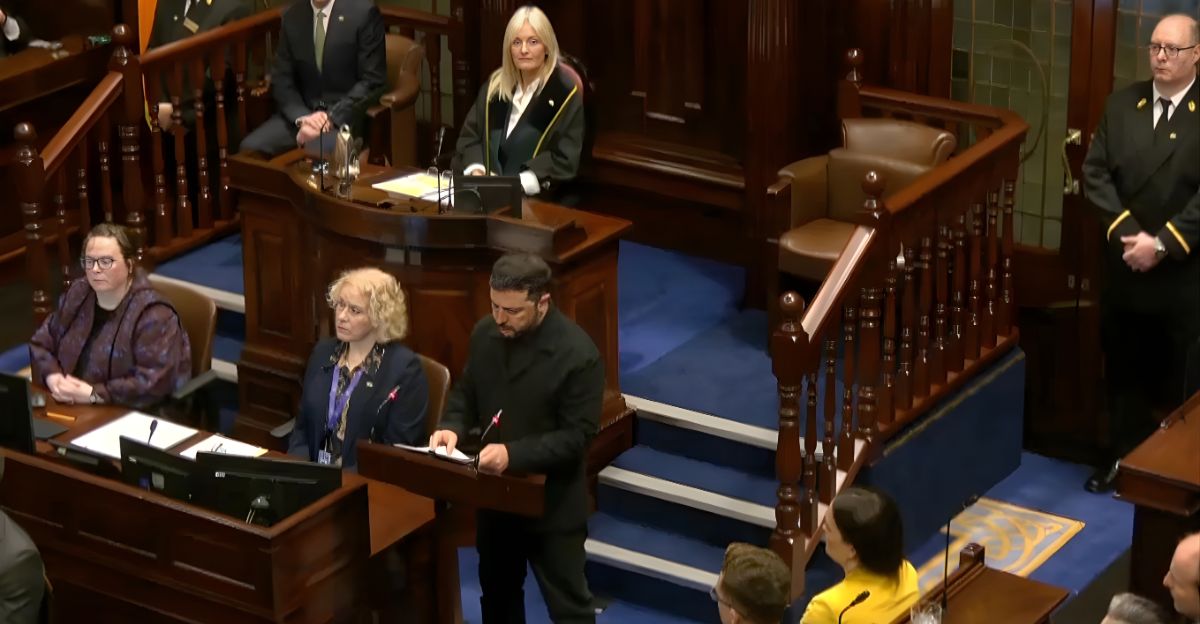
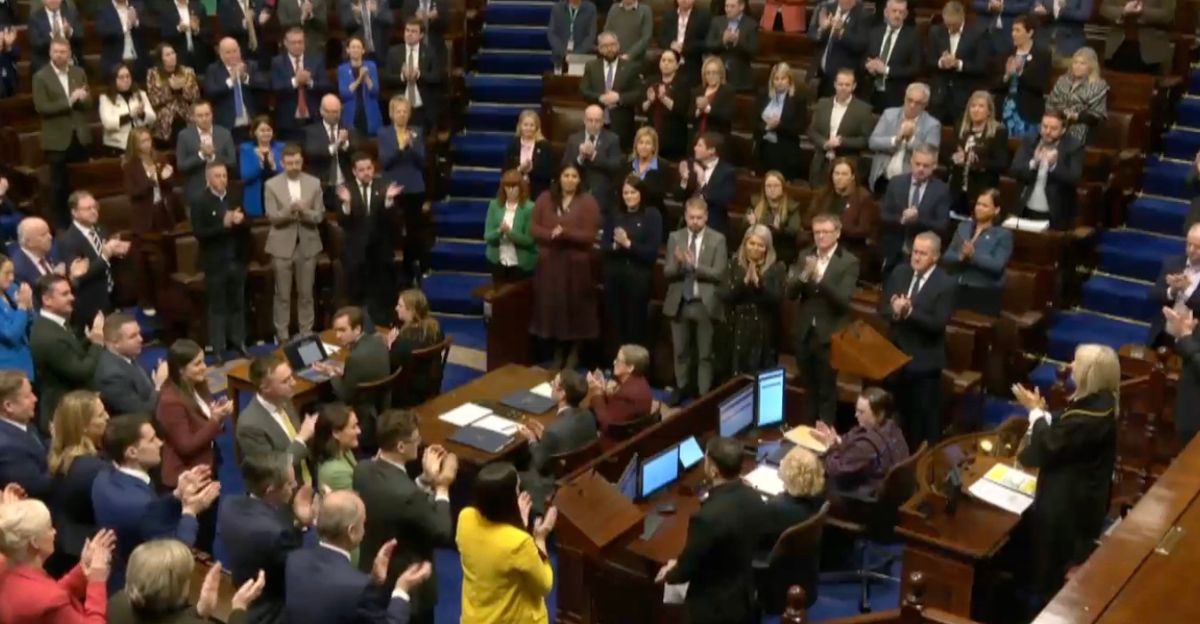
Oblivious to the crisis just hours before, Zelenskyy walked into the Dáil chamber Tuesday afternoon to a standing ovation from members of Irish parliament. He thanked Ireland for sheltering 80,000 Ukrainian refugees.
He called for security guarantees as peace negotiations intensified between American and Russian delegations. He announced €125 million in additional Irish aid for Ukraine’s defense. Few in that chamber knew.
The Departure Protocol Changed
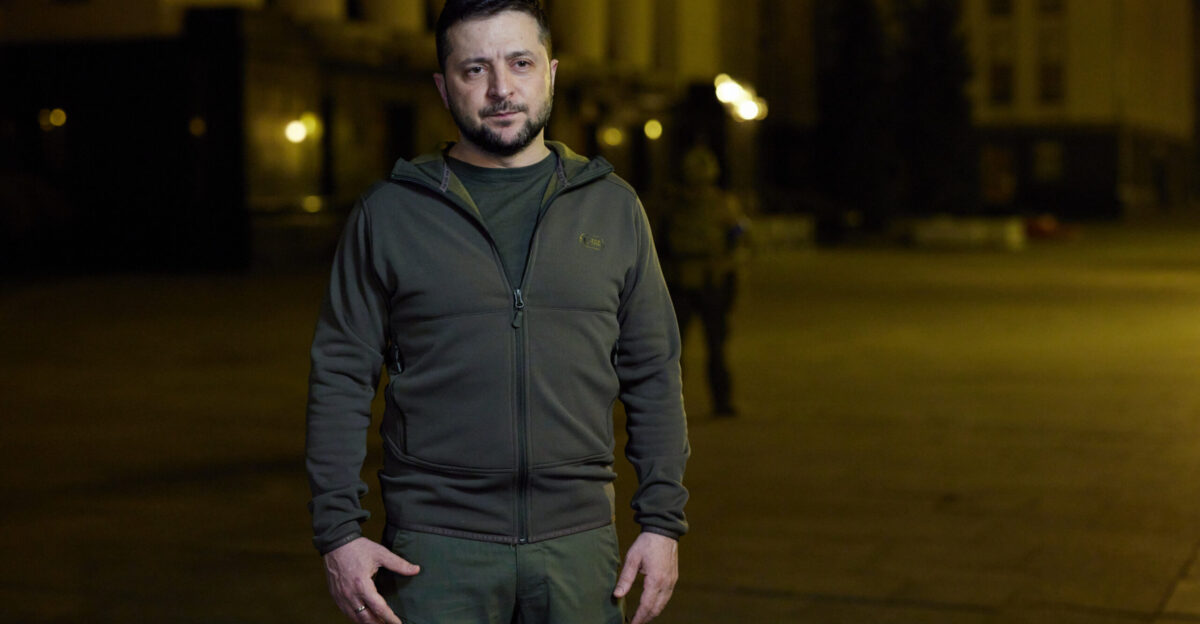
When Zelenskyy’s aircraft took off from Dublin that evening, it followed a different flight path than originally planned—a specialized departure procedure designed to minimize exposure to potential drone threats. The choreography was deliberate, almost ceremonial in its precision.
The plane lifted off, climbed, and disappeared into the darkening sky, leaving behind a nation reeling from what had nearly happened to them.
Europe’s Drone Nightmare Spreads
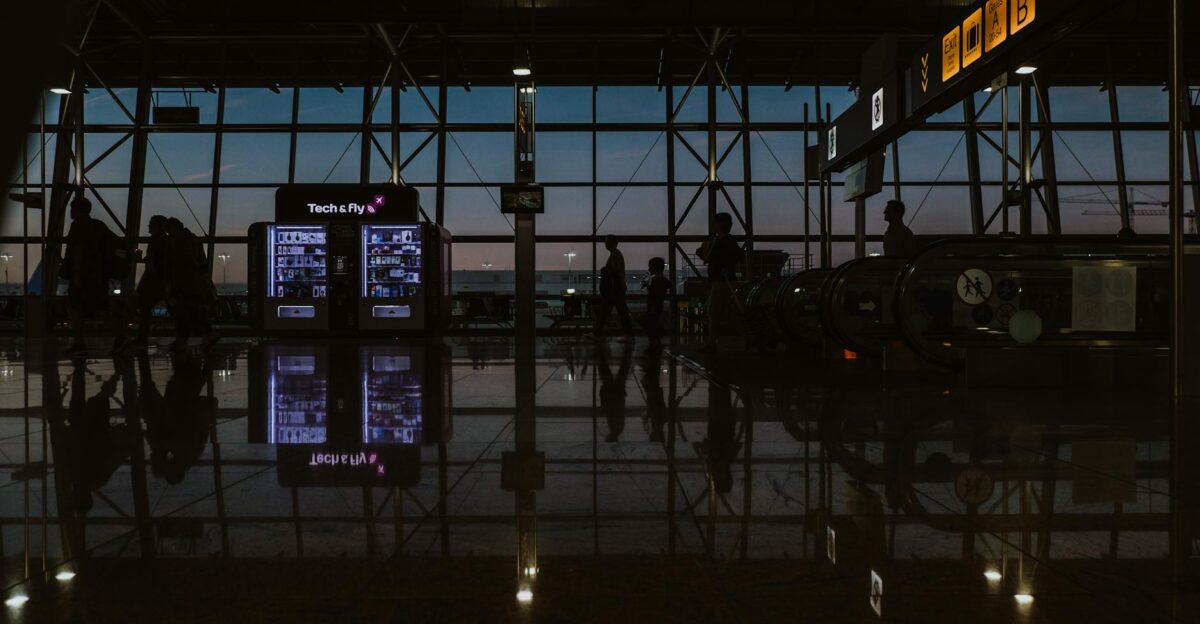
The Dublin incident did not emerge in isolation from a broader pattern. Since September, Europe has experienced unprecedented drone incursions at airports and military installations across the continent.
Brussels Airport closed in November; Copenhagen shut down September 22, canceling 100+ flights. Munich, Berlin, Liège, Gothenburg, and Oslo experienced similar disruptions.
Hybrid Warfare
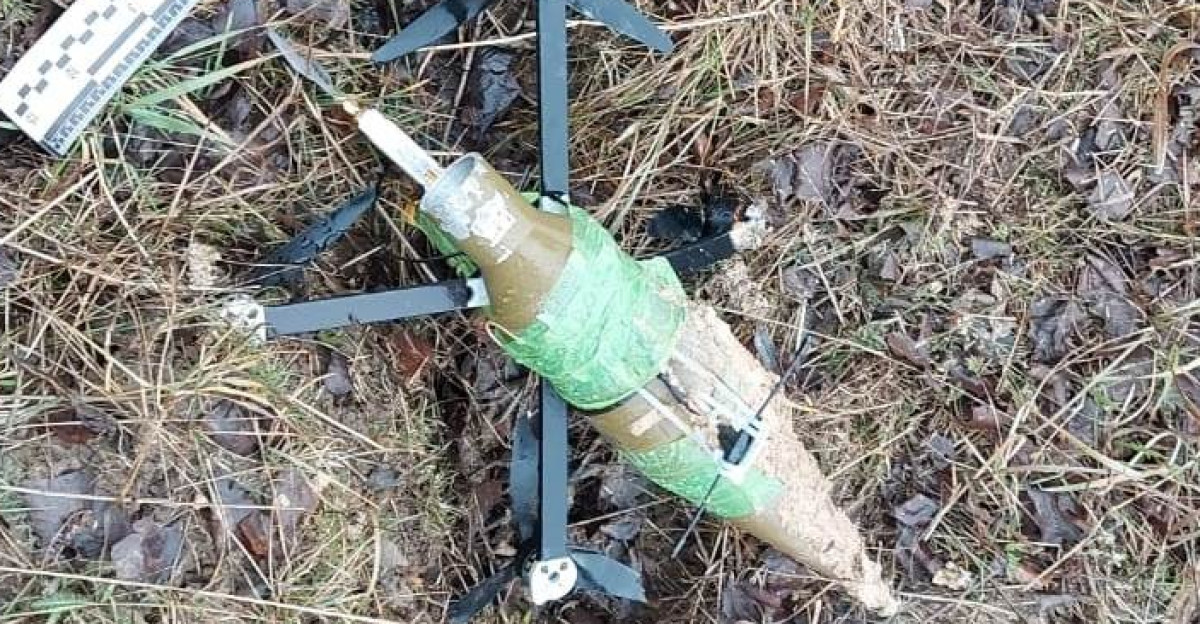
NATO defines hybrid warfare as the simultaneous use of military and non-military means to destabilize nations without crossing formal war thresholds. Polish authorities directly blamed Russia for drone incursions that forced airport closures in September.
Lithuania and Estonia accused Russian and Belarusian actors of escalating attacks. Belgium’s Defence Minister acknowledged the pattern matched hybrid techniques and Russian involvement was plausible. Ireland now joined targeted nations.
Ireland’s Catastrophic Defense Gap
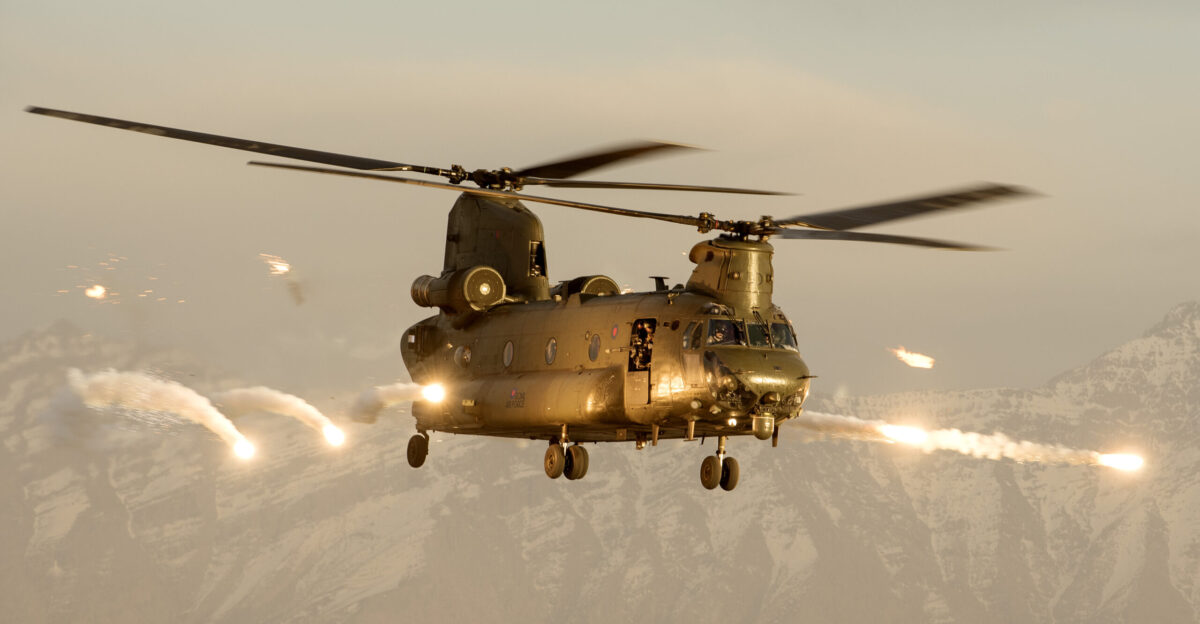
Ireland’s predicament was stark and undeniable. The nation had no fighter jets—it retired its last in 1998. Its planned €300 million primary radar acquisition would not be operational until 2028. For years, Ireland relied on a secret bilateral arrangement with the British Royal Air Force to intercept unidentified aircraft.
But RAF jets cannot protect against drone swarms. Former Air Corps head warned Ireland was Europe’s most vulnerable.
An Emergency Meeting and Urgent Scrambling
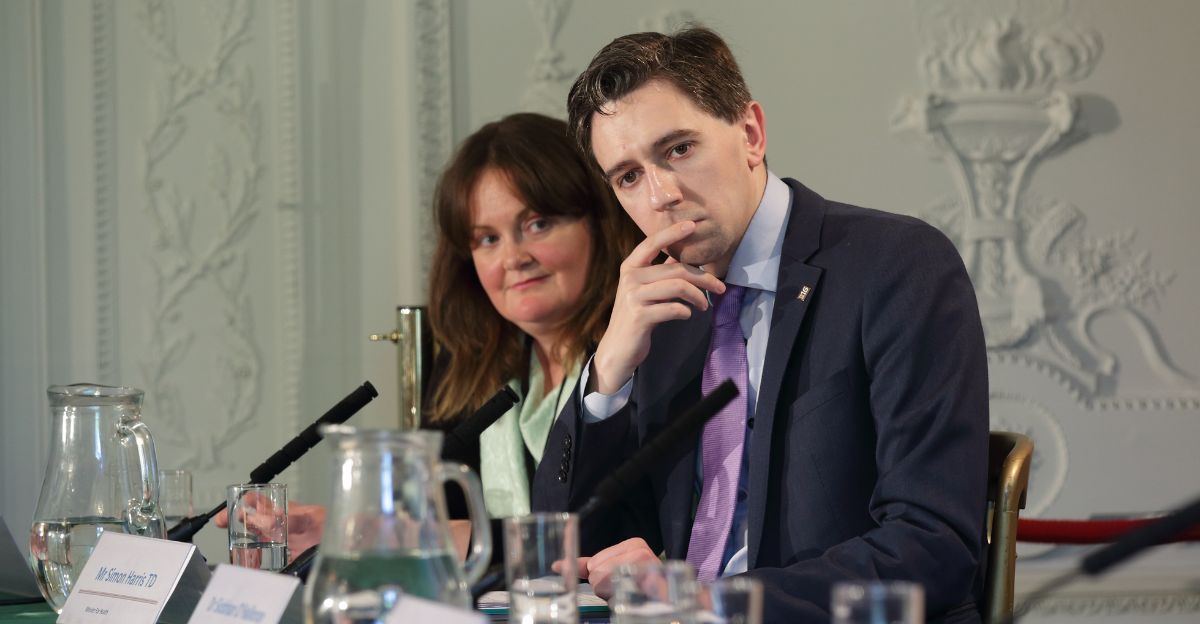
On December 3rd, high-level security officials convened an emergency meeting in Dublin to discuss the incident and develop contingency plans. Minister for Defence Simon Harris fast-tracked the purchase of an emergency counter-drone system—a single battery deployed at Baldonnel Air Corps headquarters for protection.
One battery, one location, to protect an entire island during the 2026 EU presidency when world leaders arrive.
Europe Steps In With Military Hardware
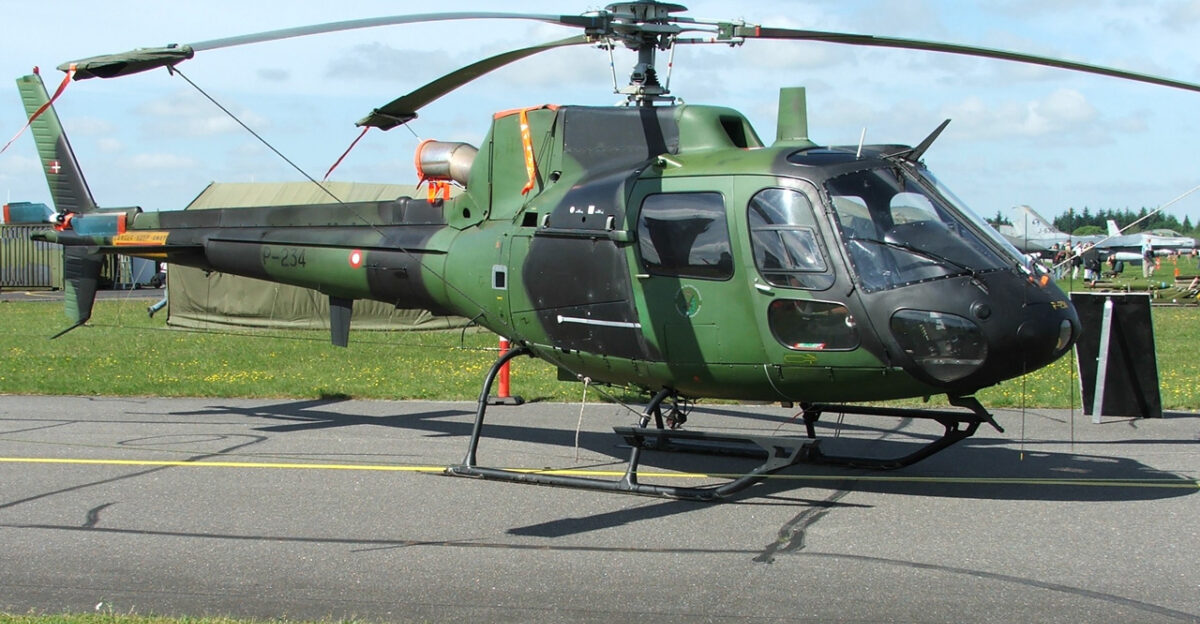
France had already deployed anti-drone Fennec helicopters to Belgium after its November crisis and drone disruptions. Germany sent the Sachsen-class frigate Hamburg to assist Denmark and protect its airspace.
Now Ireland began exploring whether allied nations might provide additional air defense support during the 2026 EU presidency—a diplomatically awkward request for a historically neutral nation, yet necessary given this new reality.
A Sovereignty Question Disguised as Drones
The Dublin incident shattered any remaining Irish illusions that neutrality offered protection from modern warfare and state-sponsored hybrid attacks. For decades, Irish policy rested on simple assumption: stay out of military alliances, maintain independence, and adversaries would leave you alone.
But hybrid warfare operated in gray zones where neutrality meant nothing and sovereignty offered no shield whatsoever.
The Investigation Proceeds in Silence

Taoiseach Micheál Martin announced a full security review, though he refused to speculate on responsibility until the investigation concluded. An Garda Síochána’s Special Detective Unit launched a formal investigation with Defence Forces and international allies.
When CBS News requested official comment, the Irish Defence Forces responded with bureaucratic silence: “For operational security reasons, we have no comment on any alleged incidents.”
Questions Linger in Locked Rooms

The investigation continues behind closed doors where only highest officials may enter and access classified materials. Key questions remain unanswered.
Who sent the drones? Was the objective assassination, disruption, or intelligence gathering? Where are they now? Was Zelenskyy warned before his speech, or kept uninformed?
What the Attack Reveals About Modern Conflict

What emerges from Dublin is stark reality: the nature of conflict has fundamentally changed in the modern era. Traditional military alliances offer no protection against hybrid attacks conducted in gray zones.
No-fly zones can be breached by unknown actors operating outside conventional frameworks. Presidential aircraft can be targeted with precision intelligence. Sovereignty means nothing when adversaries operate between peace and war.
An Island Braces for What Comes Next

As Zelenskyy flew back to Kyiv to continue fighting an active war, Ireland confronted uncomfortable truths about its place in this new era of conflict and vulnerability. The four drones have vanished, but questions they raised will linger for years.
In Dublin’s secure rooms, officials work urgently to ensure that the next time drones breach Irish airspace, the nation will have more to offer.
The Journal (Ireland)–original reporting on four military-style drones breaching the Dublin no-fly zone and approaching Zelenskyy’s flight path
RTÉ/Irish and international broadcasters–coverage of the Dublin drone incident and Irish security response
CBS News–reporting on unidentified drones breaching Ireland’s airspace during Zelenskyy’s visit
UK Defence Journal–analysis of the Irish Sea drone activity and LÉ William Butler Yeats deployment
Al Jazeera/BBC/European outlets–documentation of 2025 European drone disruptions at Copenhagen, Oslo and other airports
Irish defence and budget documents/specialist defence reporting–€300 million primary radar and 2028 operational target