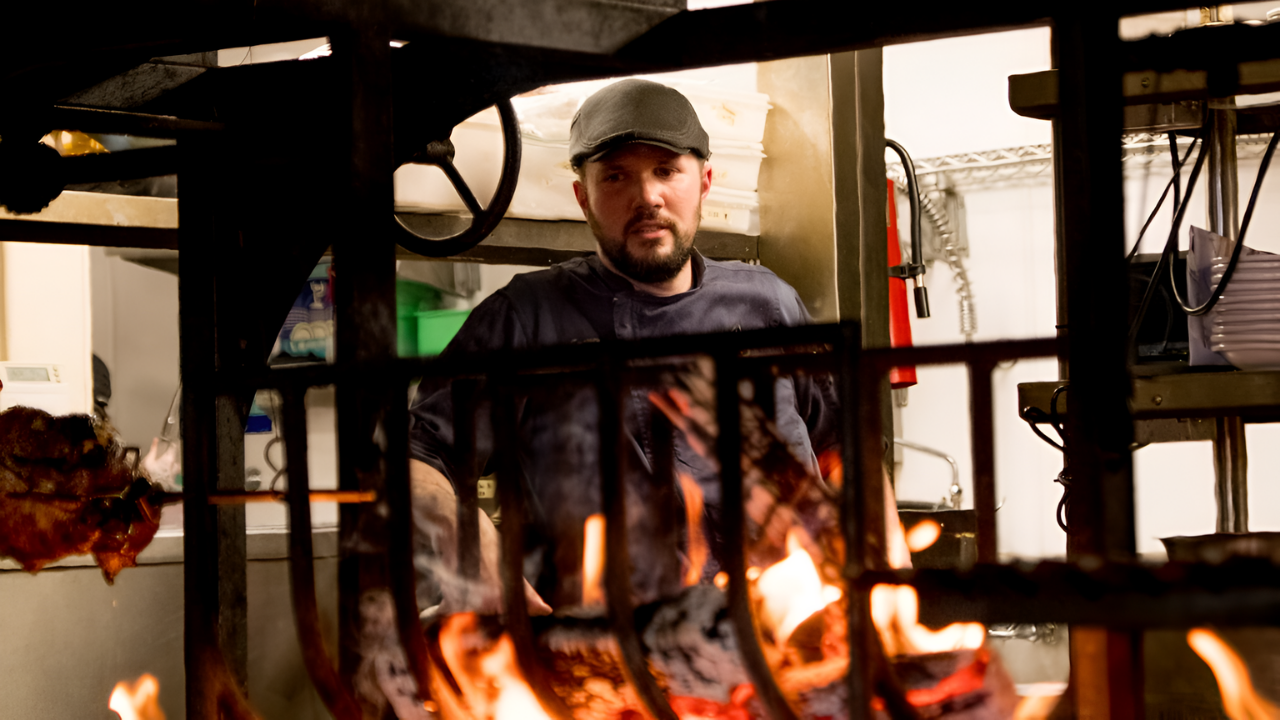
Steak and Ale once helped define suburban dining in the 1970s and 80s, with hundreds of locations hosting celebrations, family gatherings, and weeknight dinners. After a sudden collapse in 2008 wiped the chain off the map, the brand vanished for 16 years, remembered only by former regulars. Now, a single new location in Minnesota is testing whether nostalgia, careful planning, and a changed business model can bring the concept back for a new generation.
A Sudden Collapse And Lost Jobs
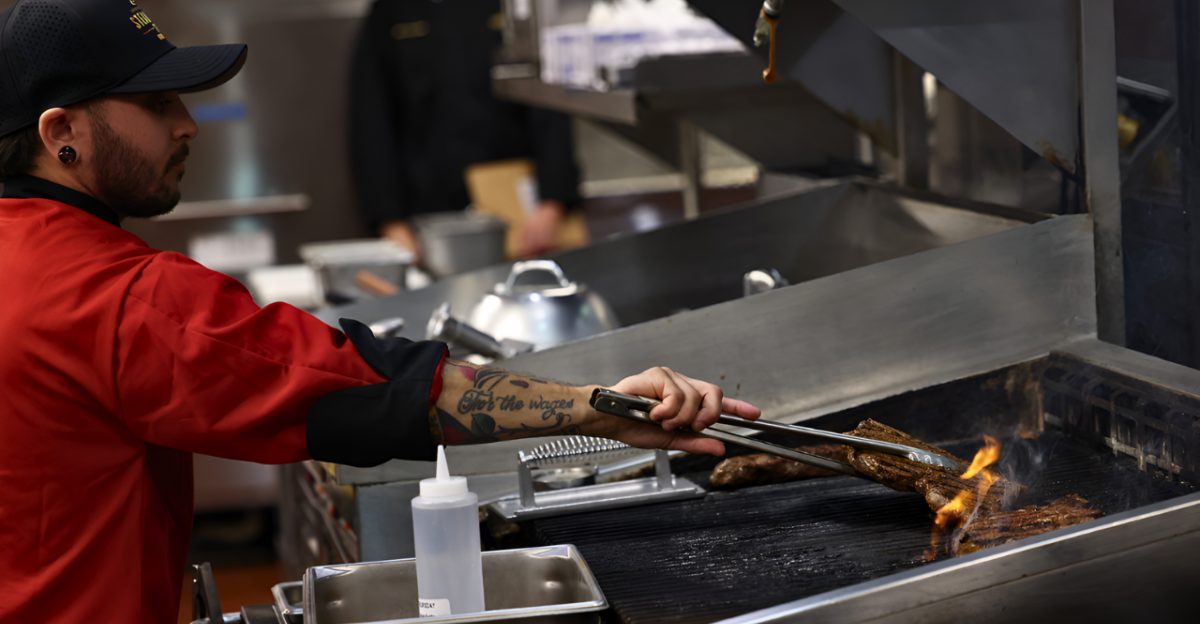
The original downfall came swiftly. On July 29, 2008, Metromedia Restaurant Group, the parent company of Steak and Ale, entered Chapter 7 bankruptcy, a liquidation that meant shutting down rather than restructuring. That decision closed the final 58 corporate-owned restaurants all at once, ending a 42-year run. Employees arrived to find doors locked and careers abruptly cut short. As the chain shrank from a peak of about 280 locations to zero, thousands of jobs disappeared, leaving a lasting mark on workers across the system.
Sixteen Years Off The Map
For nearly two decades after the shutdown, the brand existed only in photos and memories. Steak and Ale had occupied a narrow but influential niche between fast food and fine dining, marketed as an attainable treat with a Tudor-style look and a focus on value. When it disappeared, other chains tried to fill the same space, but its particular blend of atmosphere, menu, and service never fully reappeared. With no restaurants open and its trademarks and recipes dormant, many in the industry assumed the story was over. In restaurant life cycles, a 16-year absence usually signals a permanent ending.
A Careful Return In Minnesota
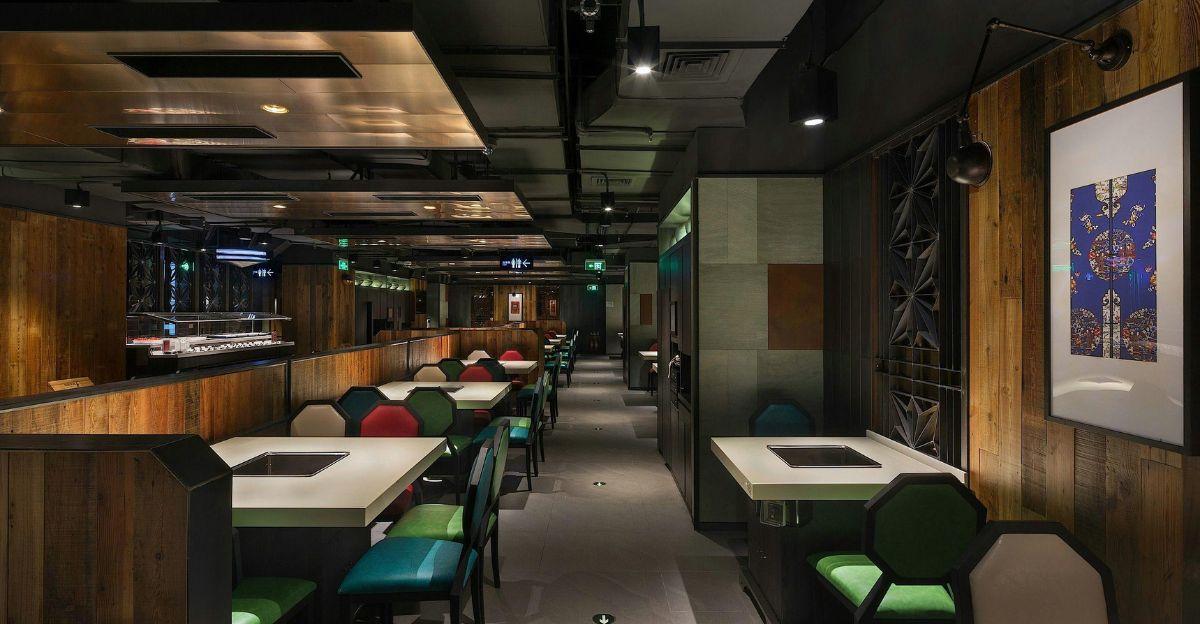
The comeback began quietly on July 8, 2024, when a new Steak and Ale opened inside the Wyndham Nicollet Inn in Burnsville, Minnesota. The original concept, founded in Dallas in 1966, was known for making steakhouse meals more affordable and relaxed, and the new location leans into that history. The Burnsville restaurant occupies about 5,000 square feet within the hotel, with its own entrance, patio, and seating for roughly 225 guests, so it functions as a standalone destination while drawing steady traffic from hotel visitors. This opening is designed as a prototype, a test case for whether the idea can be scaled again rather than a one-time tribute.
The Couple Behind The Revival
The relaunch has been driven by Paul and Gwen Mangiamele, whose company Legendary Restaurant Brands acquired the rights to Steak and Ale in 2015. Instead of rushing to market, they spent nine years holding the brand in reserve, waiting for what they saw as the right economic and cultural moment to reintroduce it. Their goal has been to preserve the essence of the original, including familiar branding and recipes, while updating operations for today’s dining environment. Steak and Ale shares lineage with another chain they own, Bennigan’s, and both trace back to founder Norman E. Brinker, a key figure in the development of casual dining. That heritage adds pressure to get the revival right, since these are now the remaining concepts tied directly to his vision.
Nostalgia Meets A Tough Market
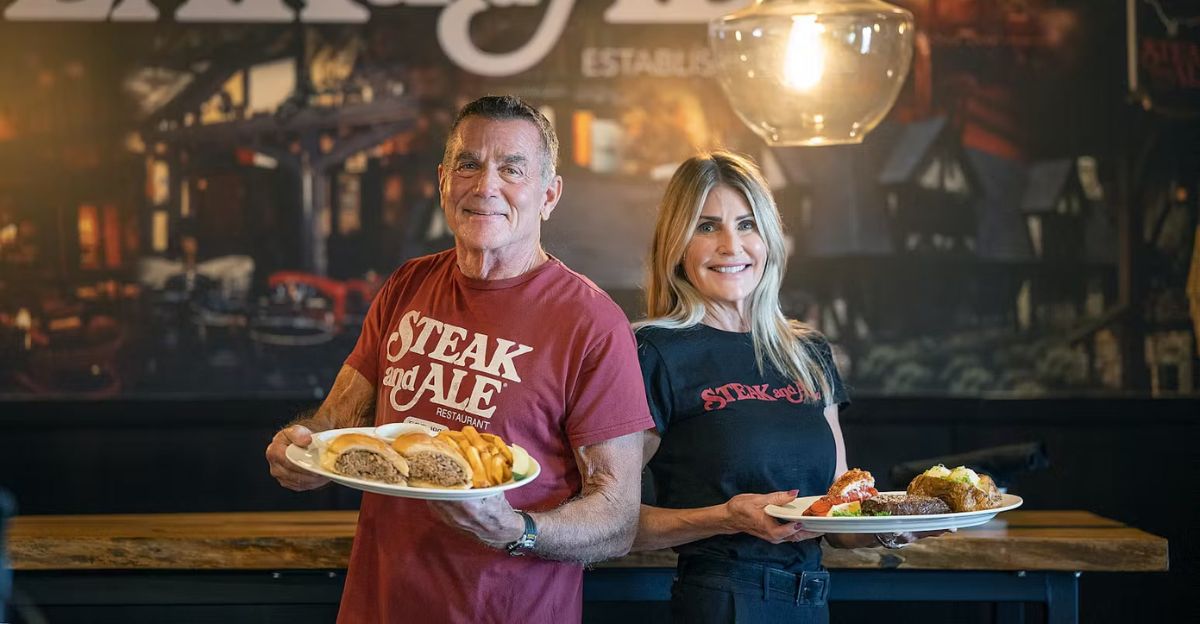
The new Steak and Ale opens into a vastly more competitive and costly restaurant landscape than the one it left behind. National projections show food service sales climbing into the trillions, but so many operators are chasing those dollars that competition for both guests and workers is intense. Labor shortages mean restaurants must work harder to hire and retain staff who can deliver consistent hospitality. At the same time, inflation has pushed up the cost of ingredients, especially beef, along with wages and utilities, forcing many operators to raise menu prices. For a chain remembered for affordable steak dinners, there is a risk that higher checks will clash with customer memories of past value. The Burnsville restaurant must prove it can balance those realities, delivering a memorable experience while maintaining margins and supporting an ambitious 15-unit development plan already in place with a Midwest franchise partner. Success would not erase the thousands of jobs lost in 2008, but expanding from this single site could create hundreds of new roles, signaling that the brand’s second act is more than a brief return.