For over 150 years, our oceans have been doing us an enormous favor. More than 90 percent of extra heat from greenhouse gases has been trapped underwater instead of warming our air. Scientists call this nature’s safety valve, a temporary break from the worst effects of climate change.
But new research from Germany’s GEOMAR research center reveals something troubling, that deep beneath Antarctica, a massive heat storage tank is building up. One day, this hidden heat might release all at once, sending temperatures soaring again.
The Southern Ocean Holds Almost Everything
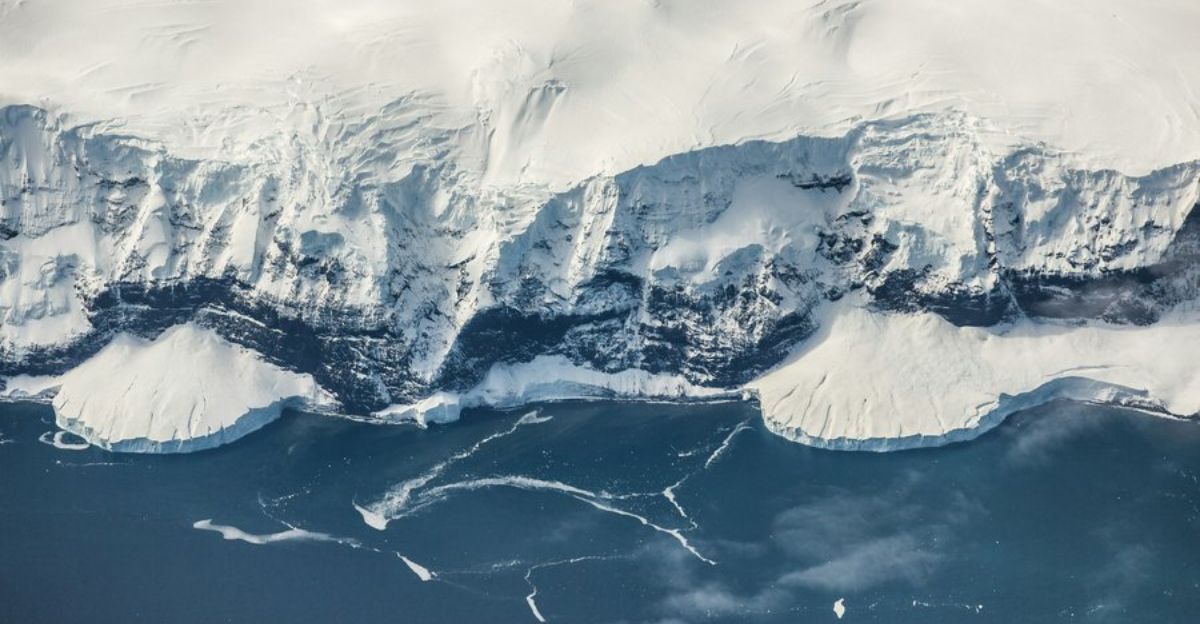
While all oceans absorb warmth, one area dominates: the Southern Ocean surrounding Antarctica holds roughly 80 percent of all heat absorbed by Earth’s oceans. Think about that, one region stores four times more heat than the Atlantic, Pacific, and Indian Oceans combined.
This concentration exists because of unique ocean patterns, sea ice behavior, and the region’s distance from pollutants that reflect sunlight in the Northern Hemisphere. The Southern Ocean’s dominance matters for everyone on Earth. Its behavior will determine how long we experience climate disruption, even after we stop burning fossil fuels. What happens in Antarctica doesn’t stay in Antarctica.
How We Turned the Ocean Into a Furnace
The story started around 1850. Coal-powered factories and steam engines began pumping greenhouse gases into the atmosphere, and the climate began to change. Before industrialization, the Southern Ocean naturally released accumulated heat through upwelling, cold water rose from the depths, warmed at the surface, and released that heat to space.
But as air temperatures climbed, this natural release mechanism broke down. The ocean couldn’t shed heat efficiently anymore. Instead, warmth piled up in deeper layers, where it got trapped for hundreds of years.
When Heat Gets Trapped, Pressure Builds
Ocean water naturally divides into layers wherde warm, light water floats on top and cold, heavy water sinks below. This arrangement normally allows heat to move around and escape. But warming changes everything. As the surface heats up and freshwater from melting ice dilutes the top layers, something crucial happens, the barrier between warm surface and cold depths becomes much stronger.
Heat from above can’t mix downward as easily. Instead, deep water continues absorbing warmth, creating a giant temperature difference between layers. Scientists describe this situation as a tightly wound spring, pressure mounting silently year after year. The deeper the heat penetrates, the longer it stays trapped. And the bigger the temperature gap becomes, the more violently those layers will mix if that barrier ever breaks.
The Thermal Burp
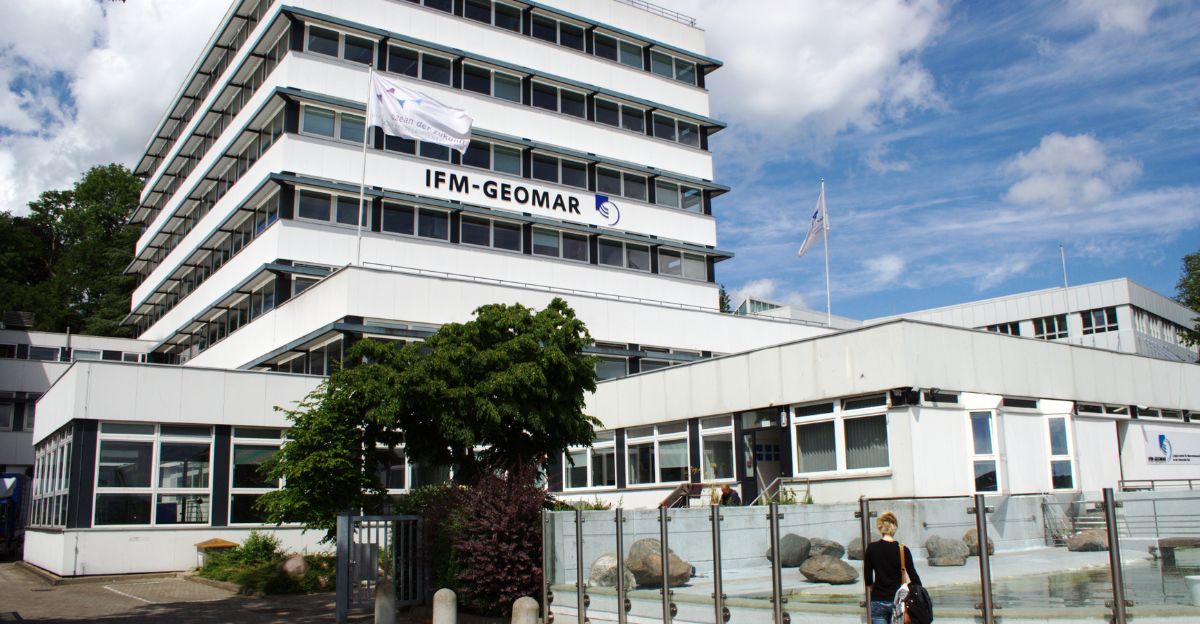
Here’s the central finding from GEOMAR, imagine humanity stops emitting carbon dioxide and even removes it from the air. Global temperatures fall and sea ice expands around Antarctica. As the surface becomes colder and saltier, salt gets left behind when seawater freezes, something dramatic happens.
This denser surface water sinks rapidly, pulling warm water from the depths upward in a sudden mixing event. In GEOMAR’s computer models, this thermal burp releases massive quantities of stored heat back into the air. Shockingly, this warming continues for at least a century, even though humanity has stopped emitting. The event is sudden, powerful, and once it starts, it cannot be stopped.
One Hundred More Years of Warming

During this thermal burp, global temperatures would rise at the same rate we see today, roughly 0.15 to 0.20 degrees Celsius per decade. That means an entire century of renewed warming happening automatically, affecting every plant, animal, and human on Earth. Coral reefs already damaged by heat would face another hundred years of bleaching.
Farming zones would shift again. Sea levels would keep rising. Frozen ground would thaw further. Multiple generations would experience warming they didn’t cause, from a source they cannot control.
Antarctica’s Amplified Power
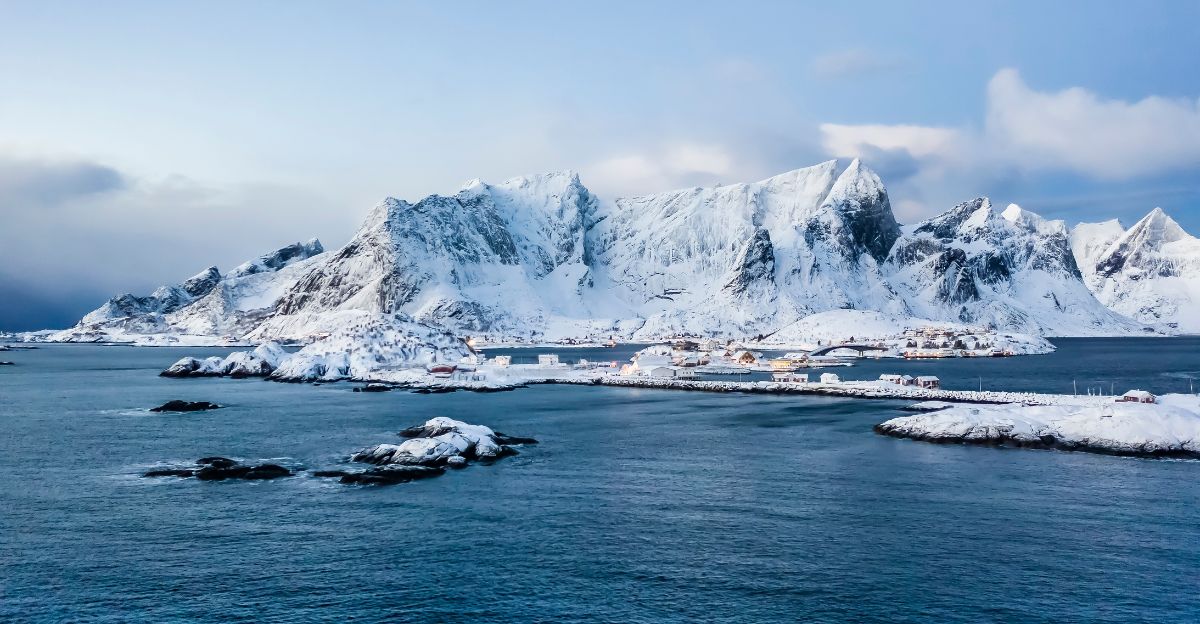
Antarctica amplifies climate signals more than almost anywhere else on Earth. As the Southern Ocean cools in GEOMAR’s model, sea ice expands and concentrates salt in nearby waters. This saltier, colder water becomes heavier than the warm water below, creating an unstable situation.
When density inversion occurs, the entire water column can flip upside down in what oceanographers call convection. It’s not gradual mixing, it’s a rapid, violent reorganization. Warm water isolated for centuries suddenly rushes to the surface. Once this process begins, it continues for decades or longer until temperature balance is restored.
How Scientists Know This Could Happen
GEOMAR researchers used a sophisticated computer model called UVic v. 2.9, developed at the University of Victoria. This model connects ocean circulation, sea ice behavior, land vegetation, and atmosphere. What makes it special is its ability to simulate hundreds or thousands of years of climate change, something high-resolution computers cannot do.
Researchers ran an idealized but realistic scenario that atmospheric CO₂ rises for 70 years, then declines through carbon removal technology. The model consistently produced a Southern Ocean thermal burp lasting decades to a century. Multiple test runs with different settings all showed the same pattern. This consistency suggests the mechanism is physically real, not a computer quirk.
The Carbon Dioxide Stays Put (For Now)
While heat releases in a dramatic burst, carbon dioxide does not. Ocean chemistry keeps most CO₂ dissolved beneath the surface through buffering mechanisms, nature’s way of storing excess carbon. This is fortunate. If the Southern Ocean released both stored heat and stored carbon simultaneously, warming would accelerate catastrophically and become unstoppable.
Instead, only the thermal energy escapes. The carbon remains trapped, at least for now. This distinction matters for climate planning: the thermal burp scenario shows that even with the energy release, global temperatures stay lower than if emissions had continued.
Three to Four Generations Face Unexpected Warming
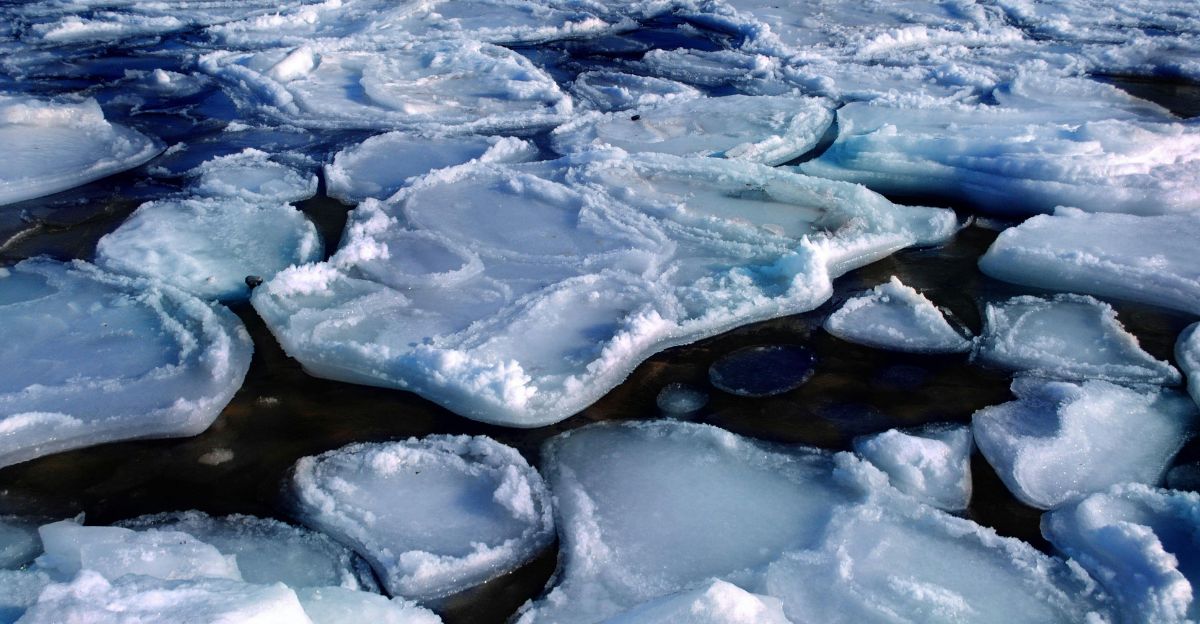
A century-long thermal burp isn’t just a number on a climate chart, it’s lived human experience spanning three to four lifetimes. A child born today would reach 100 years old as the burp finally subsided. Their grandchildren would inherit a warming world they never caused. Farms adapted for post-burp conditions would face new stress.
Infrastructure designed for stable climate would need rebuilding. Ecosystems would experience whiplash: first cooling, then heating again. The emotional weight matters too. Imagine believing climate change is solved, then watching it restart before your eyes.
This Is One Possibility, Not a Guarantee

Scientists emphasize that the thermal burp is a plausible modeled outcome, not a certain prediction. The scenario assumes rapid, sustained shifts to net-negative emissions, currently unrealistic given political and economic constraints. Real-world pathways will be messier and slower.
The model also omits processes like ice sheet collapse, which could alter ocean circulation unpredictably. Natural cycles could dampen or strengthen the effect. Different climate models might produce different timings or intensities. Uncertainty is built into all climate projections. But the fact that respected scientists can construct realistic scenarios producing century-long thermal burps means we must take the possibility seriously.
Cut Emissions Today
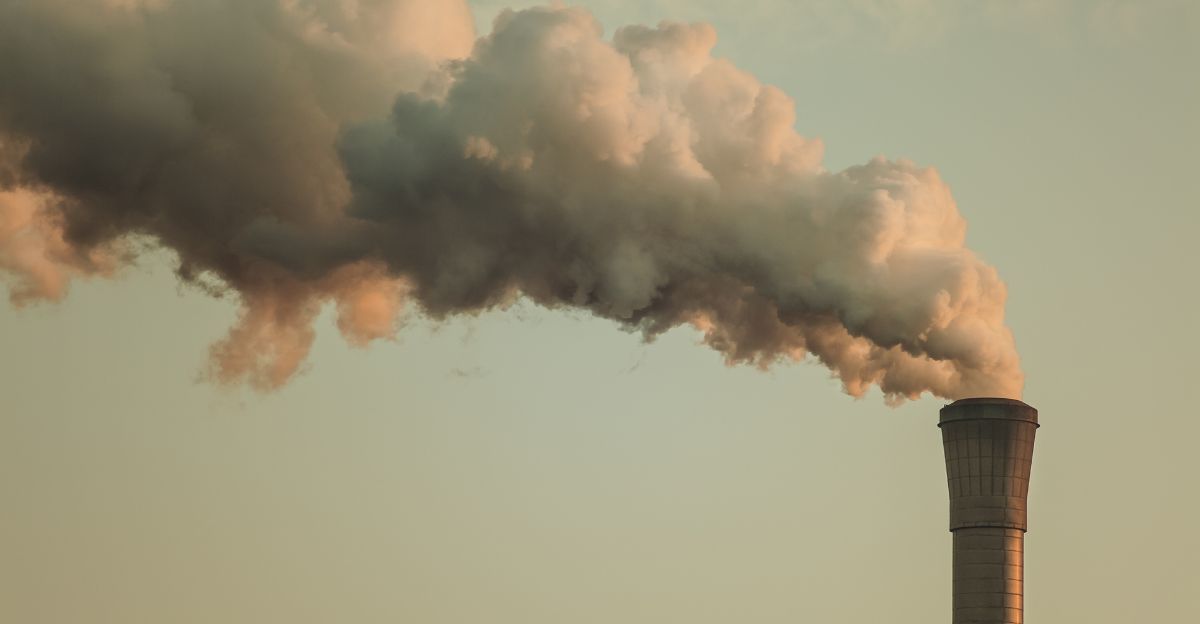
GEOMAR’s core message is direct: reduce CO₂ emissions now, aggressively, and completely. The less carbon dioxide humanity emits, the less heat accumulates in the ocean, and the weaker any future thermal burp will be. This isn’t an argument for waiting or accepting inevitable warming. It’s an argument for urgency.
Every ton of CO₂ avoided today is heat that won’t burden future generations. Ivy Frenger, lead author of the GEOMAR study said, “The most important step right now is to reduce current CO₂ emissions to net zero, in order to avoid a further perturbation to the climate system.” Prevention through emissions reduction remains the most reliable, cost-effective strategy for protecting future generations.
Monitoring the Southern Ocean Is Critical
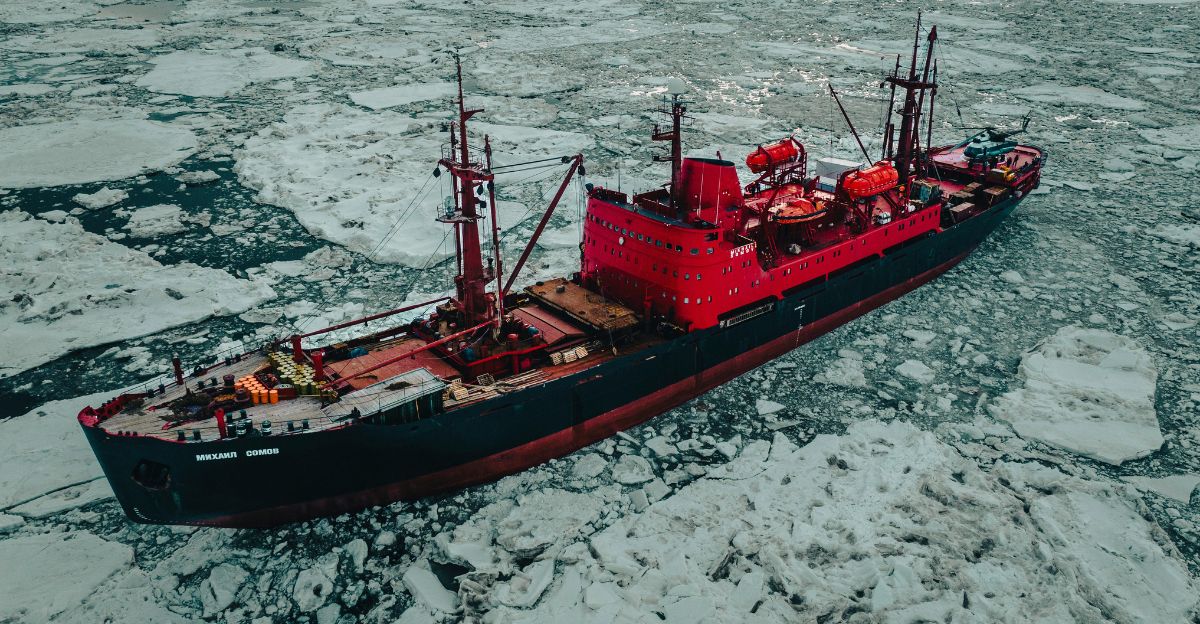
The Southern Ocean remains one of Earth’s least-studied regions. Extreme weather, isolation, and logistics challenges mean scientists know less about this area than the Atlantic or Pacific. Yet this region holds the key to long-term climate stability. GEOMAR researchers advocate for expanded monitoring to track temperature, salinity, circulation, and sea ice continuously.
Early detection of changes in deep convection patterns could provide decades of warning before a thermal burp occurs. Understanding natural variation in the Southern Ocean is equally important: scientists must distinguish human-caused changes from background fluctuations. This requires decades of high-quality data. Investment in Southern Ocean science isn’t optional, it’s the foundation for informed global climate policy and planning for the next century.
We Must Plan for Centuries, Not Just Decades
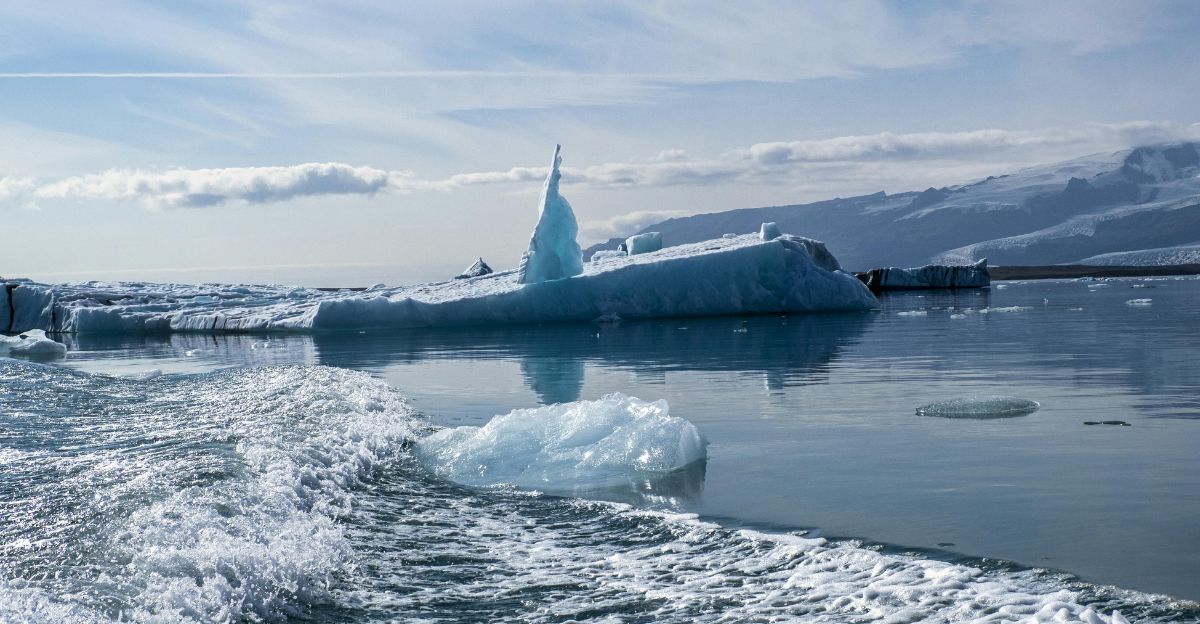
Traditional climate plans focus on 2050 or 2100. The thermal burp demands thinking in centuries. This requires new frameworks for fairness between generations, long-term infrastructure planning, and strategies that adapt over time. Governments must design policies accounting for ocean memory, the reality that today’s emissions influence climate for hundreds of years.
International agreements must commit to sustained emissions reductions, not just quick fixes. Adaptation plans must expect renewed warming even after we succeed at mitigation. The ocean’s vast capacity to store heat means humanity’s climate choices today will echo through the lives of people not yet born.
Fixing Climate Could Create New Problems
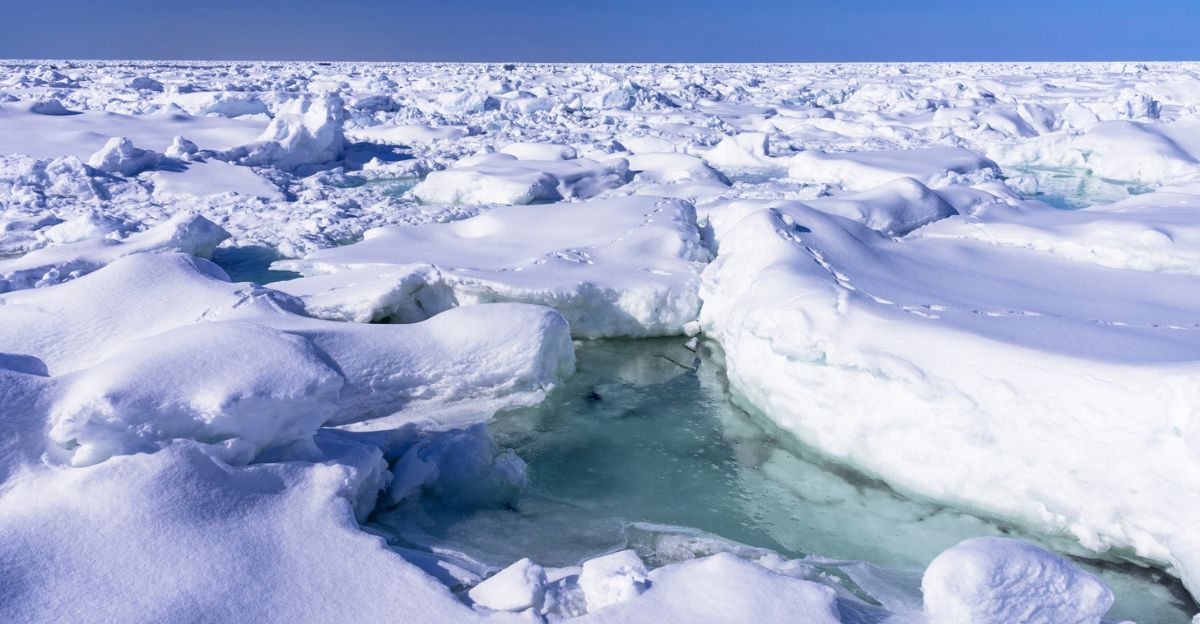
GEOMAR’s research reveals a paradox at the heart of climate science: success at reducing emissions may not guarantee climate stability. The ocean’s thermal memory means aggressive mitigation could be followed by renewed warming from stored heat. This isn’t an argument against cutting emissions, it’s an argument for doing it faster and more completely.
The thermal burp scenario also highlights how much remains unknown about Earth system responses to rapid cooling. The Southern Ocean will continue absorbing heat as long as the atmosphere remains warm. But when humanity finally stops adding new heat, the ocean may release what it has stored. We don’t face a simple choice anymore. Our task is protecting both present and future generations from climate disruption, including disruption we didn’t intend to create.
Sources:
Gadgets360 – Southern Ocean heat release study
GEOMAR Helmholtz Centre for Ocean Research
LiveScience – Southern Ocean “thermal burp” article
idw – GEOMAR press release on Southern Ocean heat reservoir
Times of India – Southern Ocean hidden heat “burp”