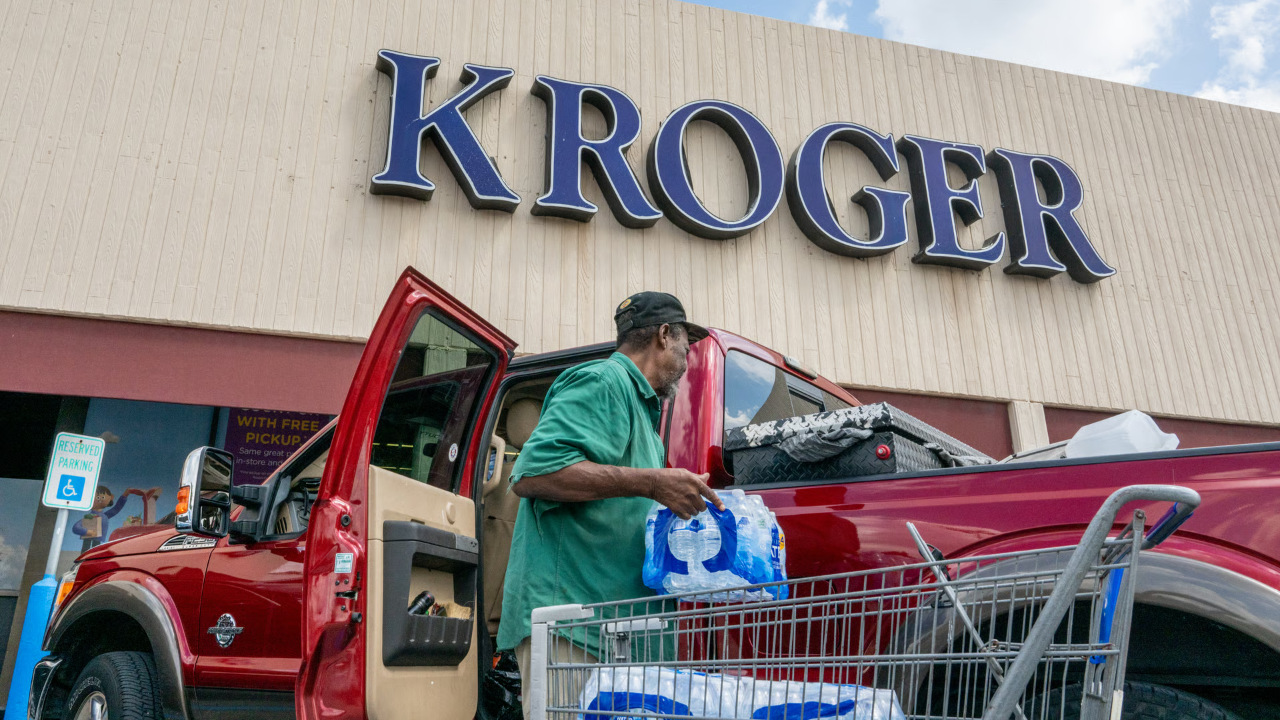
A mother in Columbus, Ohio, bought Cheerios marked at a sale price. The register rang up $4.89—not the $2.99 promised on the yellowed shelf tag, which had expired three months prior. She was overcharged $1.90. Then Nescafé coffee: another $2.30 overcharge.
Consumer Reports discovered over 150 pricing errors at 26 Kroger locations across 14 states, resulting in customers being systematically overcharged by 18.4 percent per item. This pricing crisis became the opening act to Kroger’s catastrophic December 2024.
The Deal That Never Was

On December 10, 2024, the courts issued twin rejections of the Kroger-Albertsons consolidation. U.S. District Judge Adrienne Nelson in Oregon granted the FTC’s preliminary injunction while Washington’s King County Superior Court Judge Marshall Ferguson issued separate blocking orders simultaneously.
The merger would have created a supermarket colossus with 5,000+ stores across 48 states and 700,000 employees.
The FTC’s Damaging Case: Executives Admitting the Obvious
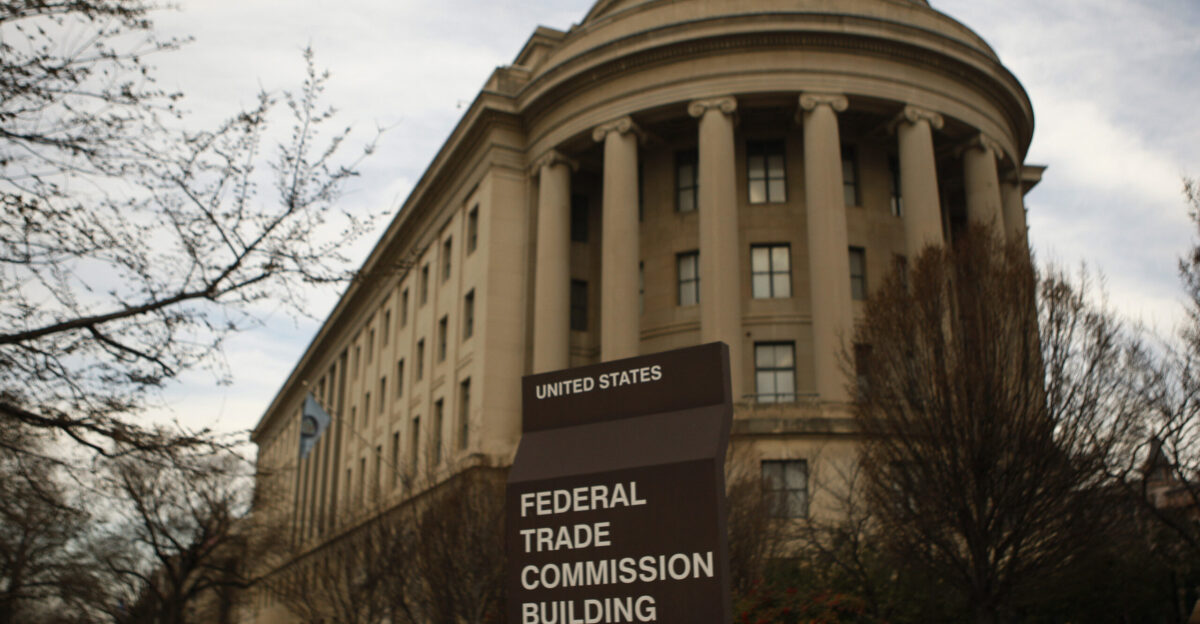
The Federal Trade Commission filed an antitrust lawsuit in February 2024, arguing the merger would “eliminate fierce competition between Kroger and Albertsons, leading to higher prices for groceries.” Real damage came from Kroger’s own executives.
Discovery revealed a candid admission: one executive acknowledged that the merger would create “basically a monopoly in grocery.”
The Divestiture Plan That Wasn’t Enough
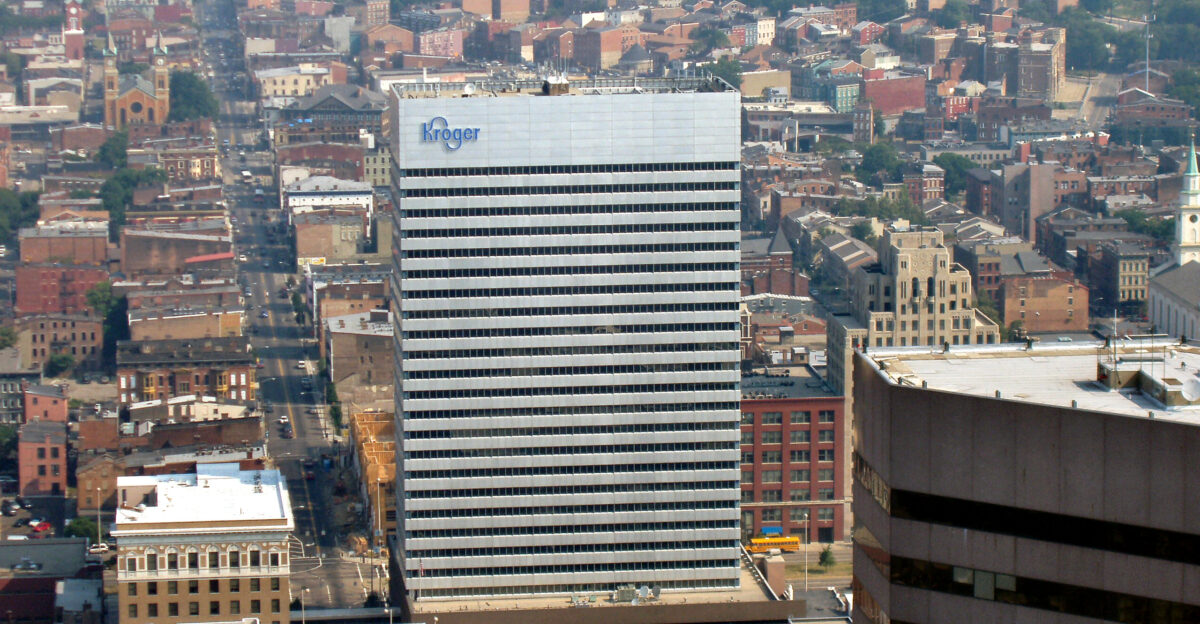
Kroger proposed selling 579 stores to C&S Wholesale Grocers, a New Hampshire supplier operating just 23 supermarkets and one pharmacy nationwide. FTC rejected the remedy as inadequate, calling it “a hodgepodge of unconnected stores, banners, brands, and other assets.”
Judge Nelson expressed skepticism that C&S—with minimal supermarket experience—could “compete effectively” against the combined Kroger-Albertsons entity.
Over 150 Systematic Overcharges Across 14 States
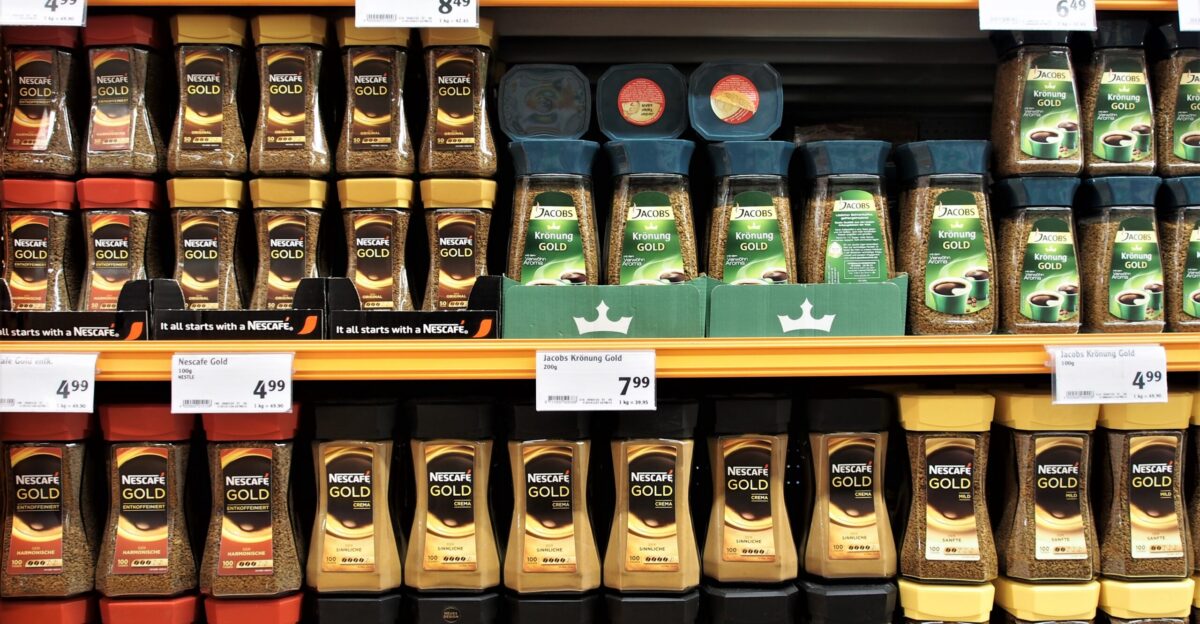
Consumer Reports, The Guardian, and Food & Environment Reporting Network jointly released findings in May 2025 that transformed Kroger’s reputation crisis. Investigators documented systematic overcharging caused by expired sale tags remaining on shelves weeks or months beyond promotion end dates.
Affected household staples: Cheerios cereal, Nescafé instant coffee, Mucinex medication, boneless beef, salmon, and dog food—items essential to household budgets. Ohio’s attorney general received nearly 60 price-related complaints at Kroger stores since 2021.
Understaffing as Root Cause: Employee Testimony
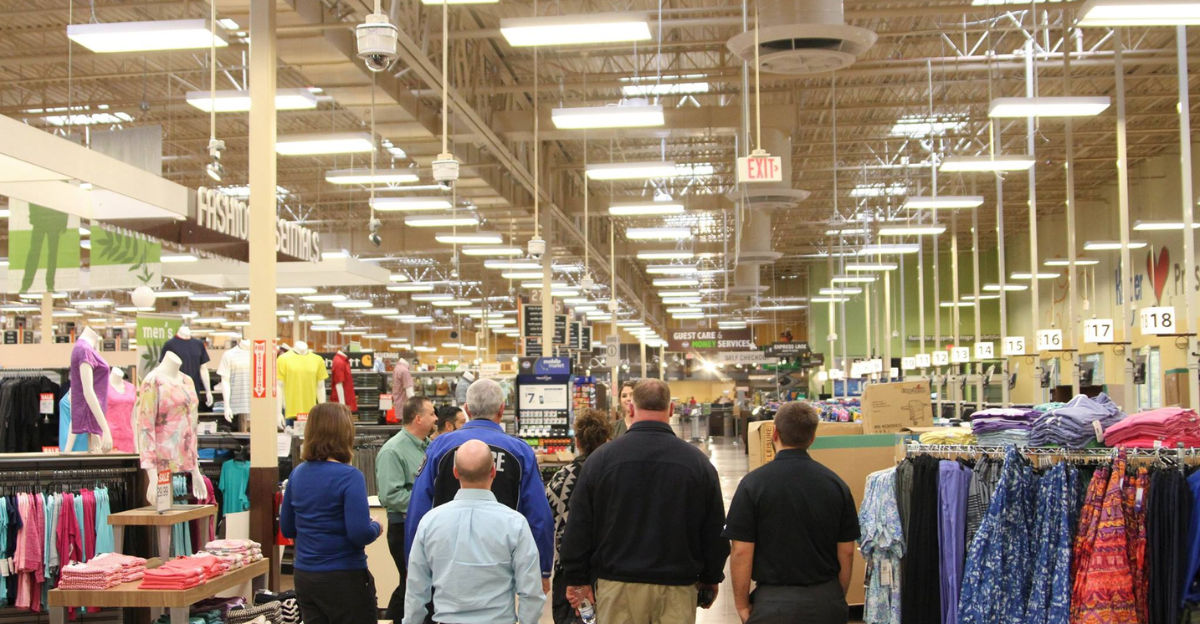
Kroger employees, particularly those in Colorado, engaged in labor negotiations, directly attributed pricing execution failures to chronic understaffing. Consumer Reports investigator Derek Kravitz explained: “There are simply not enough employees to manually switch price tags because some stores have tens of thousands of tags hanging simultaneously.”
Store associates reported a single Kroger location might manage 40,000 individual price tags, making manual updates labor-intensive without adequate personnel.
Class Action Lawsuits in Four States
Multiple class-action lawsuits alleging systematic pricing errors were filed by affected customers in California, Illinois, Ohio, and Utah. Each lawsuit claimed Kroger violated state consumer protection statutes by failing to implement adequate price-checking procedures or train employees sufficiently.
While Kroger implemented the “Make It Right” policy, granting employees the authority to resolve problems on the spot, this reactive approach acknowledged the scope of the problem.
Senators Warren and Casey Sound the Alarm on Surge Pricing
August 2024, Democratic Senators Elizabeth Warren and Bob Casey sent a formal letter to CEO Rodney McMullen expressing concern about Kroger’s electronic shelf labels (EDGE Shelf technology) enabling “surge pricing” similar to airline yield management. Senators warned that “widespread adoption of digital price tags appears poised to enable large grocery stores to squeeze consumers to increase profits” by pricing goods based on real-time demand.
Their letter referenced research showing price volatility in other industries, suggesting that grocery stores could follow suit.
Facial Recognition Allegations Escalate Concerns

In October 2024, Representative Rashida Tlaib escalated concerns beyond algorithmic pricing to surveillance technology integration. Tlaib accused Kroger of planning facial recognition software integration with EDGE displays to build customer demographic profiles and implement discriminatory pricing based on gender, age, and potentially race.
“Surge pricing on essential goods in areas with fewer grocery stores would create disparate impacts on low-income and minority communities,” Tlaib warned.
Kroger’s Categorical Denials
Kroger responded with emphatic denials: “Kroger does not and has never engaged in ‘surge pricing.’ Any test of electronic shelf tags is designed to lower prices for more customers where it matters most.” The company clarified that the prices displayed on digital labels were unrelated to facial recognition technology.
However, these categorical denials—while legally accurate—failed to restore consumer confidence given simultaneous revelations about systematic overcharging.
Leadership Collapse: CEO Resignation Amid Investigation
McMullen’s Abrupt Departure in March 2025
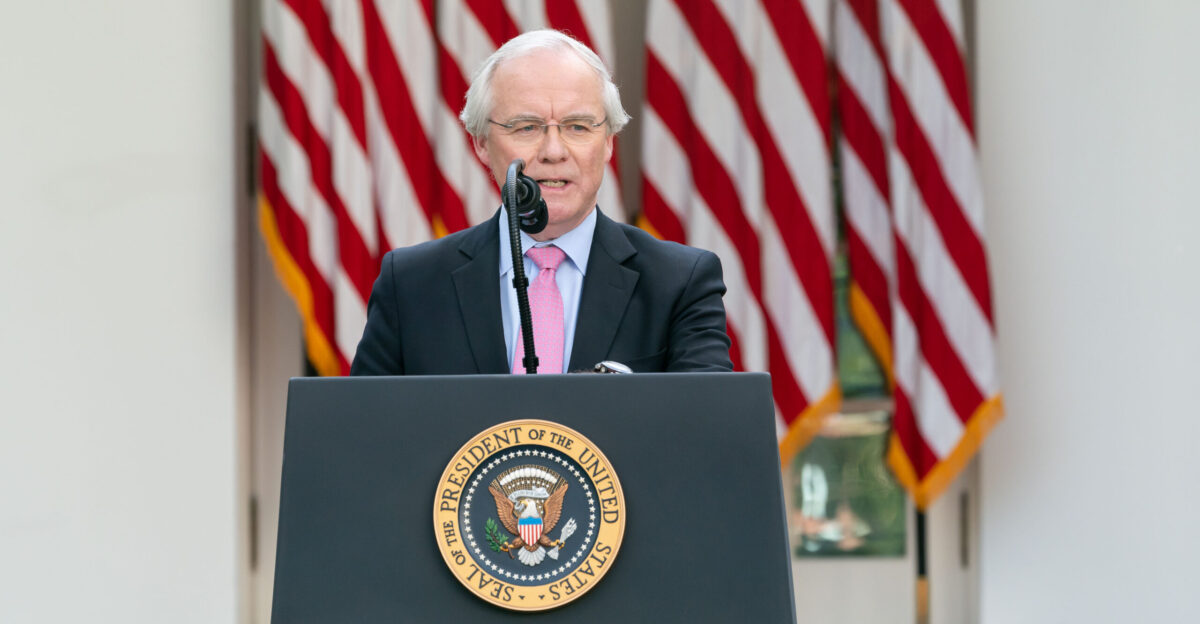
March 3, 2025, Rodney McMullen, Kroger’s leader since 2014, who championed the Albertsons merger as a competitive necessity, unexpectedly resigned following a board investigation into his personal conduct. The company clarified misconduct was “not related to the company’s financial performance, operations, or reporting, and did not involve any Kroger associates,” but violated “Kroger’s Policy on Business Ethics.”
McMullen’s departure during the company’s most turbulent period—facing lawsuits, regulatory scrutiny, and strategic uncertainty—created leadership instability.
Ron Sargent Steps In: Experience Amid Uncertainty

The Kroger board appointed Ron Sargent, former CEO of Staples and the company’s lead independent director, as interim chairman and CEO. Sargent’s $4.35 million annualized base salary reflected the board’s attempt to retain experienced leadership during turbulent times.
Sargent brought retail transformation experience, though the Staples-to-Office Depot transition represents a cautionary tale about declining retail segments. The board initiated a nationwide search for a permanent CEO successor; however, the interim status symbolizes leadership instability, particularly when strategic clarity and operational excellence are paramount.
The Ocado Pivot: From Automation Dreams to Hybrid Reality

Kroger’s expensive Ocado partnership, announced in 2018 with plans for 20 automated customer fulfillment centers, underwent significant strategic revision in December 2024. The company abruptly cancelled planned Ocado warehouses in Charlotte, North Carolina, and several other locations.
CFO David John Kennerley explained the new direction: “We’re evolving a hybrid fulfillment model using automated fulfillment in geographies where customer demand supports it and leveraging store-based fulfillment through pickup and third-party delivery partners.”
Financial Resilience Masks Underlying Challenges
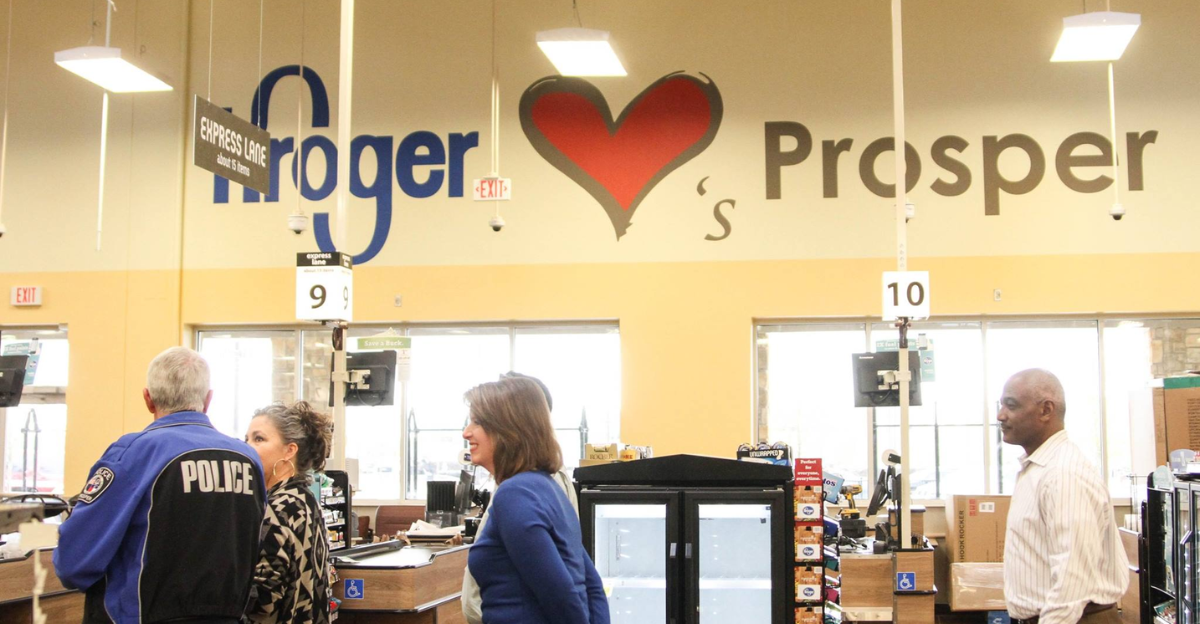
Kroger’s third-quarter 2024 results demonstrated modest resilience, with identical sales excluding fuel increasing 2.3 percent, and adjusted earnings per share reaching $0.98. However, the company narrowed its full-year guidance, projecting identical sales growth of 1.20 to 1.50 percent, signaling management’s caution about the future performance trajectory.
Despite financial gains, pricing overcharge lawsuits, merger complications, leadership uncertainty, and strategic reversals weigh heavily on investor sentiment.
Albertsons Strikes Back: Billion-Dollar Litigation

December 10 court ruling prompted Albertson’s immediate merger agreement termination and Delaware lawsuit against Kroger for willful breach of contract and covenant breach. Albertsons alleged Kroger “repeatedly refused to divest assets necessary for antitrust approval, ignoring regulators’ feedback, rejecting stronger divestiture buyers and failing to cooperate.”
The company seeks billions in compensation for shareholders denied the acquisition premium and Albertsons itself for business harm during the extended regulatory battle. Albertsons remains entitled to a $600 million termination fee.
Walmart Emerges as the Merger Collapse’s Primary Beneficiary
Blocked consolidation leaves both Albertsons and Kroger vulnerable to intensified competition from Walmart, Costco, and Amazon, who emerge as unambiguous beneficiaries. eMarketer analyst Blake Droesch noted: “Walmart, Costco, and other grocery behemoths emerge as clear beneficiaries. Merger would have established a significant Walmart competitor, but without it, Walmart continues dominating.”
Without Kroger’s consolidation, Walmart maintains pricing power and scale advantages in increasingly competitive grocery markets. Both companies announced significant shareholder returns, attempting to reassure investors: increased quarterly dividends and multi-billion-dollar share buyback programs.
The FTC’s Landmark Victory: Signaling Aggressive Enforcement
The successful Kroger-Albertsons merger blockade represents a watershed moment for FTC Chair Lina Khan’s antitrust enforcement agenda under the Biden administration. This marked the first FTC litigated action alleging proposed deal would illegally harm labor market competition, potentially worsening wages and benefits for hundreds of thousands of grocery workers.
Chair Khan’s post-victory statement emphasized: “FTC, along with state partners, scored a major victory for the American people, successfully blocking Kroger’s Albertsons acquisition.”
Breaking Ground on Protecting Union Workers
The Kroger-Albertsons case marked a historic turning point centering worker protections alongside consumer welfare in antitrust enforcement. FTC argued both companies competed fiercely for union grocery labor, with roughly 700,000 combined employees, predominantly United Food and Commercial Workers union members.
Judge Nelson explicitly found “with only one union employer in many markets, defendants would be relatively stronger, and union grocery workers relatively weaker, bargaining position.” The FTC documented instances of management monitoring each other’s labor negotiations, strategically matching wage offers, and retaining talent.
Kroger’s Strategic Pivot: Back-to-Basics Grocery Focus
Following the merger’s collapse and the CEO transition, interim CEO Ron Sargent repositioned Kroger around three strategic imperatives: restoring core grocery competency, investing in fresh-led store experiences, and empowering local divisions to drive customer-centric innovation. First-quarter fiscal 2025, Kroger reported $45.3 billion in total company sales excluding fuel, identical sales growth of 3.2 percent, and digital sales surging 15 percent year-over-year.
CFO Kennerley emphasized that Kroger delivers groceries under two hours from 97 percent of its stores through Instacart partnerships, leveraging its physical store network as an asset.
Kroger at the Crossroads
Kroger stands at a critical inflection point, confronting convergent existential challenges: pricing scandals eroding consumer trust, a blocked mega-merger eliminating growth prospects, leadership uncertainty following the CEO’s resignation, aggressive competitors exploiting the distraction, and strategic reversals suggesting a confused direction.
The company must simultaneously address pricing execution failures, restore consumer confidence, defend against multiple lawsuits, chart sustainable growth without relying on merger synergies, and retain institutional knowledge during a leadership transition.
Sources:
“Federal Trade Commission Challenges Kroger’s Acquisition of Albertsons,” Federal Trade Commission Press Release, February 26, 2024.
“Federal Judge Blocks $25 Billion Kroger-Albertsons Merger,” The New York Times, December 10, 2024.
“Kroger Stores Overcharging Shoppers on Sale Items,” Consumer Reports, May 2025.
“Investigation Finds Kroger Overcharging on Sale Items,” USA Today, May 20, 2025.
“Albertsons Files Lawsuit Against Kroger for Breach of Contract,” Albertsons Companies Press Release, December 10, 2024.
“Kroger Reports Third Quarter 2024 Results and Narrows Guidance Range,” Kroger Investor Relations, December 4, 2024.