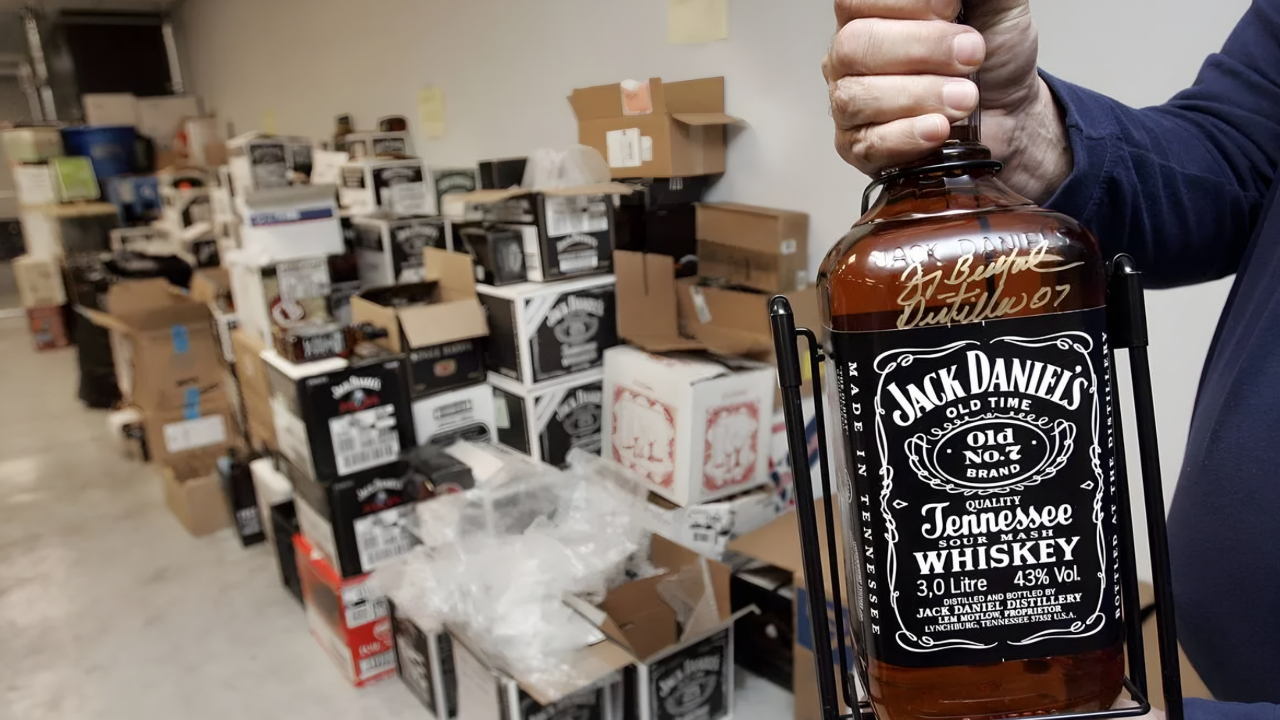
Jack Daniel’s is making waves in the spirits industry with the return of its Old No. 7 Tennessee Whiskey in a 3-liter bottle—a size not seen on U.S. shelves since before Prohibition. This bold reintroduction comes at a time of shifting consumer habits, regulatory changes, and mounting pressures within the whiskey market. The move is more than a nostalgic nod; it signals a strategic bet on the future of large-format spirits in America.
A Century-Old Format Returns
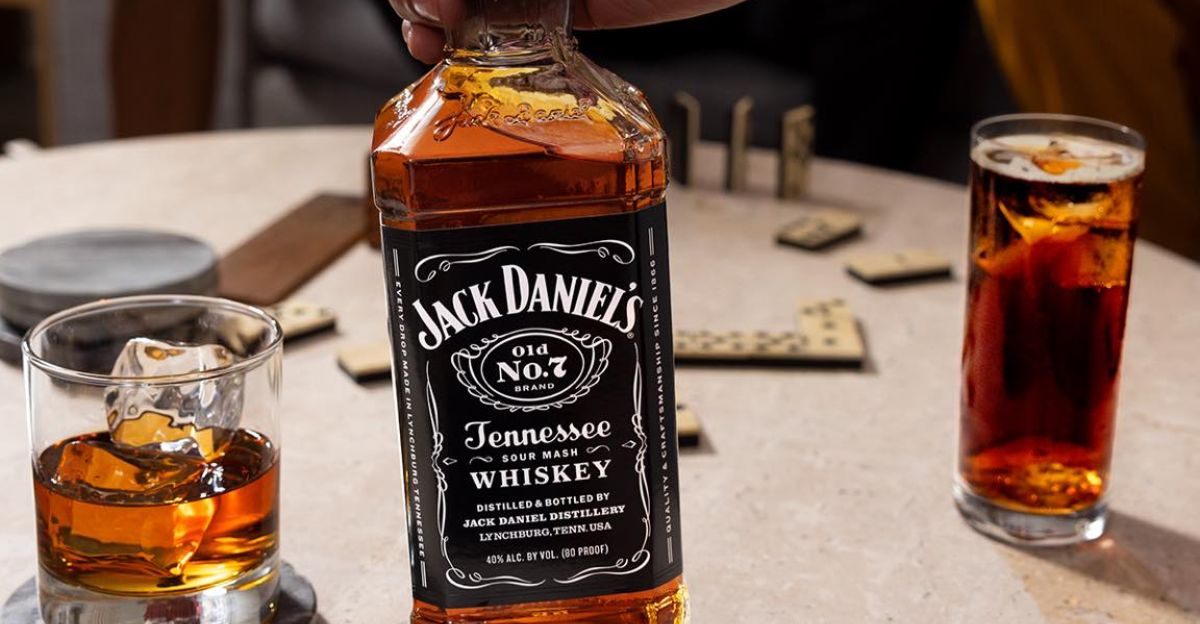
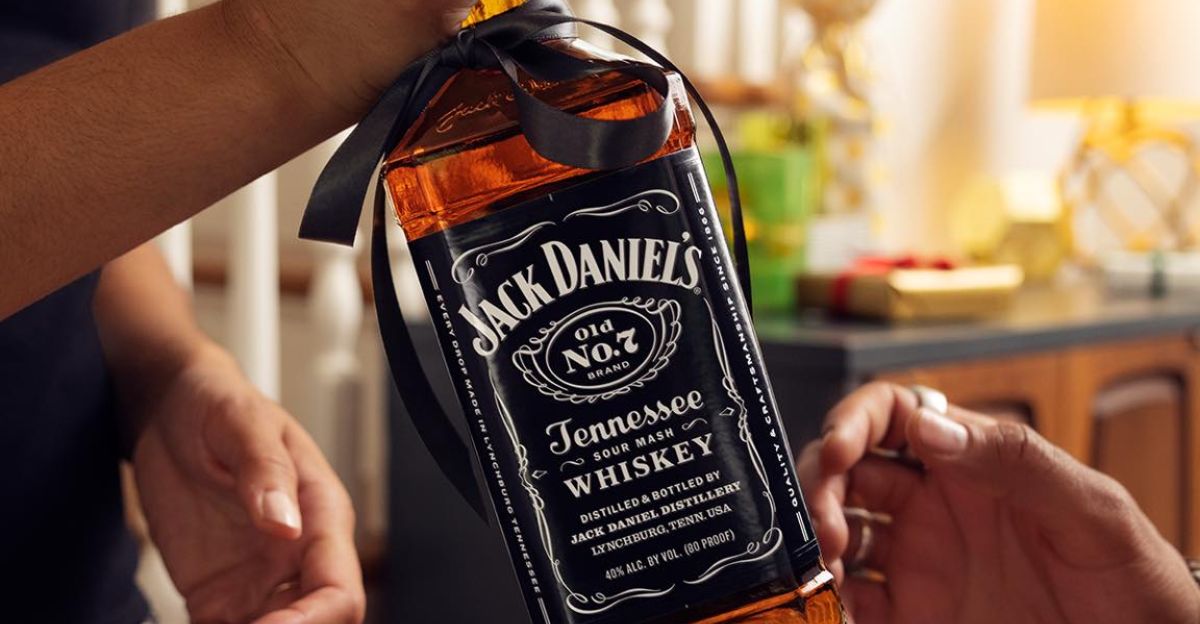
For the first time in over a hundred years, Jack Daniel’s is offering its flagship whiskey in a 3-liter bottle in the United States. The new format, equivalent to four standard 750ml bottles, is priced at $79.99 and is now a permanent addition to the brand’s lineup. The last time American consumers could purchase this size was before the onset of Prohibition in 1920, an era that forced distilleries nationwide to halt or radically alter their operations. Jack Daniel’s, based in Lynchburg, Tennessee, survived those years through creative adaptation, and today, the distillery remains a major tourist attraction—even though Moore County itself is still a dry county.
The return of the 3-liter bottle is made possible by a recent federal rule change. On January 10, 2025, the Alcohol and Tobacco Tax and Trade Bureau (TTB) expanded the list of legal container sizes for distilled spirits, adding 15 new options ranging from 187ml to 3.75 liters. This regulatory shift aligns U.S. standards with international norms and gives distillers new flexibility to innovate with packaging.
Regulatory Patchwork and State Restrictions
Despite federal approval, the launch of the 3-liter bottle has not been smooth nationwide. Some states have restrictions that may limit its sale due to existing container size laws. The fragmented nature of U.S. alcohol regulation means each state maintains independent authority over the sale and distribution of beverage alcohol. Where restrictions exist, state officials cite reasons ranging from public health concerns to existing container size limits. The result is a patchwork market, with retailers in affected states facing competitive disadvantages and potential revenue losses as customers cross state lines to purchase the new format.
Retailers near state borders are particularly affected, as they watch potential sales slip away to neighboring jurisdictions. Some store owners have voiced frustration with the inconsistent approach, arguing that federal approval should be sufficient for nationwide access.
Industry Pressures and Market Dynamics
Jack Daniel’s reintroduction of the 3-liter bottle comes amid significant challenges for the American whiskey industry. After years of booming production, the sector is now grappling with a supply glut. Kentucky alone reported a record 16.1 million aging barrels as of January 2025, while whiskey production from January to April 2025 dropped 28% compared to the previous year. Exports have also declined, with American whiskey shipments falling more than 13% through mid-2025.
These pressures have prompted distillers to seek new ways to move inventory and attract consumers. Larger bottles offer a value proposition for both collectors and high-volume buyers, such as bars and restaurants. The 3-liter format is being marketed as ideal for holiday gatherings and gift-giving, with the launch strategically timed for the holiday season.
Competitors and Industry Trends
Jack Daniel’s move is being closely watched by other major whiskey brands. The new federal regulations allow all distillers to experiment with larger formats, and industry observers anticipate that competitors may soon follow with their own large-bottle offerings. Some brands are already exploring 1.5-liter and 2-liter sizes, and warehouse retailers have expressed strong interest in stocking bigger bottles.
The permanent addition of the 3-liter bottle to Jack Daniel’s U.S. lineup—now available in eight sizes from 50ml to 3 liters—signals the brand’s confidence in sustained demand for large formats. The whiskey itself remains unchanged, maintaining its 80 proof specification and traditional mash bill.
Cultural Shifts and the Road Ahead
The rise of larger spirit bottles reflects broader cultural changes in how Americans consume alcohol. Communal gatherings and value-conscious purchasing are increasingly important, and the 3-liter bottle straddles both premium appeal and practical economics. Internationally, large-format bottles are common, and Jack Daniel’s has long sold 3-liter bottles abroad, especially in duty-free and travel retail channels. The U.S. launch brings domestic offerings in line with global standards and may enhance the brand’s prestige.
Looking forward, the success of Jack Daniel’s 3-liter comeback could shape packaging trends across the spirits industry. The coming months will test whether consumers embrace the larger format and whether states with restrictions reconsider their approach. For distillers, retailers, and regulators alike, the stakes are high as tradition, regulation, and market forces converge in a changing American whiskey landscape.