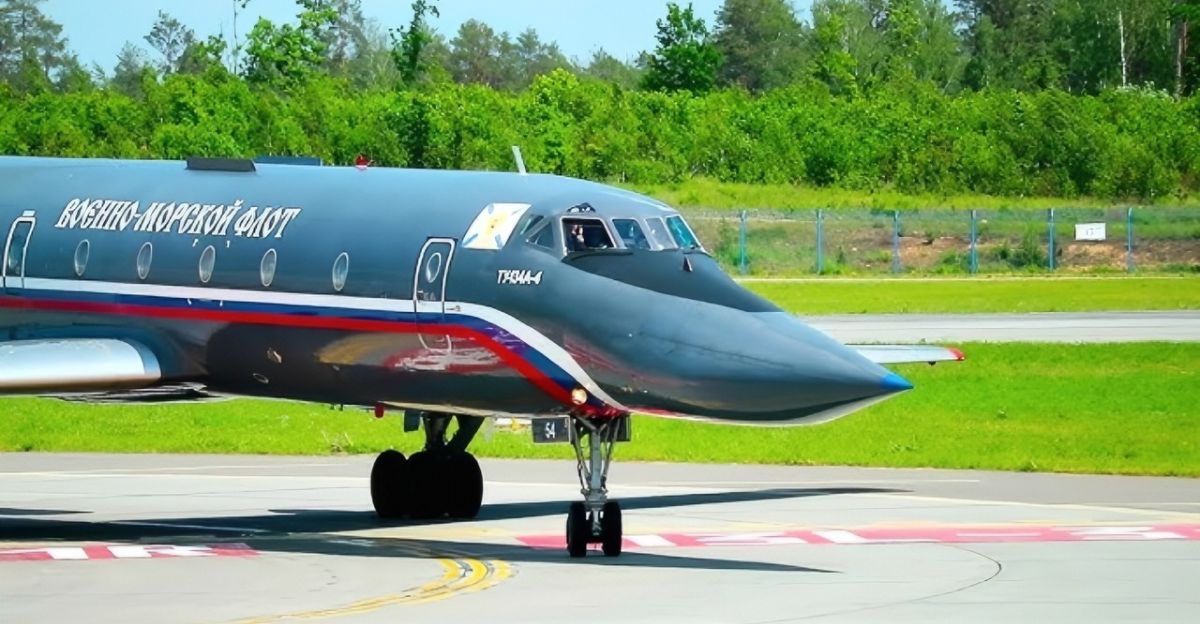
A sleek black aircraft, its sharp red stripes cutting through the Baltic Sea’s cold expanse, slices through the sky. The “Black Pearl,” as it’s known among Western analysts, is a rare sight. A modified Tupolev Tu-134A-4, it bears Russia’s military elite—VIPs, not soldiers. This moment is far from ordinary. The aircraft’s mission: a shadowy probe of NATO’s defenses.
The tension is palpable. A high-value asset is on the move. NATO’s radar is already alert, and a scramble is imminent. This rare incursion signifies something more than just a routine flight—it is a deliberate test. The Black Pearl’s sudden appearance in NATO’s controlled skies creates immediate tension, fueling both curiosity and concern.
Scramble Alert
Without warning, the Black Pearl crosses into NATO’s Baltic Air Policing zone, its transponder off, leaving no flight plan behind. Military radars across Estonia, Latvia, and Lithuania flicker to life, triggering NATO’s response protocol. Quick Reaction Alert pilots jump into action. The command is swift: identify, intercept, and escort.
Within minutes, ground crews at Ämari Air Base are prepared. This is no routine flight; it’s a test. As NATO’s response protocol springs into action, the stakes rise. This isn’t just a monitoring mission—it’s a direct challenge to NATO’s readiness and resolve. The anticipation of what comes next weighs heavily on both sides.
The Shield

Since 2004, NATO’s Baltic Air Policing mission has stood as a critical deterrent. With no combat aircraft of their own, Estonia, Latvia, and Lithuania rely on NATO fighters to defend their skies. The mission’s reach extends to approximately 6 million people across these three small nations, historically occupied by the Soviet Union.
In the face of Russian incursions, NATO remains vigilant, a constant presence in an increasingly tense region. As NATO has maintained its forward presence, the Baltic states have relied on this shield to deter further aggression. The mission has become a cornerstone of NATO’s defensive posture in Eastern Europe.
Rising Tempo
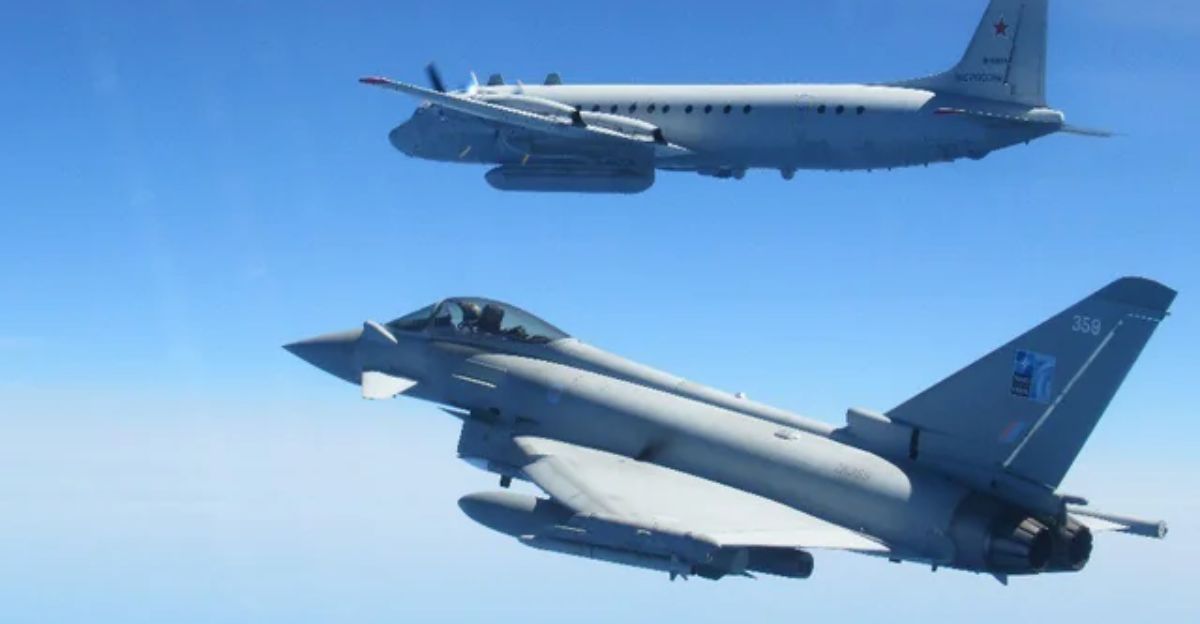
The frequency of NATO scrambles in the Baltic surged between 2024 and 2025, with Denmark setting a new record of 81 quick reaction activations in 2024. Russian aircraft regularly approach NATO airspace, often without transponders, testing NATO’s readiness. Surveillance flights and reconnaissance fighters—like the Tu-154M—circle the boundaries weekly.
Though these incursions don’t signal direct military threat, the pattern intensifies, building toward a fall escalation. This persistent pressure continues to test NATO’s reaction times. The growing number of incursions points to a strategy of persistent probing, seeking vulnerabilities and evaluating NATO’s responses under stress.
The Intercept

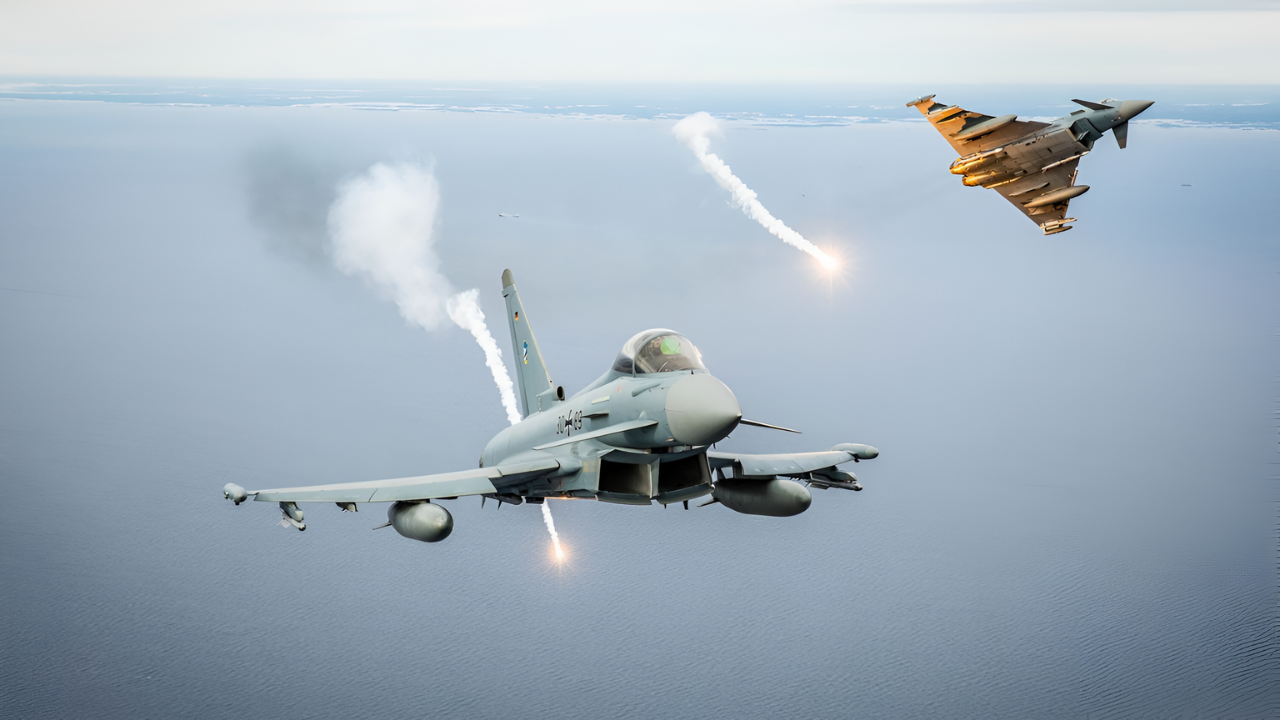
Between November 10–16, 2025, Italian Eurofighter Typhoons were scrambled from Ämari Air Base to intercept a four-plane Russian formation. The Black Pearl led the charge, flanked by two Su-30SM2 naval fighters and a Su-24MR reconnaissance jet. The Italian pilots visually identified the aircraft, guiding the formation away from NATO airspace.
This was a routine intercept under NATO’s Operation Eastern Sentry, confirming the ongoing cat-and-mouse game in the Baltics. As the formation was escorted out, NATO’s readiness was on full display. The response reaffirmed the alliance’s commitment to guarding its airspace, despite the ongoing strategic pressure from Russia.
What Is the Black Pearl?
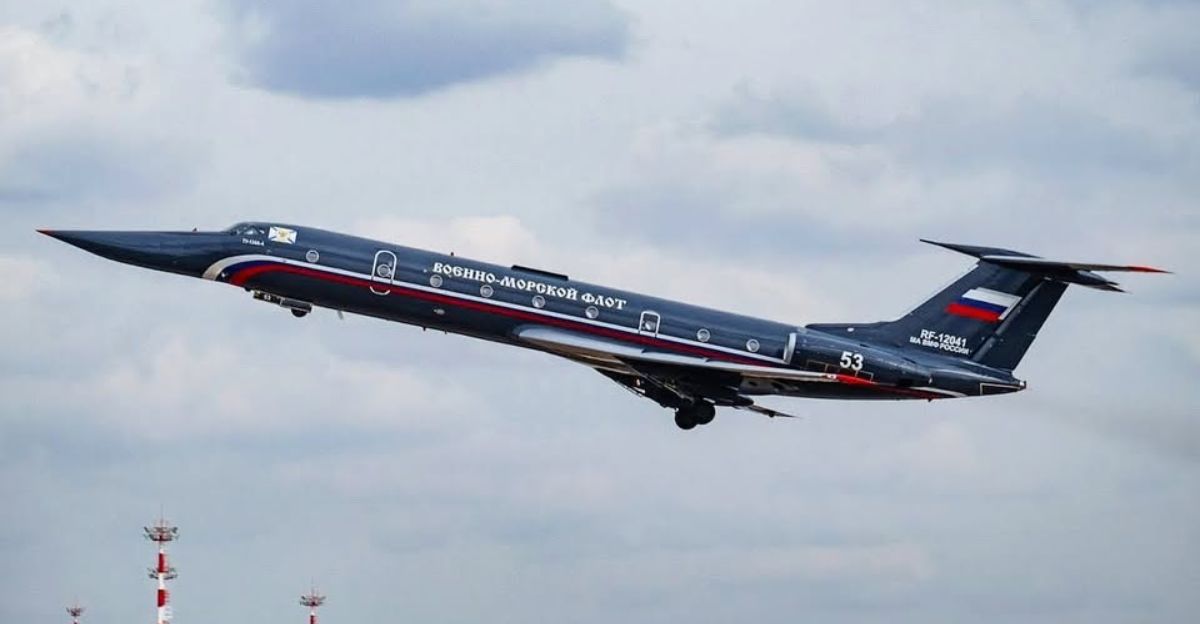
The Tu-134A-4 is a modified version of a Soviet-era transport aircraft, originally designed for regional travel in the 1960s. Today, only a handful are estimated to remain in service, repurposed for niche military functions. The Black Pearl operates as a VIP transport for senior Russian officers, distinguished by its black and red paint job and smaller size compared to other Russian airliners.
Its rare appearances suggest it’s a high-priority mission—this aircraft does not fly unless it’s deliberate. The Black Pearl’s unusual design makes it instantly recognizable and adds to its mystique. This rare aircraft’s missions are shrouded in secrecy, which only adds to the intrigue surrounding its operations.
Why It Matters
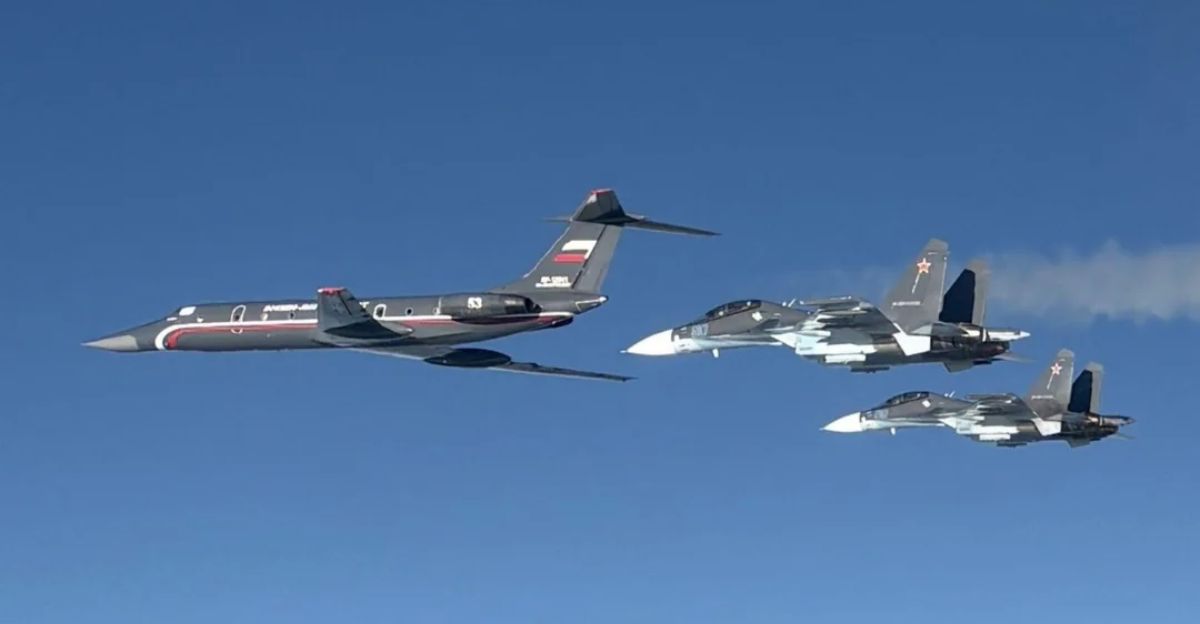
The Black Pearl isn’t just a transportation tool. It’s a symbol of Russian Naval Aviation’s elite operation, carrying senior military figures for high-priority transport. The rarity of this aircraft, especially near NATO airspace, signals that its appearance is far from incidental. Analysts interpret these flights as a test of NATO’s tactical procedures, a calculated effort to gauge NATO’s response and readiness.
This rare airliner’s mission reflects Russia’s broader geopolitical strategy. The fact that this flight was so carefully executed—right on the edge of NATO-controlled airspace—shows it wasn’t just a routine transport. It was a purposeful attempt to evaluate the strength and speed of NATO’s defenses.
Tactical Shift

Russian aerospace strategy has evolved over 2024 and 2025. Where fighter-bombers once dominated, reconnaissance and transport variants now take the lead, probing NATO defenses. The Tu-134A-4’s appearance reflects this tactical shift, as Russia reallocates resources toward the ongoing Ukraine conflict while maintaining a strategic presence near NATO.
This isn’t about combat; it’s about sending a message—Russia’s reach and operational readiness remain formidable. With the ongoing focus on Ukraine, Russia has adjusted its approach in the Baltics. Rather than sending bombers, the focus has shifted to using rare, high-value platforms to make strategic statements and probe NATO’s response.
International Response
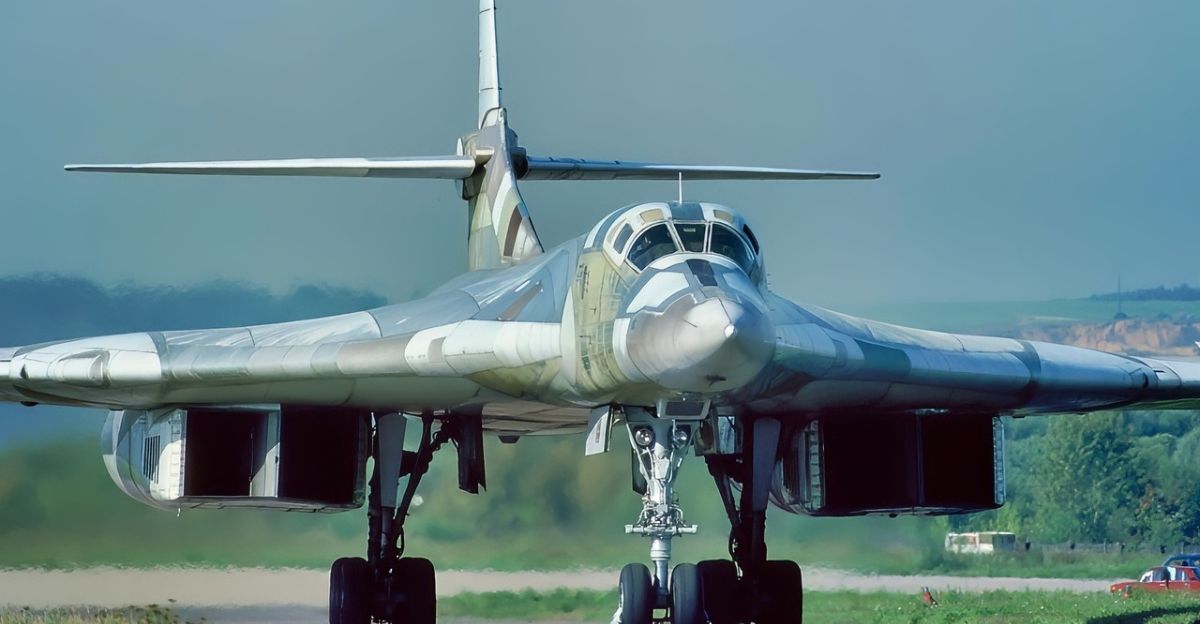
NATO’s response to the Black Pearl’s incursion was routine. No diplomatic protests followed, and the event didn’t escalate beyond the usual procedure. Italy’s deployment of Eurofighter Typhoons continued, rotating into the region as part of NATO’s commitment to Baltic Air Policing. The intercepted formation was escorted away without incident, reaffirming NATO’s operational capability and commitment to its eastern members.
For NATO allies, the intercept marked another success in maintaining airspace security. The fact that the situation did not escalate is seen as a positive reflection of the strength of NATO’s air defense and the continuing commitment to its forward presence.
Five-Year Gap
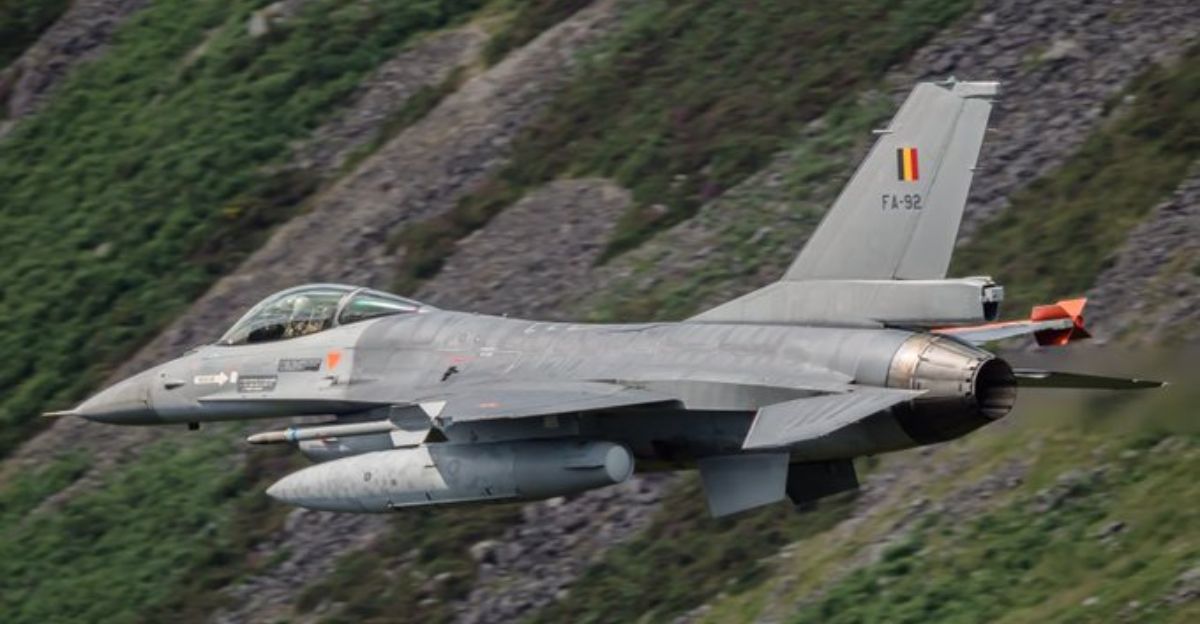
The November 2025 intercept was the first engagement with the Black Pearl since February 2020, when Belgian F-16s intercepted the same aircraft over Lithuania. This five-year gap underlines the rare nature of the aircraft’s deployments, suggesting that its appearance was likely a deliberate signal. NATO’s detection networks remain sharp, but how often has the Black Pearl flown undetected?
This gap only heightens the sense of mystery. The irregular appearance of the Black Pearl raises questions about its true purpose. Is it simply a tool for transport, or does its infrequent appearance indicate a deeper, more strategic function?
QRA Readiness
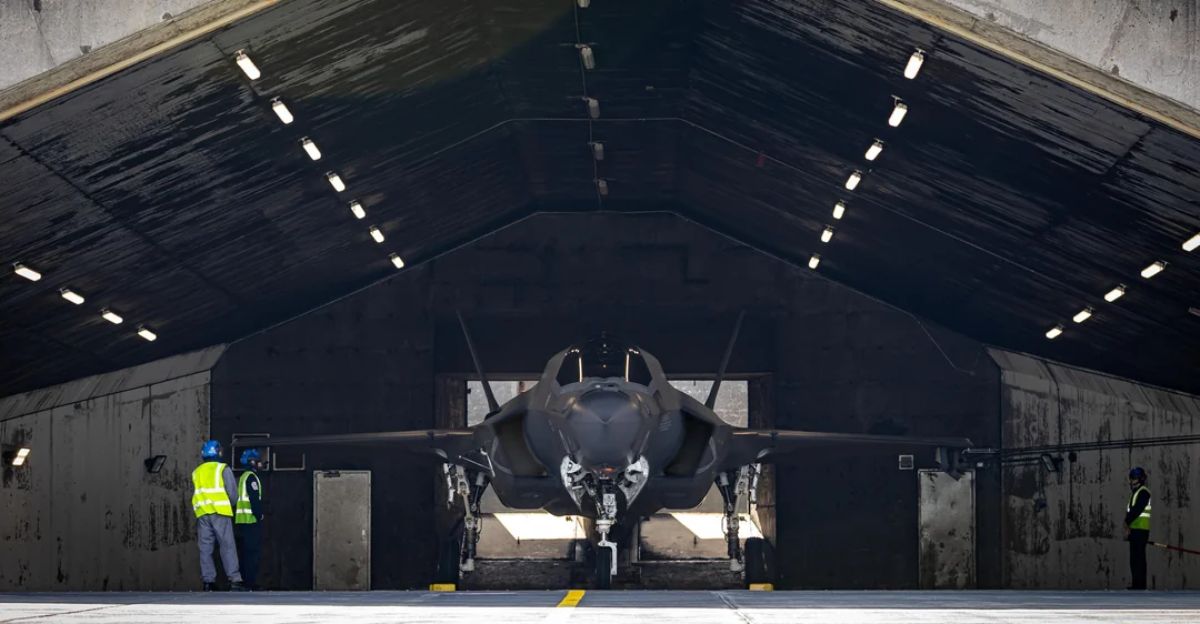
NATO’s Quick Reaction Alert (QRA) pilots are on standby 24/7. NATO’s rapid response in November demonstrated the alliance’s operational efficiency and readiness, the result of meticulous training and coordination, confirming that NATO’s preparedness is not just theoretical. For the Baltic states, this quick response is more than operational efficiency—it’s a testament to NATO’s commitment and credibility.
The ability to launch a fighter jet, identify the target, and escort it out of the region swiftly demonstrates NATO’s commitment to protecting its airspace. This quick and effective response is a cornerstone of NATO’s defensive posture in Eastern Europe.
Italian Air Force Expansion
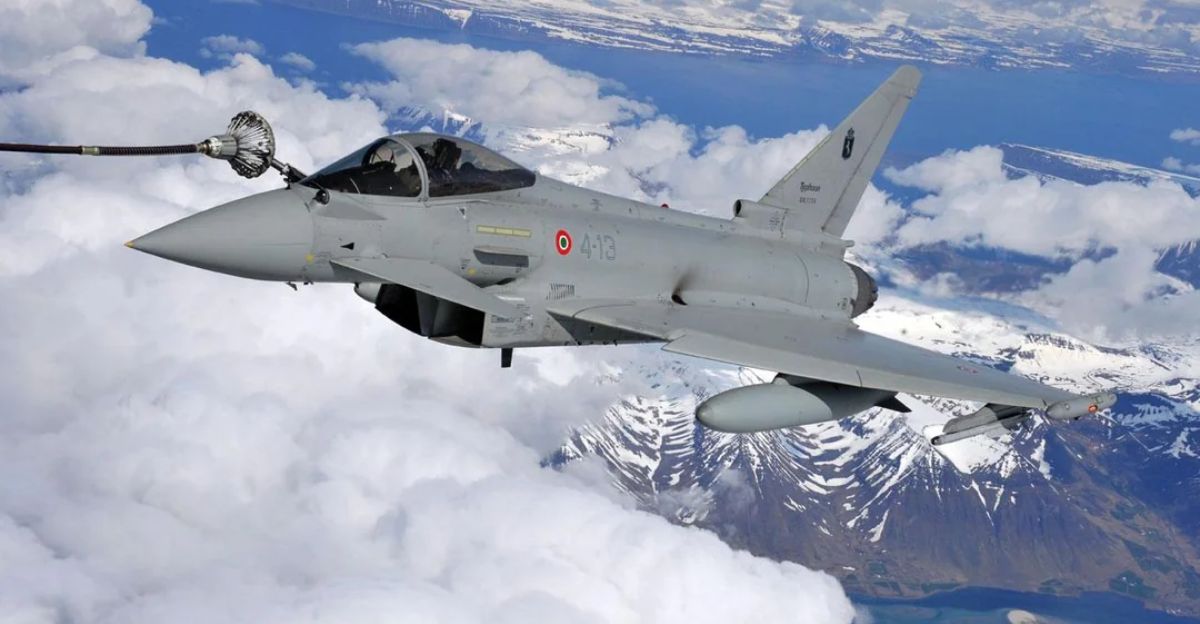
Italy’s Eurofighter Typhoons play a growing role in NATO’s air policing. Italy has expanded its contributions to the alliance’s defense, with the Eurofighter Typhoons replacing F-35As in the region. This strengthens Italy’s presence in the Baltics and enhances NATO’s deterrence capabilities. The deployment to Ämari Air Base, coupled with Italy’s rotating commitment, reinforces the alliance’s shared responsibility in guarding Eastern Europe.
Italy’s role in NATO’s defense is expanding, signaling a stronger commitment to the alliance’s eastern defense. The use of Eurofighters, which offer unique capabilities compared to F-35s, demonstrates the flexibility and depth of NATO’s deterrence strategy in the region.
Russian Countermeasures
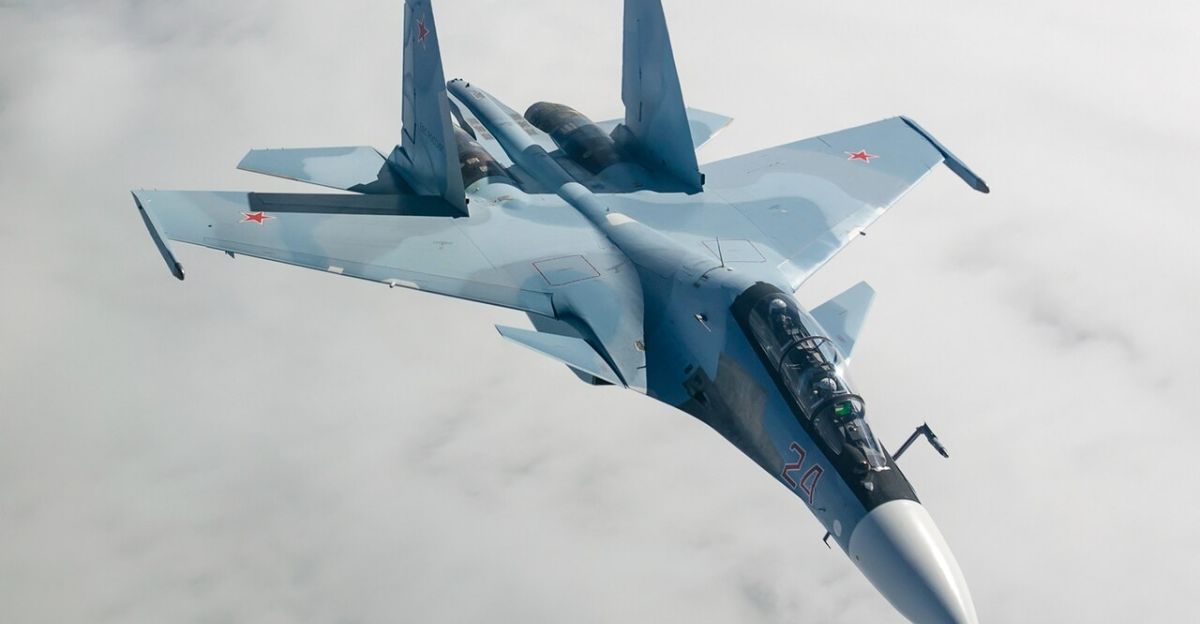
Russia’s approach to NATO incursions is becoming more sophisticated. The pairing of the Black Pearl with Su-30 fighters is a strategic move, combining a high-value asset with armed protection. This tactical shift is designed to raise the stakes for NATO’s interception forces. Analysts predict future Russian missions may use similar tactics, mixing rare reconnaissance aircraft with fighters to complicate NATO’s response.
The evolving tactics used by Russia underscore the complexity of future incursions. The introduction of fighter escorts alongside reconnaissance flights represents a shift in Russian strategy, forcing NATO to adapt and evolve its response protocols accordingly.
Deployment Model

NATO’s Baltic Air Policing mission follows a rotating model, with countries like Italy providing regular air support. The Eurofighters that replaced the F-35As brought different capabilities to the mission, including superior speed and sensor profiles. While the Typhoons maintain the same operational tempo, they provide tactical advantages that ensure NATO can respond to any incursion with maximum efficiency.
This rotating model ensures that NATO’s air policing remains unpredictable and versatile. By varying the aircraft types, NATO ensures it can handle a wide range of potential incursions, adapting to the changing tactics used by adversaries in the region.
What Happens Next?
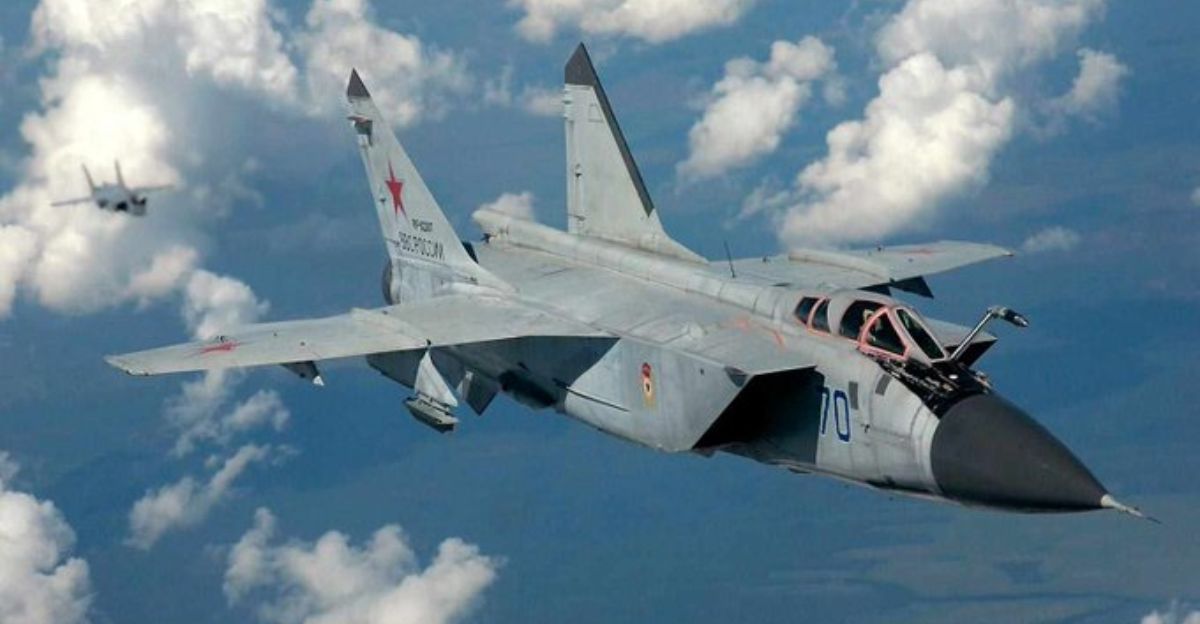
Russian aircraft are likely to continue probing NATO’s Baltic boundaries, with scramble rates remaining high. NATO’s readiness will continue to be tested, and rare platforms like the Black Pearl may make another appearance. As NATO rotates its air forces in the region, each new deployment offers Russia a fresh opportunity to test response times and tactics.
The cat-and-mouse game is far from over. As tensions in the region remain high, both NATO and Russia will continue to engage in these routine yet high-stakes encounters, keeping the balance of power in constant flux.
Political Messaging

The November 2025 appearance of the Black Pearl carries more than military significance. It’s a clear signal from Russia: despite the ongoing conflict in Ukraine, Russia’s leadership retains operational flexibility. The mission underscores Moscow’s intent to project power across Europe and reinforce its presence in regions it deems strategically vital.
For NATO’s Baltic members, the interception validates the alliance’s commitment to their defense. Russia’s provocative air incursions are a reminder of the region’s ongoing volatility, but NATO’s readiness to respond shows that it remains a strong and reliable deterrent against Russian expansionism.
Sources:
The Aviationist: “Russia’s Unique Tu-134A-4 ‘Black Pearl’ Intercepted Over The Baltic” (November 23, 2025)
Zona Militar: “Italian Eurofighter fighters intercepted a Tu-134A-4 aircraft in the Baltic” (November 27, 2025)
Danish Defence Command (Forsvaret): “F-16 deployed many times in 2024” (February 3, 2025)
NATO Allied Air Command: “NATO launches Operation Eastern Sentry to bolster posture” (September 12, 2025)
Army Recognition: “Italy’s Eurofighter jets take command of NATO Baltic patrols” (November 17, 2025)