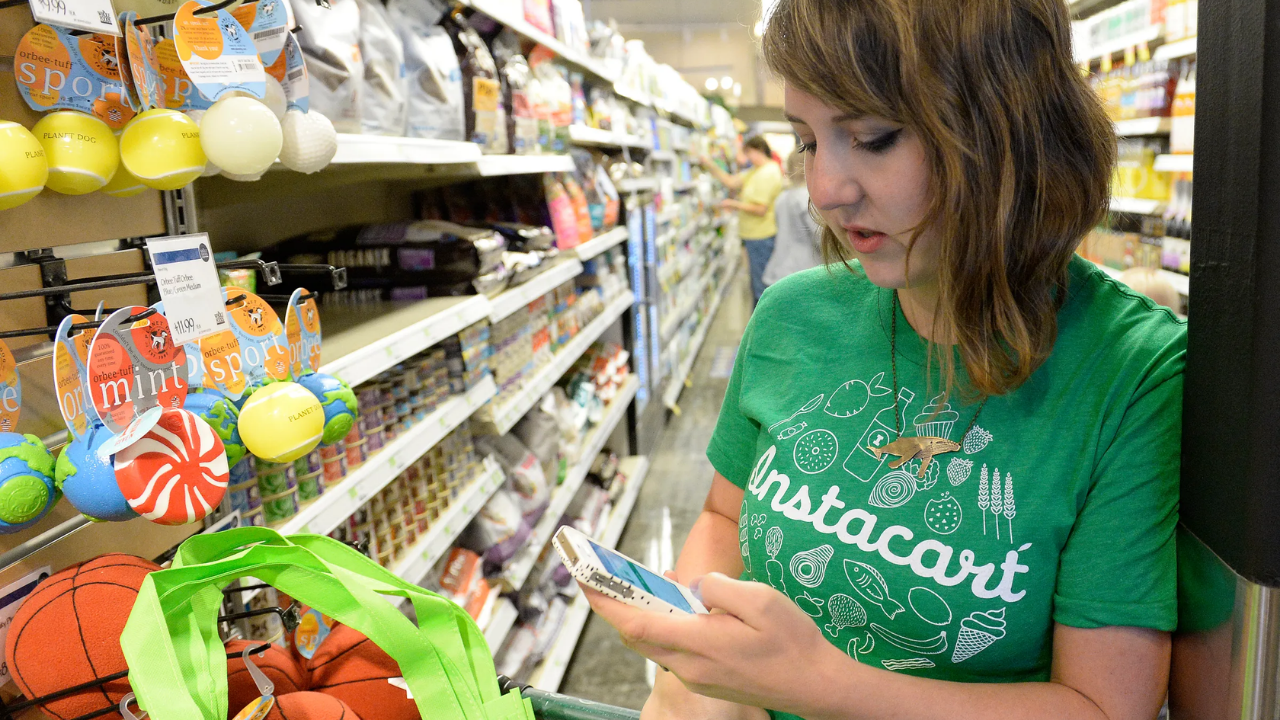
Food prices in the U.S. have surged, leaving millions of families feeling the strain. Between 2020 and 2024, grocery costs skyrocketed by nearly 25%. Recent surveys show that most Americans struggle with grocery affordability, with nearly two-thirds reporting they have switched to cheaper groceries or bought less food.
While families juggle tighter budgets, the digital grocery revolution is reshaping how prices hit your wallet—and who decides what you pay.
The Digital Grocery Gold Rush

E-commerce grocery shopping is now a $166 billion-a-year industry. Platforms like Instacart hold a significant share of this space, with approximately 22% of the U.S. online grocery market. While digital shopping grows, few consumers know how pricing algorithms decide what they pay at checkout.
Are your grocery costs rising because of the digital shopping boom—or is something else behind the surge?
The AI Pricing Revolution
Instacart has quietly integrated powerful AI pricing systems since 2022. After acquiring Eversight, an AI-driven pricing platform, the company began adjusting prices in real time based on shopper behavior.
These algorithms test price sensitivity—not to save you money, but to maximize profits by tweaking prices as you shop.
Algorithmic Testing Goes Mainstream
In 2025, dynamic pricing was the new norm across e-commerce. Companies like Amazon and Uber show you prices based on your habits, while Instacart’s Eversight system refines this further. But groceries—essentials for survival—don’t have the same luxury as a luxury product.
Shoppers didn’t realize they were being used for pricing experiments.
The Bombshell Study Reveals Hidden Tests
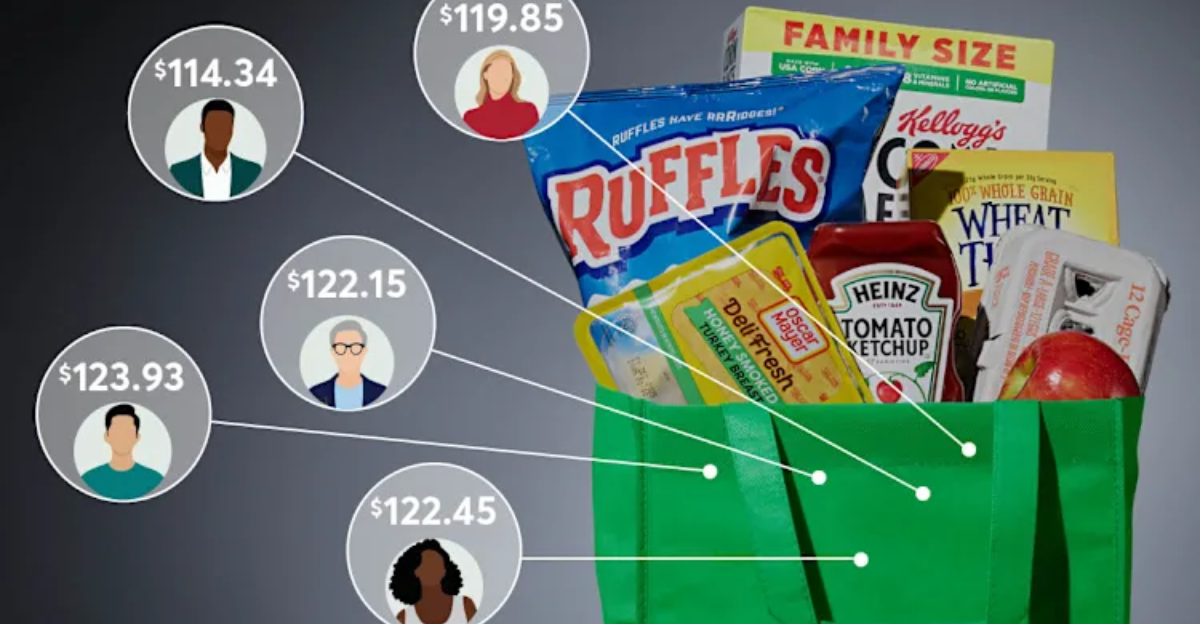
On December 8-9, 2025, an explosive report revealed that Instacart had been running hidden pricing experiments. A study tracked 437 volunteers across four cities and found that 75% of items had price variations. For the same product, shoppers paid anywhere from 7 cents to $2.56 more.
One shopper paid 23% more for identical groceries.
Across Ten Retail Partners
Instacart’s experiments affected shoppers at major retailers like Safeway, Target, and Costco. For example, Oscar Mayer deli turkey in Seattle ranged from $3.99 to $4.89 for the same package, and Lucerne eggs in Washington D.C. ranged from $3.99 to $4.79.
This wasn’t an isolated incident—it was a systematic test affecting millions.
What This Means for Families

For a typical family, the differences add up fast. If you spend $10,000 annually on groceries, you could face an extra $700 in costs due to algorithmic pricing shifts. A $1,200 annual differential, while extreme, reflects the reality of constant price fluctuations.
Families may be forced to cut back elsewhere or pay up.
Competitor Silence and Regulatory Vacuum
While Instacart is in the spotlight, competitors like Amazon Fresh and Walmart+ haven’t revealed their own pricing strategies. With the FTC offering no clear regulations on algorithmic price discrimination in grocery shopping, this murky regulatory environment has allowed pricing experiments to run unchecked.
A Macro Shift in Grocery Retail
The rise of e-commerce grocery shopping signals a massive shift in the industry. As platforms like Instacart take control of pricing, millions of shoppers are affected. With e-commerce continuing to outpace physical retail, algorithms will soon dictate food affordability for entire communities.
All while regulators struggle to catch up.
The “Smart Rounding” Email
Instacart’s internal emails referred to its pricing tactic as “smart rounding,” aimed at testing individual price sensitivity. This wasn’t an accidental error—Instacart and retailers deliberately worked together to optimize pricing strategies.
The practice raises significant questions about transparency and consumer consent.
Customer Outrage and Betrayal
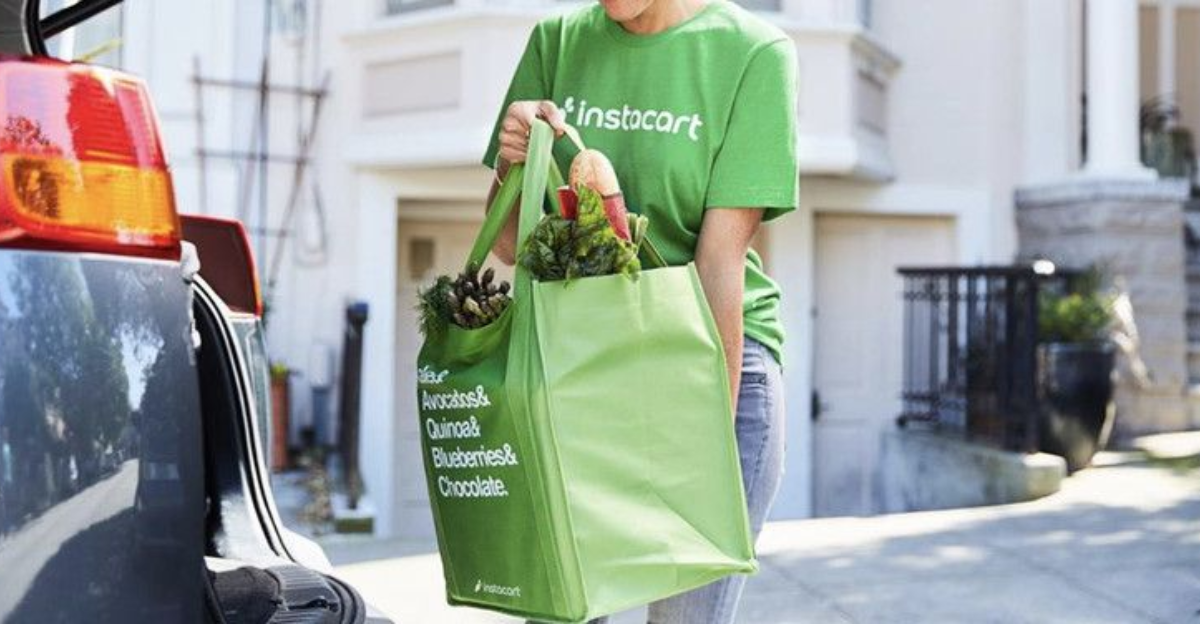
Instacart shoppers were completely unaware they were part of an experiment. According to Consumer Reports, shoppers view these undisclosed tests as manipulative and unfair. This admission has sparked a wave of consumer backlash.
With many demanding accountability from the company.
Instacart’s Defense
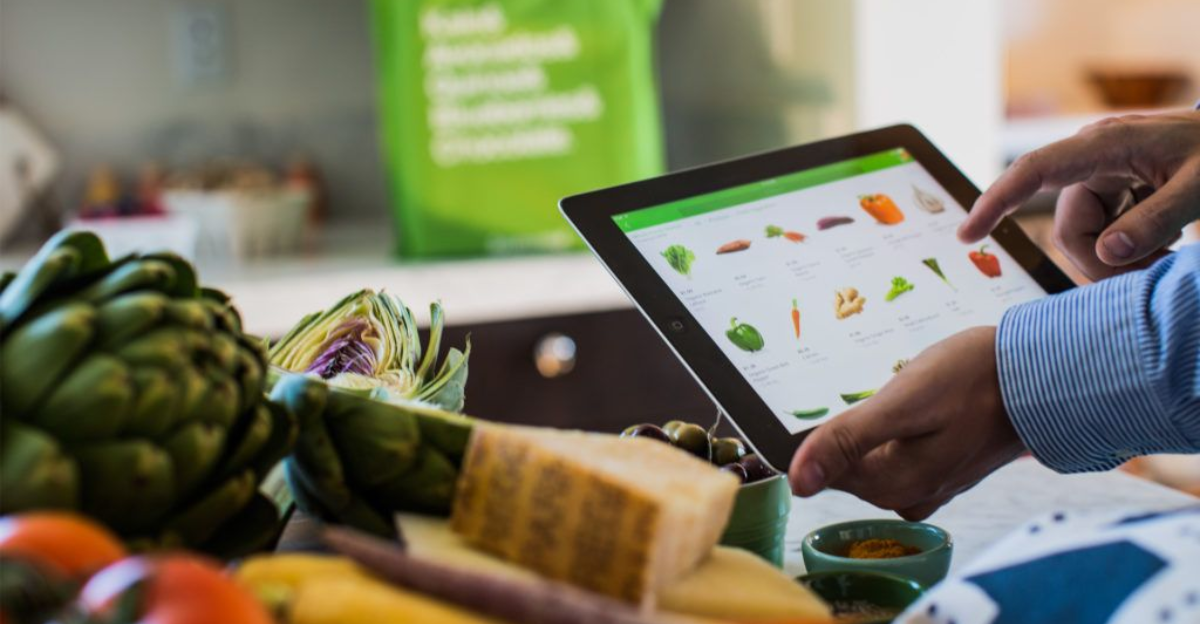
Instacart defended its practices, labeling the pricing tests as “limited” and “short-term,” designed to help retailers compete in a challenging market.
The company downplayed the tests as a regular business tactic, claiming they ultimately benefit consumers by creating price flexibility and potential discounts.
The Eversight Playbook

Eversight, the AI company Instacart acquired, specializes in continuous testing and dynamic pricing. After the Consumer Reports revelations, Eversight reaffirmed that price testing is common in retail. But when it comes to essentials like groceries, this approach is increasingly controversial.
Expert Skepticism

Experts in consumer psychology are raising red flags. Algorithmic pricing without consent erodes consumer trust, many argue. The FTC has highlighted algorithmic pricing as a priority, and experts say regulation is urgently needed to protect shoppers from hidden pricing manipulation.
What Happens Next?
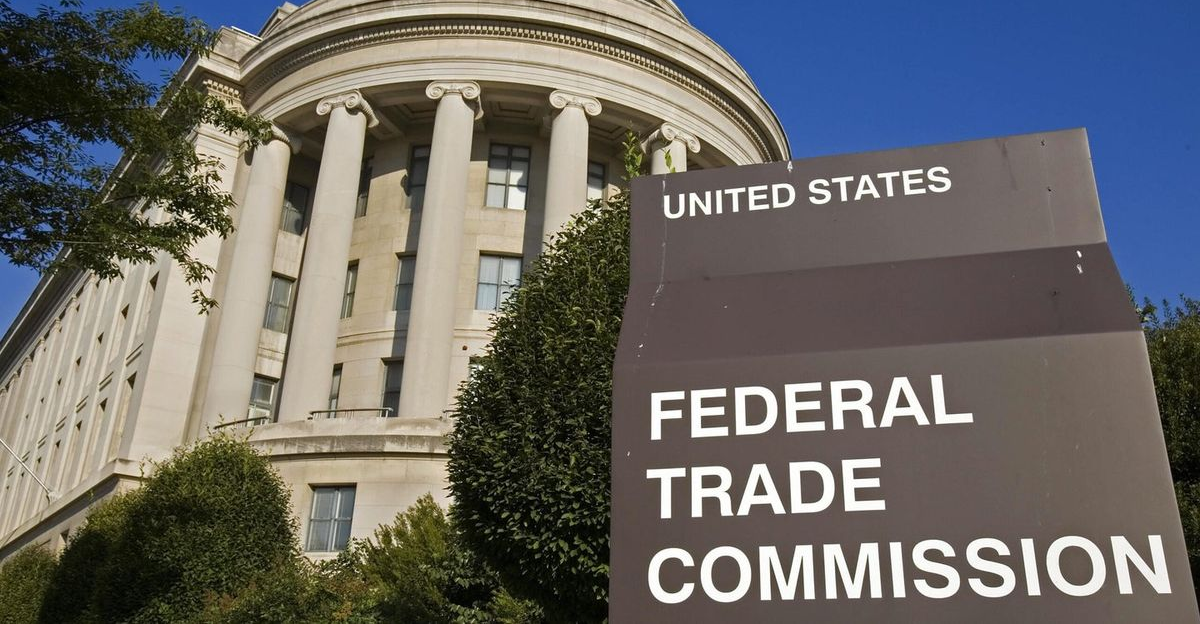
What will happen now? Will the FTC launch an investigation into Instacart’s pricing tactics? Will Congress pass laws to curb hidden pricing experiments?
This scandal opens the door to questions about transparency, fairness, and the future of AI-driven pricing in essential goods.
The Policy Reckoning

Policymakers are exploring legislation that would require platforms to disclose pricing algorithms for essentials like groceries. This potential legislation could force a major shift in how e-commerce giants like Instacart operate, potentially ending hidden price experiments altogether.
International Echoes

Meanwhile, Europe is moving ahead with stricter rules on algorithmic pricing. The EU’s Digital Markets Act and AI Act are already enforcing greater transparency.
The practices that Instacart uses may soon be illegal in these regions, highlighting the growing discrepancy between U.S. and global standards.
Legal Exposure and Liability
Instacart is facing growing legal threats. Consumer advocates are calling for potential class-action lawsuits, with accusations of unfair pricing and hidden data collection. These lawsuits could lead to massive settlements if courts rule against the company.
This legal exposure could significantly damage the brand’s reputation.
A Generational Trust Collapse

The scandal has deepened generational distrust in tech companies. Younger consumers, already skeptical of digital platforms, are now more hesitant to shop with companies that manipulate prices behind closed doors.
This collapse of trust may push customers toward transparency—perhaps returning to physical stores where pricing remains public.
The Broader Reckoning
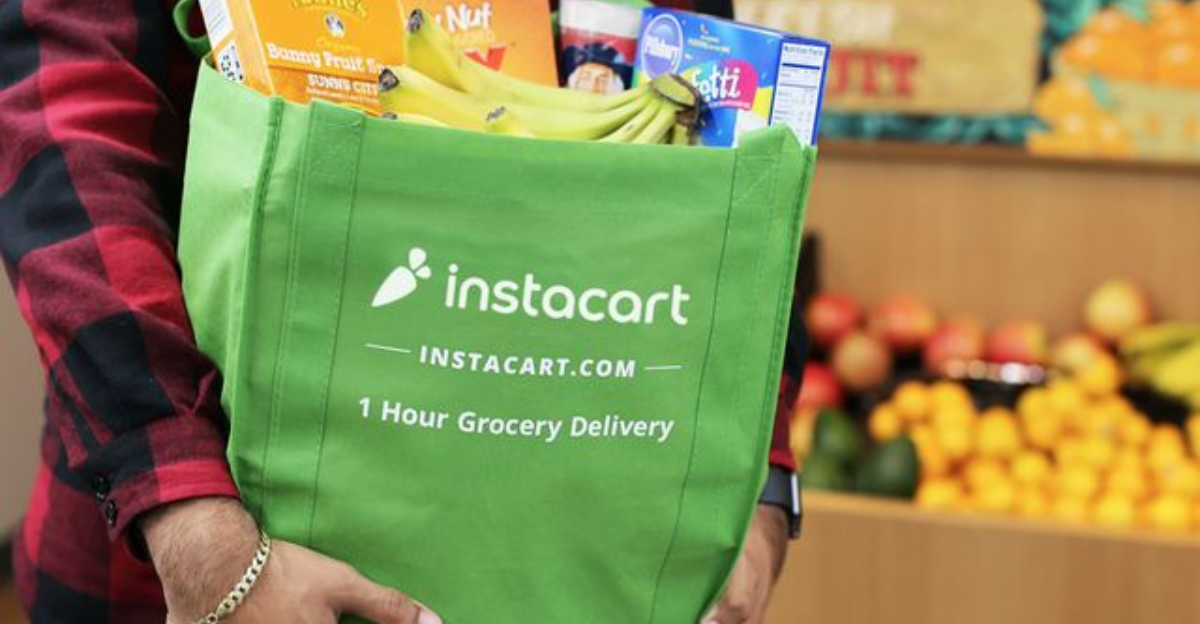
The Instacart controversy is a pivotal moment in the broader conversation about algorithmic capitalism. The question remains: should algorithmic pricing be allowed on essential goods like groceries, or is it time for greater regulation?
The answers will shape the future of digital commerce for years to come.
Sources:
Consumer Reports / Groundwork Collaborative – Investigation on Instacart’s AI pricing experiments (Published: December 8, 2025)
U.S. Department of Agriculture, Economic Research Service – Food price inflation data (Published: February 2025)
IBISWorld – Online Grocery Sales in the US industry report (Published: December 5, 2025)
Instacart – Official press release on Eversight acquisition and company statements (Published: August 31, 2022 / December 8, 2025)
Blue Book Services / Produce Marketing Association – Survey on Americans’ grocery affordability (Published: March 2025)
Industry analysts (SaleHoo, Oberlo, Meritech Capital) – Online grocery market share reports (Published: 2024–2025)