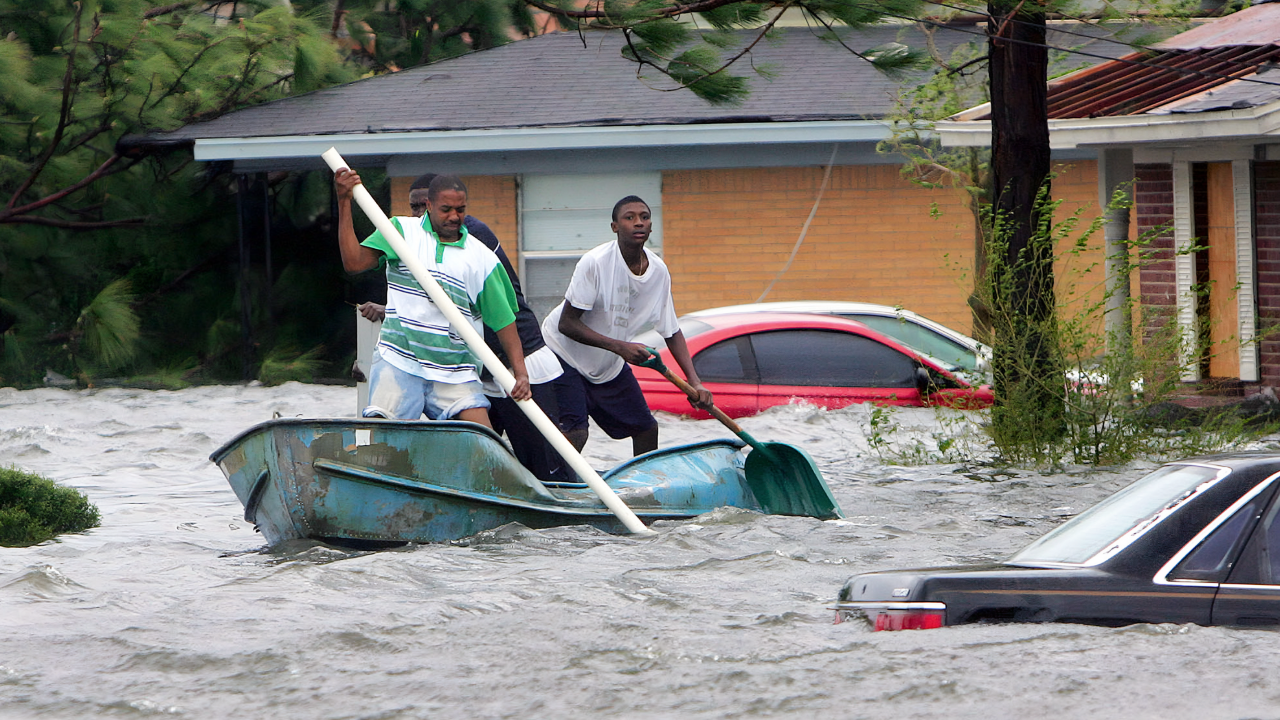
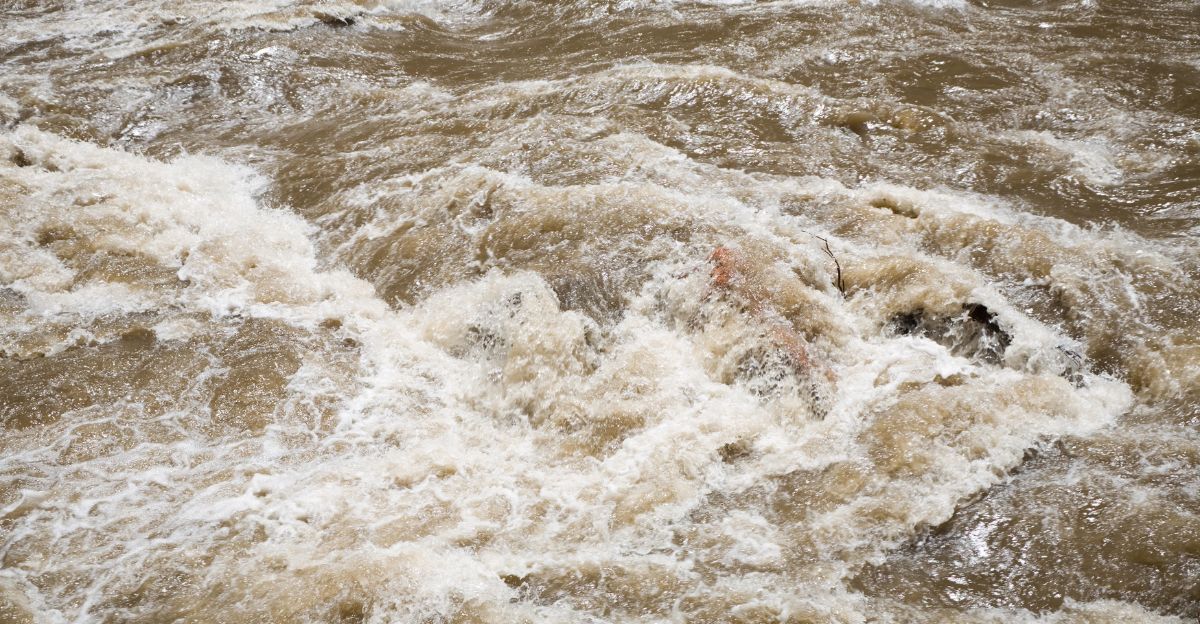
Floodwaters crash over the breached Desimone levee, swallowing streets and homes in Tukwila, Washington. The levee, already strained by heavy rainfall over multiple days, failed around 11:30 a.m. on December 15, 2025, unleashing a torrent of water. Families scramble to evacuate as waters rise unpredictably, and the National Weather Service warns that the worst may still be coming. With more storms on the horizon, the Seattle suburbs are on edge, wondering how much more the area’s aging flood defenses can withstand.
What caused the levee to fail now? What’s next for the millions living in flood-prone areas across the Pacific Northwest?
How Heavy Rain Led to the Breach
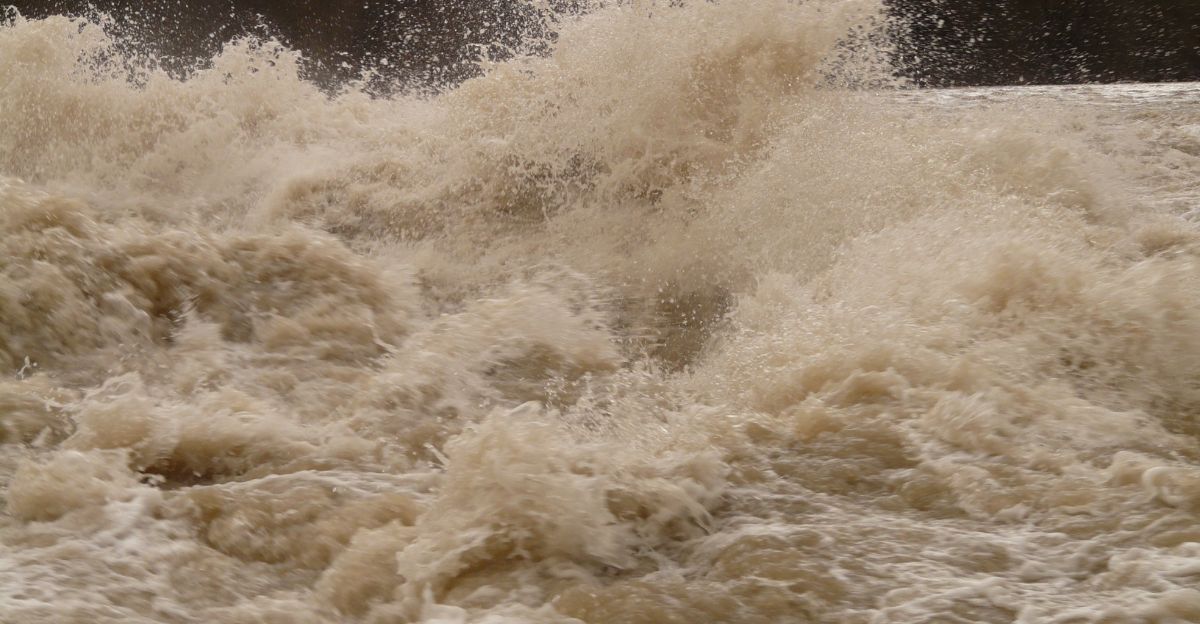
The levee breach occurred after heavy rainfall from multiple atmospheric rivers impacted the region. These storms left the soil saturated and rivers already at high levels, pushing Green River water to its highest level in 60 years.
With more storms forecasted, officials warn of ongoing risks, and repairs to the levee are underway.
Evacuations Disrupt Homes and Businesses
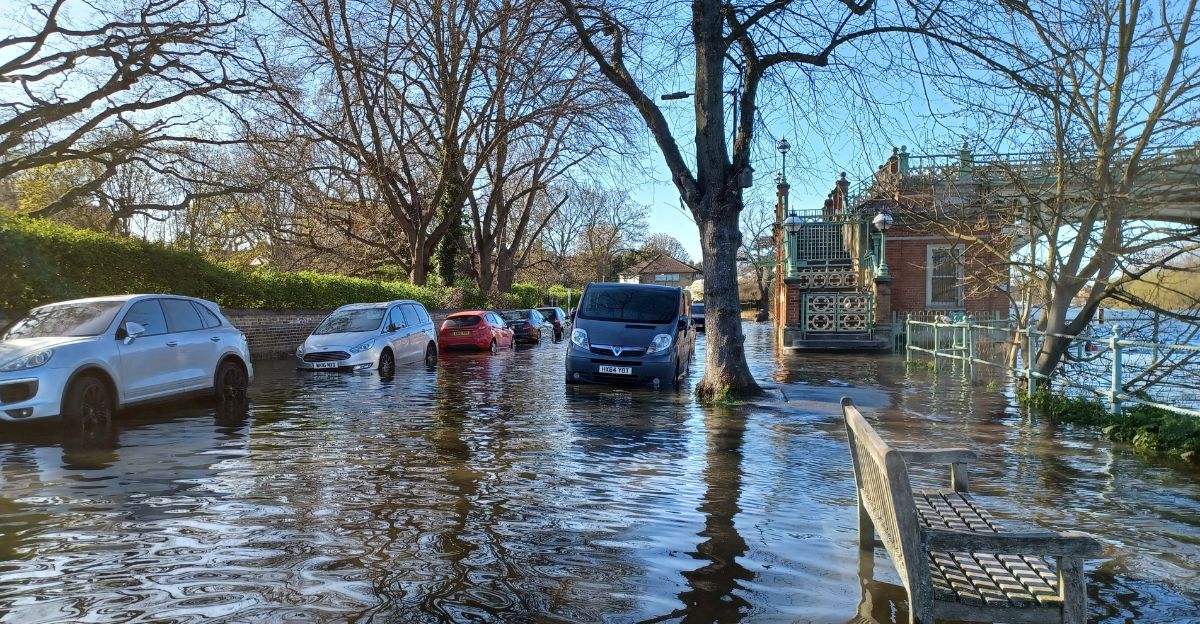
In the affected areas of Tukwila, Renton, and Kent, residents received an urgent “Go Now” evacuation order, affecting around 1,100 homes and businesses.
The evacuation zone includes neighborhoods, schools, and even a hospital, forcing families to leave quickly and disrupting daily routines and holiday plans. The broader flash flood warning initially impacted more than 45,000 people.
Business Impacts and Flood Damage
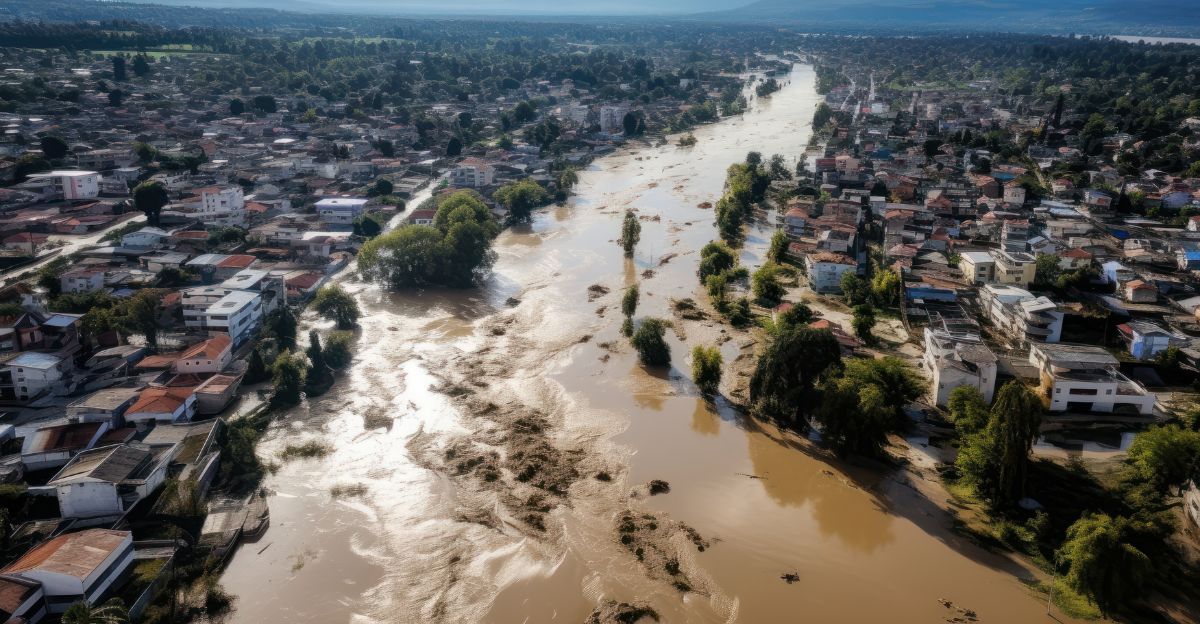
Thousands of businesses are at risk due to the floodwaters. Retailers, warehouses, and service businesses in Tukwila’s industrial areas are already seeing water enter their properties.
Beyond the immediate flood damage, closures, lost inventory, and downtime will likely hurt the local economy for months.
Traffic and Supply Chain Disruptions
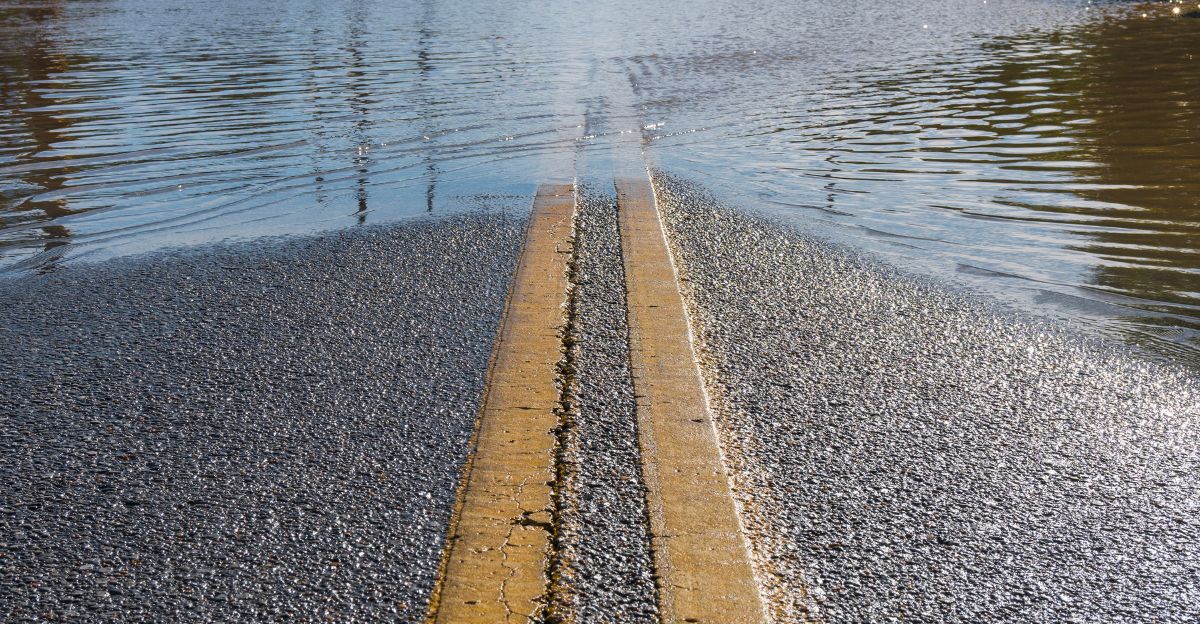
Floodwaters forced the closure of State Route 167 near Kent, and officials warned that nearby Interstate 405 could also be affected.
These highways are critical for both commuter and freight traffic in the Seattle metro area, so prolonged closures could cause significant delays, raise delivery costs, and disrupt the flow of goods.
Regional Levee Failures Put Infrastructure at Risk
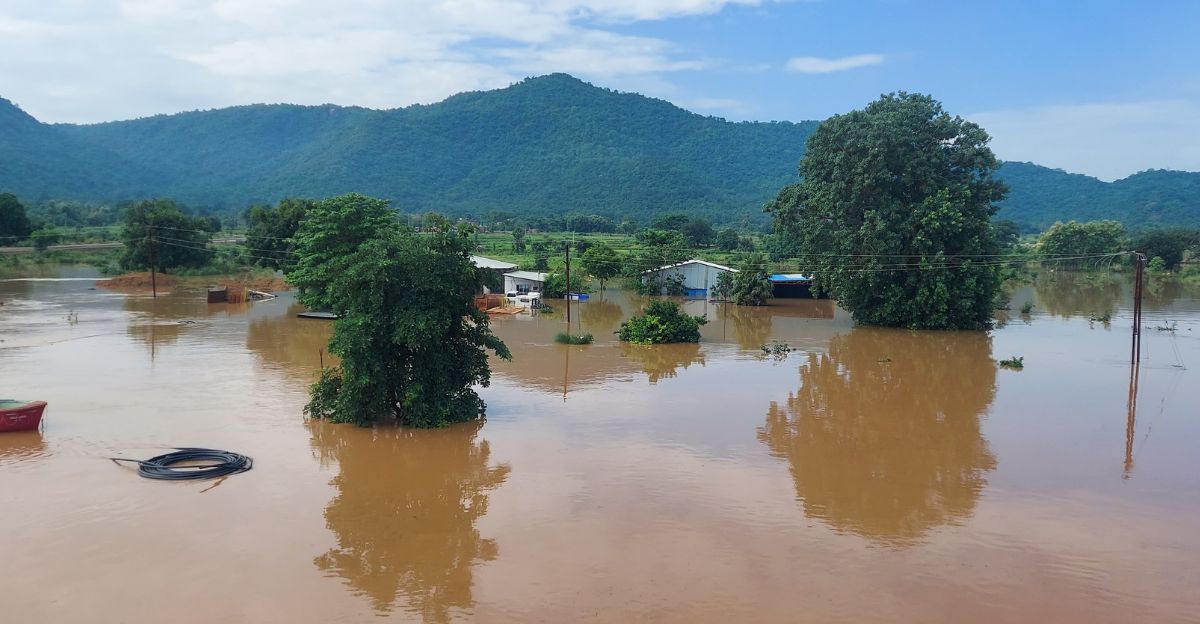
The Desimone levee breach highlights the vulnerability of levees across King County. The levee, which protects more than 30,000 people, had sustained significant damage during the 2020 flooding events.
The U.S. Army Corps of Engineers is working to reduce water flow from Howard A. Hanson Dam to lower Green River levels, but other levees remain at risk due to saturated conditions.
Human Toll and Emergency Response
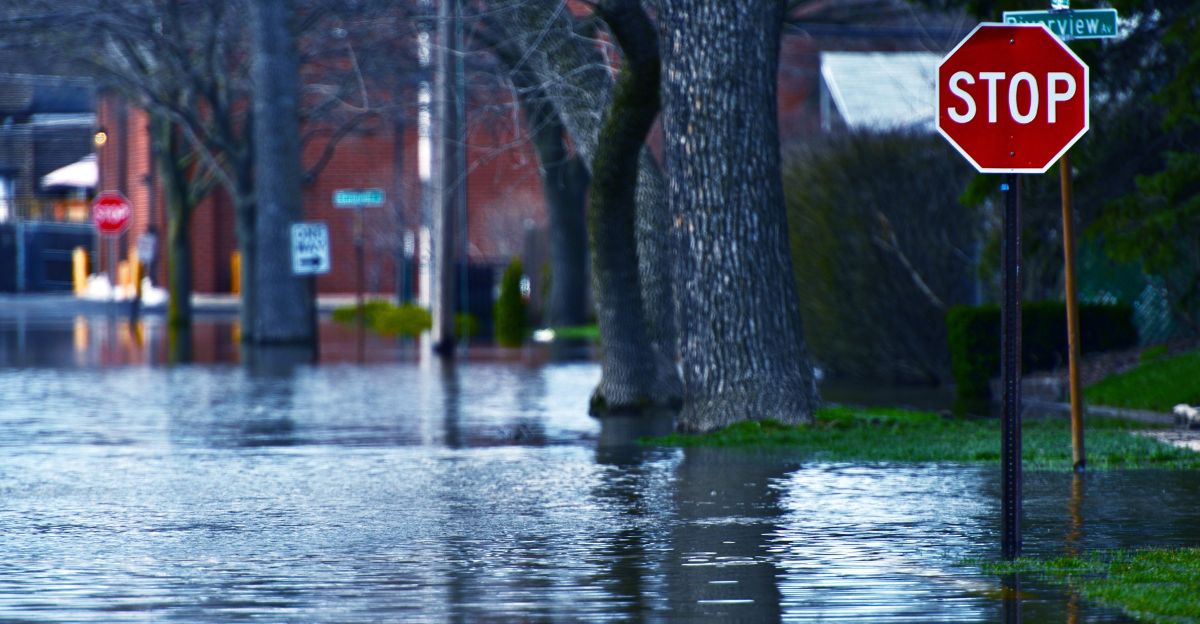
The flooding has led to rescues from submerged homes and vehicles. In a separate incident in Snohomish County on December 16, a 33-year-old man was found dead after driving past warning signs into flooded waters.
Emergency responders have been working around the clock to evacuate affected residents and provide aid, but as the waters rise, the situation remains dire.
Race Against Time: Levee Repairs Underway
King County Executive Girmay Zahilay has labeled the situation “very serious and emerging.” Crews are working to stabilize the Desimone levee, using sandbags and super sacks to prevent further damage.
The Washington National Guard has been called in to assist local responders, and shelters are opening to accommodate displaced residents and pets.
Economic Repercussions Extend Beyond Immediate Damage
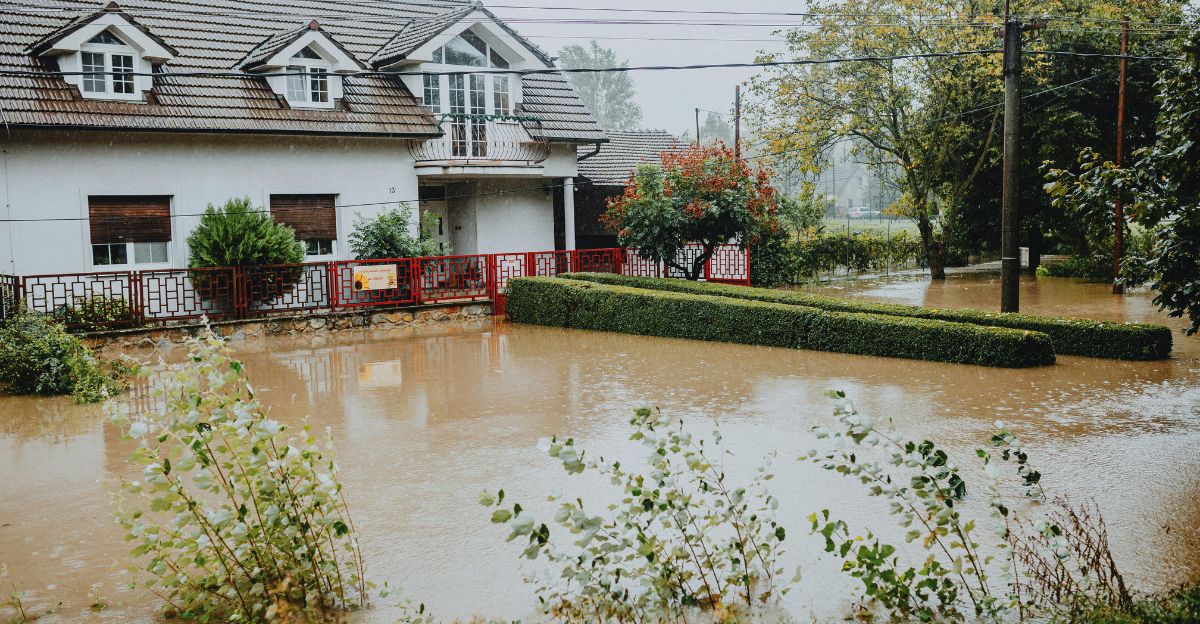
The flood is expected to have lasting financial effects on the region. Small businesses, in particular, may face difficulties due to closures, insurance claims, and costly repairs.
Homeowners in flood-prone areas may also experience higher insurance premiums or reduced coverage in the future.
Public Health Concerns Amid Flooding
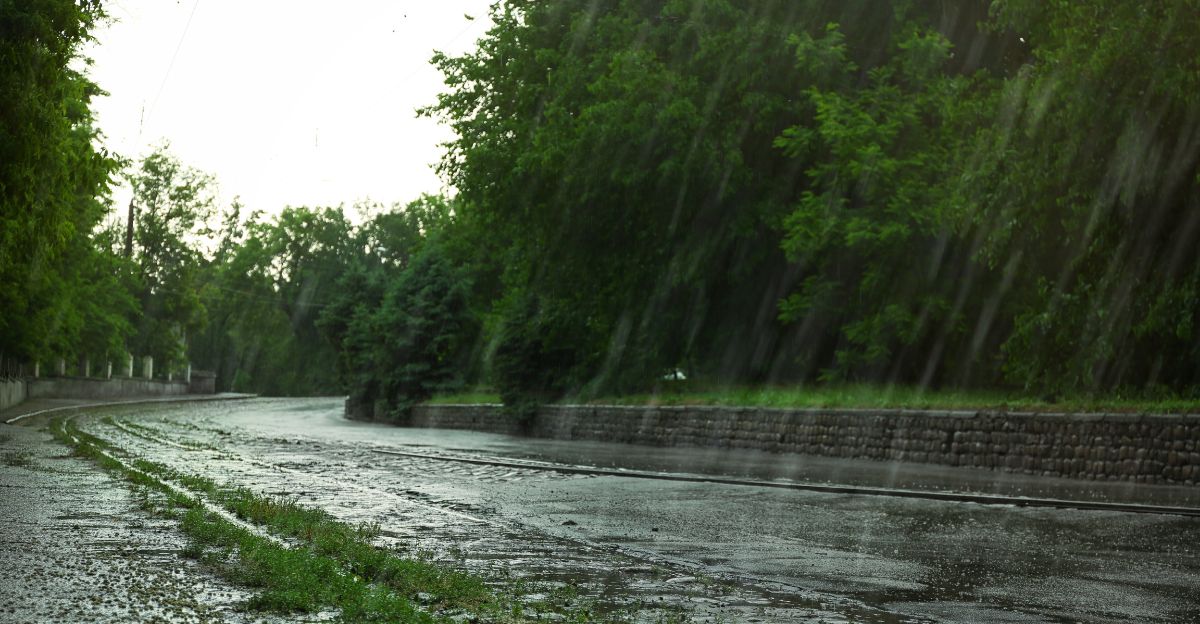
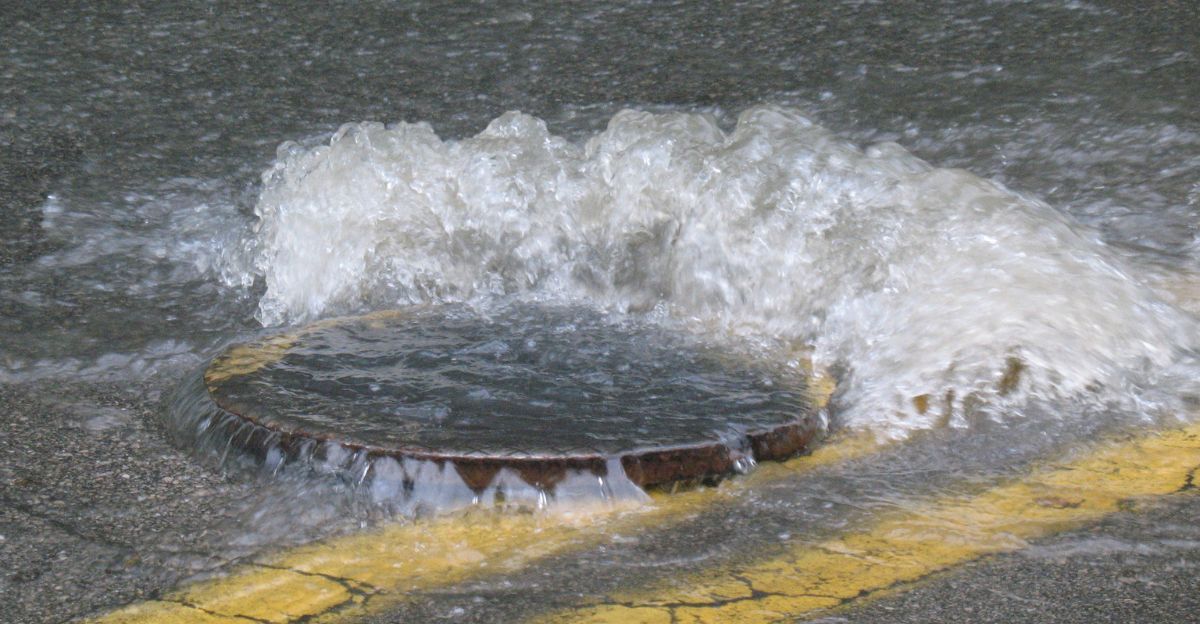
Contaminated floodwaters present significant health risks, including exposure to sewage, chemicals, and debris.
Mold growth in homes that were soaked by the floodwaters will also become a long-term concern. Officials stress that residents should not re-enter flood-damaged structures without proper clearance, and emergency shelters are open for temporary relief.
Climate Change and Flood Control Challenges
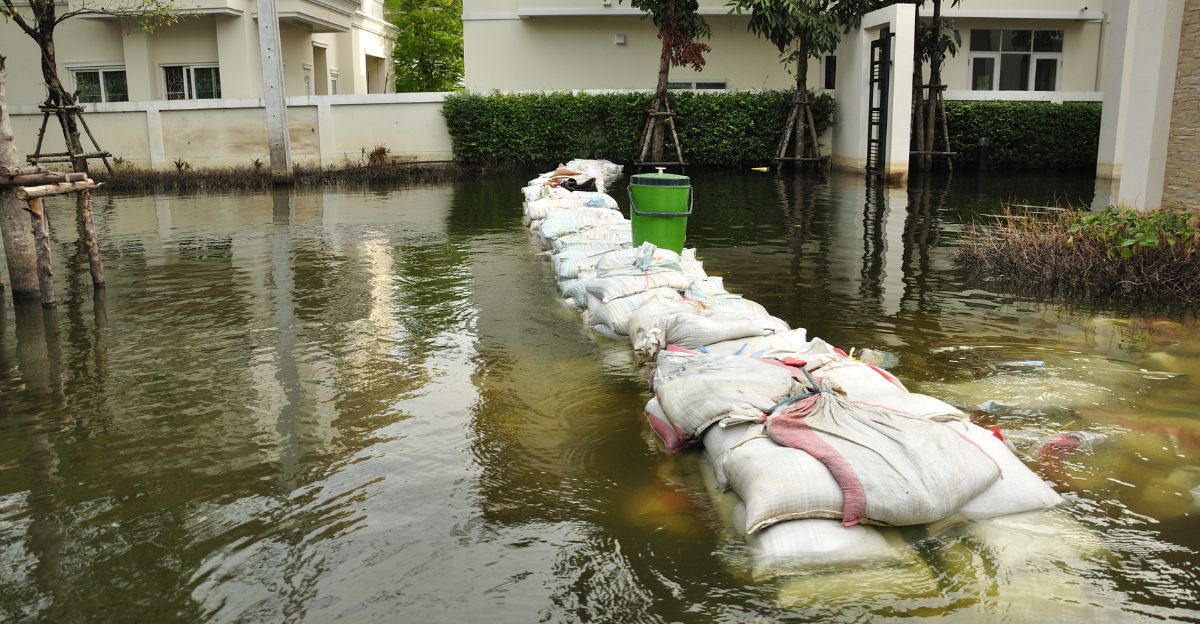
This extreme event raises concerns about how climate-driven precipitation is putting aging flood control systems to the test. With the Green River reaching levels not seen in 60 years, regional infrastructure is struggling to cope.
Although this event alone doesn’t prove climate trends, experts have warned for years about the inadequacy of flood control systems for future storms of this magnitude.
Evacuation Orders Test Trust in Authorities
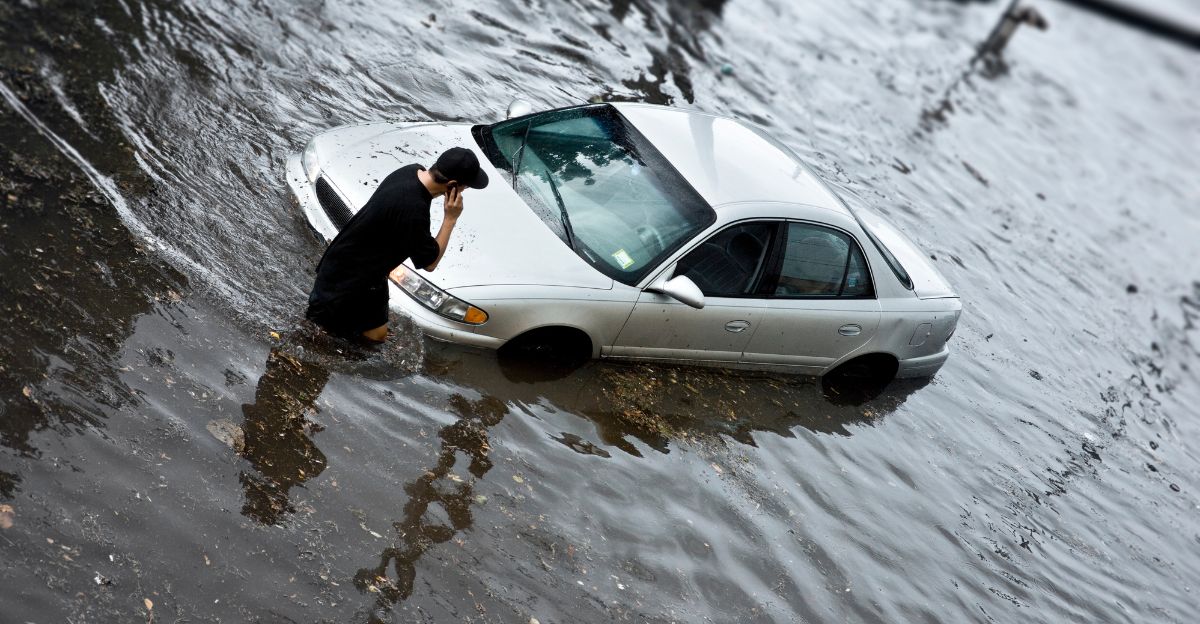
Some residents, feeling fatigued by repeated warnings, hesitated to evacuate despite urgent instructions. In some cases, people evacuated only to be told the order had been lifted, only to later face new evacuation orders.
The repeated confusion challenges authorities’ ability to convey urgency, especially with future storms on the horizon.
Local Businesses and Contractors Poised for Mixed Impact
In the aftermath of the flood, contractors specializing in flood protection and cleanup are likely to see increased demand as King County works to repair damaged levees and properties.
However, small businesses in flood-prone areas could face significant losses, especially if their landlords reassess flood risks and refuse to renew leases.
Actionable Advice for Residents and Businesses
Residents in flood-prone areas should prepare emergency kits, stay informed about evacuation routes, and monitor local emergency alerts.
Businesses should review their insurance policies, backup records, and secure inventory against potential flooding. Moving valuables and vehicles before wthe aters rise can help reduce losses during future storms.
A Test of Seattle’s Flood Preparedness
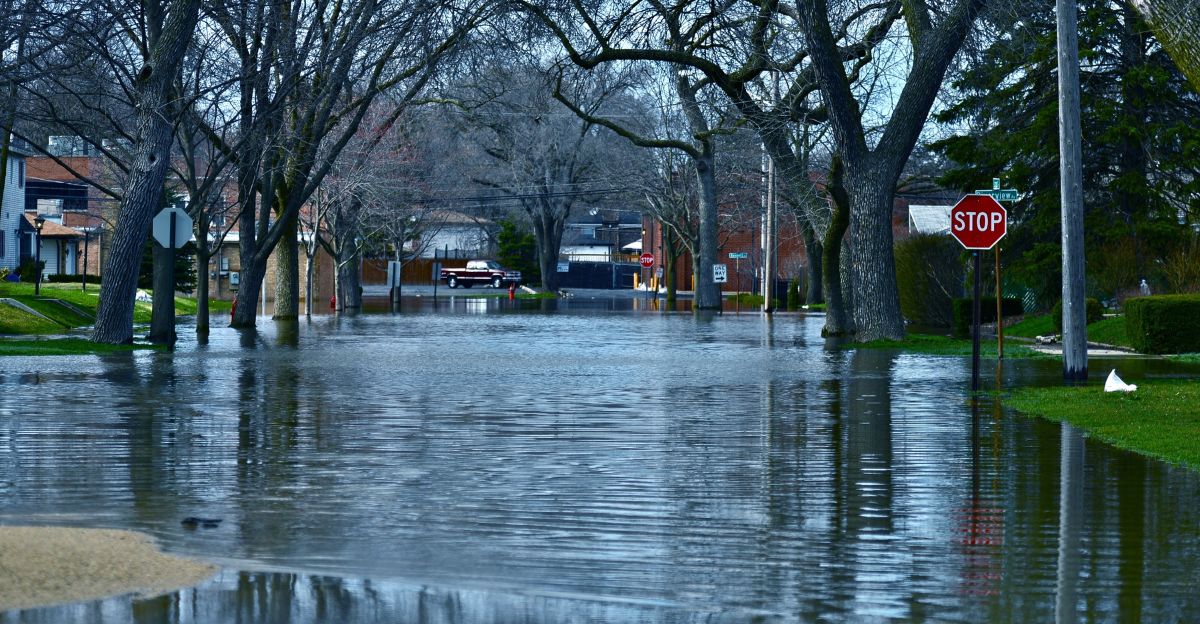
The breach of the Desimone levee illustrates how quickly a localized flood event can escalate into a regional emergency, with significant impacts on residents, businesses, and transportation.
With more storms predicted and levees under strain, King County’s response will serve as a crucial test of the region’s ability to adapt to increasingly frequent and intense flooding events.
Sources:
“Crews use sandbags to shore up levee breach near Seattle after failure prompts flood warning.” NBC News, 16 December 2025.
“Flash flood warning, evacuation notice in Seattle suburbs after levee breach.” ABC News, 15 December 2025.
“Washington levees fail amid river flooding as atmospheric rivers unleash rainfall across the Pacific Northwest.” CNN, 15 December 2025.
“Flash flood warnings follow levee breach in Washington state.” Reuters, 15 December 2025.