
Russia’s fuel system faces acrisis. For one year, Ukrainian drones hit oil depots, refineries, and storage across Russia, cutting supply lines and straining military logistics.
Intelligence experts say Russia’s energy sector lost billions in damage. Yet Moscow continues to spend on military operations, indicating desperation.
Strategists wonder: Can Ukraine’s long-range drones finally stop Russia’s war ability? Or is Russian infrastructure tougher than expected?
Deep Penetration

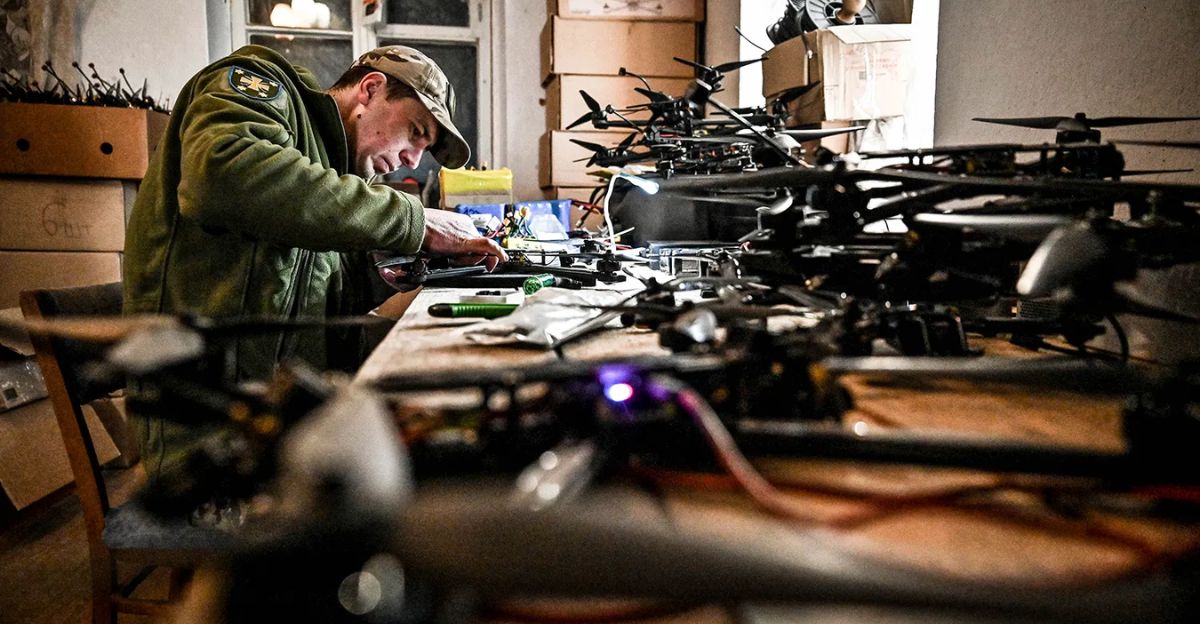
Ukrainian drone technology has undergone significant changes since 2022. Simple store-bought quadcopters have become advanced attack systems capable of flying 93+ miles deep into Russian airspace with pinpoint accuracy.
Reports indicate that Ukraine has hundreds of drones, with production continuing. Russian air defenses spread too thin across a thousand-mile line struggle to stop each strike.
Military experts see a widening gap: Ukrainian skill beats Russian tired defenses. The deeper drones fly, the more Russian fuel hubs become easy targets.
Strategic Chokepoint
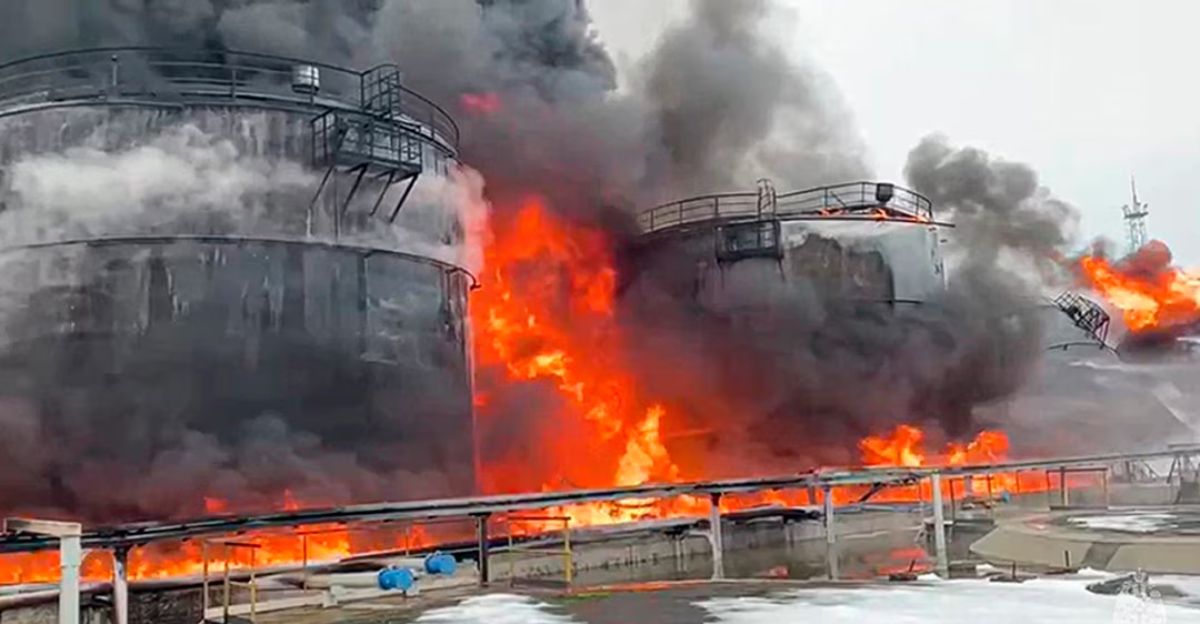
Oil depots aren’t random targets. They control Russian military logistics. Fuel is transported from refineries to depots, then to forward bases, where it is stored in tanks, and then distributed to helicopters and trucks.
Disrupt this chain, and military operations slow. Ukraine’s General Staff targeted fuel infrastructure to weaken Russian offensive power.
Livny in Oryol Oblast serves as a critical fuel hub for western Russian military units. Located 93+ miles from Ukraine’s border, it shows that no Russian facility is safe.
Vulnerability Exposed
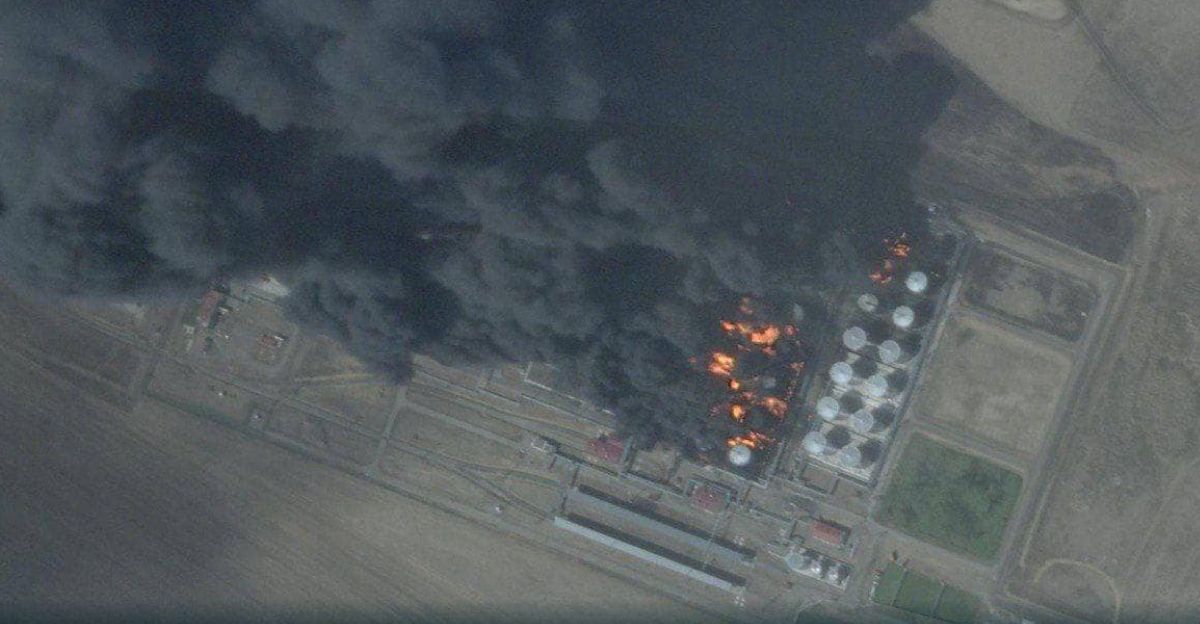
Satellite images from 2024 and early 2025 revealed Russia’s vulnerability in its fuel infrastructure. Major depots, such as Livny, had minimal backup and outdated air defense systems.
Ukrainian intelligence mapped tank locations, storage layouts, and security arrangements. Russian officials admitted to some weaknesses but prioritized air defenses over protecting rear logistics.
This choice hurt Livny’s two large RV-5000 tanks. The depot survived one Ukrainian drone strike in January 2025. Would it survive a second, stronger attack?
The Strike
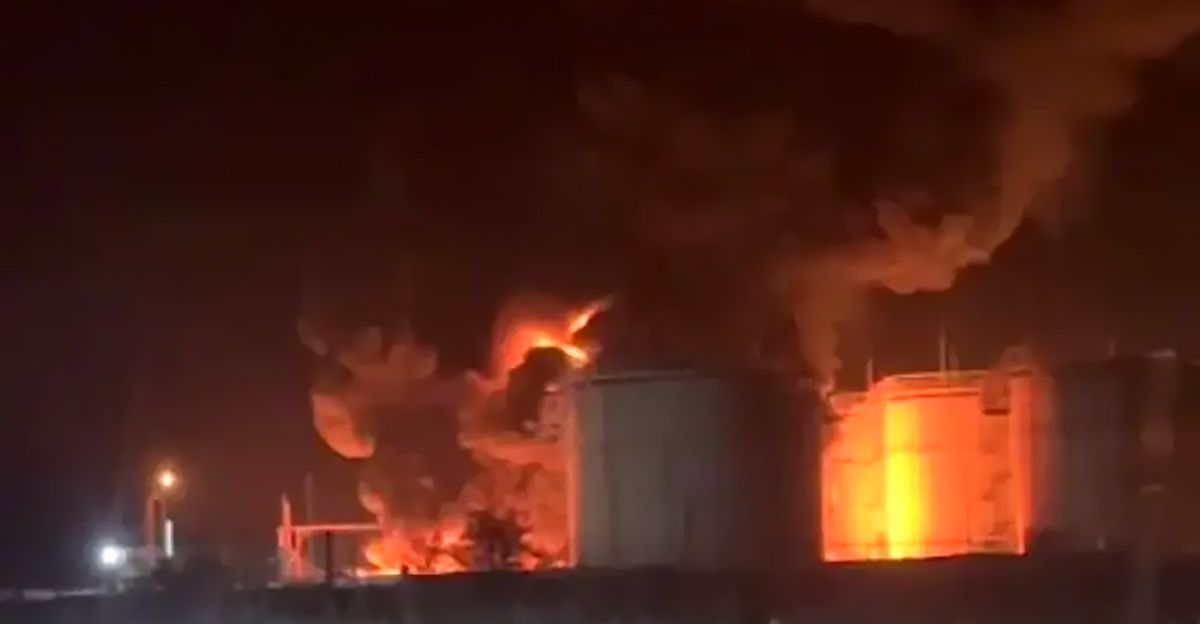
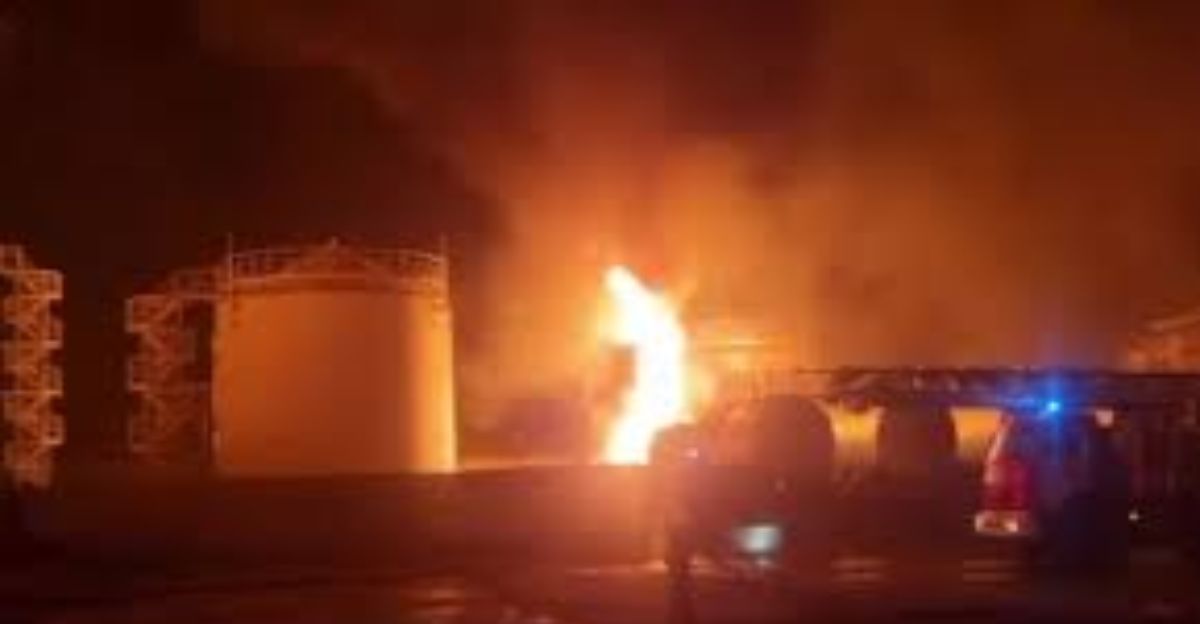
On the night of December 1-2, 2025, Ukrainian drones hit the Livny oil depot in Oryol Oblast, Russia.
Two RV-5000 fuel tanks—each holding 2,000 cubic meters of oil—caught massive fires. Planet Labs satellite photos from December 6 showed both tanks burned out, leaving only black metal frames.
Ukraine’s General Staff confirmed drones hit targets. Each destroyed tank lost about 1,700-1,900 metric tons of fuel capacity.
Regional Impact
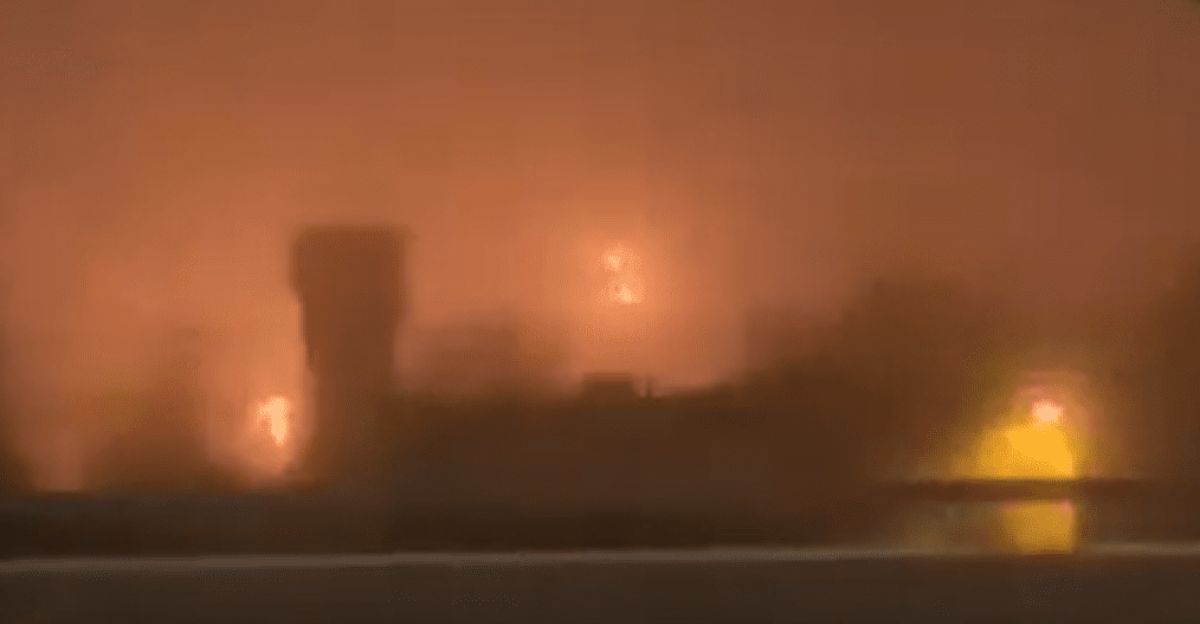
Oryol Oblast felt the strike fast. The depot supplied fuel to military units, home heating systems, and regional transport networks.
Officials stated that no civilians died, but nearby towns experienced heating fuel shortages ahead of winter. Governor Andrei Klychkov confirmed the strike but stated that the damage was “manageable.”
Yet local fuel coordinators knew the truth: each destroyed depot meant longer fuel routes, higher costs, and delayed resupply. The strike hit civilian supply chains within hours.
Military Ripple
The destroyed tanks held thousands of gallons of military diesel fuel. Russian military fuel needs are endless: bombers, helicopters, tanks, and trucks consume thousands of tons daily.
One depot loss doesn’t stop operations—but repeated hits do. Ukraine’s General Staff said repeated strikes force Russia to move fuel on longer routes, making them targets again.
Supply officers confirmed resupply delays. Combat units near Oryol reported fuel rationing within days of the strike.
Global Energy Markets
Western energy experts watched for the strike’s broader significance. While Livny’s loss won’t shake global oil markets, it signals a significant development: Ukraine can now simultaneously damage Russia’s fuel exports and its military fuel supply.
Some experts predict Russian refined fuel exports will drop, tightening supplies and raising prices slightly. Others say Russia’s military fuel safety faces real danger.
Energy traders felt cautious hope: if Ukraine continues to hit depots, Russian fuel exports will shrink, helping non-Russian suppliers.
NATO Response

NATO intelligence classified the strike as a prime example of a modern asymmetric war. Western military experts noted the operation showed top-notch drone targeting, supply coordination, and damage checking.
Some questioned whether Ukraine can produce drones fast enough. Others said Ukraine’s ability to strike 93+ miles deep in Russia gives strong negotiation power.
NATO defense leaders privately agreed that Ukraine’s drone campaign reshapes military thinking on air defense and supply protection.
The Broader Pattern
This wasn’t Livny’s first strike. Ukrainian drones struck the same depot on January 24, 2025, causing damage and forcing a temporary closure. The December 2 strike was the second successful hit on the same site in less than one year.
The pattern revealed Ukraine’s system: identify critical targets, strike them, assess damage via satellite, and strike again when operations resume.
Russia faces hard choices: split fuel storage into smaller, harder-to-defend depots, or keep assets grouped and accept danger.
Russian Frustration

Leaked messages from Russian regional leaders showed growing anger. Fuel depot commanders complained about the weakness of air defense systems and the slow pace of equipment replacement.
Local military supply officers reported supply chain disruptions and delays in resupply. The Central Military District struggled to maintain fuel reserves while defending its depots against drones.
Some Russian sources suggested morale dropped among support troops facing impossible protection tasks. The strikes revealed an imbalance: Russia has thousands of potential targets but limited defensive resources.
Defense Reallocation
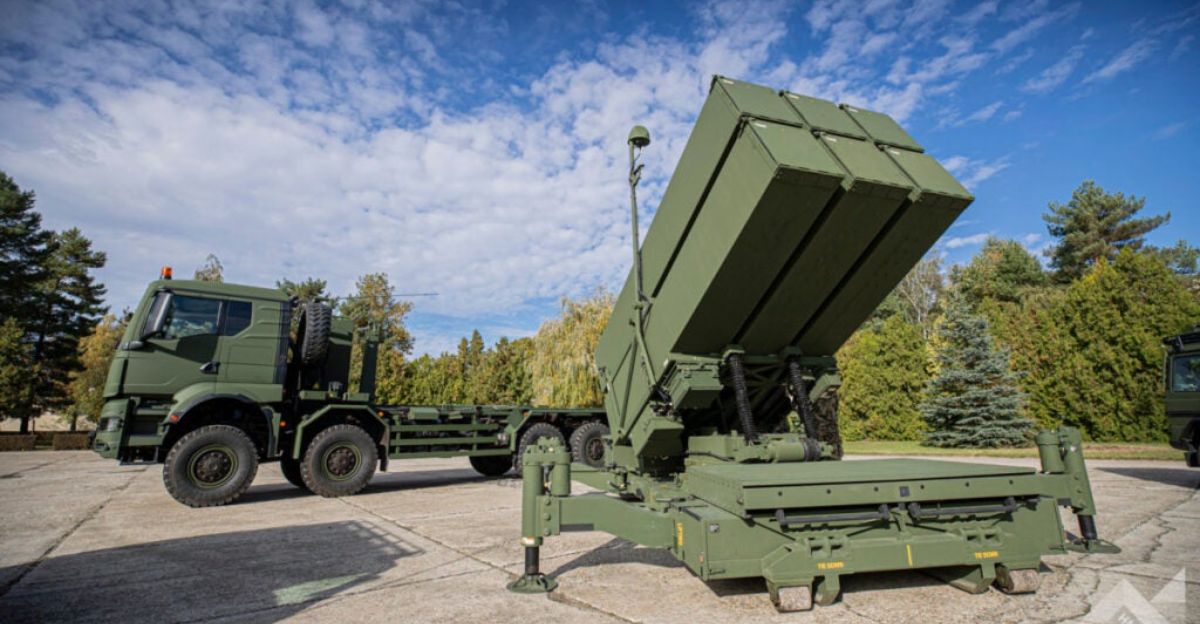
Russia’s leadership ordered shifts in its air defense systems in response to rising losses. Surface-to-air missile batteries were relocated from forward positions to protect the rear fuel infrastructure.
This defensive move meant fewer air defense assets were available to support combat troops—a strategic loss. Russia’s military command stated that the shift was necessary to prevent fuel shortages.
However, military experts noted the cost: front-line units got less air defense protection in exchange for protecting supplies. This trade-off showed Moscow sees Ukraine’s drone campaign as an existential threat.
Infrastructure Hardening
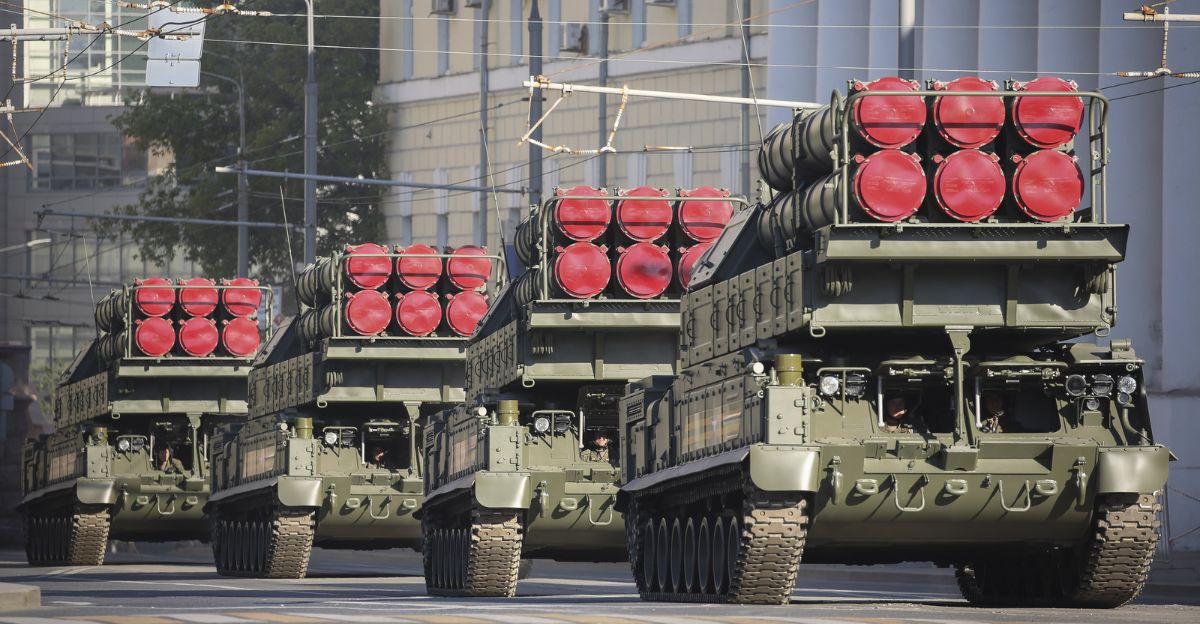
Russia began emergency depot protection programs. Blast walls were erected around the remaining tanks. Mobile air defense systems deployed to high-risk depots.
Some depots shifted to spread-out storage in smaller backup facilities. These investments used resources that could support forward operations. Military experts calculated defensive work—walls, air defense, and spread-out storage—cost billions of rubles in emergency spending.
Yet even protected depots remain vulnerable to multiple drone attacks or precision strikes, finding weaknesses.
Sustainability Questions
Military analysts raised critical long-term questions.
Can Ukraine produce and supply drones fast enough to keep striking? Will Western allies send electronics and parts for drone-making? Can Russia improve its air defenses enough to reduce the success of Ukrainian strikes? Or does Ukraine’s drone advantage continue to grow, outpacing Russian defensive capabilities?
Answers stayed unclear, but the trend looked clear: Ukraine’s drone strikes cause serious damage to Russian supplies and military readiness.
The Question Ahead

As winter gets colder and drones fly in harsh conditions, Ukraine faces a key test: can it maintain high-speed operations while staying accurate in targeting and damage assessment? Russia faces an equal challenge: how to defend thousands of depots across a vast territory with limited air defense resources?
The Livny strike shows this dilemma—a site hit twice in one year, destroyed but replaceable, yet proving a weakness Russia cannot eliminate. The coming weeks will reveal if Ukraine’s drone edge proves decisive in weakening Russia’s war capacity.
Sources:
- General Staff of Ukraine, Official military statements on drone strikes and operations, December 2025
- Radio Svoboda, Ukrainian drone strikes on Russian oil infrastructure, December 2025
- Ukraine Today, Satellite images confirm drone destruction of oil depot tanks, December 2025
- Ukrainska Pravda, Drones strike oil depot in Russia’s Livny fire breaks out, December 2, 2025
- Ukrinform, General Staff confirms strikes on oil depots in Russia’s Tambov Oryol regions, December 2, 2025
- Ukraine Today, Prior attack on Livny oil depot January 24 2025, January 24, 2025