
Florida’s coral reefs reached a breaking point in the summer of 2023, when an unprecedented marine heat wave sent water temperatures in the Florida Keys to record highs and wiped out vast colonies of once-dominant corals. Scientists surveying more than 52,000 colonies across nearly 391 sites reported that staghorn and elkhorn corals in the lower and middle Keys and Dry Tortugas suffered mortality rates of 98–100%, with only somewhat lower losses farther north. The scale of damage led researchers to describe these cornerstone species as “functionally extinct” in much of the region, leaving behind an ecological void with serious consequences for marine life, coastal protection, and local economies.
Heat, Thresholds, and a Shifting Ocean
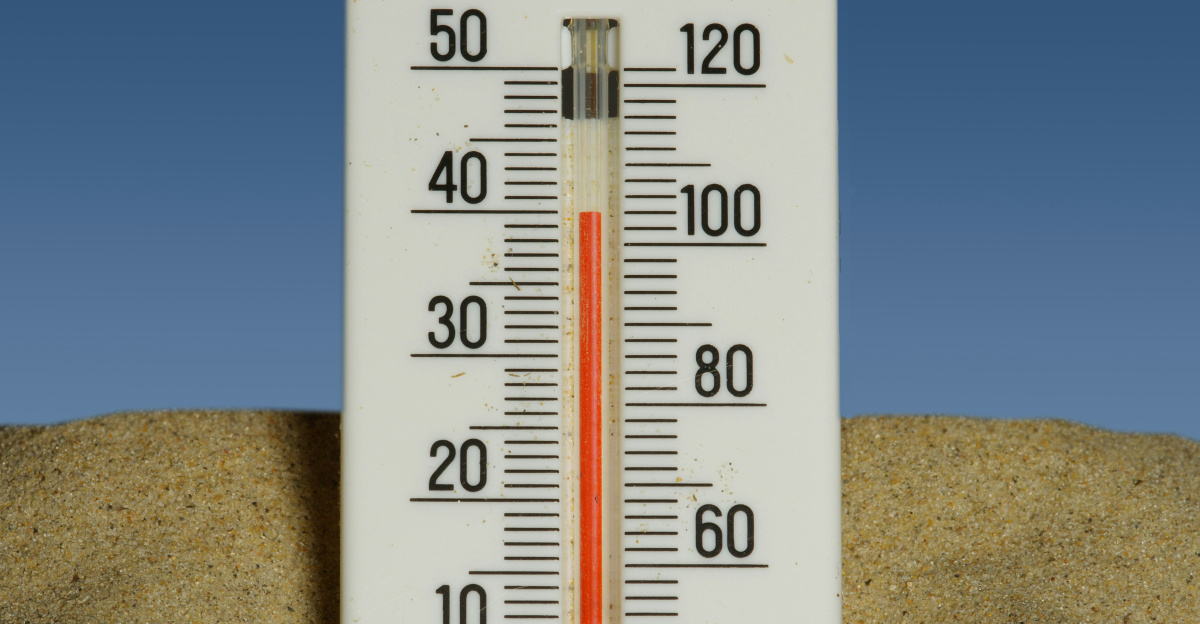
The 2023 marine heat wave pushed sea surface temperatures above 31°C (87.8°F) for an average of more than 40 days, delivering thermal stress more than twice, and in some places up to four times, greater than in any previously recorded year. Under these conditions, corals began to lose their symbiotic algae and shed tissue within days, a rapid breakdown that observers likened to melting. For warm-water coral reefs, climate researchers now argue that such extremes mark the crossing of a climate tipping point, where rising background temperatures permanently shift the conditions needed for long-term survival. With the 2023 event counted as the ninth major bleaching episode on record, many scientists warn that each subsequent spike in heat may hit weakened reefs harder and leave them less able to recover.
Coastal Protection, Livelihoods, and Local Economies

The loss of living coral cover is not only a biological crisis but also a direct threat to millions of people who rely on reefs as natural storm defenses. In Florida, an estimated 14.5 to 22 million coastal residents once benefited from reef structures that can reduce incoming wave energy by roughly 97%, softening storm surges and slowing coastal erosion. As staghorn and elkhorn frameworks deteriorate, communities from the Florida Keys to major urban counties such as Miami-Dade and Broward face higher flood risk, rising insurance premiums, and downward pressure on property values in exposed neighborhoods. At the same time, sectors built around healthy reefs—including commercial fishing, diving, snorkeling, and reef-focused hospitality—are experiencing mounting losses. Operators report changing visitor patterns as tourists seeking vibrant coral landscapes look to less-impacted destinations, forcing local businesses to rethink their offerings and diversify beyond traditional reef tourism.
Restoration Efforts and Emerging Technologies
In response, scientists, nonprofits, and coastal businesses are working together to stabilize what remains and rebuild key habitats where possible. Organizations such as the Coral Restoration Foundation, Mote Marine Laboratory, and Reef Renewal USA are propagating surviving coral genotypes in nurseries, then outplanting thousands of fragments onto degraded reefs across the Florida Keys National Marine Sanctuary. These efforts are supported by federal initiatives, including NOAA’s Mission: Iconic Reefs, which targets restoration at seven high-priority sites and aims to re-establish coral cover and structural complexity over the coming decade. Alongside biological restoration, engineers and entrepreneurs are advancing artificial reef modules, living shorelines, and hybrid coastal infrastructure designed to absorb waves and create habitat. Biotech ventures are experimenting with heat-tolerant coral strains and 3D-printed substrates intended to help new corals settle and survive in warmer waters, creating a growing market for resilience-focused marine construction and environmental technology.
Global Ripples, Food Security, and Inequality

The same heat wave that devastated Florida also contributed to widespread bleaching across the Caribbean and other tropical regions, where staghorn and elkhorn corals historically supported dense fish populations. Their collapse undermines nursery grounds for many commercially important species, threatening seafood exports from countries such as Jamaica, the Bahamas, and Belize. As reef-dependent catches decline, international supply chains for fish and shellfish become more volatile, with potential knock-on effects for restaurant menus and grocery prices in the United States and Europe. In Florida and beyond, households that rely on relatively affordable seafood—often in lower-income coastal communities—face higher food costs and shrinking local catches, intensifying existing economic inequalities. These pressures have accelerated discussions about expanding sustainable aquaculture and developing climate-resilient species to protect nutrition and livelihoods where wild reef fisheries can no longer be relied upon.
Policy Choices and a Narrow Window for Change
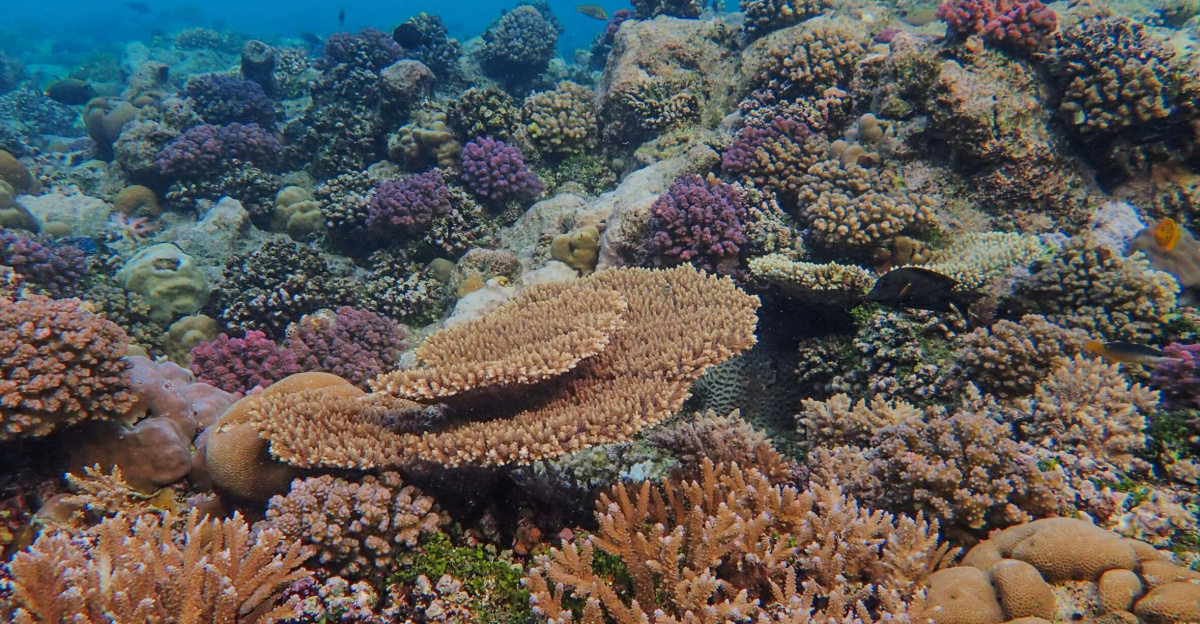
Government agencies at the state and federal levels are moving to expand restoration funding and integrate reef protection into broader climate adaptation plans, but scientists emphasize that rebuilding coral cover alone cannot offset the effects of continued ocean warming. Long-term prospects for Florida’s reefs depend heavily on how quickly global greenhouse gas emissions are reduced through measures such as carbon pricing, rapid deployment of renewable energy, and other decarbonization policies. For many residents, the crisis has also become a cultural and political touchstone, surfacing in films, art, and public campaigns that frame reef loss as a visible symbol of the wider climate emergency and its disproportionate impacts on marginalized communities. The coming decade is widely seen as a decisive period: if warming can be limited and restoration efforts scaled up, Florida’s reefs may retain enough resilience to recover in patches; if not, they are likely to stand as an enduring warning of how fast critical ecosystems can unravel once climate thresholds are crossed.
Sources
Manzello et al. (2025) Science journal study on the functional extinction of staghorn and elkhorn corals following the 2023 marine heatwave.
NOAA Coral Reef Conservation Program & Mission: Iconic Reefs initiative reports and 2023 sea surface temperature data.
Ferrario et al. (2014) Nature Communications study on the effectiveness of coral reefs for coastal hazard risk reduction.
U.S. Geological Survey & University of California, Santa Cruz (2019) report on the economic value of U.S. coral reefs for flood risk reduction.