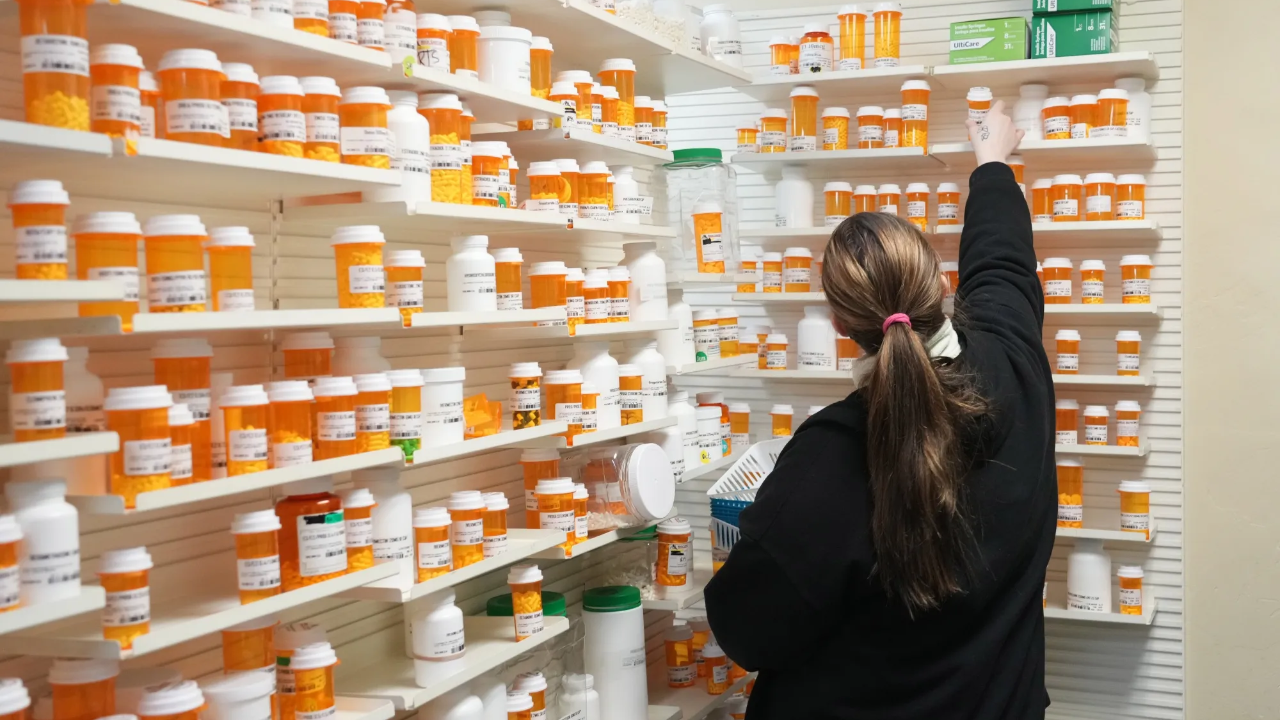
Thousands of Americans who rely on cholesterol-lowering medication are now facing uncertainty after a major recall of atorvastatin calcium tablets swept across the country. On September 19, 2025, Ascend Laboratories announced the withdrawal of 141,984 bottles, a move that has sent shockwaves through pharmacies, clinics, and households nationwide. The recall, prompted by failed quality tests, has raised urgent questions about drug safety and oversight in a system millions depend on for heart health.
A Nationwide Recall Disrupts Daily Routines
The scope of the recall is vast, affecting all four strengths of atorvastatin—10mg, 20mg, 40mg, and 80mg—manufactured by Alkem Laboratories Ltd. in India and distributed in the U.S. by Ascend Laboratories LLC of New Jersey. With expiration dates ranging from July 2026 to February 2027, the defective batches may have been in circulation for months, leaving patients to wonder if their medication was silently failing them.
“I’ve taken my statin every night for years, trusting it would keep my heart safe,” said Philadelphia resident Linda Martinez. “Now I’m worried I’ve been unprotected all this time.” Her concern echoes across communities, as statins are a daily lifeline for roughly 47 million Americans seeking to lower their risk of heart attack and stroke.
The Role of Atorvastatin in Heart Health
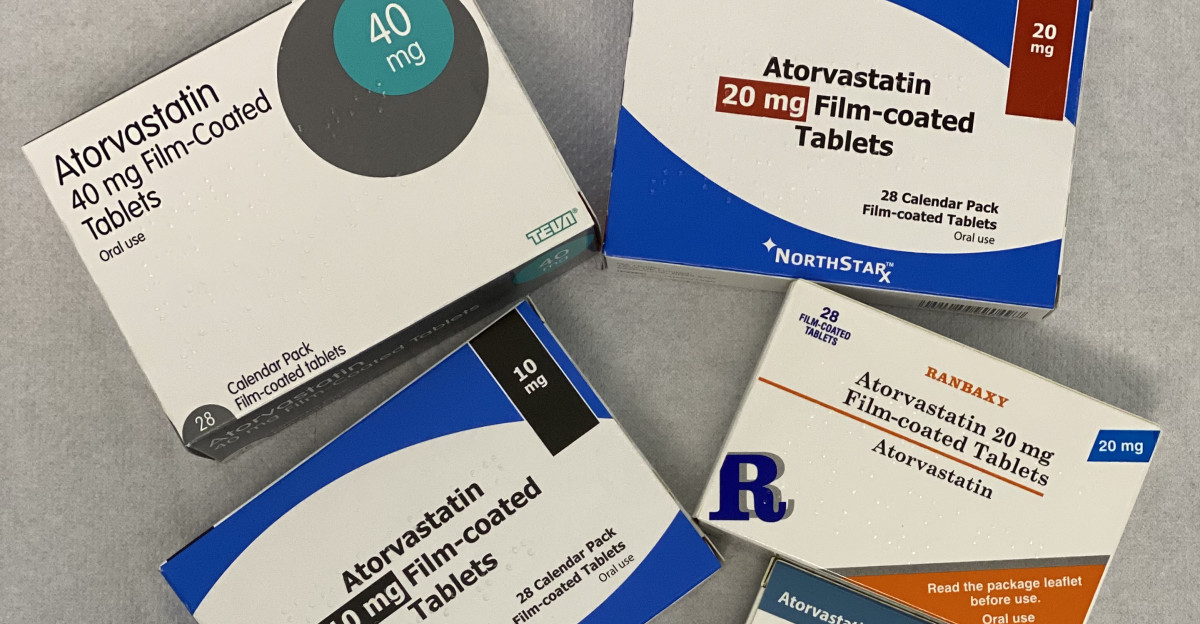
Atorvastatin, the generic version of Lipitor, is a cornerstone of cardiovascular care in the United States. By blocking the HMG-CoA reductase enzyme, it helps the liver reduce cholesterol production, thereby lowering the risk of serious heart events.
Medical experts stress that even a brief interruption in statin therapy can undo months of progress. Dr. Michael Chen, a cardiologist at Yale Medicine, explained, “Consistency is critical. Missing doses or taking ineffective medication can allow cholesterol levels to rise, increasing the risk of heart attack or stroke.”
The recall’s impact is therefore far more than a logistical inconvenience—it poses a direct threat to patient health, especially for those with chronic conditions.
Quality Failure and FDA Response

The FDA classified the recall as Class II, indicating that the product may cause temporary or medically reversible adverse health effects, with the risk of serious harm considered remote. However, the underlying issue is not toxicity but potential ineffectiveness.
The tablets failed dissolution testing, a key quality standard that ensures pills dissolve properly and deliver the intended dose. If a tablet does not break down as designed, the body cannot absorb the full medication, leaving patients vulnerable despite following their prescriptions.
“Therapeutic failure is a silent risk,” noted Dr. Chen. “Patients may feel fine, but their cholesterol could be rising unnoticed.” So far, no illnesses have been directly linked to the recalled batches, but the possibility of undetected harm remains.
Global Supply Chain and Oversight Challenges

The recall highlights the complexities of the global pharmaceutical supply chain. Manufacturing in India and distribution in the U.S. allow for efficiency and lower costs, but also introduce challenges in quality control and oversight.
According to Health.com, generic drugs account for 90% of prescriptions filled in the U.S., and they are expected to match brand-name drugs in safety and performance. Yet incidents like this threaten public trust.
“When a widely used generic falters, it raises questions about the reliability of the entire system,” said Dr. Anjali Rao, a pharmaceutical policy expert in Mumbai. Globally, similar recalls have occurred, but the scale and reach of this event underscore the need for stronger cross-border inspections and more frequent testing.
Patient Guidance and Next Steps
Healthcare providers are working swiftly to identify affected patients, verify prescriptions, and arrange replacements. The FDA advises patients not to stop taking atorvastatin without consulting their healthcare provider, as abruptly halting statin therapy can increase the risk of heart attack or stroke.
Patients should check their prescription bottles for lot numbers and expiration dates, compare them with official recall lists, and contact their pharmacies for safe disposal and verified replacements. “Our priority is to maintain uninterrupted cholesterol management,” said Dr. Chen. “We’re monitoring patients closely and ensuring they receive effective medication.”
Looking Ahead: Restoring Trust and Ensuring Safety
This recall serves as a wake-up call for the entire pharmaceutical supply chain. It exposes vulnerabilities in global oversight and reminds stakeholders—patients, doctors, manufacturers, and regulators—of the immense responsibility carried by quality assurance systems.
The FDA may expand international audits and strengthen testing protocols to prevent future lapses. While the risk to individual patients is considered low, the broader implications for public trust and drug safety are significant. As Dr. Rao observed, “Reliability must begin long before a pill reaches the bottle. Only then can patients feel truly protected.”