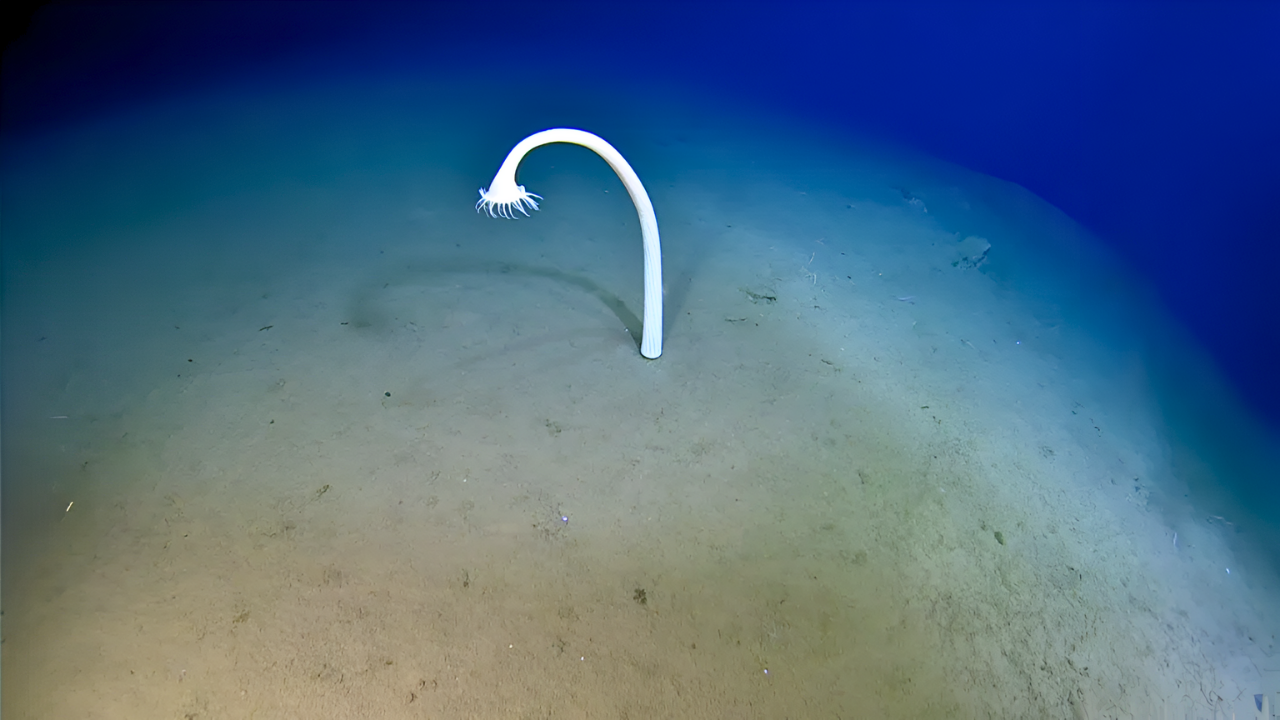
A viral video circulating online claims a deep-sea drone detected unexplained movement at nearly 11 kilometers (36,000 feet) below the ocean surface—an environment where pressures exceed 1,000 atmospheres and known life becomes extremely sparse.
Although the footage suggests rhythmic motion, no oceanographic institution has verified the event. Scientists emphasize that without data, logs, or instrument specifications, the alleged detection cannot be assessed, leaving viewers debating whether it shows an artifact, debris, or undiscovered biological activity.
Hadal Zone Realities
The hadal zone—depths below 6,000 meters—does contain documented life, including amphipods, microbial mats, and snailfish. Pressures reach up to 16,000 psi, yet several species survive through protein-stabilization chemistry and flexible skeletal structures.
While these ecosystems are real, life becomes less complex with depth, and the deepest confirmed fish reach roughly 8,300 meters. Thus, claims of large organisms at 11,000 meters exceed verified biological limits and require evidence not yet presented in the viral footage.
Drone Technology Breakthroughs
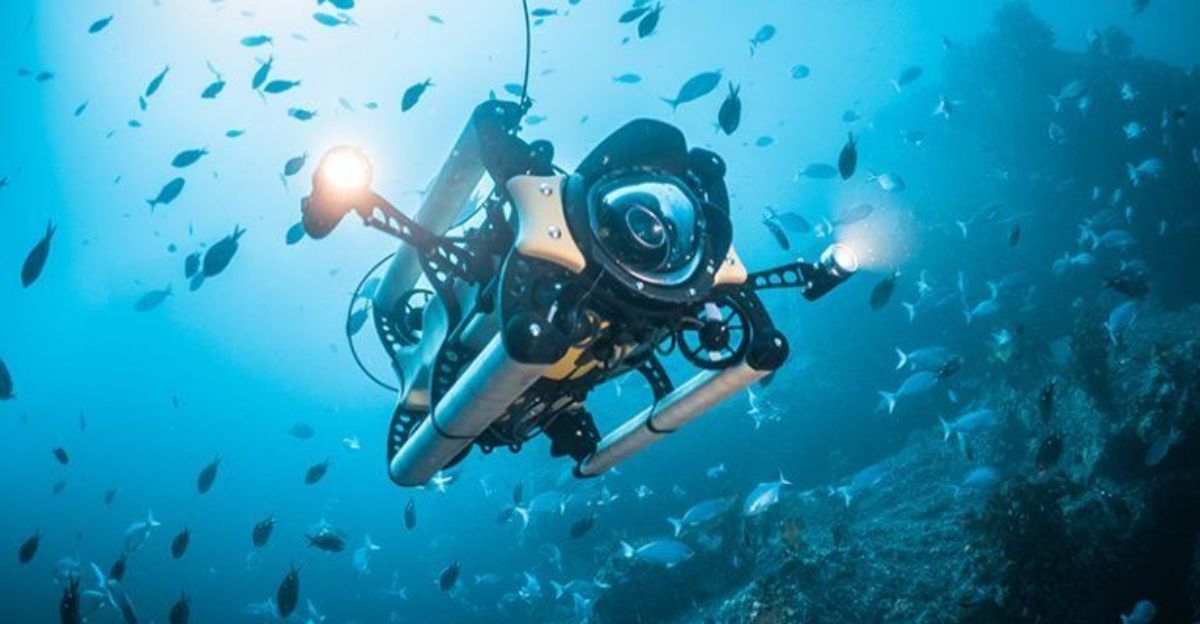
Modern deep-sea autonomous underwater vehicles (AUVs) can approach hadal depths using titanium pressure housings and compact sensor arrays. Some prototypes inspired by CubeSat miniaturization reduce size and cost while improving maneuverability.
These systems typically carry sonar, cameras, and environmental sensors designed to operate in extreme pressure. However, no confirmed scientific AUV mission has released data showing unidentified movement at full ocean depth, making the viral video’s claims inconsistent with publicly documented deployments.
Historical Exploration Milestones
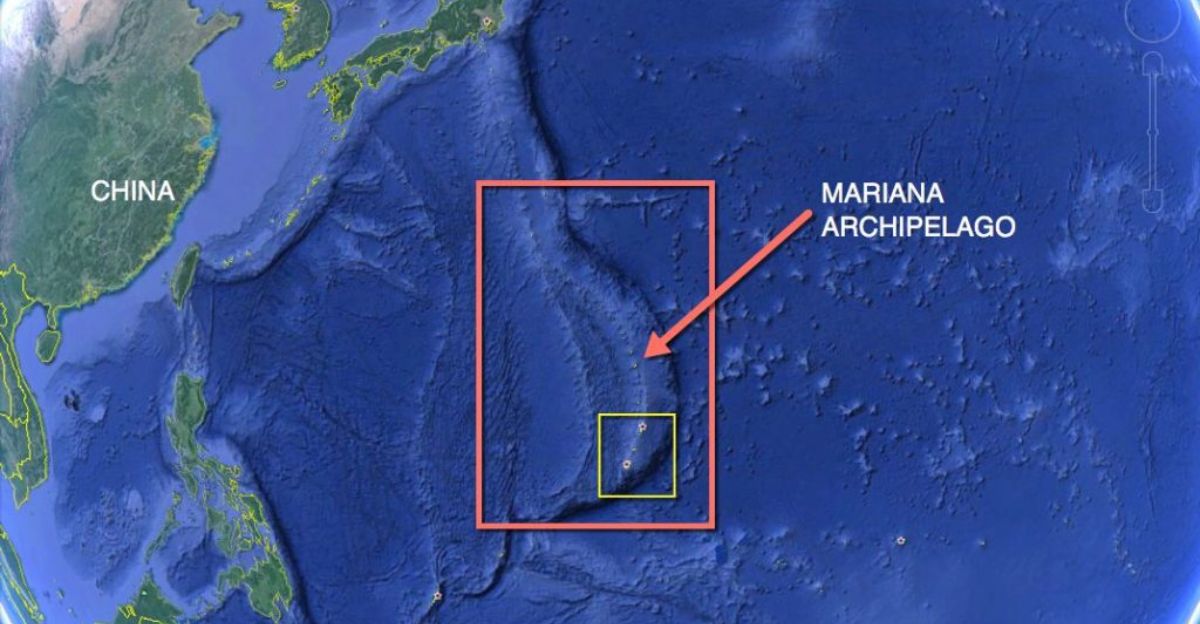
The Mariana Trench was first measured in 1875, and humans reached its deepest point in 1960 during the Trieste mission. Since then, submersibles such as Deepsea Challenger and Limiting Factor have completed multiple dives with detailed imaging and sediment samples.
These expeditions documented microbial and invertebrate life but nothing resembling large, unknown organisms. The historical record underscores that extraordinary discoveries usually emerge through peer-reviewed research—not anonymous online uploads.
Challenging Scientific Dogma

A common misconception is that scientists once believed the deep ocean was entirely lifeless. In reality, by the mid-20th century, researchers had already documented deep-sea fauna, including amphipods and sea cucumbers, far below the photic zone.
The true scientific question is not whether life exists, but how biological complexity declines with depth. Claims of substantial, self-directed movement at 11 kilometers challenge established limits and therefore demand rigorous evidence before any conclusions can be drawn.
Recent Detection Details
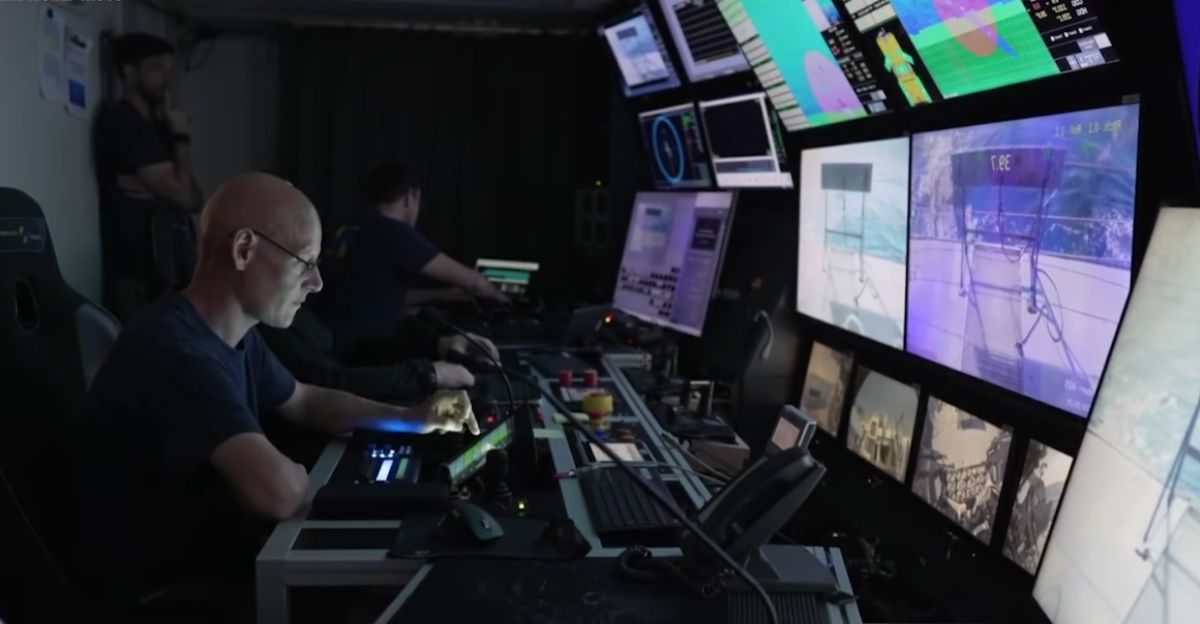
The viral video asserts that a drone in the hadal zone captured a serpentine silhouette emitting patterned pulses of light. However, the clip provides no metadata, mission records, or institutional affiliations.
Without these details, scientists cannot determine whether the movement resulted from current-driven sediment, equipment interference, compression artifacts, or an unknown biological source. Analysts emphasize that ambiguous imagery alone cannot substantiate the existence of an unclassified deep-sea organism.
Extreme Adaptation Mechanisms
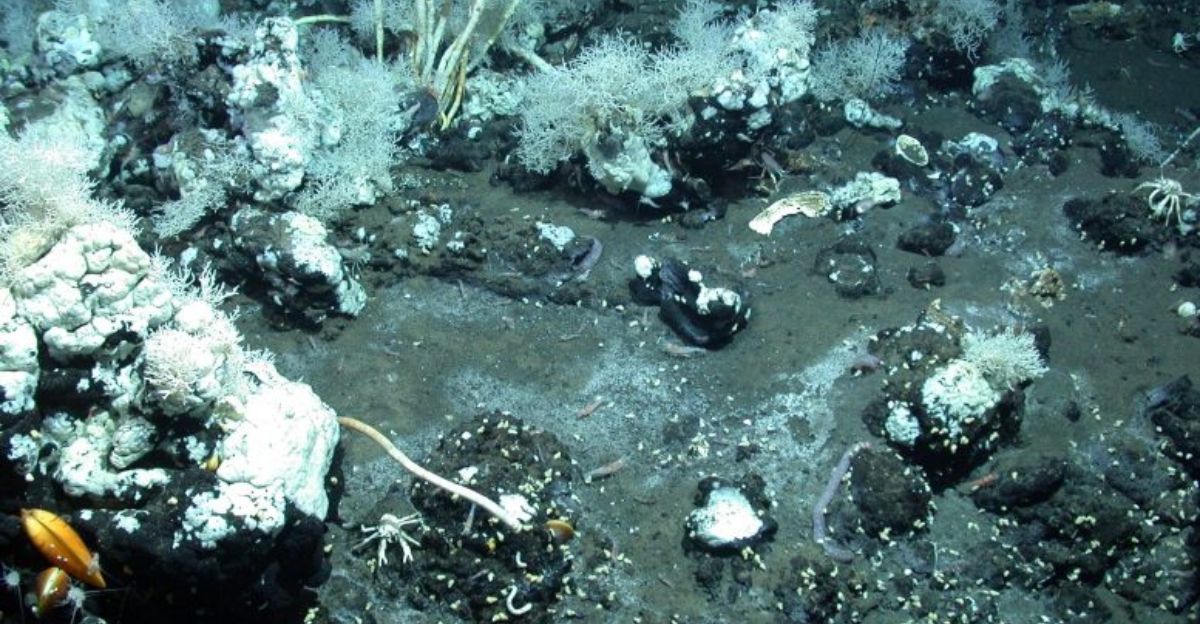
Many hadal organisms rely on trimethylamine N-oxide (TMAO) to protect proteins under immense pressure, enabling species such as amphipods to thrive near trench floors. Microbial communities near deep faults use chemosynthesis rather than sunlight.
Yet there is no verified evidence of large animals living at depths near 11 kilometers. Any suggestion of complex megafauna would require biological samples, high-resolution imaging, or independent verification—none of which accompany the viral claim.
Global Trench Trends
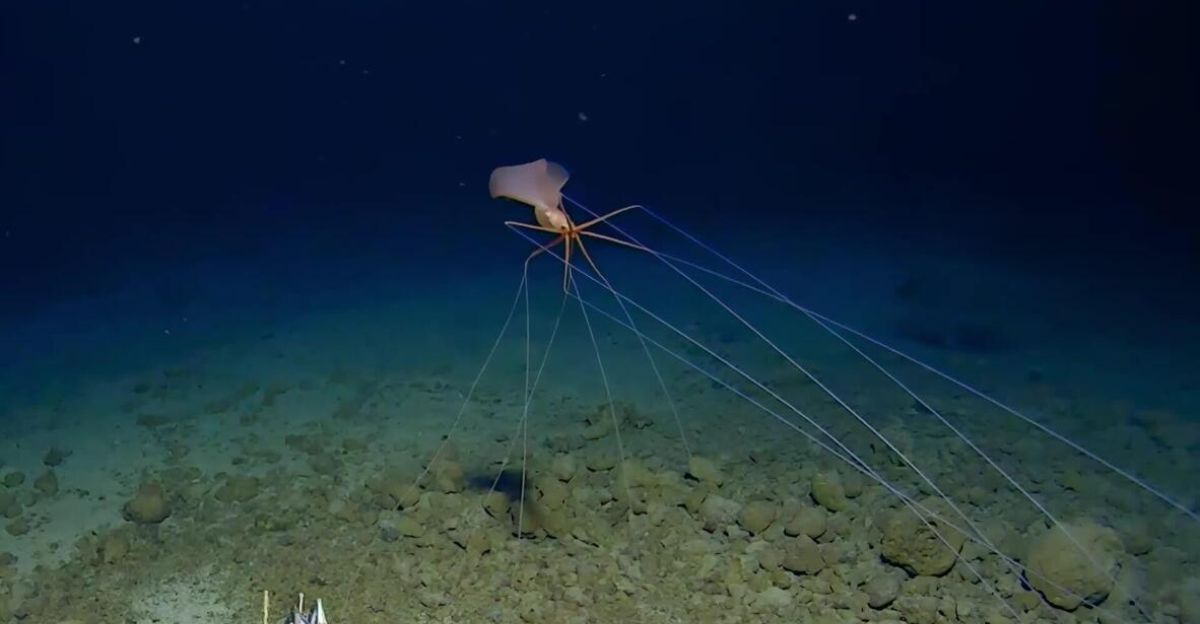
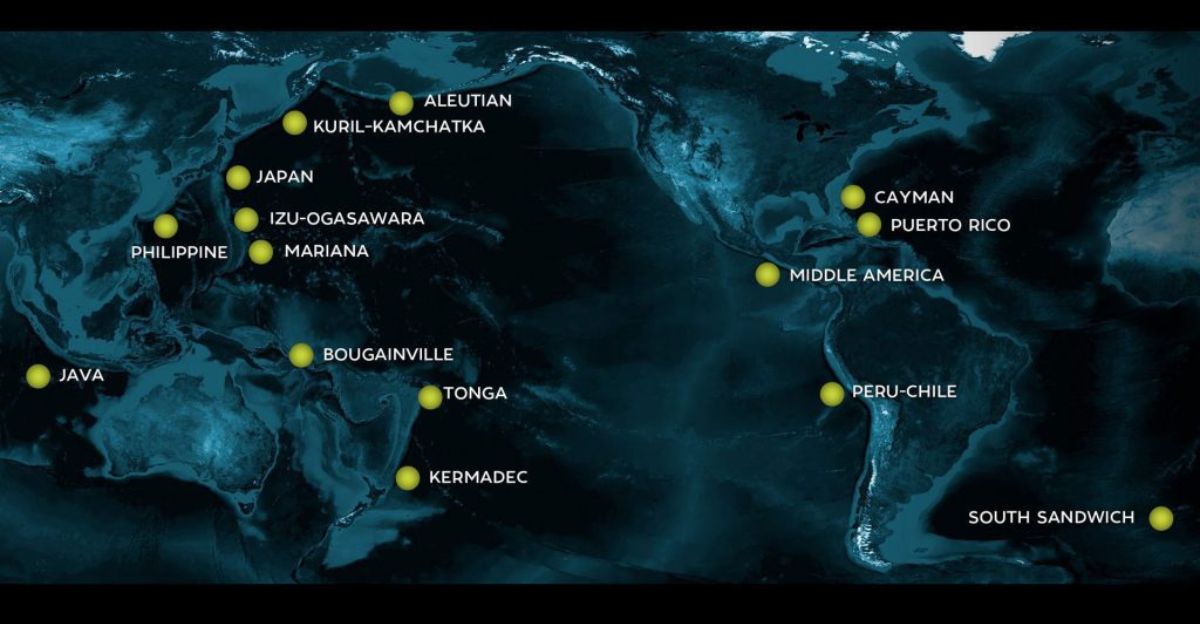
Documented trench ecosystems—including those in the Mariana, Tonga, Kermadec, and Japan trenches—feature amphipods, snailfish, microbial mats, and some specialized invertebrates. Surveys show life is patchy but persistent, shaped by organic fall, tectonic activity, and chemical gradients.
While exploration is expanding, especially through Chinese, American, and Japanese programs, no research institution has reported unusual large-scale movement resembling the object in the online video.
Strategic Exploration Solutions
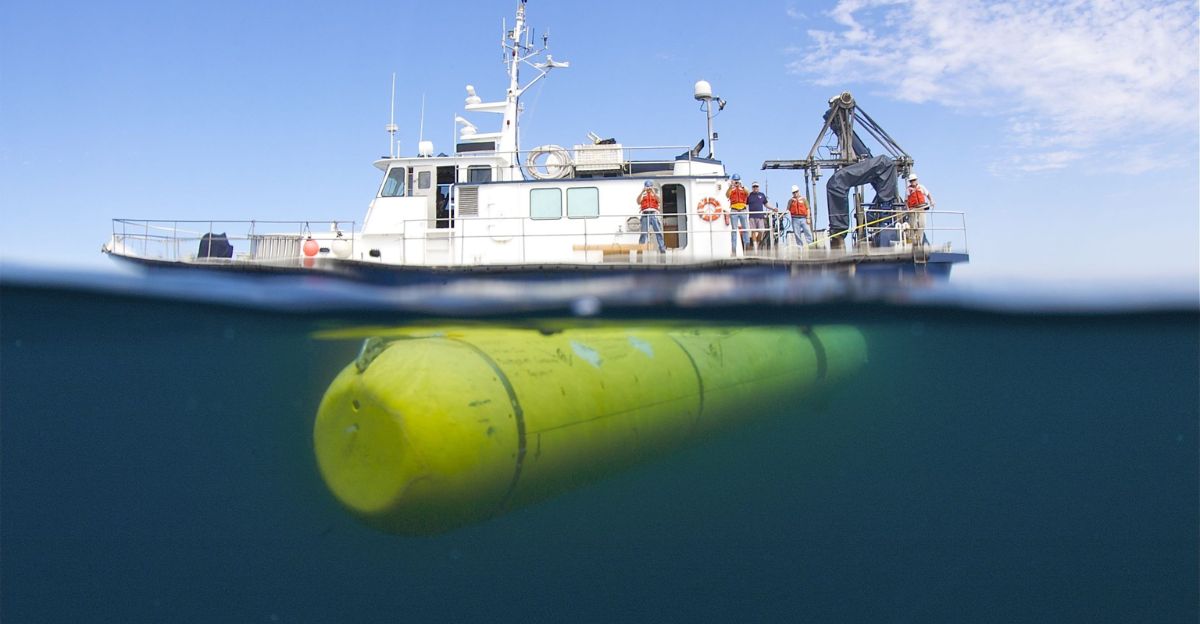
Scientific organizations use increasingly autonomous AUV fleets to map trenches and study deep-sea conditions. These vehicles gather data on geology, currents, microbe distributions, and sediment chemistry. Improved AI navigation reduces risk in extreme environments, while collaborative programs share mission data to enhance transparency.
Such systematic approaches contrast with the unverifiable footage circulating online, underscoring the importance of controlled research conditions for claims of unprecedented movement at the deepest depths.
Verified Hadal Species Data
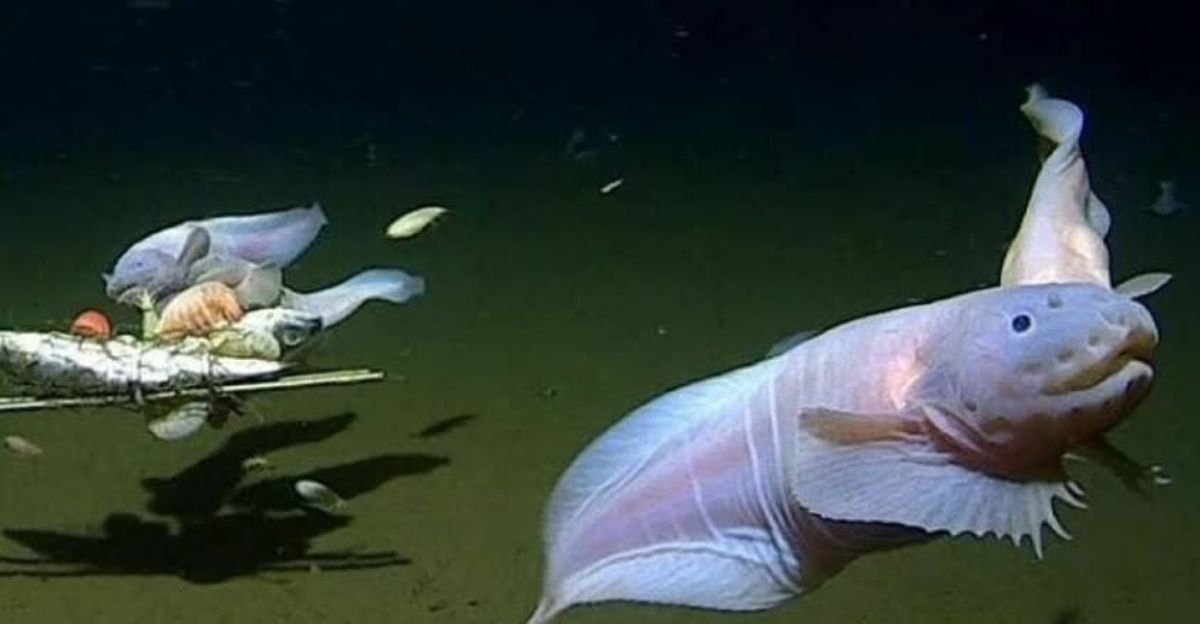
Over recent decades, researchers have identified hundreds of hadal species, including amphipods, polychaete worms, sea cucumbers, and microbial mats.
The deepest confirmed fish, a snailfish species, lives around 8,300 meters. These organisms display high adaptation but remain small and fragile compared with the large, distinct shape depicted in the video. Biological records provide a baseline for evaluating new claims—and currently, nothing known aligns with what the viral footage suggests.
Pressure Tolerance Metrics
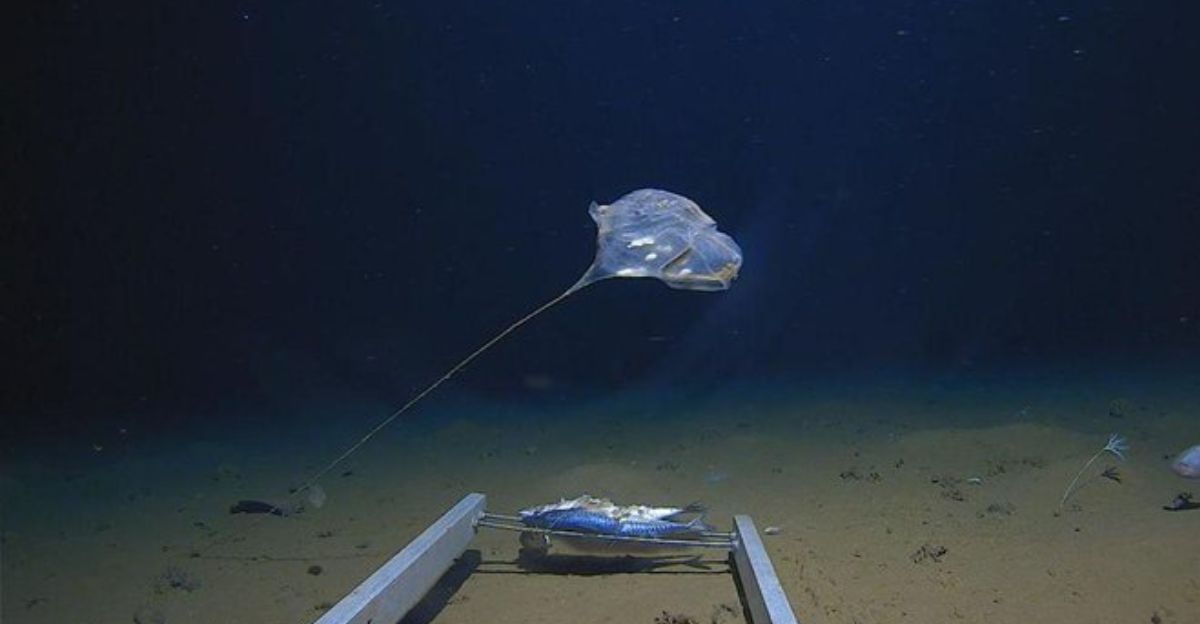
Extreme pressures at 11 kilometers compress gases, alter enzyme behavior, and limit skeletal structures. Documented organisms counter these forces through biochemical adaptations and slow metabolisms. Still, pressure poses strict constraints on size and mobility.
Claims of rhythmic, intentional movement at these depths exceed known physiological capabilities. Without direct measurements—such as sonar logs, temperature profiles, or biological sampling—researchers view such claims as speculative and unsupported.
Chemosynthetic Energy Facts
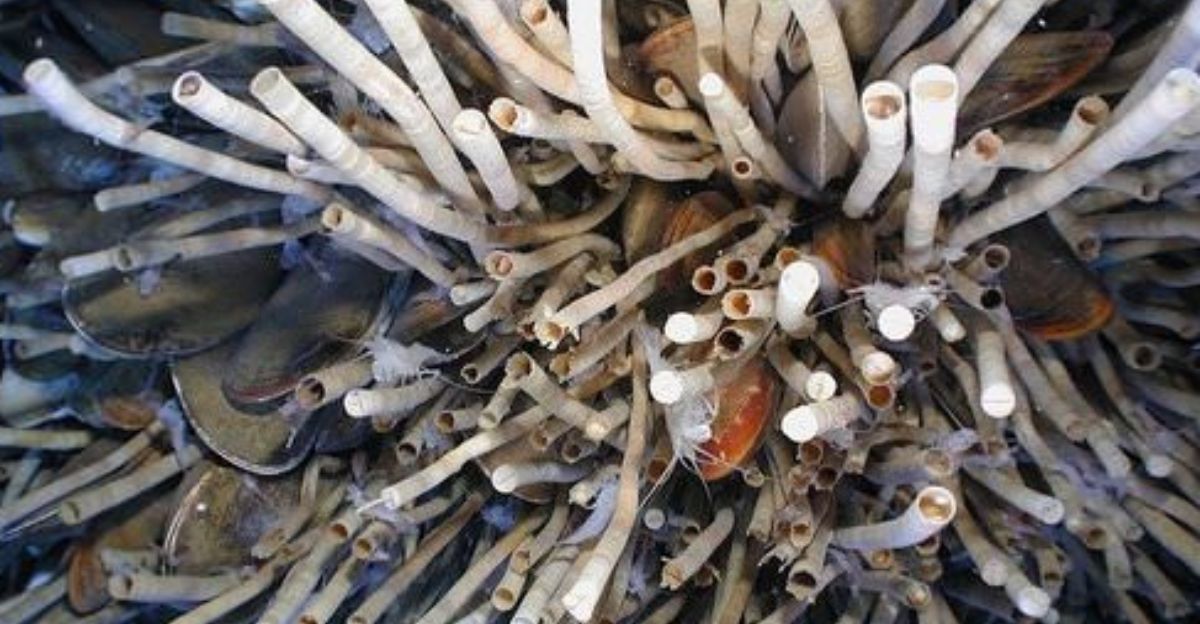
Since sunlight cannot penetrate hadal depths, life relies on chemical energy from methane, hydrogen sulfate, and other geologic sources.
Microbes form the base of these ecosystems, and some invertebrates depend on symbiotic chemosynthetic bacteria. While these systems can support dense microbial life, they do not supply energy at scales suggesting the existence of large, mobile animals. The video’s implication of substantial metabolic activity lacks the empirical backing needed for scientific acceptance.
Drone Sensor Verifications
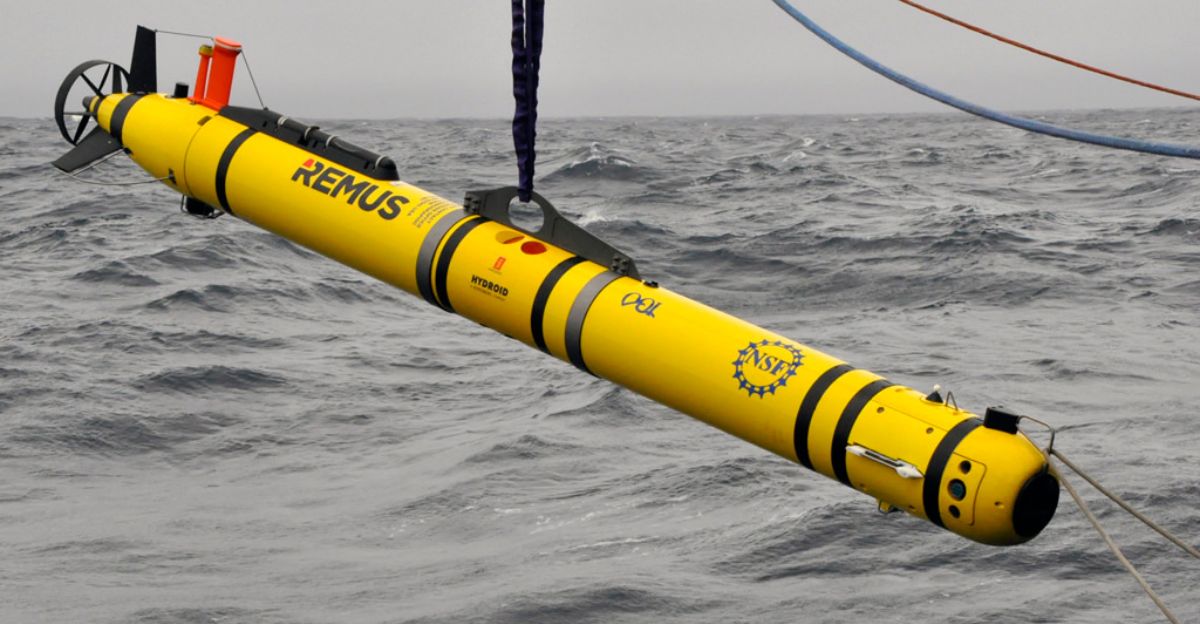
Scientific AUVs log massive amounts of sonar, imagery, and environmental data to validate observations. When unusual readings occur, researchers typically cross-verify with multiple sensors to rule out interference or mechanical issues.
The viral clip includes none of the contextual data required to establish authenticity. Specialists note that without synchronized sensor logs, the reported “movement” could stem from digital noise, compression distortion, or misinterpreted reflections, not biological behavior.
Depth-Specific Discoveries
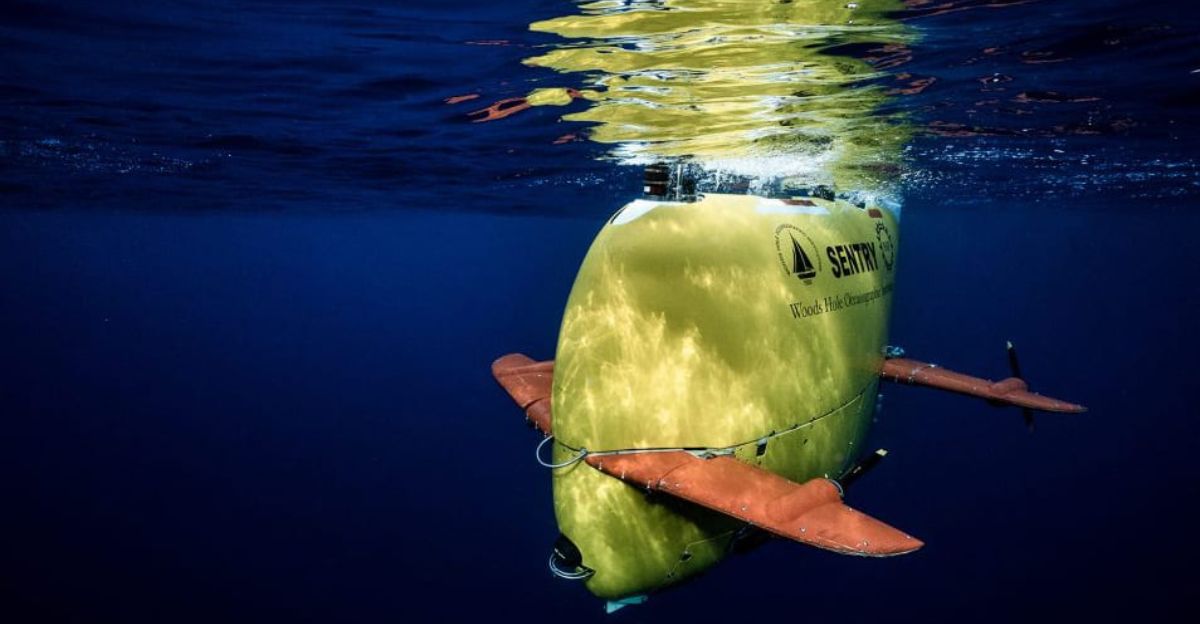
Challenger Deep reaches roughly 10,984 meters, making it Earth’s deepest known point. Verified species here include amphipods and microorganisms adapted to crushing pressure. No institution has documented mollusks, fish, or large mobile animals at these depths.
Claims from the viral video of coordinated motion in this region remain unverified, and experts argue that such a discovery—if real—would require extensive corroboration before entering the scientific record.
Endemism and Biodiversity Stats
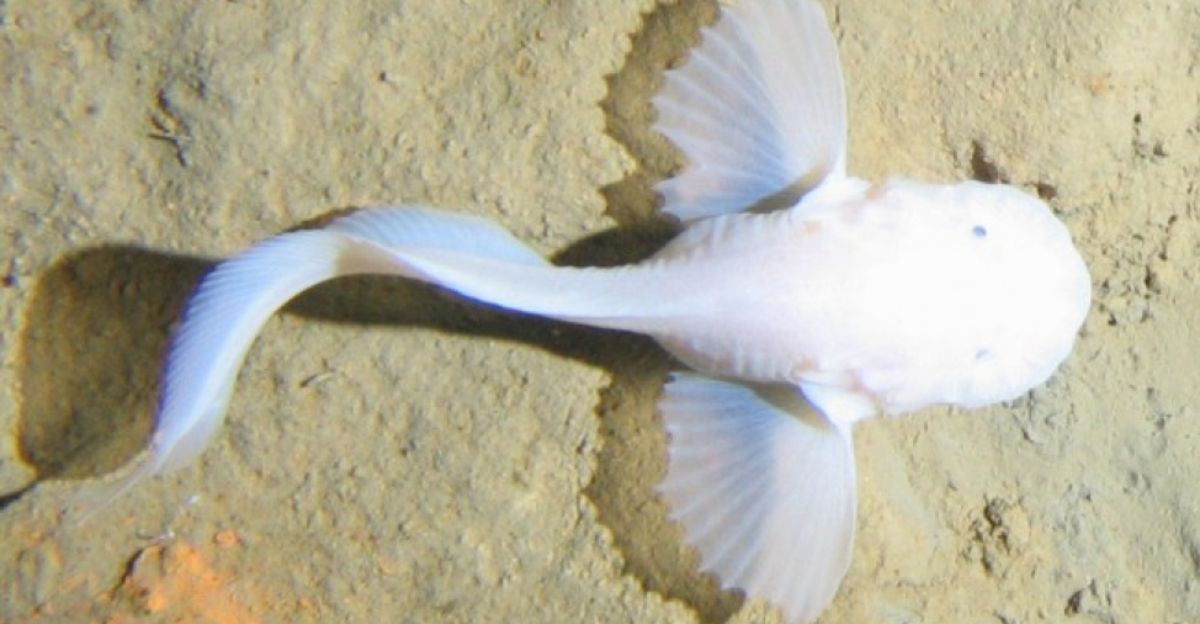
Hadal zones contain unique species found nowhere else on Earth, but biodiversity declines sharply with depth. Endemism reflects isolation and extreme environmental filters rather than the presence of large predators or complex organisms.
Scientific surveys show that most physical activity at full depth comes from sediment flows, microbe-rich deposits, or current-driven particulates—not large, self-propelled animals. This baseline is important when evaluating unverified claims from online videos.
Gigantism Case Studies
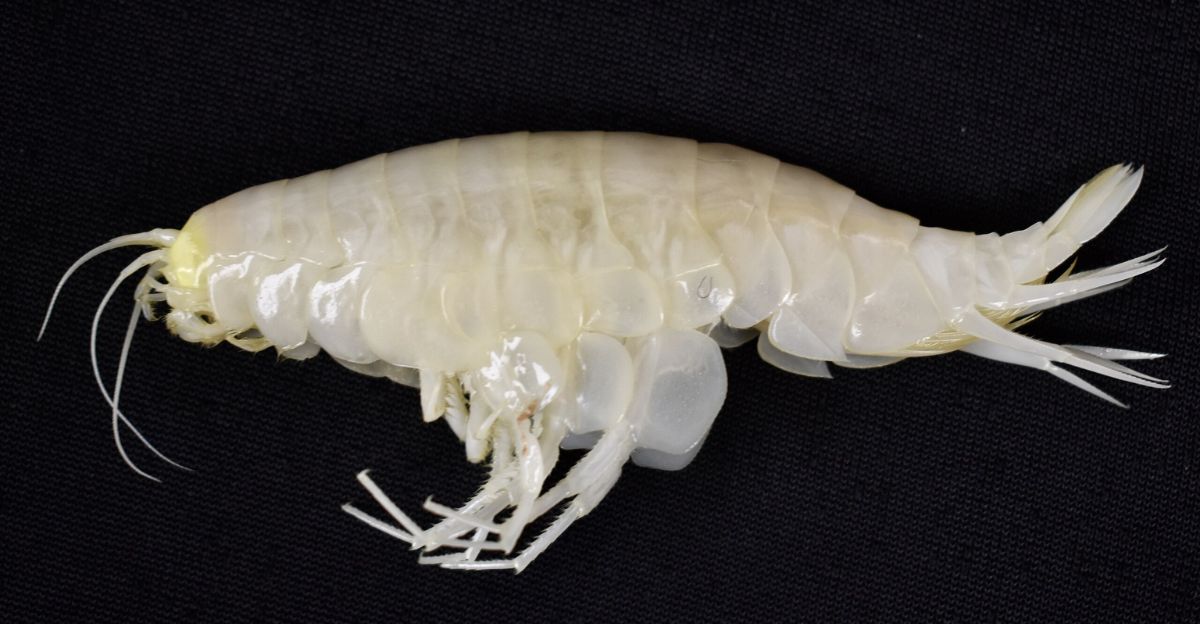
Some deep-sea amphipods reach unusually large sizes due to low temperatures, slow metabolisms, and stable environments. However, even the largest hadal amphipods measure only inches, not the large, distinct shape implied by the video.
Gigantism does not scale indefinitely under extreme pressure, and no confirmed species at 11 kilometers exhibits serpentine motion. Without biological samples, experts conclude that known gigantism cannot explain the object shown in the footage.
Tectonic Fuel Systems
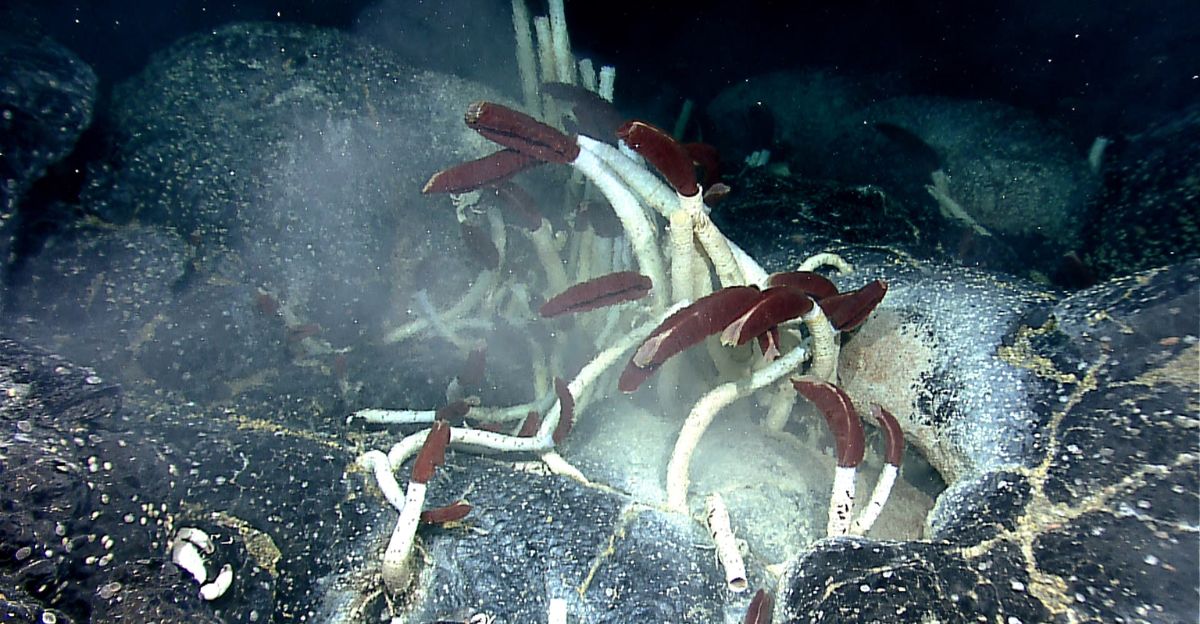
Hydrothermal and tectonic processes release hydrogen, methane, and other compounds that fuel chemosynthetic ecosystems. These energy sources sustain microbial communities and small invertebrates in several trenches. However, they do not indicate the presence of larger fauna at the deepest depths.
Until documented missions reveal otherwise, tectonic chemistry supports ecosystems—but only within the size and complexity limits already verified through sampling and direct observation.
Historical Anomaly Alignments
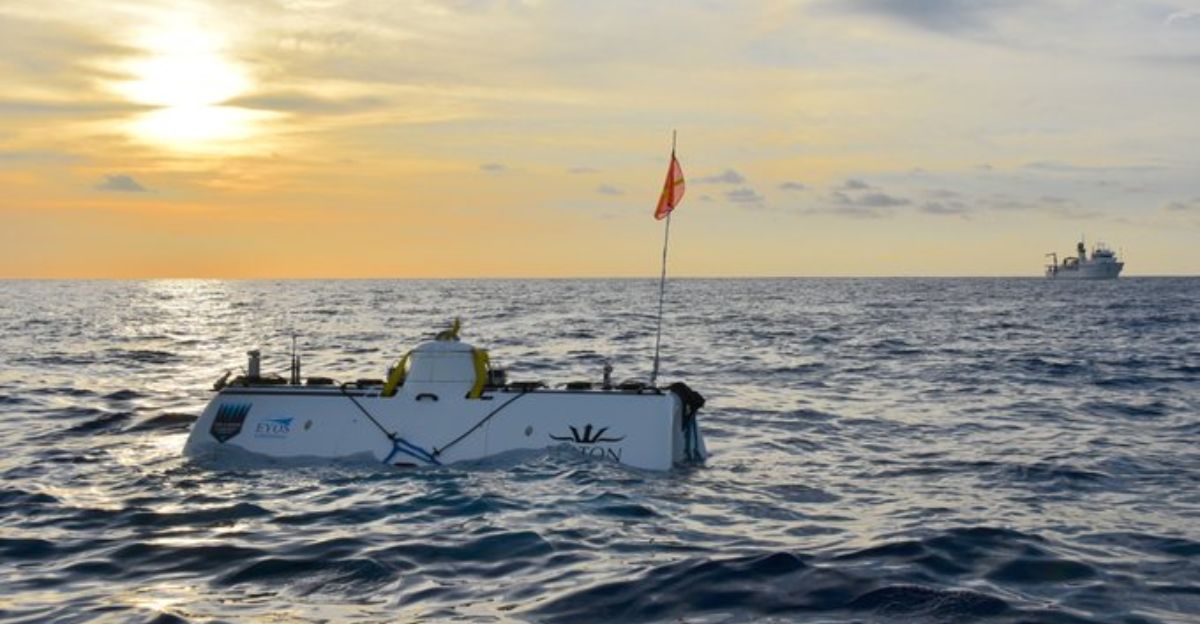
Past expeditions have occasionally reported ambiguous sonar readings or unusual optical artifacts, but investigation typically traced them to equipment limitations or environmental interference.
No archival mission has produced repeatable evidence of large, unknown organisms in the hadal zone. Comparisons to historic anomalies therefore remain speculative, and experts warn against retrofitting older data to match unverified viral content lacking scientific documentation.
Converging Evidence Networks
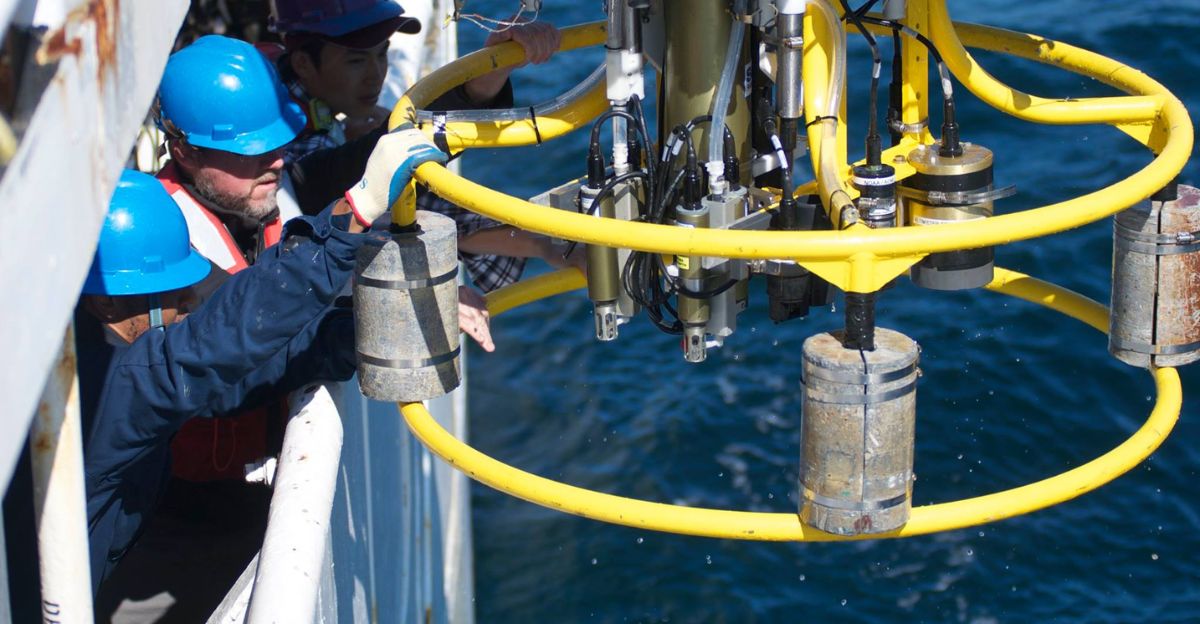
Oceanographers rely on coordinated datasets—acoustic logs, pressure readings, biological samples, and environmental profiles—to evaluate anomalous events.
Because none of these accompany the viral claim, there is no converging evidence for deep-sea life beyond established biological limits. Until institutions release verifiable AUV data, the footage remains an online curiosity rather than a contribution to marine science, illustrating how fast unverified material spreads compared with formal research.
Enlightened Implications
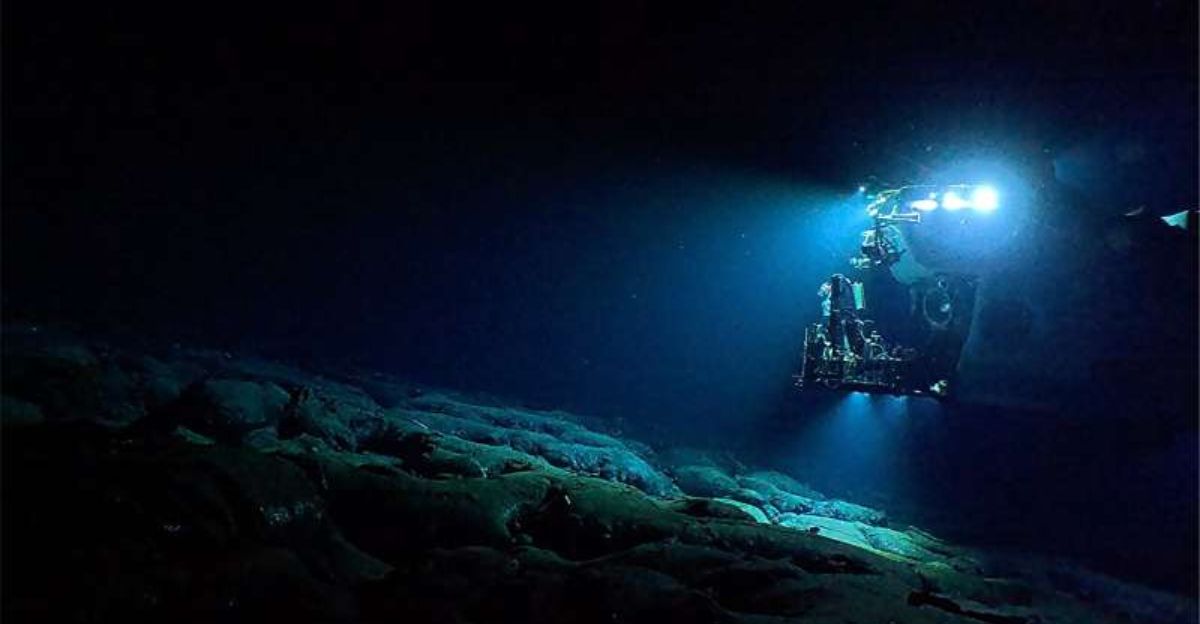
The viral video has renewed public interest in deep-sea exploration, highlighting how little of the hadal zone is fully mapped. While the specific claim remains unverified, it underscores the value of rigorous scientific missions capable of capturing high-quality imagery, samples, and sensor logs.
Future AUV fleets may eventually reveal new species or behaviors—yet discoveries must undergo transparent study and peer review to separate genuine breakthroughs from digital artifacts and online speculation.
Sources:
The Mariana Trench Is 36000 Feet Deep, and an Ocean Mystery Full of Life Exists There, Discover Magazine
Geology, environment, and life in the deepest part of the ocean, PMC/NCBI
Tiny Chinese drone conquers Earth’s deepest point beyond reach of US Navy, South China Morning Post
How life thrives in one of the most hostile environments on Earth, New Scientist
Underwater voyage finds sea creatures thriving in the deepest parts of the ocean, CBS News
Hadal zone, Wikipedia