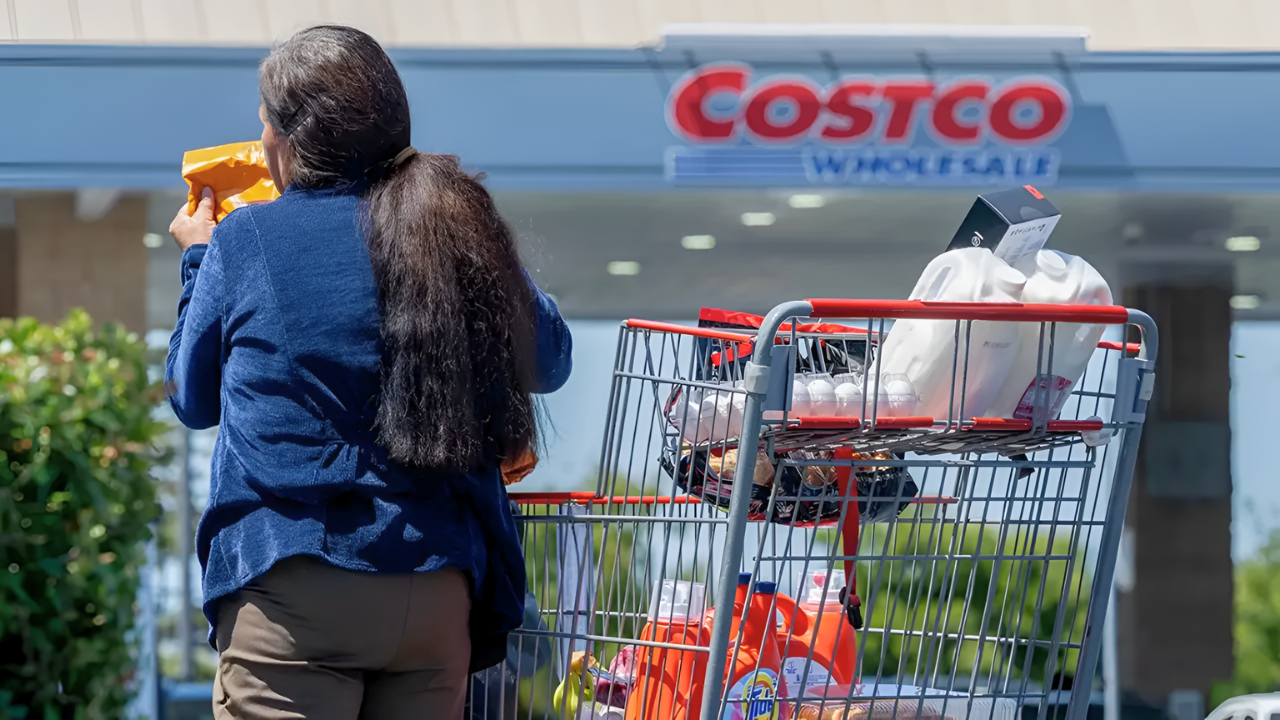
Costco shoppers across the U.S. are finding that their stock-up trips often end with bills that are far higher than expected.
A December 2024 Yahoo Finance report reveals that members enter the store intending to spend around $100, only to leave with nearly $300 worth of goods.
Complaints about disorganized aisles and missing signs are common, but despite these frustrations, Costco continues to see a high rate of membership renewals. The model, it seems, is still working—for Costco.
Rising Frustration
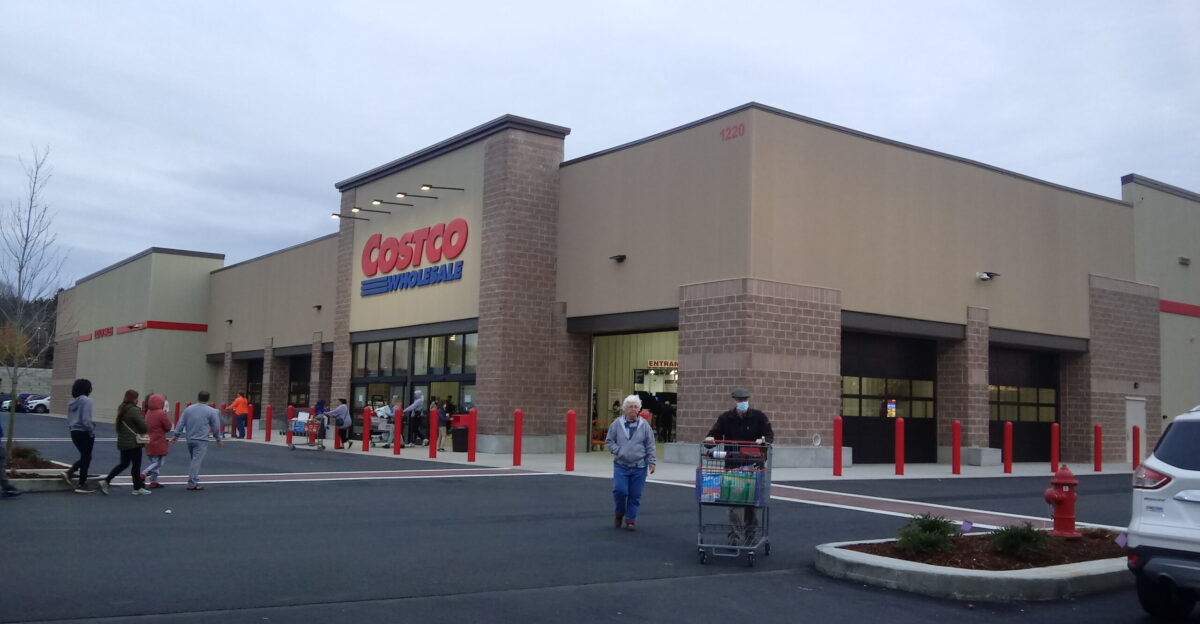
The latest backlash was sparked in late 2024, when a Costco member posted on Reddit about unmarked aisles and products that were constantly being moved.
The thread quickly drew more than 1,300 upvotes, with shoppers from multiple U.S. states echoing similar complaints.
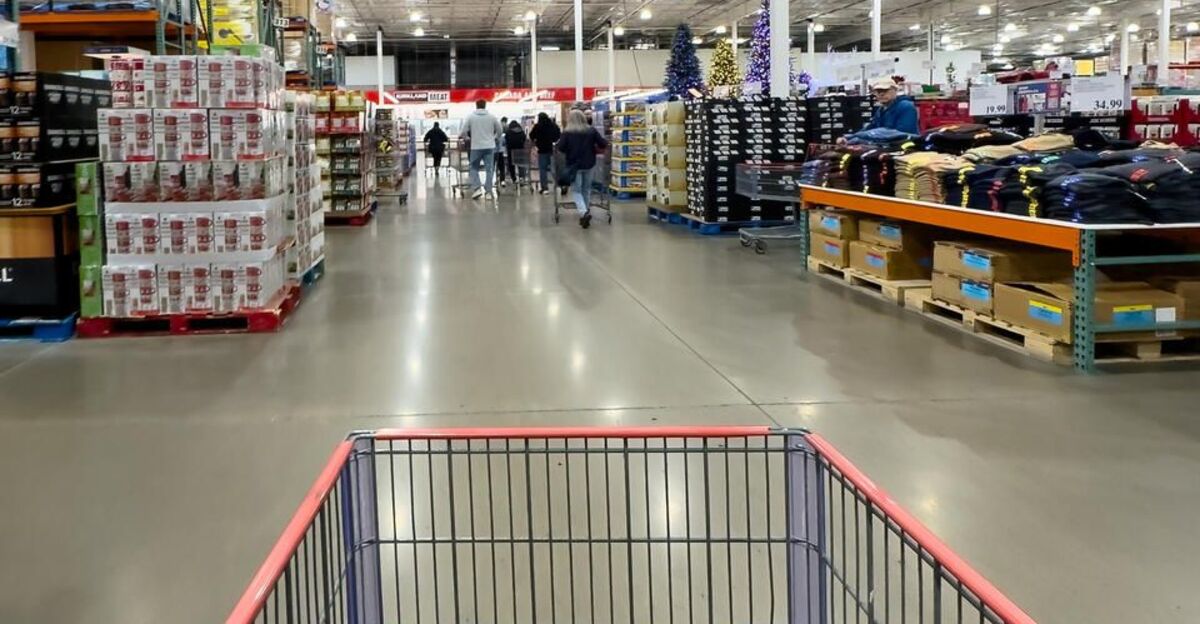
They described stores that felt like “mazes,” where routine grocery trips took longer and led to more unplanned purchases than expected.
Treasure Hunt Roots
Costco’s merchandising philosophy dates back to the 1970s. Former CEO and co‑founder Jim Sinegal told The Wall Street Journal in 2007 that the chain wanted customers to feel they should “buy it now” because an item might not be there next time.
Sinegal further confirmed that Costco would “intentionally run out” of rotating items to create urgency and that the company “constantly buy[s] that stuff and intentionally run[s] out of it from time to time.”
That “treasure hunt” approach, featuring rotating and limited‑time products, remains central to the Costco experience nearly 18 years later.
Strategy Hardens
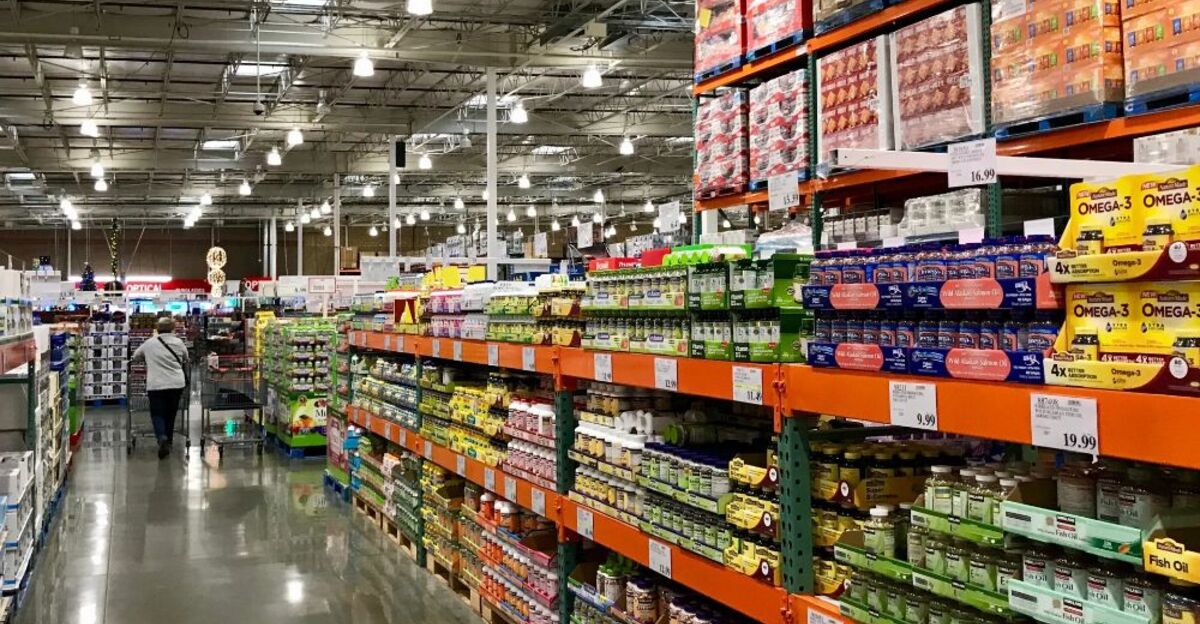
Over time, Costco’s warehouse design has been engineered around that concept. The company maintains approximately 4,000 SKUs compared to 30,000+ at traditional supermarkets, with minimalist layouts and rotating product placement that encourage browsing and discovery, rather than direct, list‑based shopping.
The same tactics that keep stores “exciting” also make it harder to find staples, intensifying members’ recent complaints quickly.
CEO’s $300 Line
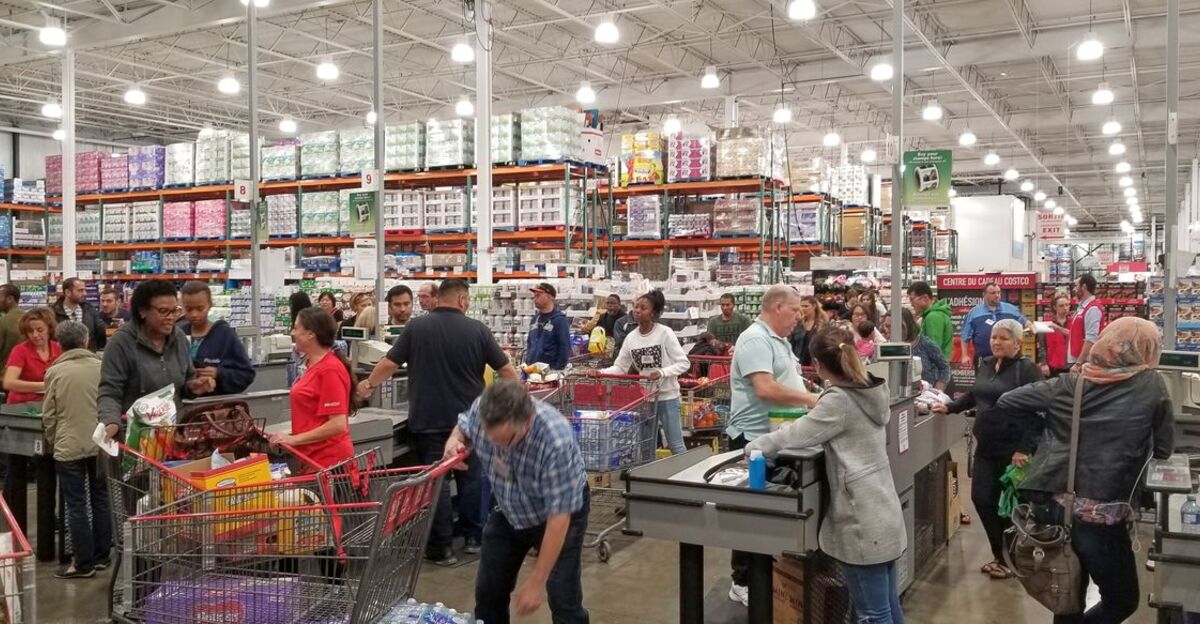
In May 2024, current CEO Ron Vachris confirmed how this design affects spending during an earnings call.
He said, “You’ve heard the phrase, people come in to spend $100 and walk out with $300. That’s because our buyers and our operators do a great job in making the warehouses exciting.”
The remark signaled that Costco leadership sees larger‑than‑planned baskets as a feature, not a bug.
Nationwide Model
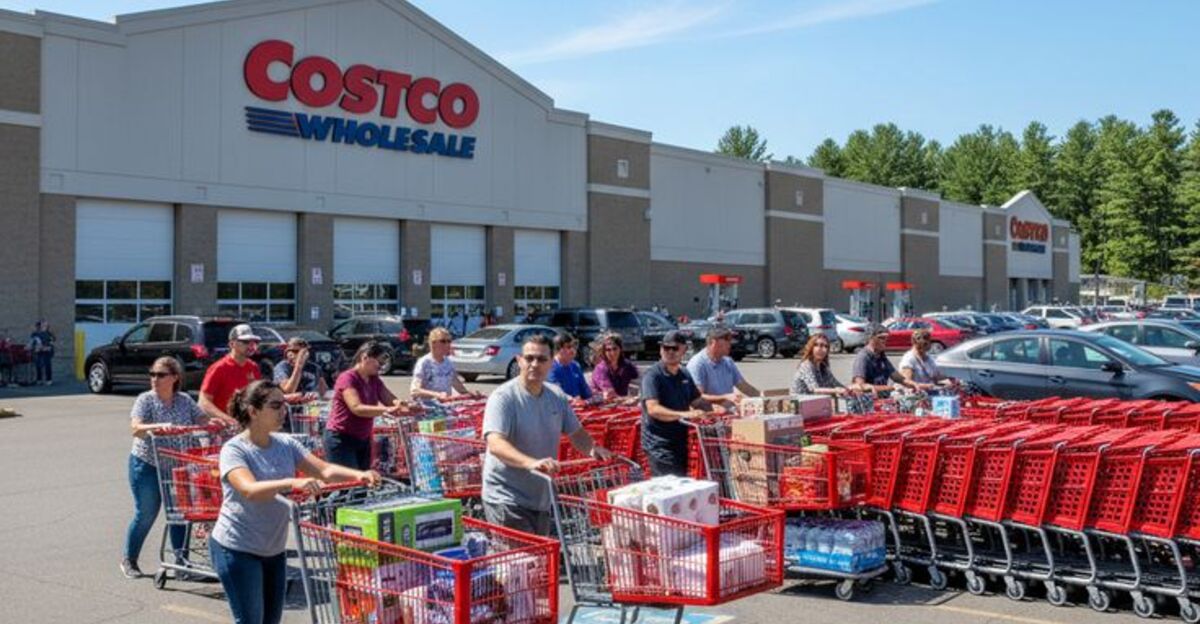
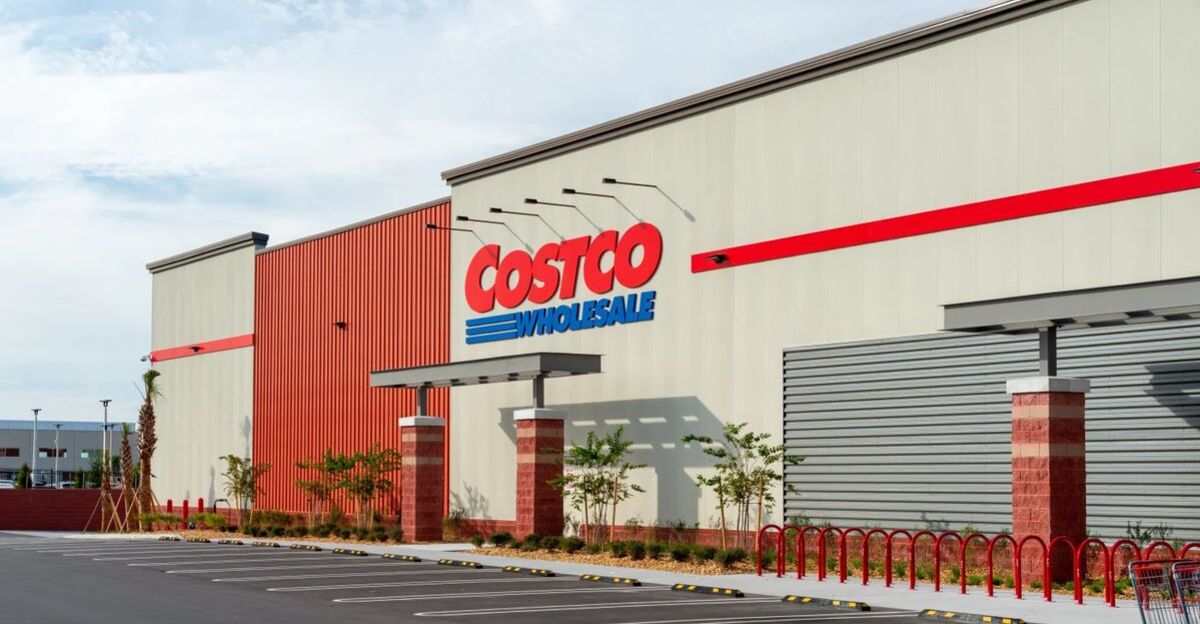
Costco operates approximately 617 warehouses in the United States, and the core layout template is broadly consistent across regions.
The Reddit complaints cited by Yahoo Finance came from shoppers in different states, but referenced similar sparse signage and shifting locations.
That suggests the “treasure hunt” design is not an isolated quirk—it’s a standard operating model across U.S. warehouses.
Wandering The Aisles
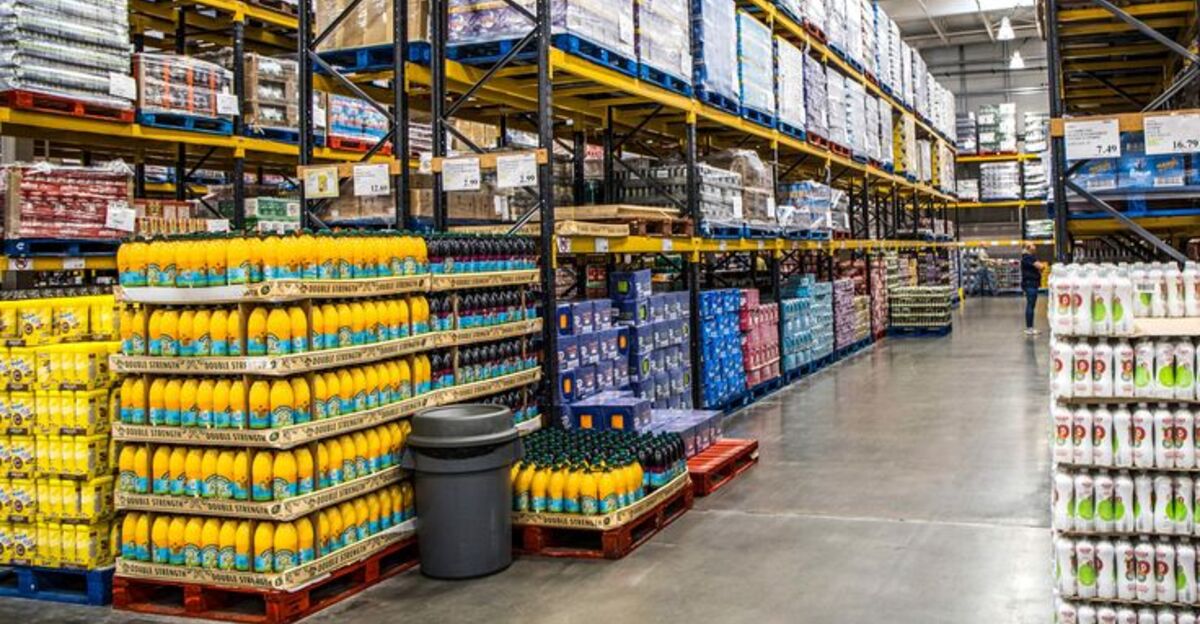
For individual members, the experience can feel less like a game and more like work. The viral Reddit poster described wandering aisles repeatedly to locate basics, with no clear aisle descriptions overhead.
Other commenters said they dreaded shopping alone because of the time lost hunting for items. For families on tight schedules, that added friction can be a real weekly burden.
Industry Contrast
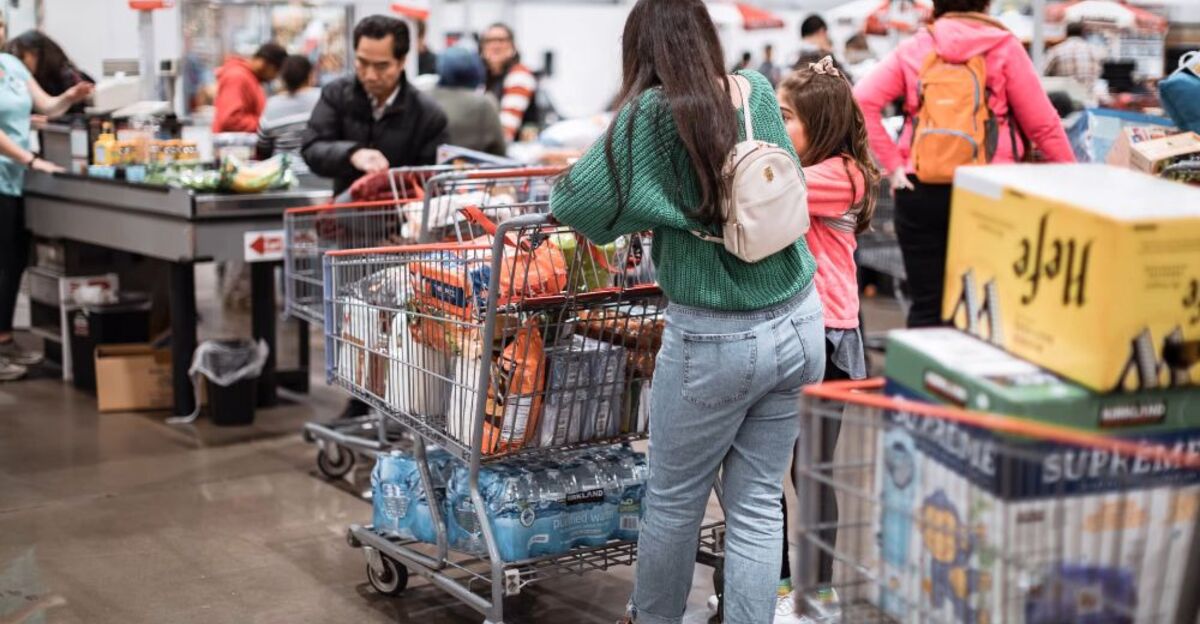
Traditional supermarkets and some club rivals lean on clear aisle markers and stable product locations. Costco instead relies on a limited number of SKUs, bulk formats, and rotating placements to boost turnover and encourage impulse purchases.
That deliberate approach contrasts with “planogram” systems standard at competitors, which are designed around predictable weekly grocery lists rather than exploration.
Bigger Retail Trend
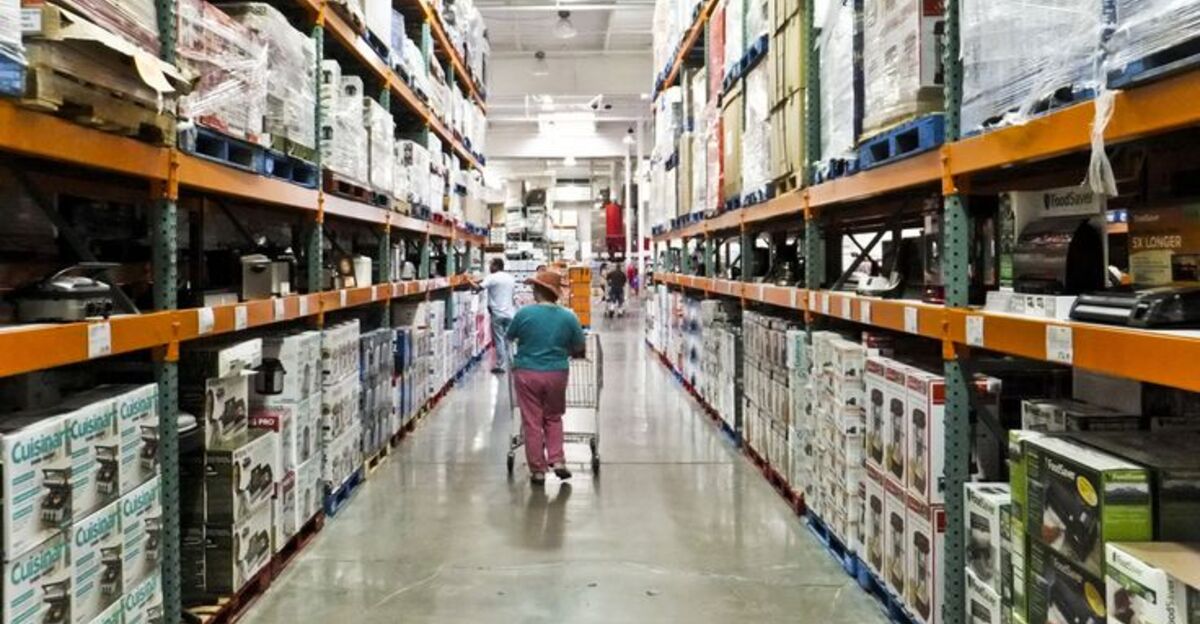
Academic and industry research has long documented the “thrill of the hunt” in shopping, where many consumers enjoy searching for deals or surprises.
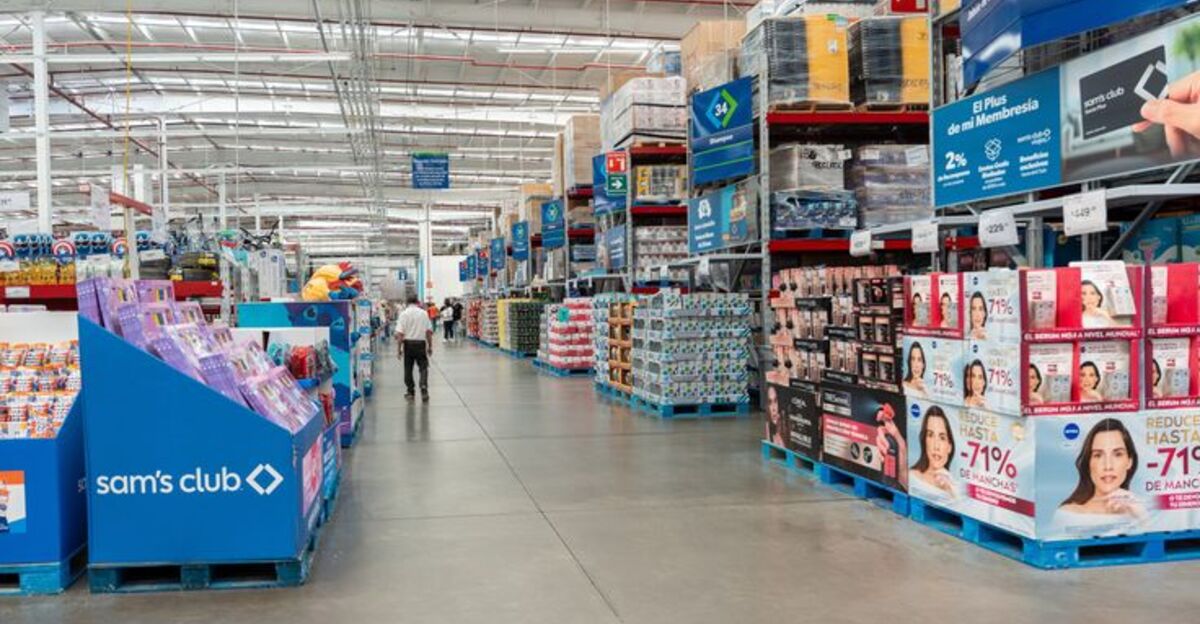
Bulk-club formats, such as Costco and Sam’s Club, capitalize on this behavior by adjusting assortments and pallet displays.
Costco, however, ties it tightly to its membership model, using excitement to increase trip size while keeping product margins unusually low—operating at a gross margin of approximately 11% to 15%.
Scarcity by Design
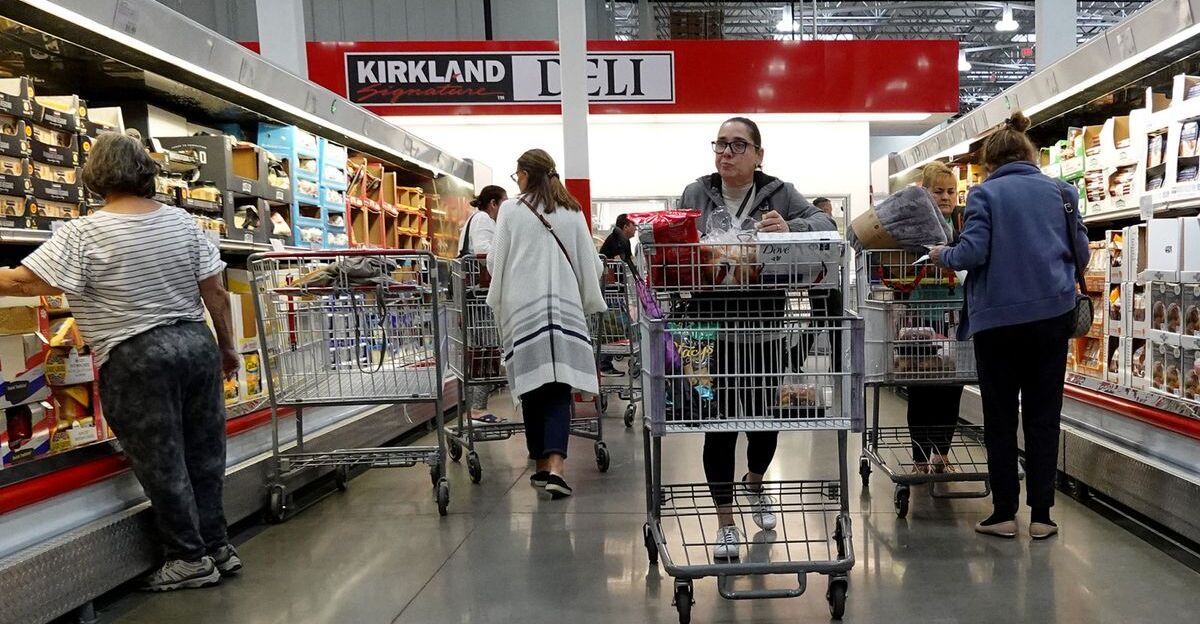
The secondary twist is that scarcity itself is intentional. In the 2007 interview, Sinegal stated that Costco would “intentionally run out” of certain rotating items to create a sense of urgency.
That practice, still referenced in recent coverage, means members frustrated by empty shelves or disappearing favorites are often encountering a planned tactic rather than a supply mishap. The maze sometimes ends in a dead end—by design.
Member Tension
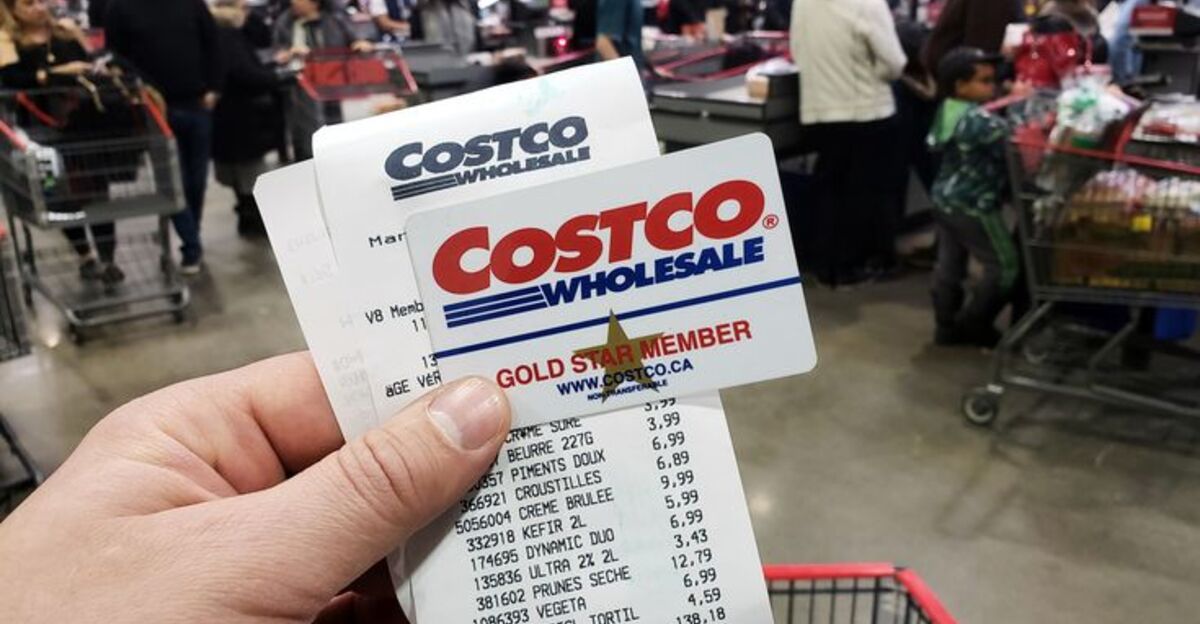
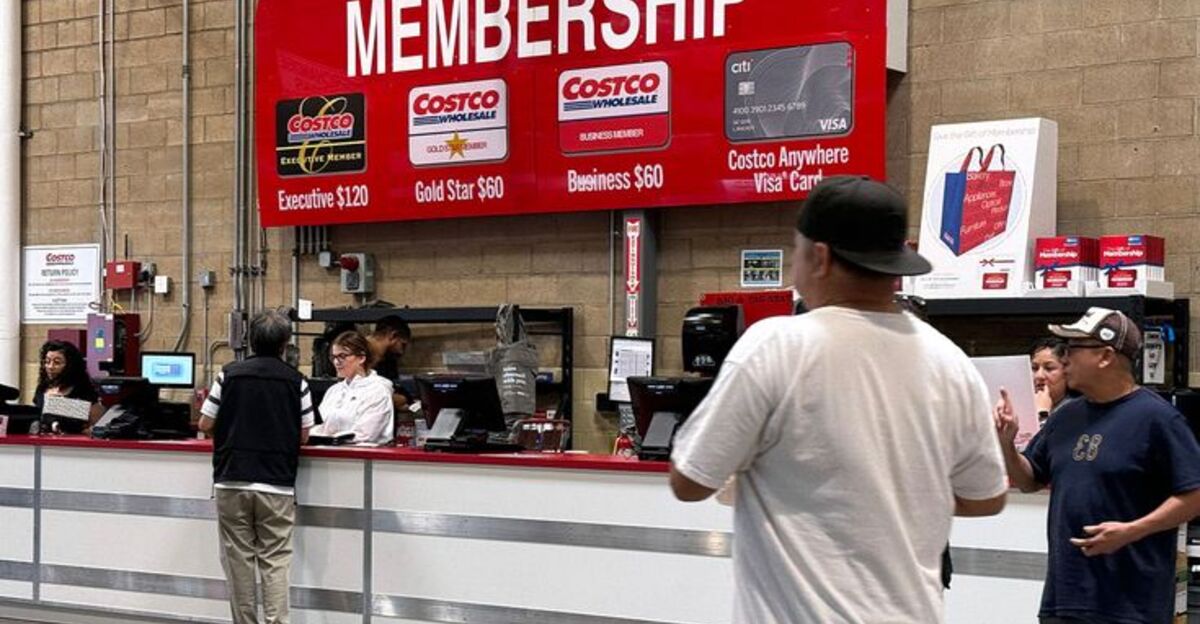
This strategy creates a tension for Costco’s approximately 137 million cardholders worldwide. On one hand, they pay annual fees—$65 for Gold Star and $130 for Executive in the U.S. (as of September 2024)—for access to low prices.
On the other hand, some feel that the navigation challenges and scarcity tactics turn them into patrons whose unplanned spending is effectively monetized through impulse purchases and larger cart sizes.
Leadership Lineage
Leadership continuity has helped entrench the approach. After Jim Sinegal retired as CEO in 2012, Craig Jelinek and then Ron Vachris maintained the membership‑plus‑treasure‑hunt formula.
Investor materials emphasize low markups—often capped near the mid‑teens percentage range—and high volume, rather than high margins. None of the recent leadership shifts signals a retreat from browsing‑heavy warehouses.
Digital Tweaks
Costco has started adjusting at the margins. E-commerce sales rose 13% in the fiscal first quarter, ending November 2024, and the company has expanded its same-day and two-day delivery options.
Yet key company voices stress its commitment to the in-person “big and bulky” treasure hunt, suggesting that any digital expansion will be layered on top of—rather than replacing—the maze-like warehouses.
Expert View
Retail strategists argue that Costco’s layout succeeds because it trades some convenience for perceived value.
Analyses highlight thin merchandise margins, membership‑driven profits (which accounted for approximately 65.5% of net operating income in fiscal 2024), and the rotating assortment as a powerful “flywheel” that keeps renewal rates above 92% in North America.
But those same experts note the model risks alienating shoppers who increasingly expect speed and clear information in stores.
Preserving the Treasure Hunt
Looking ahead, Costco faces a strategic question: can it preserve the treasure hunt while easing member frustration?
Younger shoppers, including Gen Z, are flocking to the chain for value and novelty, but they also expect digital tools, real-time inventory, and a clearer wayfinding experience.
How Costco balances discovery against transparency could determine whether today’s $100‑to‑$300 dynamic remains a brag or becomes a liability.
Policy Undercurrents
Regulators in several countries have shown growing interest in retail “dark patterns”—designs that steer consumers toward unintended spending.
While Costco has not been singled out, its intentionally confusing layouts and scarcity tactics sit near that debate’s edge.
If consumer-protection standards tighten, lawmakers could eventually scrutinize whether such strategies cross the line from clever merchandising into manipulative design.
Global Echoes
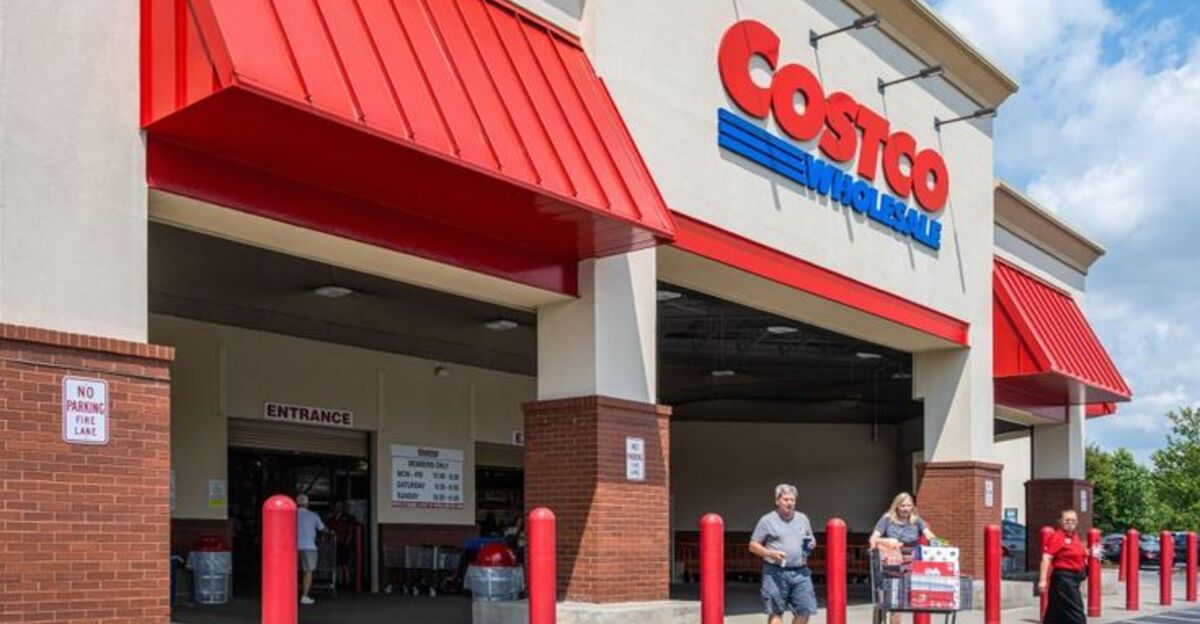
Costco’s model now spans approximately 871 locations across markets including Canada, Mexico, the United Kingdom, Japan, and South Korea.
Although local assortments vary, international warehouses also lean on bulk formats, limited SKUs, and rotating “wow” items.
As membership climbs abroad, overseas shoppers are encountering the same trade‑off between low prices and labyrinthine store design that U.S. members are increasingly debating online.
Legal and Safety Angles
Legal experts note another dimension: store layout and signage can intersect with accessibility and safety obligations.
While no major U.S. cases have targeted Costco’s merchandising strategy, poorly labeled aisles and frequent shifts could raise questions for customers with mobility or cognitive challenges.
That risk may prompt large retailers to weigh legal exposure alongside the sales boost from impulse-friendly designs.
Costco Hauls
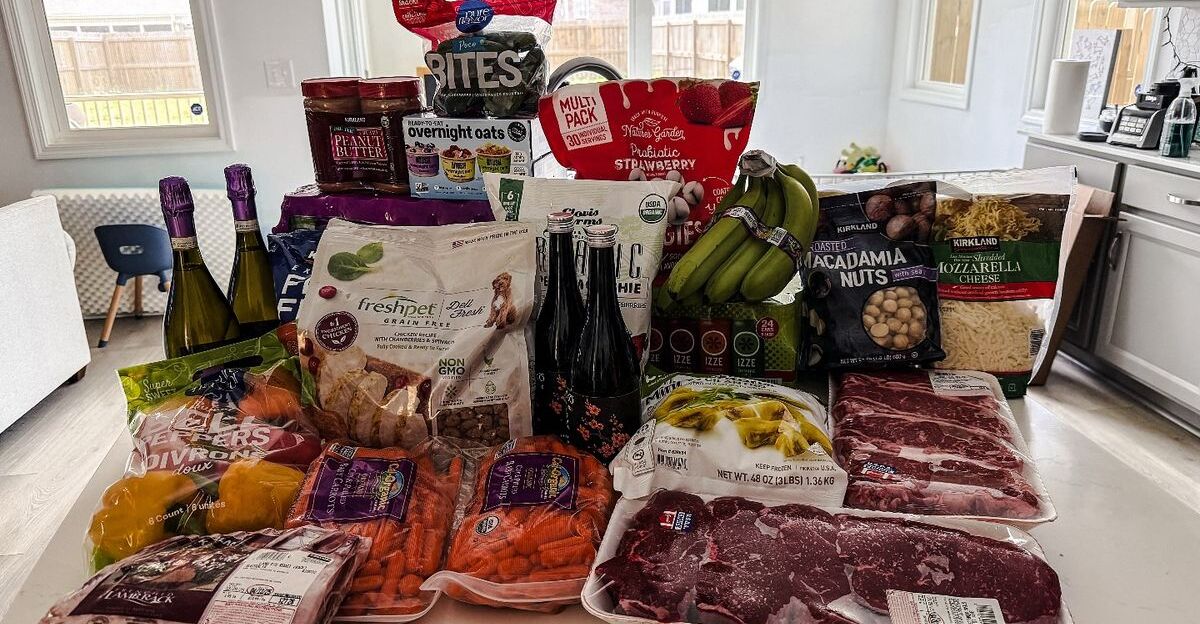
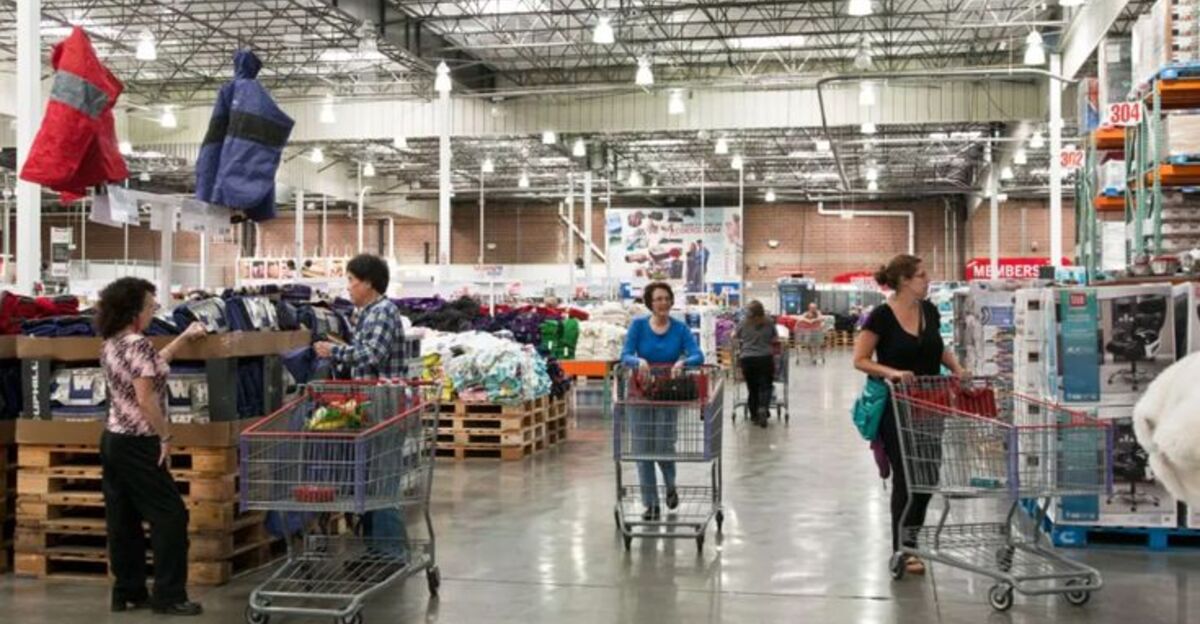
Culturally, Costco has become a kind of shared ritual, especially in North America. Social media “Costco haul” videos celebrate the treasure hunt, normalizing overflowing carts and surprise finds.
Yet, the viral Reddit thread reveals a counter-current: members are increasingly willing to question whether the fun justifies the hassle.
That divide reflects a broader shift in consumer expectations toward convenience and transparency.
What It Signals
The controversy over Costco’s maze‑like warehouses highlights a modern retail tension: do shoppers want efficiency or entertainment?
With roughly 137 million cardholders effectively navigating this design whenever they visit, the company’s choices have a wide ripple effect.
Whether Costco tweaks its layout or doubles down, its path will help define how far big retailers can push the psychology of the shopping trip.
Sources:
Yahoo Finance December 2024 article
The Wall Street Journal 2007 Sinegal interview
Costco 2024 Form 10-K SEC filing
Ron Vachris Costco CEO May 2024 earnings call
Costco Investor Relations 2024 annual report