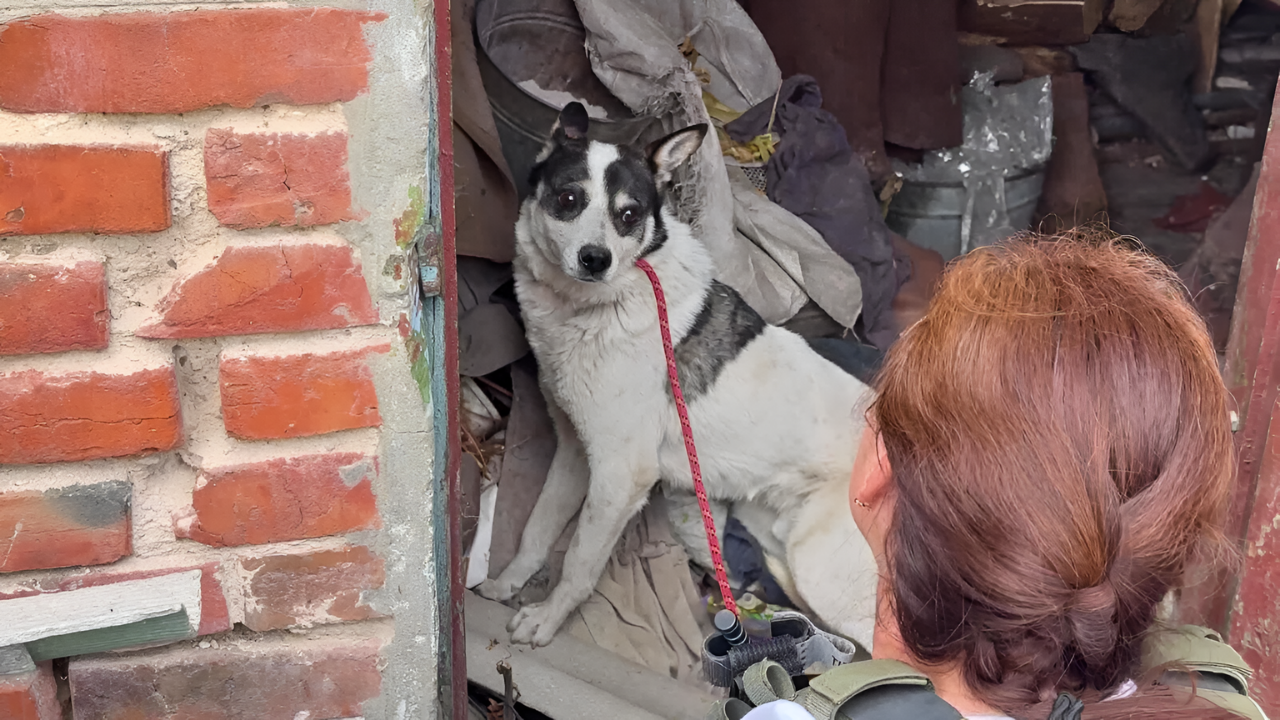
In the shadow of Reactor 4, where the 1986 Chernobyl explosion unleashed history’s worst nuclear catastrophe, hundreds of stray dogs have thrived amid lethal radiation. Evacuating 350,000 people and sealing a 30-kilometer exclusion zone in northern Ukraine, the disaster left these animals—descendants of abandoned pets—to endure decades of contamination, challenging assumptions about mammalian survival.
A Unique Genetic Landscape
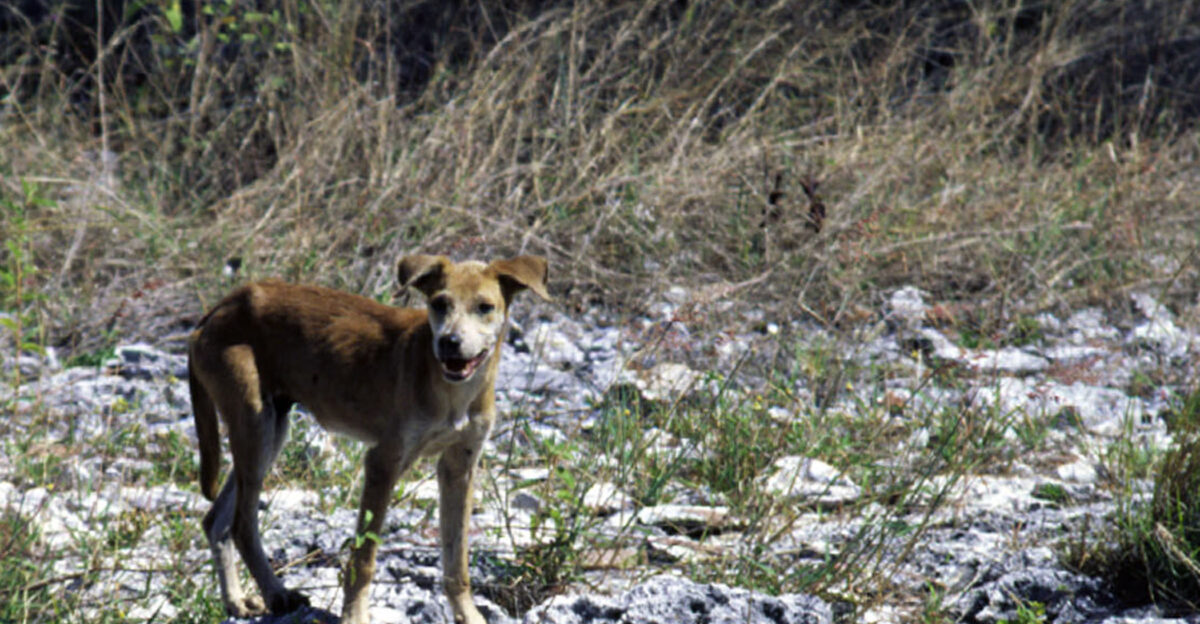
Researchers from North Carolina State University, Columbia University’s Mailman School of Public Health, and the International Atomic Energy Agency conducted the first large-scale genomic study of 116 semi-feral dogs in the zone. Analyzing blood samples, they probed whether chronic radiation has reshaped the canine genome, positioning these dogs as natural sentinels for environmental adaptation.
Two Distinct Populations Emerge
The DNA revealed a clear split: dogs near the decaying reactor differ genetically from those 16.5 kilometers away in Chernobyl City. This divergence indicates intense local pressures driving rapid separation, a phenomenon unseen in typical wild populations. Representing 15 to 20 generations since 1986—with canine generations spanning two to three years—these animals embody the longest natural experiment in mammalian radiation response.
Genomic scans identified 391 outlier loci on chromosomes, distinct from those of free-breeding dogs worldwide. These non-random changes indicate the presence of strong selective forces at work. Among 52 candidate genes under pressure, XRCC4 stood out for its role in repairing radiation-induced double-strand DNA breaks, suggesting enhanced cellular repair mechanisms. Immune-related genes, such as CNTNAP2, also showed shifts, bolstering defenses against cesium-137, strontium-90, heavy metals, pesticides, and industrial toxins in the zone’s “toxic soup.”
Navigating Extreme Hazards
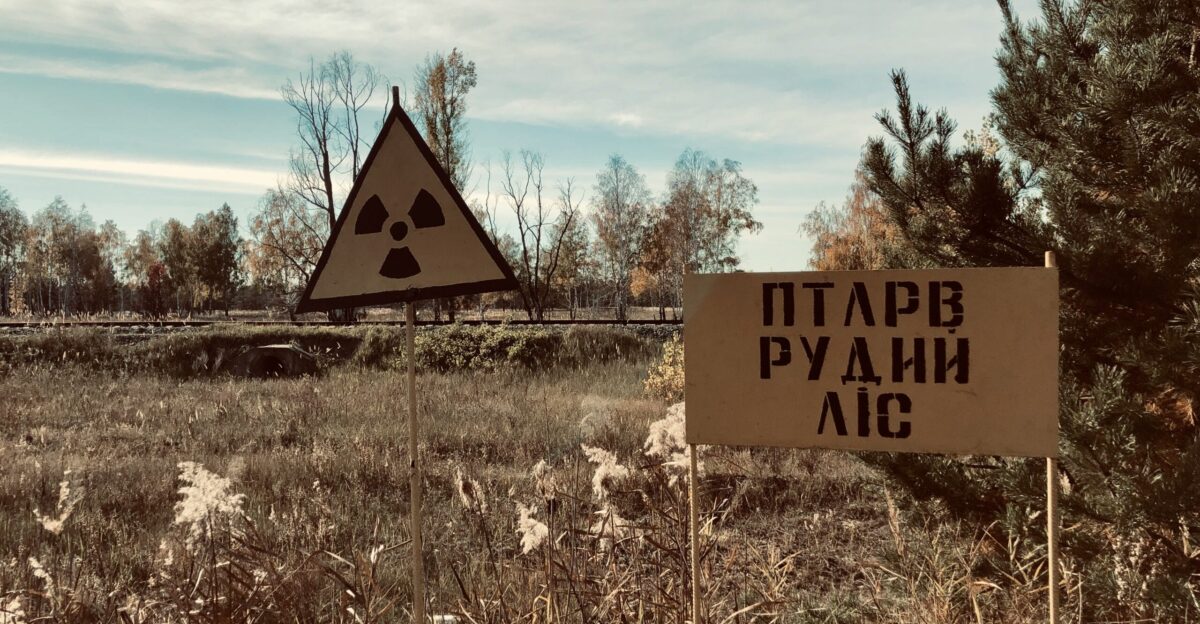
Dogs roam hotspots like the Red Forest, where over 5,000 petabecquerels of radioactivity settled into soil and plants. Despite culls of thousands post-disaster, survivors evaded capture in abandoned villages. Comparisons with global breeds confirmed the changes stem from the environment, not pre-existing lineages. The 2016 New Safe Confinement arch over Reactor 4 has curbed leaks, but the zone remains perilous, with dogs monitoring containment efficacy.
Debating Adaptation’s Drivers

Scientists weigh true evolution via natural selection against genetic drift from isolation. The close proximity of populations—too near for drift alone—favors selection amid a steep radiation gradient. This pace, forging markers in 30 years, outstrips typical canine timelines, underscoring the habitat’s ferocity. As Dr. Matthew Breen of NC State University posed: “Does an environmental disaster of this magnitude have a genetic impact on life in the region?” Evidence affirms it does.
These findings ripple beyond dogs, illuminating the toll of radiation on humans—nuclear workers, space explorers—given their shared biology and exposure. Preserving the zone’s ecosystem unlocks insights into DNA repair, refines safety models, and affirms life’s adaptability amid catastrophe. The dogs persist as living archives, their genomes etching the disaster’s enduring script.
Sources:
North Carolina State University Genomics Research Lab – Chernobyl Dog Population Study (2025)
Columbia University Mailman School of Public Health – Radiation Exposure & Genomic Analysis Report
International Atomic Energy Agency (IAEA) – Chernobyl Exclusion Zone Environmental Monitoring Database
Dr. Matthew Breen, NC State University – Published Genomics Expert Commentary on Radiation-Induced DNA Shifts
Ukraine Ministry of Emergency Situations – Chernobyl Exclusion Zone Historical Documentation (1986–2026)
World Health Organization (WHO) – Long-Term Health Effects of Ionizing Radiation Exposure Study