In September 2025, Panasonic Energy sent shockwaves through the electric vehicle (EV) industry by unveiling a radical new battery design—one that eliminates the traditional graphite anode from lithium-ion cells. This innovation, developed by the Japanese tech giant whose batteries power millions of Teslas, promises to extend EV range, reduce battery weight, and streamline manufacturing. As automakers and analysts scrambled to assess the implications, the announcement reignited the global race for battery supremacy.
A Legacy of Collaboration
Panasonic’s partnership with Tesla has shaped the modern EV landscape. Since 2009, Panasonic has supplied lithium-ion cells for Tesla’s vehicles, investing $30 million in 2010 and a further $1.6 billion in the Nevada Gigafactory by 2014. This collaboration enabled mass production of advanced batteries and set industry benchmarks for scale and efficiency. In 2025, Panasonic’s new Kansas facility began operations, targeting an annual output of 32 gigawatt-hours. “Our longstanding relationship with Tesla has always been about pushing the boundaries of what’s possible in battery technology,” said a Panasonic spokesperson. This deep-rooted alliance has positioned both companies at the forefront of EV innovation.
Rethinking the Battery Blueprint
To understand the significance of Panasonic’s breakthrough, it helps to revisit how conventional lithium-ion batteries work. Standard cells consist of a cathode, an anode (almost always made of graphite), and a separator. The graphite anode is reliable and inexpensive, but it takes up valuable space that could otherwise be used for more energy-dense cathode materials. This limitation has long capped the range and performance of EVs, fueling what industry experts call “range anxiety”—the fear that an EV will run out of power before reaching a charger.
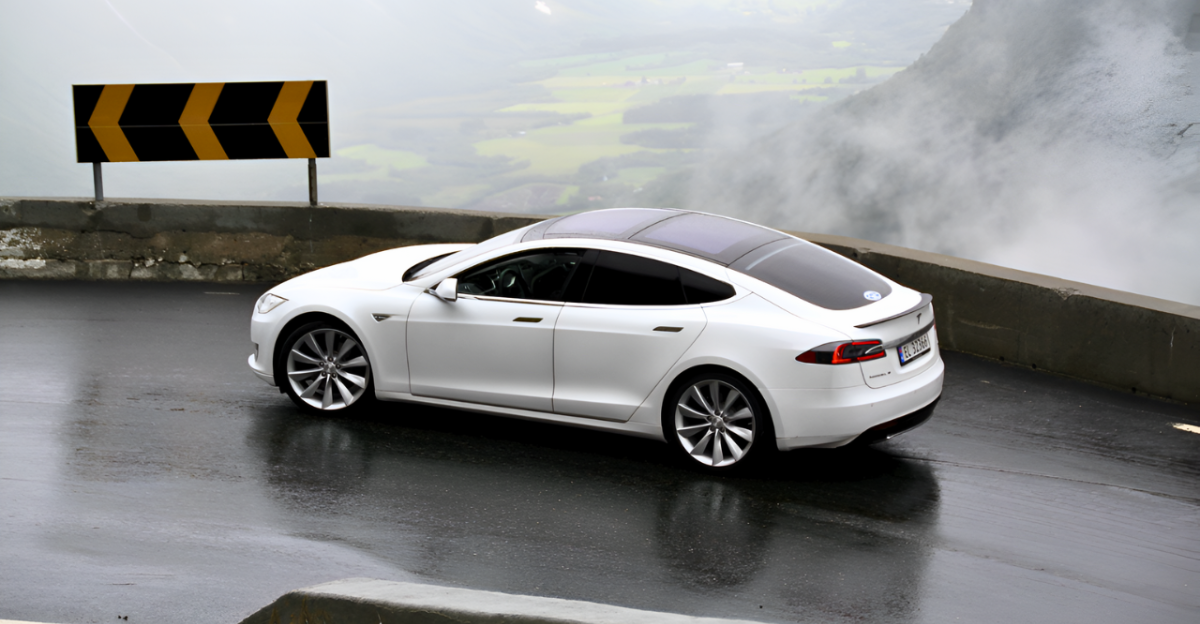
Surveys show most American drivers want at least 300 miles of range, with 400 miles seen as the threshold for worry-free road trips. Tesla’s Model Y Long Range currently offers about 350 miles, but drivers still express concern about charging infrastructure, especially in rural areas or during harsh weather. “For many of our customers, every extra mile of range makes a real difference in their daily lives,” said Kansas City EV owner Maria Lopez.
The Anode-Free Revolution
Panasonic’s new design discards the preassembled graphite anode, leaving that space empty during manufacturing. When the battery is charged for the first time, lithium metal forms directly on the current collector, creating a “self-built” anode. This approach frees up room for up to 25% more cathode material, translating to significantly higher energy storage without increasing battery size.
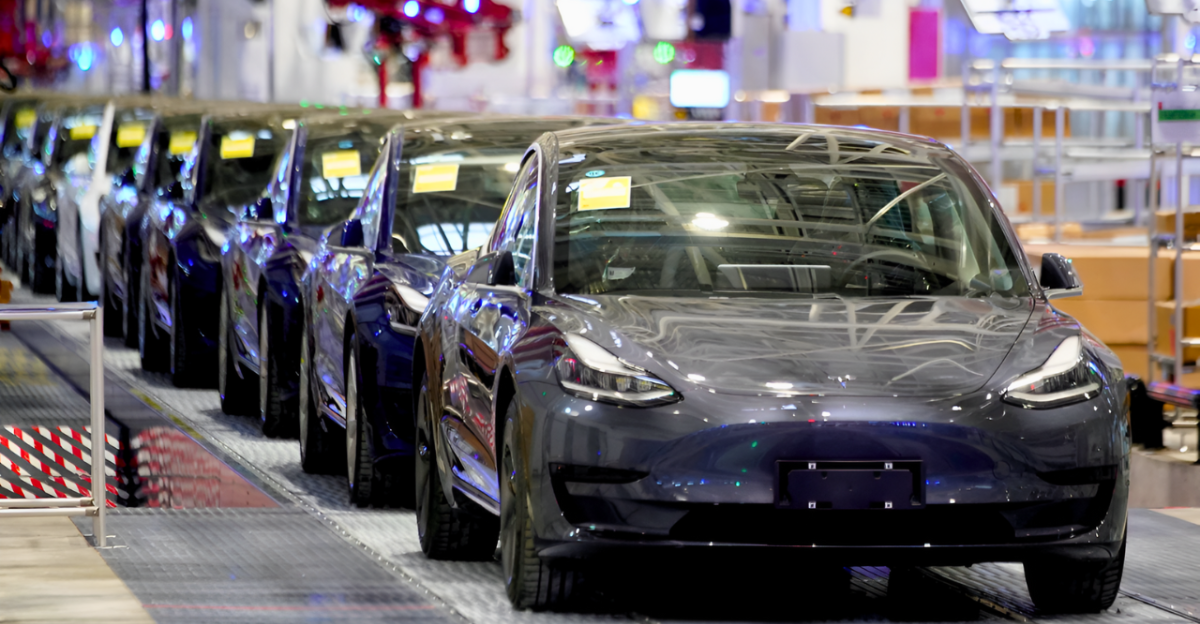
For Tesla’s Model Y, this could mean an estimated 90 additional miles of range—boosting it from 350 to around 440 miles per charge. Alternatively, the design could enable smaller, lighter, and less expensive battery packs, making EVs more affordable. “This is a game-changer,” said Dr. Akira Sato, a battery researcher at the University of Tokyo. “By rethinking the cell architecture, Panasonic is addressing both consumer demands and manufacturing efficiency.”
Global Competition and Technical Hurdles
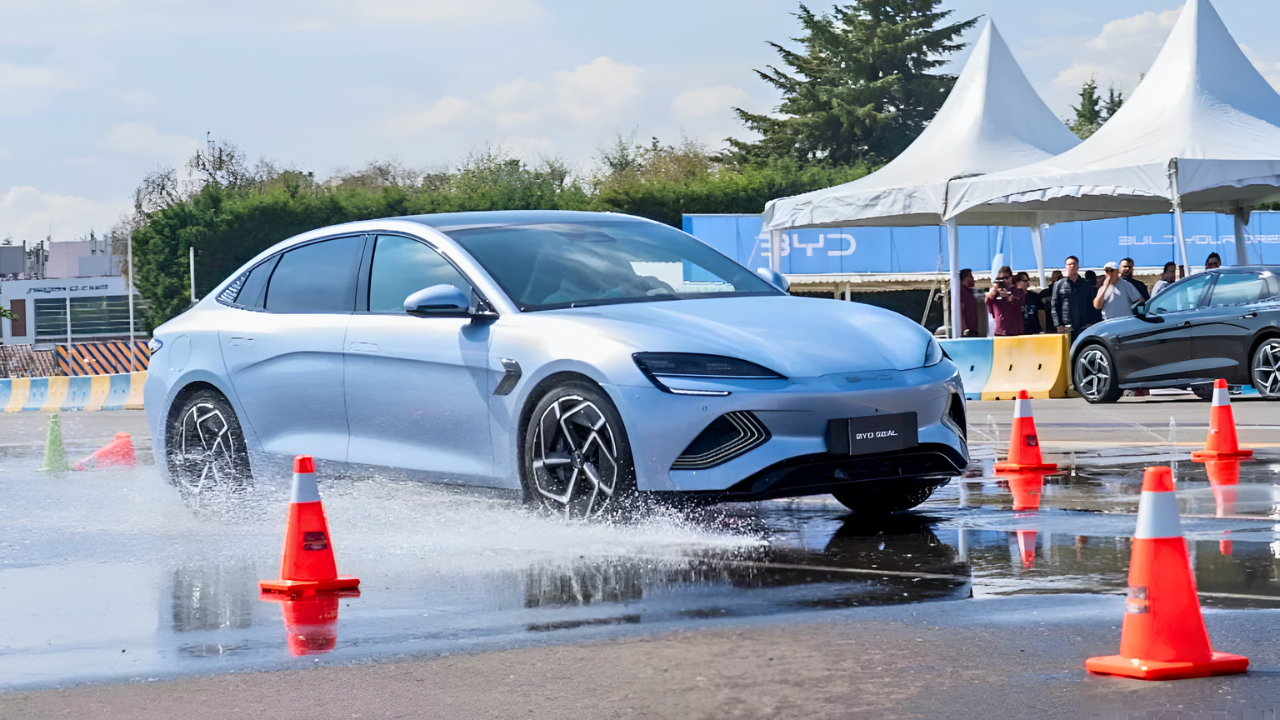
Panasonic’s innovation arrives as Chinese battery giants CATL and BYD dominate the global market, together supplying over half of the world’s EV batteries and racing toward all-solid-state technologies. Experts predict China will produce about 70% of lithium-ion batteries by 2027. Panasonic’s anode-free model is seen as Japan’s strategic response to this dominance, aiming to reclaim leadership in next-generation battery technology.
However, the new design faces a formidable challenge: dendrites. These needle-like lithium structures can form during charging, potentially causing short circuits or fires. Traditional graphite anodes help prevent this by absorbing lithium ions in an orderly fashion, but lithium metal must deposit evenly on a flat surface. Panasonic is developing new electrolytes and surface treatments to ensure safe, uniform growth. “Dendrite suppression is the single biggest hurdle to commercializing anode-free batteries,” said Dr. Sato. “If they solve this, it could reshape the industry.”
Looking Ahead: Stakes and Implications
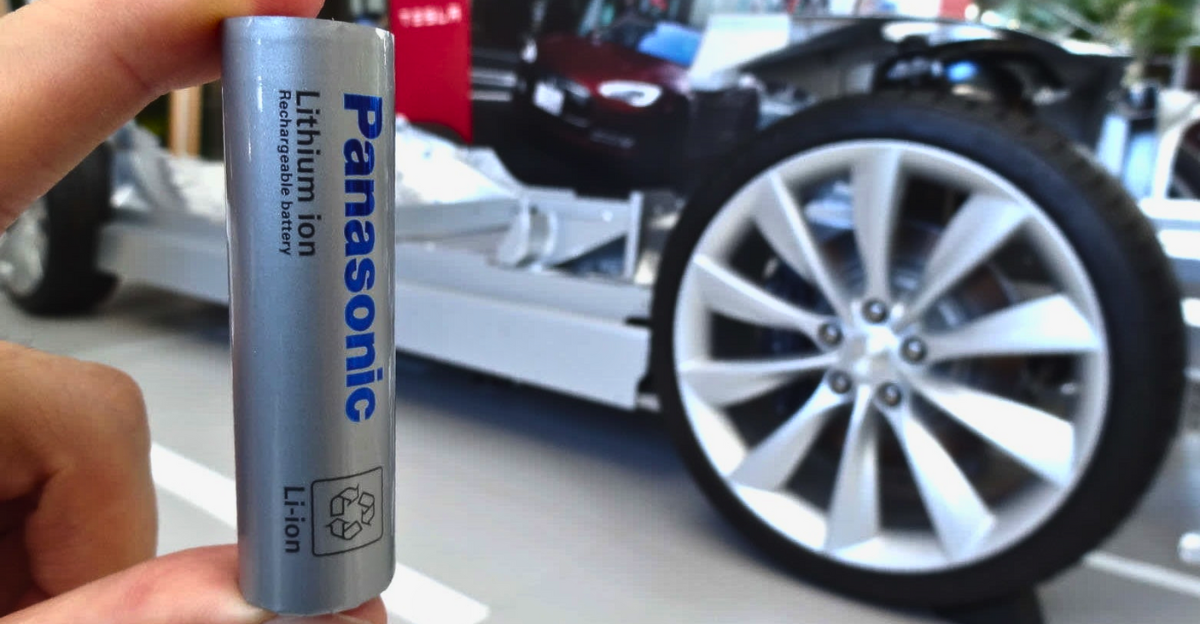
Panasonic aims to achieve “world-leading capacity” with its anode-free batteries by late 2027, aligning with the typical multi-year timeline for scaling up new battery technologies. Pilot-scale testing could begin as early as 2026, with mass-market deployment in Tesla vehicles possible by 2028 or 2029. Meanwhile, Panasonic is also developing solid-state batteries, with prototypes expected by 2027, targeting robotics and industrial applications first.
The stakes are high. If Panasonic succeeds, Tesla could regain its edge in range and efficiency just as global competition intensifies. Yet, the outcome hinges on overcoming technical and regulatory challenges, as well as maintaining favorable U.S.-Japan policy frameworks. As the world’s leading battery makers race to define the future of electric mobility, the next two years will reveal whether Panasonic’s bold gamble pays off—or if rivals in China and Korea seize the crown.