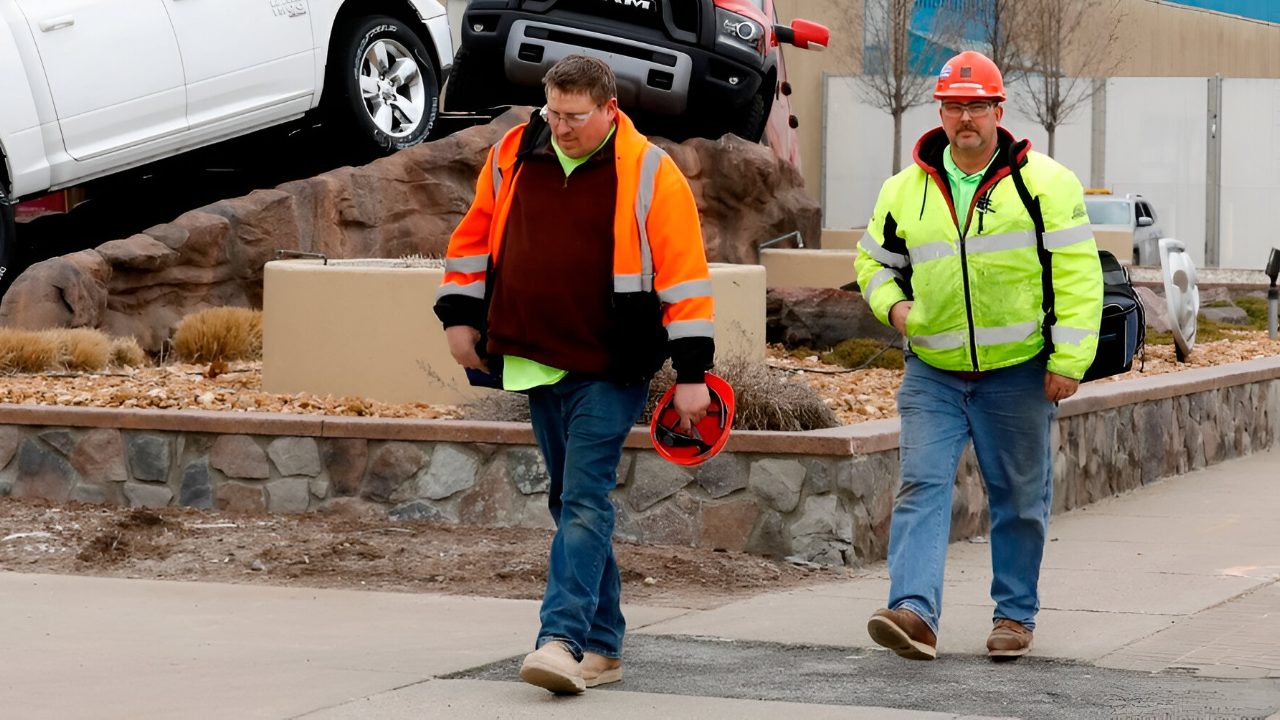
In mid-November 2025, employees at Bollinger Motors’ headquarters in Oak Park, Michigan, discovered that their paychecks had stopped arriving. Internal company emails cited unexpected funding delays, leaving workers suddenly unable to cover rent, groceries, and basic expenses.
The EV truck startup, once showcased as a rising player in commercial electric vehicles, was now unable to meet its most fundamental obligation: paying its own staff.
A $148 Million Valuation Unravels
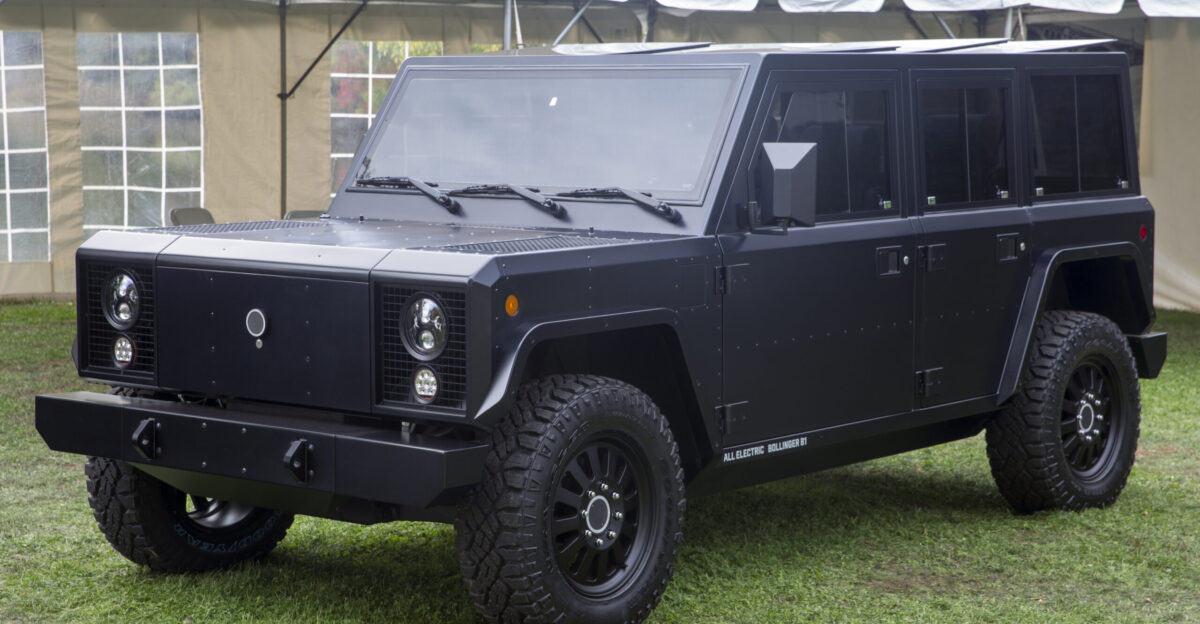
Bollinger Motors had been valued at approximately $148 million during its 2022 acquisition by Mullen Automotive. That deal transferred majority control to Mullen, later restructured under Bollinger Innovations.
Less than three years later, the entire operation collapsed under growing legal disputes, unpaid debts, and failed payrolls. For workers and suppliers across multiple states, the financial unraveling became swift and devastating.
From Bold Vision to Financial Crisis
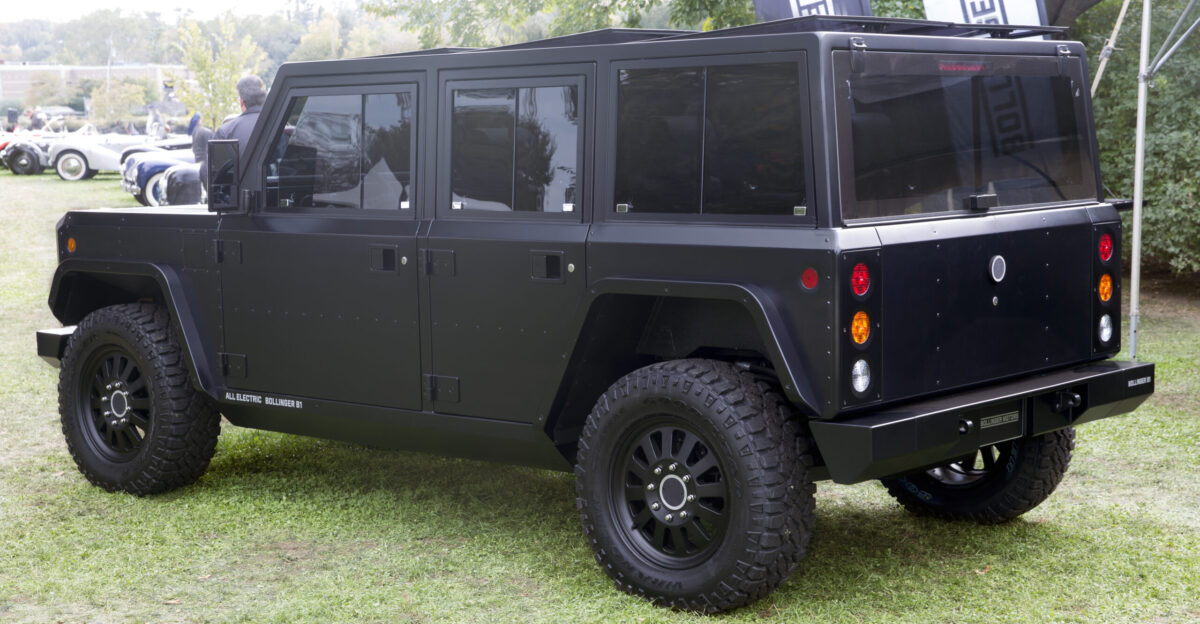
Founded in 2015 by industrial designer Robert Bollinger, the company gained early attention for its rugged B1 electric SUV and B2 pickup truck. Headquartered near Detroit, Bollinger partnered with Roush Industries for early manufacturing support.
The startup positioned itself as a premium electric work-vehicle manufacturer, promising to compete with brands like Rivian, yet never reached mass production.
Pivot to Commercial Trucks
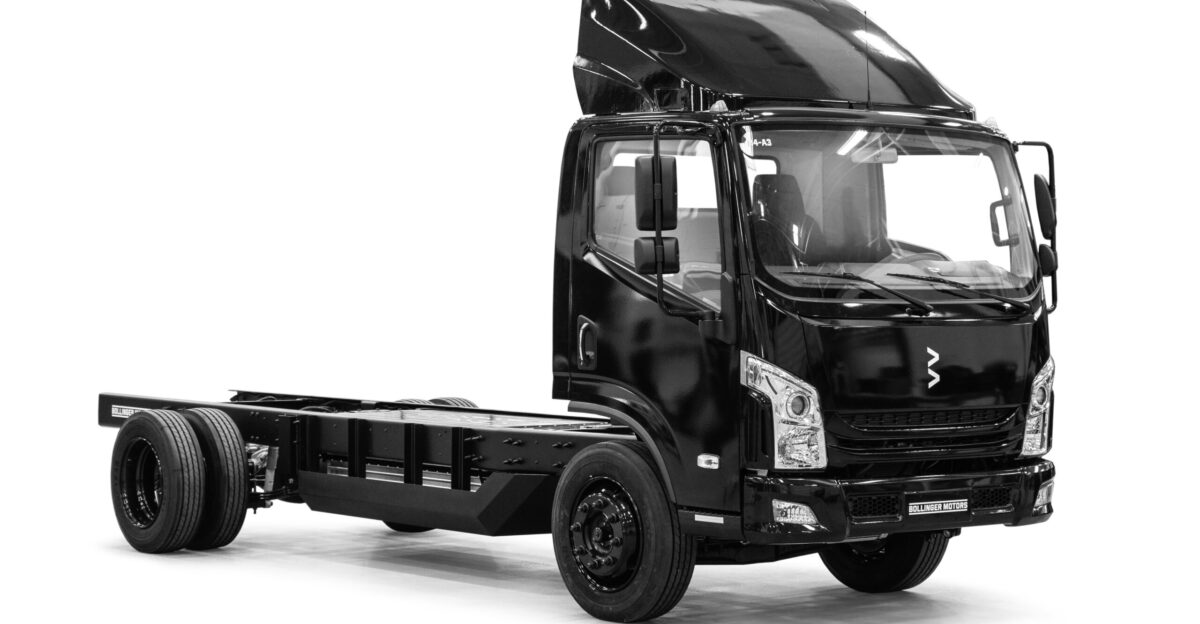
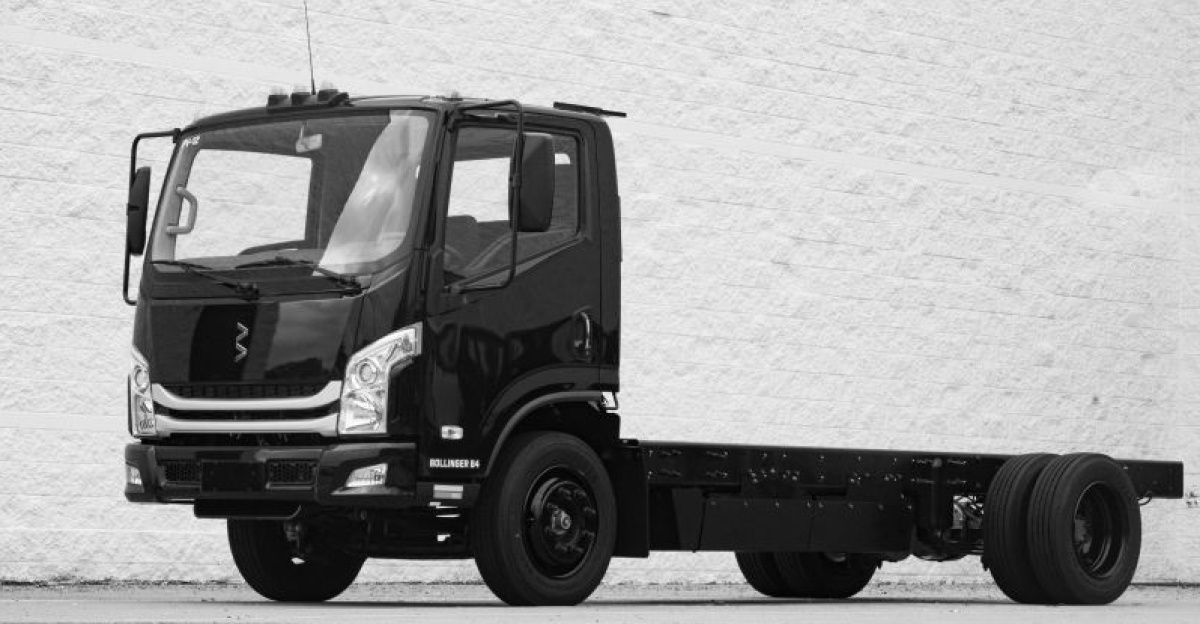
After struggling to launch its consumer vehicles, Bollinger shifted its strategy toward Class 3–6 commercial electric trucks. The B4 chassis cab became its flagship commercial platform, aimed at fleet operators.
However, moving from prototypes to production required sustained capital, supplier stability, and reliable parent-company funding—conditions that increasingly failed to materialize between 2024 and 2025.
Competition and Capital Pressure
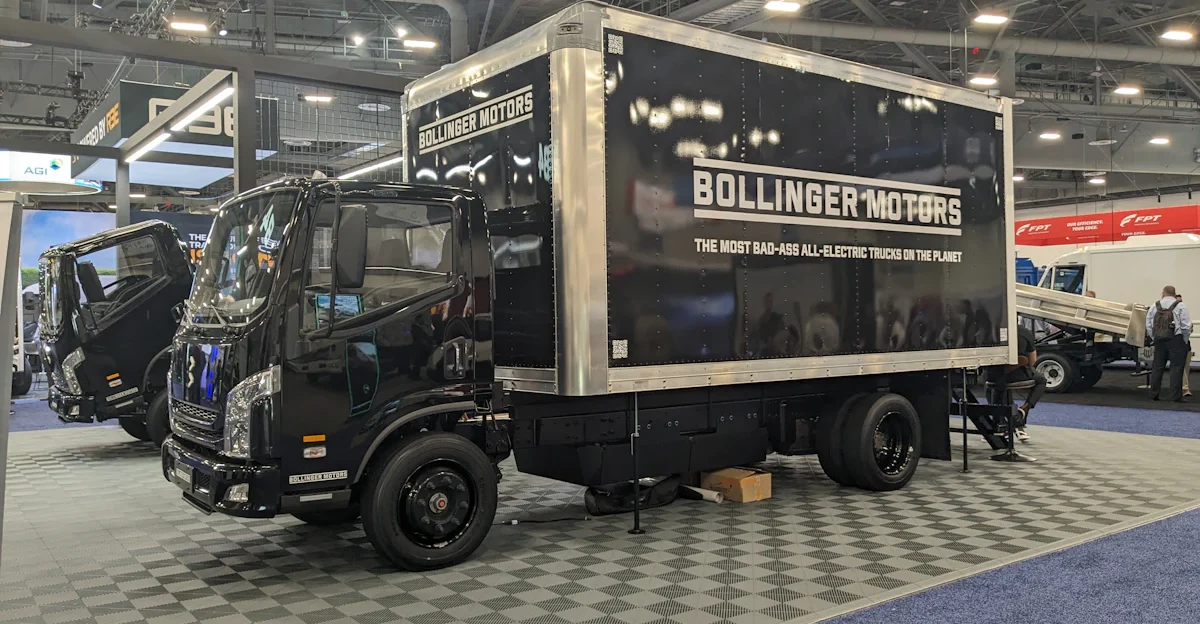
By 2025, Bollinger faced intense competition from larger, better-funded electric truck manufacturers. Rising development costs, supply-chain inflation, and limited outside financing further constrained operations.
Industry analysts pointed to delayed production targets and eroding investor confidence as warning signs that the company’s financial position had grown dangerously unstable long before payroll failures surfaced.
The Shutdown Email
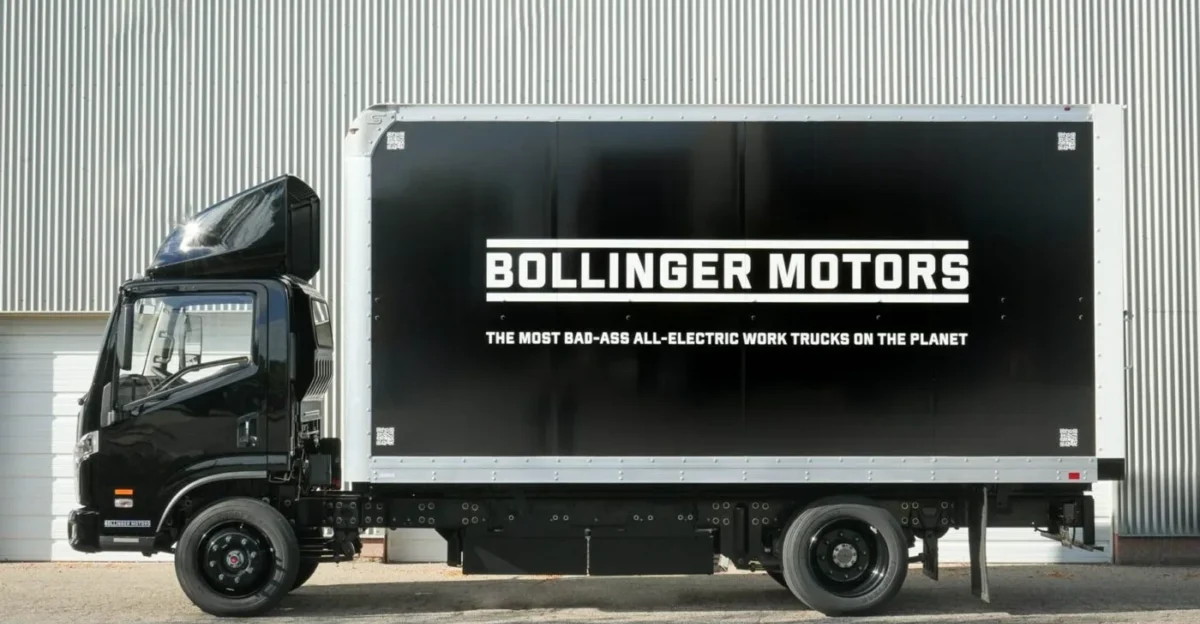
On November 21, 2025, workers received a stark message from Human Resources Director Helen Watson confirming that Bollinger Motors would officially cease operations that day. At least two payroll cycles had already been missed.
The sudden notice left employees without severance, without certainty of back pay, and without a timeline for when or if their owed wages would ever be recovered.
Missed Payroll Confirmed

Internal emails reviewed by reporters show that employees were informed as early as October 31 and again on November 6 that payroll could not be processed due to a lack of funds. Executives repeatedly referenced “expected money” that never arrived.
Despite assurances that efforts were underway to resolve the issue, the company ran out of time and shut down entirely.
Michigan Labor Claims Mount
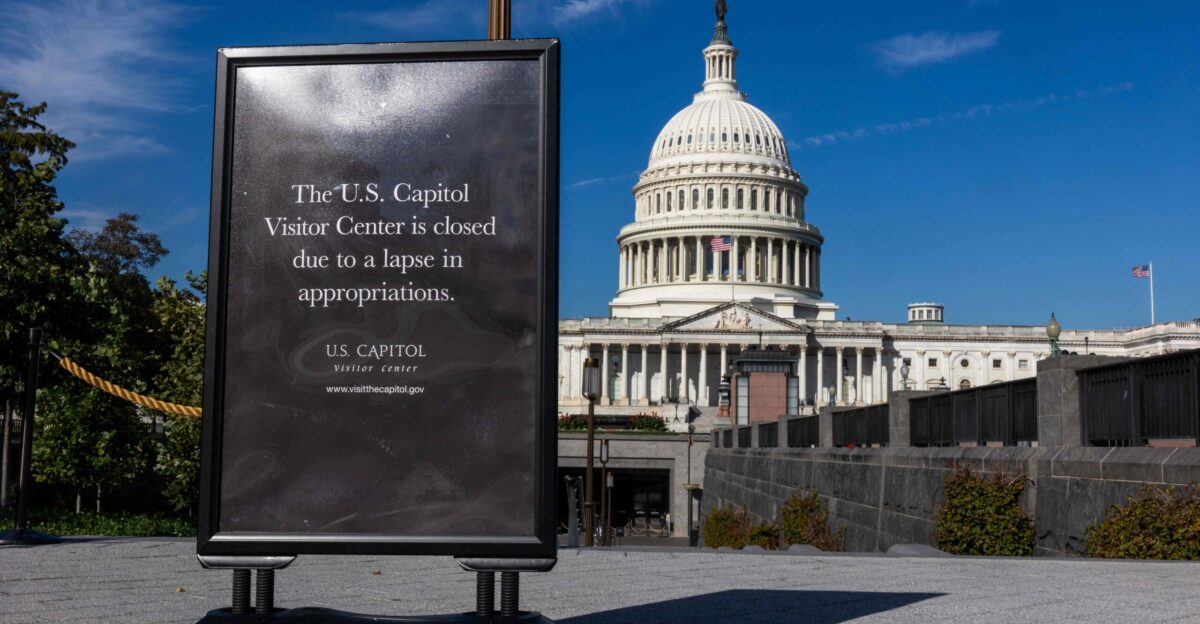
Following the shutdown, workers filed wage complaints with the Michigan Department of Labor and Economic Opportunity. As of late November 2025, 59 formal wage claims had been submitted for unpaid earnings.
These filings represent verified cases of missing pay, though the total workforce affected may be higher. State authorities now oversee the formal recovery process.
Workers Left in Limbo

Employees across engineering, production, and administrative roles found themselves abruptly jobless with no final paychecks.
Many had specialized skills tied specifically to electric vehicle manufacturing. With no bankruptcy case yet filed, workers must rely on state wage enforcement agencies and civil claims, a process that can take months or longer with no guaranteed recovery.
Parent Company’s Parallel Moves
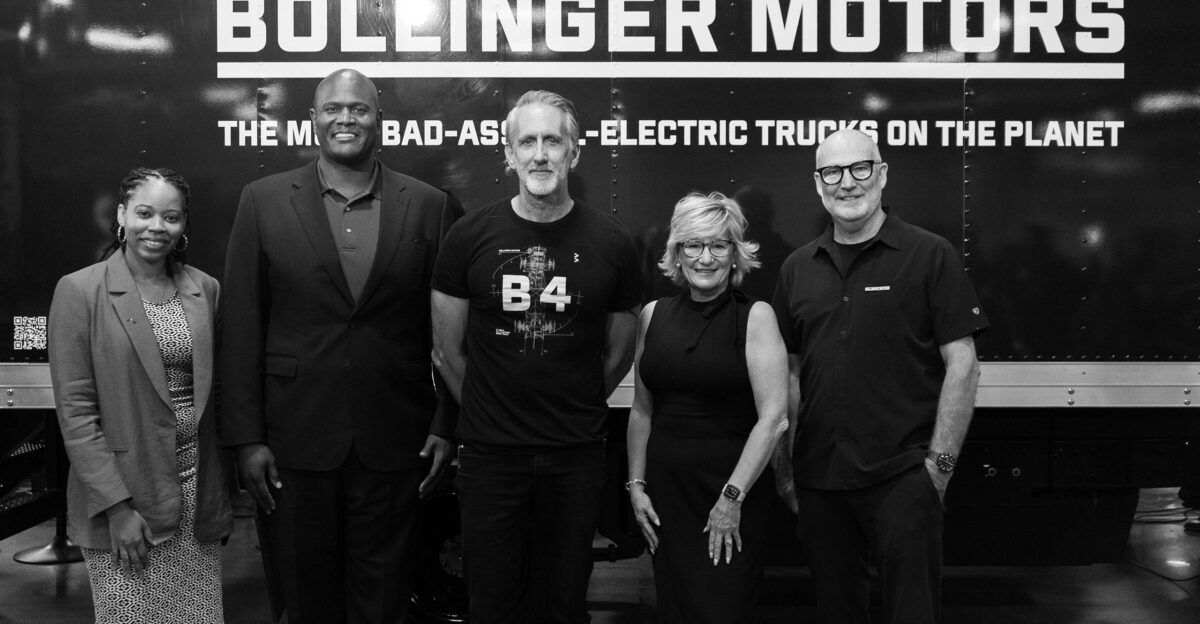
Bollinger Motors operated under Bollinger Innovations, formerly Mullen Automotive. On the same day Bollinger shut down, Bollinger Innovations filed an SEC Form 8-K outlining cost-cutting measures, including closing its Troy, Michigan office.
Despite these restructuring efforts at the corporate level, the vehicle manufacturing unit itself permanently ceased operations.
No Bankruptcy Protection Filed
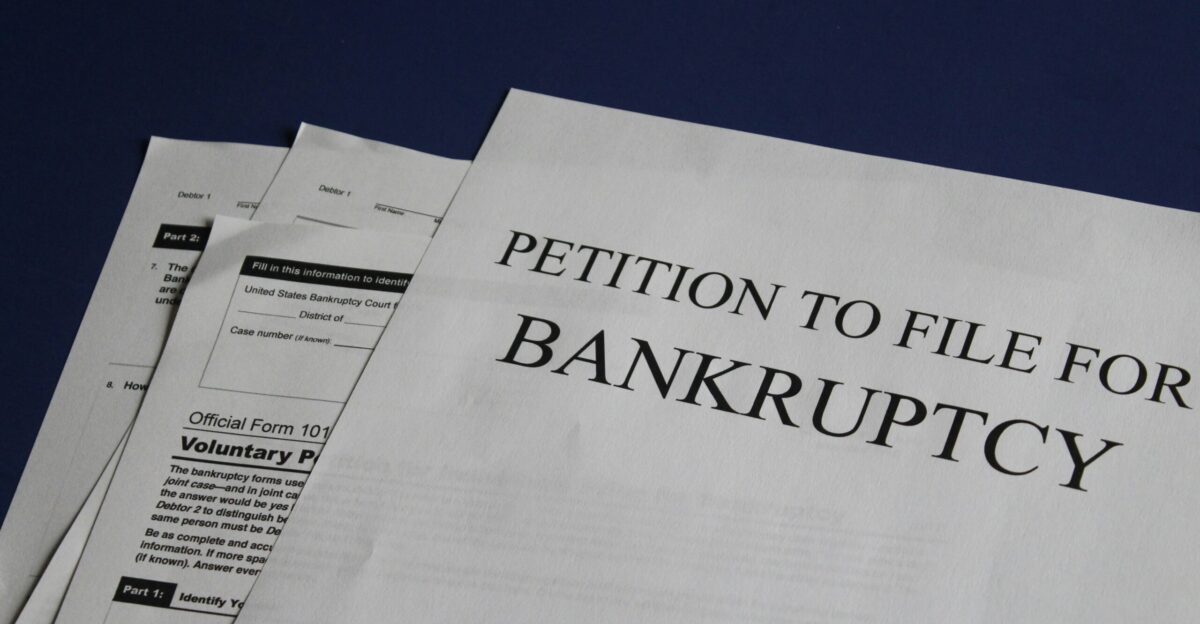
As of the end of November 2025, Bollinger Motors had not filed for bankruptcy protection. Without bankruptcy court supervision, creditors and workers must pursue claims individually through wage enforcement offices and civil lawsuits.
The absence of formal restructuring creates uncertainty around asset liquidation, debt prioritization, and timelines for any potential repayment.
Lawsuits From Suppliers

Financial distress was already visible long before the shutdown. During 2025, multiple suppliers filed lawsuits seeking more than $5 million in unpaid invoices. These vendors alleged that Bollinger had failed to pay for parts, services, and manufacturing support. The mounting legal pressure compounded the company’s shrinking liquidity and hastened its final collapse.
Founder Sues His Own Company

In October 2024, founder Robert Bollinger personally loaned the company $10 million to stabilize operations. When financial conditions worsened, he sued Bollinger Motors in early 2025 seeking repayment and requesting receivership.
A court-appointed receiver took control in May 2025 as insolvency concerns officially entered the legal record.
Exit From Receivership
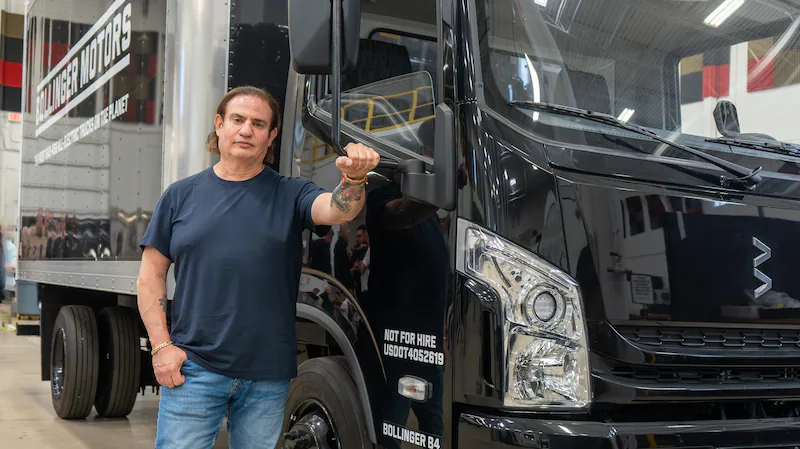
Bollinger exited court-ordered receivership in June 2025 following a settlement that consolidated control under Mullen leadership. CEO David Michery assumed closer operational oversight and publicly recommitted to advancing the B4 commercial truck.
At the time, the company projected renewed momentum—but the financial relief proved temporary and insufficient to sustain operations through fall.
A Decade Without Production
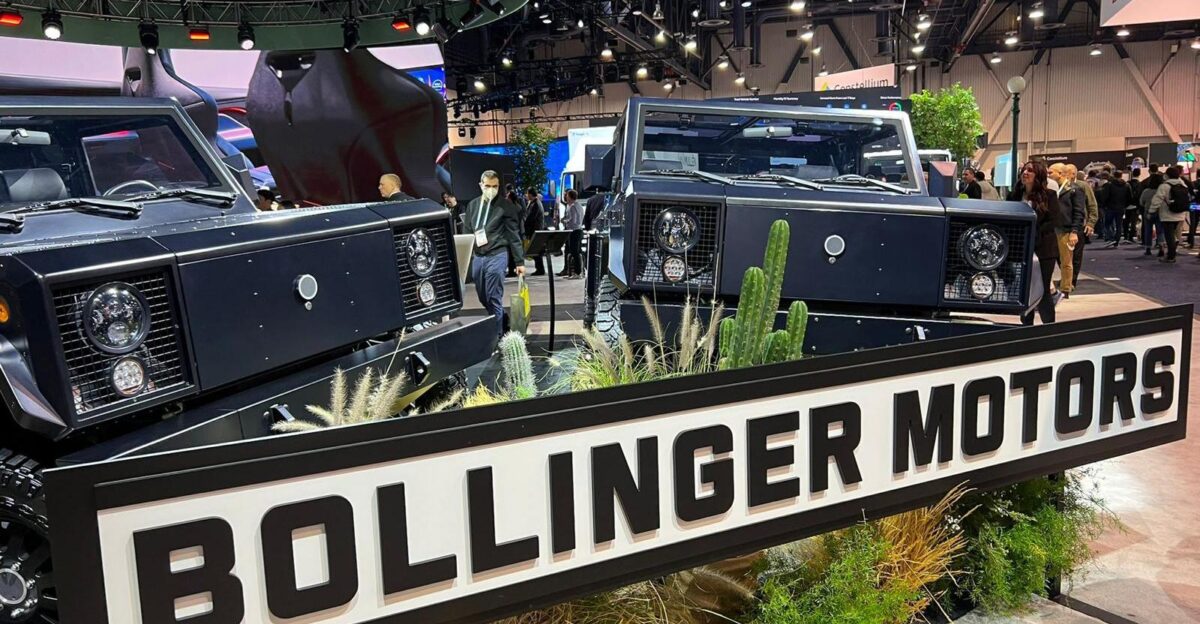
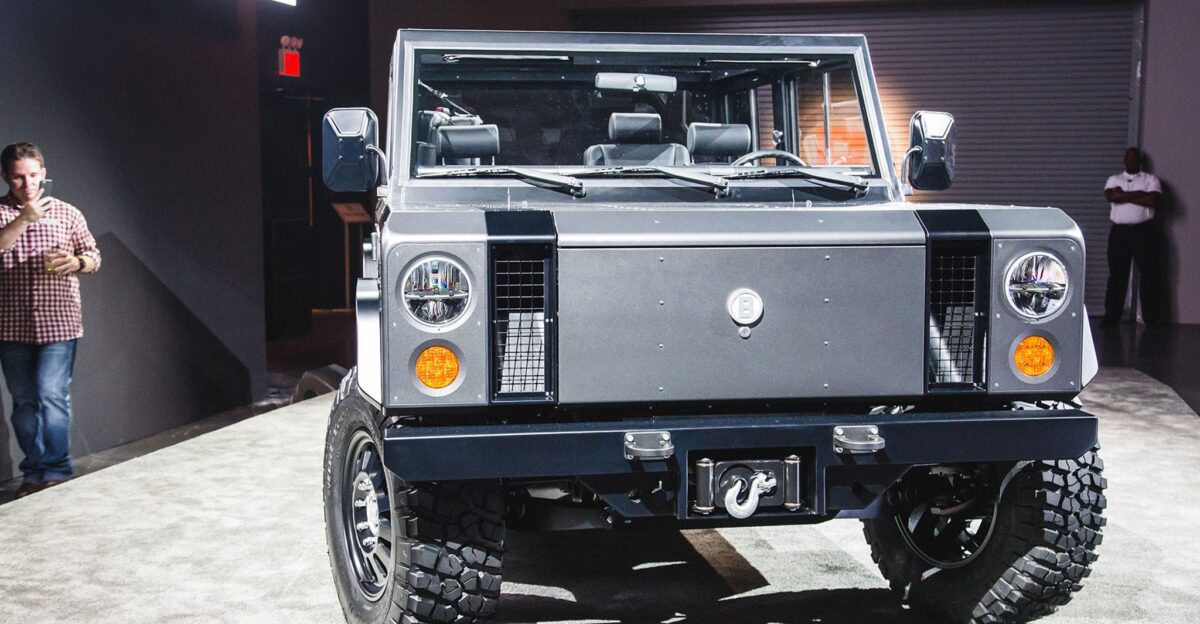
Despite operating for ten years, Bollinger Motors never brought a single consumer vehicle into full production.
The highly publicized B1 SUV and B2 pickup, each priced at over $120,000, remained prototypes. Production delays, shifting strategies, and financing gaps prevented the company from ever achieving meaningful revenue from vehicle sales.
EV Startup Shakeout
Bollinger’s failure mirrors a broader collapse pattern among electric vehicle startups during the 2020s. Several high-profile manufacturers—including Lordstown Motors and Nikola—have undergone bankruptcy or major restructuring.
Analysts cite massive capital requirements, delayed fleet adoption, and supply-chain risks as recurring vulnerabilities that continue to undermine smaller EV manufacturers.
Warranty and Service Cut Off

Following the shutdown, Bollinger Innovations notified dealers that factory service and warranty support for Bollinger vehicles would be discontinued. Although only limited pilot vehicles existed, the decision formally ended all customer support infrastructure.
This development deepened uncertainty surrounding remaining assets and future use of Bollinger’s commercial truck platforms.
Public Incentives Under Scrutiny
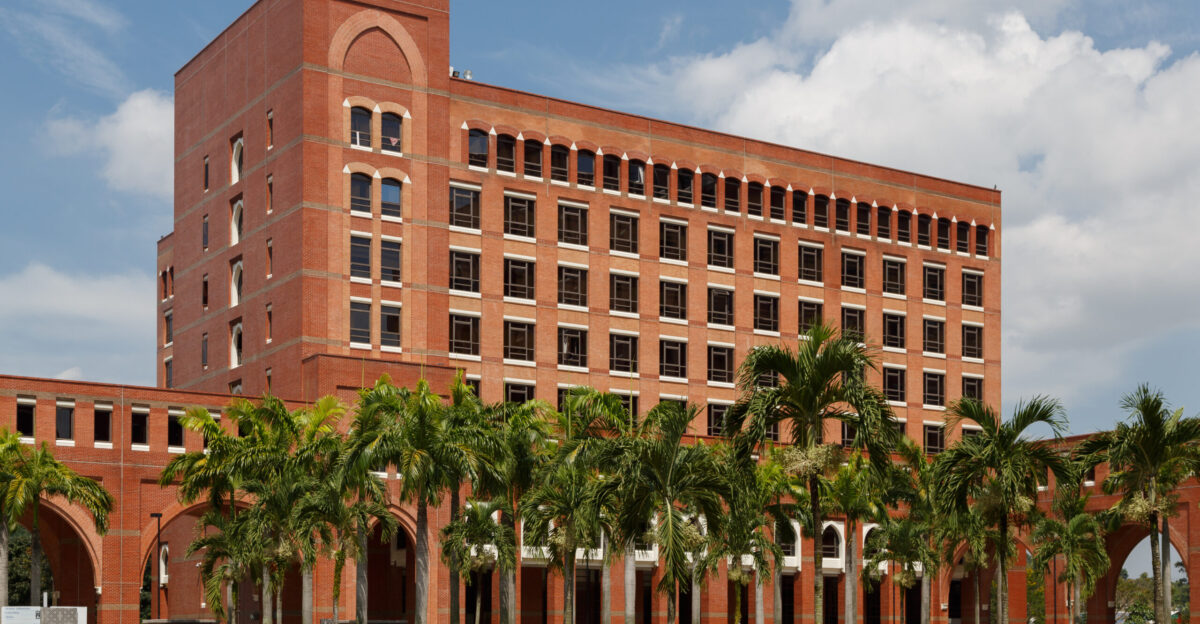
Michigan and federal governments have invested heavily in electric vehicle manufacturing through grants and incentive programs. Bollinger’s collapse has renewed debate about how public funds are allocated to startups with unproven production capacity.
Labor advocates argue stronger safeguards are needed to protect workers when subsidized ventures fail without warning.
Global Industry Signal

Though Bollinger operated primarily in the United States, its failure carries international implications. Global suppliers and automakers assessing U.S. commercial EV partnerships may now reassess risk exposure with small startups.
The case underscores the competitive pressure from large European and Asian manufacturers that dominate commercial vehicle production worldwide.
What the Collapse Ultimately Signals
Bollinger Motors’ demise illustrates how even a heavily funded EV startup can implode rapidly once capital evaporates. A $148 million valuation, a decade of development, and a $10 million founder loan were all insufficient to prevent unpaid wages and abrupt closure.
The resolution of wage claims and vendor lawsuits will determine how long the financial fallout continues for workers and creditors.
Sources:
FreightWaves, 22 Nov 2025
ACT News, 25 Nov 2025
TheStreet, 29 Nov 2025
Driving.ca, 24 Nov 2025
IndexBox summary of Free Press report, 2025
Michigan Department of Labor and Economic Opportunity guidance, 2025