
When ex-Typhoon Halong unleashed its fury on Quinhagak, Alaska, on October 11–12, 2025, the results were devastating.
This powerful storm eroded approximately 60 feet of coastline at the Nunalleq archaeological site, exposing a permafrost “time capsule” containing invaluable artifacts from pre-contact Yup’ik life. Within hours, around 100,000 artifacts were scattered, turning a local erosion issue into a global heritage crisis.
How a Typhoon Became an Archaeological Disaster
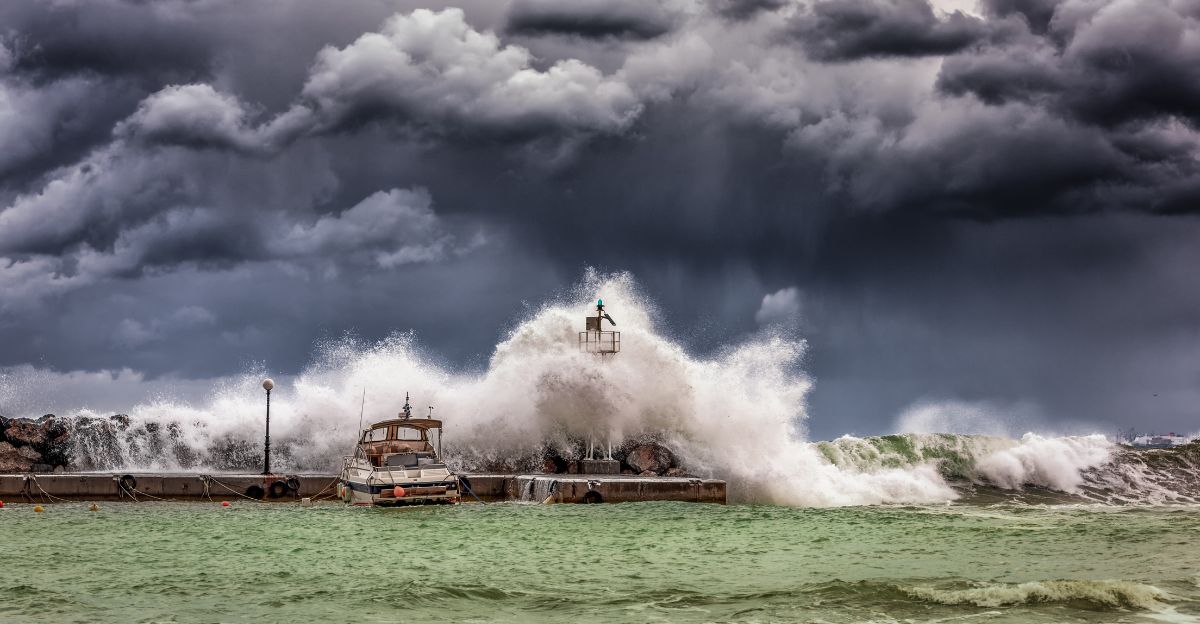
Typhoon Halong originated in the western Pacific, transforming into a formidable extratropical storm before striking western Alaska with hurricane-force winds. The combination of warming temperatures and a shallow tundra root mat left Nunalleq vulnerable.
As waves crashed ashore, they undercut the 30-foot buffer that once protected the site, eroding another 30 feet of previously occupied layers and exposing fragile archaeological deposits.
A Village Watching Its Ancestral Library Wash Away
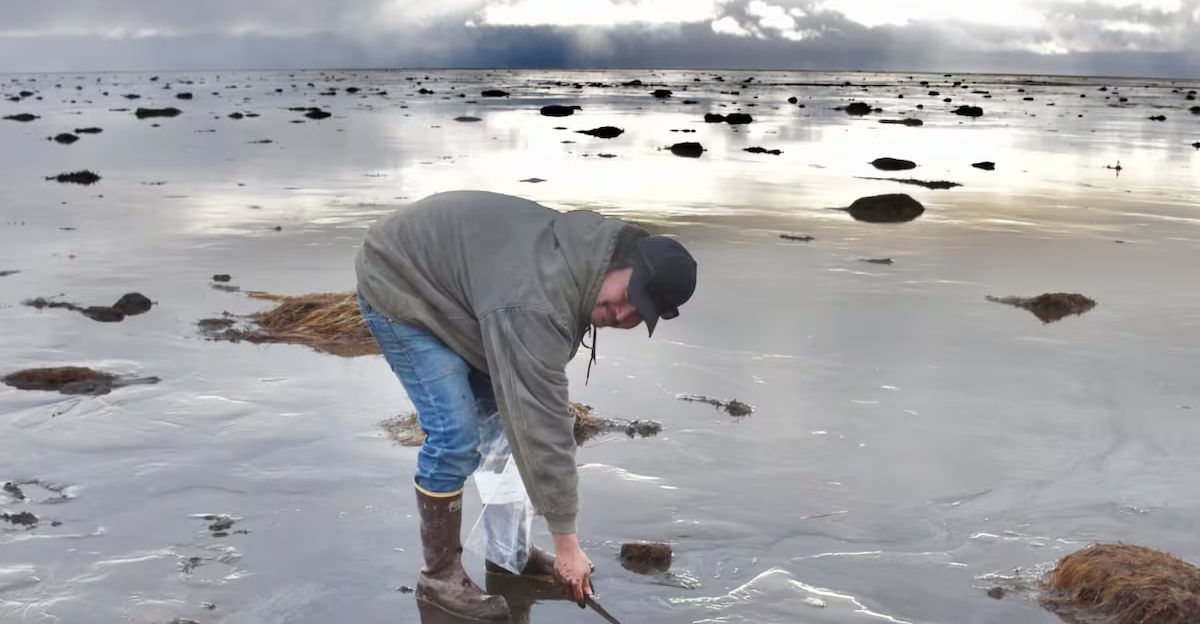
The impact of the storm was deeply felt in Quinhagak, a community of approximately 800 residents that relies heavily on subsistence hunting and fishing. For them, the beach represents not only a source of food but also a repository of ancestral knowledge.
After the storm, villagers used ATVs to scour the shoreline, rescuing wooden masks, spoons, and toys before they disintegrated. One resident said it felt like watching their community museum get dumped along the tide line.
Archaeologists Forced Into “Rescue Mode”
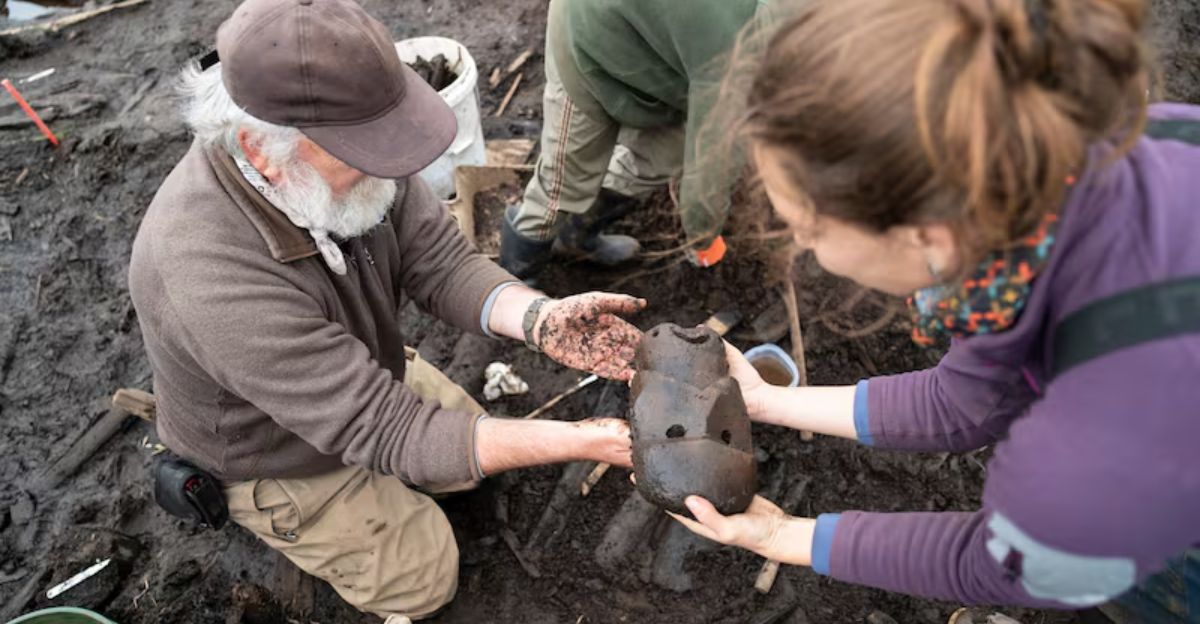
In the wake of the disaster, archaeologist Rick Knecht rushed back to Nunalleq equipped with emergency conservation supplies. Having led the excavations since 2009, he coordinated local volunteers to recover approximately 1,000 items from the site in just days.
He compared it to running into a library that is on fire, emphasizing how little time they had before winter sealed the exposed layers and made further recovery impossible.
Museums Scramble to Save Organic Treasures

The aftermath of the storm brought an overwhelming influx of fragile, waterlogged artifacts to the Nunalleq Museum and Anchorage Museum. Conservators soaked items in fresh water to remove marine salts, then treated them with polyethylene glycol to stabilize shrinking wood and fiber.
Without these interventions, masks, spoons, and toys might shatter within hours of drying. Routine museum operations became a triage line focused on slowing rapid decay.
Climate Change and Permafrost Archaeology Worldwide
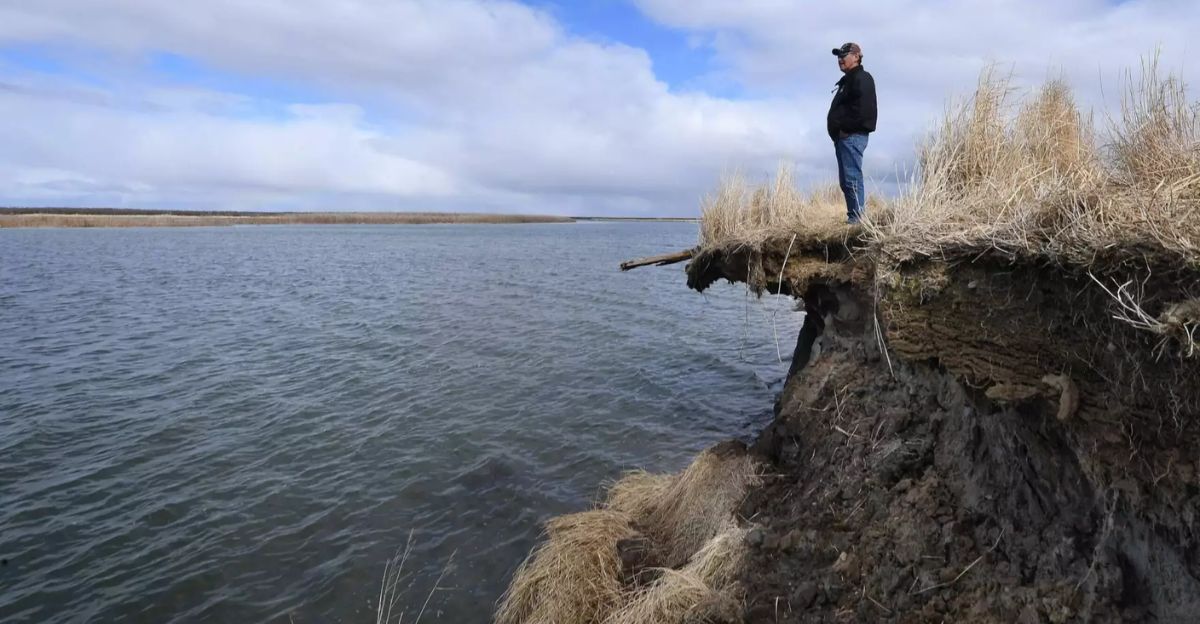
The Nunalleq disaster reflects a wider pattern across the Arctic, from Alaska to Canada and Siberia. Thawing permafrost, driven by rising temperatures, is destabilizing archaeological deposits faster than teams can excavate them.
Stronger coastal storms compound the threat, stripping away entire layers in one event. Halong underscored that climate change is not only endangering future sites but is actively erasing centuries of human history stored in frozen ground.
A Community’s Infrastructure Pushed to the Brink

Halong’s erosion also endangered Quinhagak’s basic infrastructure. The storm left the village’s 10-acre sewage lagoon dangerously close to the eroding bluff, raising fears of contamination in the Bering Sea.
Essential subsistence facilities, including fish racks and smokehouses, were damaged or lost. Local leaders warned that repeated storms may force expensive relocations or emergency engineering projects that small communities can scarcely afford.
Policy Gaps in Protecting Indigenous Heritage Sites

Despite grants and research support from institutions such as the University of Aberdeen, Typhoon Halong exposed major policy gaps around Indigenous heritage protection. Most coastal protection funding in Alaska prioritizes homes, roads, and fuel facilities over archaeological sites.
Experts argue that cultural heritage should be treated as critical infrastructure, embedded into adaptation plans rather than addressed only after catastrophic loss.
Economic Ripples for Science and Local Employment

For 17 years, Nunalleq excavation seasons have brought jobs, training, and visiting researchers to Quinhagak, while artifacts supported museum exhibits and tourism. The potential loss of up to 100,000 unexcavated items threatens years of planned research and seasonal employment.
With priorities shifting to rescue work, long-term educational and scientific projects may be delayed or canceled, constraining both local income and global archaeological knowledge.
Health and Lifestyle Strains in a Changing Coastal Village

Erosion from the storm did more than scatter artifacts; it consumed sections of coastline vital for fishing, travel, and gathering traditional foods central to Yup’ik diets. Community leaders report rising travel risks for hunters navigating unstable banks and fewer safe places to dry fish.
The emotional strain of seeing land, infrastructure, and ancestral sites vanish compounds existing health challenges in an already remote community.
Reclaiming Tradition Amid Crisis
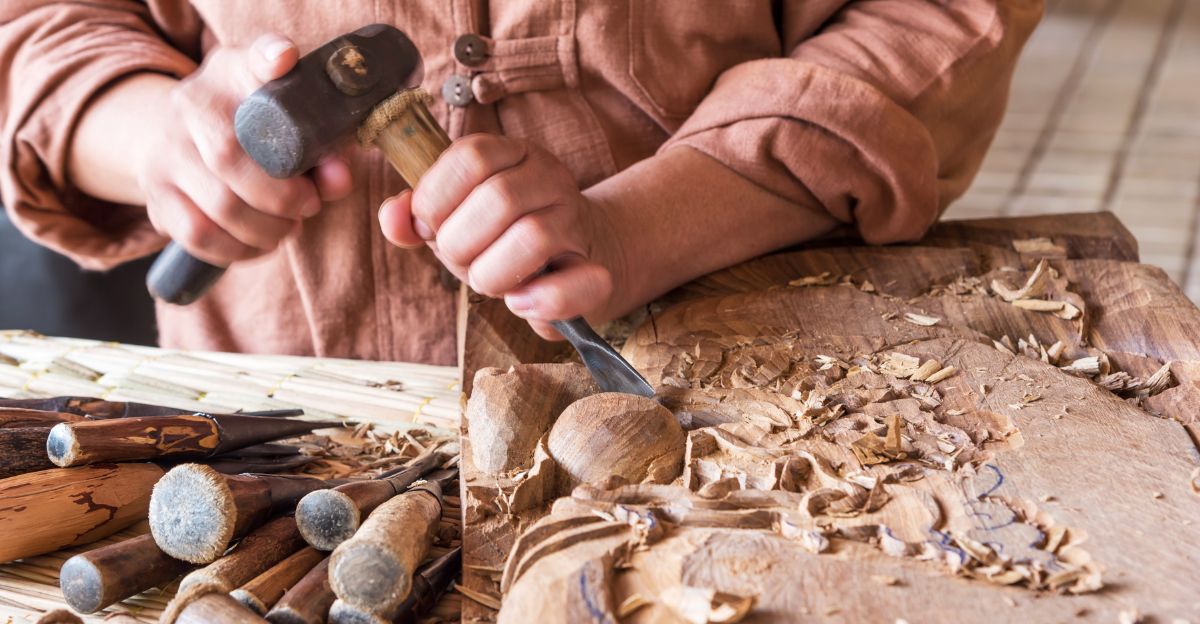
Despite the destruction, Quinhagak’s resilience is evident in efforts to reclaim and restore cultural knowledge. Local artists and elders are organizing workshops on traditional carving, sewing, and toolmaking techniques.
These programs turn the shock of loss into an opportunity for teaching younger generations. Community leaders emphasize that even if many physical artifacts are gone, they intend to ensure the stories, skills, and values they represent endure.
The Role of Local Volunteering in Preservation
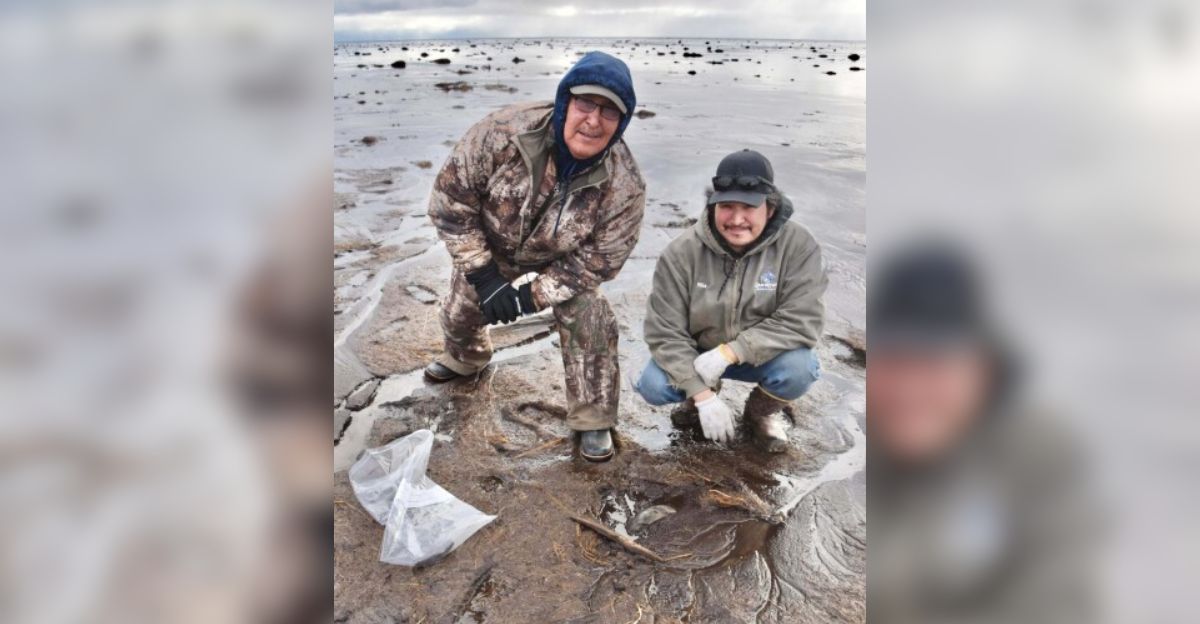
Halong’s aftermath galvanized grassroots participation in preservation. Residents volunteer to help archaeologists search beaches, document finds, and assist with cataloging. Schools host talks about the importance of the site, while elders share stories linked to newly recovered objects.
Each artifact pulled from the tidal flats is treated as a story reclaimed, reinforcing the sense that safeguarding heritage is a shared community responsibility.
Research Partnerships Shaping Future Strategies

Collaborations between universities, museums, and local institutions are now central to Nunalleq’s recovery strategy. Researchers are studying shoreline change, permafrost thaw, and artifact deterioration to design more effective conservation approaches.
Partnerships with Quinhagak’s tribal and municipal leadership aim to create models that can be adapted to other at-risk Arctic sites, blending scientific methods with Indigenous priorities for how and where items are preserved.
Building a Legacy of Resilience
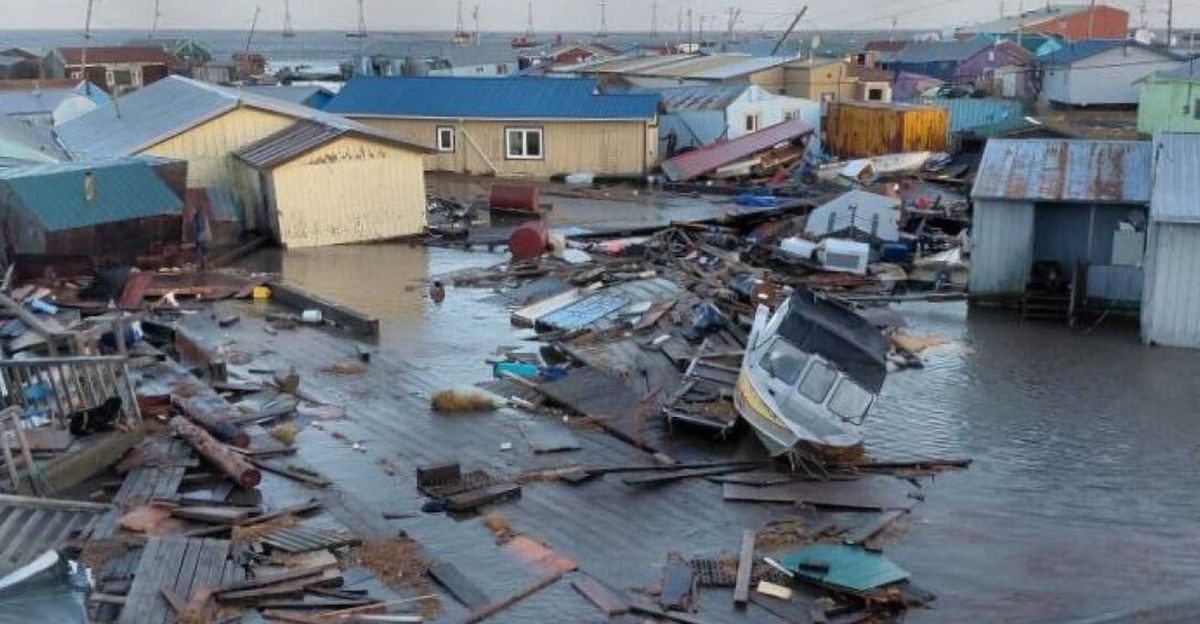
Although Typhoon Halong caused immense damage, it has sparked vital conversations about climate adaptation, biodiversity, and Indigenous heritage. Quinhagak’s experience highlights the need for interdisciplinary approaches that unite science, policy, and traditional knowledge.
Community-driven recovery efforts, backed by responsive legislation and funding, can transform this crisis into a blueprint for resilience honoring the past while preparing for a more volatile future.
Sources: Cambridge University Press climate-heritage commentary; Nunalleq project future plans briefings
A Call to Action for Global Awareness
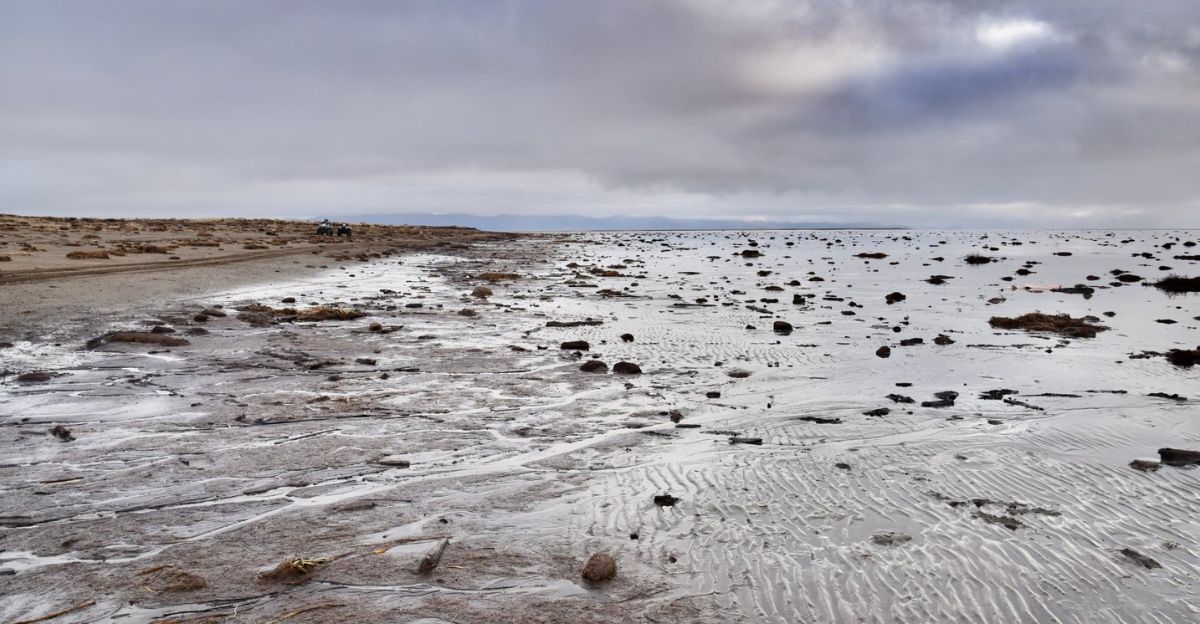
The scattering of 100,000 ancient artifacts is more than a local tragedy; it is a warning for vulnerable heritage sites worldwide. Protecting places like Nunalleq will require governments, NGOs, researchers, and the public to prioritize Indigenous-led conservation and robust climate policy.
By supporting organizations on the ground and demanding stronger protections, people far from Alaska can help ensure that irreplaceable cultural histories are not lost to the next storm.
Sources: Smithsonian Magazine global heritage reflection; international climate and cultural policy statements
Sources
Associated Press Nunalleq storm and artifact recovery report
Archaeology Magazine coverage of Typhoon Halong damage at Nunalleq
Alaska Public Media western Alaska storm and erosion reporting
University of Aberdeen Nunalleq archaeological excavation and conservation project
Smithsonian Magazine analysis of Arctic heritage and climate change
Cambridge University Press commentary on climate threats to Indigenous Yup’ik heritage