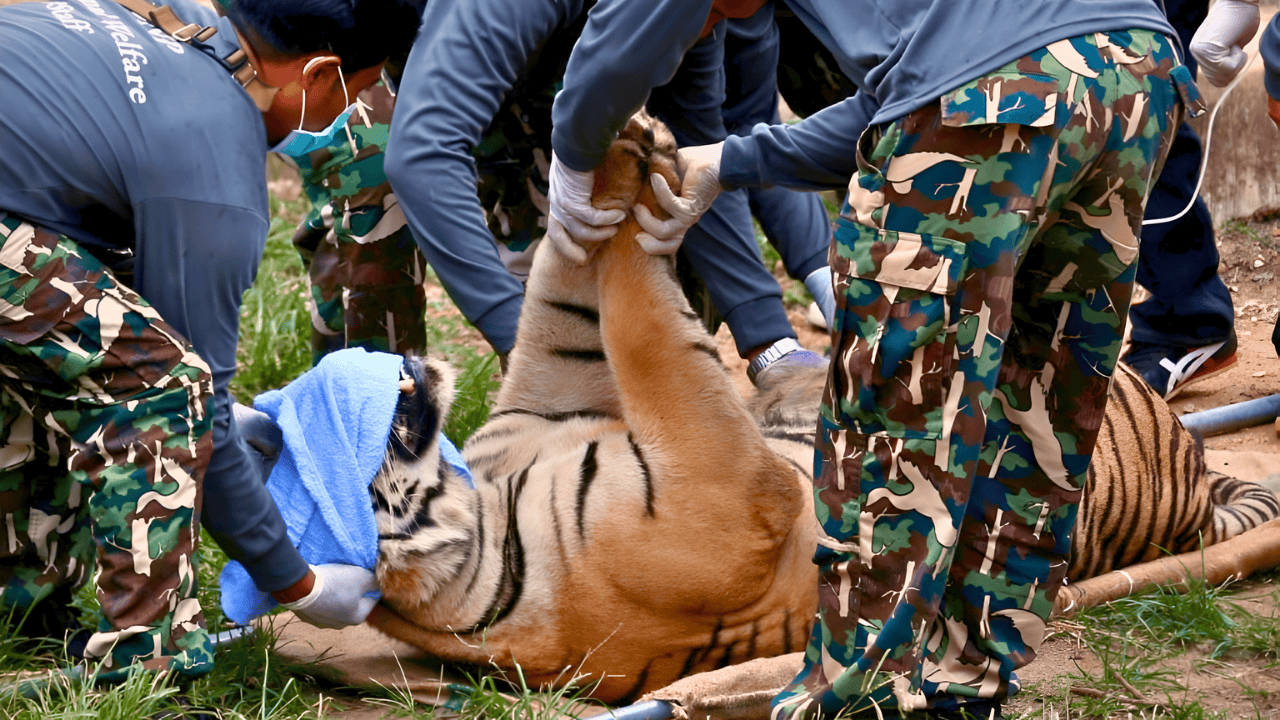
Nine tigers vanish into the black market every month—and that’s only what authorities catch. Despite 50 years of international protection under CITES, trafficking is accelerating. Wild tiger populations have plummeted 96% since the 20s according to TRAFFIC’s 25 November report.
The crisis goes beyond poachers. Networks spanning organized crime, captive breeding facilities, and consumers move whole tigers and live animals. Understanding who hunts, why the trade persists, and how ecosystems are affected exposes a systemic failure that decades of conservation have not stopped. Here’s what the scale of the slaughter looks like.
What’s The Scale Of Slaughter?

Between 2000 and mid-2025, 2,551 seizures involved at least 3,808 tigers, yet the real toll is far higher. From 2020 to June 2025, 573 tigers were confiscated across 765 seizures, averaging nearly one every two days.
Applying standard interdiction rates of 30–40% suggests about 1,584 tigers were trafficked since 2020—roughly 108 per year. Ramacandra Wong, TRAFFIC, said on 25 November 2025: “This rise reflects improved enforcement but also signals persistent and escalating criminal activity.” The extraction rate is unsustainable.
Who Are The Victims?
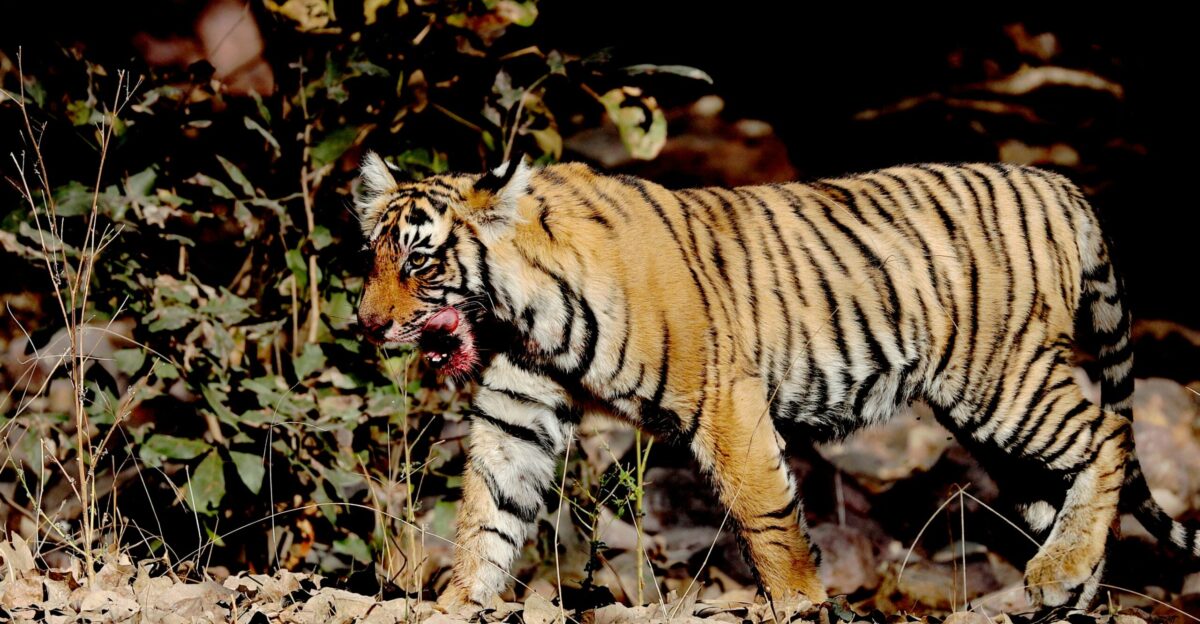
Wild tigers, Panthera tigris, are the primary victims. Populations have dropped 96% from ~100,000 to 3,700–5,500. Documented seizures of 3,808 tigers between 2000 and 2025 show systematic loss.
Beyond numbers, each seizure represents wildlife crime that evaded detection, ecosystems losing apex predators, and reversed conservation gains. If trafficking continues, the species faces potential extinction within decades. How did criminals expand so quickly?
Who Are The Perpetrators?

Trafficking is not isolated. Local poachers set indiscriminate snares, killing tigers and other species. Organized crime syndicates now move whole carcasses and live tigers internationally.
Captive breeding facilities in Vietnam, Thailand, Laos, and South Africa operate as trafficking pipelines. Kanitha Krishnasamy, TRAFFIC, 25 November 2025: “Wild strongholds are taking a big hit while captive tigers leak into the illegal trade chain.” Leigh Henry, WWF, echoed their prominent role.
How The Market Thrives

Profit and status drive the market. Whole-tiger trafficking surged from ~10% in the 2000s to over 40% today, reflecting a shift toward luxury pets and taxidermy.
India leads in seizures, followed by China, Indonesia, and Vietnam. Seizures in Mexico, the U.S., and the U.K. show a truly global market. Demand continues evolving and spreading. What does this mean for ecosystems?
Ecosystem Impact And Species Convergence

Trafficking affects entire ecosystems. About 20% of tiger incidents include other endangered species: leopards (34%), bears (26%), pangolins (16%).
This “species convergence” indicates organized crime is strip-mining biodiversity. In 2020 alone, 153 incidents involved multiple species. Conservation frameworks protecting single species cannot counter these coordinated multi-species operations, leaving ecosystems under severe threat.
Hotspots Of Trafficking
Wild tigers are native to Asia, but trafficking spans continents. Primary source regions include India, Bangladesh, Indonesia, and the Vietnam-Laos border.
Processing hubs include Hanoi, Ho Chi Minh City, and Thailand. Seizures in Mexico, the U.S., and the U.K. reveal a thriving live-tiger market. Thirteen tiger-range countries host populations, yet the global supply chain shows no borders. How fast is this crisis growing?
Peak Crisis Years

Trafficking is intensifying. 2019 recorded 141 seizures, the highest ever. 2023 saw 139, signaling a post-pandemic rebound.
From 2020 to June 2025, 765 seizures occurred—nearly one every two days. Criminal networks adapt faster than enforcement. Ramacandra Wong, TRAFFIC, 25 November 2025: “Persistent and escalating criminal activity continues in some areas.” The pace outstrips conservation capacity.
Why Laws Have Failed
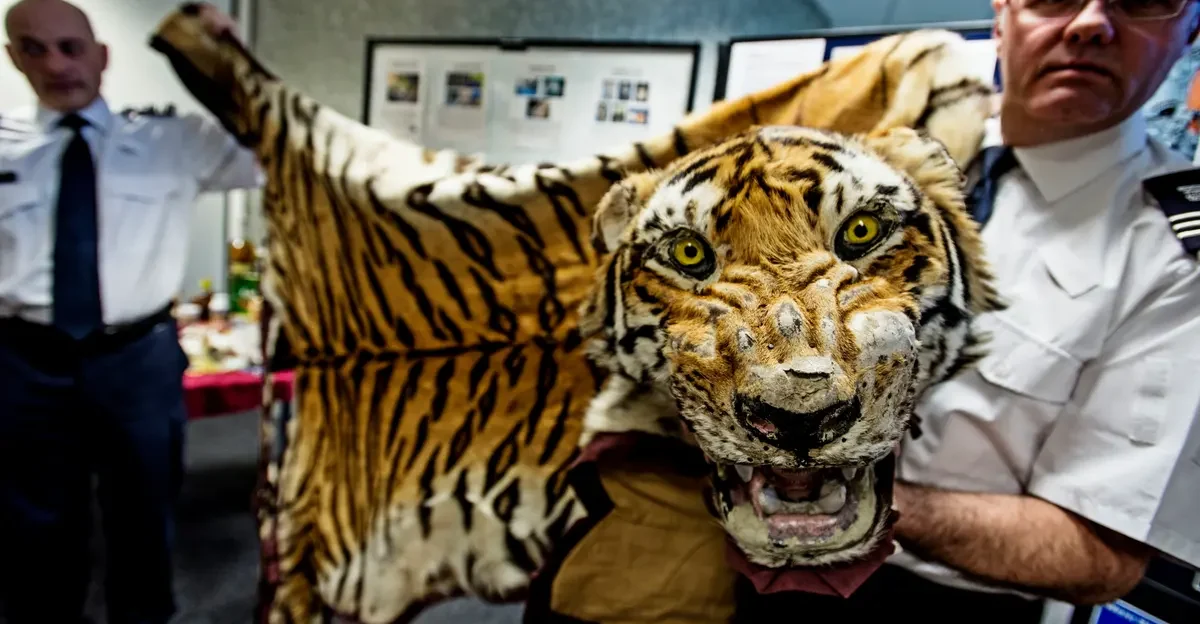
CITES protections since 1 July 1975 have proven insufficient. Enforcement gaps, corrupt officials, and resource limitations hinder response.
Captive breeding loopholes and persistent demand allow criminals to exploit legal frameworks. Heather Sohl, WWF, 25 November 2025: “Decades of conservation gains risk being undone if enforcement doesn’t catch up to criminal innovation.” The systemic failure requires urgent intervention.
Who Drives Demand?
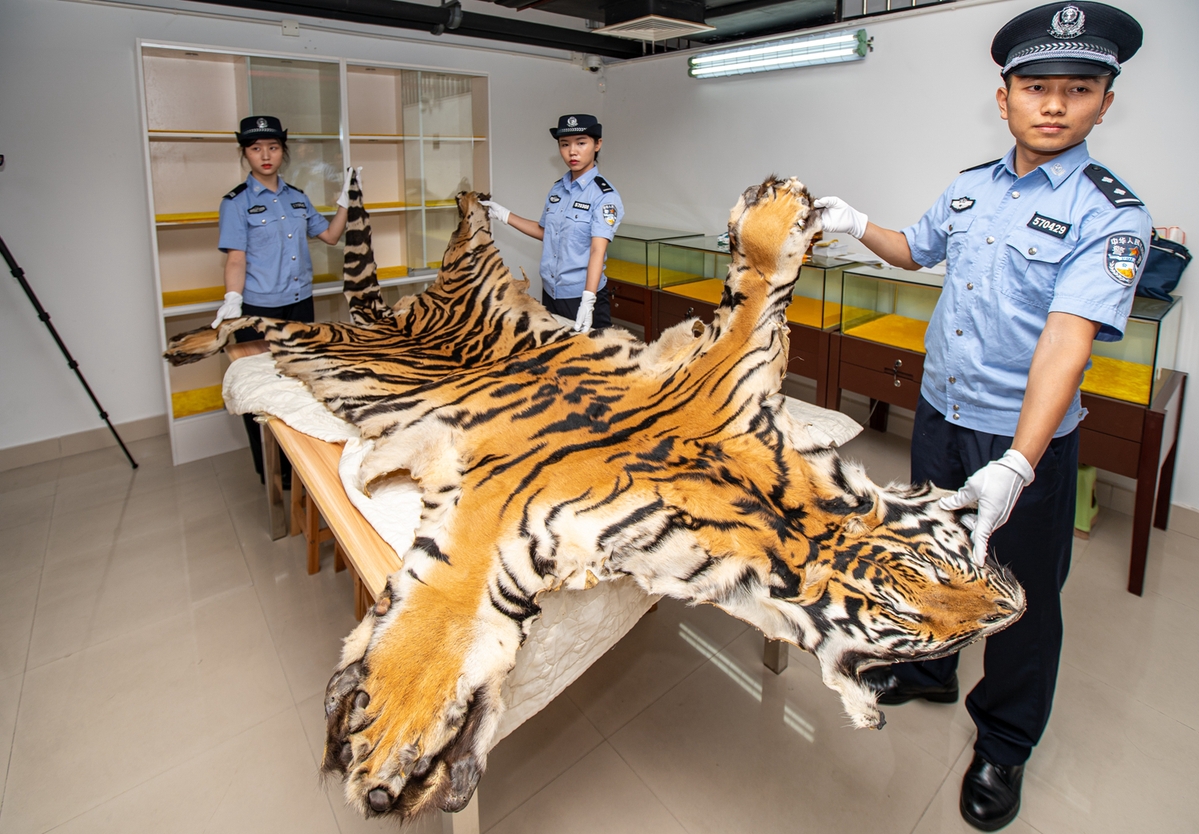
Consumers fuel trafficking: wealthy collectors seek taxidermy and exotic pets; traditional medicine markets maintain demand for bones and organs.
Seizures in the U.S. and Mexico reveal domestic complicity. Each confiscation highlights a human choice prioritizing profit, status, or tradition over species survival. Addressing demand in wealthy nations is crucial for halting the crisis.
The Math Of Extinction
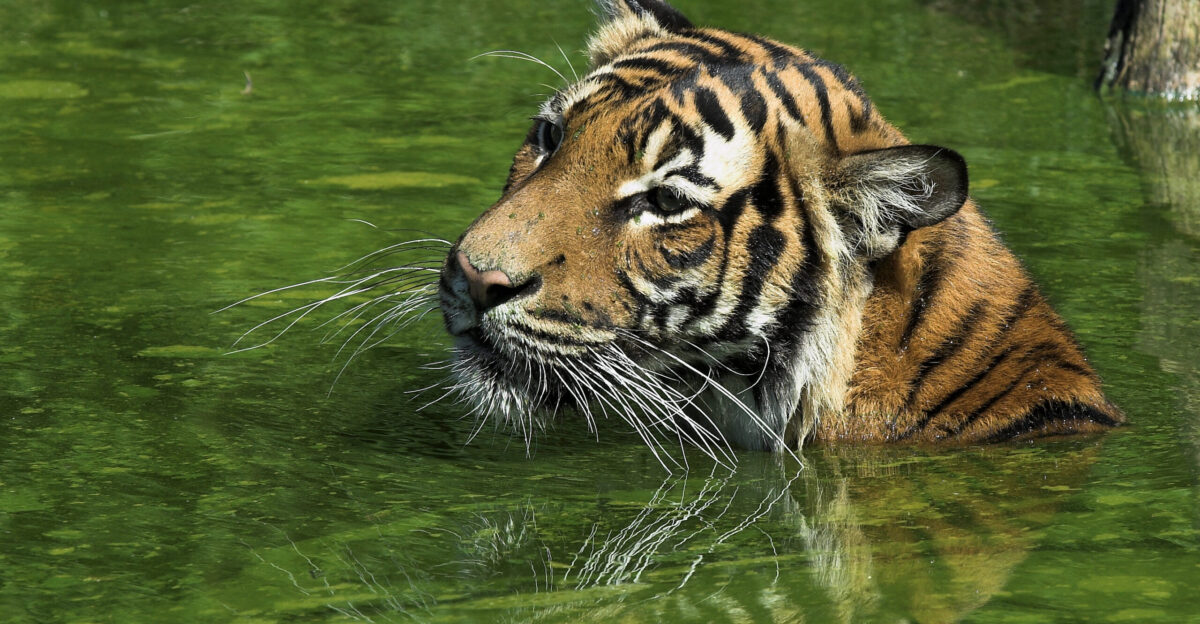
At current rates, wild tigers face extinction in decades. 573 seizures in 5 years represent 10–15% of the wild population, not including undetected trade.
Factoring in 30–40% detection, ~1,584 tigers were trafficked, 29–43% of the population. Leigh Henry from WWF recalled on 25 November 2025: “Without urgent scaling up of anti-trafficking measures, we face a world without wild tigers.”
Urgent Action Required
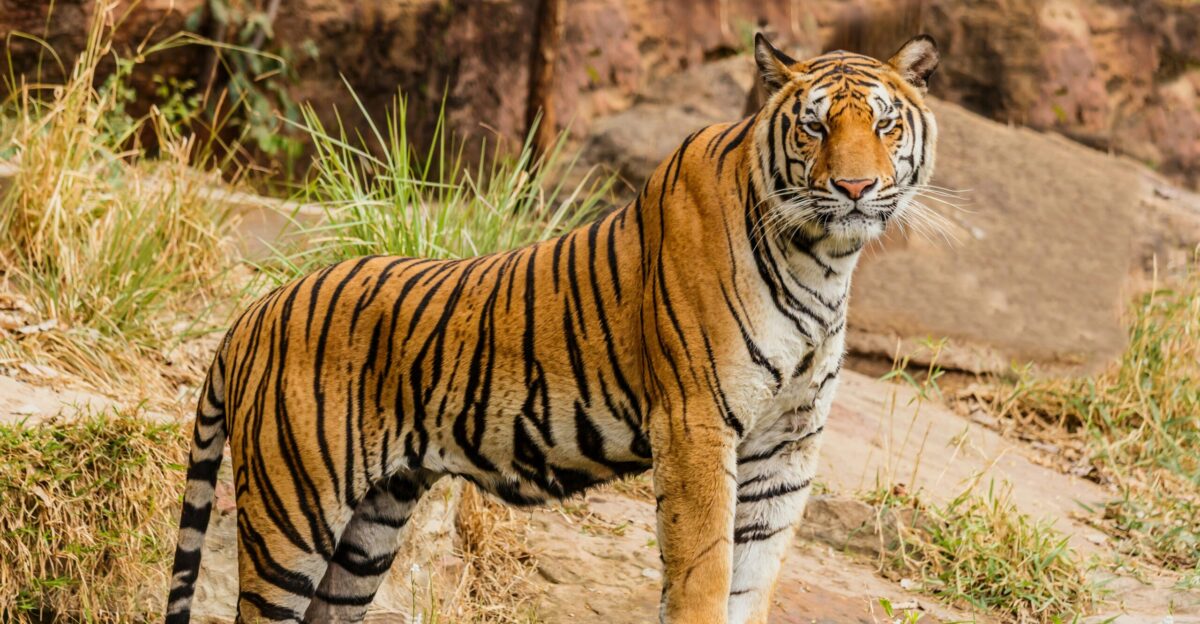
TRAFFIC recommends supply-side enforcement, transit monitoring, demand reduction campaigns, institutional reform, and community engagement.
Cross-border cooperation, dismantling captive breeding, and consumer education are vital. The clock is ticking. Without immediate implementation, decades of conservation gains risk being erased as criminal innovation outpaces protection efforts.
Ecosystem Collapse

Tiger trafficking is part of systemic ecosystem degradation. Multi-species exploitation, apex predator loss, and habitat destruction destabilize landscapes.
Snare-based poaching kills non-target species, further weakening resilience. Captive breeding pipelines exacerbate the problem. The tiger crisis is a warning that global wildlife protection strategies are failing, demanding a reimagined approach.
The Choice Ahead

Nine tigers seized monthly reflect both success and failure. Continuation of trends risks extinction in 12–17 years; managed extinction leaves tigers as zoo-bound relics.
Urgent intervention through enforcement, demand reduction, and coordinated action offers a chance to preserve the species. Human decisions now will determine whether tigers survive in the wild.
The Clock Is Ticking
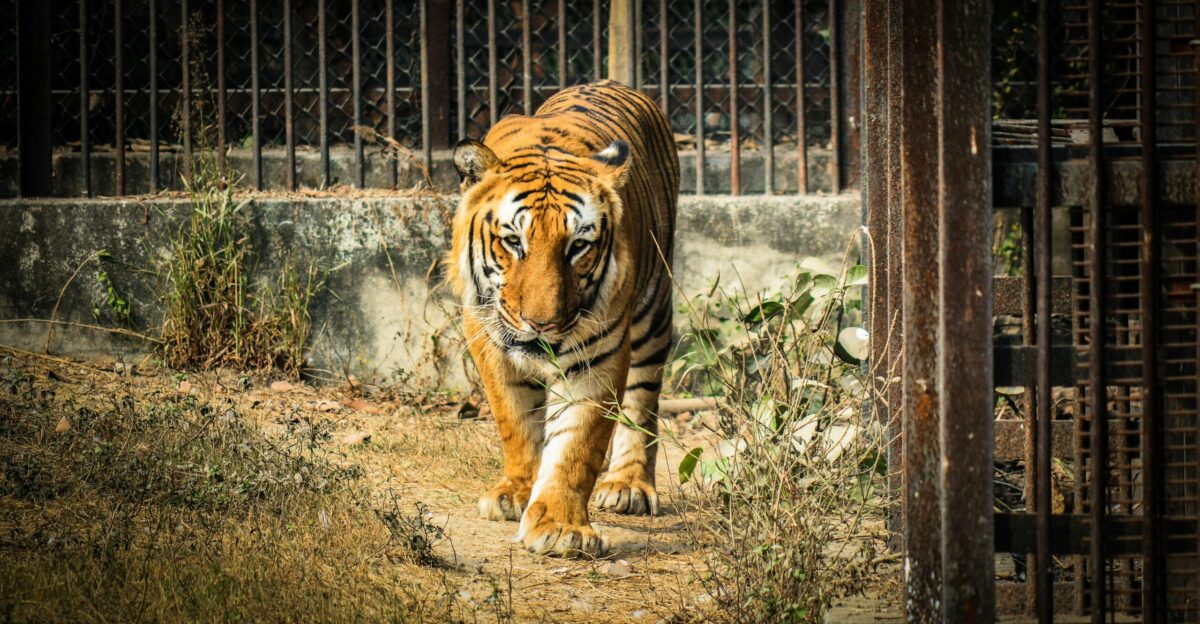
Global tiger trafficking is a present catastrophe. TRAFFIC’s 25 November 2025 report documents 25 years of seizures showing increasingly sophisticated, profitable criminal networks.
3,808 tigers seized in 25 years, 573 in five years, 9 every month. Heather Sohl, WWF, 25 November 2025: “Decades of conservation gains risk being undone if enforcement doesn’t catch up.” Immediate action is the only path to survival.
Sources:
TRAFFIC: “Beyond Skin and Bones: A 25-Year Analysis of Tiger Seizures” 25 November 2025
WWF: Official statements on tiger trafficking 25 November 2025
CBS News: “9 tigers seized every month as global trafficking crisis decimates big cat populations” 25 November 2025
Fortune: Reporting on exotic pet ownership and trafficking 25 November 2025