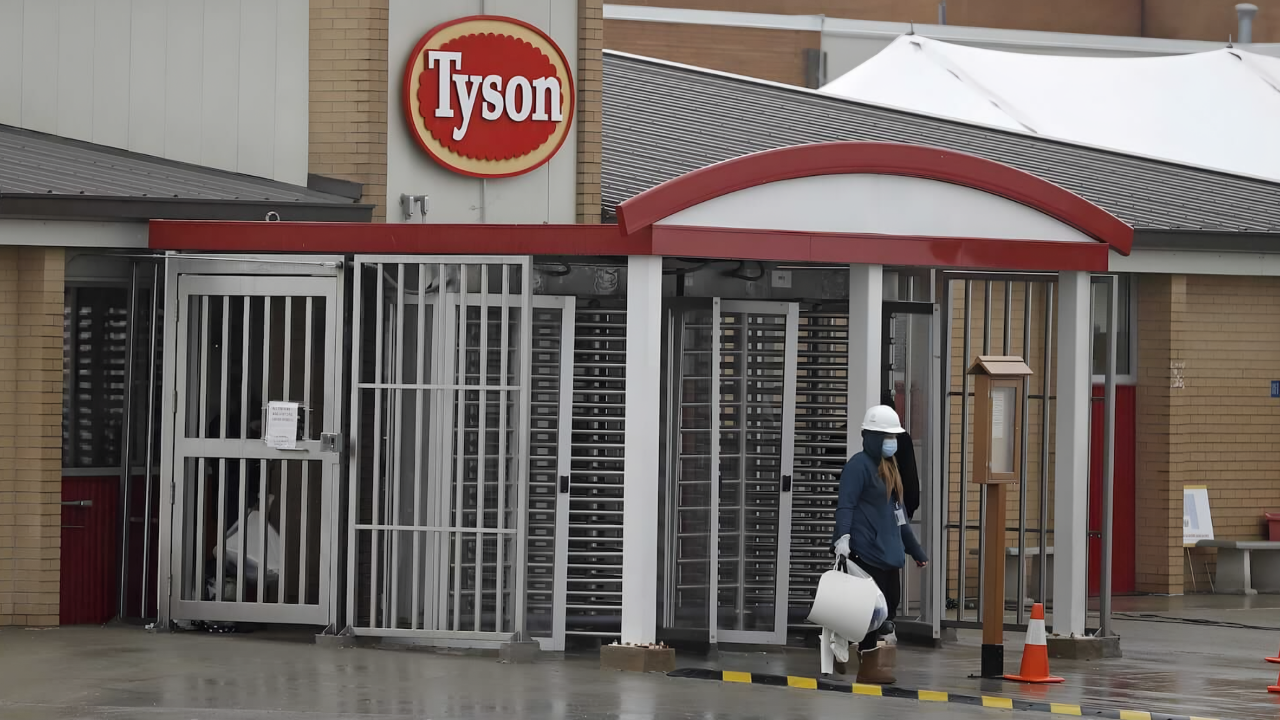
November 2025. Tyson Foods, one of the largest meatpacking companies in the world, shocked the industry with a bold move—closing its Lexington, Nebraska beef plant and scaling back operations in Amarillo, Texas. The closures will result in the loss of 4,900 jobs across these two locations, affecting thousands of families and local economies.
But what’s driving this drastic decision? A shrinking U.S. cattle herd—the lowest in 75 years—is to blame.
Why It’s Happening: Drought, Feed Costs, and Herd Liquidation
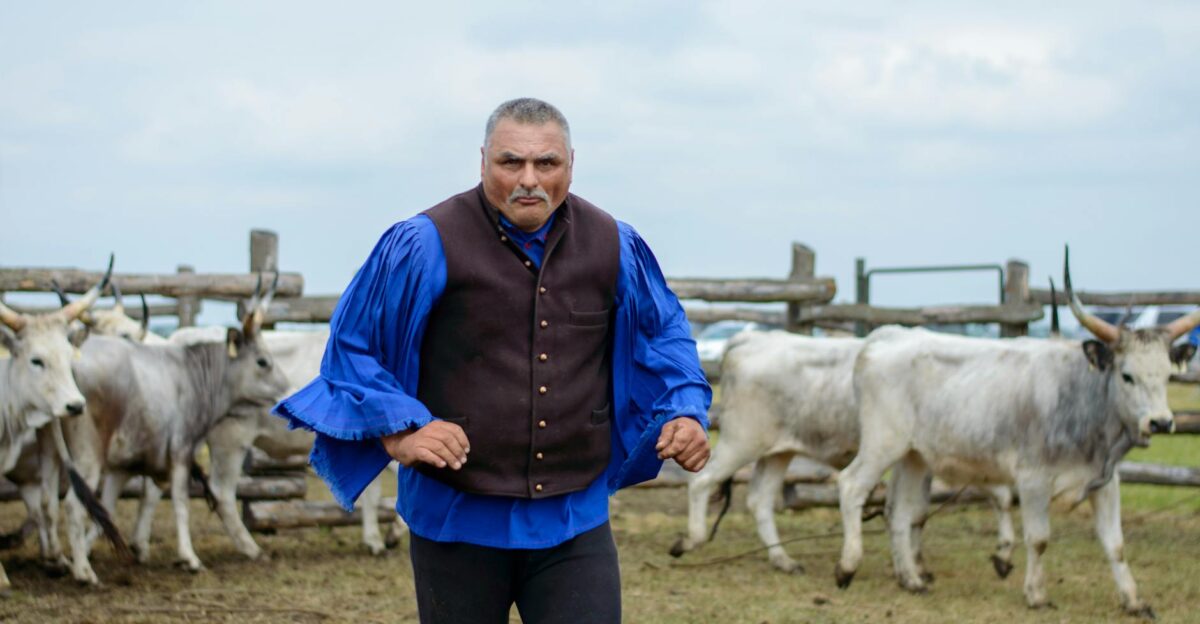
For more than a decade, cattle ranchers have been squeezed by persistent droughts and rising feed prices. To survive, many producers have been forced to cull their herds rather than rebuild them. As a result, the U.S. cattle inventory dropped by 3% to 87.2 million head in early 2024—the lowest since 1951.
Tyson’s plants, now underutilized, are struggling to process cattle at full capacity, forcing them into a painful restructuring process.
Consumers Face Higher Beef Prices
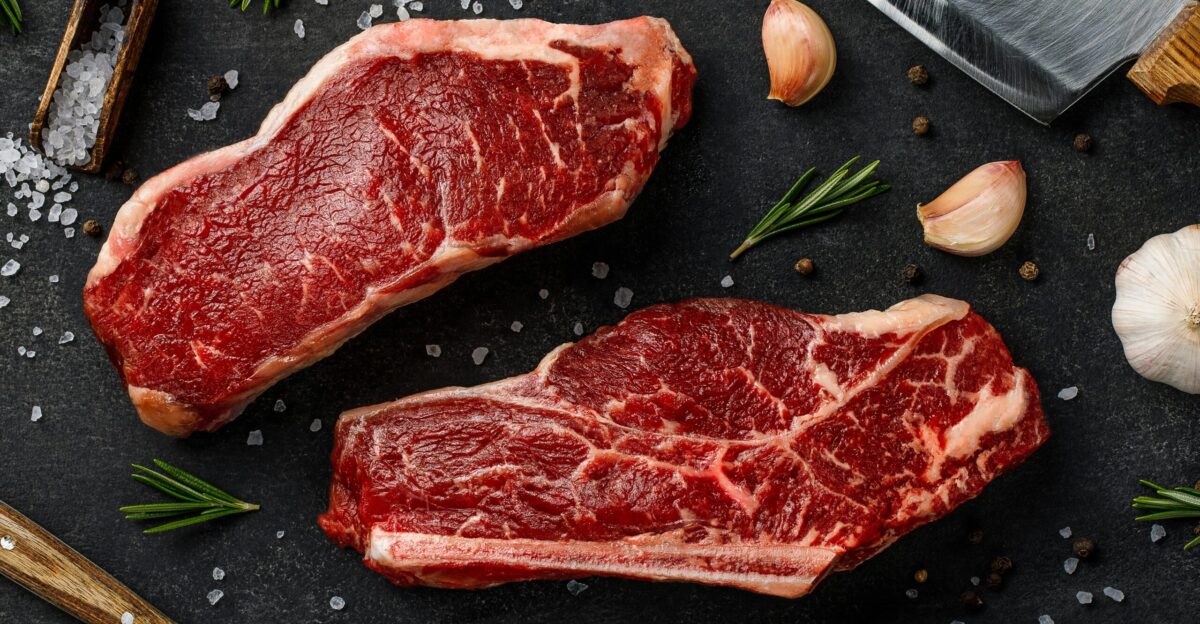
With fewer cattle and reduced processing capacity, beef prices have skyrocketed. Ground beef has increased 12.8% and steaks 16.6% over the past year, pushing many families to shift purchasing patterns toward chicken, pork, or plant-based alternatives.
This price surge is a direct result of shrinking supply, and it’s not likely to subside anytime soon. Consumers can expect to pay more for ground beef and steaks, as beef shortages hit grocery stores across the country.
Retailers Adjust Promotions and Inventory
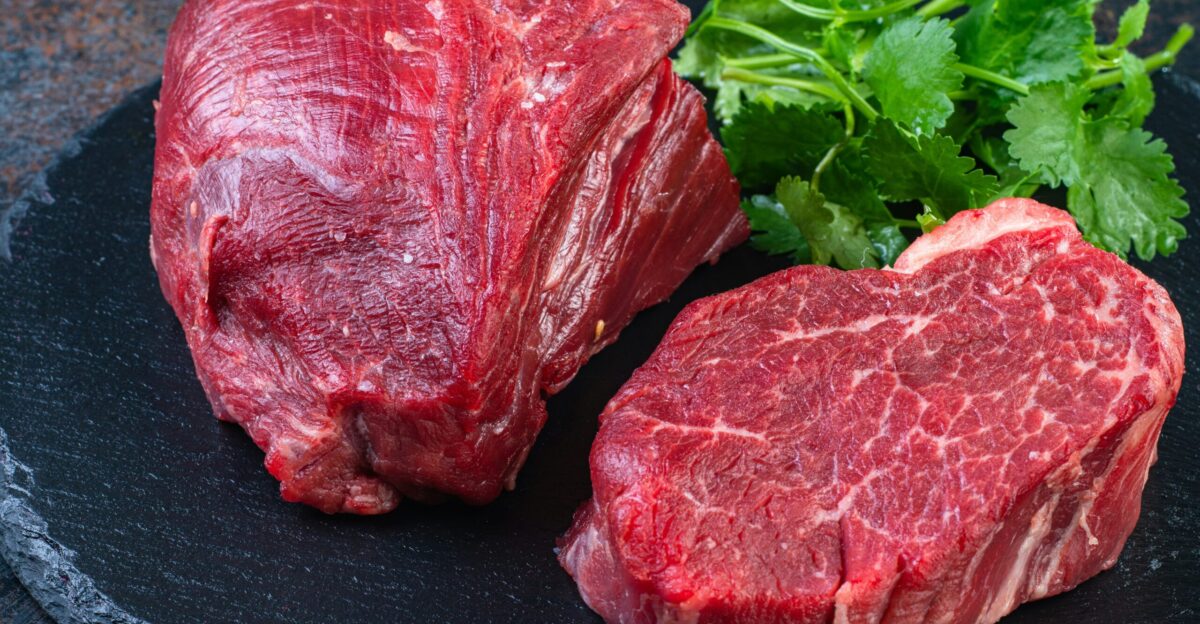
Grocery chains and restaurants are already adjusting their menus and promotions in response to beef scarcity. Supermarkets are scaling back beef displays in favor of chicken, pork, or plant-based options.
Quick-service restaurants, meanwhile, may raise prices or reduce portion sizes to maintain their margins amidst the tightening supply of beef. These shifts could alter the consumer experience, with beef becoming less accessible relative to alternative proteins.
Chicken and Pork Producers Gain Market Share
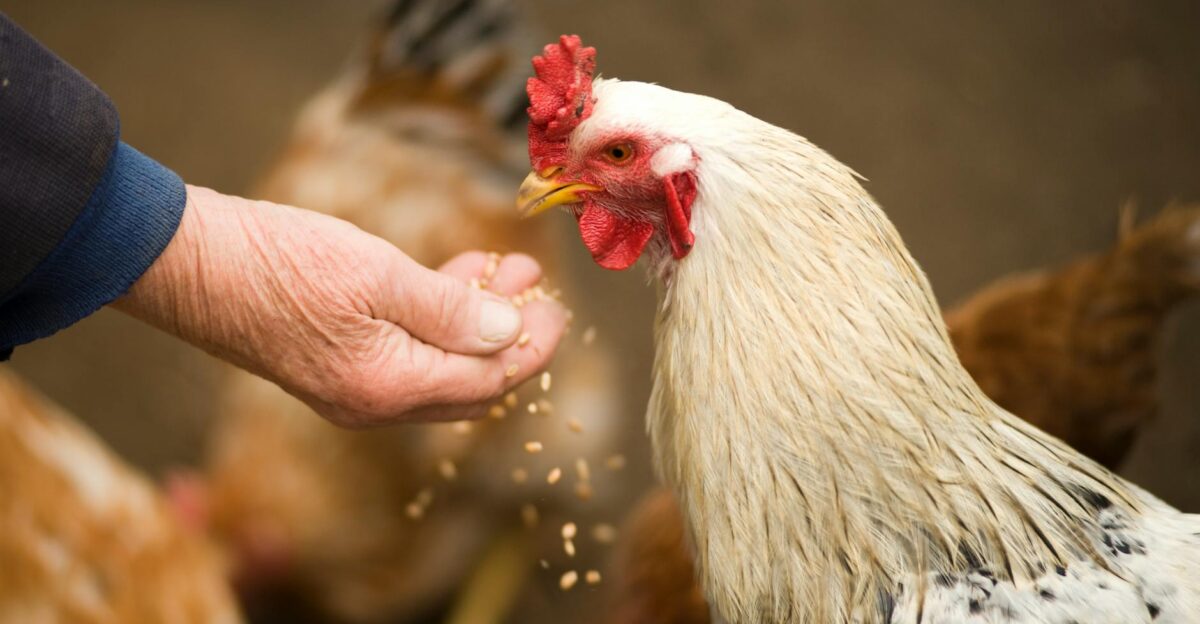
As beef becomes less available and more expensive, poultry and pork producers are poised to capture the displaced demand. Chicken, already the most-consumed meat in the U.S., will likely see its market share grow.
Pork producers are also set to benefit from the beef shortage, though Tyson’s earlier closure of its Perry, Iowa pork plant means the expansion may be tempered by previous reductions in capacity.
International Trade Tensions Emerge
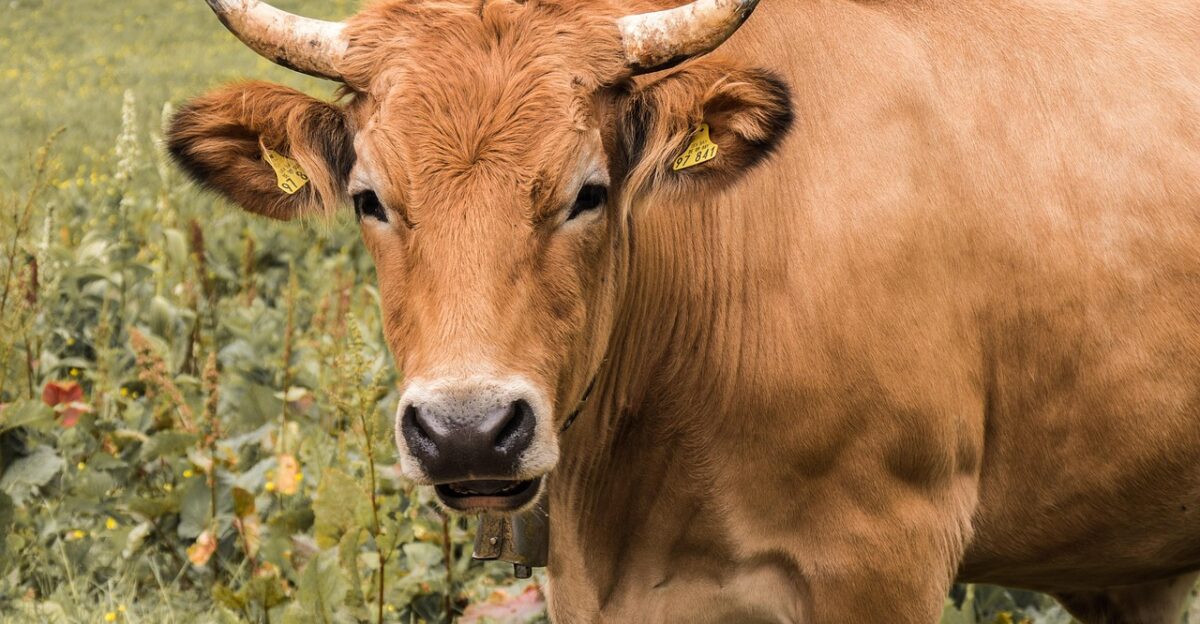
The U.S. beef industry’s contraction will have far-reaching implications for international trade. Countries like Japan, South Korea, and Mexico may increasingly turn to Australian or Brazilian beef to meet their needs.
Reduced exports from the U.S. could briefly ease global beef prices, but retaliatory tariffs or trade disputes could complicate negotiations. The political ramifications of these shifts could further strain international relations.
Ranchers and Farmers Face Existential Pressure
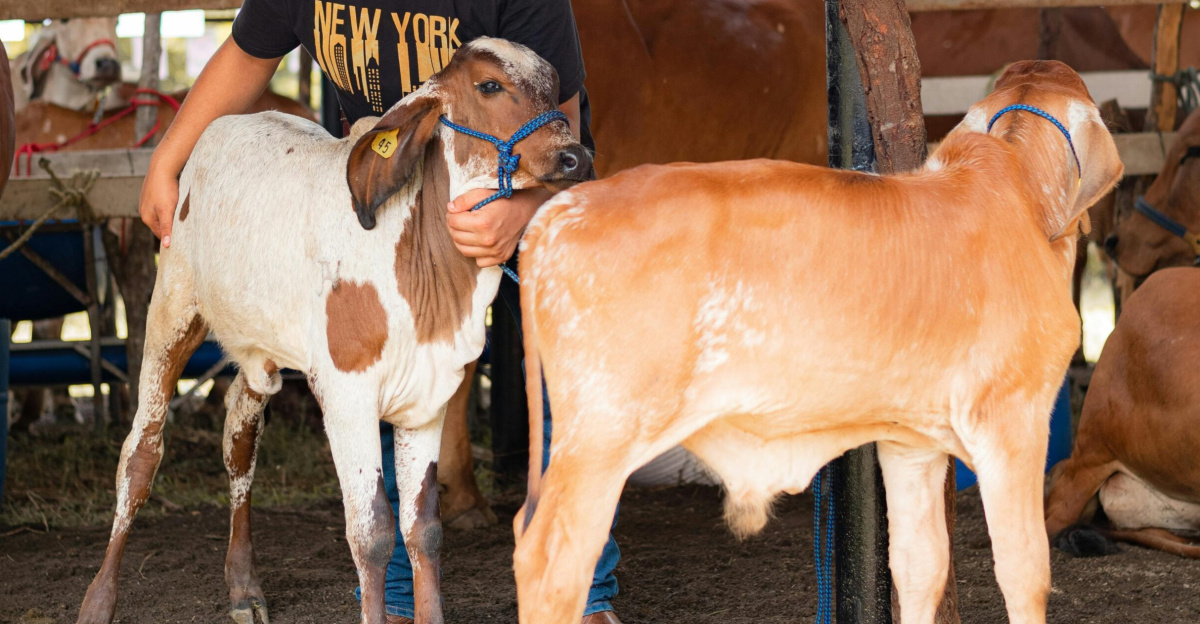
With fewer processing plants and cattle prices at record highs due to herd scarcity, ranchers face intensifying financial pressure. Smaller operations—which comprise 25% of the beef cow inventory—are particularly vulnerable, as they often lack the financial cushion of larger, diversified ranches. Industry analysis suggests herd rebuilding is unlikely to accelerate until 2026-2027 at the earliest, prolonging the period of constrained supply and elevated input costs.
Many will face the prospect of bankruptcy, while others may be forced to travel longer distances to sell their cattle at a loss. Larger, more diversified ranches may survive by shifting toward agritourism or direct-to-consumer sales, but the road ahead will be tough.
Political Pressure and Antitrust Scrutiny Intensify
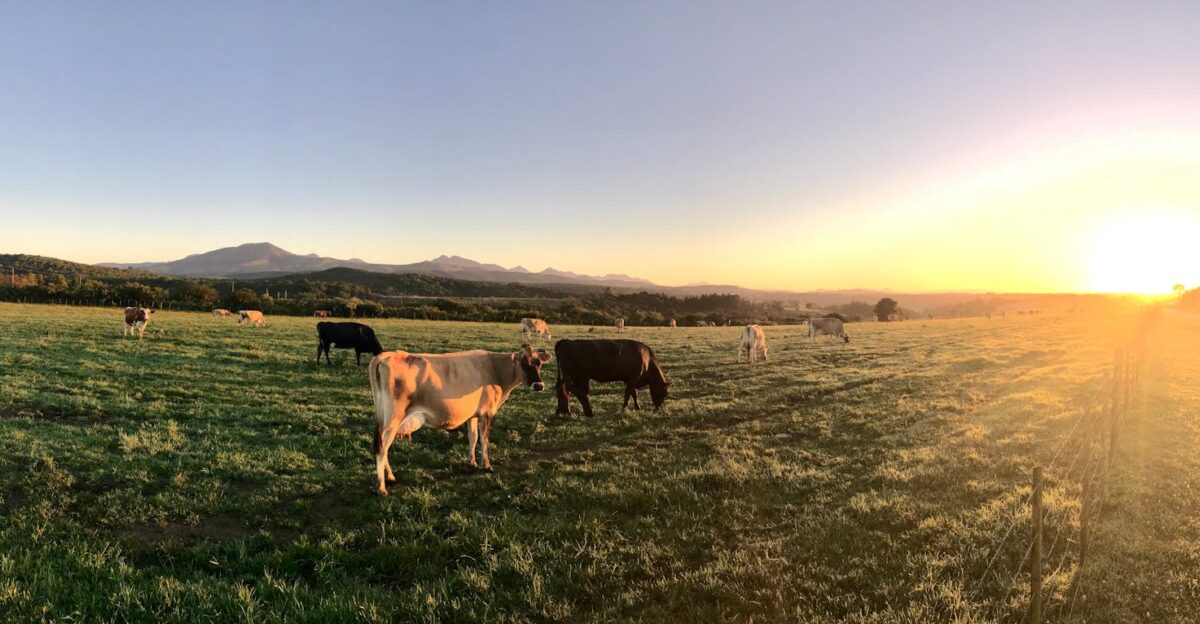
The closures have sparked a political firestorm, particularly in cattle-producing districts. Lawmakers are calling for greater scrutiny of meatpacking consolidation, warning that Tyson’s actions could signal an alarming trend in the industry.
With the major players—Tyson, JBS, Cargill, and National Beef—controlling so much processing capacity, antitrust action or new regulations could reshape the entire meatpacking landscape. Trump administration officials have begun calling for DOJ investigations into the Big Four meatpackers, with far-reaching consequences for workers, consumers, and the economy.
Rural Communities Face Economic Collapse
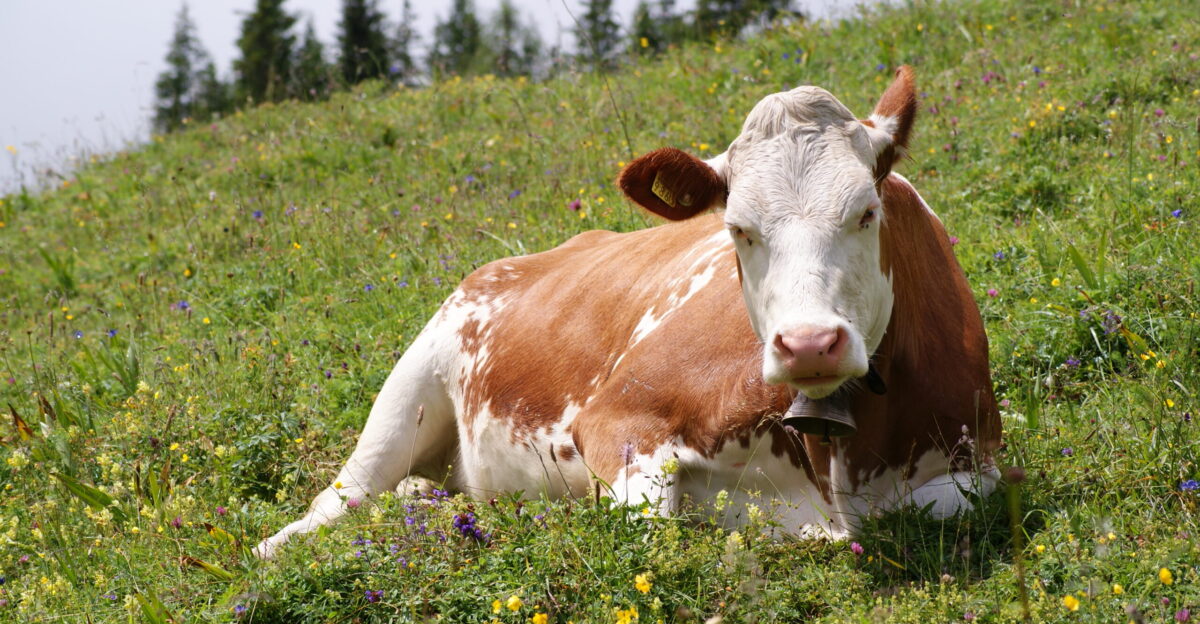
The closures of Tyson’s plants in Lexington and Amarillo have already devastated local economies. In Lexington, the loss of 3,200 jobs—a significant portion of the town’s workforce—will hit hard.
Similarly, Amarillo faces nearly 2,000 job cuts. Local tax revenue will plummet, schools will struggle, and small businesses will be forced to close. The loss of these jobs will likely accelerate population outmigration. Perry, Iowa—which lost 1,300 Tyson jobs in June 2024—saw school enrollment drop by 105 students (roughly 6%) in the following academic year, though the community is actively recruiting replacement employers. Historically, similar single-factory closures have triggered prolonged population decline unless new major employers emerge, as evidenced by Youngstown, Ohio, which lost more than half its population after steel mill closures.
Inflation Pressures Persist in Protein Markets
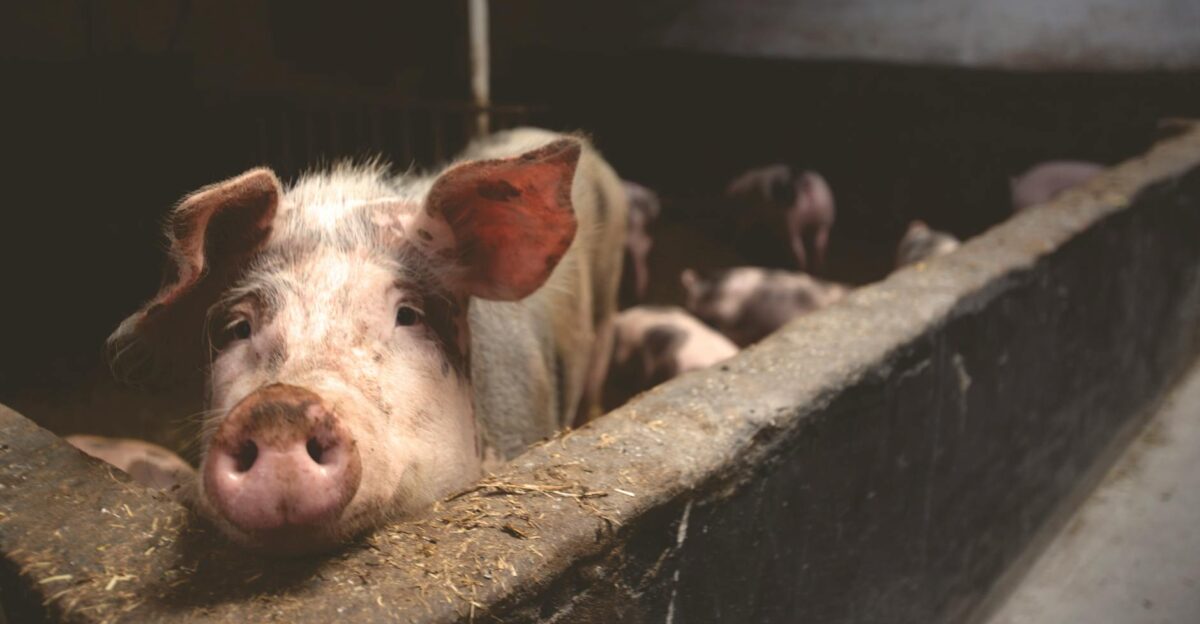
As beef prices climb, the broader protein market will also feel inflationary pressure. With consumers flocking to alternatives like chicken and pork, these prices too are expected to rise.
Grocery prices, which have already been a political issue, are expected to remain elevated as beef shortages persist. Industry analysts note that rebuilding the U.S. beef cow herd will take years—likely 2026 or 2027 at the earliest—meaning beef supply constraints will extend well into 2025 and beyond.
Health and Sustainability Narratives Shift

The beef shortage has also fueled a growing health and sustainability narrative. Environmental advocates are capitalizing on the situation to promote plant-based and lab-grown meat alternatives.
Meanwhile, health-conscious consumers may view the reduced availability of beef as an opportunity to diversify their protein intake. The shift away from beef could alter consumer perceptions of what constitutes a healthy diet, with sustainability increasingly at the forefront of food choices.
Cultural Identity and Food Traditions Under Pressure
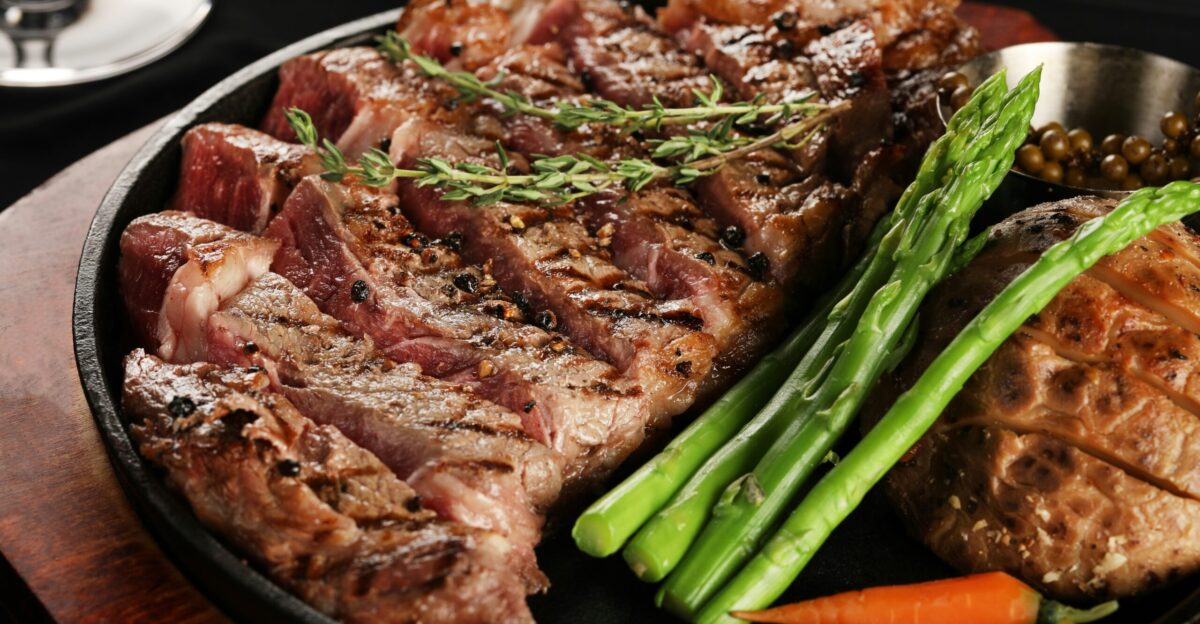
Beef has long been a cornerstone of American food culture, particularly in rural regions like the ones hit hardest by Tyson’s closures. For ranching families and plant workers, this is more than just a financial loss; it’s the erosion of a way of life.
Perry, Iowa community leaders describe the closure as representing not just economic loss but the disruption of stable families and community identity in towns where the meatpacking plant has been the economic anchor for generations. As younger generations leave for urban centers, the cultural identity tied to ranching and beef production will face significant challenges. Iconic food traditions—like barbecue and steakhouse culture—may have to adapt or fade in these affected regions.
Unexpected Winners Emerge in Adjacent Markets

The shake-up in the beef market has created space for other industries to thrive. Plant-based meat companies, lab-grown protein startups, and alternative protein firms are set to see increased demand.
At the same time, logistics and transportation companies that specialize in alternative proteins will likely experience growth. However, businesses connected to beef production, such as cattle equipment manufacturers and veterinary services, will struggle to adapt to the changing market dynamics.
Market Response and Commodity Outlook
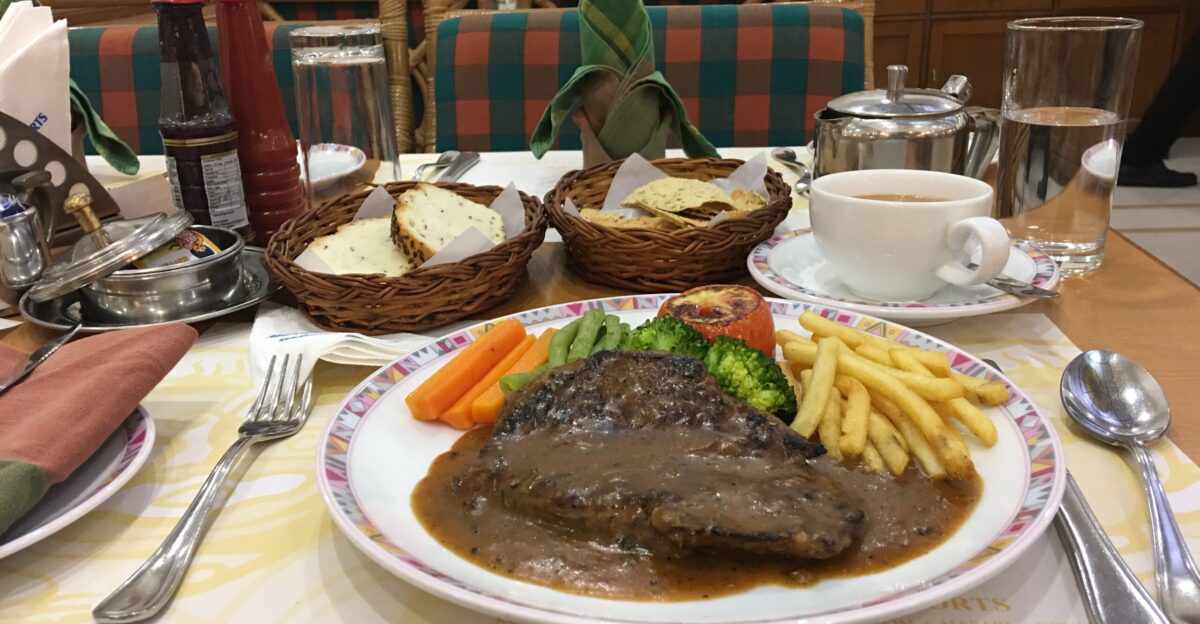
Given industry projections that beef supply constraints will persist through 2026-2027 as the herd rebuilds, consumers and food retailers are already adjusting strategies. Some are securing long-term contracts or increasing inventory of chicken and pork, which economists expect to benefit from displaced beef demand.
Commodity traders will also be keeping an eye on cattle futures, which are expected to remain volatile through 2025 and beyond as the cattle herd continues to rebuild.
Forward Reflection: A Systemic Reckoning
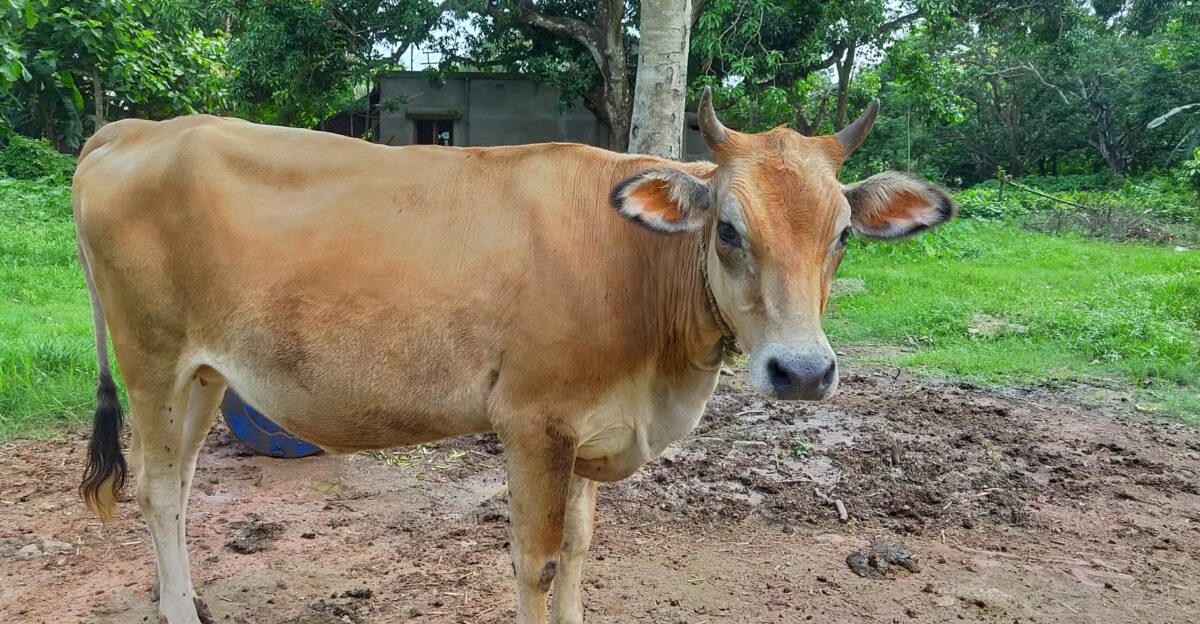
The closure of Tyson’s plants isn’t just a corporate decision; it’s a sign of a broken system. Concentrated meatpacking, climate vulnerability, and the boom-and-bust cycles of ranching have left rural America in peril.
Recovery will require a multifaceted approach: (1) sustained rebuilding of the cattle herd—a process likely taking 3-4 years even with improved pasture conditions; (2) regulatory scrutiny of meatpacking consolidation, with Trump administration officials now calling for antitrust investigations into the Big Four packers; and (3) targeted investments in rural community resilience, as evidenced by Perry, Iowa’s partnership with the Iowa Economic Development Authority to recruit manufacturing operations as replacement employers.
Until these changes are made, consumers will pay higher prices, ranchers will struggle, and rural towns will face long-lasting economic pain. The ripple effect from these closures will reshape the future of American food, politics, and culture for years to come.
Sources:
USDA National Agricultural Statistics Service (NASS) – January 2024 Cattle Inventory Report
Tyson Foods Official Announcement – November 23, 2025
U.S. Bureau of Labor Statistics – Average Price Data for Ground Beef and Retail Beef Prices
Kansas City Federal Reserve – “Drought and Cattle: Implications for Ranchers” (2023)
Iowa Public Radio – Perry, Iowa Tyson Plant Closure Recovery Report (May 2025)
American Action Forum & Farm Action – Meatpacking Market Concentration Analysis (2025)