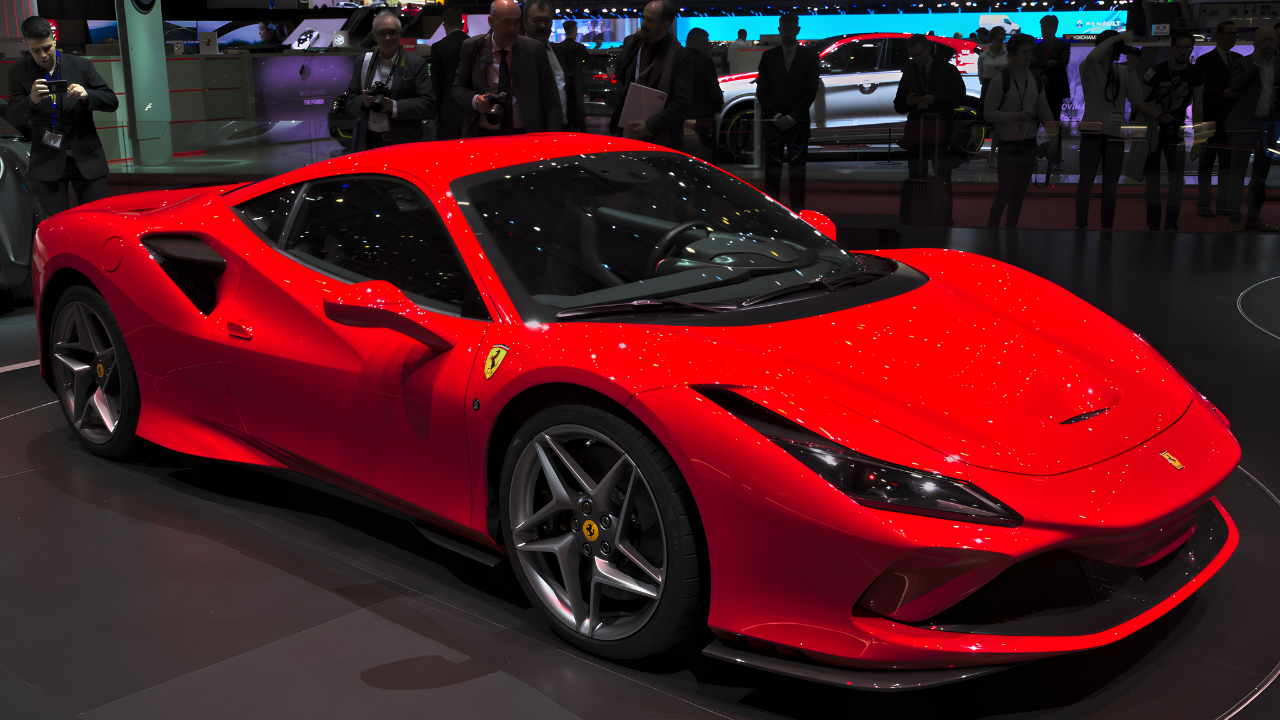
A beautiful car is supposed to promise excitement, speed, and engineering to match the visual drama. Yet automotive history is filled with vehicles that looked extraordinary while delivering disappointment behind the wheel. From retro-inspired showstoppers to multimillion-dollar hypercars, some models asked buyers to pay dearly for styling that far outpaced performance, reliability, or value.
These missteps left owners frustrated and reputations bruised, proving that design alone is never enough. The stories behind these cars still influence how buyers judge bold styling today. Here’s what’s happening beneath the surface.
When Style Outruns Engineering
Automakers have long leaned on dramatic design to capture attention. Sharp angles, nostalgic cues, and futuristic silhouettes draw crowds, but the mechanical foundations do not always keep pace. From the 1990s onward, several high-profile models paired aggressive looks with underpowered engines, dated transmissions, or compromised handling.
The result was a recurring disconnect between promise and reality. Cars that looked ready for the track often drove like ordinary commuters, frustrating enthusiasts who expected excitement. Over time, this pattern trained buyers to approach visually daring cars with caution, knowing that eye-catching sheet metal does not guarantee satisfying performance.
Nostalgia’s Expensive Gamble
The retro revival of the 1990s leaned heavily on emotion. Automakers resurrected hot-rod proportions and supercar styling, betting that buyers would accept modest hardware for the sake of nostalgia. Many of these vehicles relied on engines and platforms designed for daily comfort rather than exhilaration.
That gamble frequently backfired. When classic looks implied muscle or speed that never arrived, disappointment followed. Early failures made it clear that nostalgia works only when supported by credible performance. Without it, retro-inspired cars risk becoming expensive novelties instead of enduring icons.
High Prices, Higher Expectations
Luxury pricing magnifies every flaw. Vehicles costing $375,000 or even $2.3 million entered the market with expectations of clear superiority, yet some struggled to outperform cars costing a fraction of the price. Slower acceleration, lower top speeds, or reliability concerns fueled resentment among buyers.
One $375,000 supercar trailing a sub-$100,000 rival became a defining example of style-first thinking gone wrong. When marketing promises collide with measurable shortcomings, the sense of being overcharged can overshadow even the most beautiful design.
When Iconic Brands Miss
Design missteps sting most when they come from trusted marques. BMW, McLaren, and Jaguar have all faced backlash when bold styling or spec changes clashed with brand identity. BMW’s 2023 7 Series (G70), with its split headlights and oversized grille, sparked controversy despite its advanced technology, even drawing comments from leadership about its intentionally provocative look.
For loyal customers, disappointment runs deeper when heritage feels compromised. In these cases, emotional fallout can rival mechanical flaws, leading to lawsuits, online outrage, and shaken loyalty.
Seven Cars That Promised Too Much
Several models stand out as lasting examples of beauty outpacing substance. The Plymouth Prowler launched in 1997 with hot-rod flair but relied on a 3.5-liter V6 producing 214 horsepower and a 4-speed automatic, later rising to 253 horsepower yet still managing about 7.2 seconds from 0 to 60 mph.
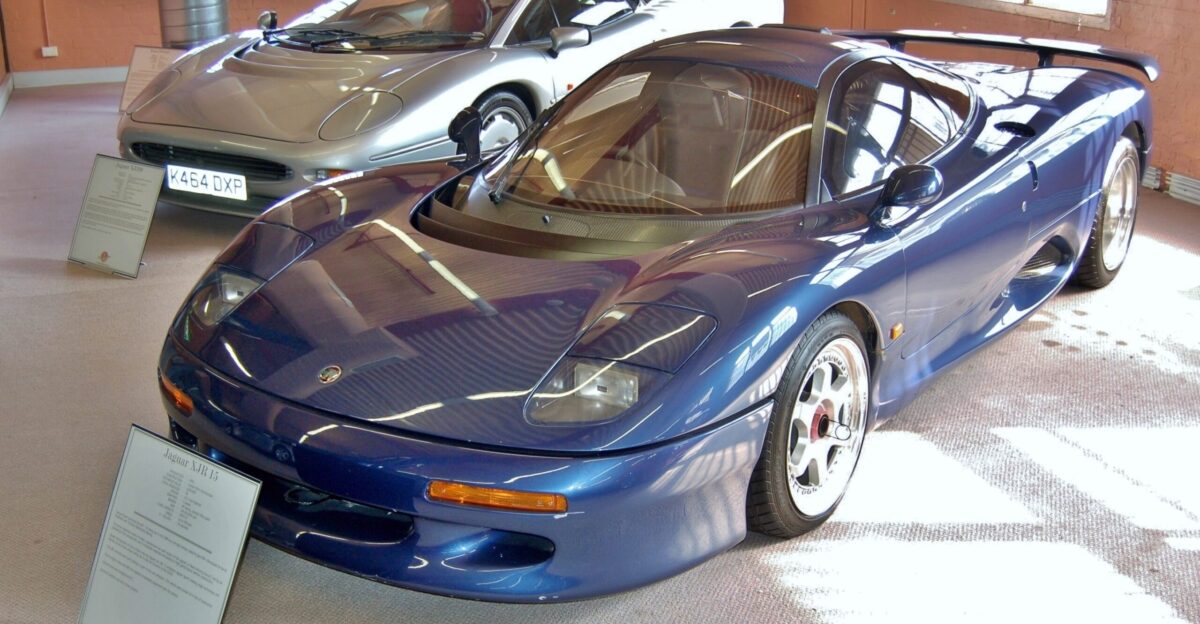
The DeLorean DMC-12 paired iconic gullwing doors with a 130-horsepower PRV V6 and a roughly 10.5-second 0 to 60 time. Jaguar’s XJ220 famously swapped a promised V12 for a twin-turbo V6, triggering lawsuits over its $400,000-plus price. The Lexus LFA delivered 552 horsepower for $375,000 but struggled against the far cheaper Nissan GT-R on value.
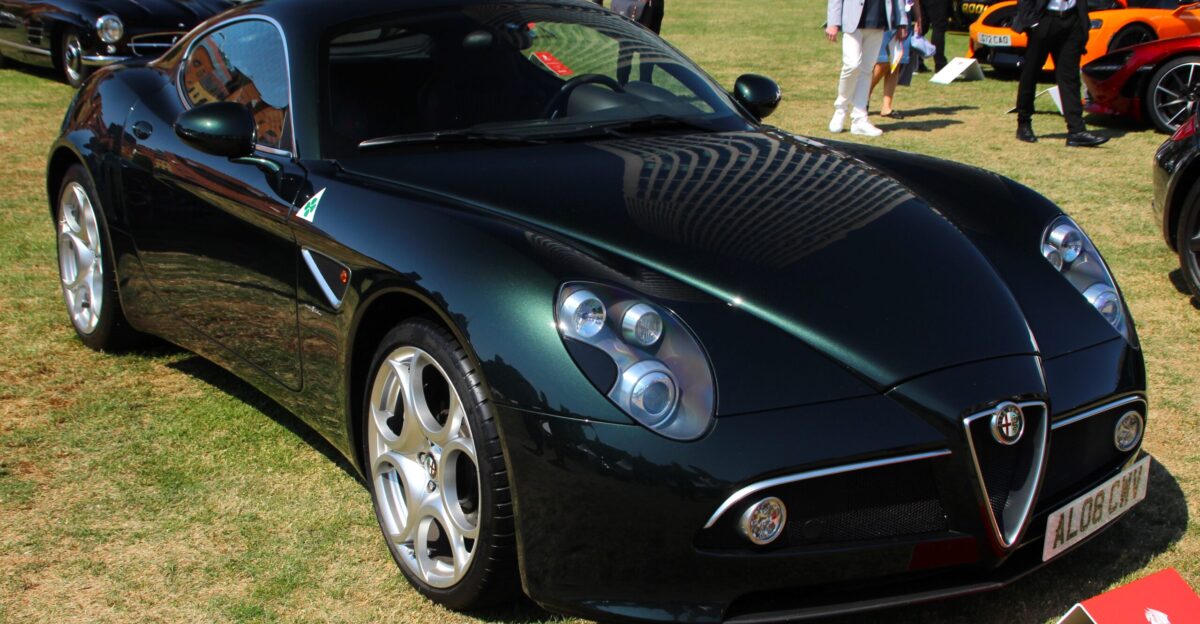
The McLaren Speedtail, priced near $2.3 million, topped out at 250 mph, slower than the 2005 Bugatti Veyron. The Alfa Romeo 8C Competizione dazzled visually but frustrated drivers with its jerky Selespeed transmission. Even BMW’s 7 Series G70 showed how design risk can alienate loyalists.
Lessons That Still Matter
These disappointments carried real costs. Owners faced steep depreciation, repair bills, and in some cases legal battles, while brands absorbed long-term reputational damage. The pattern reinforced a simple truth: visual drama cannot compensate for compromised engineering.
Today’s market leaves little room for such mismatches. Instant reviews, performance data, and owner feedback expose shortcomings quickly. Modern success stories increasingly align bold design with genuine capability, reminding the industry that lasting excellence comes from balancing form and function, not choosing one over the other.
Sources:
Tested: 1997 Plymouth Prowler. Car and Driver, June 1, 1997
Bugatti Veyron 16.4 Technical Specifications. Bugatti Automobiles S.A.S. Official Press Release, September 2005
McLaren Speedtail: The Ultimate Hyper-GT. McLaren Automotive Official Press Release, October 26, 2018
Lexus LFA Press Kit. Toyota Motor Sales U.S.A., October 21, 2009
Jaguar XJ220: The Inside Story. Mike Moreton (Head of XJ220 Project), Veloce Publishing, 2010
First Drive: Alfa Romeo 8C Competizione. Motor Trend, November 6, 2007