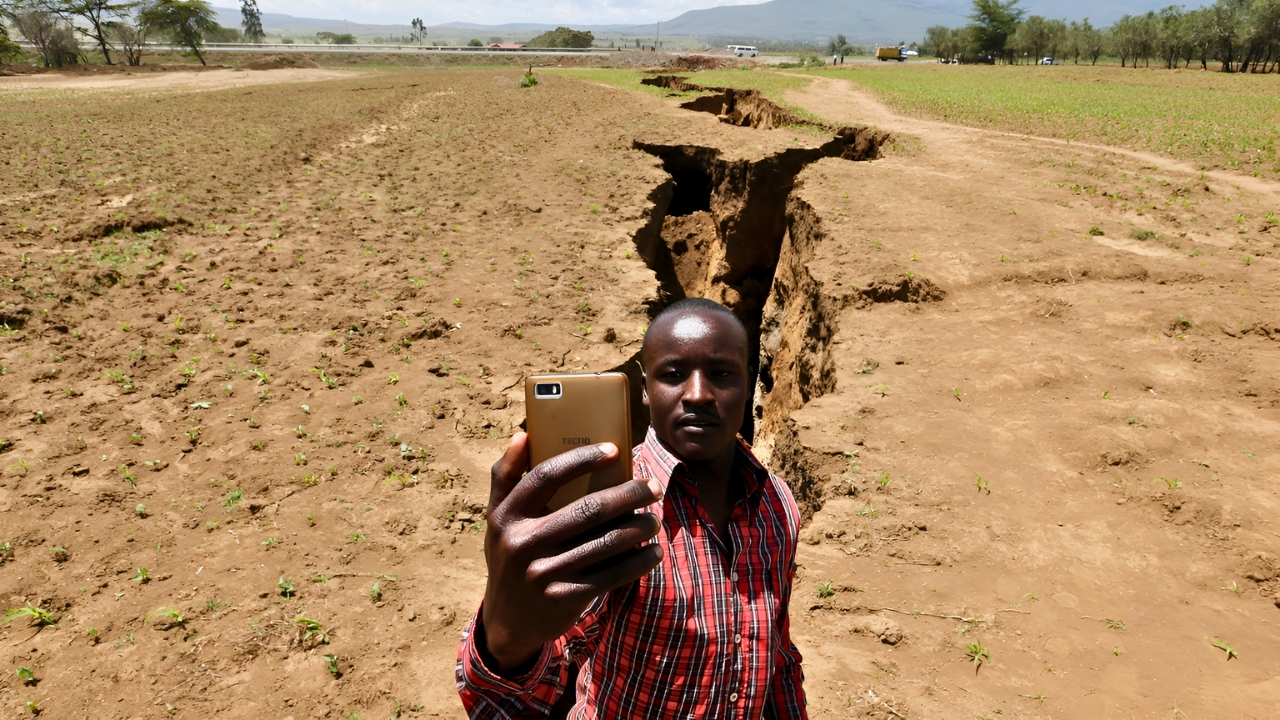
The East African Rift stretches more than 3,000 kilometers, slicing from Ethiopia’s Red Sea coast through Kenya and down to Mozambique. This line isn’t just a scar, it’s where Africa is slowly tearing apart. The continent rests on two major tectonic plates: the Nubian Plate to the west and the Somali Plate to the east.
As they drift away from each other, Africa’s crust thins and cracks, creating volcanoes, lakes, and valleys. Scientists say this slow-motion split could someday divide Africa into two continents. The Rift gives us Earth’s most dramatic live lesson in how continents change shape over millions of years.
The Afar Triple Junction
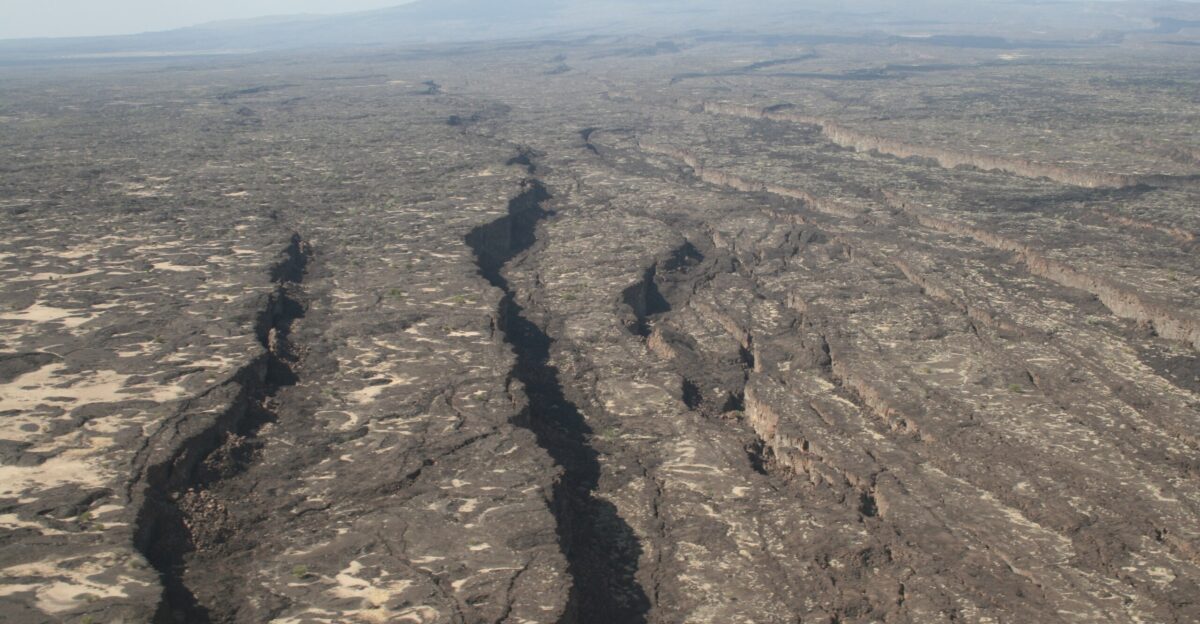
In northern Ethiopia lies the Afar Depression, a place geologists call Earth’s open-heart surgery. Here, three massive plates meet: the Nubian, the Somali, and the Arabian. This triple junction is where the land is being pulled apart faster than almost anywhere else on Earth. The ground sinks below sea level in some places, and the crust is so thin that molten rock nearly reaches the surface.
Yet, remarkably, it stays mostly dry thanks to the surrounding highlands blocking seawater from flooding in. Standing here is like viewing the birth of a new sea inside the heart of Africa.
The Giant Crack That Opened in Just Ten Days
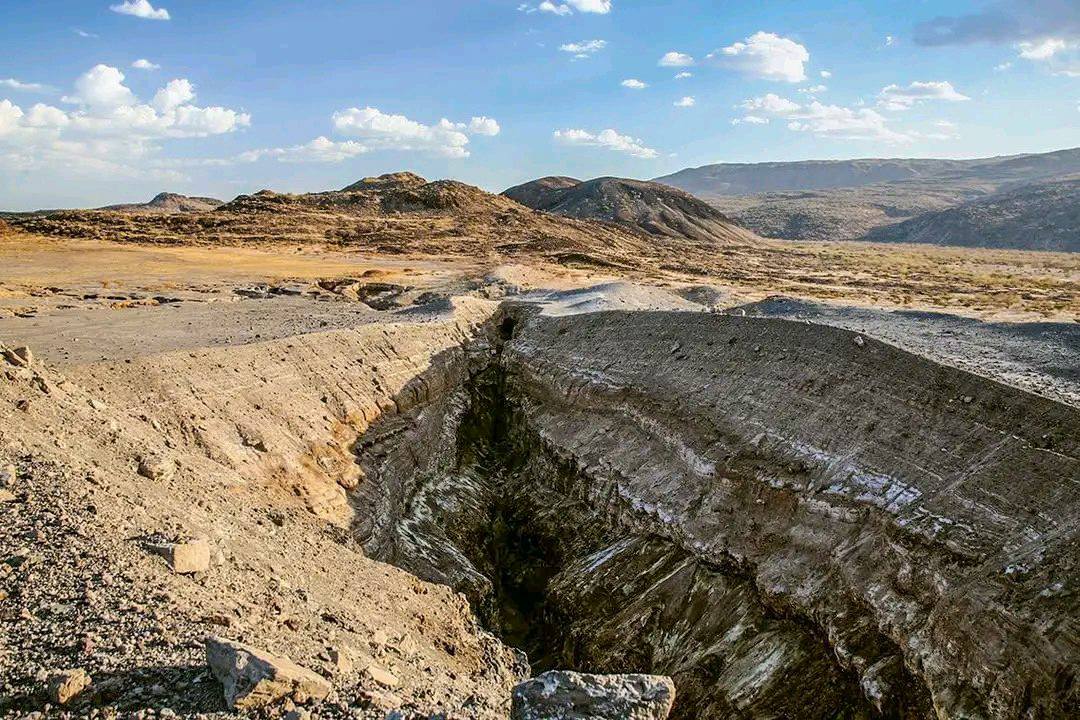
In 2005, a shocking event unfolded near Ethiopia’s Dabbahu volcano which is a 35-mile-long crack split the ground open in less than two weeks. It widened to several feet, something that usually takes centuries. GPS and satellite data revealed that magma squeezed up from deep within the Earth, forcing the land to tear apart.
Similar cracks are common under oceans where new seafloor forms, but here it happened on dry land, right before scientists’ eyes. For locals, it was a vivid reminder that Africa’s surface isn’t fixed—it’s alive and shifting beneath their feet.
Slow Drift, Sudden Jumps
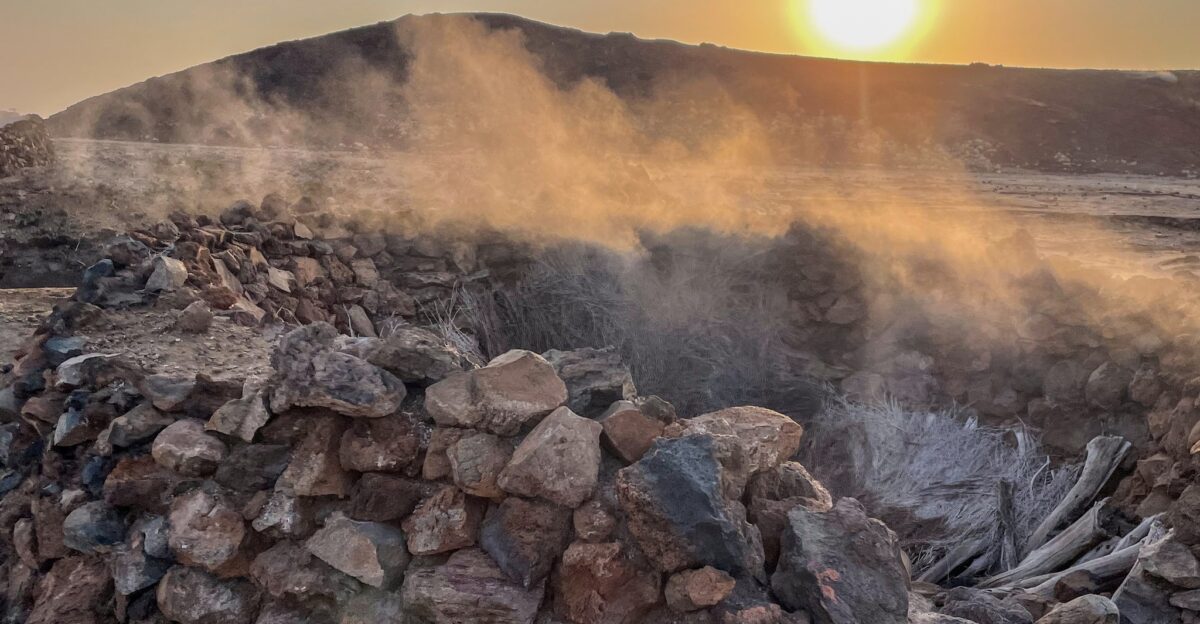
The Nubian and Somali plates move apart at a snail’s pace, just 0.2 to 0.5 inches per year, or a few millimeters annually. But every once in a while, all that slow strain bursts out suddenly in dramatic ruptures like the one in 2005.
When that happens, the ground can shift by several feet in a few days, reshaping the landscape. These bursts show that even slow geologic movements can have fast, powerful moments. This combination of slow drift and sudden jumps makes the Rift both fascinating and unpredictable.
A Hidden Ocean Floor Beneath the Desert
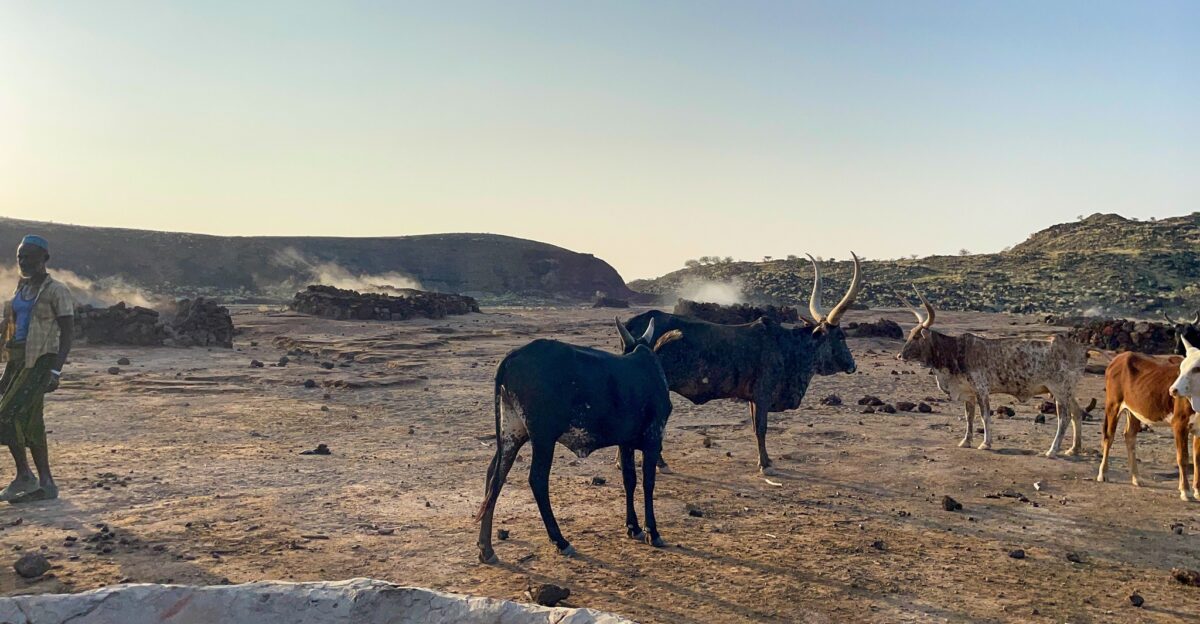
Deep under the dry plains of Ethiopia and Kenya, geologists have discovered something unexpected—new oceanic crust forming below ground. Oceanic crust is denser and thinner than continental rock, and scientists now see its chemical signature beneath parts of the rift.
This means we’re literally witnessing the creation of a new ocean floor while it’s still buried beneath desert and savanna. A 2018 study in Nature Geoscience confirmed that the East African Rift is the only active example of continental breakup that may lead to ocean formation. It’s like watching the Earth rehearse for an ocean that hasn’t yet arrived.
When Will the New Ocean Appear?
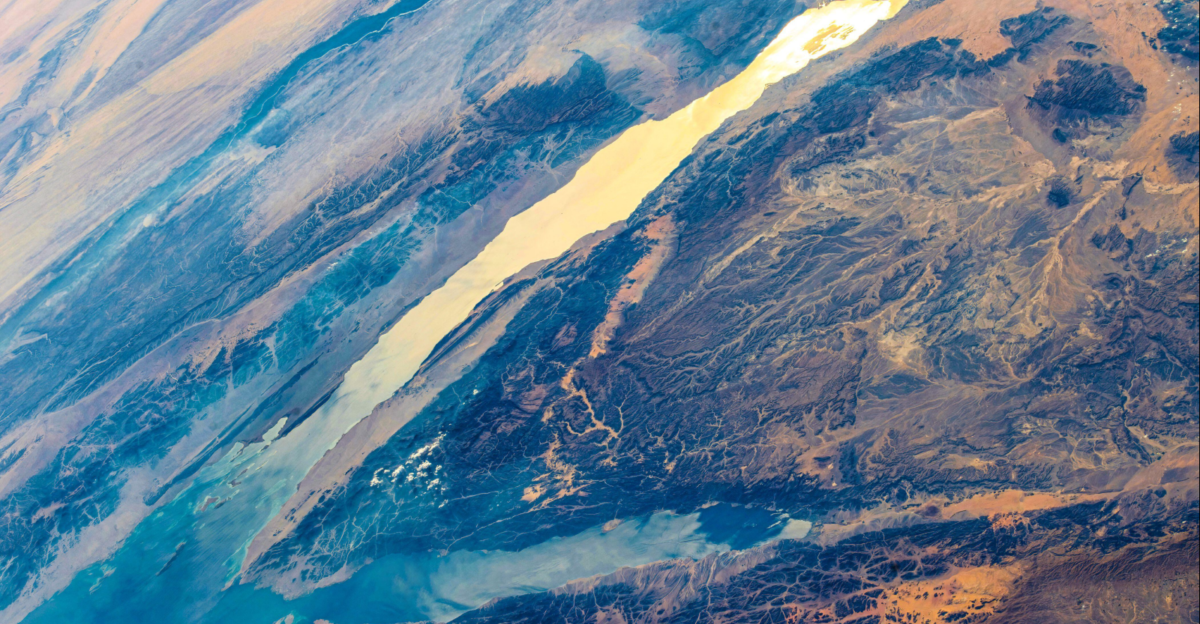
Modeling shows that Africa’s slow split will take millions of years before a real sea floods in. Scientists estimate between 5 and 10 million years before a narrow ocean valley connects fully with the Red Sea and Gulf of Aden. Eventually, this proto-ocean could widen into a vast new body of water, leaving part of East Africa as its own mini-continent.
“It’s continental drift in action,” notes Christopher Moore of the University of Leeds. While that may sound distant, human ancestors evolved along this same rift system, proving how much can change over geological time. The process of ocean birth is slow, but unstoppable.
Four Nations Facing an Isolated Future
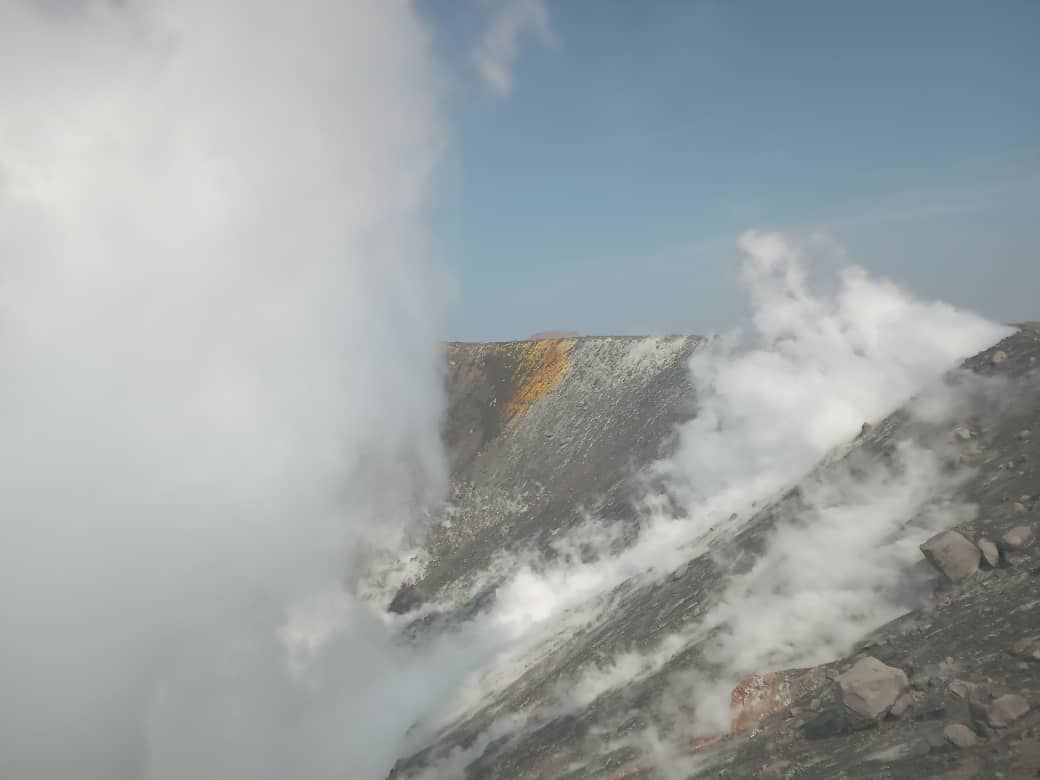
The rift’s path runs through Ethiopia, Kenya, Tanzania, and parts of neighboring countries like Djibouti and Eritrea. If this crack continues to open, these regions could one day sit on the “far side” of a brand-new sea, effectively becoming an island continent.
Although the transformation is millions of years away, its outlines are already visible in today’s valleys, lakes, and escarpments. Towns, roads, and farms follow the fracture lines that could mark future coastlines.
Living in Nature’s Furnace
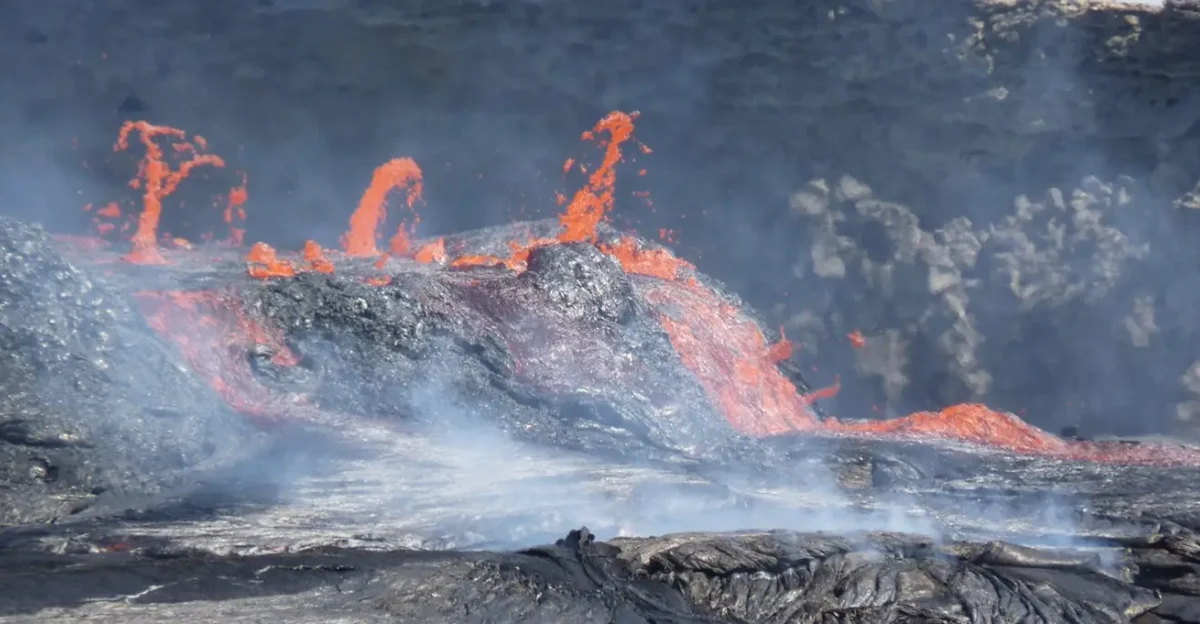
The Afar region, sometimes called the hottest place on Earth, regularly hits 130°F (54°C). Combine that searing heat with active volcanoes, earthquakes, and unstable ground, and you have one of the planet’s harshest environments.
Despite these extremes, tens of thousands of Afar people live here, herding livestock and mining salt, a trade their ancestors have practiced for centuries. The landscape, though dangerous, also shapes a unique way of life.
22 Million People Living in the Rift’s Shadow
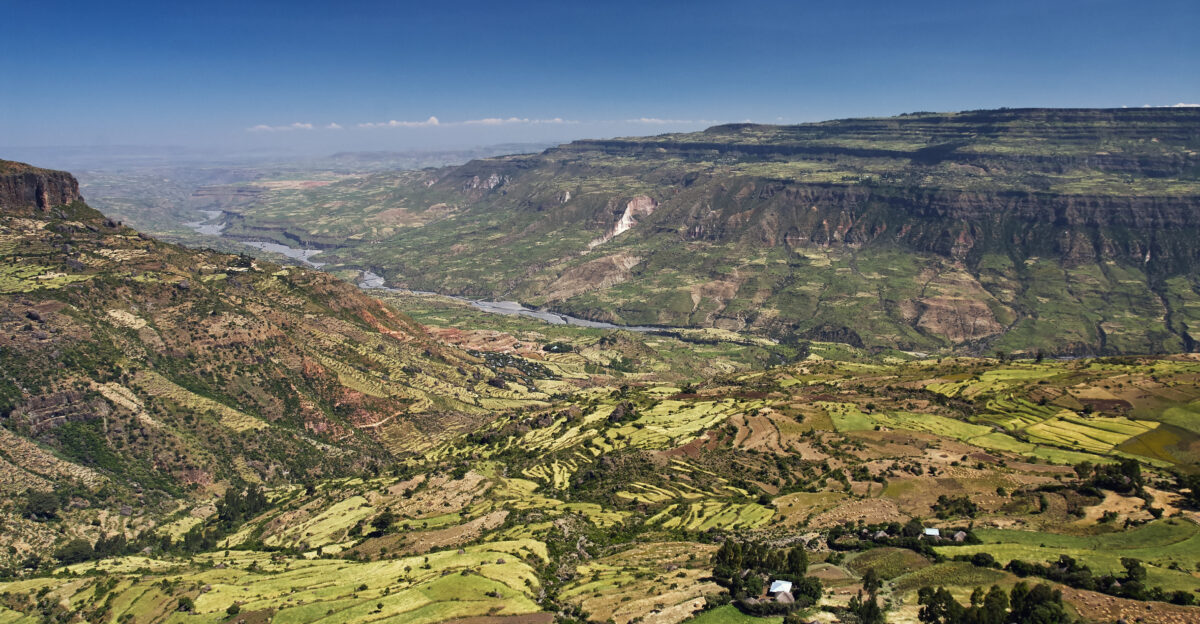
Across Ethiopia, Kenya, and Tanzania, more than 22 million people live in or near the East African Rift. Many of them already deal with earthquakes, ground cracks, and volcanoes as part of daily life. In some high-risk zones, especially Afar, hundreds of thousands face overlapping challenges: earthquakes, volcanic gases, flash floods, and food insecurity driven by climate change.
The World Bank estimates that population density is growing fastest in these vulnerable zones. Planning safer cities, roads, and water systems is crucial to reduce future disaster risks. The Rift’s movement may be unstoppable, but how communities adapt to it is very much in human hands.
Quakes, Cracks, and Landslides
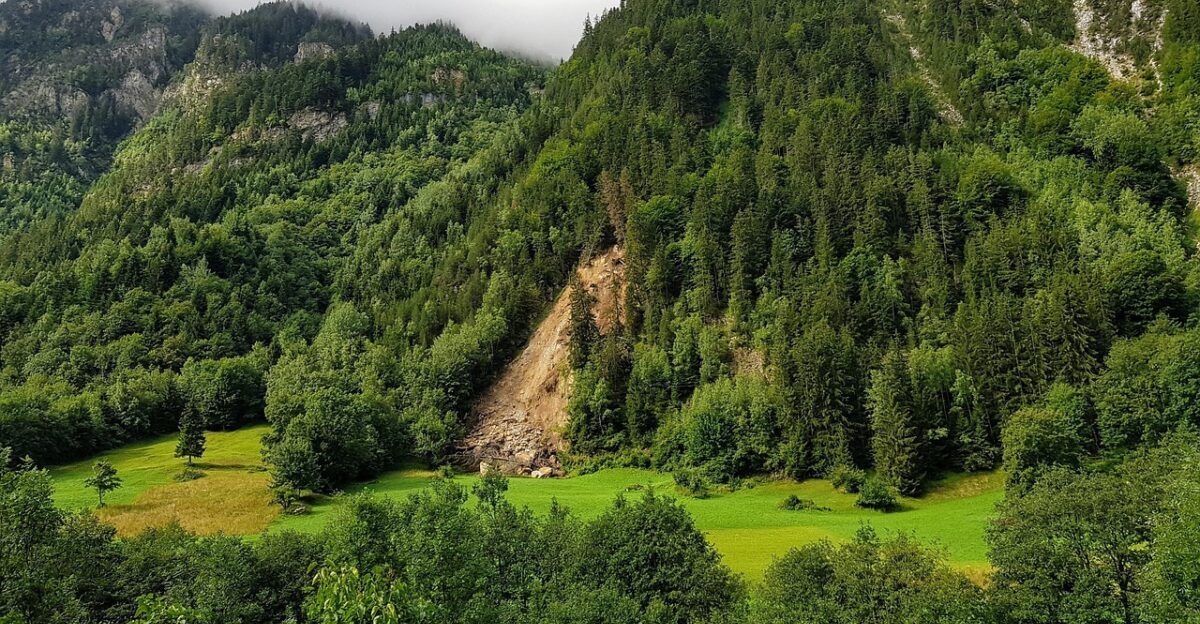
Every year, small quakes ripple through the rift zone. Some trigger ground cracks that slice across roads and irrigation canals; others cause silent landslides after heavy rains soak loose volcanic soil. These events may not make global headlines, but they damage homes and disrupt farms.
In 2018, for example, a large crack opened in Kenya’s Narok County after weeks of rain, cutting through farmland overnight. Geologists from the University of Nairobi explained that water seeping into underground fractures had weakened the crust. Nature and tectonics work together here, reminding us that Earth’s processes never act alone.
Watching the Earth “Breathe” from Space
Thanks to satellite radar and precise GPS sensors, scientists can now track ground motion in the Rift with millimeter accuracy. From space, they can see the land slowly moving, swelling, or sinking as magma shifts below. This space-based seismology has revolutionized how we understand the area.
NASA’s RiftVolc project uses these tools to identify where strain is building up, allowing earlier warnings for volcanic or tectonic activity. Technology turns the invisible heartbeat of the planet into data we can study and prepare for.
The Hidden Power Beneath
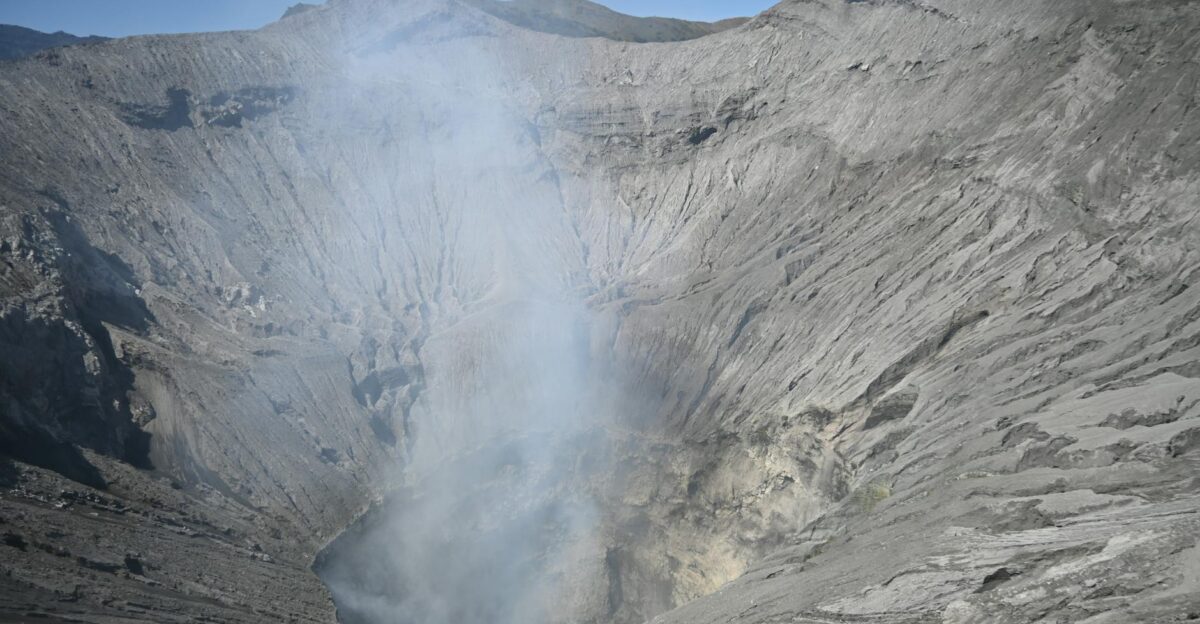
Beneath East Africa lies a rising plume of superheated rock from Earth’s mantle. This plume acts like a blowtorch, melting and weakening the crust above it, allowing the rift to widen. It also feeds volcanoes and supplies magma that builds new crust layers.
Think of it as a slow, fiery engine hidden beneath the land. Seismic imaging from the University of Rochester shows that this plume stretches hundreds of kilometers deep. Far from being destructive alone, this molten force also fuels new land, and new potential for energy.
Turning Tectonic Heat into Clean Energy
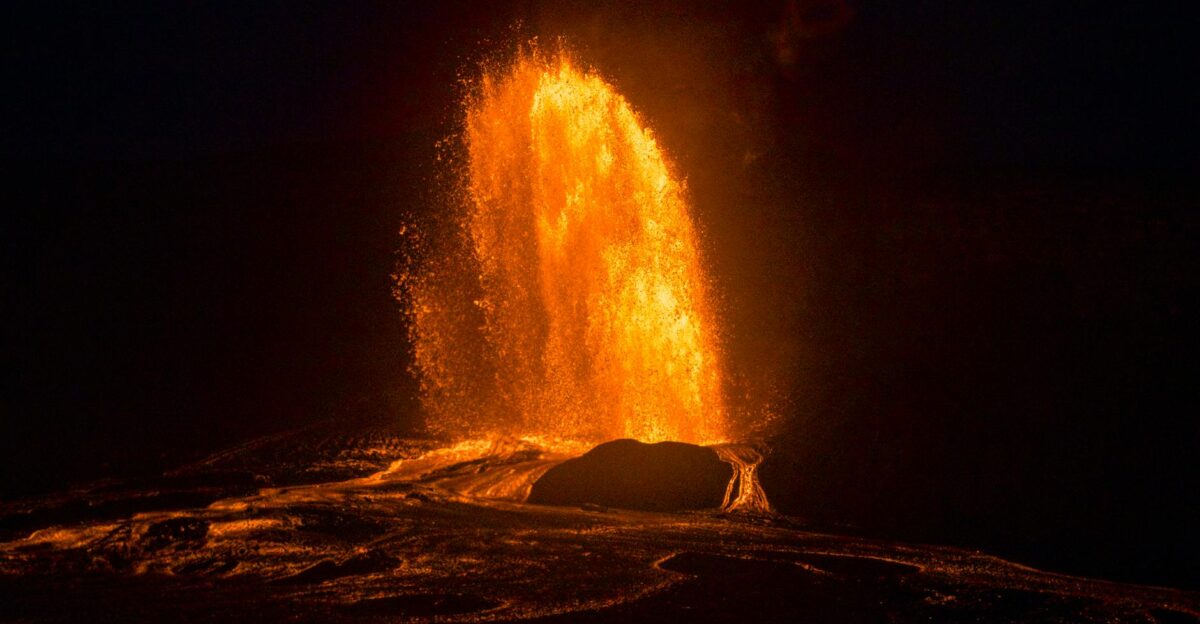
The same forces tearing Africa apart also generate abundant geothermal energy, heat from within the Earth that can be turned into power. Kenya already gets about 45% of its electricity from geothermal plants near the Rift Valley, one of the highest proportions in the world.
Ethiopia is following suit, aiming to expand green energy production. Harnessing this power could bring sustainable electricity while cutting fossil fuel use. The challenge, however, is building energy infrastructure strong enough to withstand quakes and eruptions.
The World’s Only Live Rift Laboratory
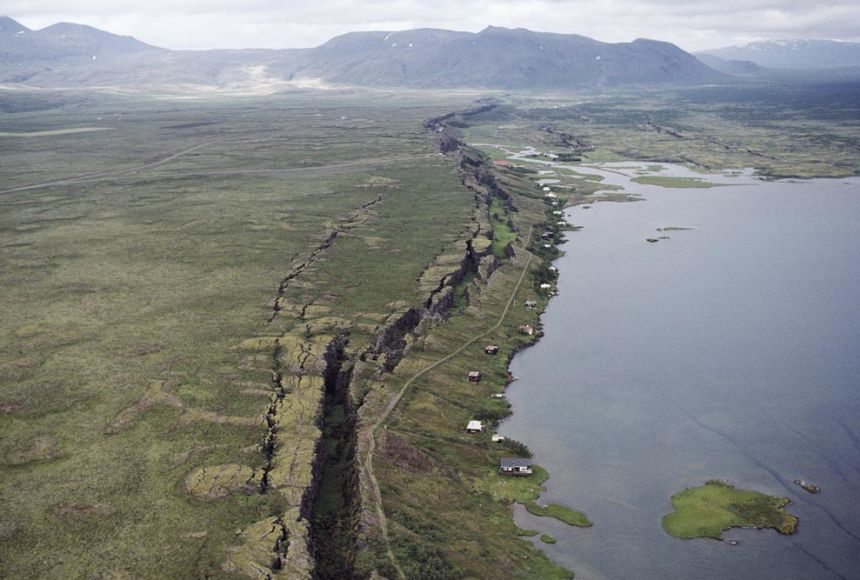
Normally, this happens deep undersea, hidden from view, but in the Rift, it’s happening right before our eyes. That makes this one of Earth’s most valuable natural laboratories. From studying magma movement to measuring fault lines, scientists are uncovering how continents break and oceans are born.
Beyond the danger, there’s incredible discovery. The Rift isn’t just a story of destruction, it’s a front-row seat to Earth’s creativity in action.
Living on the Edge of Tomorrow’s Ocean
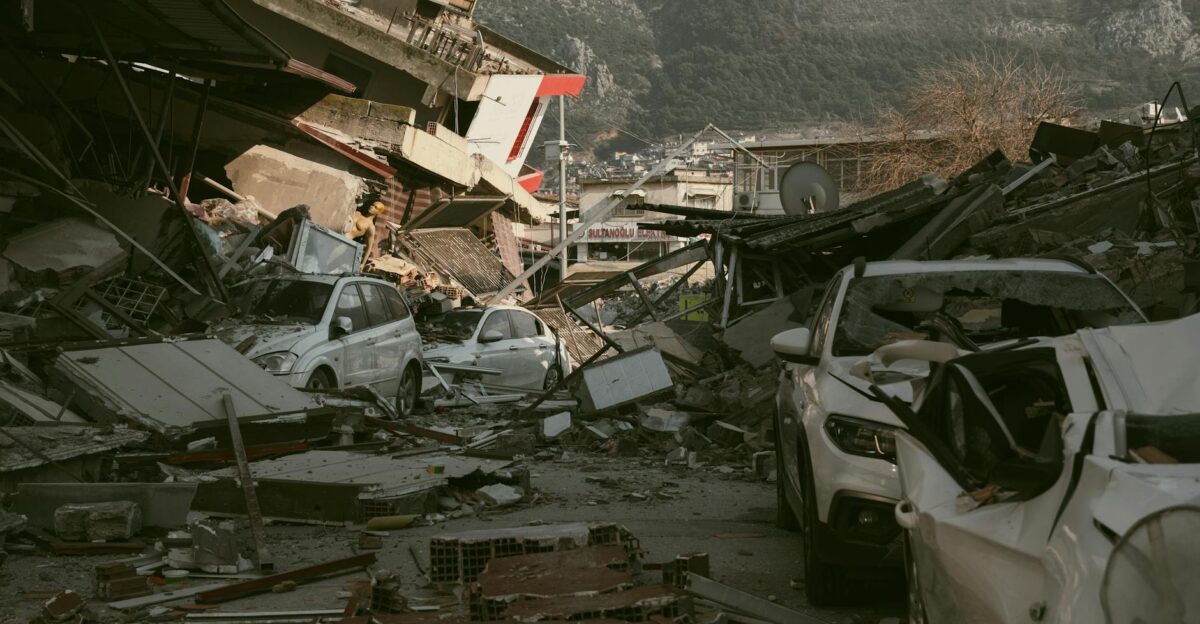
For millions living along the Rift, the change won’t come as one huge disaster, but through many smaller, repeating events, earthquakes, eruptions, ground shifts, and infrastructure failures over generations. The real challenge is resilience.
Building flexible roads, bridges, and power lines can make life safer in this shifting landscape. Regional cooperation among governments could also prevent crises from becoming tragedies. The Rift’s future ocean may be millions of years away, but the story of adaptation starts today.
Sources:
East African Rift overview (tectonics, length, evolution): – Wikipedia
35‑mile crack and “new ocean forming in Africa” – Earthly Mission
Africa’s new ocean: – How Stuff Works