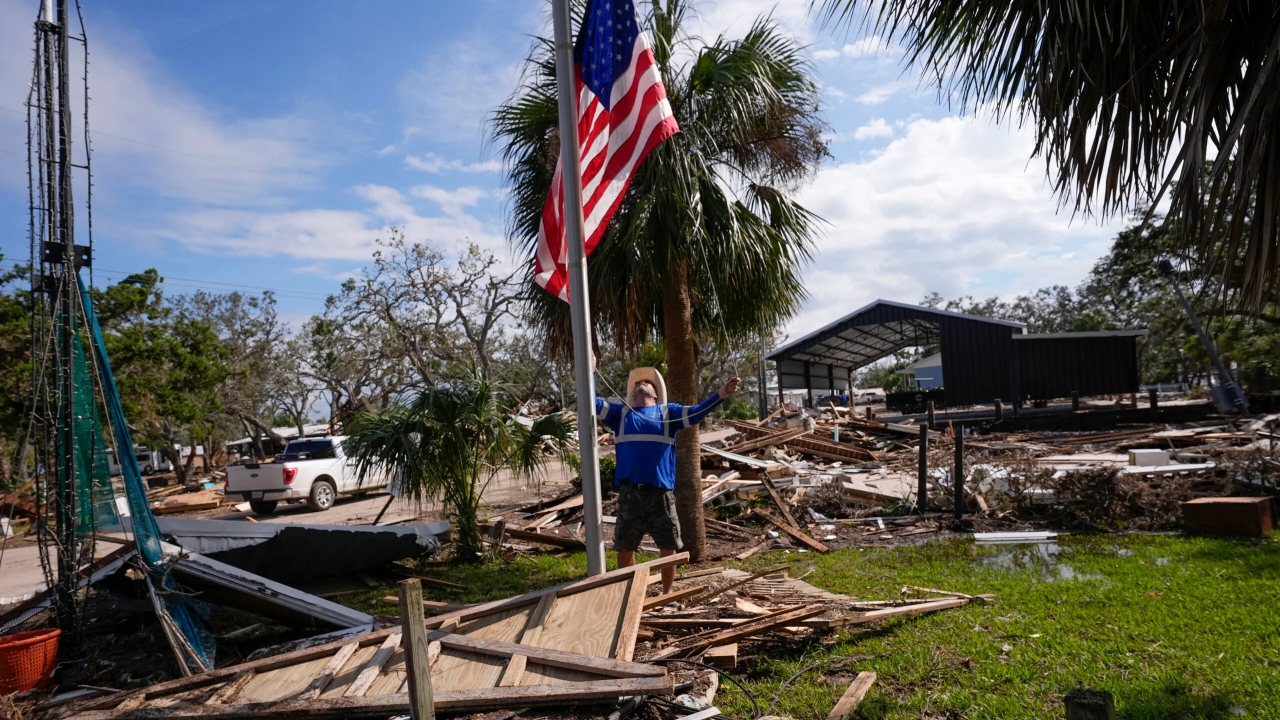
Almost 130 million Americans now live in areas that can be hit by hurricanes or tropical storms. That’s nearly 40% of the U.S. population. From Texas to Maine, entire coastal regions face growing threats from storms that bring floods, strong winds, and destruction. Because more people are moving to coastal cities and property values keep rising, the warning is more real than ever.
As climate and population patterns shift, even one powerful storm can have national economic effects.
Why People Keep Moving to the Coast
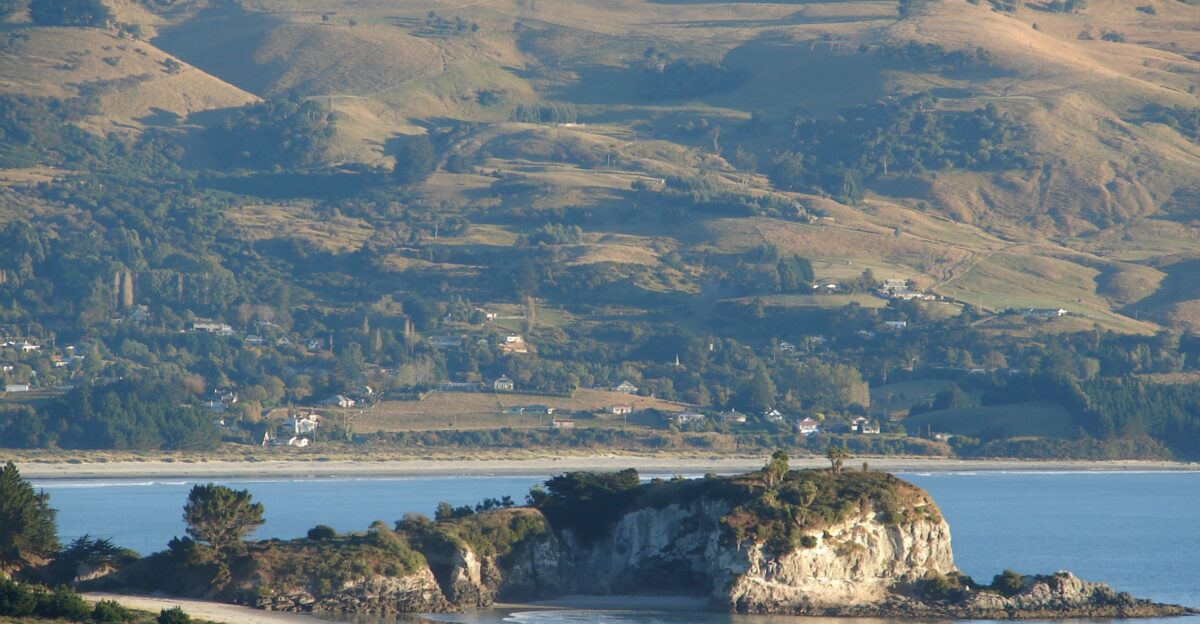
Coastal living has undeniable appeal in jobs, beauty, and a relaxed lifestyle. Yet as more Americans move to the coast, they unknowingly put themselves at great risk. States like Florida, Texas, and Louisiana continue to see population booms in zones at high risk of flooding or storm surges.
According to the U.S. Census Bureau, coastal counties make up less than 10% of U.S. land but hold nearly 40% of the population. This migration increases pressure on housing, infrastructure, and insurance systems.
What Makes an Area a Hurricane Danger Zone
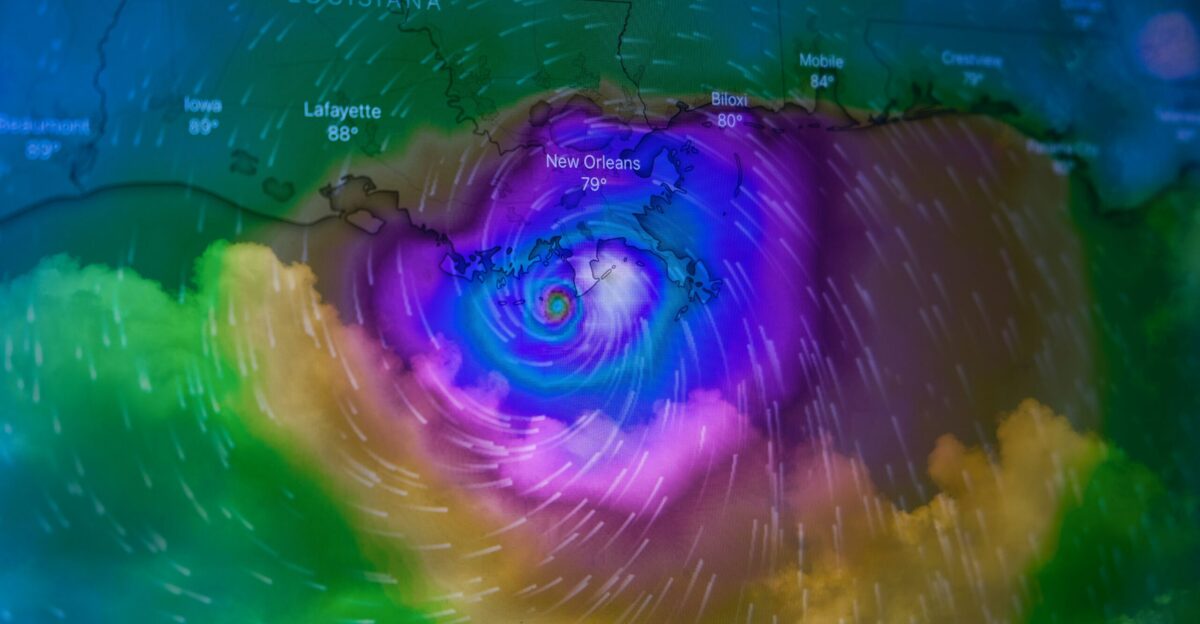
Hurricane danger zones aren’t just beachfront towns, they extend far inland. These areas can experience destructive winds, storm surges, floods, and long power outages. A storm surge happens when strong winds push seawater onto land, often causing deadly flooding. Even communities hundreds of miles from the ocean can face flash floods or high winds from a storm’s remnants.
The Federal Emergency Management Agency (FEMA) maps these danger zones to help communities prepare for potential disasters. Knowing whether you live in a storm zone helps you make smarter choices before a hurricane hits.
How Past Hurricanes Changed America
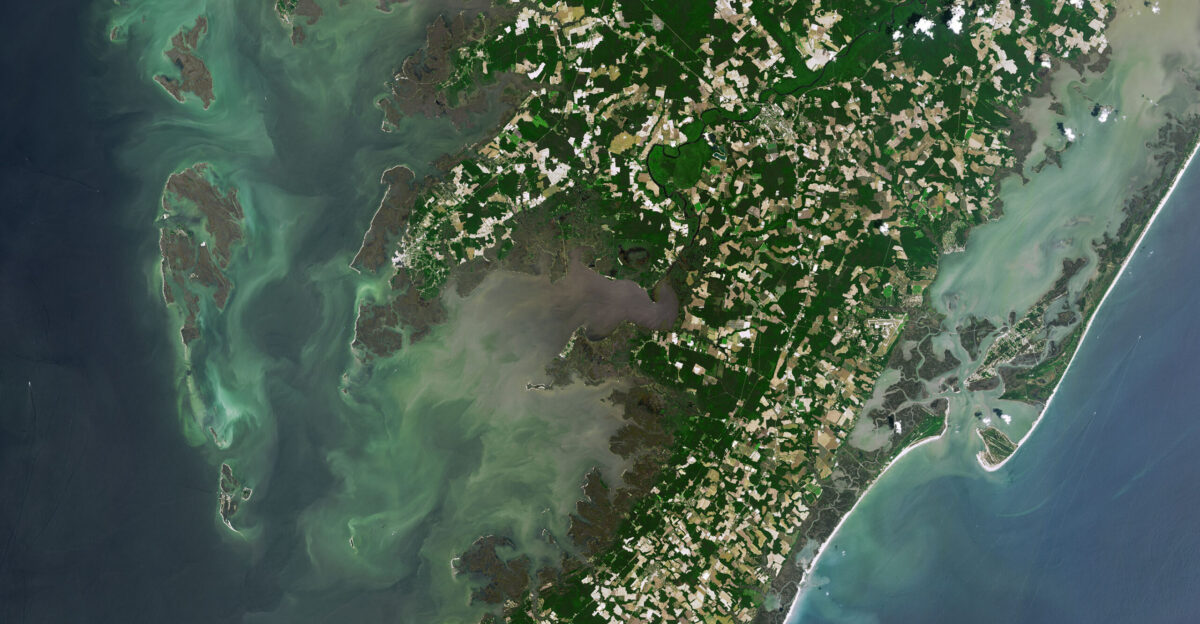
History proves how devastating hurricanes can be. Hurricane Katrina in 2005 left behind more than 1,800 deaths and $160 billion in damages.
Hurricane Harvey flooded entire neighborhoods in Houston in 2017, while Hurricane Ian in 2022 reshaped parts of Florida’s Gulf Coast. Each event reminded America that storm recovery can take years, not months. Many communities never fully rebuild.
Why One Storm Can Change Everything
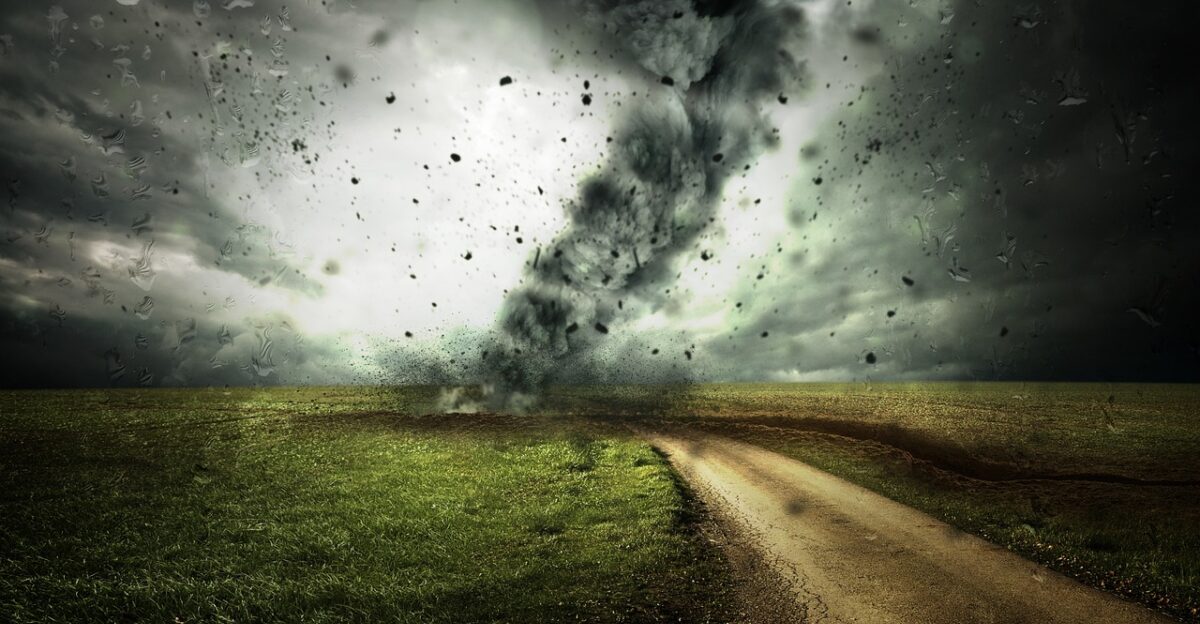
You could have a quiet year, but one major storm can undo years of progress. Even when forecasts predict a mild season, every resident in a hurricane-prone area should prepare as if a storm will hit. Experts insist that readiness is key.
How Climate Change Fuels Stronger Storms
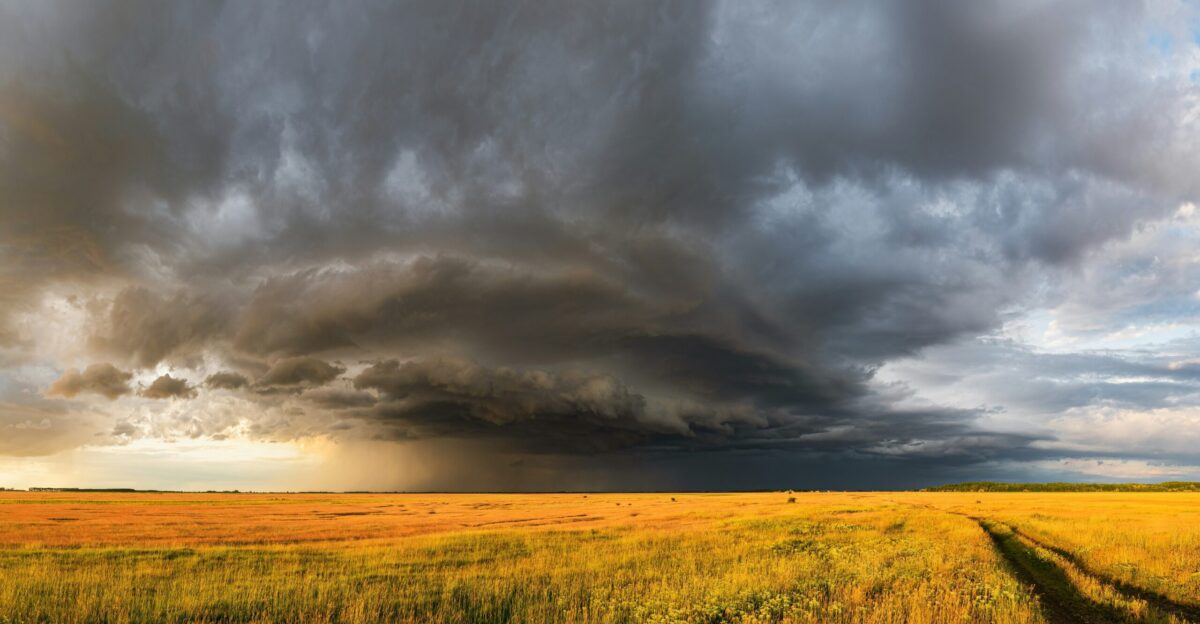
Rising sea levels and warmer oceans are making hurricanes stronger. These warmer waters provide extra energy, creating storms that are slower, wetter, and more destructive. Research from the Intergovernmental Panel on Climate Change (IPCC) shows that hurricanes today produce more rainfall and stay longer over land than they did decades ago.
Higher sea levels also mean storm surges reach farther inland. As the planet warms, hurricanes will continue to change, and not for the better.
Where the Risks Are Rising Most
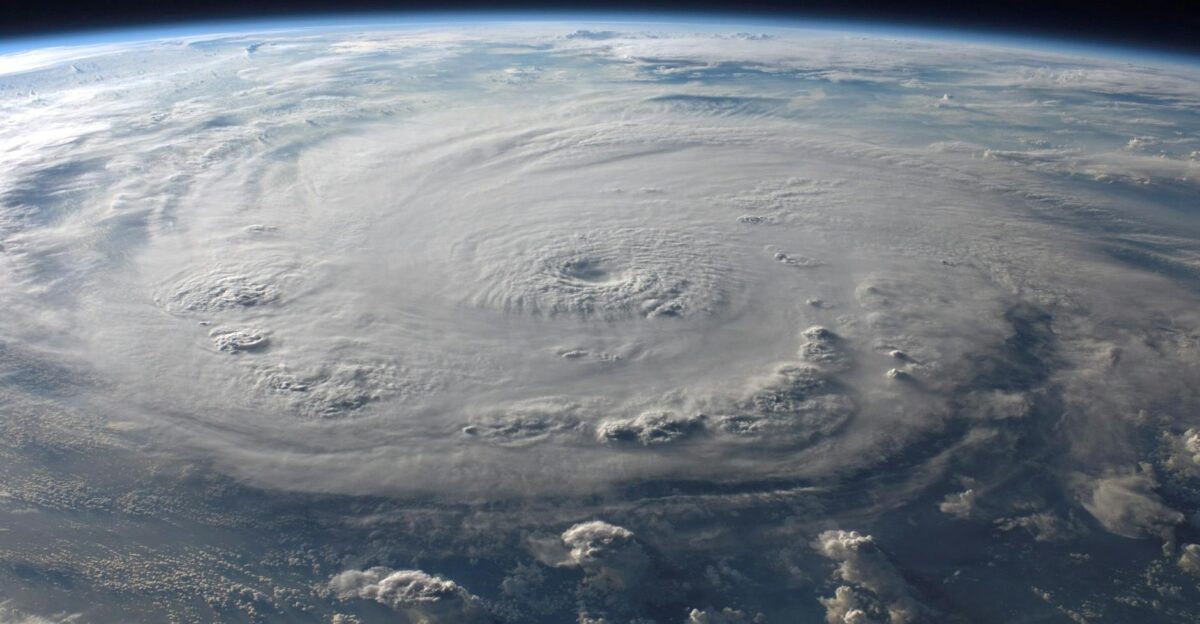
Florida, Louisiana, Texas, North Carolina, and South Carolina are the top states at risk for hurricanes. But the danger doesn’t stop there. Recent hurricanes have hit states like New York and Massachusetts, places once considered too far north.
NOAA’s data shows that storm tracks are shifting, pushing risk zones farther up the East Coast. Inland states like Tennessee and Kentucky have also seen deadly flooding from storm remnants. Understanding these new patterns helps communities plan smarter and stay safer.
The High Price of Hurricane Damage
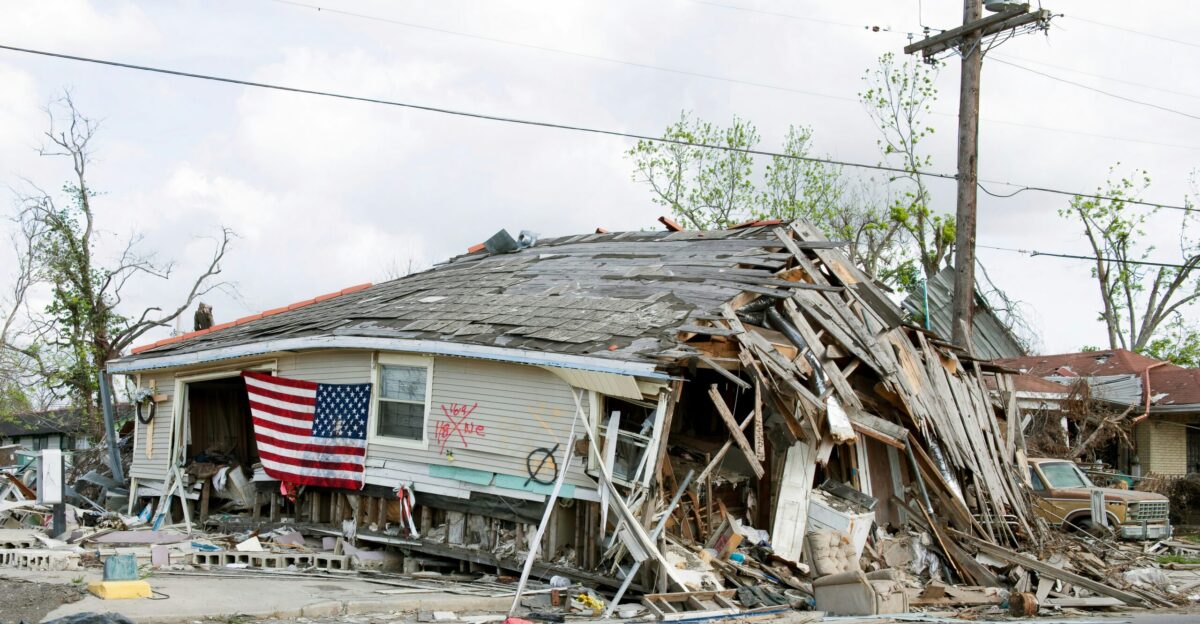
When hurricanes strike, the economic impact is massive. Damaged homes, flooded roads, and power outages can paralyze local economies for months.
The Congressional Budget Office estimates that annual hurricane losses in the U.S. alone total $54 billion. Insurance companies are now pulling out of high-risk states because claims have skyrocketed.
The Emotional Impact of Displacement

Beyond broken homes and fallen trees, hurricanes can break lives apart. Families often lose everything, sometimes overnight, and are forced to move to temporary shelters or relocate entirely. Displacement brings mental and emotional strain, especially for the elderly and low-income families who lack support systems.
According to the American Psychological Association, disaster survivors often face anxiety, depression, and post-traumatic stress. Recovery involves more than physical rebuilding, it’s about healing, too.
The Power of Early Warnings
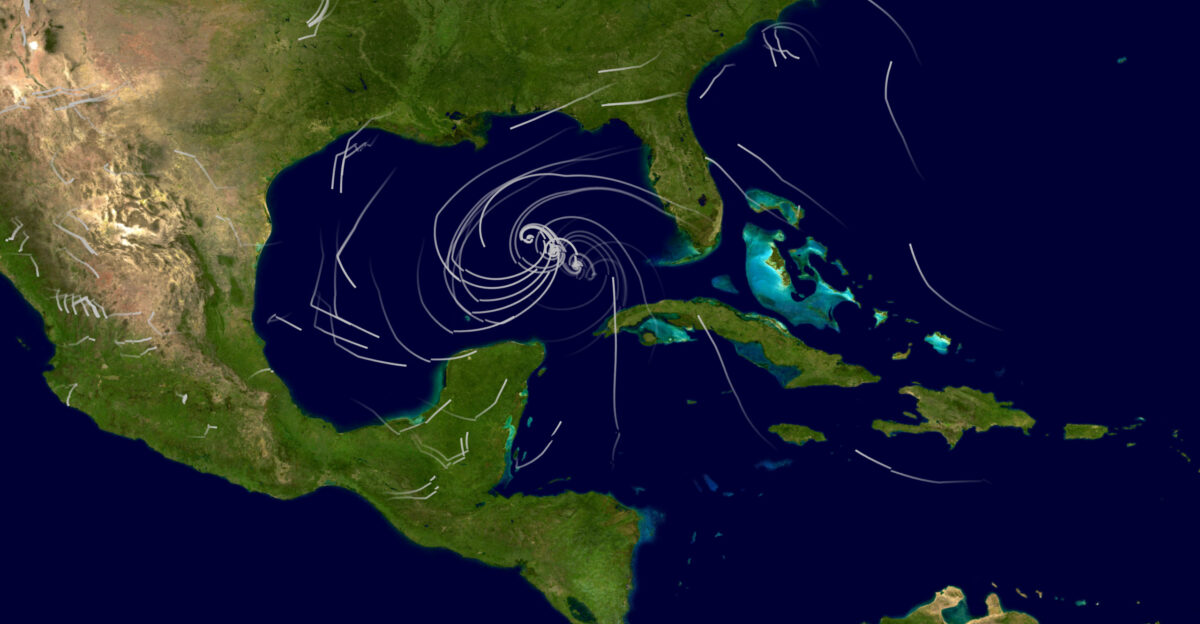
Accurate forecasts save lives. Thanks to satellites, radar, and advanced computer models, meteorologists can track hurricanes days before they hit. These warnings give people time to prepare, evacuate, and protect their property.
FEMA stresses the importance of listening to official alerts and having an emergency plan ready. Checking forecasts, charging devices, and stocking essentials can make a critical difference.
What Local Governments Must Do
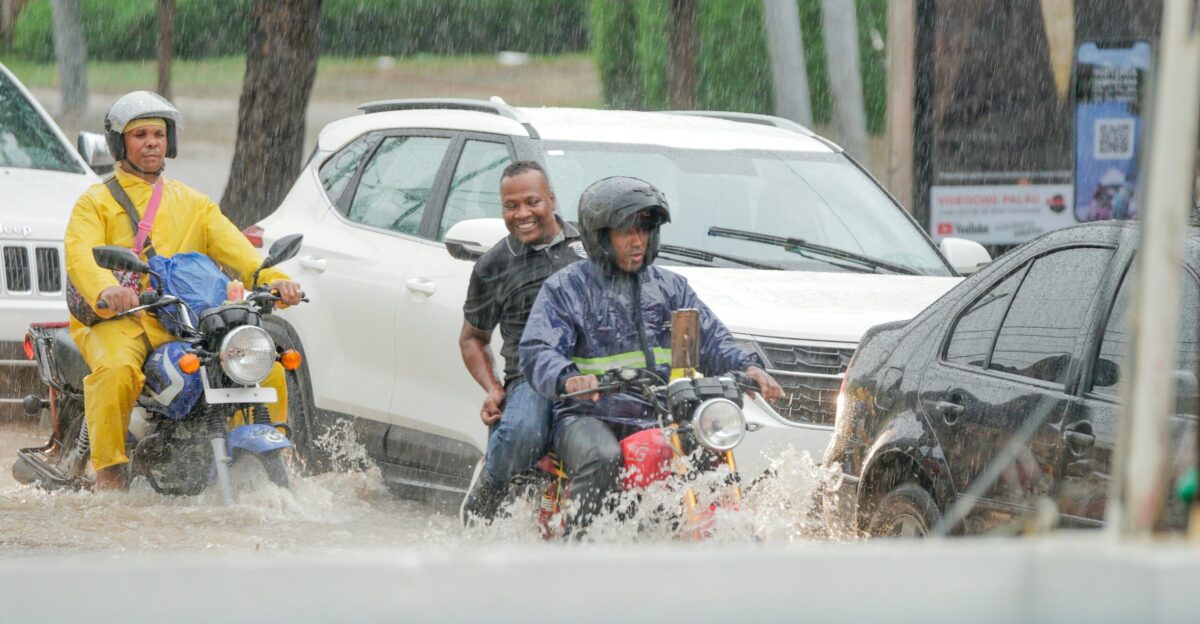
Local leaders are the first line of defense during a storm. They open shelters, plan evacuations, and coordinate emergency resources. Coordination with state and federal agencies ensures faster, more organized responses.
FEMA provides resources, but it’s local crews who save lives on the ground. Local authorities also play a key role in rebuilding by securing federal aid and ensuring that new construction meets safety standards. Strong governance makes resilient communities.
Why Infrastructure Matters
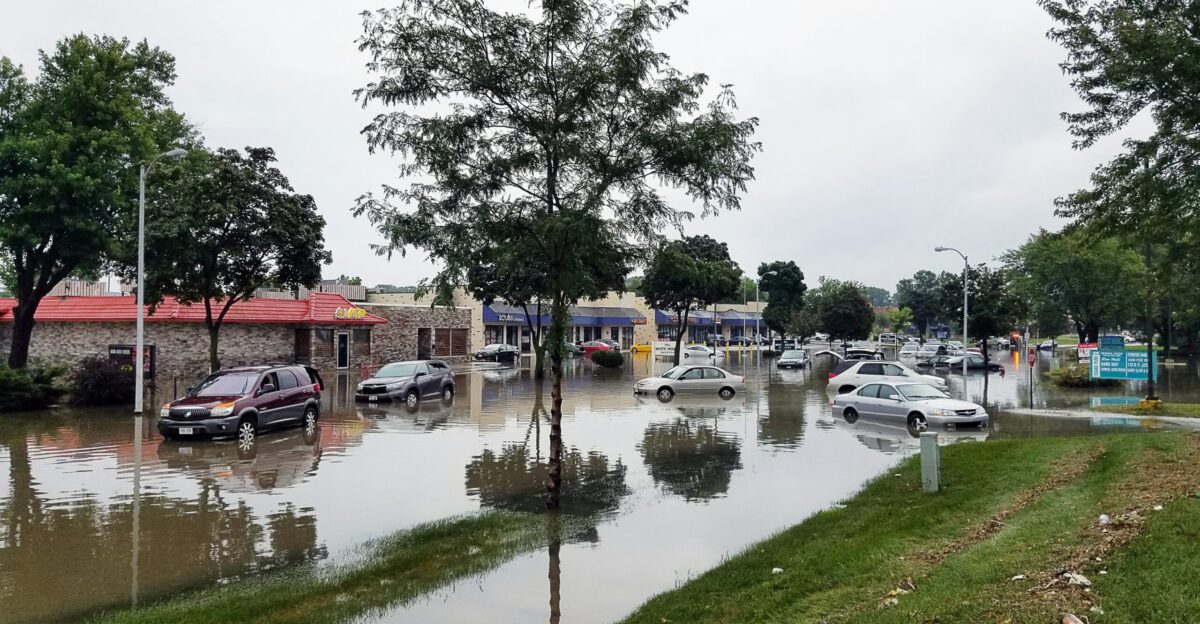
Outdated bridges, drains, and power systems make hurricane damage worse. Many coastal cities have aging infrastructure not built for today’s more intense storms. Broken levees or overwhelmed sewers quickly lead to flooding and blackouts.
That’s why engineers now focus on resilient design with stronger materials, elevated buildings, and smarter grids. The American Society of Civil Engineers warns that U.S. infrastructure needs over $2.6 trillion in upgrades.
Rebuilding Lives and Communities
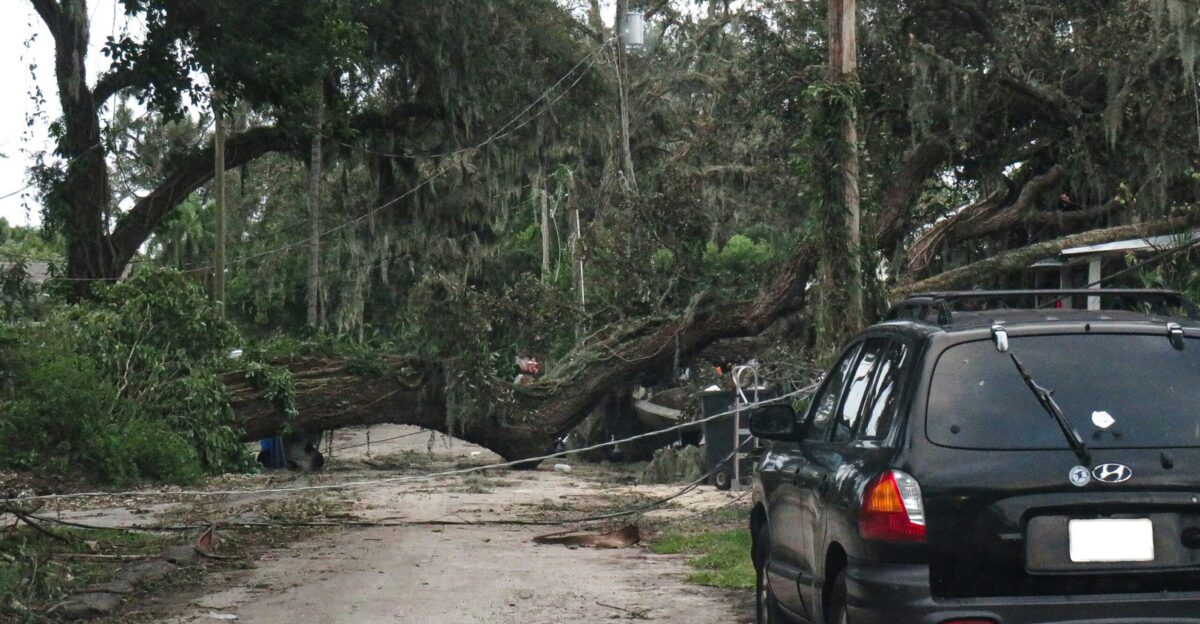
When the winds calm, recovery begins, but it’s often a slow path. Rebuilding stronger homes, restoring power, and helping displaced families can take years.
Federal and state aid programs, nonprofits, and volunteers play key roles. The most successful recoveries happen when communities plan for resilience rather than just replacing what was lost.
How People Can Stay Ready
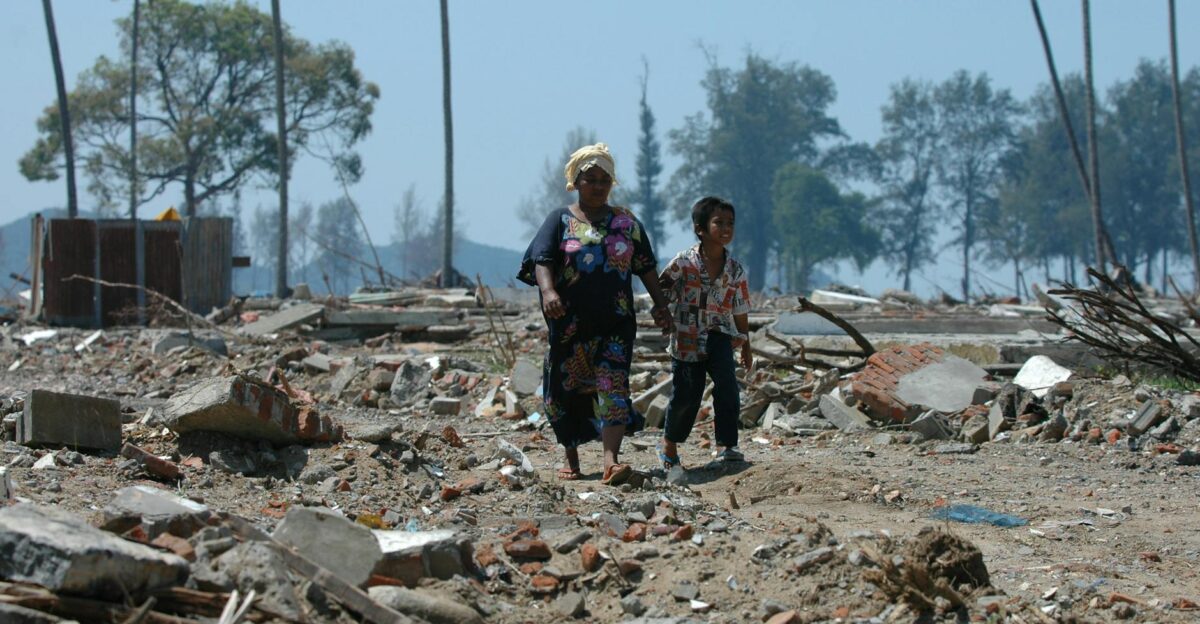
Every household can take steps to reduce risk. Simple actions like installing storm shutters, reinforcing roofs, and stocking emergency kits make a big difference.
Families should also plan evacuation routes and stay connected to official alerts. The Red Cross recommends having enough water, food, and medication for at least three days.
Building a Culture of Readiness
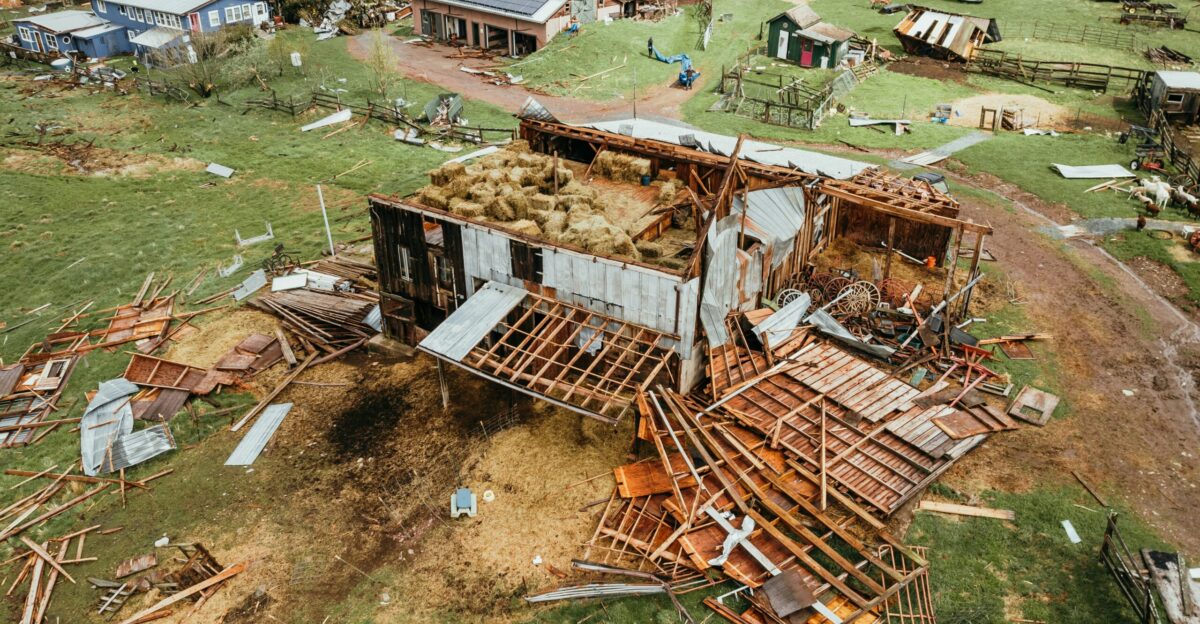
With 130 million Americans living in hurricane-prone areas, the nation’s approach to preparedness must evolve. This isn’t just about weather, it’s about resilience, planning, and unity.
Communities must invest in stronger infrastructure, better warning systems, and public education. The path forward lies in awareness, preparation, and collective strength, so that when the next storm comes, America stands ready.