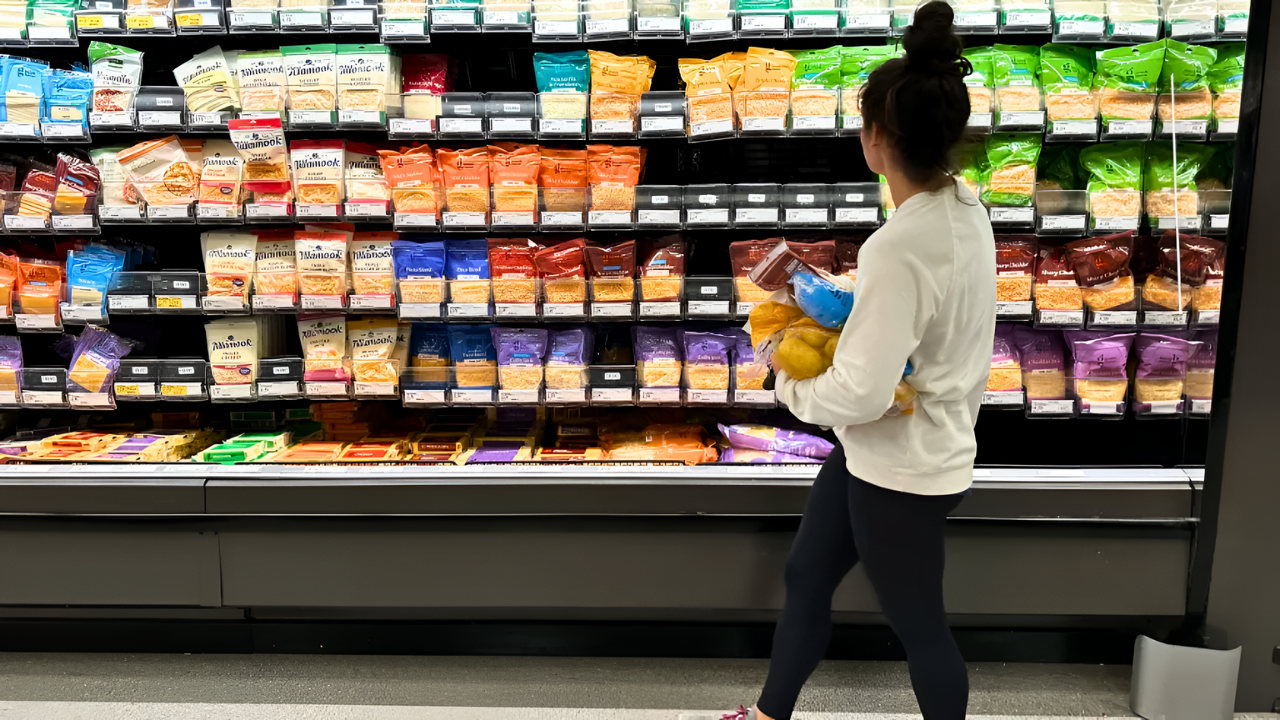
A routine recall by a small Ohio cheese supplier has grown into a national story, revealing how interconnected America’s grocery supply truly is. Great Lakes Cheese Co., a major provider of store-brand shredded mozzarella and blends, is at the center of a contamination incident affecting more than 30 private-label brands across 31 states and Puerto Rico.
The FDA’s decision on December 1 to upgrade the recall to Class II—a serious but non-fatal risk level—turned what began as a supplier issue into a nationwide consumer warning. “Consumers should immediately discontinue use,” the FDA advised.
Contamination Detected in Raw Cheese

The crisis began in October when a supplier of low-moisture part-skim mozzarella alerted Great Lakes that its raw cheese contained metal fragments. Great Lakes promptly issued a voluntary recall on October 3, instructing retailers to remove affected products.
Once it was confident that the recalled items had been pulled, the company resumed distributing new, uncontaminated product. However, the FDA’s December 1 upgrade to Class II emphasized the risk: ingestion could cause choking, dental damage, or internal cuts. Consumers are advised to check UPC codes before use.
The incident underscores how even well-run manufacturers can be compromised by upstream failures. Great Lakes did not detect the contamination themselves; they relied on their supplier’s notification. This dependency highlights a vulnerability present across food manufacturing, where single points of failure can ripple widely.
A Nationwide Recall Across 31 States
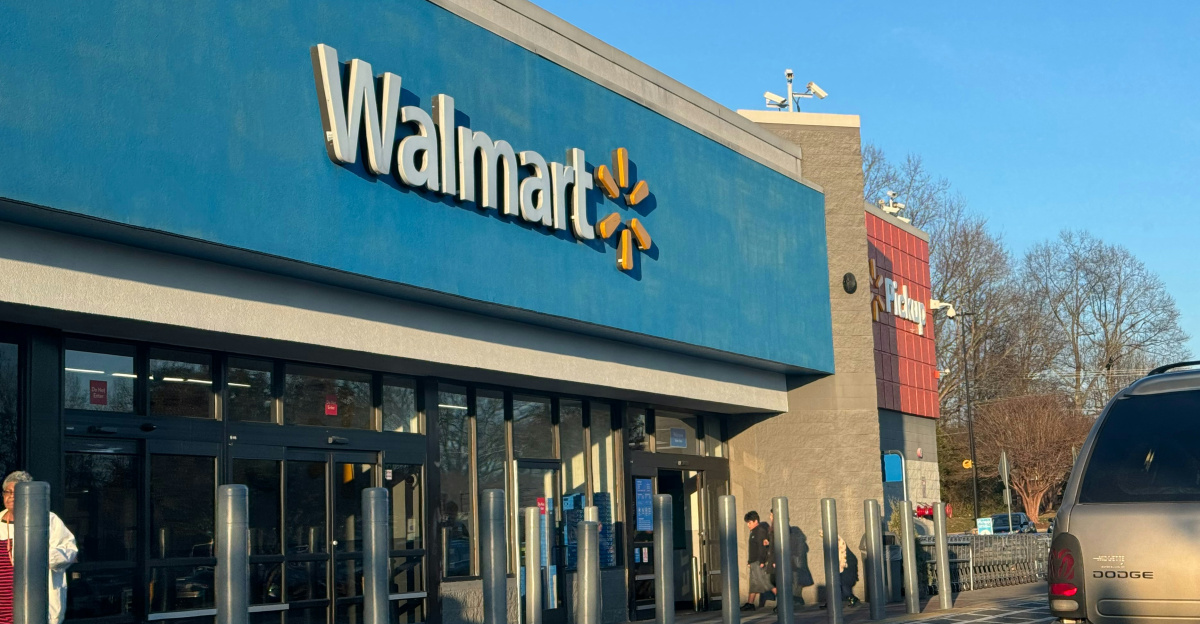
The recall’s reach is vast, covering 31 states and Puerto Rico, representing roughly 75–80% of the U.S. population. The affected products were sold at Walmart, Target, Aldi, Publix, H-E-B, Food Lion, Sprouts Farmers Market, and other retailers. Over 30 store brands are involved, including Walmart’s Great Value, Target’s Good & Gather, Aldi’s Happy Farms, and regional labels such as Borden and Cache Valley Creamery.
While marketed as distinct, these brands share a single production source, exposing the consolidation behind grocery store labels. A single contamination event in one Ohio facility can therefore touch millions of households, blurring the lines between competition and shared manufacturing.
Scale of the Recall and Product Numbers
The FDA documented 263,575 cases recalled, totaling more than 1.5 million individual bags. Low-moisture part-skim mozzarella accounted for 235,789 cases, with the remainder including Italian-style, pizza-style, mozzarella/provolone, and retailer-specific blends. The recall spans roughly 50 to over 100 different product codes across multiple chains, all linked to one contamination event.
This level of scale illustrates the vulnerability of a consolidated food system. A single raw ingredient failure can trigger a domino effect across brands and regions, creating widespread operational, financial, and logistical challenges.
Household Risks and Consumer Responsibility
As of early December, no injuries, illnesses, or deaths had been reported, but the FDA warns that consumption could cause temporary or medically reversible harm. An estimated 500,000 to 2 million recalled bags may still be in home refrigerators. Shredded cheese can conceal small metal pieces, and packaging carries no visible warnings, leaving consumers responsible for checking UPC codes and avoiding consumption.
The incident demonstrates that, although the immediate threat is contained, everyday households are where the risk materializes. Even minor oversights could lead to injury, reinforcing the importance of vigilance during widespread food recalls.
Economic and Operational Fallout
Financially, the recall represents a significant blow. Mid-sized cheese recalls typically cost around $10 million, including reverse logistics, refunds, regulatory compliance, legal exposure, and lost sales. Retailers face additional costs, from restocking to managing customer concerns. For private companies like Great Lakes, the impact is intensified by dependence on multiple retail partners.
Warehouse staff, truck drivers, and store employees worked tirelessly to manage product rerouting and shelf withdrawals. Smaller chains, especially those heavily reliant on the Great Lakes for private-label products, faced empty shelves, emergency sourcing, and temporary suspensions of lines. The event highlights the fragility of supply chains built on a small number of consolidated suppliers.
Regulatory Oversight and Industry Lessons
The FDA now focuses on verification and prevention. Inspections may include enhanced testing, third-party audits, or corrective actions. Facility closure is unlikely unless systemic issues emerge, but retailers may suspend agreements if standards are not met. Great Lakes must strengthen supplier verification and prevention measures to satisfy federal requirements.
The episode also underscores broader industry lessons. Many store brands share a manufacturer, making a single contamination event capable of undermining dozens of labels. Experts recommend improved traceability, frequent audits, and diversified sourcing; however, cost pressures often hinder their adoption. The immediate crisis is contained, but the event reveals the fragility of the food system and the need for greater resilience and transparency.
A Lesson in Food Supply Fragility
Great Lakes Cheese’s recall demonstrates how a single supplier failure in Ohio can affect millions of Americans. Consumers, retailers, and regulators are now reminded that a highly consolidated food system leaves little room for error. While no injuries have occurred, the financial and operational toll is significant, and the potential for hidden risk in homes remains.
The incident highlights the importance of traceability, supplier accountability, and diversified sourcing. Building resilience in food supply chains is no longer optional—it is essential for public safety, brand trust, and operational stability. As America’s grocery system grows more interconnected, lessons from Ohio’s shredded cheese recall will shape industry practices for years to come.
Sources:
FDA Enforcement Report (December 1-2, 2025) – Great Lakes Cheese Co. Recall
FDA Recall Classification System Documentation
Grocery Manufacturers Association (GMA) Recall Cost Benchmarking Study
Food Marketing Institute Industry Standards Analysis
Great Lakes Cheese Co. Official Statement (October-December 2025)