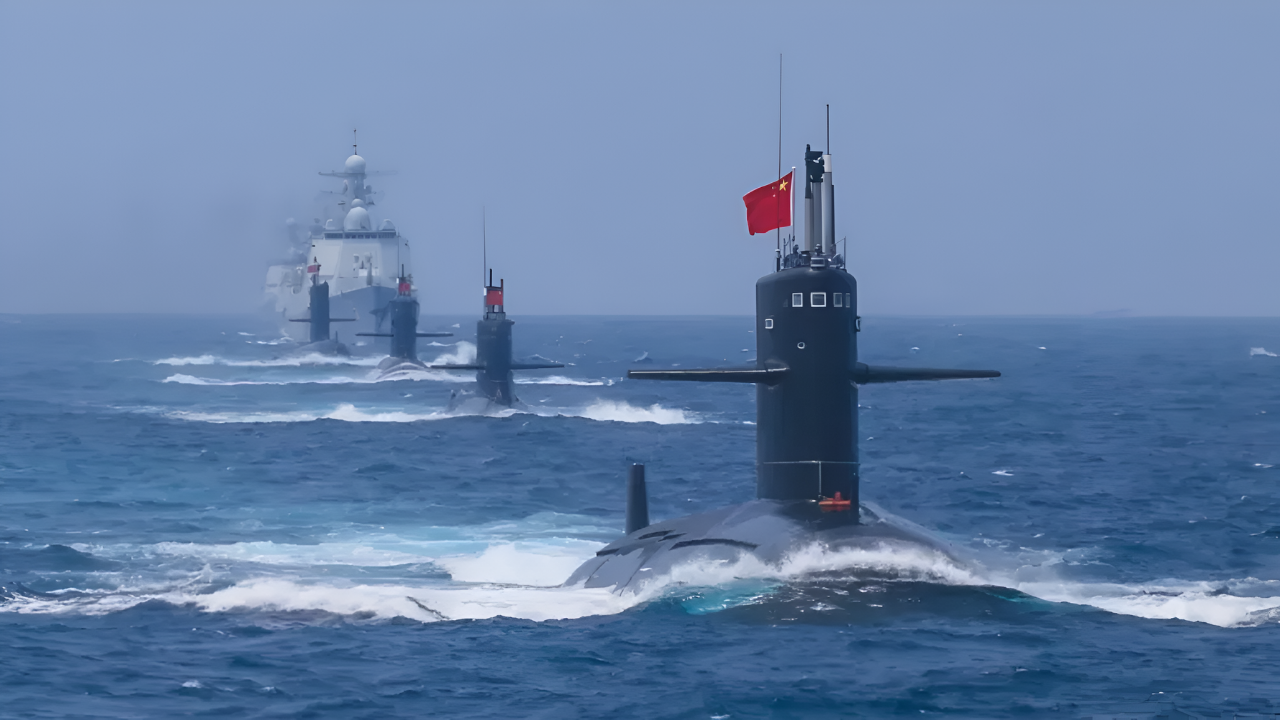
China has escalated its naval presence in East Asian waters, amassing one of the largest fleets in recent years without formal announcements of military exercises. Reports indicate that this buildup has been methodical, emerging in phases since mid-November 2025. By early December, more than 100 Chinese naval and coast guard vessels had been documented as operating across several seas.
Regional security analysts are now working to decipher the implications of this unprecedented maritime show of force from Beijing. As tensions simmer in the region, military movements prompt heightened scrutiny and concern from neighboring countries and global observers alike.
Numbers Spike
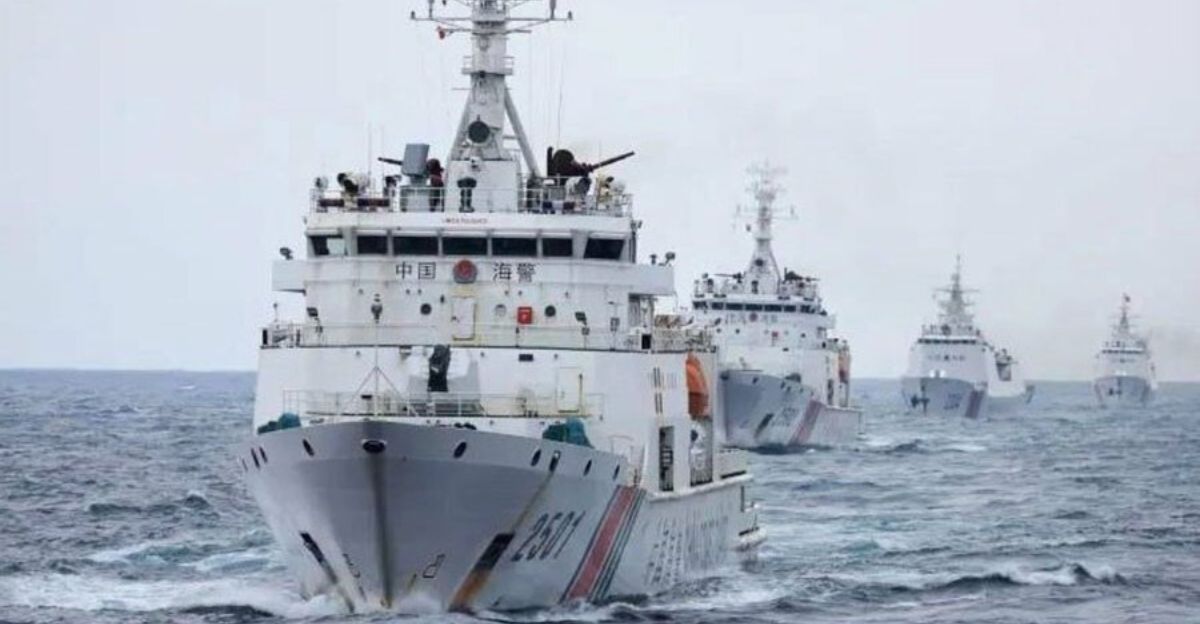
Between December 2 and 4, the deployment reached its peak, with over 100 Chinese naval and coast guard ships spanning the Yellow Sea to the western Pacific. By December 5, that number eased to over 90 vessels. Analysts emphasize the significance of these figures, arguing that even the decreased totals are exceptionally high for a peacetime scenario.
This level of activity indicates a sustained military posture rather than an isolated incident, illustrating China’s intent to showcase its naval capabilities and exert influence throughout East Asia. Such maneuvers raise concerns about the region’s security dynamics.
Not The First
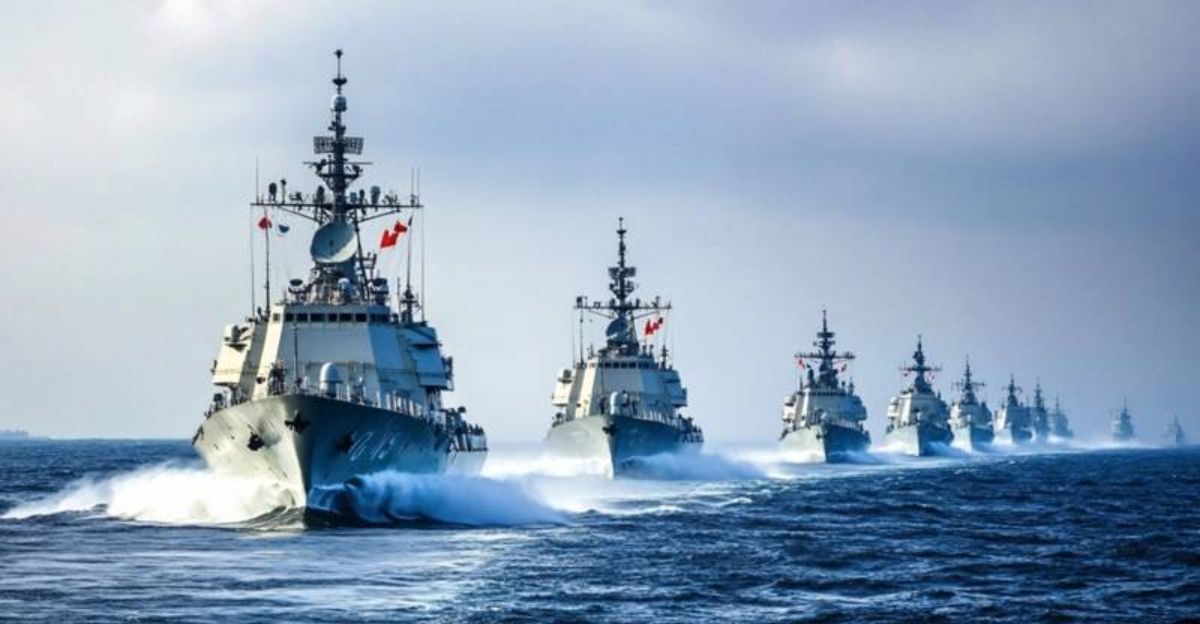
China’s recent operations are part of an ongoing trend of large-scale military drills near Taiwan and in surrounding waters. In December 2024, China deployed nearly 90 vessels, prompting Taiwan to raise its security alert.
Notably, past exercises like “Joint Sword” and “Strait Thunder-2025” have demonstrated China’s intent to practice strategies for blockades and encirclement, particularly with a focus on Taiwan. The continuity of such maneuvers highlights a pattern of assertive military posture from China, leading to heightened tensions and increased vigilance from Taiwan and its allies in the region.
Rising Frictions

This naval buildup unfolds amidst several years of escalating tensions over Taiwan, territorial disputes in the East China Sea, and rival claims in the South China Sea. China’s navy, now the largest in the world by ship numbers, has routinely challenged the maritime forces of Japan, the Philippines, and Taiwan.
These interactions magnify the risk of accidental confrontations or miscalculations, as nations navigate increasingly crowded waters. The situation underscores broader geopolitical tensions and the complexities inherent in regional security dynamics as military postures adjust in response to perceived threats.
Largest Deployment Yet

In terms of scale, intelligence analyses and accounts from regional officials describe this deployment as China’s largest maritime show of force to date, surpassing its December 2024 responses. The operation involved four naval formations in the western Pacific and showcased Beijing’s capability to mobilize significant naval assets with remarkable speed and coordination.
With more than 100 vessels in operation, China’s maritime strategy is increasingly viewed as a calculated display of power aimed at regional rivals, signaling a commitment to asserting its influence in key strategic waterways.
Regional Chessboard
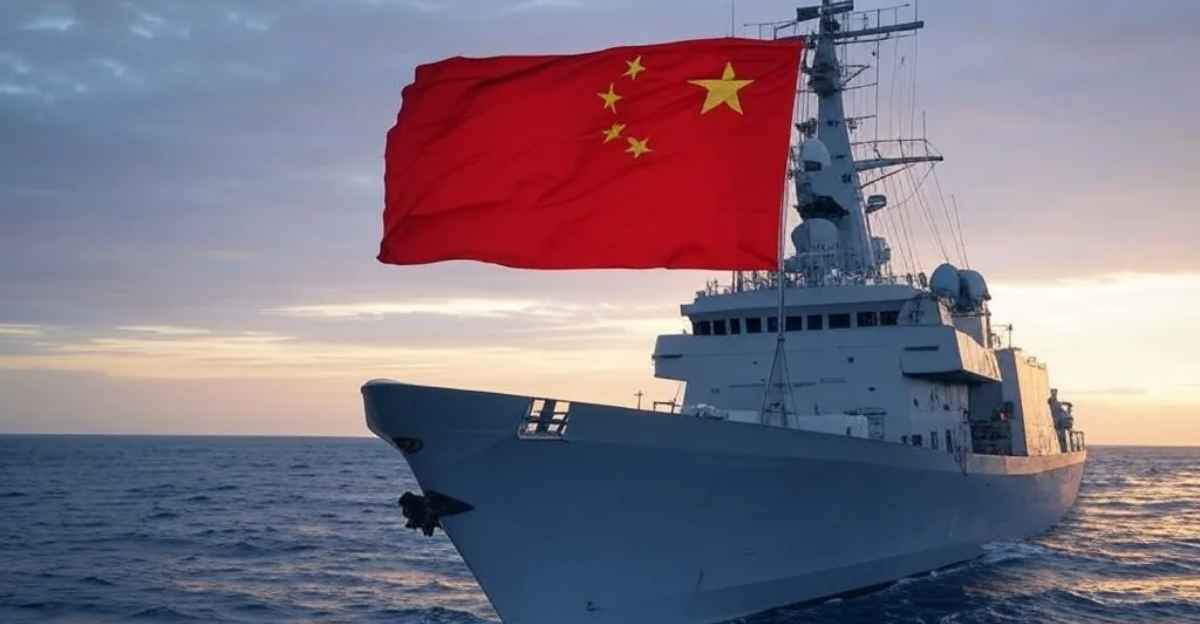
Notably, Chinese ships are not only deployed near Taiwan. Still, they are also strategically spread across the southern Yellow Sea, East China Sea, and South China Sea, extending their presence into the Pacific.
This dispersion allows China to apply pressure on Japan regarding the disputed Senkaku/Diaoyu Islands, dominate vital shipping routes, and maintain troop positions along the first island chain east of Taiwan. Such strategic positioning demonstrates not only military intent but also a comprehensive strategic objective to assert control over key maritime areas in the region.
Taiwan On Edge

Taiwan’s government maintains that Chinese warships and aircraft are highly active near its waters, although the direct presence near Taiwan has not shown a significant increase during this latest surge. National Security Bureau head Tsai Ming-yen recognized the tension, cautioning lawmakers that China is in its “most active season” for military drills.
Analysts speculate that future exercises may occur before the end of the year, maintaining a state of uncertainty and vigilance in Taiwan, as residents grow concerned about their nation’s security amid rising tensions with China.
Mock Attacks Practiced
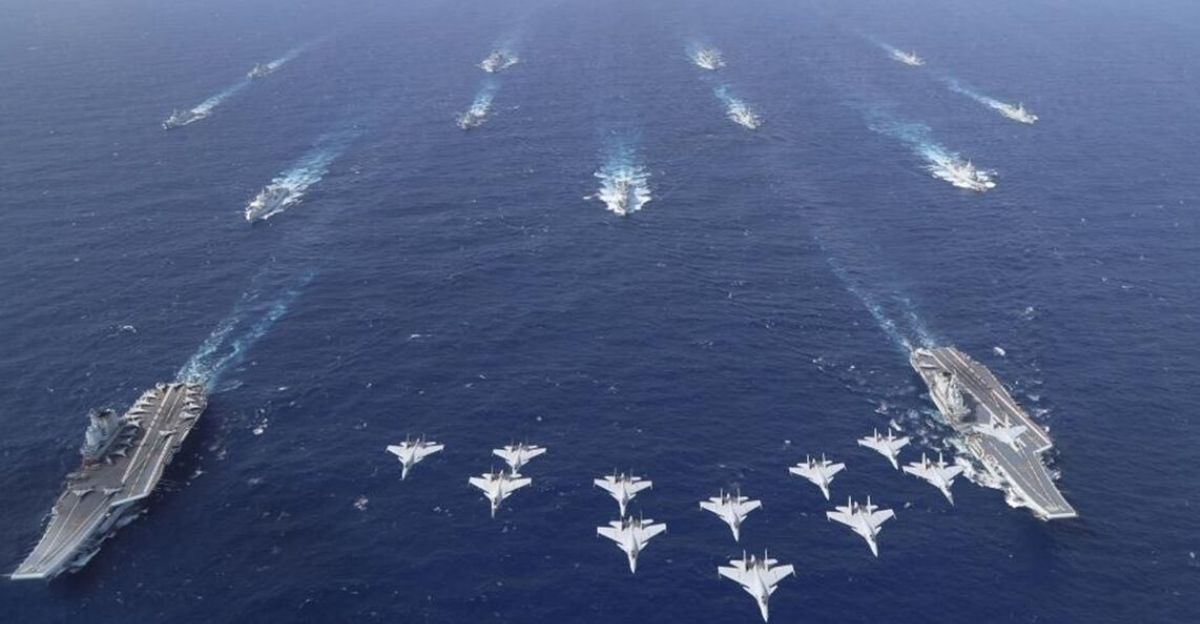
Sources reveal that Chinese naval forces and aircraft have been engaging in mock attack drills aimed at foreign vessels, while executing “access-denial” operations designed to obstruct external military support to Taiwan in times of conflict. These exercises challenge the command-and-control capabilities across extensive distances, creating complex scenarios for U.S., Japanese, and allied military planners.
Such practices elevate fears of a potential conflict erupting in the region and highlight the need for strategic readiness among allied forces to respond to evolving threats.
Supply Chain Stakes
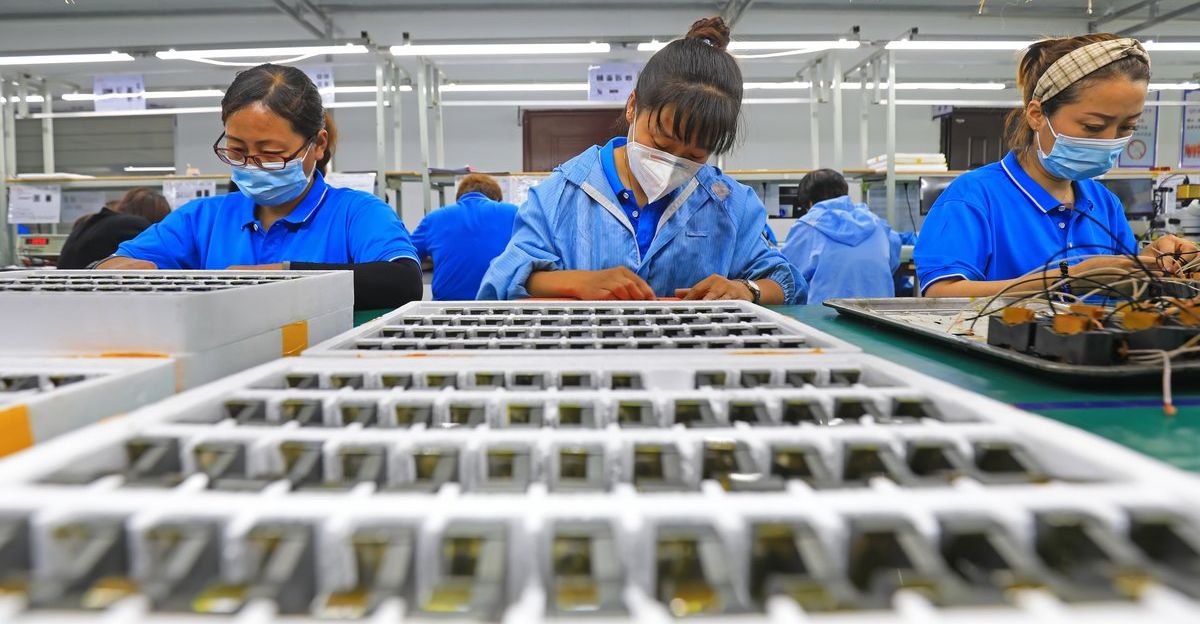
Taiwan plays a pivotal role in global technology, particularly in semiconductor production, supplying crucial components for various industries, including smartphones, automobiles, and data centers. A blockade or extended crisis arising from military actions could disrupt these critical supply chains, leading to significant ramifications for global manufacturing and inflation in technology prices.
Transportation disruptions along key routes would severely affect trade dynamics, particularly between Northeast Asia, the United States, and Europe, illustrating the intricate connection between regional security and global economic stability.
Political Trigger

Timing is a critical factor influencing recent naval movements, as security experts have noted that ship numbers began climbing after November 14, when Beijing summoned Japan’s ambassador to voice protests against remarks made by Prime Minister Sanae Takaichi. She indicated that an attack on Taiwan could provoke a military response from Japan.
In the weeks that followed, China executed this massive naval deployment, further amplifying the geopolitical tensions within the region and compelling nations to reevaluate their security and diplomatic strategies regarding Taiwan.
Tokyo’s Dilemma

As events unfold, Japan continues to vocalize its concerns regarding Taiwan’s security, asserting that any conflict could directly threaten Japanese territory and vital maritime routes. Prime Minister Takaichi’s remarks, while theoretical, drew sharp condemnation from Beijing, further stirring internal discussions about Japan’s military posture.
Japanese officials grapple with the complexities of supporting U.S. operations while mitigating the risks of provoking China, as the nation navigates the intricate balance of regional security, territorial integrity, and diplomatic relationships in the wake of China’s increasingly assertive actions.
Taipei’s $40 Billion Bet

In response to these evolving tensions, Taiwan’s President Lai Ching-te announced an ambitious initiative to allocate $40 billion for military enhancements and defense capabilities over the next five years. This significant investment aims to bolster Taiwan’s defensive measures and ensure preparedness against potential incursions.
Lai emphasized the importance of fortifying national security as a defense against Beijing’s aggressive postures. He stressed that Taiwan must not only enhance military capabilities but also work closely with international allies to secure a stable region amid escalating pressures.
Regional Implications
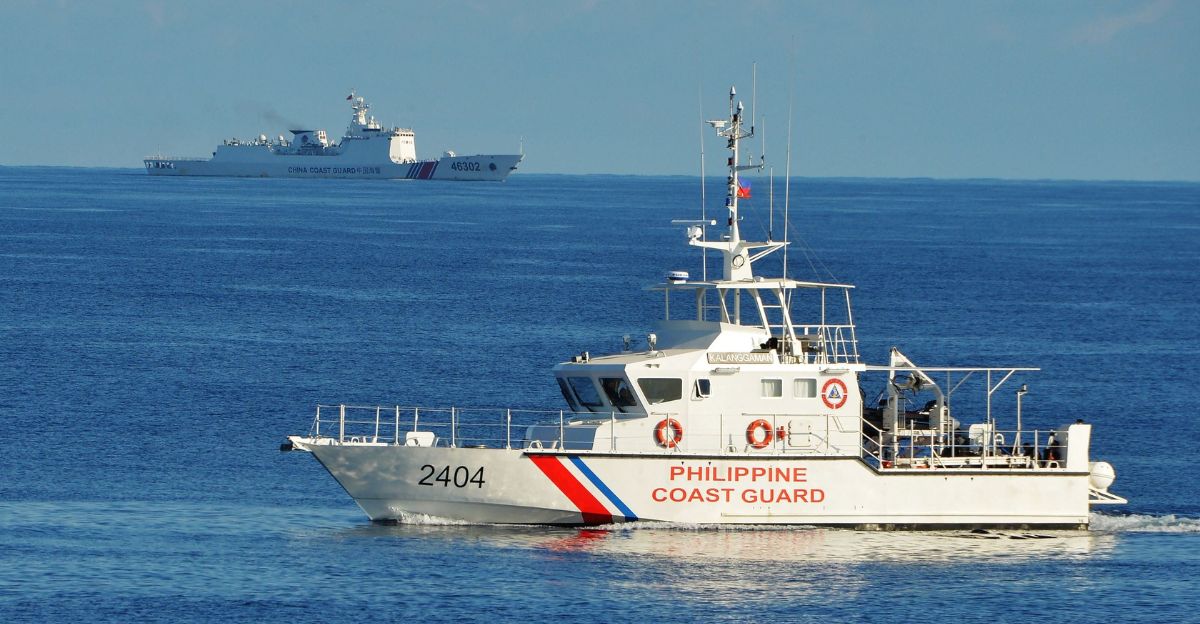
As China continues to assert its military presence, countries in the region are recalibrating their defense strategies. For instance, the Philippines has raised concerns over China’s maneuvers in the South China Sea, calling them “dangerous” and urging for cooperative defense initiatives with allies.
Regional partnerships may become increasingly essential as nations anticipate potential conflicts arising from China’s actions, requiring adaptations in military strategy and joint exercises. This dynamic shift underscores the complex relationship between national sovereignty and global alliances in a rapidly evolving security landscape.
Global Repercussions
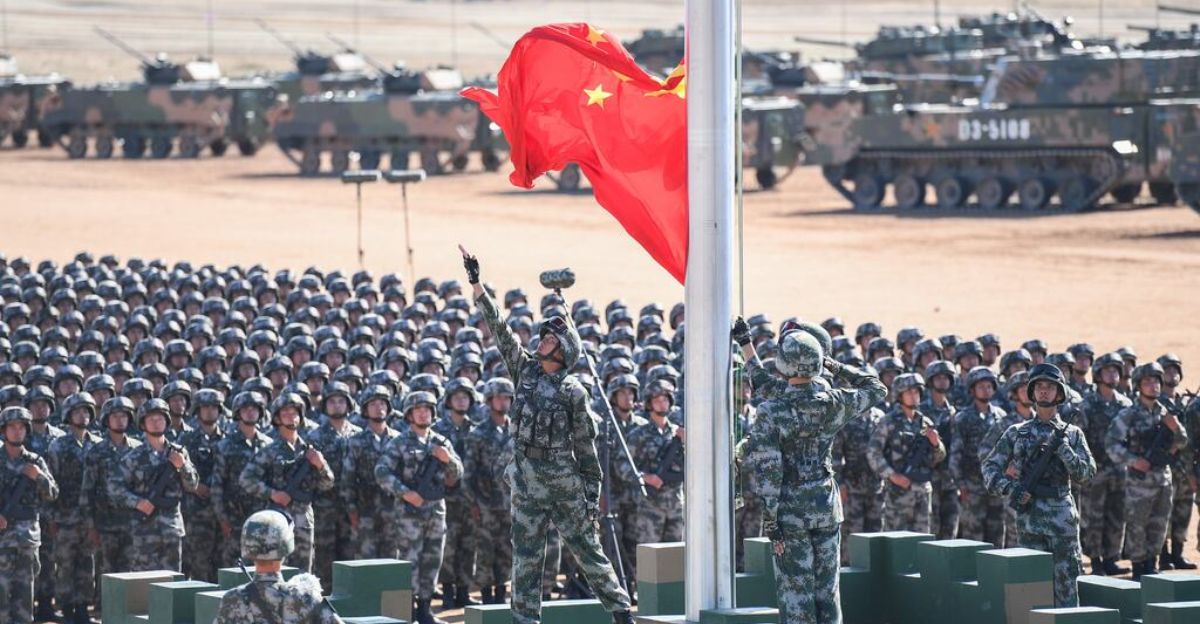
Beyond national borders, the ramifications of China’s military buildup ripple through global economics and supply chains. Nations reliant on Taiwanese tech face a precarious situation, realizing the immediate impact of geopolitical shifts on international market stability.
The prospect of military engagements threatens to lead to global shortages of semiconductor products, thereby inflating prices and hindering technological advancements. Corporations are compelled to evaluate their supply chain dependency on Taiwan, while countries reconsider their import strategies to safeguard against potential disruptions.
Seeking Diplomatic Solutions

In light of escalating tensions, diplomatic avenues are being explored to mitigate the risks of conflict. International actors, including the United States, are engaging with allies like Japan and Australia to discuss collaborative policies aimed at ensuring stability in East Asia.
The importance of open communication channels cannot be overstated, as nations seek to address each other’s concerns. Dialogue focusing on transparency in military activities could play a crucial role in fostering trust and preventing inadvertent escalations or misunderstandings that could spiral into broader conflicts.
The View from Taipei

Taiwanese citizens are on heightened alert, closely monitoring the military developments unfolding around them. Residents express a mix of anxiety and resolve, knowing that their nation’s security is at stake.
“We understand the risks we face, but we must remain united and vigilant,” said a local entrepreneur. This sentiment resonates throughout the city as communities come to terms with the reality of living next to an increasingly assertive military power. The need for local resilience becomes paramount as tensions rise.
Cybersecurity Concerns

Amidst the military escalation, cybersecurity emerges as a critical aspect of national defense. Experts caution that any military confrontation may be preceded or accompanied by cyber operations targeting Taiwan’s infrastructures, such as communication systems and power grids.
This dual approach could significantly impair Taiwan’s response capabilities during a conflict. Consequently, investments in cyber defense have become integrated into national security strategies, emphasizing the necessity for comprehensive protection frameworks in addition to traditional military preparations.
International Observations

Global leaders and military analysts are keenly observing China’s maritime strategies and their implications for international relations. Countries around the world are expressing concerns about the potential for conflict extending beyond East Asia, with many urging a shift toward preventive diplomacy over military posturing.
Voices from various nations reaffirm a desire for stability in the region, propelling discussions about sanctions and collective security strategies should conflicts arise. Countries emphasize the importance of cooperative approaches in dealing with complex geopolitical landscapes.
The Balance of Power
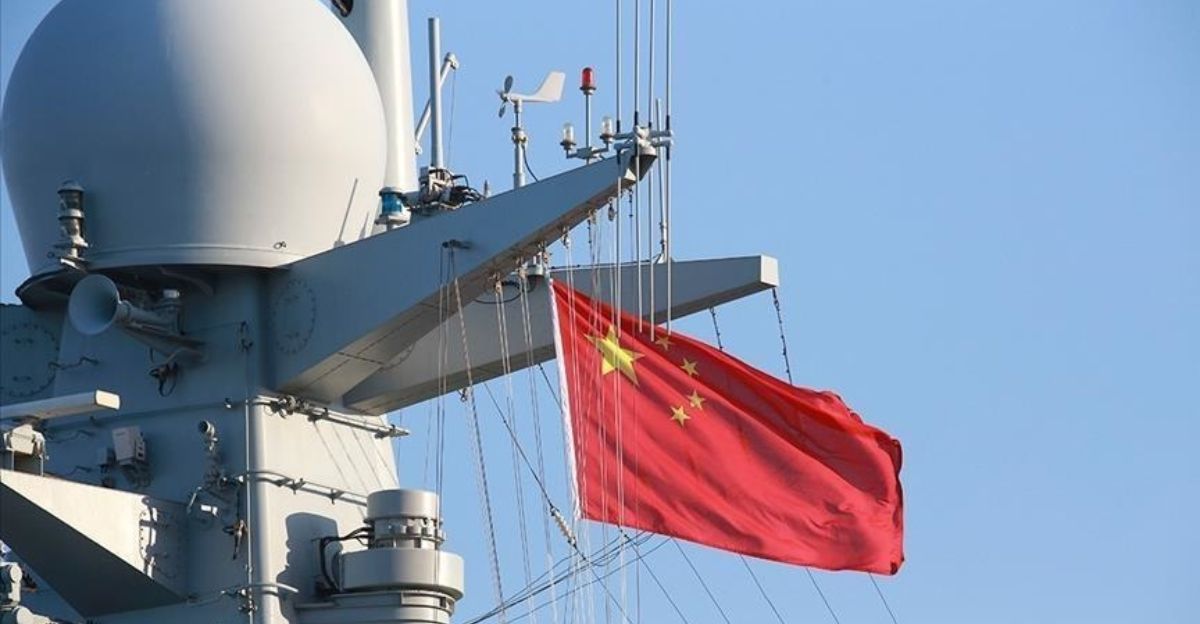
The situation surrounding China’s naval expansion highlights the delicate balance of power in East Asia. As regional players reassess their military readiness, they remain acutely aware of the unpredictability of China’s ambitions.
This tension creates a paradox where stronger militaries may inadvertently increase instability as smaller nations navigate the safeguarding of their interests. The intricate dynamics serving as a backdrop for these events underlie broader philosophical questions about the future of national security and international cooperation.
Future Outlook

Looking ahead, all eyes will be on the Taiwan Strait and the surrounding waters as the international community grapples with the implications of this naval mobilization. While diplomatic avenues remain open, the urgency for defense initiatives is paramount.
The unfolding events will serve as critical test cases for global governance, alliances, and regional strategies. With tensions still high, the need for continuous dialogue and a comprehensive plan cannot be overstated, as nations strive for equilibrium in a precarious security environment.
Sources:
Reuters – Exclusive: China massing military ships across region in show of maritime force, sources say
Taipei Times – China deploys navy vessels across Asia
Japan Forward – China Deploys Over 100 Vessels in Largest Show of Force in East Asia to Date
Kyodo News – China has sent over 100 vessels to East Asian waters since mid-November
Institute for the Study of War – China & Taiwan Update, December 5, 2025
The Diplomat – PLA Maneuvers Near Taiwan in December: Misperceptions and Strategic Realities