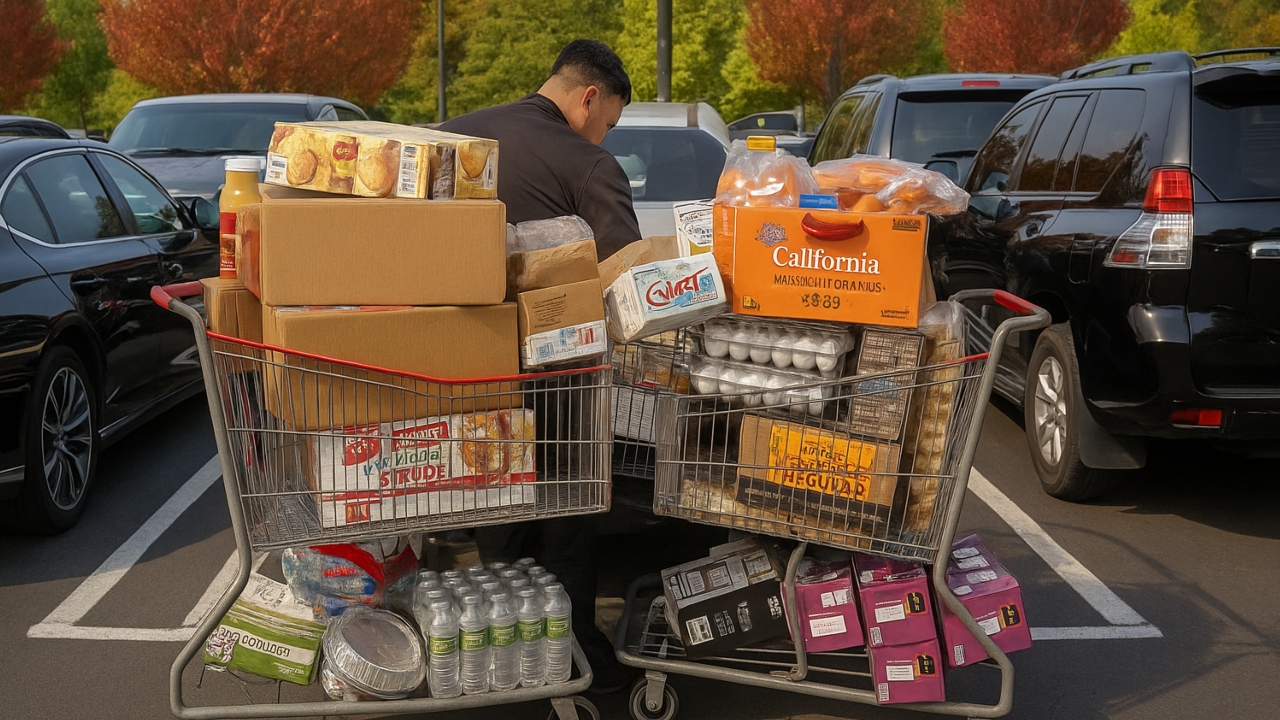
You pushed your cart through the warehouse club, eyes wide at rock-bottom prices. But here’s the uncomfortable truth: bulk buying isn’t always cheaper.
Money-saving expert Andrea Woroch and shopping strategist Trae Bodge reveal the hidden costs nobody talks about and how to stop wasting hundreds every year on spoiled, rotting food that ends up in the garbage.
Why Warehouse Clubs Want You to Buy More

Bulk retailers profit when you throw food away. The business model depends on volume, not whether you actually use everything. Woroch explains that perishables, such as berries and bread, are designed to move in massive quantities.
When 30 to 40 percent of bulk purchases spoil before use in smaller households, the warehouse still wins and keeps its profits climbing high. You lose.
How $50 to $150 Per Year Vanishes

Picture this: a typical family discards one to three spoiled bulk items each month, costing $4 to $12 each. That’s fifty to one-fifty dollars annually—money earned, spent, and thrown away without eating it.
Regular grocery stores often use milk as a loss leader, undercutting warehouse prices. Smart shopping isn’t about the biggest package. It’s about eating what you buy.
What Experts Actually Buy in Bulk

Andrea Woroch and Trae Bodge practice what they preach. They stock single-ingredient staples—such as flour, sugar, and rice—with stable shelf lives. But they avoid the perishable trap entirely.
Their strategy: split bulk hauls with neighbors, use airtight containers, stick to store brands, and check expiration dates before checkout. One simple rule: if you cannot use it within its lifespan, skip the bulk aisle.
The Holiday Season Makes This Trap Even More Dangerous
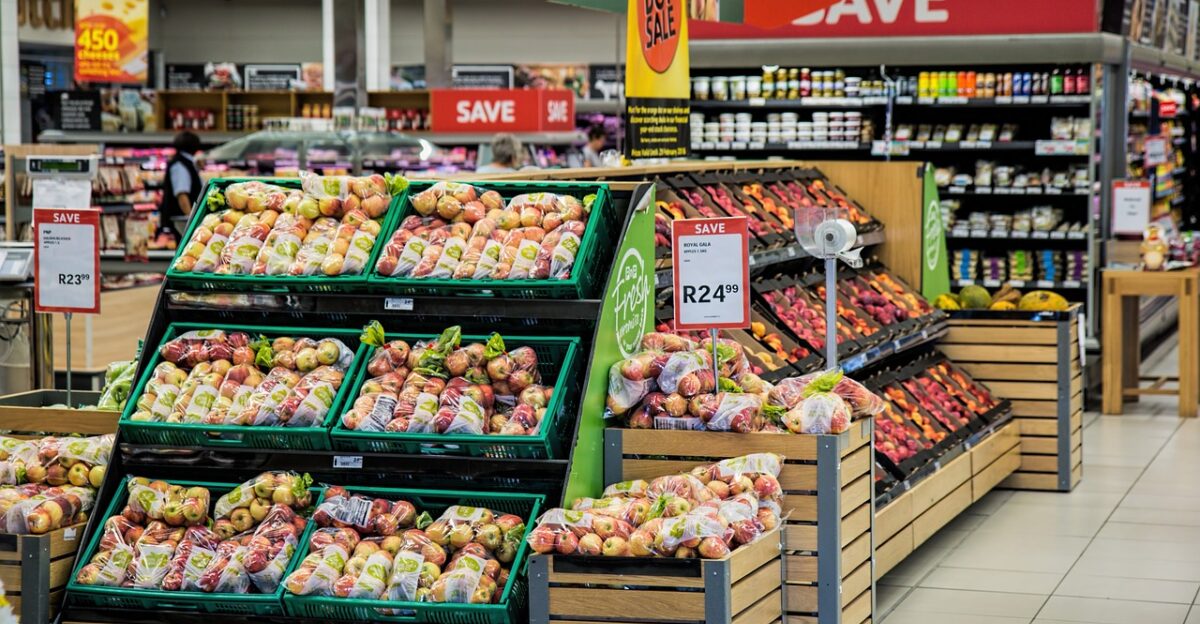
December brings peak bulk-buying frenzy. Families stockpile for gatherings that never happen or overbuy out of panic. But that enthusiasm often leads to January garbage cans overflowing with moldy bread and slimy spinach.
Before your next warehouse run, pause. Will this actually be eaten? The pre-holiday sale could cost you more than you save once wastage sets in.
1. Berries Are the Gateway Spoilage

Strawberries and raspberries look irresistible in bulk, but these fruits have a narrow window before mold takes over. Andrea Woroch warns that smaller households rarely consume a bulk clamshell before deterioration.
Buy two pounds for twelve dollars, throw half away, and you’ve paid twenty-four dollars per pound for what looked like a steal. Check your consumption honestly before reaching for the giant pack.
2. Pre-Cut Fruit Salad Is the 100% Markup Scam
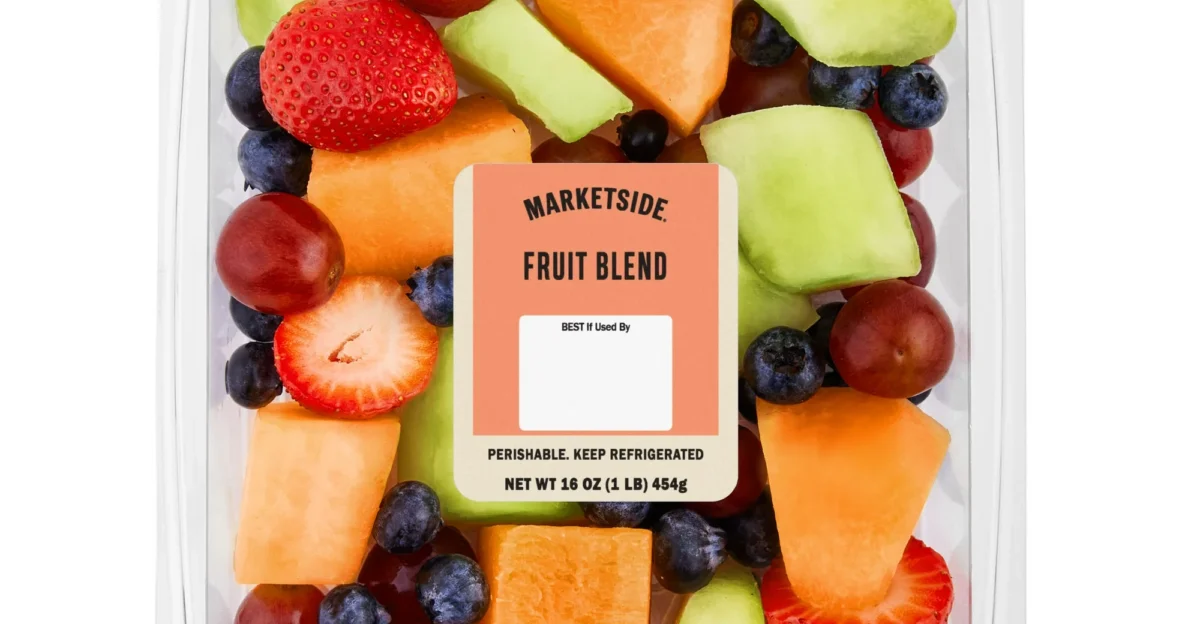
Trae Bodge reveals that pre-made fruit salads are marked up by around 100 percent compared to whole produce. You’re paying double to have someone wield a knife. Bodge emphasizes that buying whole fruit in smaller quantities and cutting it yourself secures a much better deal.
Five minutes of prep work saves you fifty percent or more. Skip the prepared section.
3. Avocados Ripen Too Fast
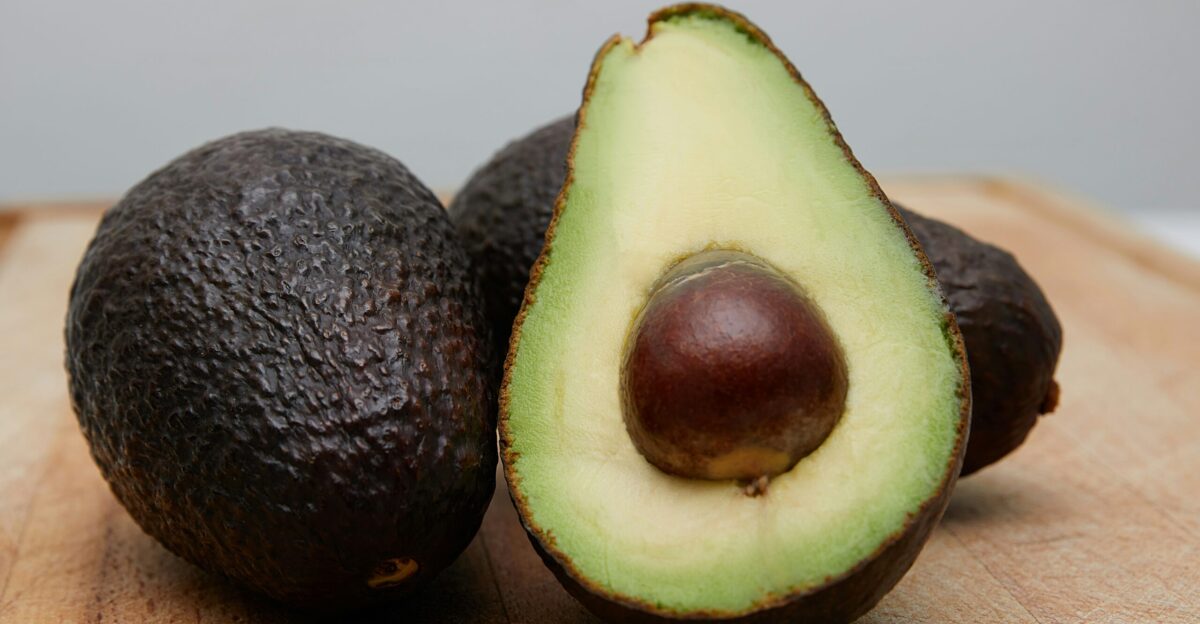
A bag of six avocados seems like a good idea until they all ripen simultaneously. Within forty-eight hours, the entire batch softens. You’re either eating guacamole for three days straight or composting brown mush.
Woroch advises buying avocados in pairs from regular stores, choosing ones at slightly different ripeness stages. This eliminates the all-or-nothing spoilage crisis that bulk buying guarantees.
4. Bananas Demand a Speed-Eating Strategy
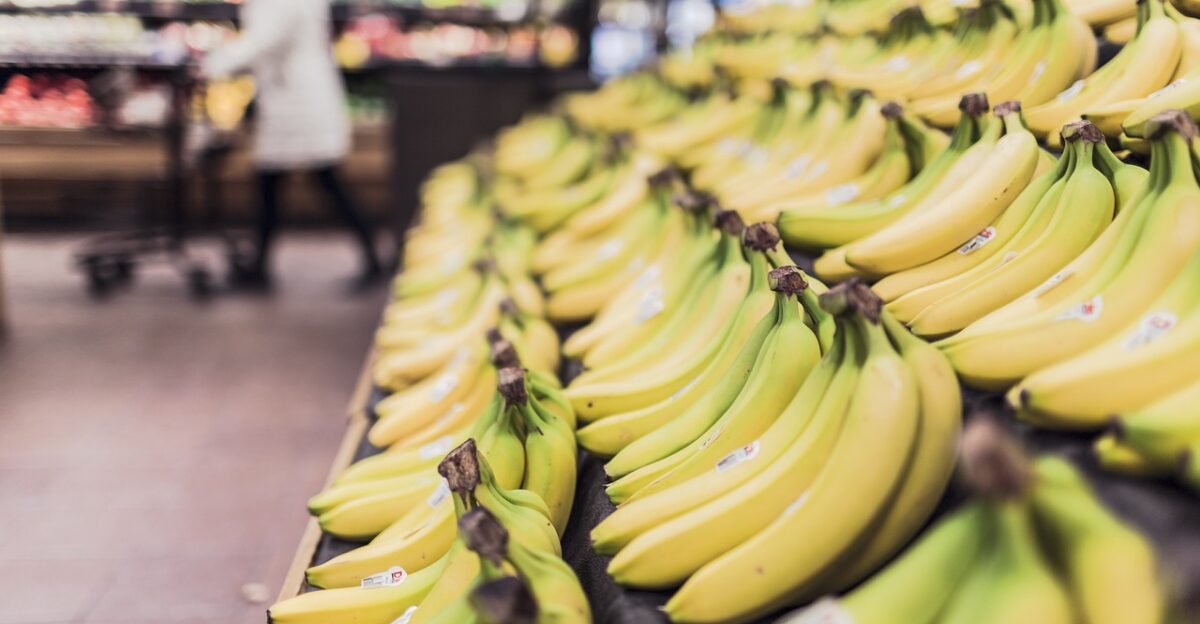
Bulk banana bunches seem economical until your kitchen smells like a fruit stand in August. These bunches ripen together, creating a narrow window for eating. Unless your family consumes four bananas daily, you’ll watch them yellow, brown, and blacken quickly.
Woroch suggests buying smaller bunches or individual bananas at different stages. Zero waste beats penny-pinching and money-wasting every time.
5. Spinach and Leafy Greens Turn Slimy Before You Finish the Bag
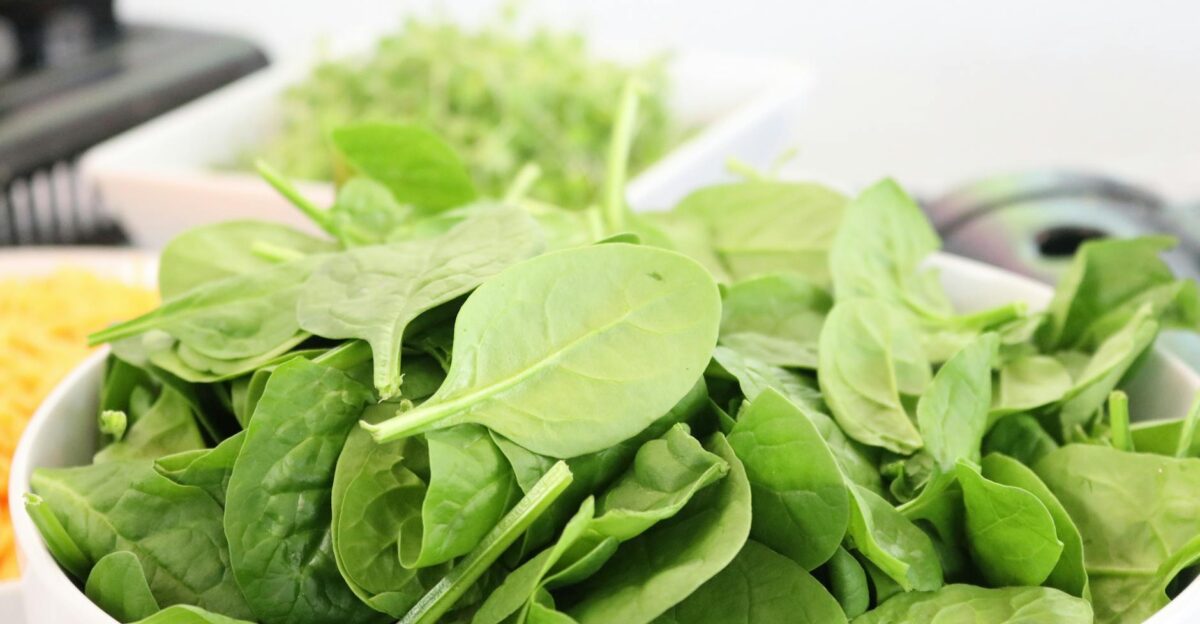
That massive spinach container promises salads for weeks to come. Reality? Moisture in bulk packaging accelerates decay. Within days, the bottom third becomes a slimy, inedible mess. Trae Bodge notes that smaller tubs at regular grocers often cost the same once you account for waste.
Buy what your family will realistically consume in three days, then repeat the process. Fresh greens beat discounted slime.
6. Milk Pricing Strategy

Regular grocery stores often price milk as a loss leader, undercutting warehouse clubs by a significant margin. Woroch advises comparing unit prices before assuming that bulk is always the best option. Multiple gallons also create spoilage risk for smaller families.
One gallon spoils faster than anticipated; three spoil faster still. Buy one fresh gallon of milk weekly at your local store and avoid the frustration of pouring away sour milk.
7. Yogurt Expires Faster Than Your Family Can Eat It
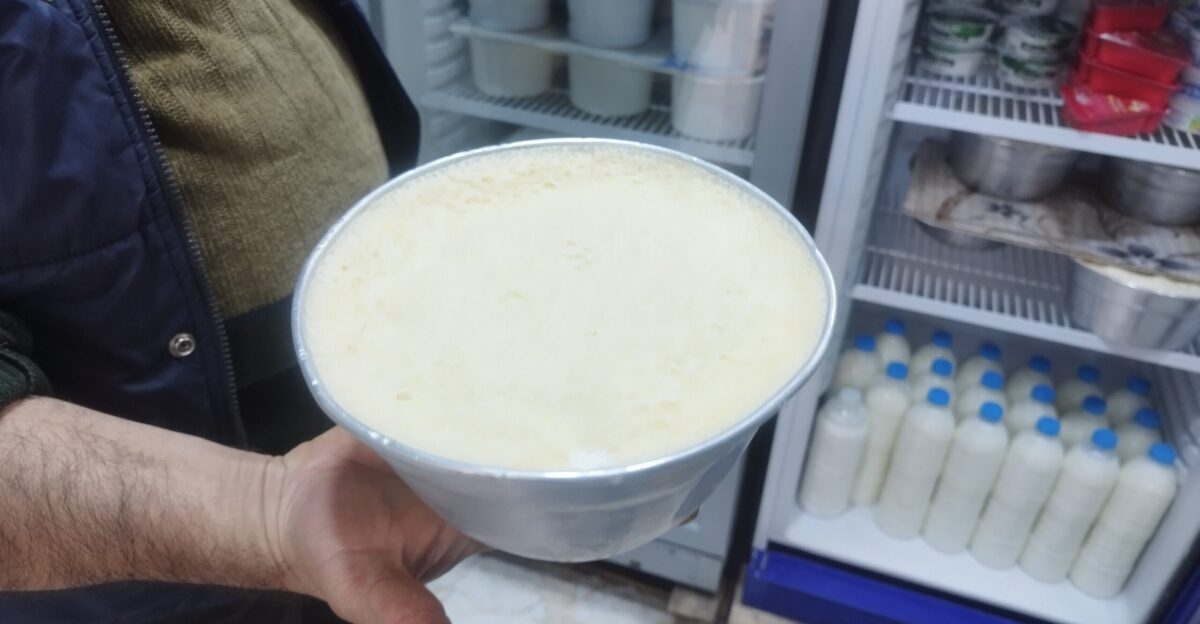
Bulk yogurt tubs promise weeks of breakfast convenience, but they spoil within a few weeks regardless of size. Smaller families watching the expiration date approach frantically often toss out half of what is still unused. Bodge recommends buying individual cups or smaller containers from regular stores instead.
The flexibility to buy varied flavors prevents the monotony and waste that bulk containers inevitably create for households.
8. Bread Goes Stale Faster Than Your Freezer Can Handle
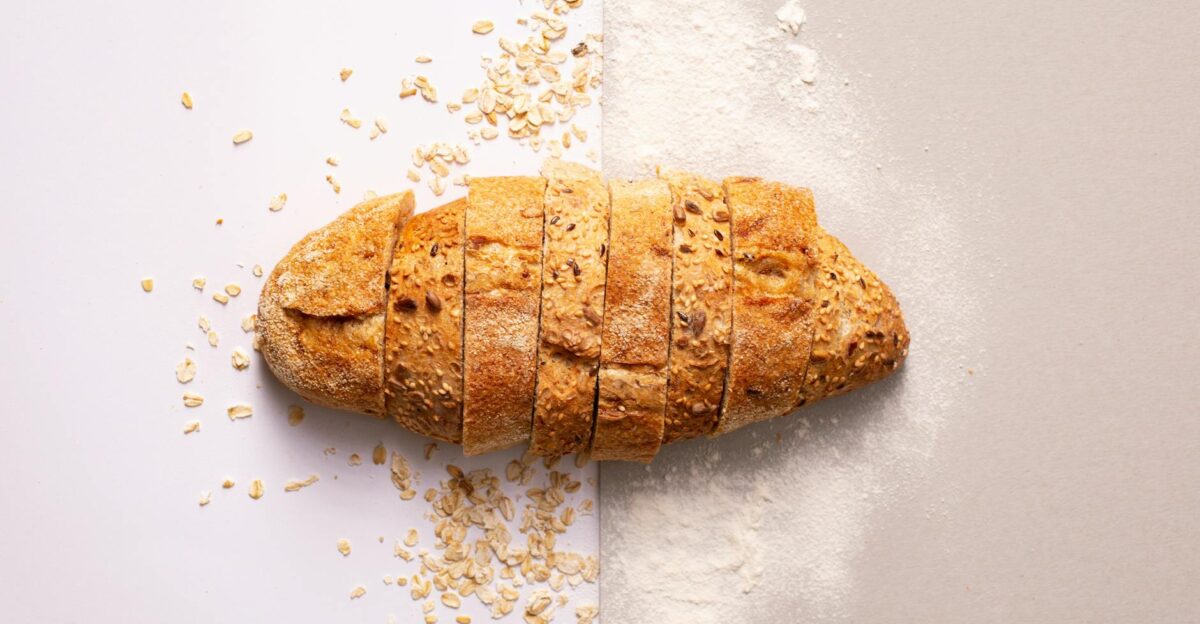
Warehouse bakery sections sell multi-packs at prices that seem too good to be true. But fresh bread without preservatives goes stale or moldy quickly. Andrea Woroch explains that unless your household demolishes two loaves weekly, the second deteriorates before use.
Freezing helps only if you have freezer space and remember to thaw. For most families, buying one fresh loaf of bread weekly costs the same, but tastes infinitely better.
9. Spices Lose Power After Six Months

Ground cinnamon, cumin, and paprika begin losing potency after approximately six months. A bulk jar sits in your pantry for years, gradually becoming flavorless dust. Trae Bodge notes that cooking with stale spices undermines meal quality and wastes other ingredients.
Buy smaller quantities from regular stores and replace them annually. Fresh spices cost marginally more but dramatically improve every dish you cook.
10. Nuts Turn Rancid Because Their Oil Content Can’t Be Ignored
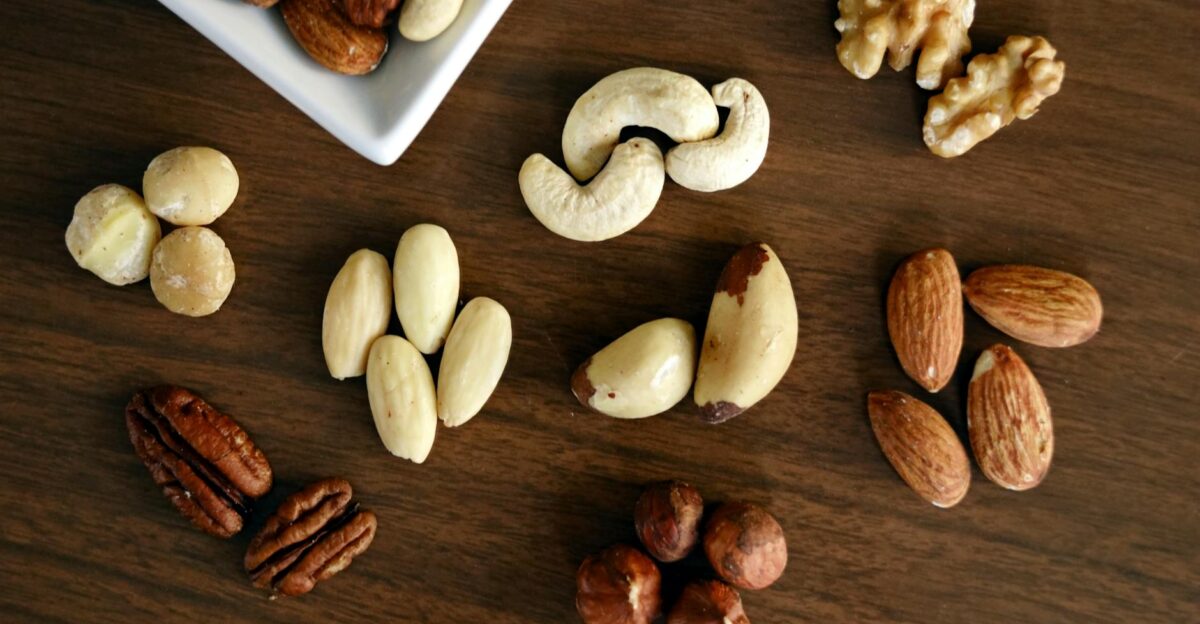
Walnuts, pecans, and almonds contain natural oils that go rancid when exposed to oxygen and warmth. A three-pound bag left in your pantry eventually develops a bitter taste. Woroch and Bodge emphasize that nuts require cold storage—either a refrigerator or a freezer—to prevent waste.
If you lack freezer space, buy smaller packages from regular stores. Spoiled almonds are worse financial decisions than modestly priced fresh ones.
How Much Is Bulk Costing You Annually?
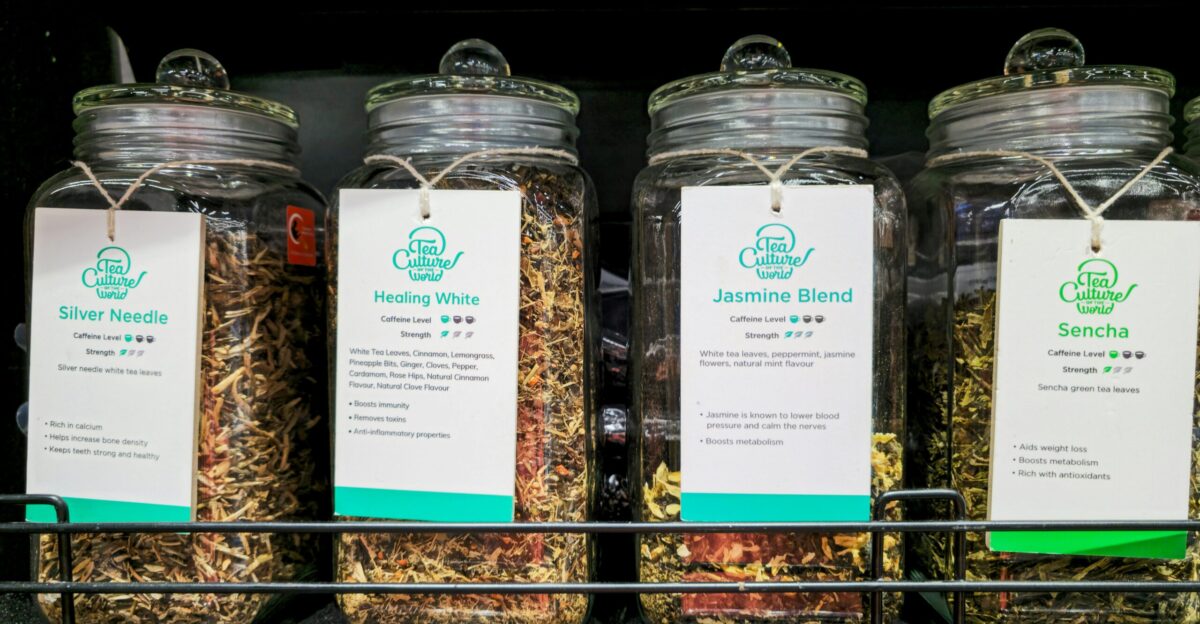
Add it up honestly. If your household wastes one to three bulk items per month at $4 to $12 each, you’re losing $50 to $150 per year. That’s not including spices, oils, and nuts quietly turning rancid.
Andrea Woroch calculates that families switching to strategic, smaller purchases save $200 to $400 annually through waste reduction alone. Can you afford not to change?
Split Purchases with Neighbors and Family

The warehouse club model works perfectly for large families willing to collaborate. Trae Bodge suggests splitting bulk hauls with neighbors or extended family. One family takes berries, another dairy, and a third pantry staples.
Everyone benefits from lower per-unit prices without the risk of spoilage. This strategy requires communication and trust but transforms bulk buying from a financial trap into genuine savings.
Your Secret Weapon Against Waste
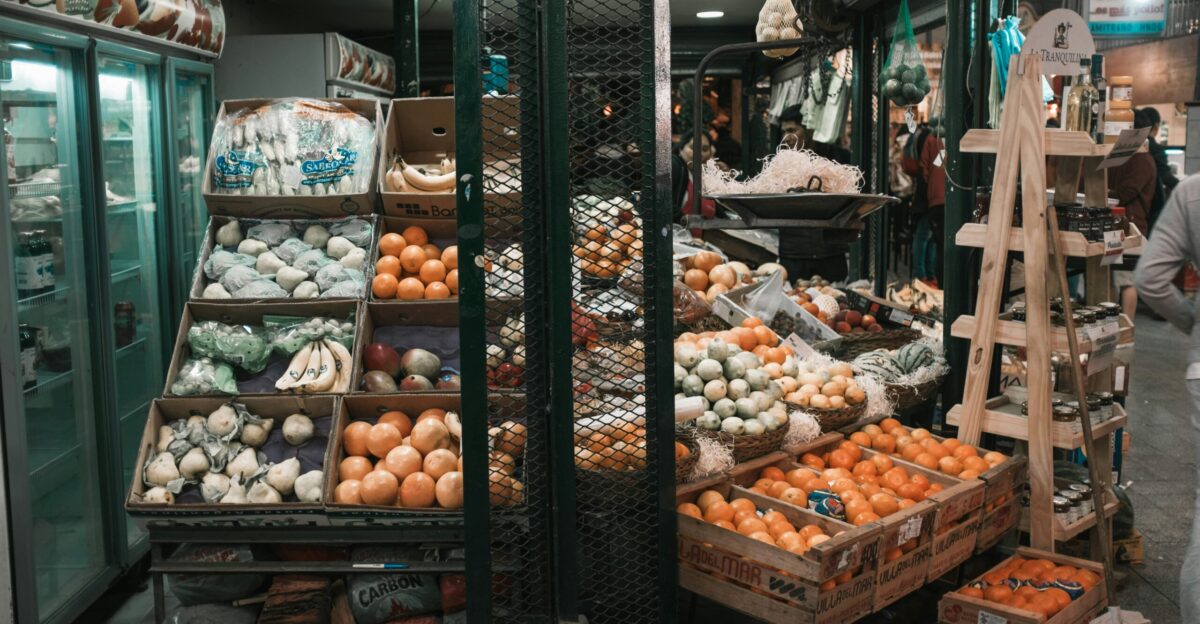
Storage strategy separates bulk-buying winners from losers. Andrea Woroch emphasizes that quality airtight containers—whether glass or plastic—substantially extend the life of crackers, nuts, spices, and grains. Proper containers limit oxygen exposure, preventing staleness and rancidity.
Transfer bulk pantry items immediately upon arriving home, before they are exposed to kitchen temperature and humidity. This ten-dollar investment pays for itself when it prevents a spoiled purchase.
Stick to Store Brands and Single-Ingredient Staples in Bulk

Trae Bodge’s final advice: buy in bulk strategically, not indiscriminately. Store-brand flour, sugar, rice, and dried beans offer genuine value, lasting months without degradation. Avoid packaged foods, prepared items, and anything perishable unless you have a specific meal plan.
This selective approach transforms your warehouse membership from a liability into a tool. You’ll spend less, waste nothing, and actually use every item.
Before Your Next Warehouse Run, Ask Yourself This One Question
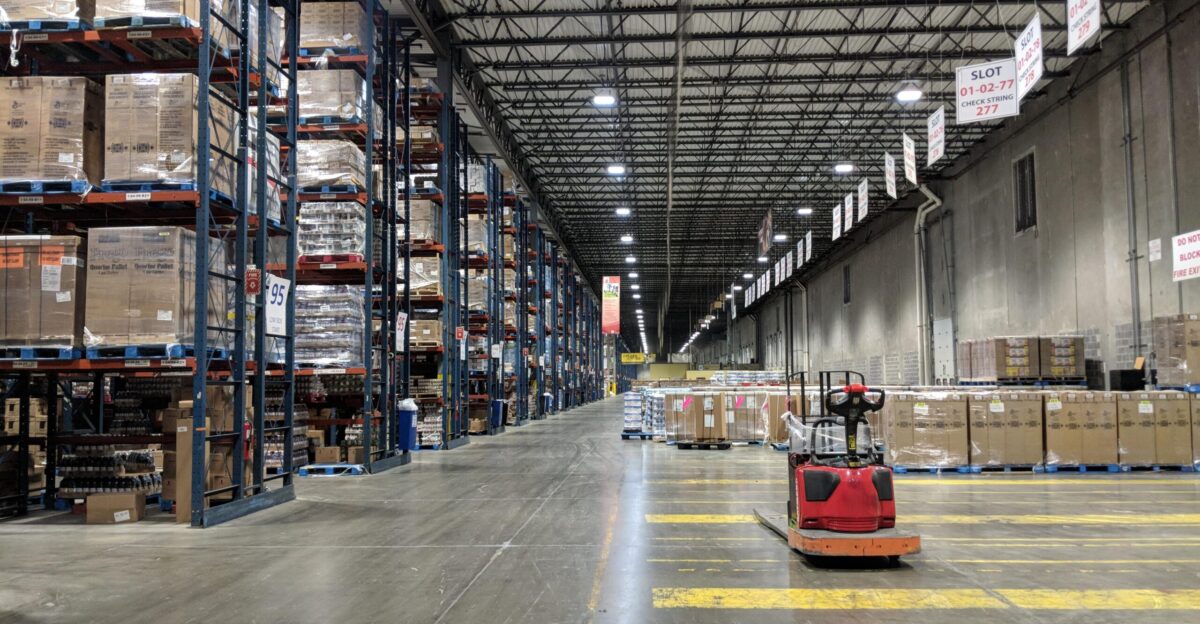
Stand in the bulk aisle and pause before adding anything to your cart. Ask honestly: will my household consume this before it spoils? If the answer hesitates for even a moment, leave it behind.
The best deals are the foods you actually eat. Warehouse clubs thrive on impulse purchases and high volumes. Savvy shoppers thrive on intention and honesty. Think before you buy.
Sources:
FOX News Digital interview with Andrea Woroch and Trae Bodge on bulk grocery pitfalls and waste
FOX News Digital article, “5 bulk grocery staples that might actually be a waste of money,” November 26, 2025
RTS “Food Waste in America in 2025: Statistics & Facts”
Michigan State University Extension guidance on American household food waste and bulk buying
University of Georgia study, “Demand for Household Food Waste”