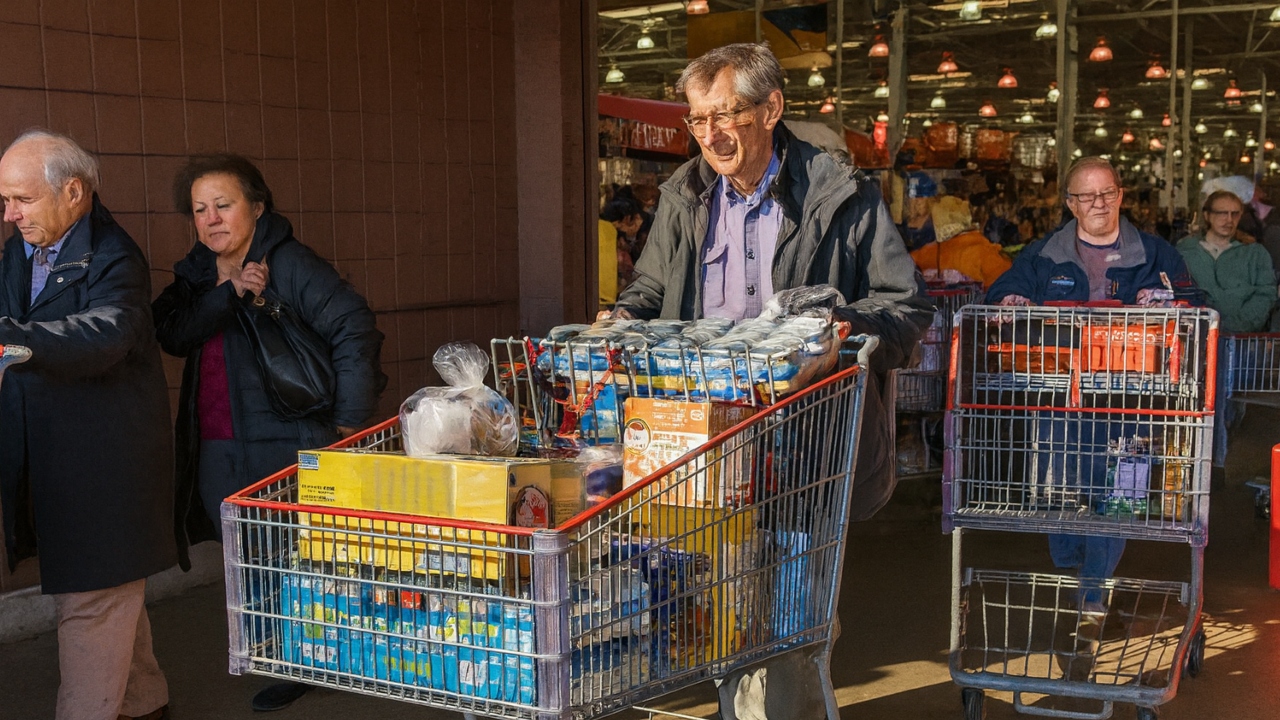
Shoppers flock to warehouse clubs for bargain prices and oversized packages, convinced they are cutting their grocery bills. Yet consumer experts say many households quietly lose money as food spoils before anyone can eat it, especially during the busy holiday season.
Money-saving specialist Andrea Woroch and shopping strategist Trae Bodge say the core problem is simple: people buy more than they can realistically use. Perishable goods, in particular, often deteriorate faster than families can consume them, turning apparent savings into costly waste. Studies on American food waste suggest that a significant share of household garbage comes from unused groceries, and bulk purchasing can amplify that pattern in smaller homes.
Woroch estimates that when a typical household throws away one to three bulk items a month, priced between four and twelve dollars each, the annual loss adds up to about fifty to one hundred fifty dollars. That figure covers only visible waste such as spoiled produce or dairy. It does not account for pantry items like spices and nuts that decline in quality slowly and may be discarded later. She calculates that households who shift from reflexive bulk buying to more targeted purchases can save roughly two hundred to four hundred dollars each year simply by reducing waste.
Why Big Packages are a Hidden Risk
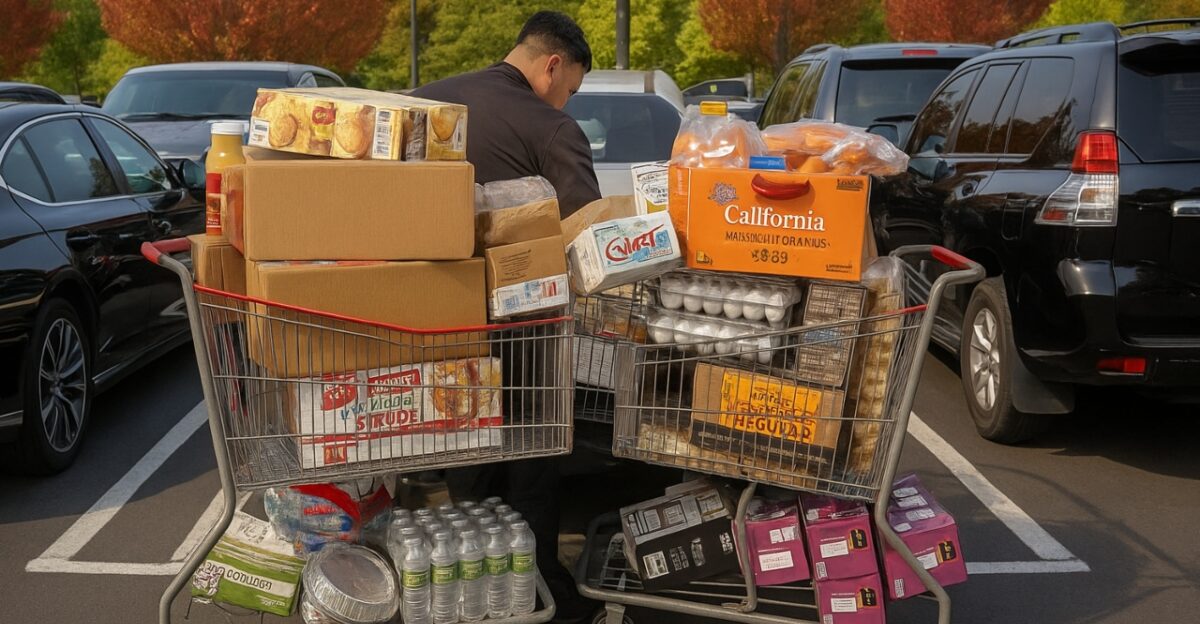
Warehouse clubs are built on volume. Their profits come from selling large quantities, not from whether members finish everything at home. Woroch points out that fresh items such as berries, bread, greens, and dairy are often bundled in sizeable packs that make sense for large families but not for single people or small households. If 30 to 40 percent of those large purchases spoil before use, the retailer still benefits while the buyer absorbs the loss.
Conventional supermarkets use a different strategy. Milk, for example, is frequently priced as a loss leader, sometimes undercutting warehouse prices on a per-unit basis. That means a shopper could pay less per gallon at a neighborhood store while also lowering the chance of having to discard sour milk.
Bodge and Woroch both argue that the best value comes not from the largest container but from matching package sizes to realistic consumption. Their rule of thumb: if you cannot finish it within its safe lifespan, skip the big size.
Holiday Stockpiling and Seasonal Waste
The problem tends to intensify in December. Families often prepare for big gatherings or multiple parties and load carts with extra fruit, greens, bread, and dairy. But plans change, events are smaller than expected, or leftovers prove less appealing than anticipated. By early January, many kitchens are clearing out moldy bread, wilted salads, and overripe produce.
Experts advise pausing before seasonal stock-ups and asking whether each item has a specific use and date attached. That simple check—who will eat it, and when—can prevent well-intended holiday purchases from ending up in the trash.
High-Risk Bulk Items
Some products are especially likely to go bad in bulk for small or moderate-size households:
Berries and other soft fruit have very short shelf lives. Large clamshells of strawberries or raspberries can look like smart buys, but Woroch notes smaller homes rarely finish them before mold appears. If half of a twelve-dollar package ends up in the bin, the effective price per pound doubles.
Pre-cut fruit salads carry another financial penalty. Bodge says these mixes often cost about twice as much as buying whole fruit. The convenience premium can reach a 100 percent markup, and the cut fruit spoils quickly, leaving little time to recoup the extra cost through actual consumption.
Other common trouble spots include bulk bags of avocados and bananas, which ripen simultaneously and may outpace a family’s appetite. Woroch recommends buying avocados and bananas in smaller groups at different stages of ripeness from standard grocery stores, extending the eating window and cutting waste.
Leafy greens, especially large containers of spinach and salad mixes, also deteriorate rapidly. Moisture trapped in big tubs causes the lower layers to turn slimy within days. Bodge notes that once the unusable portion is factored in, smaller packages from regular supermarkets can be just as economical.
Dairy products like milk and yogurt present their own challenges. Multiple gallons can spoil before smaller households finish them, even if the per-unit price looks attractive. Large tubs of yogurt may hit their expiration date while still half full. Experts suggest buying one gallon of milk at a time and choosing smaller yogurt containers or individual cups to better match actual intake.
Bakery items and pantry staples can quietly waste money as well. Fresh loaves without preservatives go stale or moldy quickly when sold in multi-packs. Spices begin losing potency at around six months, making giant jars a poor fit for infrequent cooks. Nuts, with their high oil content, can turn rancid in warm pantries unless stored in the refrigerator or freezer.
Strategies to Turn Bulk Into Real Savings

Despite the pitfalls, Woroch and Bodge say warehouse memberships can still pay off if shoppers are selective. They recommend focusing on single-ingredient staples with long shelf lives: flour, sugar, rice, dried beans, and similar items that store well and are used regularly. Store-brand versions of these basics often offer the strongest value.
To manage larger quantities of shelf-stable goods, they stress the importance of airtight containers for crackers, nuts, grains, and spices. Transferring items as soon as they come home helps limit exposure to air and humidity, extending freshness and improving the odds that everything will be consumed.
For perishable bargains, collaboration can make the numbers work. Bodge suggests splitting big packages with neighbors, friends, or extended family. One household can take part of a large berry pack, another can share dairy or bread, and a third can divide pantry items. This approach allows everyone to benefit from lower per-unit prices without bearing the full risk of spoilage.
Before the next bulk shopping trip, the experts advise a simple test in the aisle: will this item be fully used before it spoils or goes stale? If the answer is uncertain, leaving it on the shelf may be the biggest savings of all. In their view, the real bargain is not the lowest sticker price but the groceries that are actually eaten.
Sources
FOX News Digital interview with Andrea Woroch and Trae Bodge on bulk grocery pitfalls and waste
FOX News Digital article, “5 bulk grocery staples that might actually be a waste of money,” November 26, 2025
RTS “Food Waste in America in 2025: Statistics & Facts”
Michigan State University Extension guidance on American household food waste and bulk buying
University of Georgia study, “Demand for Household Food Waste”