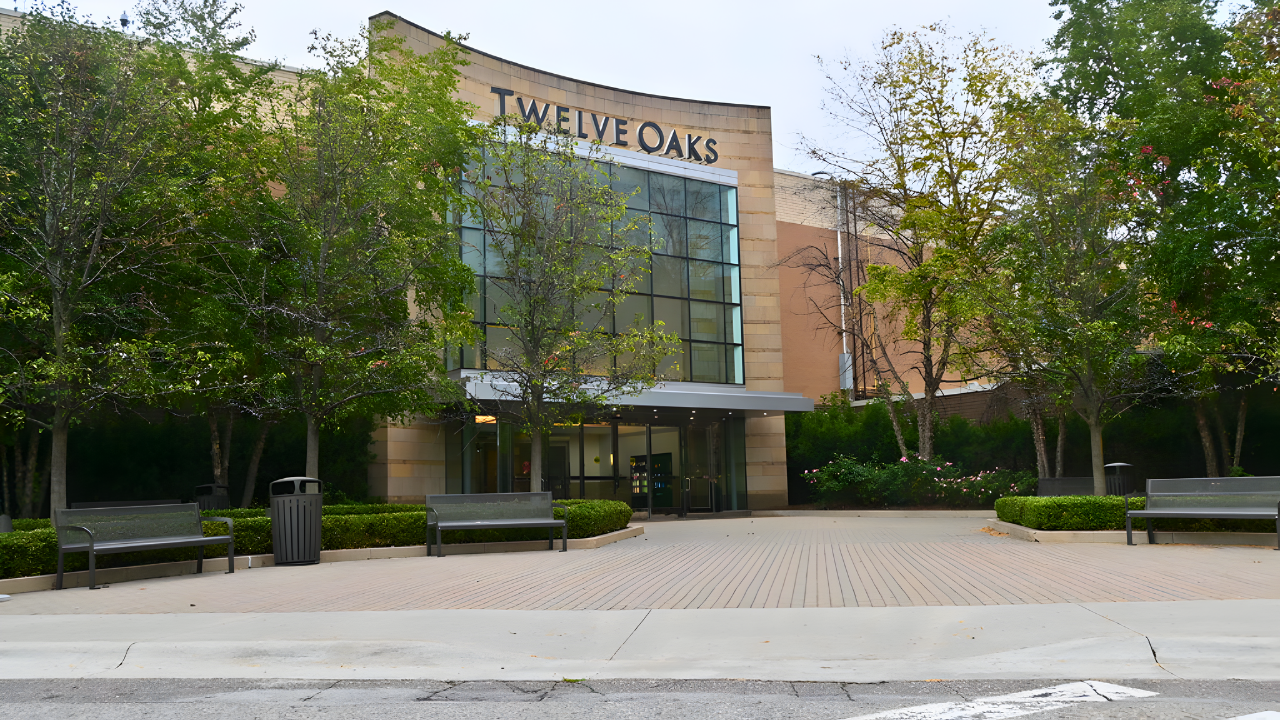
Taubman Centers, the 75-year-old Michigan-based mall developer that shaped American retail, ceased to exist as an independent company in November 2025. Simon Property Group, an Indianapolis-based real estate investment trust, completed its acquisition of the final 12% stake, achieving 100% ownership of Taubman Realty Group.
This consolidation brings under unified management 22 shopping centers across the United States, South Korea, and China. The acquisition triggers immediate consequences: 105 employees at Taubman’s Bloomfield Hills headquarters face permanent layoffs beginning January 9, 2026—marking the end of nearly eight decades of independent Michigan corporate operations.
Five Years of Strategic Acquisition: How Simon Methodically Absorbed Taubman
Simon Property Group began acquiring Taubman incrementally during the COVID-19 pandemic. In 2020, Simon purchased an 80% stake for $3.4 billion, establishing operational control while leaving Taubman nominally independent.
The company then acquired an additional 4% in December 2023 and another 4% in December 2024, each time strengthening its grip. On November 3, 2025, Simon completed the final 12% acquisition by exchanging 5.06 million limited partnership units, achieving complete ownership. This methodical five-year strategy eliminated the need for Taubman’s independent governance structure entirely.
Direct Impact: 105 Jobs Lost in Michigan

On November 10, 2025—one week after the sale closed—Taubman filed a Worker Adjustment and Retraining Notification (WARN) Act notice with Michigan state authorities. The filing confirmed permanent closure of its corporate headquarters at 200 East Long Lake Road in Bloomfield Hills, Michigan. All 105 corporate employees will be terminated beginning January 9, 2026.
This represents a devastating loss of mid-to-senior management positions in Michigan’s retail real estate sector. Affected workers face immediate career transition challenges, with only seven weeks’ notice before final termination dates take effect.
Corporate Consolidation: Simon’s Operational Overlay

CEO David Simon outlined his integration strategy, emphasizing deployment of the company’s “expertise in development, redevelopment, leasing, marketing, and brand ventures” across Taubman’s portfolio.
Simon explicitly plans to increase occupancy rates at Taubman properties to match Simon’s operational standards and introduce more kiosks and temporary leasing arrangements. This operational consolidation eliminates redundant corporate functions—explaining the 105-person reduction. Taubman’s independent management structure becomes completely obsolete under Simon’s unified command structure, with all decision-making authority consolidating to Indianapolis.
Portfolio Scope: 22 Shopping Centers Worldwide
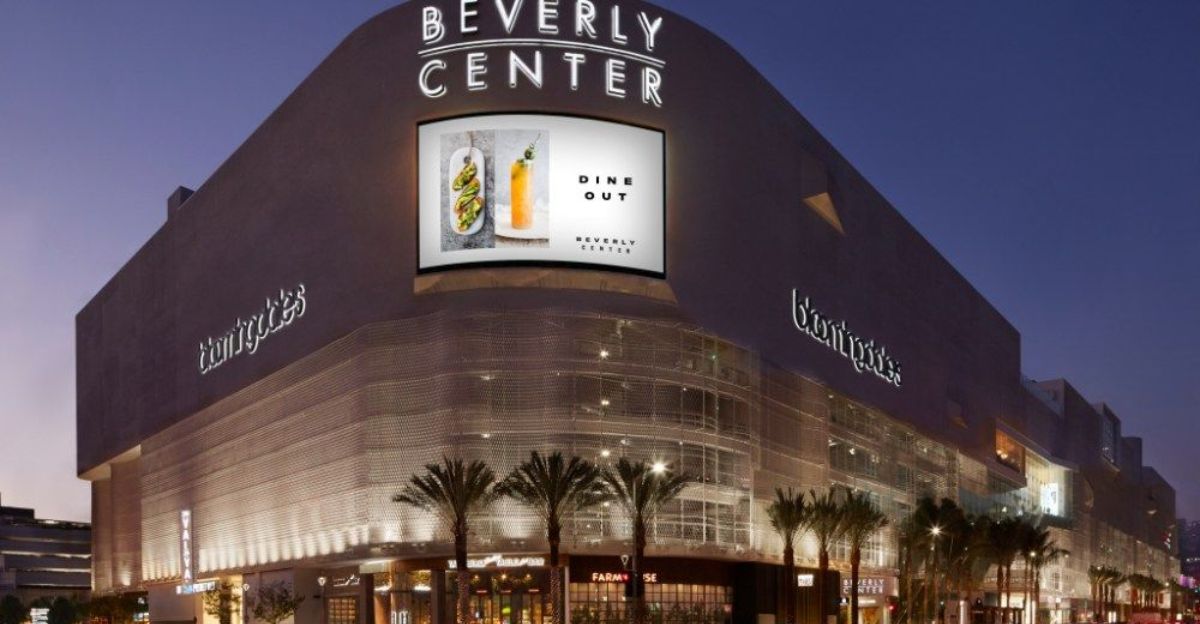
Taubman’s 22 shopping centers span three continents: 18 in the United States, 2 in South Korea, and 2 in China. The U.S. portfolio includes iconic upscale properties: Beverly Center (Los Angeles), The Mall at Short Hills (New Jersey), International Plaza (Tampa), Cherry Creek Shopping Center (Denver), The Gardens on El Paseo (Palm Desert), The Mall at Green Hills (Nashville), The Gardens Mall (Palm Beach Gardens), and The Mall at Millenia (Orlando).
This geographically diverse portfolio gave Taubman significant influence over premium retail real estate. Simon’s acquisition consolidates unprecedented control over luxury malls, reshaping competitive dynamics across the shopping center industry.
Michigan Legacy: The Last Taubman Malls

At the time of sale, Taubman operated exactly two shopping centers in Michigan: Twelve Oaks Mall in Novi and Great Lakes Crossing Outlets in Auburn Hills. Both properties now fall under Simon’s management structure.
Historically, Taubman developed multiple Michigan malls that remain operational under different ownership: Woodland Mall (Grand Rapids), Briarwood Mall (Ann Arbor), Fairlane Town Center (Dearborn), The Mall at Partridge Creek (Clinton Township), and Lakeside Mall (Sterling Heights)—which closed last year. The company’s first mall, North Flint Plaza, opened in Flint in 1953. Michigan consumers will now experience unified Simon management policies across remaining Taubman properties.
The Taubman Family’s Transformation: From Operators to Shareholders
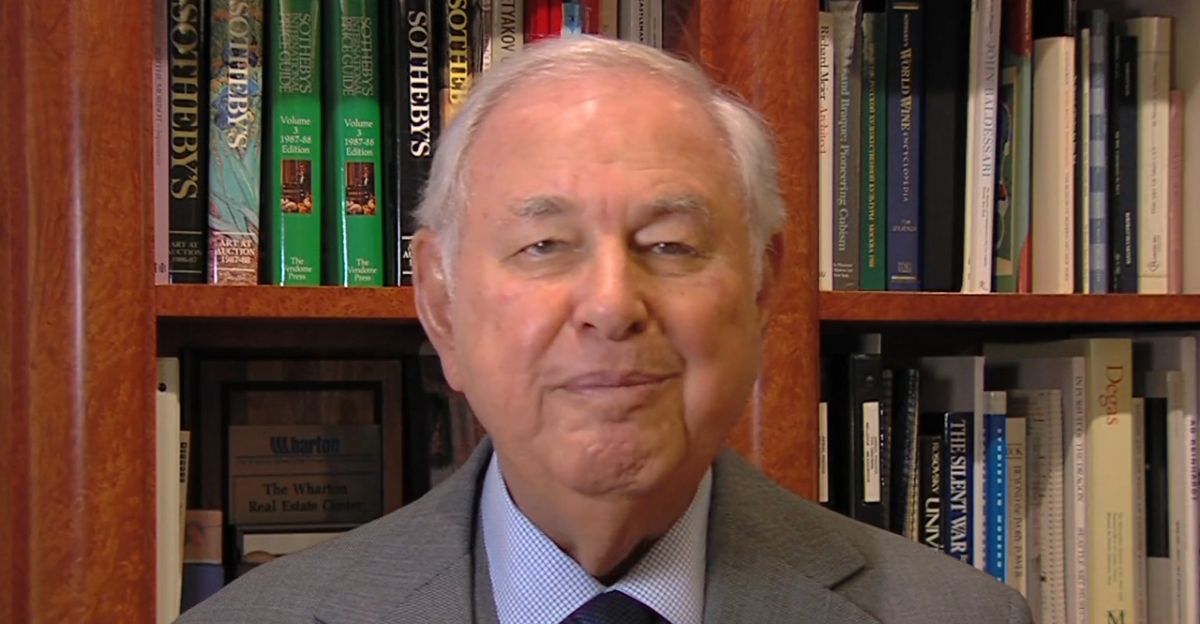
A. Alfred Taubman founded the company in 1950 and built it into an American retail real estate powerhouse before his death in 2015 at age 91. His son, Robert Taubman (CEO), and brother William Taubman transition from operational control to passive shareholder status.
Robert Taubman issued a statement: “I want to thank everyone at Taubman, present and past, for their contributions to our success over the 75 years since our founding by my father Alfred.” The Taubman family retains significant Simon shareholdings, providing financial upside but zero decision-making authority. The family’s operational legacy ends completely.
WARN Act Compliance and Labor Scrutiny

The November 10 WARN Act filing triggers formal state and federal labor oversight of the layoff process. Michigan’s Department of Labor and Economic Opportunity must monitor compliance with notification requirements and ensure workers receive mandated severance information.
Labor advocates and state economic development officials scrutinize whether incentives could have retained Taubman’s headquarters. Policymakers examine whether corporate consolidation trends—particularly loss of Michigan headquarters—warrant policy interventions. The closure becomes a case study for labor advocates highlighting how corporate mergers eliminate mid-level management employment in economically significant sectors.
Real Estate Market Consolidation: Reduced Competition Intensifies
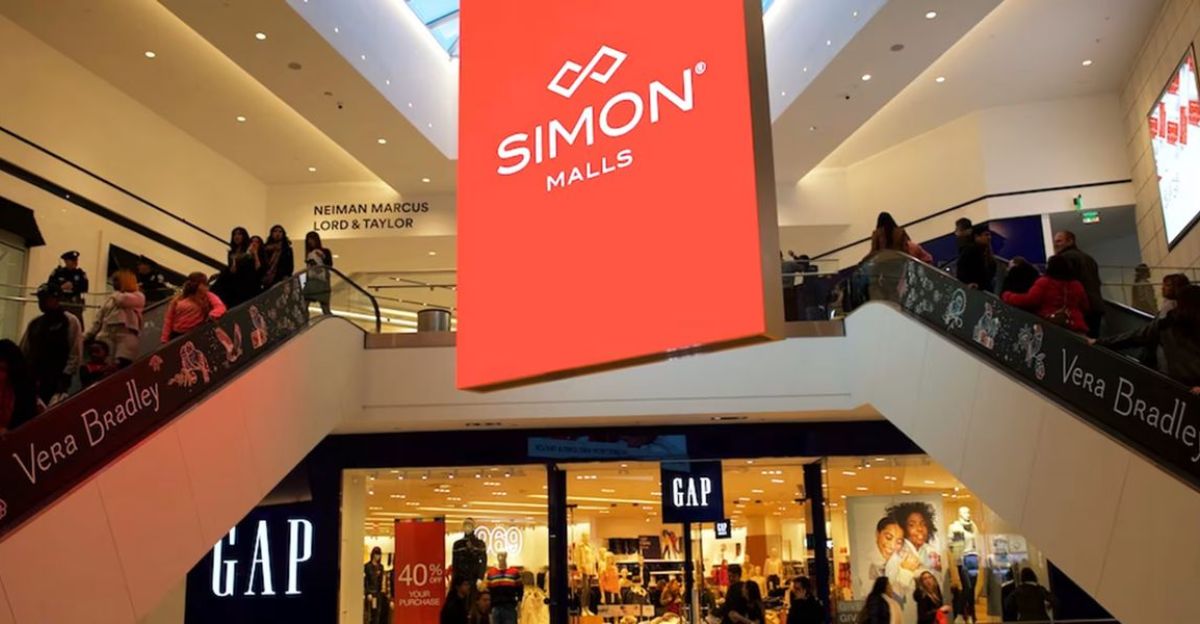
Simon Property Group now controls the nation’s largest portfolio of upscale shopping centers across multiple continents. Competing mall operators—including Brookfield Property (Miami Design District, Brookfield Place New York, Ala Moana Center Hawaii) and Unibail-Rodamco-Westfield (12+ U.S. malls)—face a significantly larger, better-capitalized rival.
This consolidation reduces competitive pressure on rents, tenant selection, and operational standards. Smaller regional mall operators lose comparable properties for benchmarking, disadvantaging them in negotiations with national retailers and service providers. Market dynamics shift decisively in Simon’s favor, potentially enabling higher rents and more favorable lease terms across the entire consolidated portfolio.
Retailer Strategy Shift: Tenant Negotiations Intensify
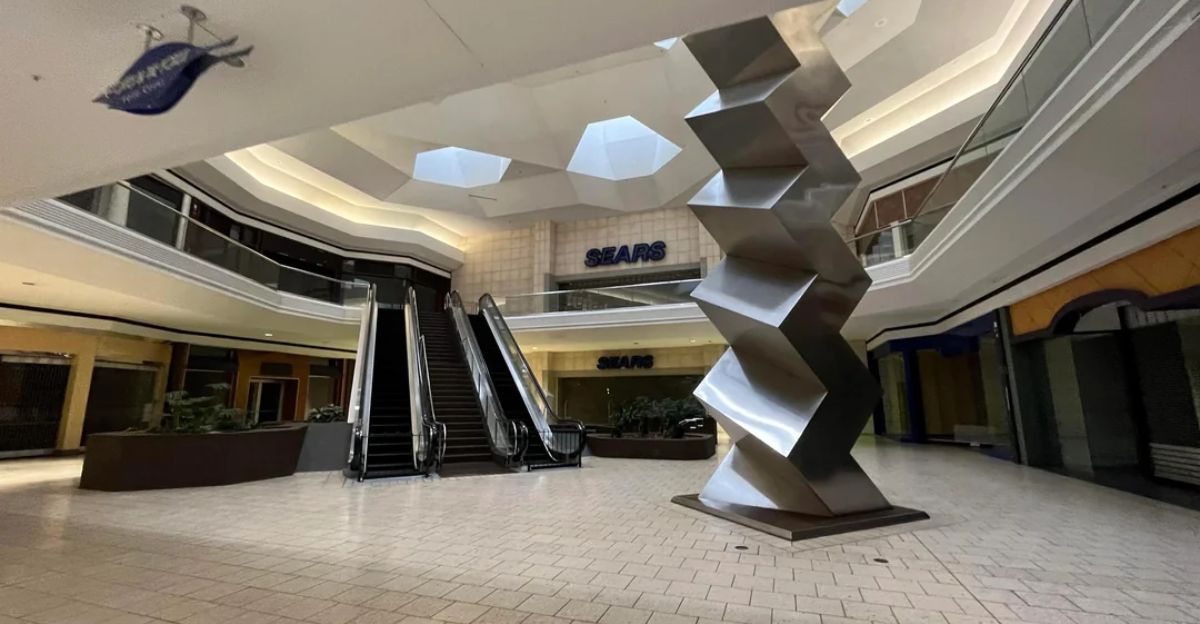
National retailers leasing space in Taubman malls now negotiate with Simon’s unified leasing apparatus rather than Taubman’s independent management. Simon’s scale enables demanding higher rents, longer lease terms, exclusive arrangements, and standardized lease templates.
Luxury brands face pressure to accept Simon’s terms with limited negotiating leverage. Independent retailers find it substantially harder to secure prime locations as Simon prioritizes national chains and flagship tenants. This shift concentrates negotiating power decisively in Simon’s hands, potentially raising occupancy costs for tenants across all 22 properties. Retailers must adapt to more rigid, standardized operating arrangements.
Hospitality and Dining: Restaurant Operators Face Significant Changes

Restaurants and food service operators within Taubman malls transition to Simon’s management and operational playbook. Simon emphasizes kiosks and temporary leasing arrangements, which may substantially reduce traditional full-service restaurant space. Food court operators and casual dining chains face rent increases or lease restructuring.
Simon’s operational focus on maximizing net operating income could systematically shift dining concepts toward higher-margin quick-service models. Hospitality workers in these malls may experience scheduling changes, reduced hours, or operational consolidation. The transition threatens job security for service workers while fundamentally altering the dining experience within these shopping destinations.
Service Providers and Vendors: Ripple Effects Beyond Headquarters
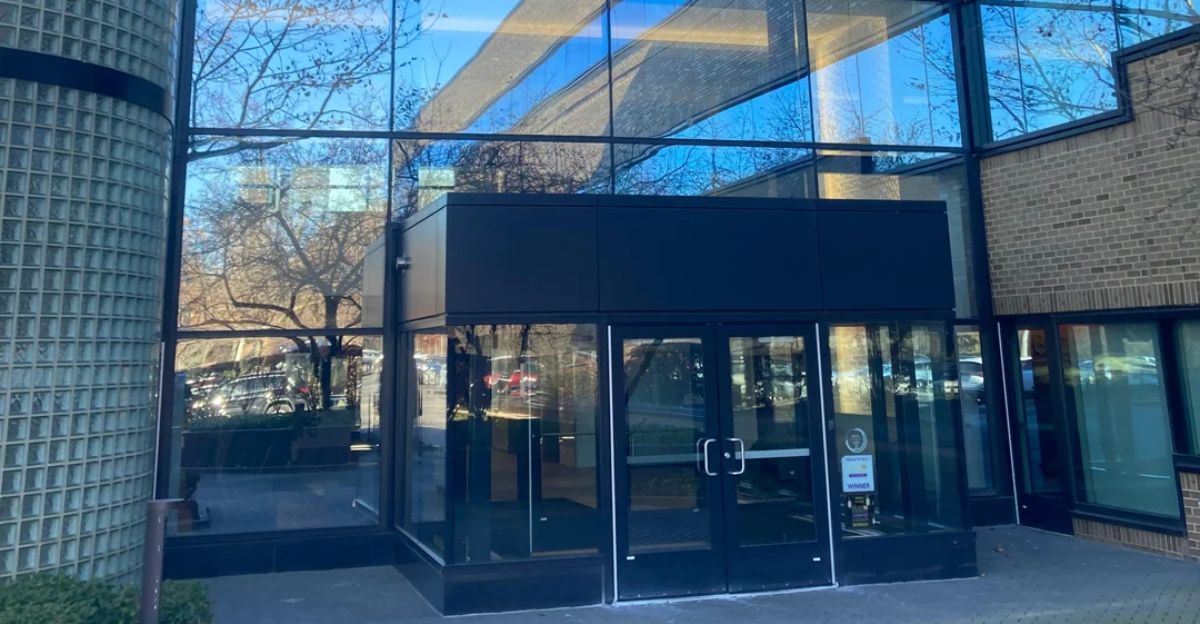
Taubman’s permanent closure of its Bloomfield Hills headquarters eliminates ongoing contracts with Michigan-based service providers: janitorial services, IT support, accounting firms, legal advisors, landscaping contractors, and office supply vendors.
These businesses lose a significant long-term client. Simon’s centralized Indianapolis operations will likely consolidate these services, systematically shifting spending away from Michigan vendors. Maintenance and security contractors at Taubman malls may face renegotiated contracts under Simon’s procurement standards. The economic ripple extends throughout Michigan’s professional services sector, affecting accounting firms, real estate consultants, and specialized service providers.
Consumer Experience: Standardization Across Regional Boundaries

Shoppers at Beverly Center, The Mall at Short Hills, and other Taubman properties will experience Simon’s standardized operational model over the next 12–24 months. Parking policies, tenant mix, promotional calendars, and customer service standards will align with Simon’s corporate guidelines. Consumers may appreciate consistency and broader tenant networks. Others will miss Taubman’s historically localized, curated approach.
Simon’s emphasis on kiosks and temporary leasing arrangements may reduce permanent retail options in certain categories. Luxury shoppers accustomed to Taubman’s sophisticated tenant curation may notice changes in brand availability, pricing strategies, and overall shopping atmosphere.
Health and Wellness: Mall-Based Services Under Profitability Review

Taubman malls historically hosted fitness centers, health clinics, and wellness retailers serving surrounding communities. Simon’s operational overlay may consolidate or eliminate these services if they don’t meet profitability thresholds. Gym memberships, physical therapy practices, and health-focused retailers may face higher rents or lease non-renewal.
Communities relying on mall-based healthcare access—particularly in suburban areas—could lose convenient medical services. Simon’s corporate focus on maximizing net operating income may prioritize luxury retail and dining over health and wellness tenants. This shift could accelerate consumer behavior toward standalone facilities outside traditional shopping centers.
Cultural Implications: The End of Independent Retail Real Estate

Taubman’s absorption into Simon symbolizes the complete consolidation of American retail real estate operations. Truly independent mall operators have largely vanished from the landscape; regional players face mounting pressure to sell or merge. This trend raises profound cultural questions about local control, community identity, and homogenization of American shopping experiences.
Preservationists worry that Simon’s standardized approach erases the distinctive character of iconic malls like Beverly Center and The Mall at Short Hills. Urban planners debate whether mega-REITs prioritize shareholder returns over community needs, sparking broader conversations about corporate consolidation’s cultural and economic costs.
Market Winners and Losers: Uneven Distribution of Benefits
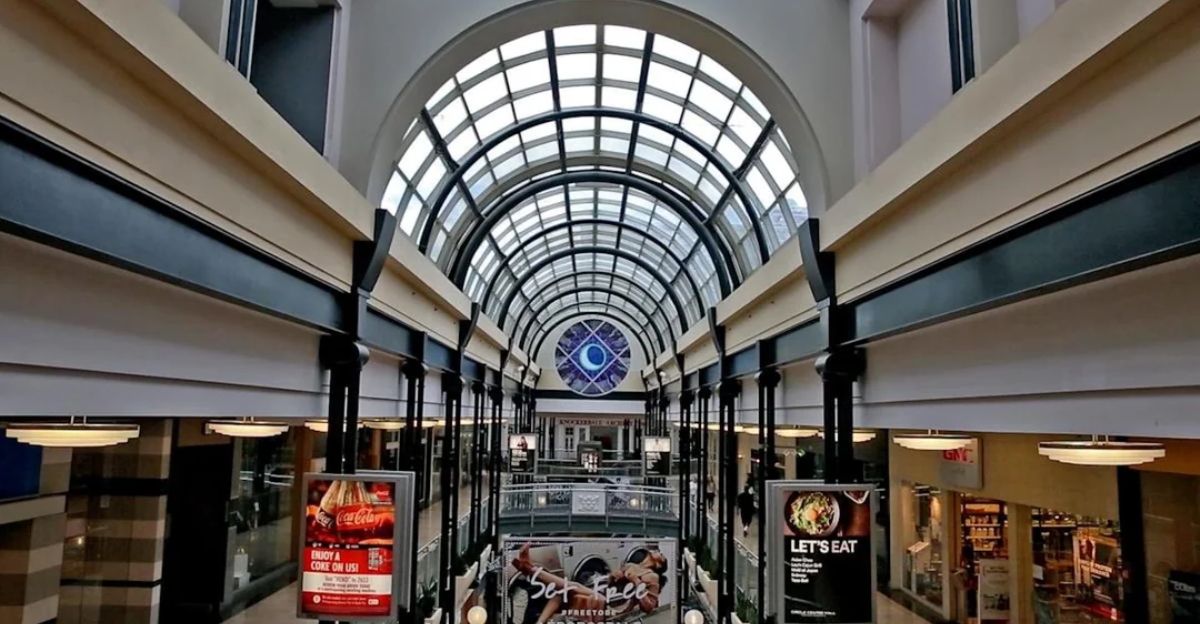
Simon Property Group shareholders benefit significantly from operational synergies, increased net operating income, and elimination of minority-interest complications. The Taubman family, retaining substantial Simon shareholdings, gains exposure to Simon’s broader portfolio and operational expertise while maintaining financial upside.
Simon’s ability to redevelop Taubman properties creates significant value potential. Conversely, 105 Taubman employees lose jobs; Michigan vendors lose contracts; small retailers lose negotiating leverage. Real estate consultants and investment advisors benefit from advisory fees related to the transition and portfolio restructuring. The acquisition creates clear winners and losers with minimal middle ground.
Market Speculation: Redevelopment Plans and Experiential Retail Strategy

Investors and analysts closely scrutinize Simon’s redevelopment plans for Taubman properties. CEO David Simon announced a “landmark deal” in Nashville involving ground-up, full-price retail and mixed-use development, signaling aggressive expansion beyond traditional mall formats. Analysts expect Simon to systematically introduce experiential retail, dining, entertainment, and mixed-use concepts to drive foot traffic and occupancy.
Real estate investment trusts focused on alternative formats—outlet malls, lifestyle centers, mixed-use developments—may face intensified competitive pressure. Stock analysts debate whether Simon’s acquisition price and integration costs justify expected financial returns, creating near-term volatility in REIT sector valuations.
Practical Consumer Guidance: What Shoppers Should Expect

Shoppers at former Taubman malls should expect gradual changes over 12–24 months: potential rent increases reflected in higher retail prices, systematic shifts in tenant mix toward national chains, and modified parking and service policies. Loyalty program members should clarify whether Taubman rewards transfer to Simon’s system.
Retailers should carefully review lease terms and prepare for renegotiations. Real estate investors should monitor Simon’s redevelopment announcements for emerging opportunities and risks. Affected employees should document tenure and explore career transitions before January 2026 layoffs accelerate. Communities should advocate for preserving local retail character and diversity during Simon’s operational transition period.
The Future of American Retail Real Estate

Taubman’s absorption into Simon reflects inexorable consolidation trends in American retail real estate. Independent mall operators have virtually disappeared; regional players face mounting pressure to sell or merge with larger entities. This trend raises critical questions about industry resilience: will mega-REITs like Simon successfully adapt to changing consumer preferences, or will they cling to traditional mall formats?
E-commerce competition, experiential retail demands, and post-pandemic work patterns continue fundamentally reshaping shopping center viability. Simon’s aggressive redevelopment strategy—emphasizing mixed-use, dining, and entertainment—suggests recognition that traditional retail faces existential pressures. The next five years will reveal whether scale and expertise can revitalize aging malls or accelerate decline.
One Company’s Fall, One Industry’s Transformation

Taubman Centers’ 75-year independent existence ended in November 2025 when Simon Property Group achieved complete ownership, triggering 105 layoffs and consolidating 22 shopping centers under unified management. Ripple effects extend far beyond Bloomfield Hills: retailers face renegotiated leases, consumers experience operational standardization, service providers lose contracts, and communities lose homegrown corporate presence.
This consolidation reflects deeper industry forces—e-commerce disruption, changing consumer behavior, and economics favoring scale-driven mega-REITs. Simon’s confident redevelopment agenda suggests belief in retail real estate’s future, though success depends on adapting to experiential, mixed-use models. Taubman’s story represents not an ending but transformation: from independent operator to integrated portfolio component within America’s dominant mall empire.