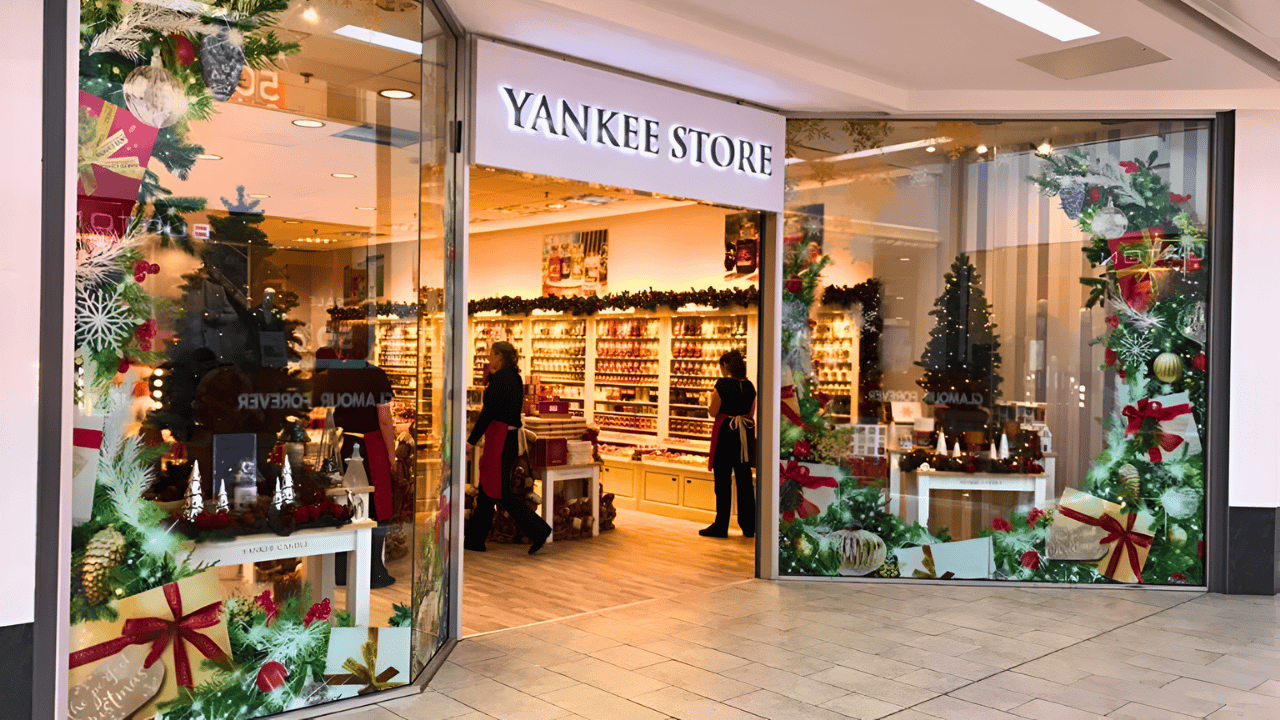
Newell Brands, the parent company of Yankee Candle and other consumer goods staples, announced a major restructuring in early December 2025 that will eliminate more than 900 jobs—roughly 10% of its workforce—and close approximately 20 Yankee Candle locations across North America by early 2026. The timing, arriving just before the holiday shopping season, underscores the urgency behind the company’s turnaround efforts and reflects broader pressures reshaping the retail landscape.
The Performance Crisis Behind the Cuts
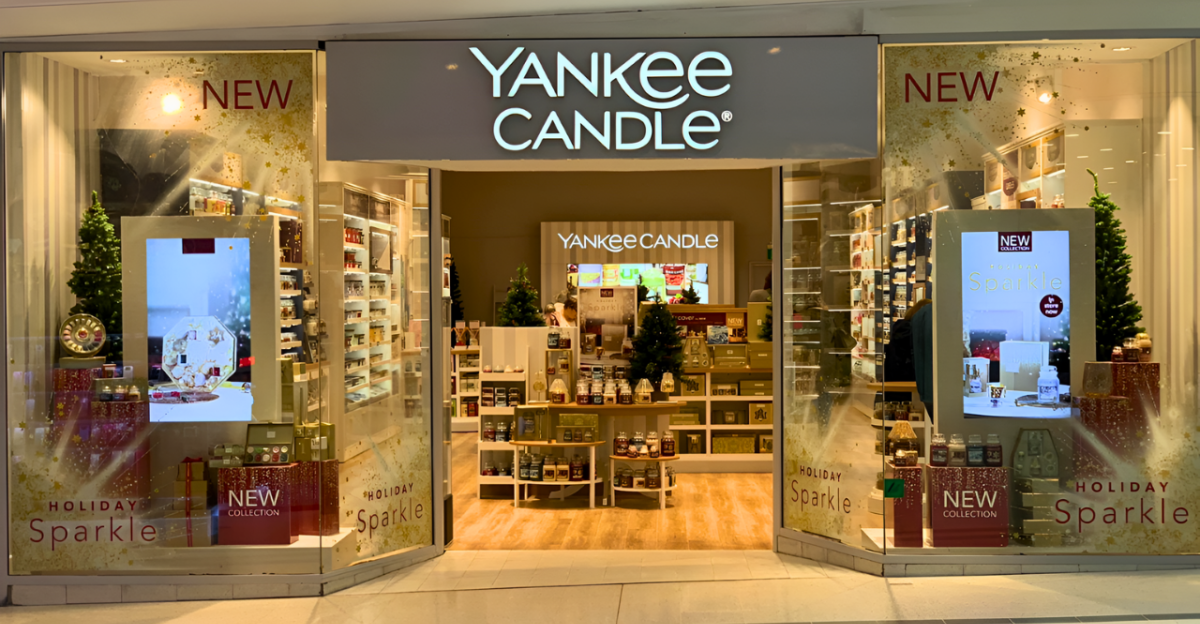
Newell’s decision stems from years of declining performance. The company’s stock has plummeted nearly 62% in 2025 alone, while third-quarter net sales fell 7.2% year-over-year. After launching a turnaround initiative in 2023, the company has struggled to reverse its trajectory despite efficiency improvements. The restructuring, expected to cost up to $90 million, aims to generate $130 million in cost savings over time through automation, artificial intelligence deployment, and operational streamlining.
The company faces headwinds common across the retail sector: shifting consumer preferences toward e-commerce, inflationary pressures, tariff impacts, and moderated consumer spending. Legacy brands like Yankee Candle, once anchored by experiential brick-and-mortar retail, must now compete in a digital-first marketplace dominated by direct-to-consumer models and online giants.
Store Closures and Customer Access
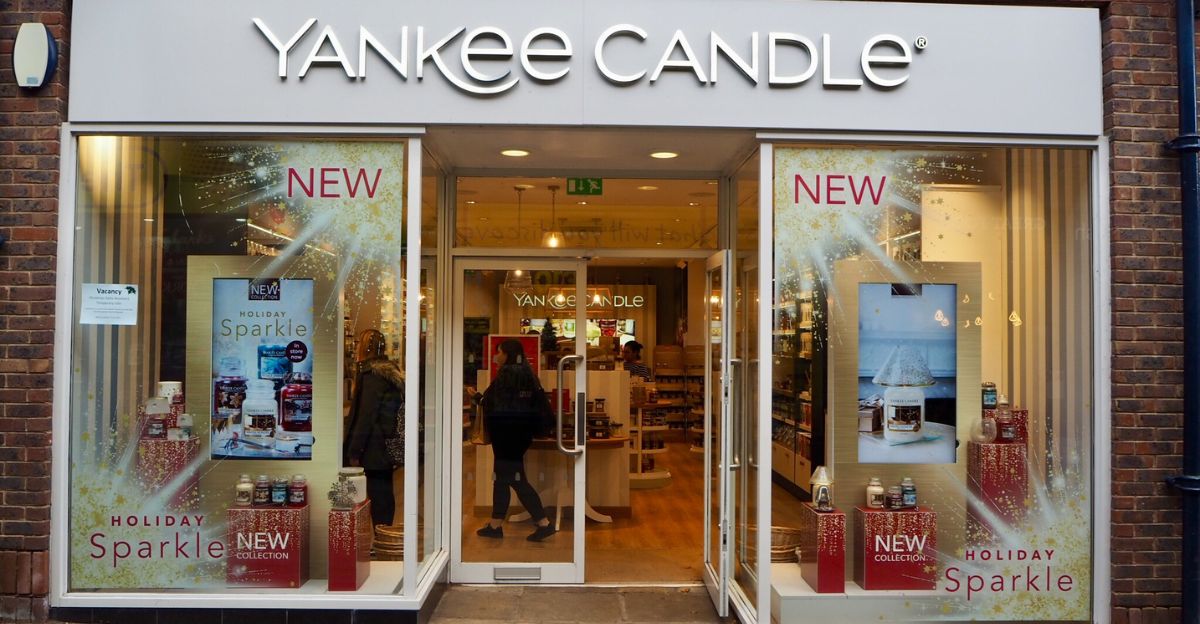
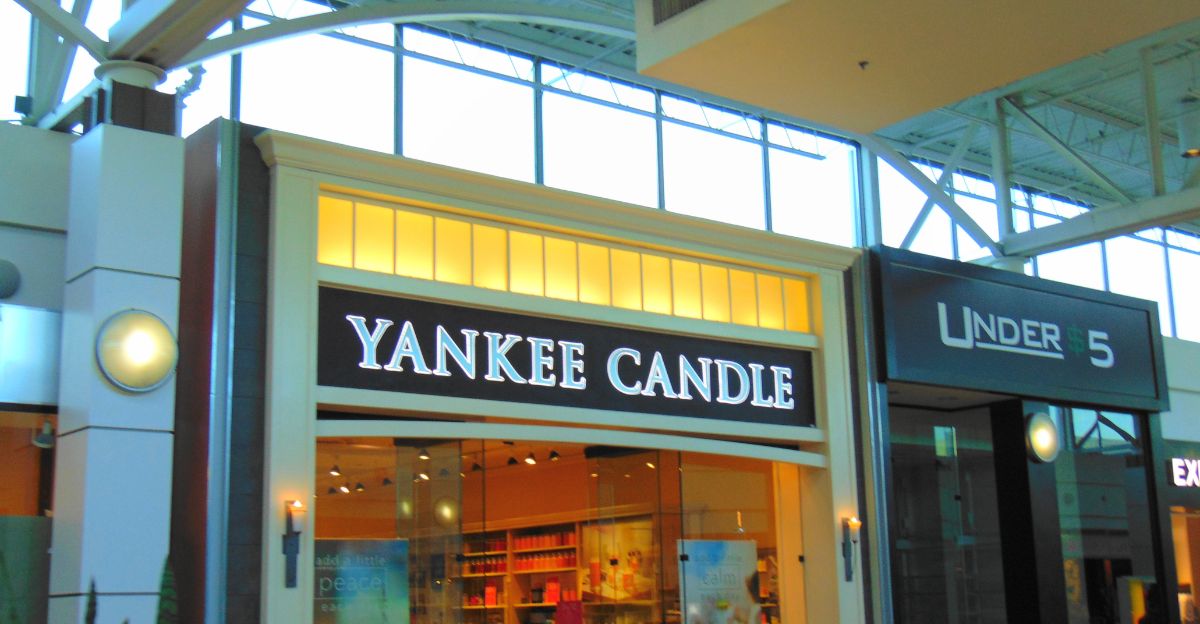
The closure of roughly 20 Yankee Candle stores represents a small fraction of total sales but signals a strategic retreat from physical retail. Customers accustomed to browsing seasonal releases and experiencing the brand’s signature scents in-store will increasingly rely on online channels. This shift mirrors broader retail trends, where consumers prioritize convenience and selection over tactile shopping experiences.
Competitors including Amazon, Etsy, Target, and Walmart stand to capture displaced customers seeking candle products and broader selections. Direct-to-consumer brands offering faster delivery and wider variety pose particular competitive threats to Yankee Candle’s market position, especially as the brand’s in-store visibility and impulse-purchase opportunities diminish.
The Human and Community Impact
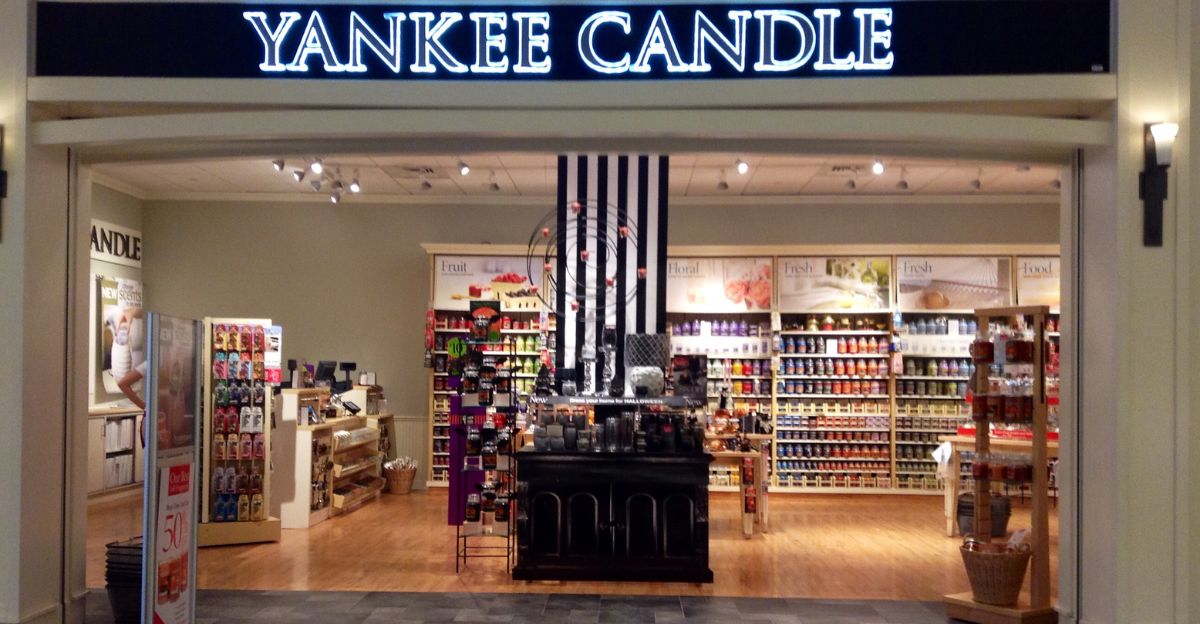
The layoffs, which began in December 2025, affect retail staff and professional employees during the year’s most financially vulnerable period. While Newell will provide severance packages, job loss during peak holiday spending creates immediate hardship for affected workers. Local economies and municipal tax bases in affected regions will also experience disruption.
The timing invites scrutiny from labor advocates and union organizers, who may view holiday-season layoffs as particularly problematic. Questions about executive compensation structures and the fairness of workforce reductions during the highest-spending period could generate reputational challenges and regulatory attention.
Digital Transformation and Operational Efficiency
The restructuring aligns with Newell’s broader pivot toward digital commerce and technology-driven operations. By reducing physical retail footprint and investing in automation and artificial intelligence, the company aims to improve operational efficiency and reduce labor costs. This strategy reflects industry-wide recognition that legacy retail models require fundamental transformation to remain competitive.
However, the shift carries risks. Reduced physical presence may erode brand engagement and customer loyalty, particularly among consumers who valued interactive retail experiences. Margin pressures from inflation and rising costs could force pricing adjustments in a price-sensitive market, potentially redirecting shoppers toward more affordable competitors.
Strategic Implications and Outlook
Newell’s restructuring represents a critical test of whether legacy consumer goods brands can successfully transition to digital-first models. The company’s success depends on whether cost savings translate into competitive advantages without compromising product quality or innovation. Yankee Candle’s established brand heritage remains an asset, but maintaining relevance in an increasingly crowded digital marketplace requires sustained investment and differentiation.
The broader implications extend beyond Newell. The restructuring illustrates how traditional retailers must adapt to fundamental shifts in consumer behavior and competitive dynamics. Whether this strategic pivot positions Yankee Candle for long-term viability or merely delays inevitable decline will become clearer as the company executes its digital transformation and cost-reduction initiatives through 2026 and beyond.
Sources
Newell Brands official press release and SEC filing (December 1, 2025)
CBS News, Reuters, USA Today reporting on December 1, 2025
Newell Brands Q3 2025 Earnings Report (October 31, 2025)
Nasdaq/Financial media analysis and Business Wire reports (December 1-2, 2025)