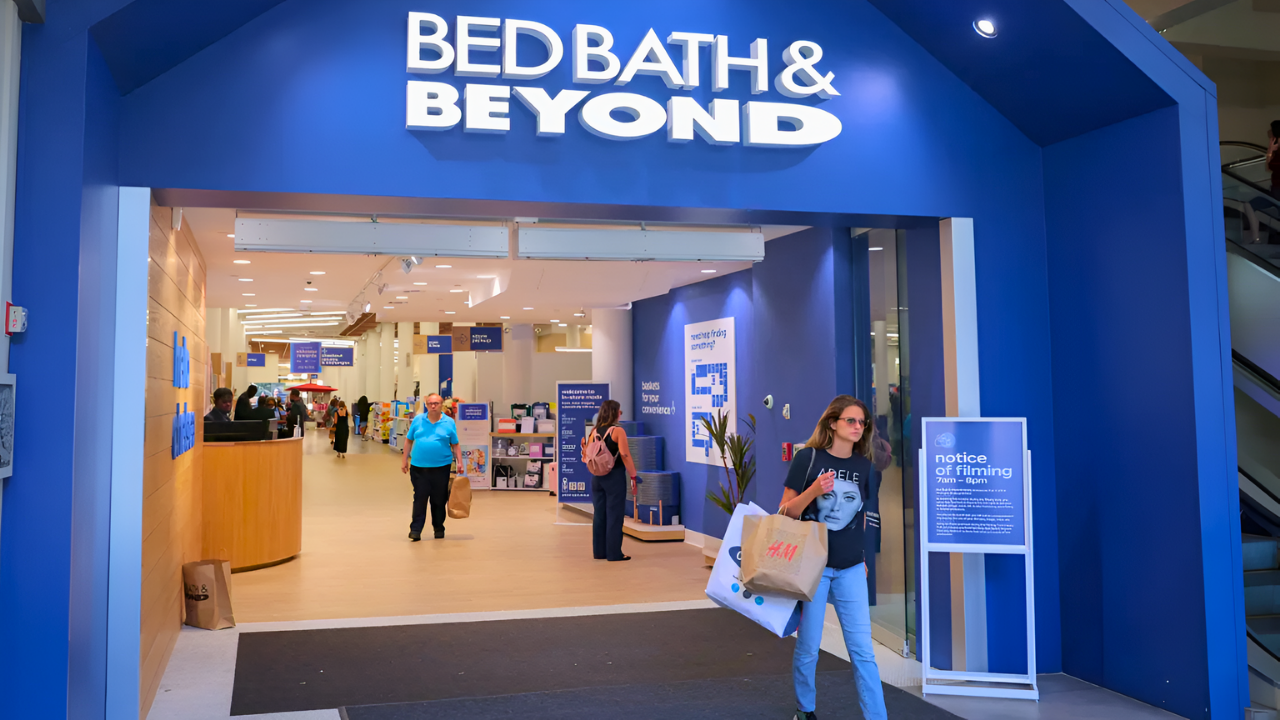
The announcement came suddenly—Bed Bath & Beyond, a brand once thought dead after its 2023 bankruptcy, was now acquiring The Brand House Collective in a $26.8 million deal. The merger, confirmed on November 25, 2025, was more than just a corporate move; it marked the rebirth of a brand previously left for dead.
Yet, as the ink dried, news followed that over 40 stores would close, leaving 2,000 workers scrambling for answers. But what led to this swift transformation from collapse to takeover? And what will this mean for the thousands of jobs and the retail landscape at large?
The Deal Details: Cost-Cutting and Store Closures
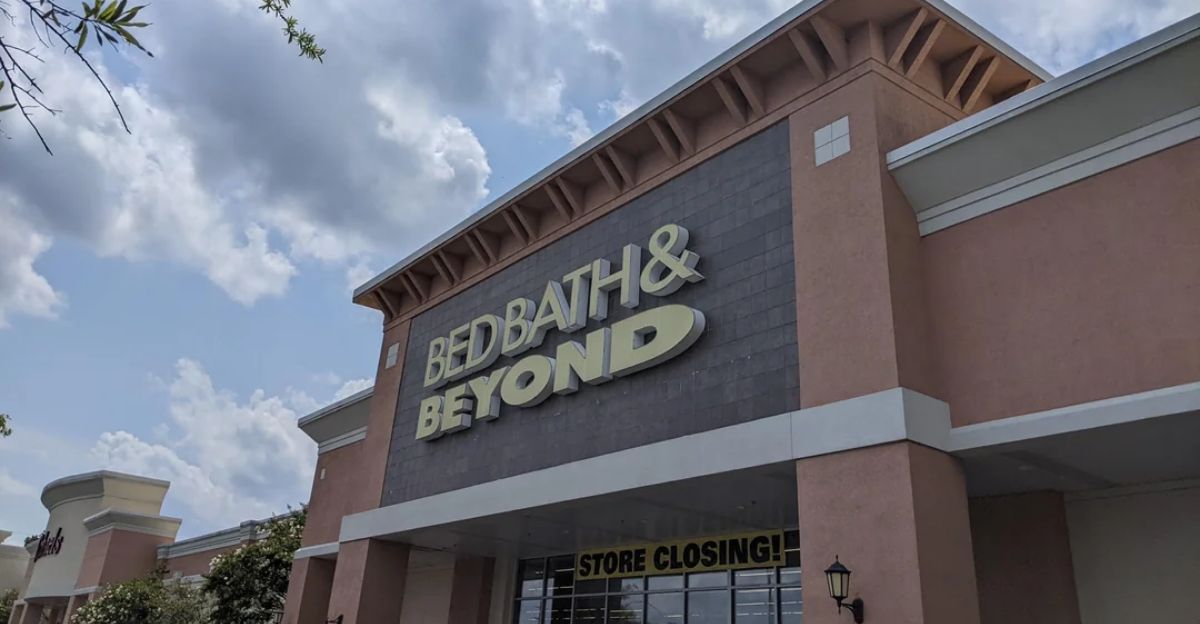
The $26.8 million acquisition will see Bed Bath & Beyond absorb The Brand House Collective, which was once known as Kirkland’s. Over 40 underperforming stores will close in early 2026, leading to the loss of thousands of jobs.
Bed Bath & Beyond plans to reduce costs by $20 million annually, eliminating overlapping functions and operational inefficiencies. The deal is still pending shareholder approval and Bank of America lender consent.
The 40-Store Shutdown: Jobs on the Line
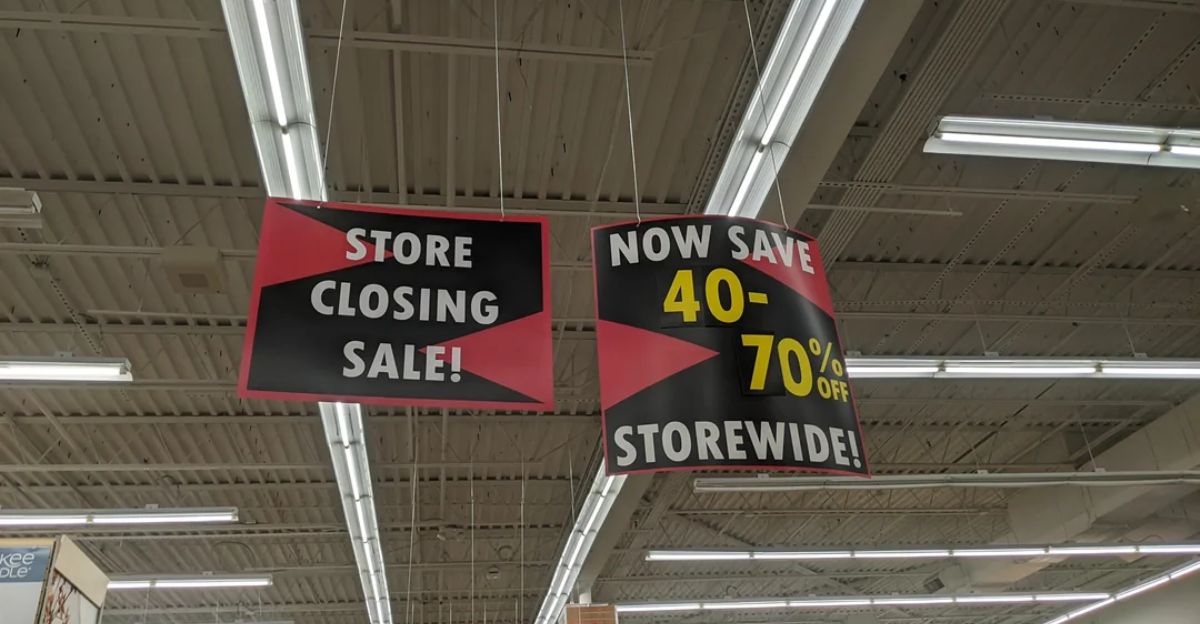
More than 2,000 retail workers are expected to lose their jobs, with 40 stores scheduled to close. These are real people: cashiers, stockroom supervisors, store managers, and visual merchandisers.
The closures come at a time when the retail industry is already under stress, with store closings predicted to rise across the U.S. This job loss crisis is exacerbated by an increasingly difficult labor market for retail workers.
The Ripple Effect on Shopping Centers
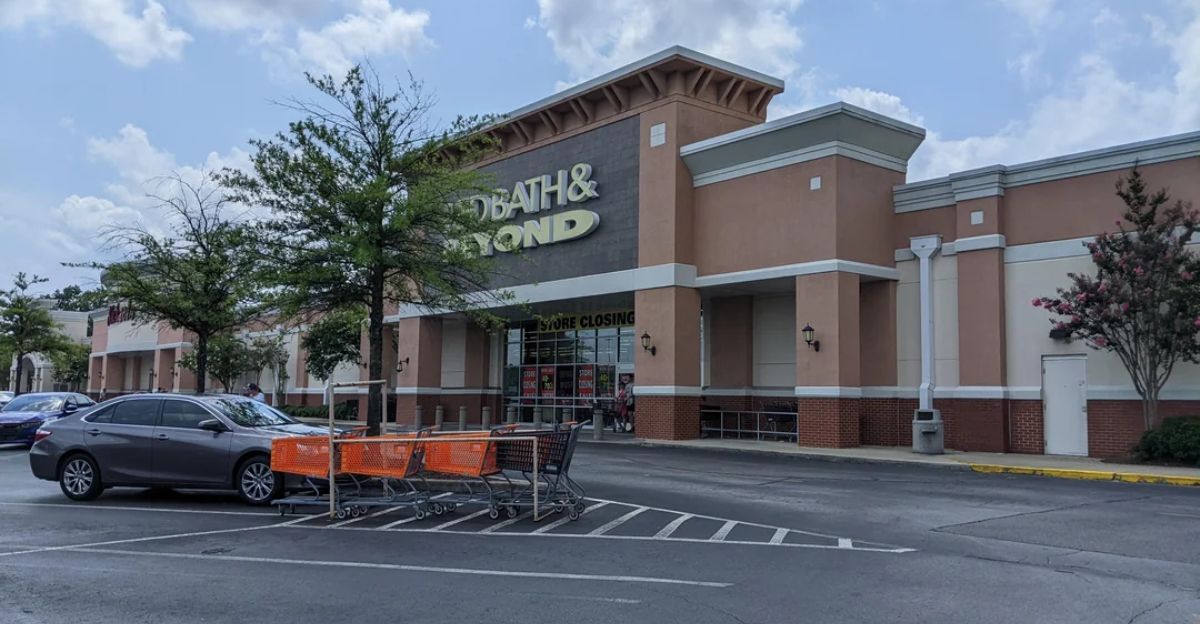
The closure of 40 stores will free up a significant amount of retail space—200,000 to 400,000 square feet—creating a ripple effect through shopping centers.
Shopping malls will lose a major anchor tenant, leading to decreased foot traffic, reduced rental rates, and lower tenant appeal. In many secondary markets, these closures will leave behind retail deserts with fewer shopping options for local communities.
Suppliers and Vendors Face Financial Strain
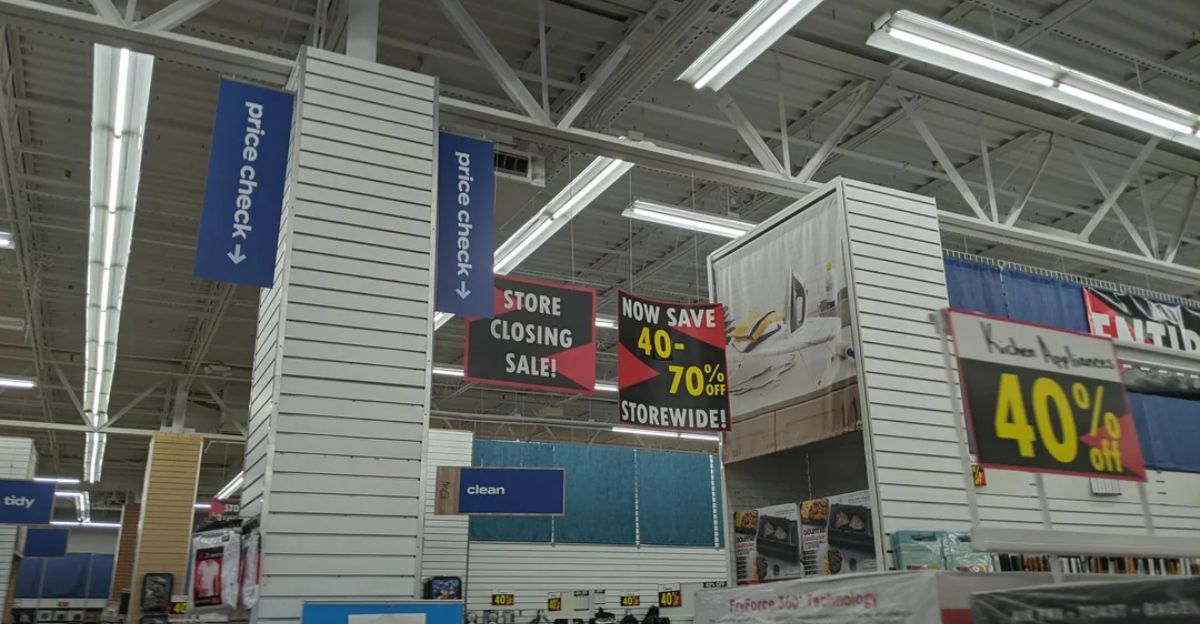
The store closures will also create financial strain for suppliers, as canceled purchase orders and returned inventory disrupt cash flow. Home goods manufacturers will see their orders shrink, as the merged company consolidates its vendor base and increases pricing pressure.
With larger buying power, Bed Bath & Beyond will push for better terms, putting additional stress on suppliers already dealing with tough global markets.
Competitors Set to Benefit
While Bed Bath & Beyond consolidates, competitors like IKEA and Wayfair are expanding aggressively. IKEA opened 66 new locations worldwide in 2025, growing their customer base significantly.
TJX’s HomeGoods stores have experienced growth, and these retailers are ready to capture customers displaced by the closures of Bed Bath & Beyond and The Brand House Collective.
Franchising Dreams Face Doubt
Bed Bath & Beyond’s franchise expansion plans were launched in October 2025, but the merger and store closures have created doubt about the company’s long-term strategy.
Potential franchisees may now reconsider investing in Bed Bath & Beyond stores, questioning whether the brand can sustain growth or is consolidating too quickly. The prospect of opening new locations has become uncertain, with many seeing it as a risky investment.
Marcus Lemonis Tightens His Grip
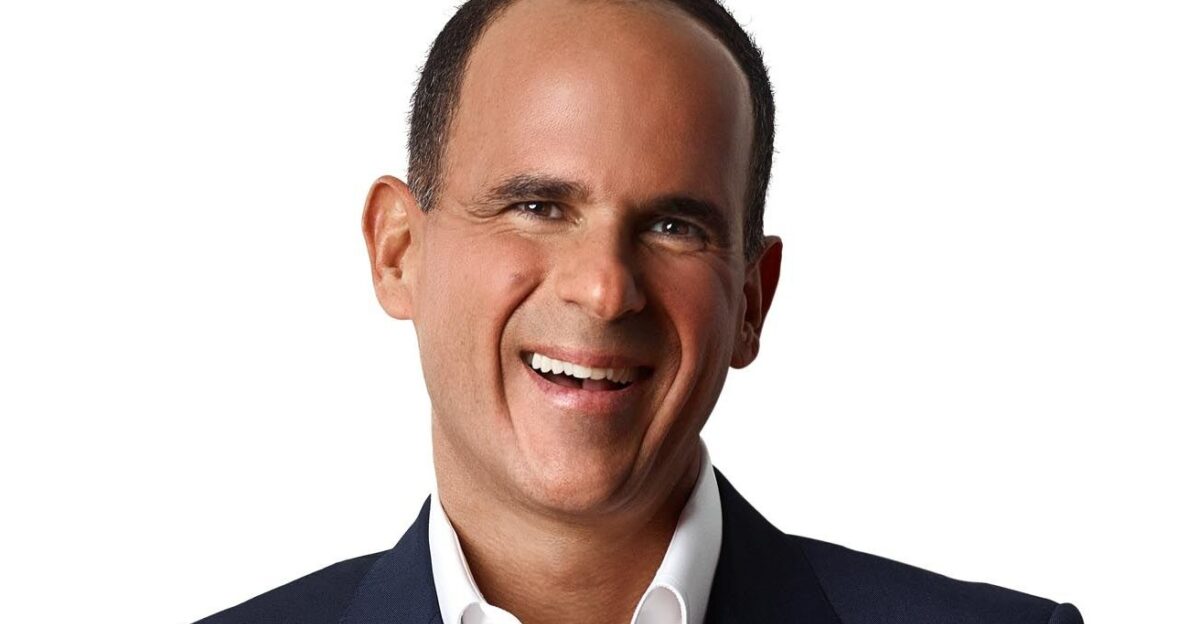
Marcus Lemonis, the star of CNBC’s The Profit, is leading Bed Bath & Beyond after the company parted ways with its CEO in March 2025. Lemonis aims to create a profitable, growth-focused retail conglomerate with a consolidated operations structure.
The newly formed Beyond Retail Group, headed by Amy Sullivan, will oversee Bed Bath & Beyond, BuyBuy Baby, Overstock, and Kirkland’s Home, signaling a shift toward tighter operational control.
The Resurrection of a Retail Zombie
Bed Bath & Beyond is emerging from the ashes of its 2023 bankruptcy, but the road to recovery is rocky. The brand, which was liquidated after filing Chapter 11 bankruptcy, has been revived by Overstock’s acquisition in 2023.
Despite reopening stores in 2025, it now faces another round of closures, fueling concerns about the sustainability of its revival. The “zombie retailer” perception looms large as it struggles to regain consumer trust.
The Home Goods Market Becomes More Concentrated
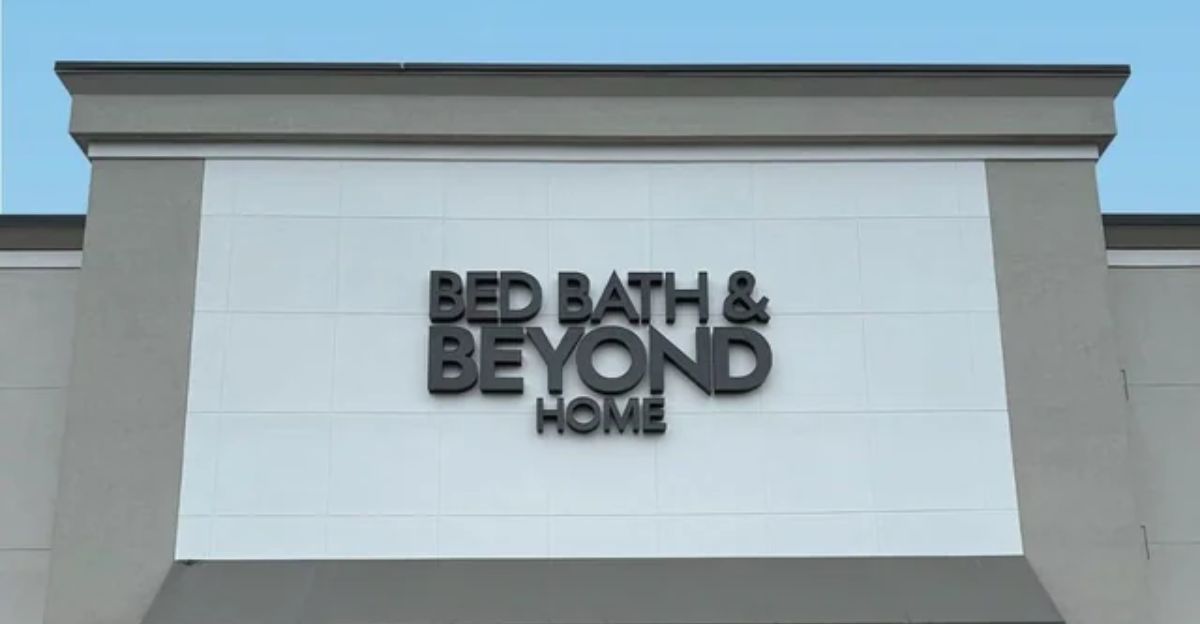
The merger between Bed Bath & Beyond and The Brand House Collective is part of a larger trend of consolidation in the home goods market. As the industry shrinks, only a few large players, like Amazon and IKEA, are gaining market share.
Mid-sized retailers, like Kirkland’s, are being squeezed out, unable to compete on price or selection. The consolidation wave is transforming the home goods landscape into a battleground for survival.
E-Commerce Tightens Its Grip
As physical stores close, e-commerce continues to dominate. Online shopping now accounts for 16% of total U.S. retail sales, with the home goods sector embracing digital-first strategies.
Consumers are shifting their shopping habits, preferring the convenience of browsing and ordering products online rather than dealing with the complexities of in-store shopping. Bed Bath & Beyond’s focus on omnichannel integration is a direct acknowledgment of this trend.
Small-Format Retail Falls Short
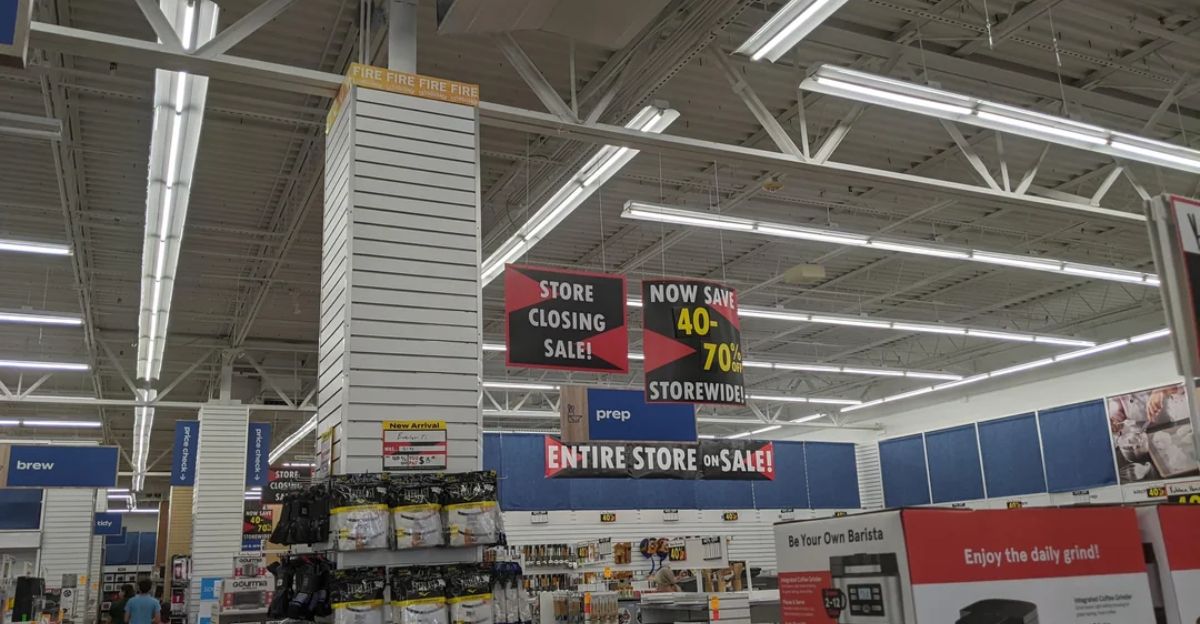
Small-format stores, like those created in the Bed Bath & Beyond-Kirkland’s partnership, were intended to revitalize the retail industry. However, the closure of over 40 small-format stores highlights the limitations of this strategy.
With lower revenue per location and higher fixed costs, small-format stores have proven less sustainable in the current market. Even in densely populated areas, these compact stores struggle to compete with the growing convenience of online shopping.
Retail Employment Becomes More Precarious
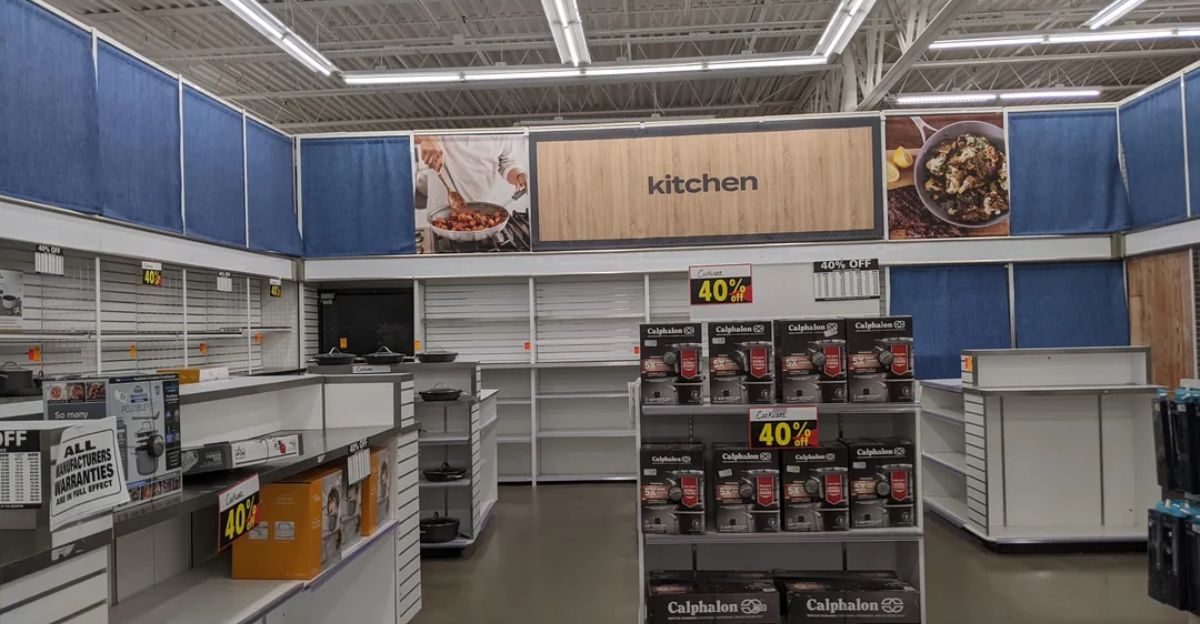
The layoffs resulting from store closures represent a deeper shift in the retail job market. With more stores closing and retail positions becoming increasingly part-time and seasonal, workers face an uncertain future.
As automation and digital solutions take over, full-time retail jobs with benefits and stable hours are disappearing, replaced by precarious, low-security positions. Retail employment is becoming less predictable, with fewer opportunities for career growth.
Secondary Markets Face Retail Deserts
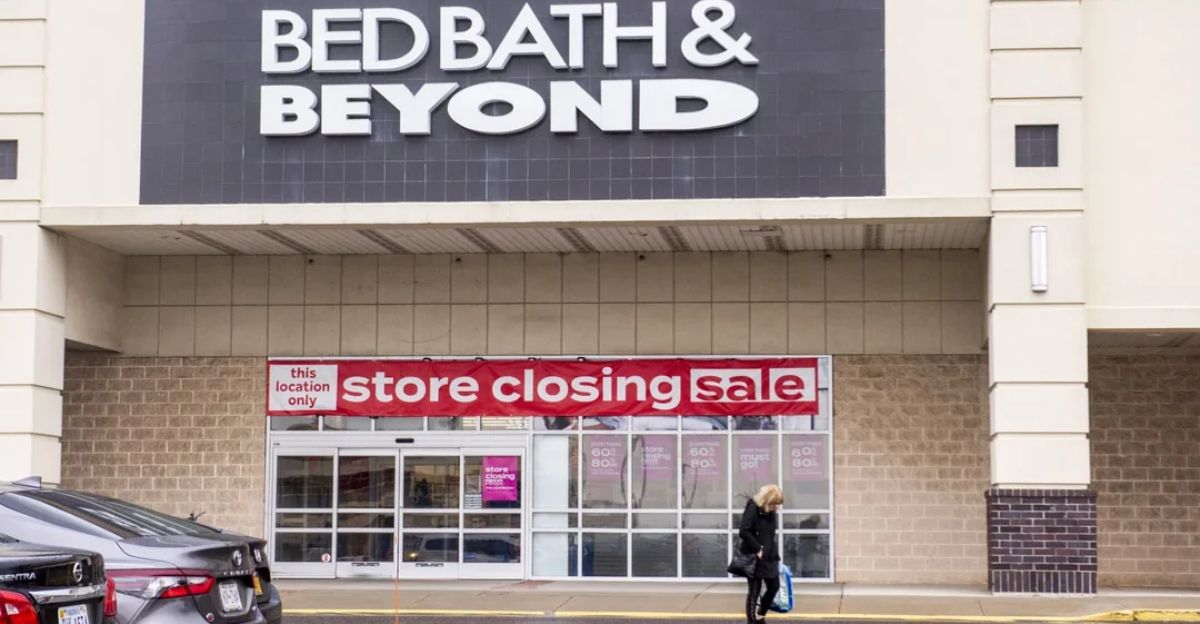
When stores like Kirkland’s and Bed Bath & Beyond close in secondary markets—smaller cities, suburbs, and rural areas—it can leave residents with fewer shopping options.
These regions will face retail deserts, where the lack of affordable home goods retailers leads to fewer price choices and higher costs. Urban centers may be able to shift to larger retailers, but for smaller communities, the loss of these stores can be devastating.
Sustainability Debate Gets More Complex
While closing 40 stores reduces energy consumption and waste, the environmental impact of increased e-commerce is undeniable.
Online shopping leads to more packaging waste, carbon emissions from delivery trucks, and higher energy usage from warehouses. The shift from physical stores to digital shopping is complicating the sustainability narrative in the home goods market, with some gains offset by new challenges in logistics and packaging.
Unexpected Winners Emerge
As legacy retailers consolidate and close stores, discount chains like TJX and Ross Stores thrive. These companies are capturing customers who are increasingly looking for affordable home décor and furniture.
Online resale platforms, such as Facebook Marketplace and Poshmark, are also benefiting from the shift, offering second-hand furniture and décor at competitive prices. These “unexpected winners” are capitalizing on the changes in consumer behavior.
Investor Sentiment Turns Cautious
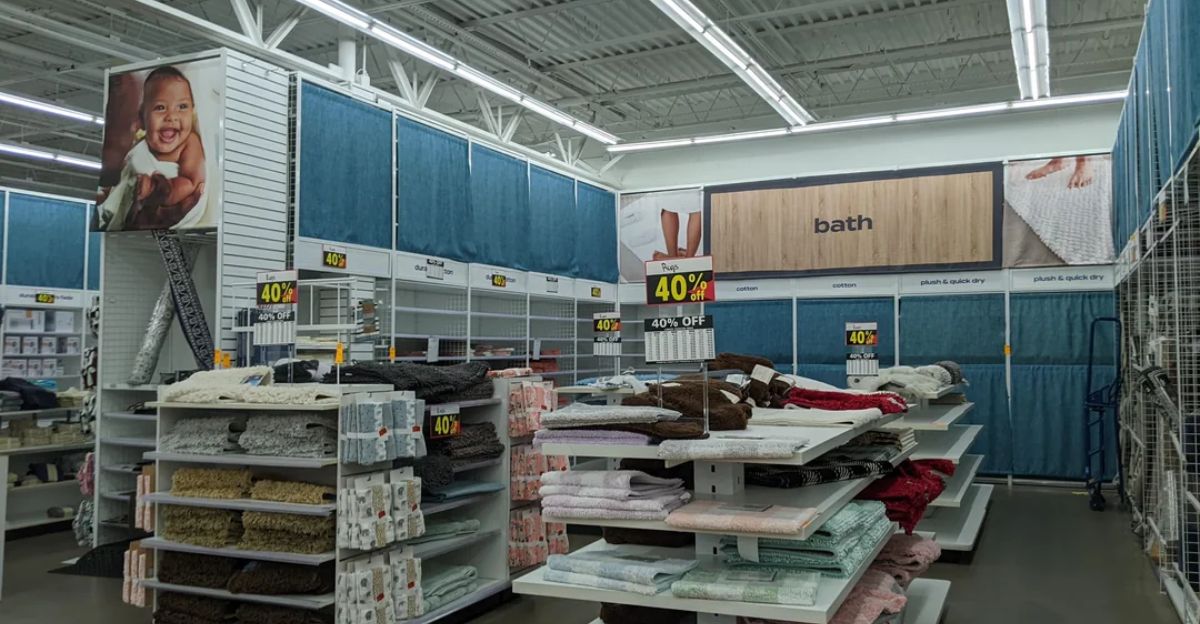
While the retail sector has seen a surge in investor optimism, Bed Bath & Beyond’s latest merger and store closures send a signal of caution. Retail stocks, particularly in the home goods space, are facing increased uncertainty, with bankruptcies and restructurings on the rise.
The Bed Bath & Beyond–Brand House Collective merger serves as a reminder that brick-and-mortar retailers are in a constant struggle to remain viable in an increasingly digital world.
What to Do Now
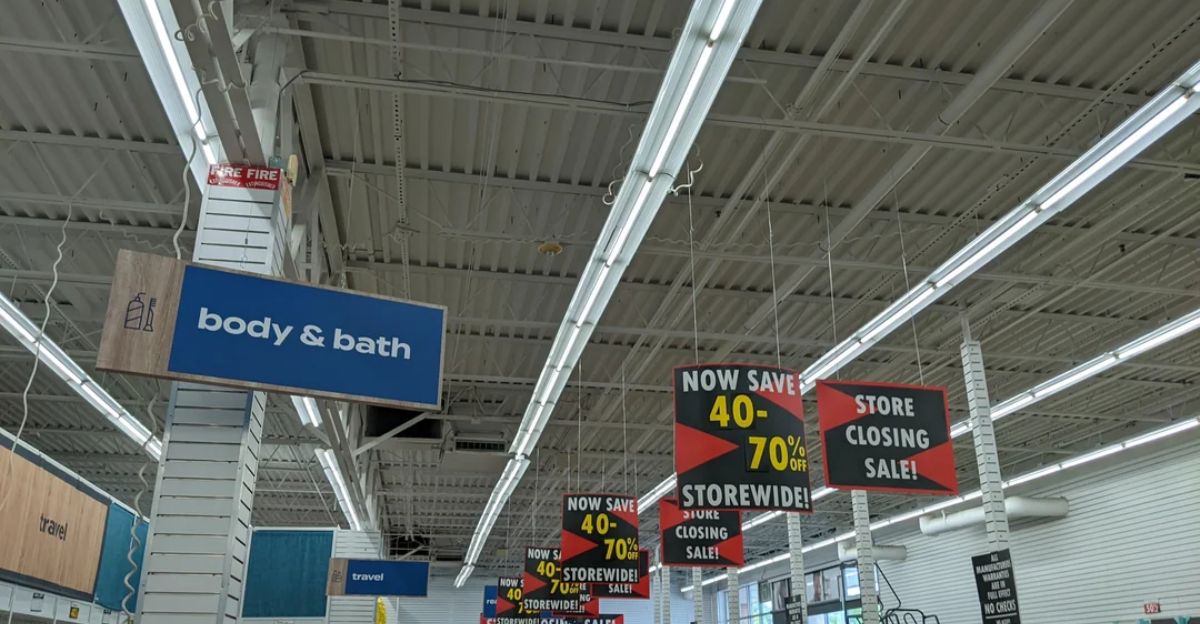
Consumers impacted by the store closures should act quickly to take advantage of liquidation sales. While discounts on furniture, décor, and textiles may seem appealing, shoppers should expect limited selection and final sales.
For those seeking alternatives, independent home goods boutiques and online resale platforms are good options for unique, high-quality items. Consumers should also compare prices across multiple platforms and consider delivery costs when shopping online.
Looking to the Future: What’s Next for Retail?
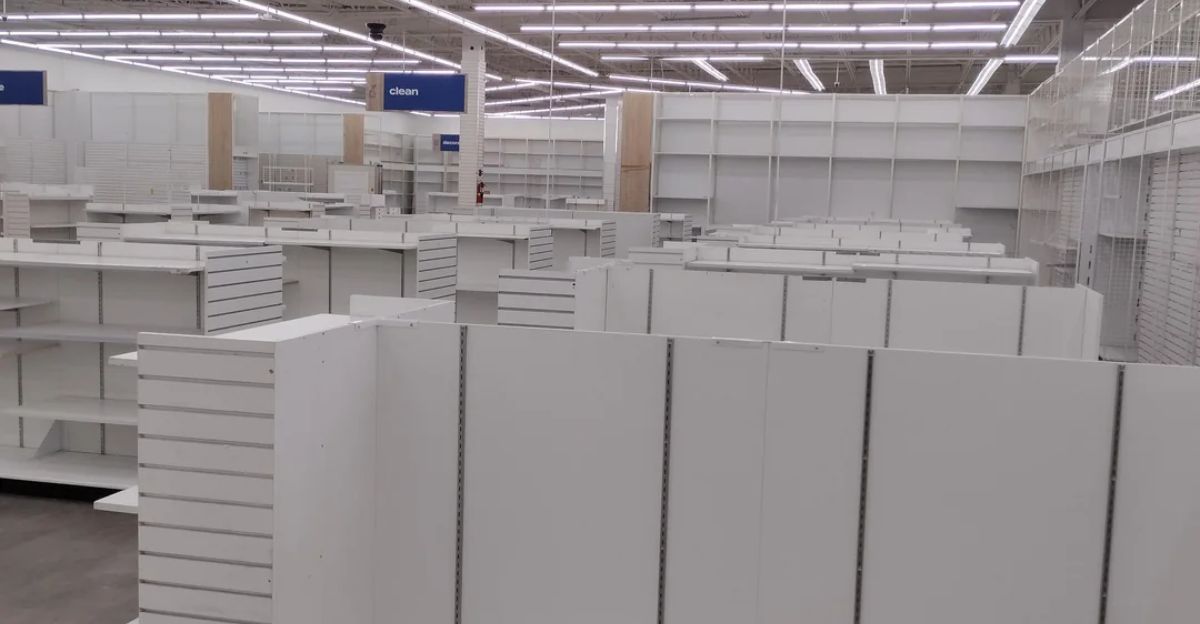
The rapid pace of retail consolidation highlights the larger trends reshaping the industry. Fewer, larger players are dominating the market, and smaller retailers are being squeezed out.
As e-commerce continues to grow and physical stores shrink, the retail landscape will change significantly in the coming years. The Bed Bath & Beyond–Brand House Collective merger is just one example of how companies are consolidating to survive in a challenging environment.
Final Wrap-Up: The Ripple Effect
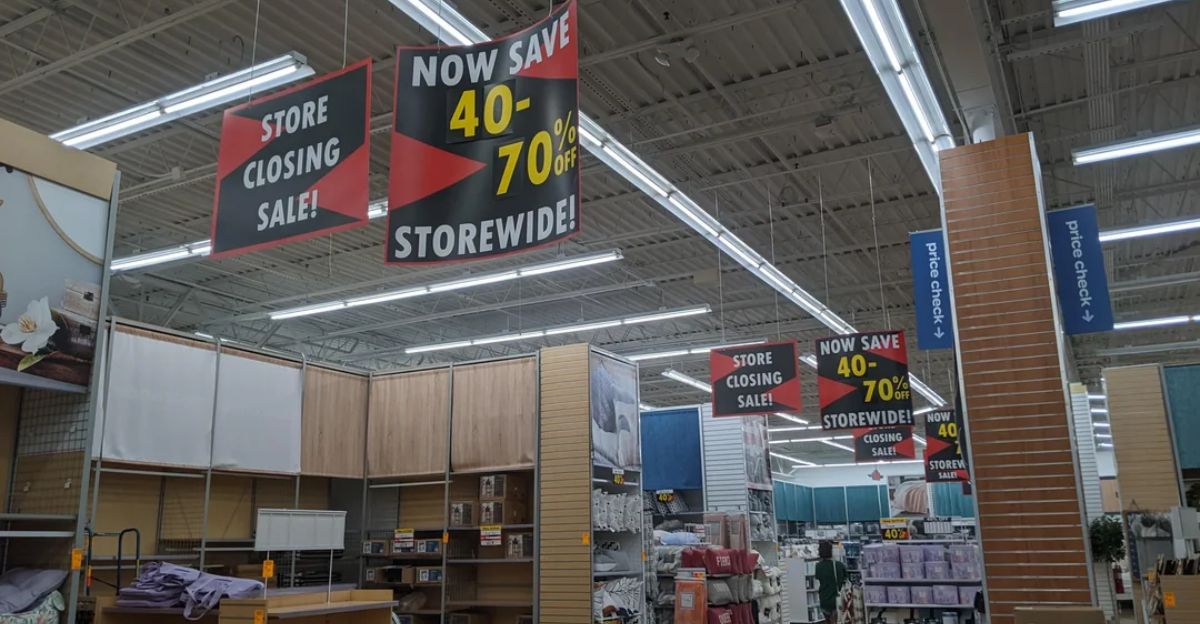
The $26.8 million acquisition of The Brand House Collective by Bed Bath & Beyond has far-reaching consequences. Over 2,000 workers are losing their jobs, while 40 communities will see their home goods stores close.
Suppliers, landlords, and investors will all be affected, as competitors expand and reshape the market. This merger is a flashpoint in the transformation of the retail landscape, where consolidation is the only way forward. The ripples from this deal will echo for years.
Sources:
PRNewsWire – Bed Bath & Beyond Official Press Release (November 24, 2025)
U.S. Census Bureau – Quarterly Retail E-Commerce Sales Report (Q2 2025)
Stock Analysis/Form 10-K Data – The Brand House Collective Employee Count (February 2025)
Forbes/Home Goods Market Analysis – TJX, Wayfair, and IKEA Retail Expansion (August 2025)