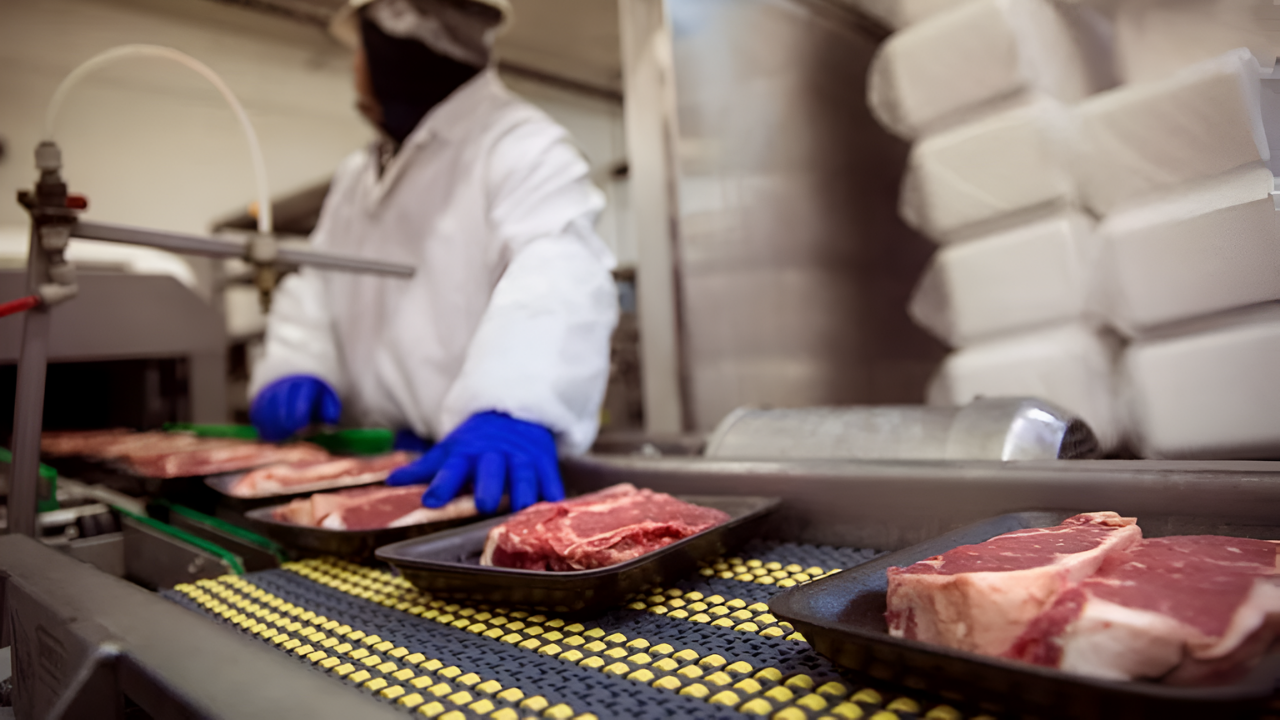
Tyson Foods announced on November 21, 2025, that it will shutter its Lexington, Nebraska facility and reduce operations in Amarillo, Texas, eliminating approximately 4,961 jobs and cutting 7 to 9 percent of national beef processing capacity. The decision, framed by CEO Donnie King as necessary to “right-size” the beef business, will devastate Lexington’s 11,000 residents, with nearly one in three facing direct job loss. The closures take effect January 20, 2026, marking one of the most significant single-employer shutdowns in U.S. meat processing history and signaling deeper structural challenges in American beef production.
The Financial Crisis Behind the Cuts
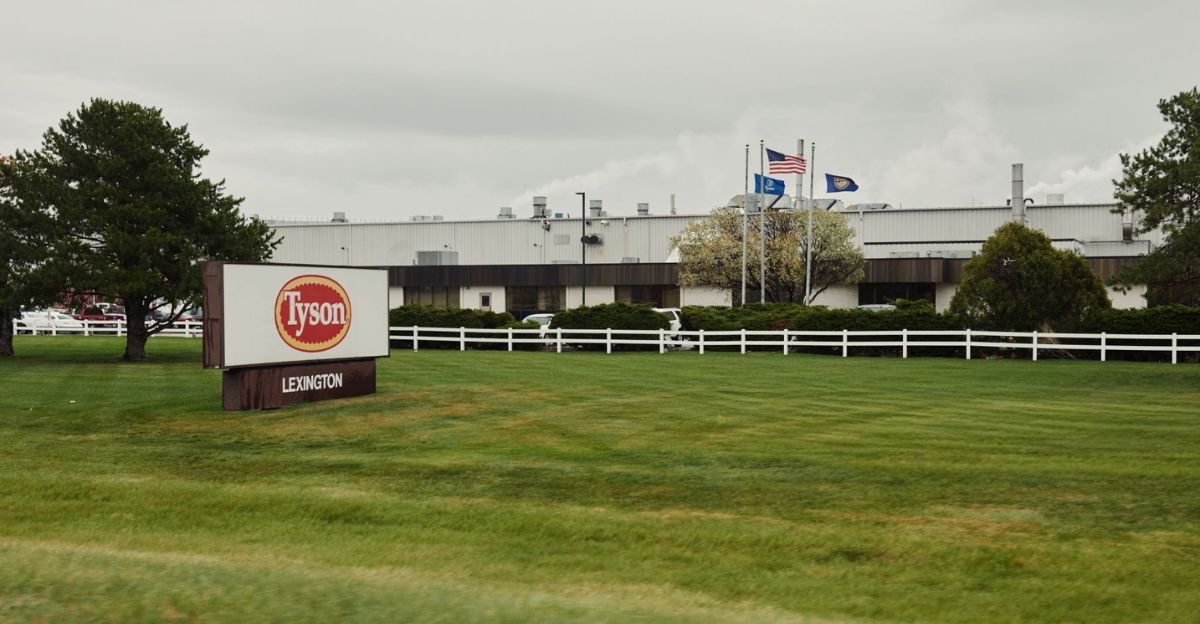
Tyson’s beef division has hemorrhaged money despite record cattle prices. In fiscal 2025, the division posted an adjusted operating loss of $426 million on $21.6 billion in sales. King identified beef as the company’s “only weak point” during earnings calls, citing tight cattle supplies and rising input costs. The paradox is stark: ground beef prices hit $6.32 per pound in September 2025, up 26 percent since January 2024, yet processors still lose money. The problem lies in margin compression. When cattle costs rise faster than retail prices climb, processing facilities become unprofitable. Tyson’s strategy prioritizes higher-margin operations, particularly chicken production, leaving commodity beef facilities like Lexington vulnerable to closure.
A Community in Crisis
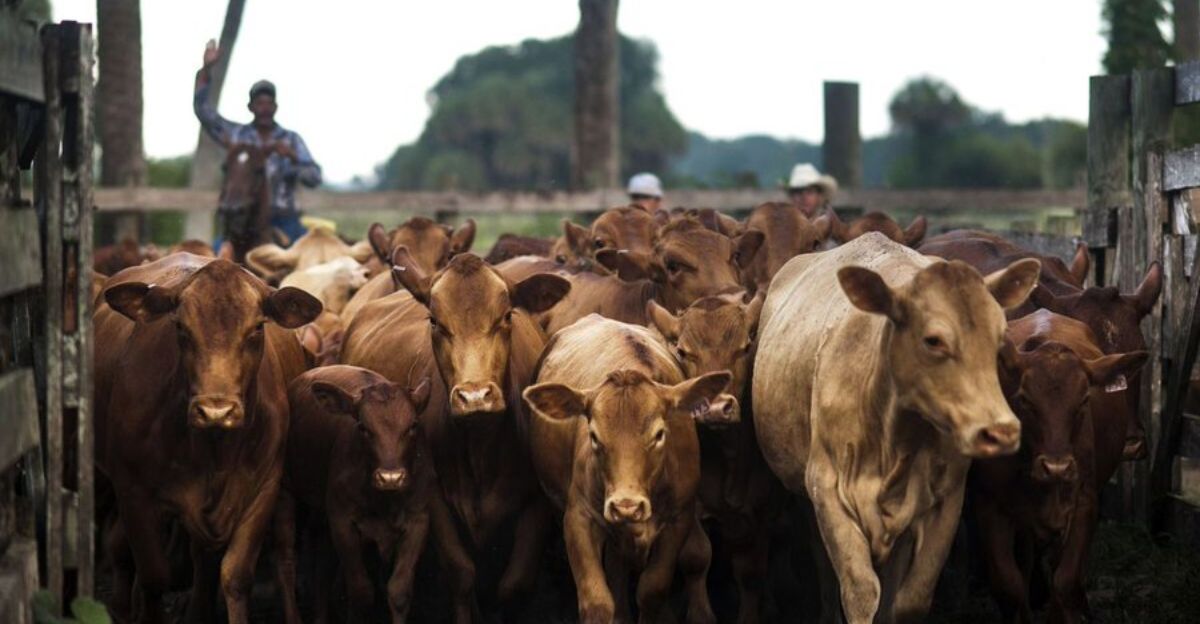
Lexington’s Tyson plant has operated since 1990 as the city’s largest employer. The facility processed 5,000 cattle daily and supported an ecosystem of suppliers, services, and local businesses. With 3,200 jobs eliminated, the economic multiplier effect extends far beyond direct payroll. The lost $174 million in annual wages cascades through the local economy, affecting retailers, banks, utilities, schools, and public budgets. Historical precedent offers little comfort. When Tyson closed its Norfolk, Nebraska plant in 2006, the facility remained vacant for years. Workers receive eight weeks’ notice before termination, with Tyson offering relocation and job placement assistance, though long-term recovery remains uncertain.
Amarillo faces a smaller but still significant blow. The plant will reduce B-shift operations beginning January 20, 2026, eliminating 1,761 positions while maintaining A-shift capacity. The reduction preserves some throughput but still disrupts local employment and supply chains.
Cattle Scarcity Meets Industry Overcapacity
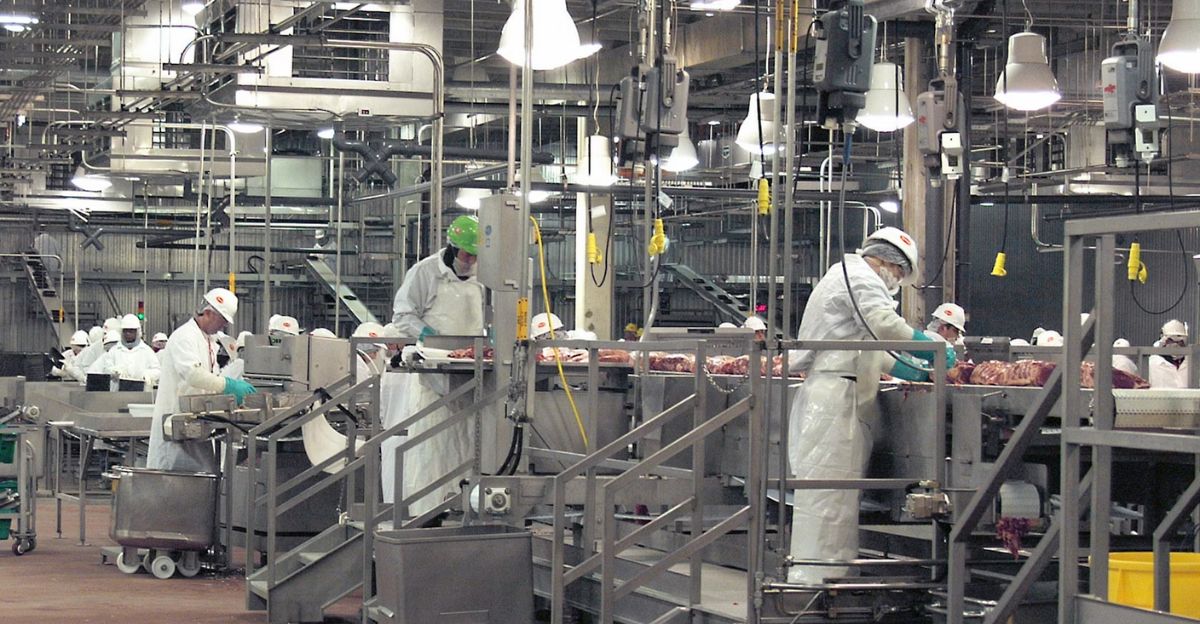
The closures reflect a fundamental supply-demand mismatch. U.S. cattle inventory sits at a 75-year low, with only 28.7 million beef cows as of July 2025, down 13 percent from 2019 levels. Drought, high input costs, and weak investment incentives have discouraged herd rebuilding despite record prices. Simultaneously, total U.S. slaughtering capability exceeds available cattle. The Big Four packers—Tyson, JBS, Cargill, and National Beef—control 85 percent of the market, leaving excess capacity that depresses margins. Tyson’s strategy targets low-margin commodity facilities while preserving higher-margin operations, a rational corporate decision that concentrates pain in specific communities.
A secondary supply shock intensified the crisis. The parasitic New World Screwworm advanced near the U.S. border by July 2025, prompting Washington to suspend Mexican cattle imports. The USDA projected $1.8 billion in losses if domestic outbreaks occurred. This import halt removed a crucial supply buffer, further tightening cattle availability and complicating processor operations.
Ripple Effects Across Supply Chains
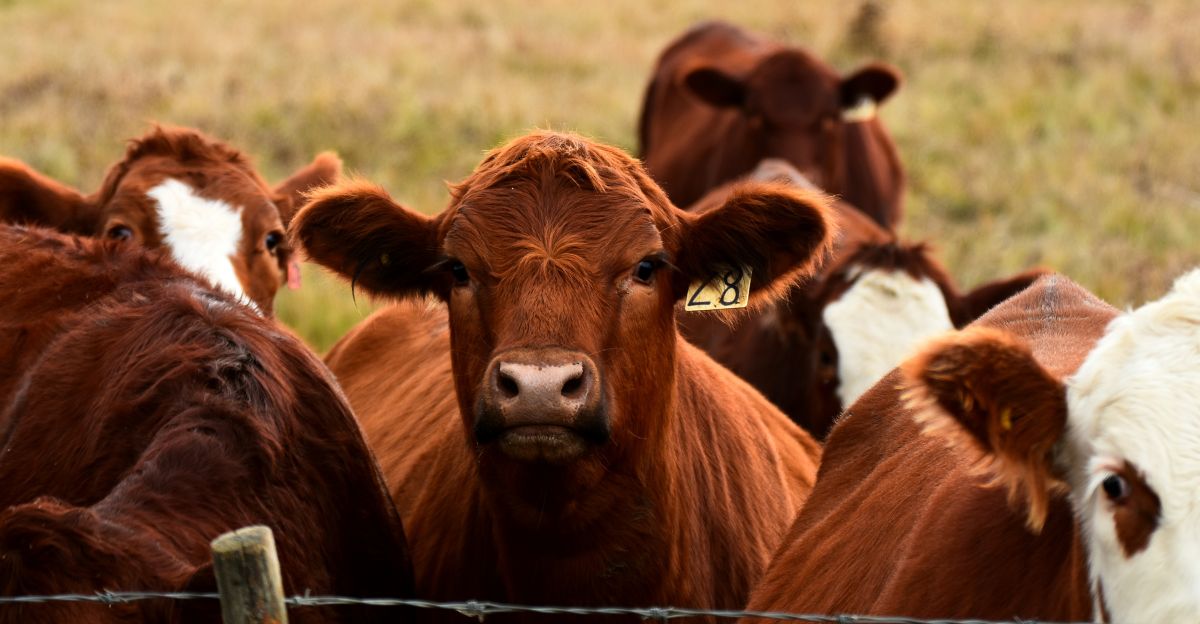
Small ranchers face particular vulnerability. Seventy-nine percent of U.S. beef farms operate with 49 or fewer cattle, and many relied on Lexington as a stable buyer. The closure removes a key outlet, increasing transportation costs and economic risk for producers already hesitant to expand herds. Bill Bullard, a ranching advocate, noted, “There’s just a lack of confidence in the industry right now.”
Consumers will feel the impact at grocery stores. Processing reductions will tighten supply over the next 6 to 12 months. Nate Rempe, CEO of Omaha Steaks, warned that ground beef could reach $10 per pound by the third quarter of 2026. Continued herd reluctance, driven by structural constraints rather than price signals, suggests sustained scarcity and elevated costs for years ahead.
Political Response and Uncertain Recovery
Nebraska Senator Deb Fischer expressed dismay, warning about threats to the state’s beef market. Governor Jim Pillen pledged support for affected employees and ranchers, while Congressman Adrian Smith and Congressman Mike Flood warned of repeated history from prior closures. These reactions underscore the political stakes of corporate restructuring decisions.
The Lexington and Amarillo closures reveal tensions between market efficiency and community stability. Tyson’s focus on profitability and branded products makes financial sense but leaves workers, ranchers, and consumers navigating a fundamentally altered landscape. The impact will reverberate through Nebraska and Texas for years, reshaping both local economies and national beef production capacity.
Sources
Tyson Foods, Inc. Official Announcement – 21 November 2025
USDA Beef Industry Plan White Paper – 20 October 2025
USDA NASS United States Cattle Inventory Report – 24 July 2025
BLS Occupational Employment Statistics – May 2023
Federal Reserve Economic Data – Ground Beef Prices September 2025
Associated Press – Tyson closure reports November 2025
USDA Economic Research Service – Industry multiplier methodology
Reuters/Supply Chain Dive – Tyson Nebraska plant capacity reporting November 2025