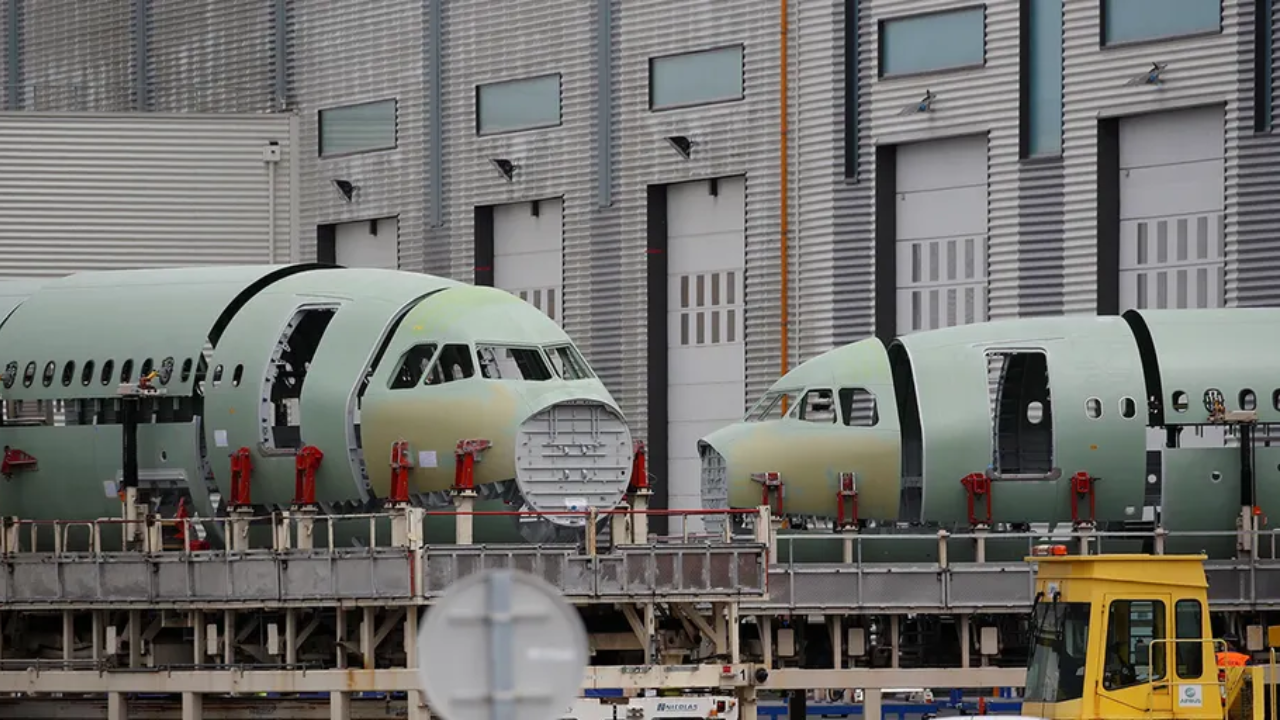
A JetBlue Airbus A320 suddenly dropped about 100 feet during a flight from Cancun to Newark on October 30, injuring passengers and crew and forcing an emergency landing in Tampa. Investigators later found that intense radiation from the Sun had interfered with one of the plane’s flight control computers, exposing a weakness that affects thousands of similar aircraft worldwide.
This discovery led Airbus and aviation regulators to order urgent software and hardware fixes, disrupting flights across multiple continents but also pushing airlines and manufacturers to strengthen protection against space weather.
What Happened On The JetBlue Flight
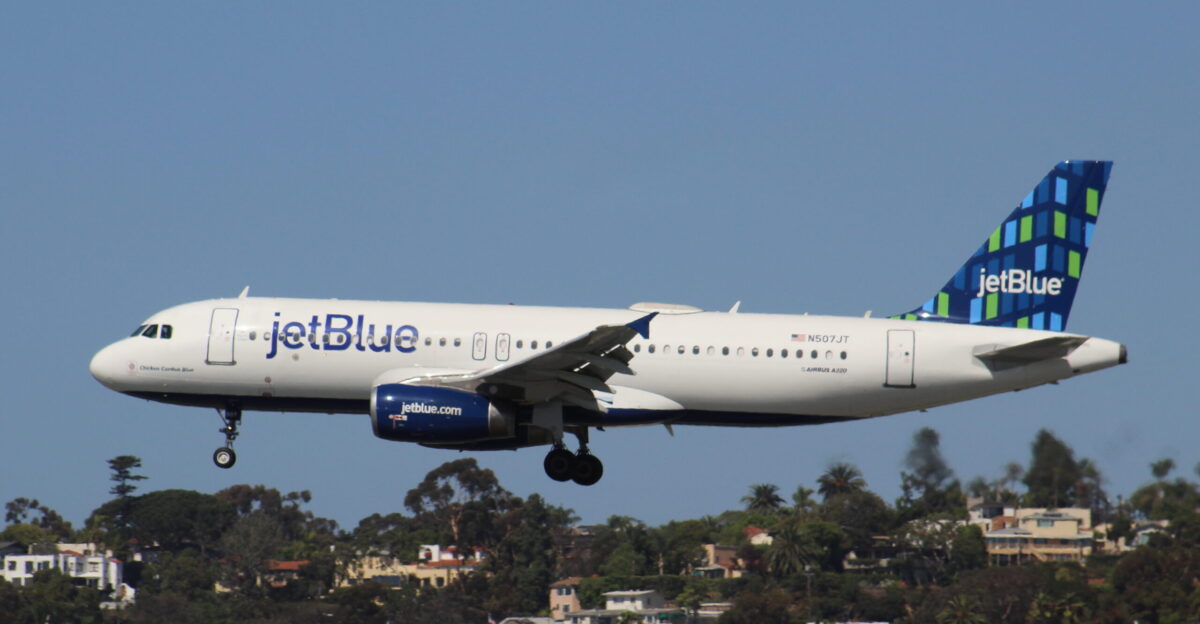
While cruising at high altitude, the JetBlue A320 suddenly pitched down and lost about 100 feet of altitude in just a few seconds, throwing flight attendants into the air and slamming passengers into seats and cabin surfaces. The crew diverted to Tampa, where around 15 people were taken to hospitals, and the incident triggered an in‑depth safety investigation.
Investigators traced the event to the aircraft’s Elevator Aileron Computer (ELAC), which helps control the plane’s pitch (nose up or down) and roll (banking left or right). Under rare but intense solar radiation conditions, data inside this computer could be corrupted, causing unexpected control movements without pilots commanding them.
How Solar Radiation Affects Aircraft
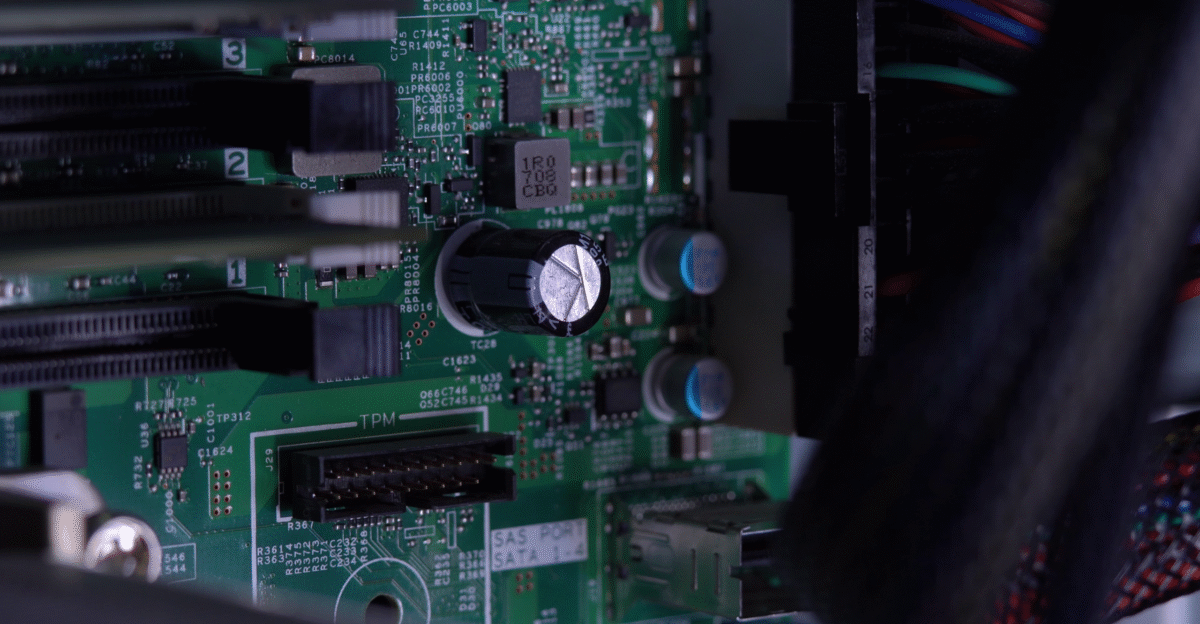
The core problem is a phenomenon known as a single‑event upset, where fast‑moving charged particles from the Sun strike tiny parts inside computer chips, changing stored values from a 1 to a 0 or vice versa. At typical cruising altitudes above about 28,000 feet, the atmosphere and Earth’s magnetic field provide less shielding, and the aluminum skin of an airliner offers limited extra protection for sensitive electronics.
In this case, the vulnerable ELAC hardware and software could mis-handle corrupted data, leading to an uncommanded nose‑down elevator movement that, in extreme cases, might exceed the aircraft’s structural limits if not corrected. The risk is higher now because the Sun is near the peak of its roughly 11‑year activity cycle, which brings more frequent and stronger solar storms and radiation bursts.
Worldwide Groundings And Emergency Fixes
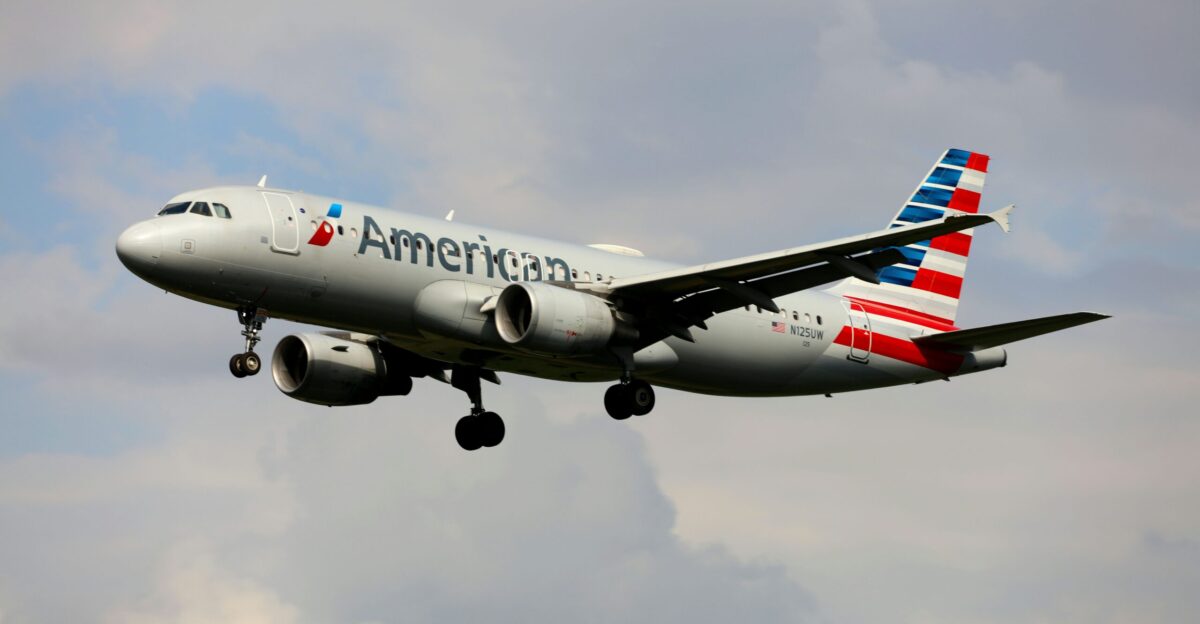
After linking the JetBlue incident to this vulnerability, Airbus warned that up to about 6,000 A320‑family jets might need modifications, although not every aircraft uses the specific affected configuration. The European Union Aviation Safety Agency (EASA) issued an Emergency Airworthiness Directive requiring operators to install software or hardware protections before affected aircraft could carry passengers again, with the U.S. Federal Aviation Administration preparing similar rules for hundreds of U.S.-registered jets.
Some airlines were hit much harder than others. American Airlines identified hundreds of A320‑family aircraft needing quick updates, Avianca reported that more than 70% of its fleet was affected and even paused ticket sales through early December, and airlines such as IndiGo, Air France, and Jetstar reported cancellations and delays affecting tens of thousands of travelers.
Many aircraft could be made safe by reverting the ELAC to an earlier, unaffected software version, but roughly a thousand jets are expected to need hardware replacements, keeping them grounded for longer.
Long-Term Changes And Future Safety
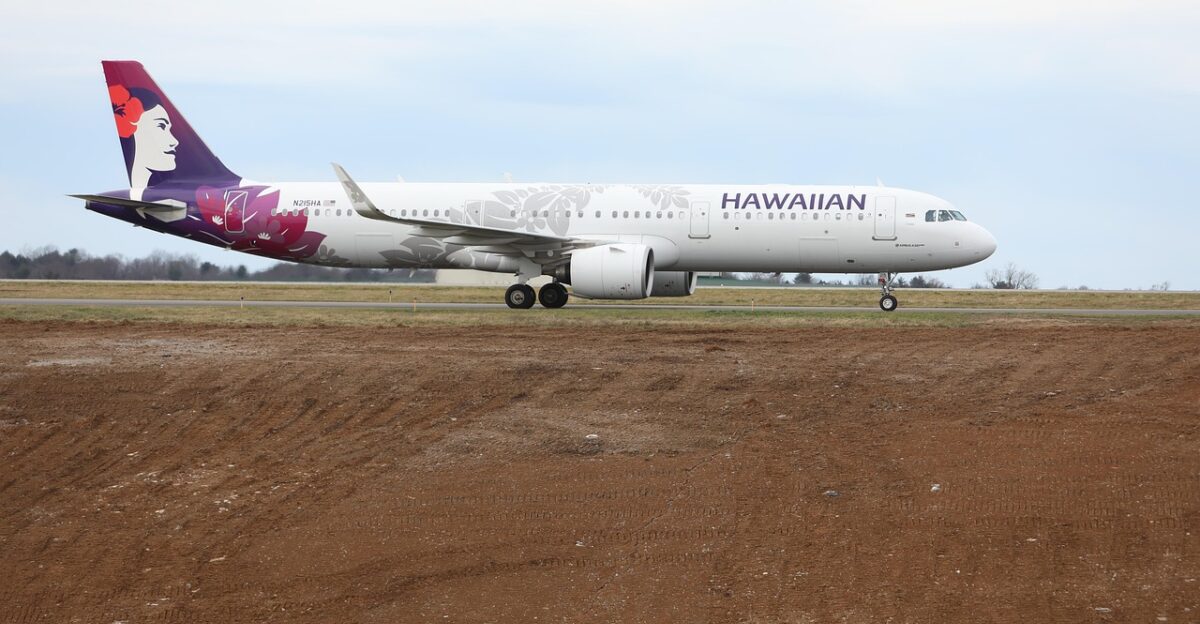
Regulators and airlines are now planning deeper changes, not just short‑term repairs. EASA and the FAA support adding solar radiation or space‑weather monitoring systems so that pilots can receive real‑time warnings and, when necessary, descend to lower altitudes where radiation levels are reduced. Major U.S. carriers including United, American, and Delta have committed to rolling out these kinds of protections across their fleets over the next couple of years.
Airbus may face lawsuits from airlines and injured passengers over the newly identified design vulnerability and the costs of mass groundings, rebookings, and lost revenue. Industry experts expect this event to accelerate a shift toward radiation‑hardened processors and stricter testing for space‑weather effects, much as earlier crises drove improvements in cockpit communication, security, and aircraft design, making stronger radiation protections a likely standard within a few years.
Sources:
- European Union Aviation Safety Agency (EASA) Emergency Airworthiness Directive 2025-0268-E
- Airbus Official Press Release – A320 Family Precautionary Fleet Action (November 27, 2025)
- Federal Aviation Administration (FAA) Aircraft Certification and Safety Directives
- National Transportation Safety Board (NTSB) – JetBlue Flight 1230 Investigation Report
- Reuters/AP Aviation Safety Archives – November 2025 Recall Coverage
- International Air Transport Association (IATA) – Operational Impact Assessment