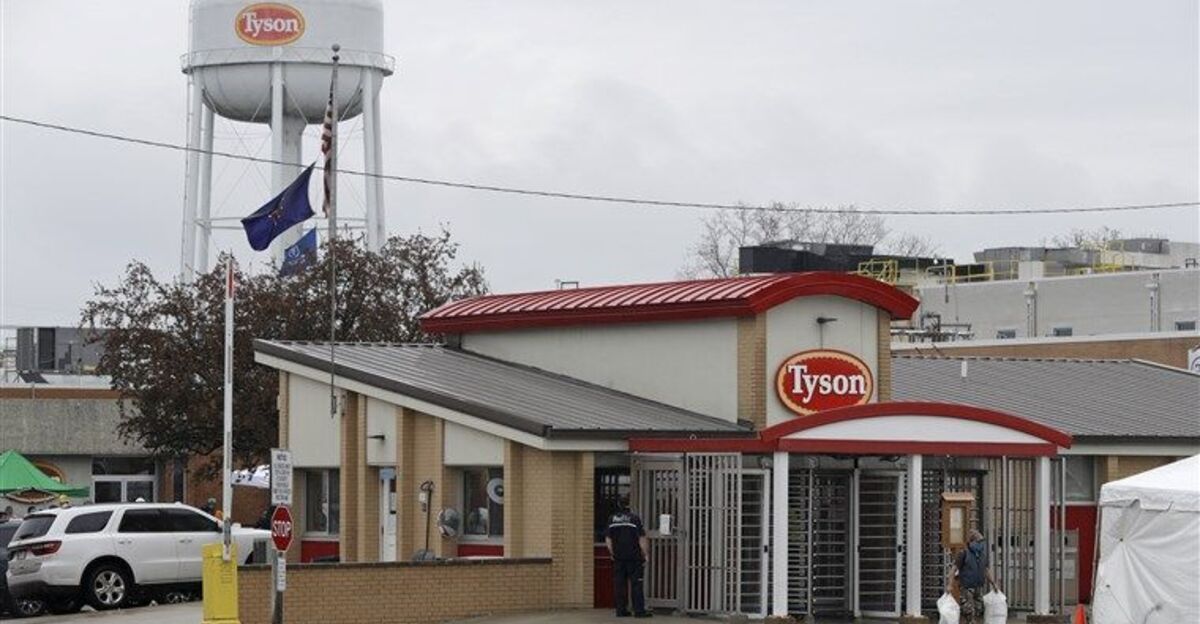
Tyson Foods announced on November 21, 2025, that it will close its Lexington, Nebraska beef processing plant on January 20, 2026, eliminating approximately 3,200 jobs in what ranks among the state’s largest single-site layoffs. The decision exposes the vulnerability of rural economies dependent on major industrial employers and signals broader consolidation pressures within the American meat industry.
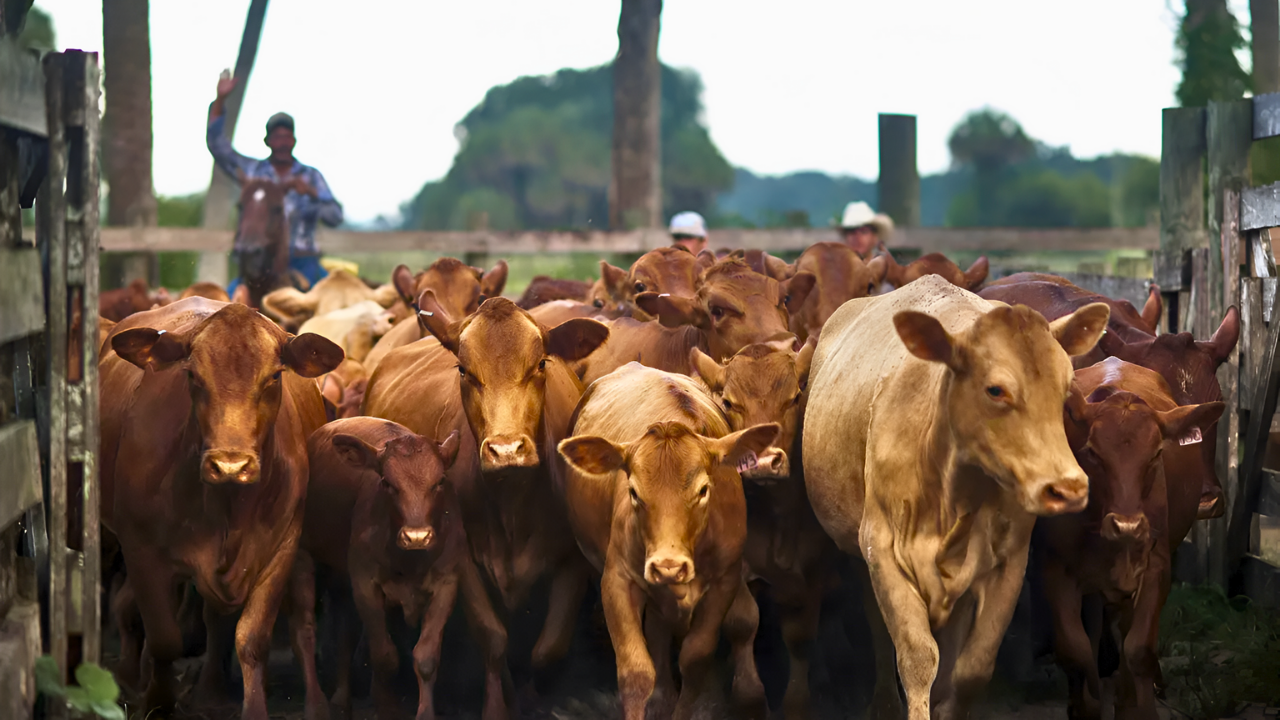
The company attributed the closure to substantial losses in its beef division: $720 million over the past two years, with a projected $600 million loss in the coming fiscal year. Declining cattle supplies nationally, rising operational costs, and compressed profit margins have strained the business. Notably, Nebraska cattle-on-feed inventories remain slightly above year-ago levels, suggesting that supply constraints alone do not fully account for the decision. Tyson also announced approximately 1,700 job cuts at its Amarillo, Texas facility, which will transition to single-shift operations, bringing total job eliminations to approximately 4,900 across the company.
Immediate Impact on Workers and Communities
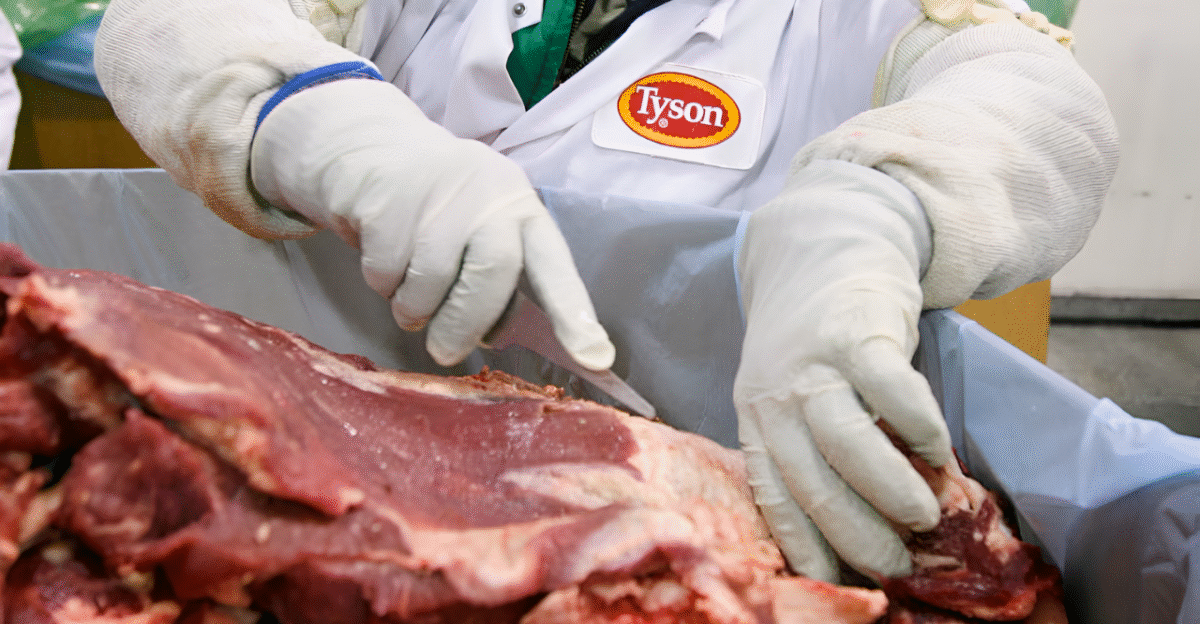
Approximately 28 percent of Lexington’s 11,500 residents work at the plant. The announcement, made on November 21, gave workers just two months’ notice before the January closure—timing that compounds the hardship for families navigating the holiday season. Local farmers lose a major cattle buyer, while the broader community faces cascading economic damage. Tyson has promised relocation benefits and job placement assistance, but such measures offer limited comfort to workers facing mortgage obligations and families dependent on stable employment.
The economic shock extends far beyond individual households. Estimates suggest the closure will eliminate $160 to $240 million in annual payroll, with regional economic impact potentially reaching $400 to $600 million when multiplier effects ripple through retail, real estate, and service sectors. Declining local tax revenue threatens school funding and public services across the region.
Consumer Prices and Food Supply
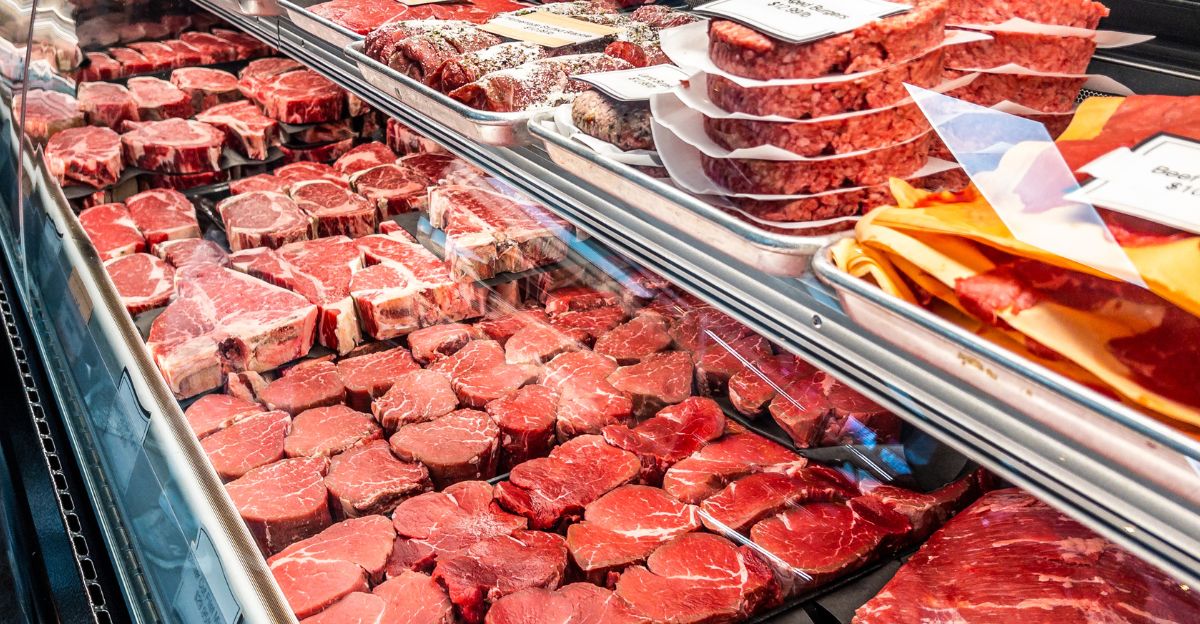
The loss of 5,000-head-per-day processing capacity will tighten regional beef supply and likely increase prices for Nebraska consumers. Grocery stores and restaurants may experience reduced product variety and higher costs. In the short term—the next six months—consumers may not notice significant price changes, as cattle currently prepared for slaughter will still be processed, potentially at different facilities. However, long-term beef prices are expected to climb further beyond current record highs.
Despite record prices, American consumers have continued purchasing beef at high rates. Average beef consumption remains steady at approximately 59 pounds per person annually, suggesting that price elasticity has limits and that beef maintains strong demand even as costs rise.
Industry Consolidation and Competitive Dynamics
Tyson’s stock rose 7 percent following the closure announcement, as analysts view the capacity reduction as positive for beef packer margins. The company stated it will increase production at other facilities, potentially offsetting the Lexington loss. However, competitors with available capacity stand to gain market share during any transition period. Smaller processors may struggle to fill the gap, accelerating industry consolidation as companies adapt to changing market conditions.
The closure creates documented winners and losers. Competing beef processors with available capacity can operate at higher utilization rates, improving margins. Conversely, local businesses dependent on plant payroll—estimated at 320 to 640 establishments—face immediate hardship. Logistics companies serving other processing plants may adapt successfully, while equipment maintenance firms and food service providers experience short-term disruptions.
Policy Response and Long-Term Questions
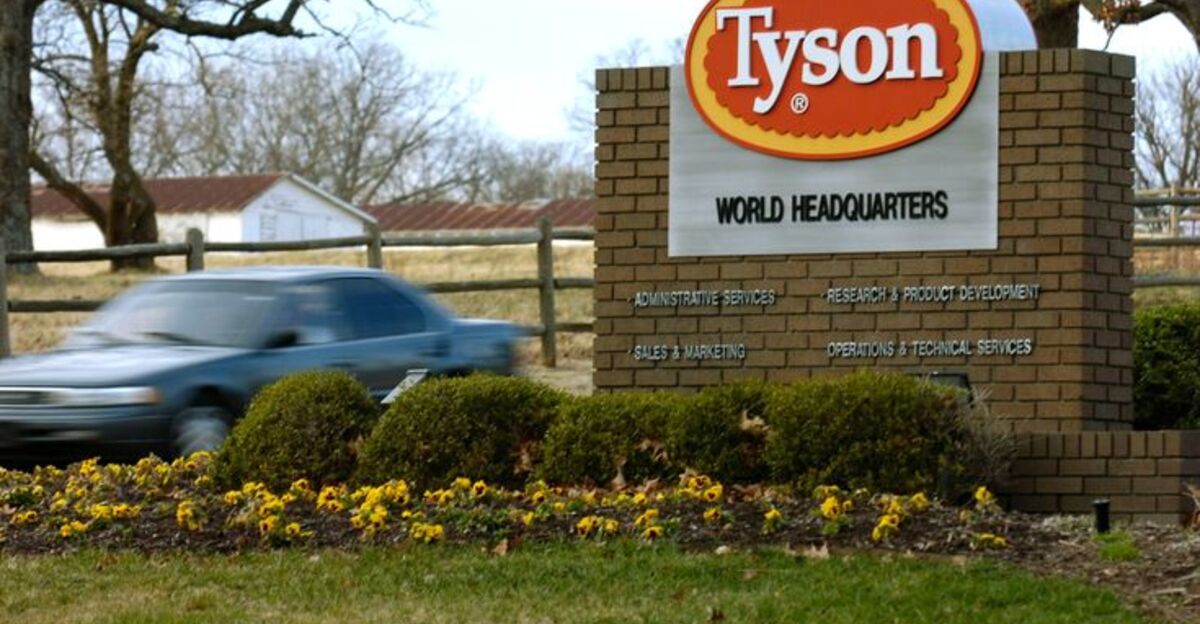
Nebraska officials, including Senator Deb Fischer and Representative Mike Flood, have called the closure devastating. Fischer noted that “just a few years ago, packers like Tyson were making windfall profits,” highlighting the dramatic reversal in industry fortunes. Flood urged Tyson to work with the community to preserve the plant for future beef processing, a concern sharpened by history: Tyson closed its Norfolk, Nebraska plant in 2006, and the facility has remained empty for nearly two decades.
Governor Jim Pillen has discussed “value-added opportunities” and transportation assistance for workers seeking employment at other plants. Senator Fischer has emphasized support for affected families during the holidays. These responses reflect broader policy discussions about rural economic resilience, corporate accountability, and the consolidation of the meat industry.
The Lexington closure represents approximately 5 to 7 percent of U.S. beef processing capacity. International buyers may experience temporary sourcing uncertainty during facility transitions, potentially creating opportunities for competing processors in Australia, Brazil, and Canada. However, if Tyson rapidly increases production at other facilities, international market disruption may remain minimal.
As Lexington prepares for profound economic change, the immediate priority is supporting displaced workers and their families. Medium-term success depends on whether production increases at other Tyson facilities proceed on schedule. Long-term questions persist about rural economic resilience, whether large processing plants will remain anchors for rural communities, and how policymakers will address the structural vulnerabilities exposed by this closure.
Sources:
Tyson Foods Official Press Release; November 21, 2025 Network Changes Announcement
Nebraska Department of Labor WARN Act Notification; November 21, 2025 Mass Layoff Filing
U.S. Senator Deb Fischer Official Statement; November 20-21, 202
USDA Cattle on Feed Report; November 21, 2025 Release