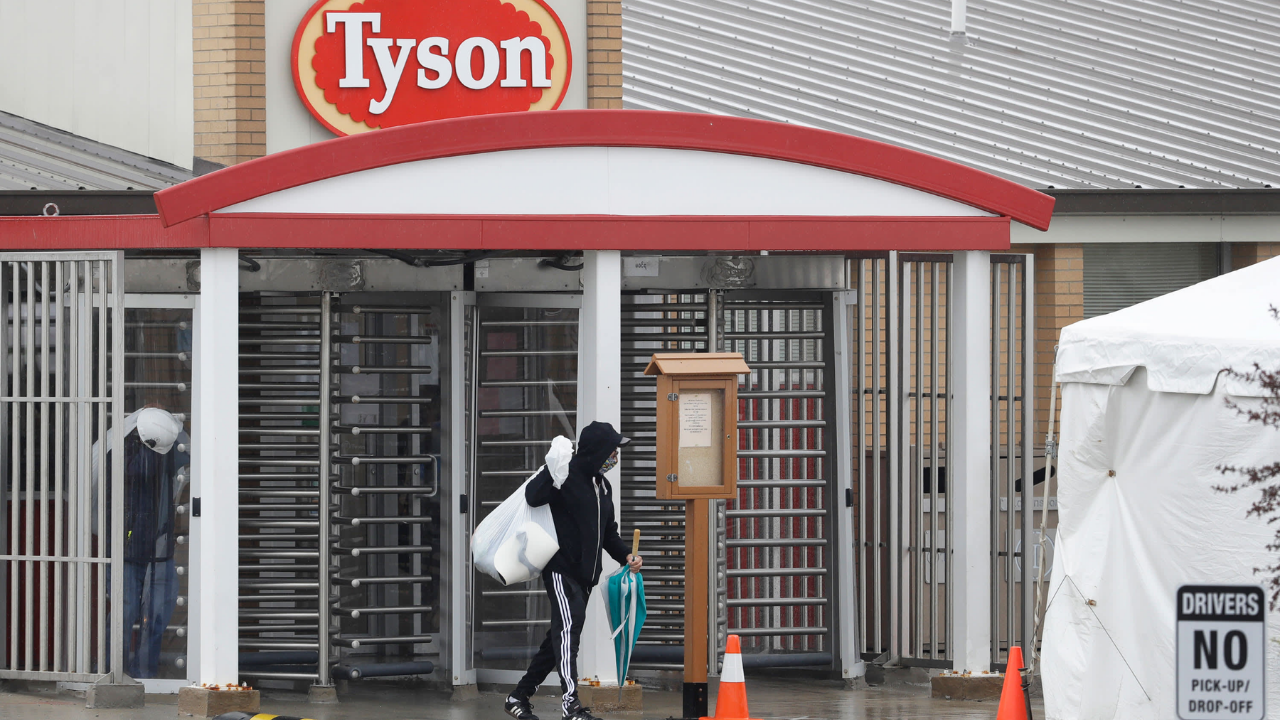
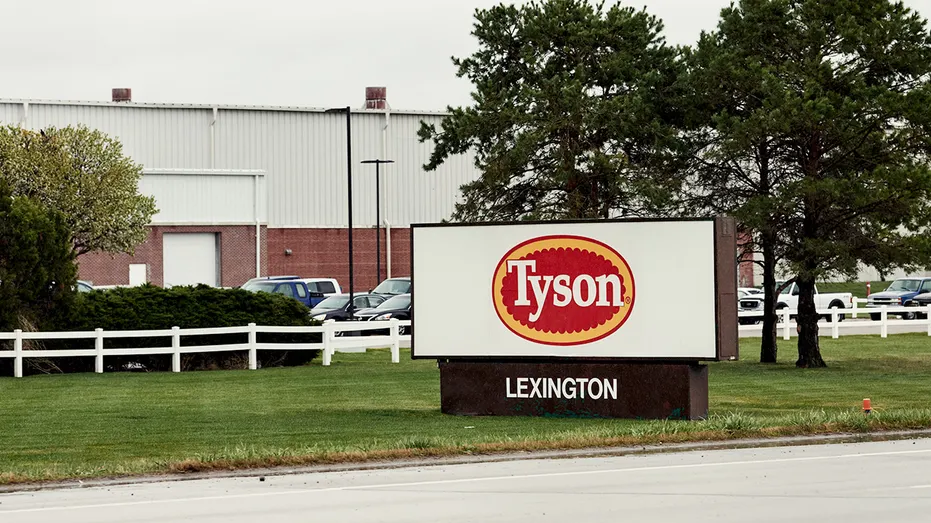
Tyson Foods, America’s largest meat supplier, announced on November 21, 2025, that its Lexington, Nebraska, beef processing plant will close in January 2026. The move impacts over 3,200 workers and cuts nearly 5% of U.S. daily beef slaughter capacity, reshaping both local economies and the national beef supply chain.
The Amarillo, Texas, facility will also reduce to a single full-capacity shift, eliminating 1,700 jobs. These reductions together remove up to 8,000 head of daily processing capacity, or roughly 7.5–9% of U.S. slaughter capacity. This signals major shifts for the beef industry and affected communities. Could this be the start of broader industry consolidation?
Who Is Most Affected?

Lexington workers face unemployment just before January 2026, representing nearly a third of the town’s 11,000 residents. Many employees are Somali and Hispanic immigrants whose livelihoods have depended on the plant since 1990, when Tyson revitalized the city, nearly doubling its population.
In Amarillo, 1,700 workers will also lose jobs. Local businesses, schools, and essential services will experience cascading impacts as payrolls are disrupted. Churches are already providing support through food and gas assistance. The community impact stretches far beyond plant employees. But what economic pressures forced Tyson’s decision?
Scale of Job Loss

Tyson will cut a total of 4,900 jobs between Lexington and Amarillo. The Lexington plant alone processes nearly 5,000 head of cattle daily, producing fresh cuts and ground beef. The Amarillo reduction further limits U.S. beef processing capacity amid record-high livestock prices.
These closures come after consecutive fiscal-year losses in Tyson’s beef segment—$426 million in FY2025 versus $291 million in FY2024. The company expects similar losses in fiscal year 2026. The combination of financial strain and reduced capacity signals severe industry stress. How does this tie to cattle supply shortages?
Cattle Shortage Crisis

U.S. cattle inventory fell to the lowest levels in 70–75 years, with the beef herd at 27.8 million in 2025. Prolonged droughts and rising feed costs forced ranchers to liquidate herds, leaving the industry struggling to rebuild supply quickly.
Even as ranchers retain heifers for breeding, cattle take two years to reach market weight. Economists refer to this as the “slowest rebuild in history.” With processing capacity now reduced, the cattle shortage is poised to keep prices elevated. Could rising costs trigger further plant closures?
Tyson’s Financial Pressure
Tyson’s FY2025 cattle costs rose by nearly $2 billion. Despite retail beef prices rising 17%, sales volumes fell 8%. All-time high livestock prices and outdated processing technology made Lexington’s facility economically unviable.
Ernie Goss, economist at Creighton University, explained that the plant “simply wasn’t competitive in today’s market in terms of output per worker.” CEO Donnie King added, “The beef segment remains our only soft spot.” But how did tariffs and trade policy influence this crisis?
Tariff and Trade Policy Pressure

Trump administration tariffs from April through November 2025 restricted imports, squeezing margins. On 13 November, tariffs were lifted, increasing foreign competition—Brazil alone accounted for 24% of U.S. imports. Tyson faced a compressed window to adjust operations.
Simultaneously, DOJ investigations into alleged price-fixing created regulatory uncertainty. Industry experts suggest that both tariffs and trade pressures accelerated Tyson’s decision to consolidate capacity. How will this ripple through the national beef supply chain?
National Supply Chain Effects
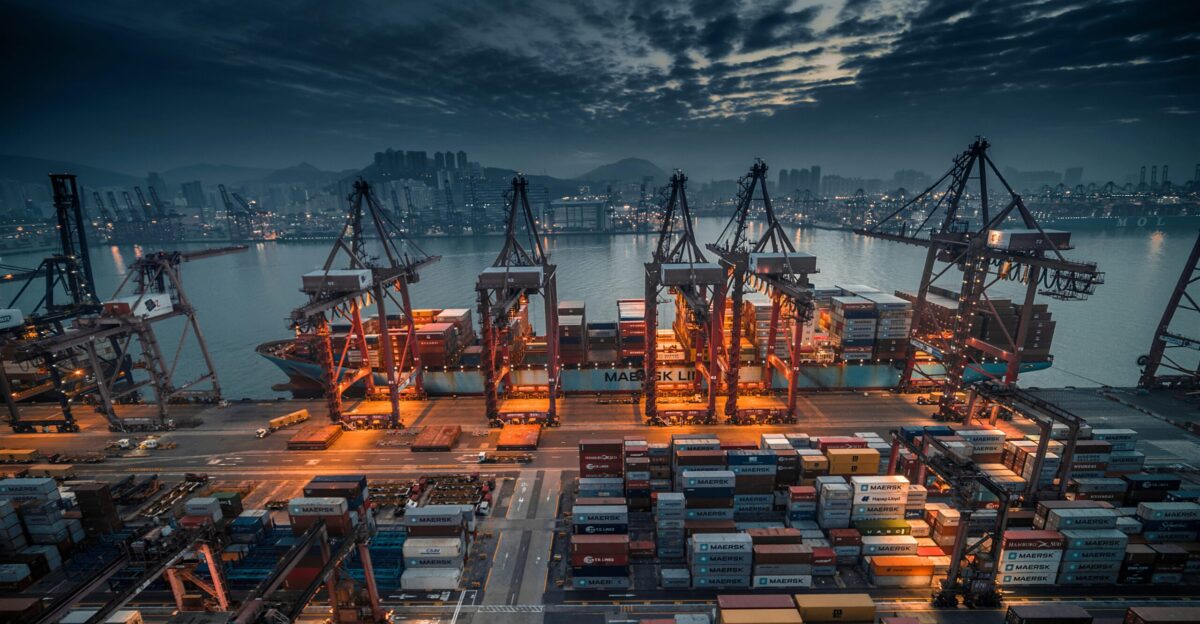
The closure reduces national slaughter capacity by 7.5–9%, affecting cattle prices, ranchers’ income, and retail beef costs. High retail prices persist despite record cattle prices, reflecting tight supply chains and increased processing costs.
Average beef retail prices rose 16% year-over-year, while demand remained steady. Ranchers face fewer competitive buyers, potentially suppressing live cattle prices. The supply shock will ripple through ranching regions for years. What does this mean for local economies?
Local Economic Fallout
Lexington’s payroll loss is estimated at $150–200 million annually. Secondary impacts hit retail, restaurants, services, and real estate. Families may relocate, straining schools and essential services, while housing markets risk collapse.
Multiplier effects could indirectly affect 6,000–9,600 residents, reaching up to 95% of the town’s workforce. Emergency assistance needs are likely to surge. Could nearby towns face similar economic stress from concentrated plant closures?
Impact on Small Businesses
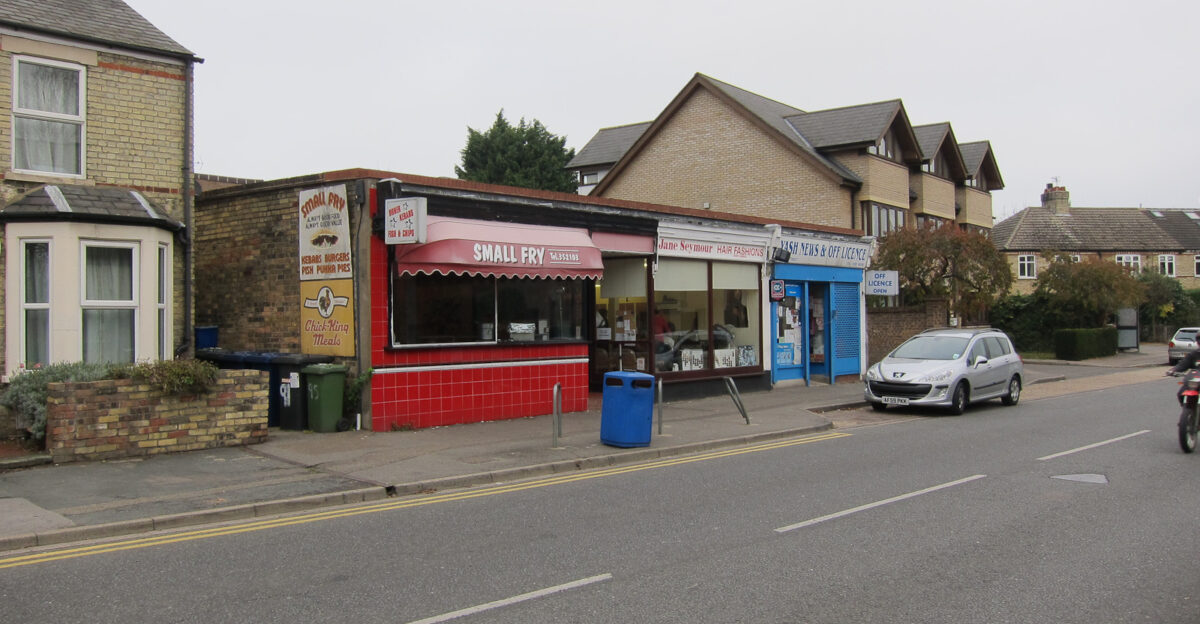
Local shops, restaurants, and service providers will lose steady customer bases. Real estate markets may see falling demand as families relocate. Churches already prepare for increased food and utility support.
The plant has anchored the community since 1990. Without it, local entrepreneurs and small business owners face sudden uncertainty. How will Dawson County and surrounding regions adapt to these new economic pressures?
Effects on Cattle Ranchers

Cattle ranchers lose one of the nation’s largest buyers. Reduced plant capacity limits outlets for livestock, compressing competitive bids. Ranchers may struggle even as retail beef prices remain high.
Forced herd liquidation and rising input costs already pressured margins. Reduced processing amplifies income uncertainty and discourages herd expansion. Could this set the stage for long-term structural changes in beef ranching?
Consumer Price Consequences
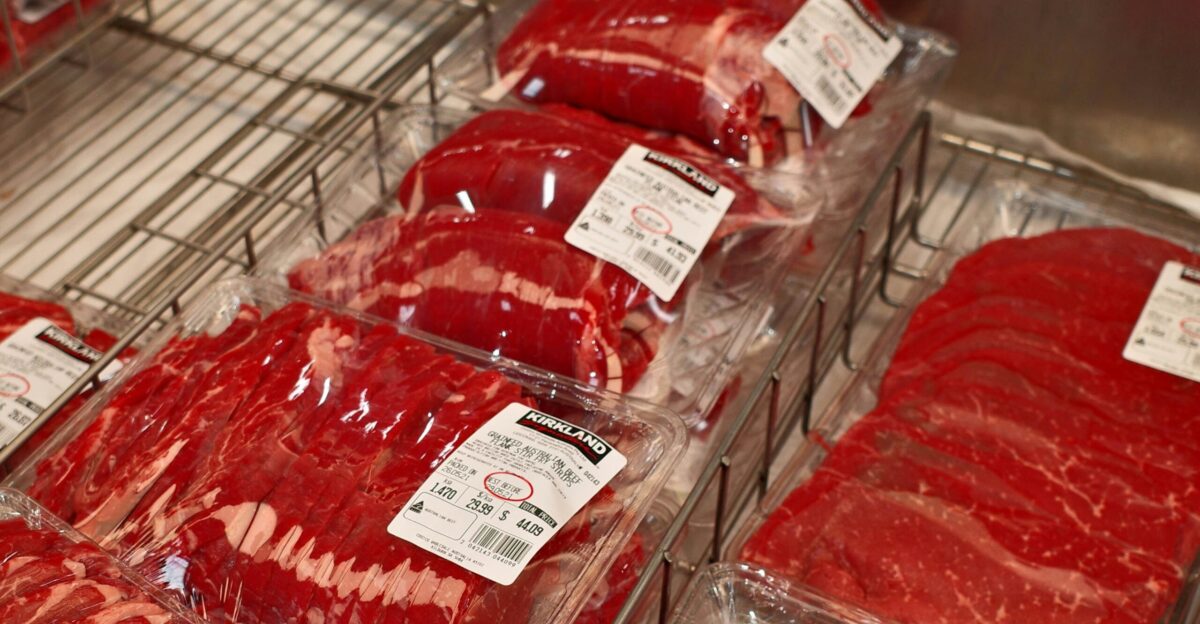
Retail beef prices rose to $9.85 per pound by August 2025, up 16% from the previous year. Ground beef, roasts, and steaks hit record highs. Despite these spikes, demand remains steady.
Price inelasticity indicates consumers will continue buying despite costs. Supply constraints, reduced plant capacity, and foreign imports suggest elevated prices will persist for the foreseeable future. How will Tyson’s competitors respond?
Industry Consolidation Risks
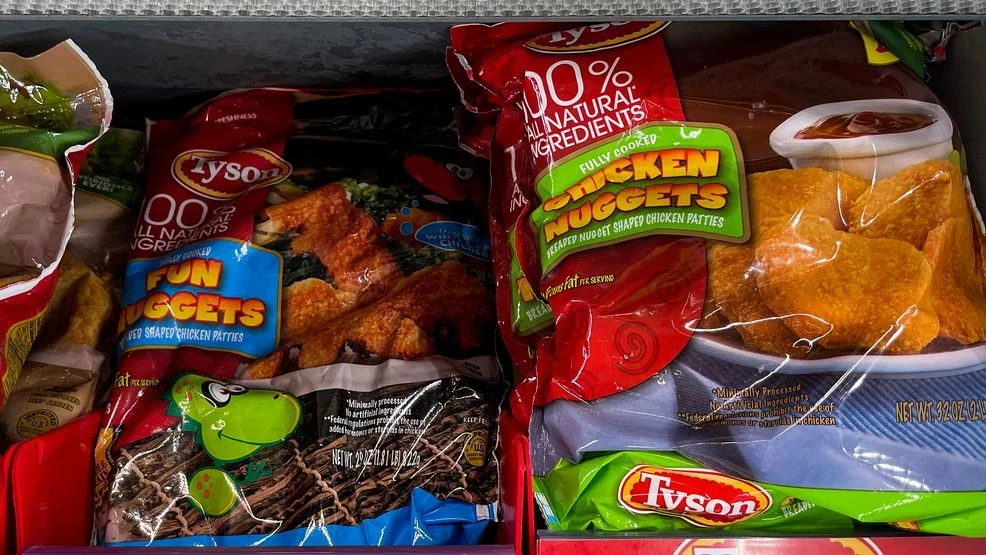
Tyson is the first of the “Big Four” meatpackers to close a major plant amid the cattle shortage. JBS, Cargill, and National Beef have yet to announce similar reductions.
With 85% of U.S. beef processing controlled by four companies, reduced competition narrows buyer options for ranchers. The closure may signal a permanent structural shift in the industry. What long-term strategies are being considered?
Tyson’s Redistribution Plan
Tyson intends to increase production at other facilities to offset Lexington’s lost volume but has not detailed locations or timelines. Amarillo will reduce shifts while maintaining full efficiency.
This redistribution may cushion some supply chain gaps, yet scaling other plants takes time. Analysts warn this may not fully mitigate local and national disruptions. Could new packing facilities help absorb excess demand?
Emerging Industry Trends
Walmart is developing vertical integration, directly contracting ranchers to reduce reliance on traditional packers. New packing plants in North Platte, Nebraska, and Wright City, Missouri, may absorb lost capacity once fully operational.
Industry consolidation, rising costs, and tariff shifts suggest the beef supply chain is in a transitional period. Tyson’s closure is both a symptom and a catalyst of bigger structural changes. How will the market stabilize?
Timeline and Urgency

Tyson announced closures on 21 November 2025, with layoffs starting in January 2026. The timing leaves less than two months for workers to find alternative employment.
The January deadline, before the 20 January presidential inauguration, highlights both operational and political timing pressures. Communities must act quickly to support affected workers and mitigate economic ripple effects. What does the path forward look like?
Financial Outlook for Tyson
Tyson expects FY2026 beef losses between $400 million and $600 million. Cattle costs rose nearly $2 billion in FY2025, making profitability at Lexington unsustainable despite higher retail prices.
Chicken operations remain profitable, with FY2025 adjusted operating income rising to $1.48 billion. The challenges faced by the beef segment illustrate the tight margins and systemic pressures reshaping the U.S. meatpacking industry. How Tyson adapts will influence both the local and national industry.
USDA Livestock Reports 2025
Tyson Foods, Inc. Press Release 21 November 2025
Creighton University Economics Commentary
AP/Reuters Beef Industry Coverage November 2025
U.S. Department of Justice, Meatpacking Investigation Notices
R-CALF USA Statements on Supply Chain Integration
Senator Deb Fischer Press Briefing November 2025