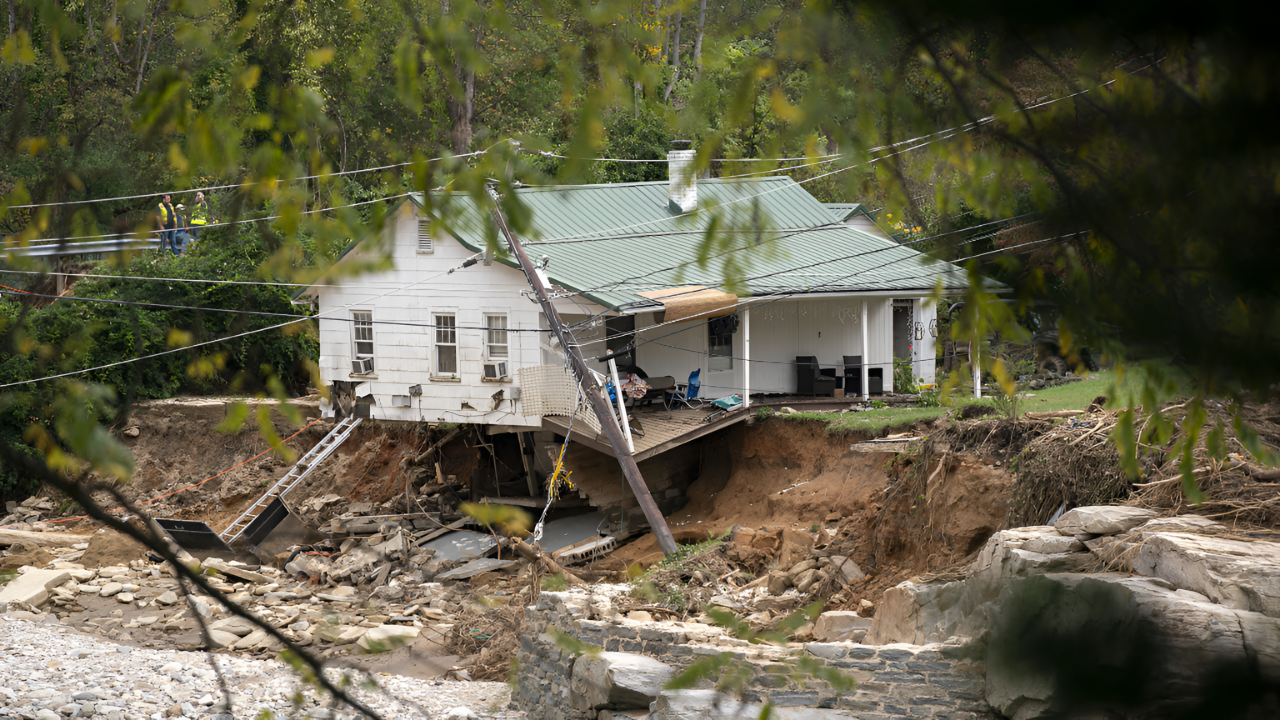
Over a single weekend in late November 2025, Zillow erased climate risk information from every home listing across America—more than one million properties instantly stripped of flood, wildfire, heat, wind, and air quality data. The information that once appeared on every property detail page, color-coded and interactive, now exists only behind an external link that most homebuyers never click.
The timing could not be worse: homeowners are drowning in insurance premiums, California’s insurer of last resort holds $700 billion in exposure, and families are discovering after purchase that their new homes cannot be insured at any price.
What Zillow Claims Happened

Zillow stated it removed the climate risk feature to “adhere to varying MLS requirements and maintain a consistent experience for all consumers.” The company removed data provided by First Street Foundation, a nonprofit that spent years building peer-reviewed flood, wildfire, and climate models covering every American property.
Zillow had launched the feature with significant fanfare just fourteen months earlier, in September 2024, positioning it as essential because “more than 80 percent of prospective homebuyers consider climate risks when shopping for a new home.”
The MLS Contradiction That Exposes Everything
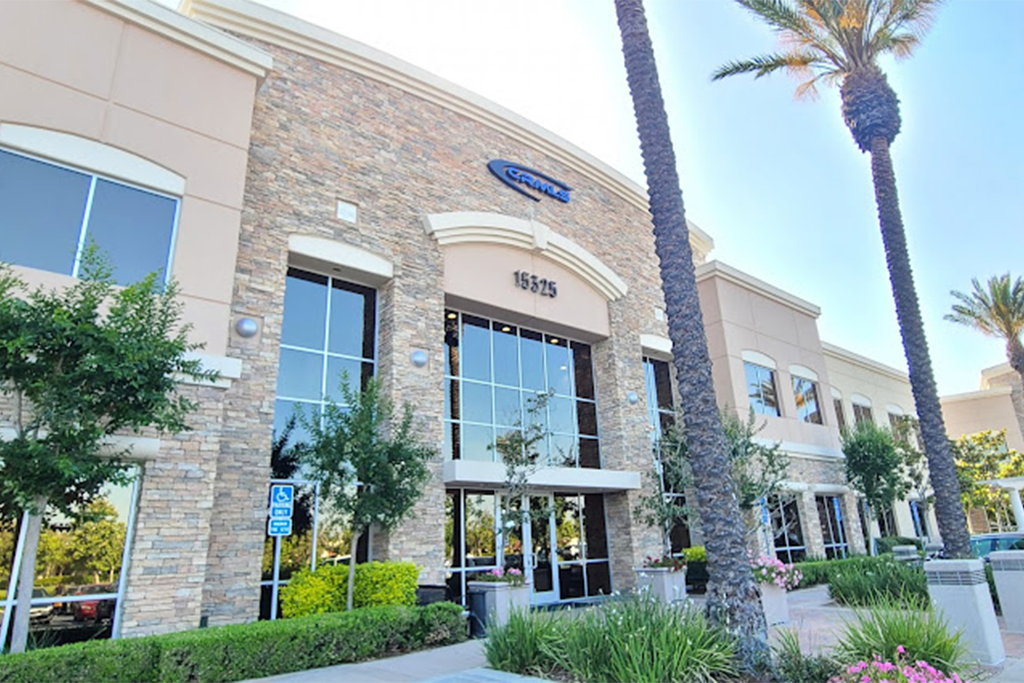
The California Regional Multiple Listing Service—the nation’s largest MLS serving 81,000 member professionals controlling property data across three states—responded to Zillow’s explanation with a two-word rebuttal: “There was no change.”
CRMLS spokesperson Art Carter elaborated that the MLS identified no new rules requiring the removal of climate data.
Why Real Estate Agents Demand Invisibility

Art Carter revealed CRMLS’s actual concern: First Street’s predictive models were showing extreme flooding probability in areas with no recent flood history. “Displaying the probability of a specific home flooding this year or within the next five years can have a significant impact on the perceived desirability of that property,” Carter told The New York Times.
In plain language, real estate agents complained that climate risk data was depressing home prices and costing them sales.
The Lawsuit That Started the Panic

In October 2024, a Chappaqua, New York couple named Andrew and Eri Uerkwitz filed a lawsuit against Zillow, claiming their home received a flood risk rating of “9 out of 10” from First Street, causing the property to linger on the market and eventually sell for approximately $100,000 below the asking price.
The Uerkwitzes’ home was located outside FEMA flood zones with no documented history of flooding.
Real Estate’s Sales Problem Gets Real

Zillow’s own research released in March 2025 showed that homes with extreme flood risk had only a 52 percent probability of selling, compared to 71 percent for properties with low-risk ratings. Properties marked with high fire or flood scores sold less frequently and sat on the market longer.
The data proved what agents feared: transparency about climate risk directly impacts purchase decisions and transaction volumes.
The Insurance Crisis That Made Invisibility Urgent

The climate data removal accelerated precisely when homeowners’ insurance entered a state of emergency across America. Average premiums for new insurance policies reached $1,966 in 2025, representing a 45 percent increase from 2022 levels. From 2023 to 2024 alone, premiums jumped 18.8 percent.
The trajectory toward 2027 suggests a cumulative increase exceeding 54 percent since 2023, transforming homeownership from an attainable goal to a financially catastrophic one for middle-class families.
California’s Insurer of Last Resort Hits Breaking Point

The California FAIR Plan—the state’s insurer of last resort for properties that private insurers reject—held exposure of approximately $150 billion in 2020. By September 2025, that number nearly quintupled to $700 billion across approximately 650,000 policies.
A McKinsey analysis found that California’s total coverage shortfall ranges from $1.35 to $2 trillion when combining private insurance gaps and FAIR Plan exposure. The system is approaching financial collapse.
January’s LA Wildfires Exposed the Real Stakes
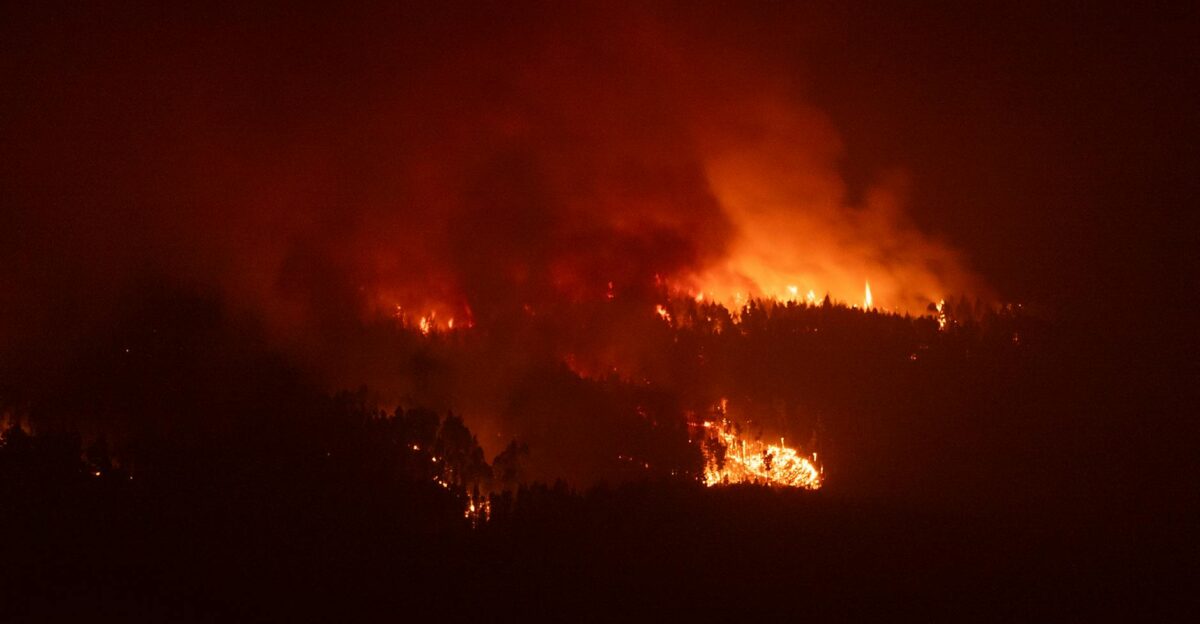
The January 2025 Palisades and Eaton fires in Los Angeles destroyed 16,251 structures and claimed at least 29 lives, generating preliminary estimates of $250 billion to $275 billion in total damage and economic loss.
The FAIR Plan received 3,600 claims with estimated exposure exceeding $4.7 billion. These fires demonstrated the brutal reality: when climate disasters strike, information gaps become uninsurable mortgages.
First Street Defends Its Accuracy
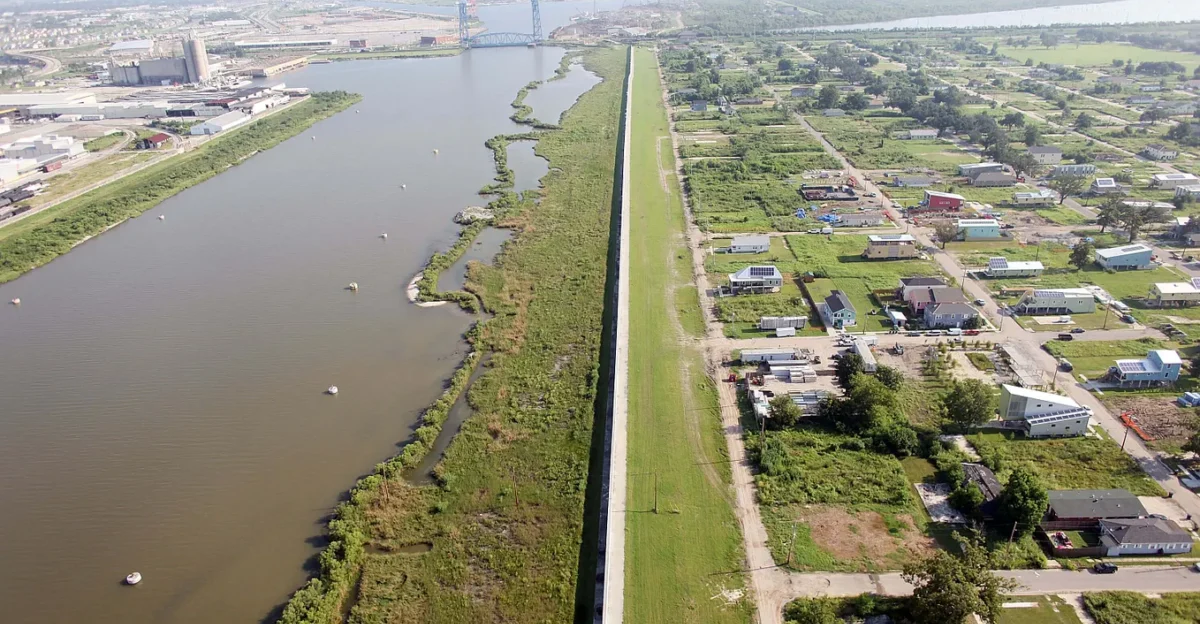
Matthew Eby, founder and CEO of First Street Foundation, defended the organization’s predictive models against accusations of inaccuracy. “Our models are founded on transparent, peer-reviewed science, and the comprehensive methodologies are accessible for anyone to examine on our website,” Eby stated. First Street’s flood models incorporate data from the U.S.
Geological Survey, NOAA weather streams, and stream gauge data, combined with physics-based hydrologic modeling, were validated against real-world flooding events.
The Hurricane Debby Validation That CRMLS Ignored
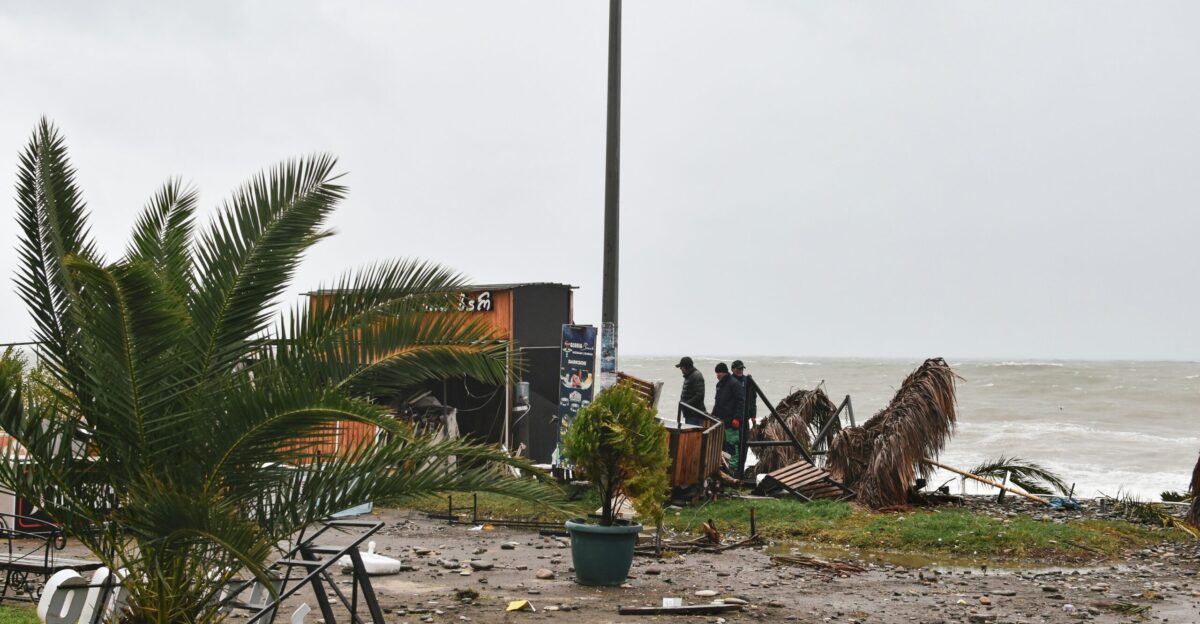
Eby pointed to data from Hurricane Debby that vindicated First Street’s forward-looking models: 78 percent of properties that flooded were outside FEMA flood zones, yet 85 percent of those would have received insurance recommendations on Zillow’s display of First Street scores.
“This shows our models identify risks that historical data and outdated FEMA maps miss,” Eby explained.
Eby’s Warning: Risk Doesn’t Disappear

“When buyers lack access to clear climate-risk information, they make the biggest financial decision of their lives while flying blind. The risk doesn’t go away; it just moves from a pre-purchase decision into a post-purchase liability,” Eby told journalists.
Families discover after flooding that they should have purchased flood insurance. After wildfire seasons, homeowners discover wildfire insurance is unaffordable or unavailable.
Redfin Takes the Opposite Path
While Zillow purged climate data, competitor Redfin announced that it would continue to display First Street climate scores directly on listings. Chief Economist Daryl Fairweather emphasized the company’s commitment to transparency: “Climate risk scores are valuable when making one of the most important financial decisions of their lives.
Homebuyers find this information essential.” Redfin backed its decision with data from a massive 2020 experiment involving 17.5 million users, which showed that among buyers viewing severely flood-risky properties, those with access to climate scores made offers on homes with 50% less risk than buyers without access to the data.
The Platform Split Reshapes Competition

As of early December 2025, Redfin, Realtor.com, and Homes.com continued to display First Street climate data on property listings. This competitive divergence creates a significant advantage: homebuyers seeking comprehensive climate risk information must navigate away from Zillow—the nation’s largest real estate portal—to access information available on competitor platforms.
For homebuyers making rational decisions, Redfin becomes the more transparent choice.
Why MLS Leverage Trumped Consumer Protection

Zillow’s decision to remove climate data nationwide—not just in the CRMLS jurisdiction—reveals the MLS system’s considerable influence over platforms. The California Regional MLS controls access to property data that Zillow relies on to populate its listings.
Losing access to CRMLS would cripple Zillow’s California market presence, where roughly $240 billion to $250 billion in annual residential transactions occur.
The $35 Billion Transaction Problem

California agents report that insurance unavailability now disrupts 13 to 16 percent of home transactions. With approximately $240 to $250 billion in annual California residential transaction value, insurance-related failures represent roughly $31 to $35 billion in disrupted sales annually.
These transactions often fail to close because buyers are unable to obtain insurance at closing, cannot afford the insurance costs, or discover after the offer that their property is uninsurable.
Expert Questions Whether Individual Property Risk Assessment Is Possible

Jesse Keenan, a climate risk management expert at Tulane University and author of research on climate and real estate, raised methodological concerns about granular property-level risk assessments. “There has been a growing bipartisan recognition that the government should play a more active role in supporting and standardizing risk assessment for properties,” Keenan noted.
Yet Keenan was careful to add, “I do not believe that this is a sign that the brokerage industry is trying to hide climate risks,” suggesting the removal reflects market pressures rather than scientific disputes about model validity.
What Happens When Transparency Becomes Mandatory

Several states and jurisdictions are actively considering mandatory climate risk disclosure requirements, following precedents in climate-related financial disclosures. Institutional investors are increasingly demanding geospatial hazard data for underwriting decisions, creating market pressure for standardized climate assessments.
The current situation—where retail homebuyers buy blindly while institutional investors utilize advanced climate analytics.
The Broader Real Estate Industry Implications

Zillow’s climate data removal highlights how the real estate industry responds to uncomfortable truths about property risk in the face of accelerating climate change. The dispute extends beyond a single platform to fundamental questions about market transparency, fiduciary duty, and the legitimacy of risk pricing.
As extreme weather becomes more frequent and insurance costs soar, homebuyers’ demand for risk information will intensify.
Looking Forward

The next eighteen months will reveal whether industry pressure on Zillow holds or whether market forces push the company to restore climate data. Consumer advocacy groups have already criticized the removal, noting that transparency protects buyers from purchasing homes that are uninsurable.
Institutional investors managing portfolios worth trillions of dollars demand climate risk data precisely because it correlates with insurance costs, mortgage availability, and ultimate property values.
About These Companies and Organizations
Zillow Group operates the nation’s largest real estate portal, reaching millions of homebuyers monthly. The First Street Foundation, a nonprofit research organization, has developed peer-reviewed models for assessing flood, wildfire, and climate risk across all U.S. properties.
The California Regional Multiple Listing Service controls property data serving approximately 81,000 real estate professionals across California and Nevada.
Sources:
The New York Times (November 30, 2025) – Zillow climate risk scores reporting and CRMLS contradictions
Grist (December 3, 2025) – Zillow climate data removal and industry pressure analysis
Zillow Investor Relations (September 25, 2024) – First Street Foundation partnership announcement and September 2024 launch documentation
California Association of Realtors Survey (2024-2025) – Insurance unavailability impact on real estate transactions and agent experience data
Matic 2025 Home Insurance Trends Report – Premium cost analysis showing $1,966 average policies and 45% increase from 2022
McKinsey Financial Services (October 2021, Updated 2025) – California homeowners insurance market analysis and FAIR Plan exposure figures
UCLA Anderson Forecast (2025) – Los Angeles January 2025 wildfire economic damage and structural loss estimates
Fortune (January 17, 2025) – FAIR Plan exposure from Palisades and Eaton fires
First Street Foundation Research – Hurricane Debby flood zone analysis and peer-reviewed climate risk methodology
Redfin Chief Economist Analysis (December 2025) – Climate score transparency data and 2020 user experiment findings