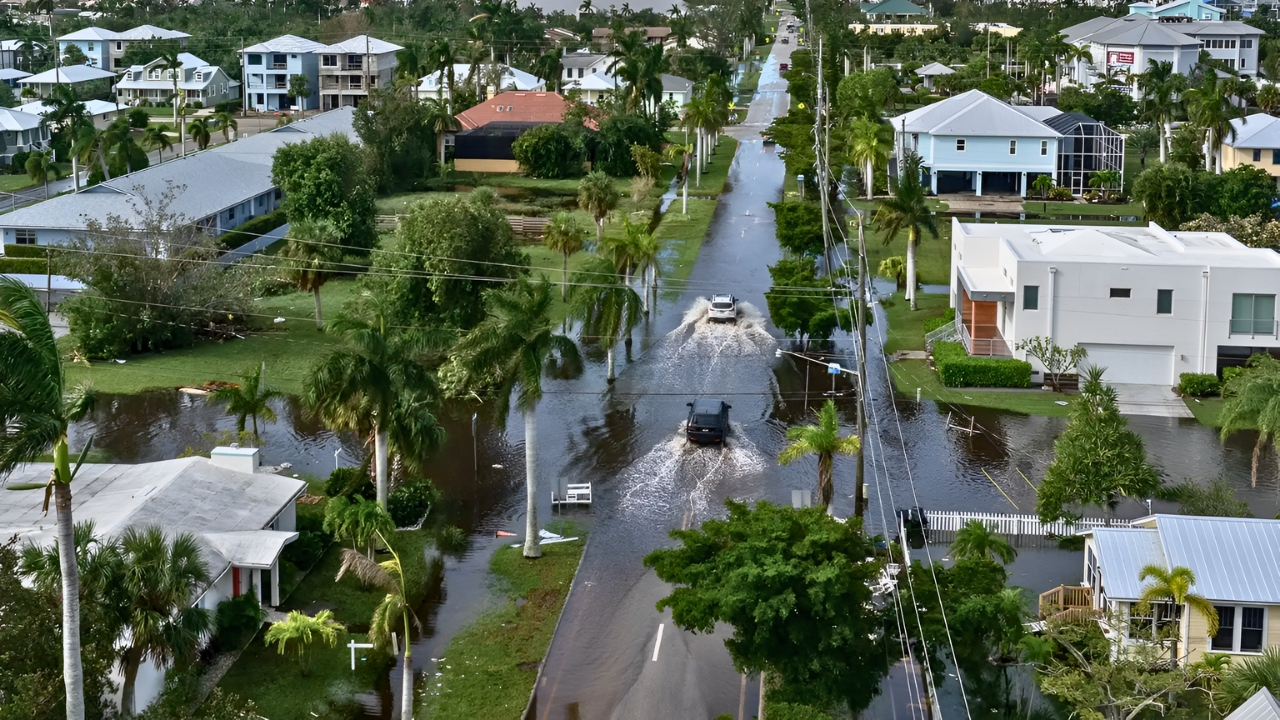
A major shift in housing market transparency occurred last month when America’s largest real estate platform deleted flood and fire risk scores from over one million property listings. The removal, happening just 14 months after the data’s public launch, strips buyers of critical information at a moment when climate-related disasters are accelerating. Last year marked the fourth-costliest disaster year on record, with 27 weather events inflicting $182.7 billion in damages across the United States.
The timing raises questions about whether financial pressures to maintain sales momentum have outweighed the value of transparent climate disclosure. Experts warn that hiding the data does not eliminate the underlying risks—it simply shifts them from pre-purchase awareness into post-purchase liability for unsuspecting homeowners.
The Data That Predicted Danger

The deleted risk scores were remarkably accurate. First Street Foundation’s underlying flood and wildfire data correctly predicted 90 percent of homes destroyed in recent Los Angeles fires, far outperforming state maps that flagged only 21 percent of those same properties. Despite this precision, the scores have vanished from public view, replaced with buried links that few buyers will access.
The removal coincides with broader erosion of climate transparency. NOAA’s database tracking billion-dollar disasters went offline earlier this year following federal budget cuts in May, eliminating the primary public scoreboard for climate costs. This left private-sector tools as the last line of defense for consumers attempting to gauge property safety.
Industry Pressure and Sales Concerns

The California Regional MLS, the nation’s largest multiple listing service, lobbied against displaying risk scores, arguing that showing probabilities like a 50 percent flood chance stigmatized homes and harmed sales before buyers toured properties. Real estate professionals acknowledged that transparent climate risk made sales harder in high-risk zones.
Research supports their concern about market impact. Redfin found that properties with visible flood risk sell for roughly 4.3 percent less than comparable homes. By obscuring these dangers, U.S. housing values in vulnerable regions become artificially inflated. Nature Climate Change estimated the market is overvalued by $121 billion to $237 billion due to hidden climate risks.
The Human Cost of Hidden Information
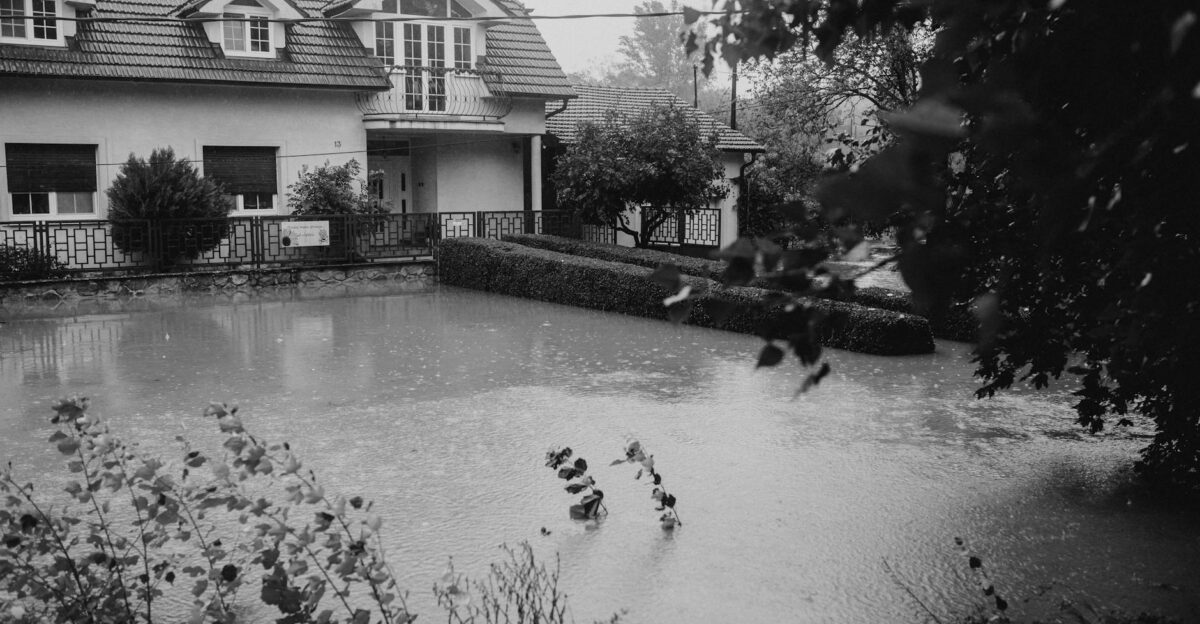
Eighty percent of buyers consider climate risk a key factor in their home searches, according to internal Zillow surveys. Yet with risk scores removed, buyers lack the information they say they need. Competitors like Redfin and Realtor.com still display climate risk scores, creating inconsistent disclosure across the housing market.
Florida illustrates the extreme disconnect between price and actual danger. Insurance premiums there average $5,500 annually, 140 percent higher than the national average of $2,285. Yet buyers continue relocating to the state in record numbers. The Gordon Pointe estate in Naples sold for $225 million in May despite carrying a “Severe” 9/10 flood risk rating, setting a state record.
Insurance markets are rapidly collapsing in fire-prone regions. California alone lost coverage for over 100,000 homeowners from 2019 through 2024, leaving buyers potentially trapped in homes they cannot afford to protect financially.
A Market Facing Accelerating Consequences
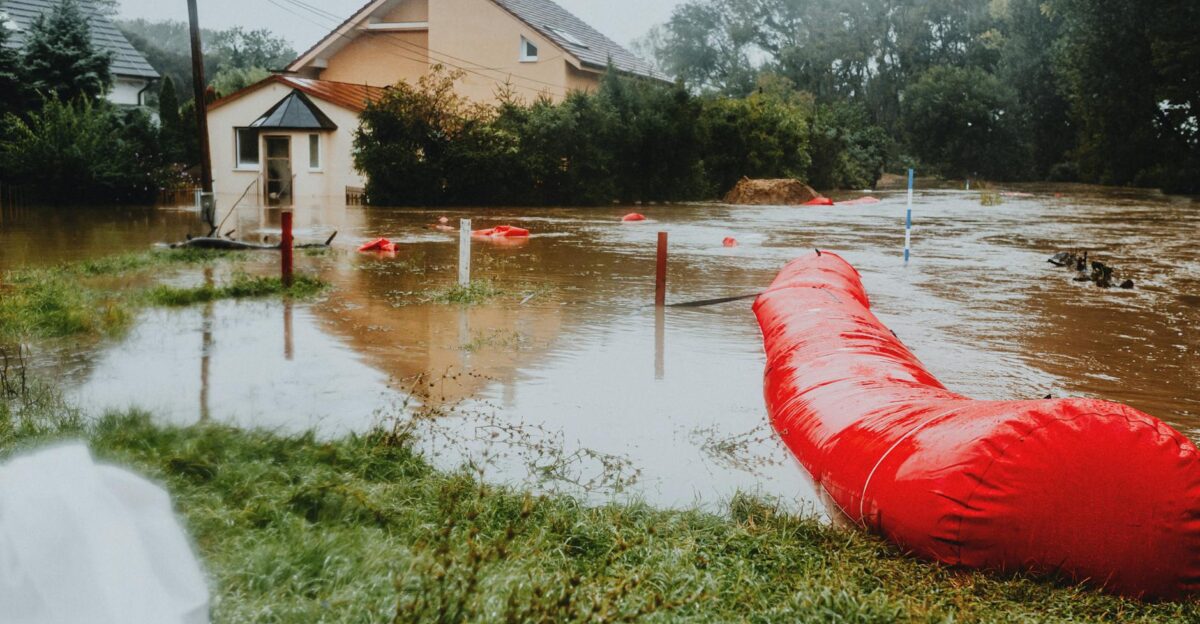
Climate migration is already underway, with roughly 3.2 million people relocating due to flood threats. Yet high-risk counties have grown 3 percentage points faster than safer areas over the last three decades, suggesting new buyers continue moving into danger zones. Small business owners also suffer when property data disappears—they use risk scores to choose safe locations for operations, and without this information, they may lease in flood-prone areas, risking inventory loss during storms.
Billion-dollar disaster frequency continues rising. From 2020 through last year, the annual average reached $149 billion, compared to $22 billion in the 1980s. By prioritizing sales over safety, the real estate industry blinds buyers in a perilous climate era. As insurers flee and storms intensify, the removal of risk scores ensures the actual cost of homes is revealed only after closing, leaving millions of Americans unprepared for the financial and physical risks ahead.
Sources
NOAA NCEI, 08 May 2025
California Department of Insurance, 04 December 2025
First Street Foundation, 03 December 2025
Zillow Group, 26 September 2024 (Press Release)
Insurance Information Institute, 16 September 2025