AT&T Inc., led by Chairman and CEO John Stankey, announced another $5 monthly increase on all home internet plans, effective December 1, 2025. Stankey emphasized, “Our business fundamentals remain strong, and we are uniquely positioned to win in this dynamic and competitive market,” on 23 April 2025.
The outage affects 10–15 million customers nationwide, including those with Fiber, 5G Internet Air, and legacy DSL services. With repeated price increases since 2023, long-term subscribers now face a $15 monthly increase. However, understanding the mechanics behind these hikes reveals why many customers feel blindsided.
Millions of Consumers Feel the Pinch
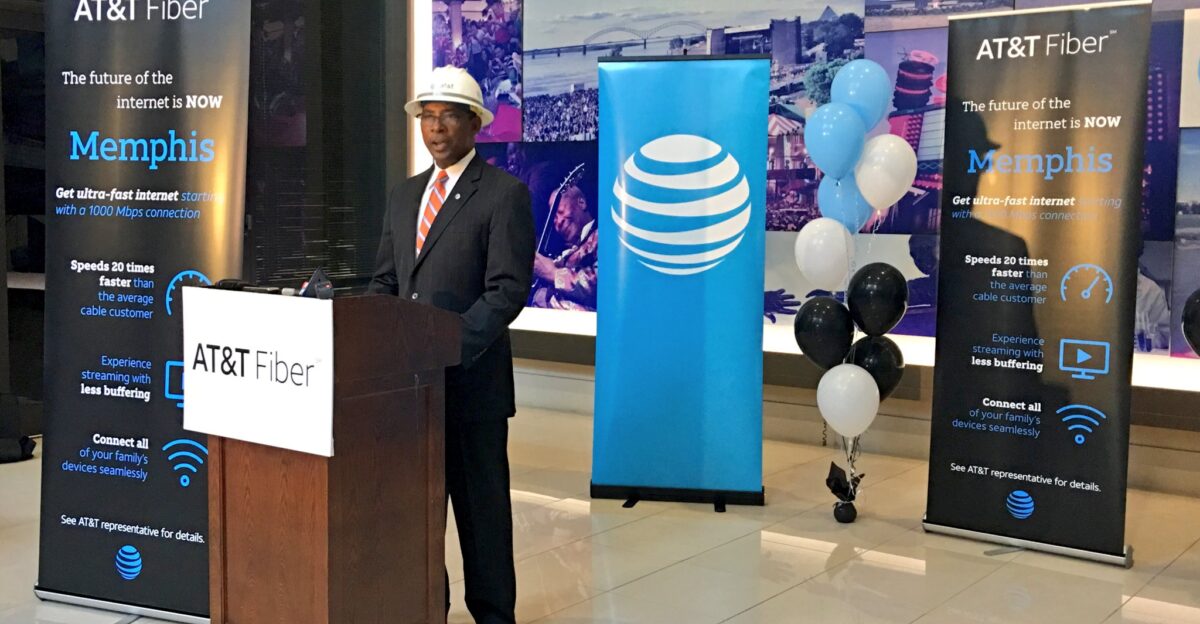
AT&T Fiber alone counts 10 million subscribers affected by this December increase. Combined with 5G Internet Air and DSL users, the total impact reaches 10–15 million households. Many customers also saw April 2025 autopay discounts cut, reducing savings on debit and eliminating credit card perks entirely.
This cumulative $15 monthly burden over three years equals $180 annually, straining budgets, especially for lower-income households. Yet, the broader implications extend beyond consumers to small businesses and competitive dynamics, hinting at an industry-wide ripple effect.
Small Businesses Face Hidden Pressures

Small businesses relying on AT&T internet see operational costs rise by $5–10 monthly per location. Reliable connectivity is essential for productivity, e-commerce, and customer service. Increased bills can shrink margins, delay investments, and even force price hikes for consumers.
These pressures disproportionately affect low-margin sectors like retail and hospitality. While AT&T frames this as operational necessity, financial analysis suggests shareholder gains may be a higher priority, raising questions about long-term industry effects.
Competitors Watch Closely

AT&T is first among major ISPs to raise prices heading into 2026. Verizon operates 5G Home Internet in over 60 U.S. cities, while T-Mobile’s 5G FWA share grew from 0.53% to 5.01% in three years. Comcast and Charter face intensified fiber competition.
AT&T’s move could set an industry precedent, prompting competitors to evaluate pricing strategies. How rivals respond may reshape broadband affordability, with potential price wars looming over the coming months.
Workforce Implications Are Overlooked

AT&T employs between 230,000 and 270,000 people globally. While this hike doesn’t directly trigger layoffs, it aligns with AT&T’s history of cost-cutting, including 23,328 job cuts between 2017 and 2019. Statements on “headcount rationalization” hint at prioritizing shareholder returns over employee compensation.
The disconnect is clear: consumers face higher bills, workers see minimal wage relief, and executives pursue margin expansion. This tension sets the stage for both internal and market-level consequences.
Supply Chain Gains and Strains

AT&T’s fiber and 5G expansion involves $22 billion in Q2 2025 capital expenditures. Equipment vendors and network suppliers benefit from investment yet face margin pressure due to AT&T’s efficiency demands.
This balancing act highlights the paradox of growth: infrastructure investment coexists with aggressive cost management. But the customer cost burden suggests profitability takes precedence over service affordability.
How the Price Increase Works

Effective 1 December 2025, all home internet plans rise $5 monthly. Fiber, 5G Internet Air, and DSL customers see identical increases. Bundled plans reflect the $5 increase on the internet portion, while autopay discounts partially offset costs inconsistently.
Customers relying on debit or credit autopay receive minor or no savings. The result is an uneven financial impact, intensifying frustration among long-term subscribers. This unevenness hints at potential churn spikes.
Projected Financial Impact
AT&T anticipates $750–800 million in additional annual revenue from this price increase. Fiber alone adds roughly $600 million yearly, based on 10 million subscribers at $5 per month.
5G Internet Air contributes $150–200 million, and legacy DSL adds $50–100 million. This marks AT&T’s third consecutive $5 hike, totaling $15 per month for long-term customers.
Timing Matters: December 1 Deadline
AT&T announced the December 1, 2025, price hike on October 16–17, giving 45–46 days’ notice, within its usual 30–60 day window.
The timing during the holiday season limits consumers’ switching options. As the first major ISP to implement price increases in 2026, AT&T may set a broader industry precedent.
Historical Price Patterns
This is the third consecutive $5 increase: 2023, 2024, and now 2025. Autopay discounts were reduced in April 2025, intensifying the impact for subscribers.
Cumulatively, long-term customers pay $15 more monthly, or $540 over three years. These repeated hikes fuel public frustration and suggest a systemic prioritization of profits over affordability.
Nationwide Customer Impact
The increase applies nationwide, affecting urban, suburban, and rural markets. Fiber dominates metropolitan areas, while 5G FWA expands in underserved regions. DSL still serves legacy users.
Nationwide coverage magnifies revenue potential but also broadens the scope of consumer pushback. The disparity in infrastructure quality raises questions about perceived fairness in pricing.
Consumer Frustration Mounts

Reddit and social media discussions reflect dissatisfaction. Customers cite reliability issues and price hikes: “You guys don’t even have stability right now and have gone out 3x in the past 3 months, and you want us to pay more? You’ve lost your minds. I’m switching immediately.”
This backlash could drive churn, particularly among those who switched from cable or DSL to AT&T in search of better value. Retention strategies are now under scrutiny.
Small Business Risks Intensify
Businesses face higher costs across multiple locations and plans, affecting e-commerce, staffing, and profitability. Margins may compress, and growth initiatives could stall.
The cumulative effect extends beyond individual households to broader economic activity. If competitors maintain lower pricing, AT&T risks losing market share.
Industry Ripple Effects
AT&T’s first-mover price increase may trigger broader adjustments. Verizon historically follows AT&T’s moves, while T-Mobile may leverage lower prices to attract customers. Comcast and Charter could accelerate cord-cutting or introduce price differentiation strategies.
These dynamics create a competitive tension where service quality may compete with price positioning, affecting industry-wide margins and customer choice.
Strategic Focus on Shareholder Returns
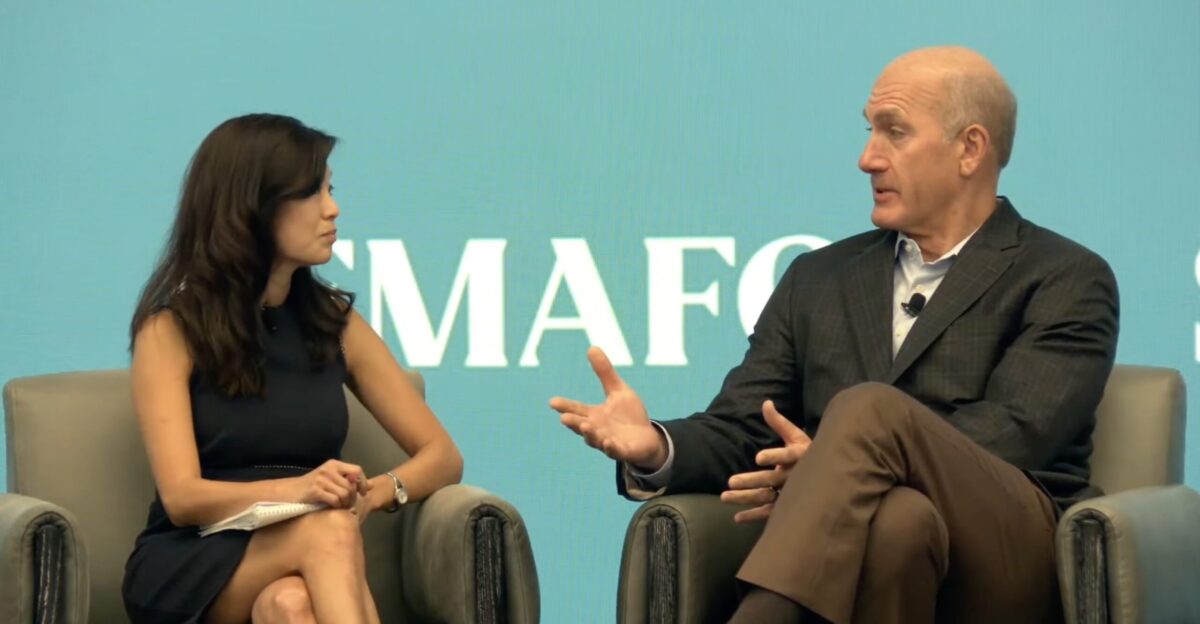
CEO Stankey outlined plans to deliver over $ 40 billion to shareholders over three years, prioritizing returns over wage increases or reinvesting in customer benefits. 3 March 2025 statement: “Our business fundamentals remain strong…the Company expects to return $40 billion+…through dividends and share repurchases.”
The price increase functions as a direct tool to fund this strategy. Employees and customers absorb costs, highlighting a corporate focus on financial engineering over service innovation.