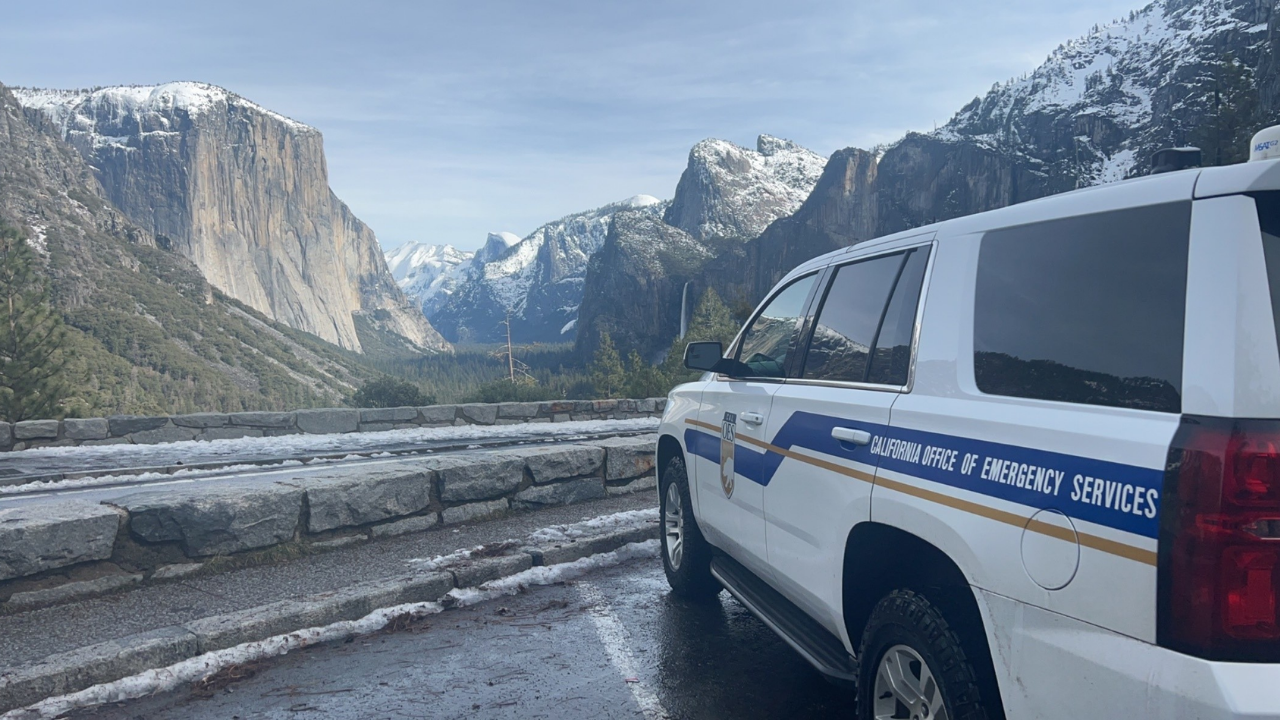
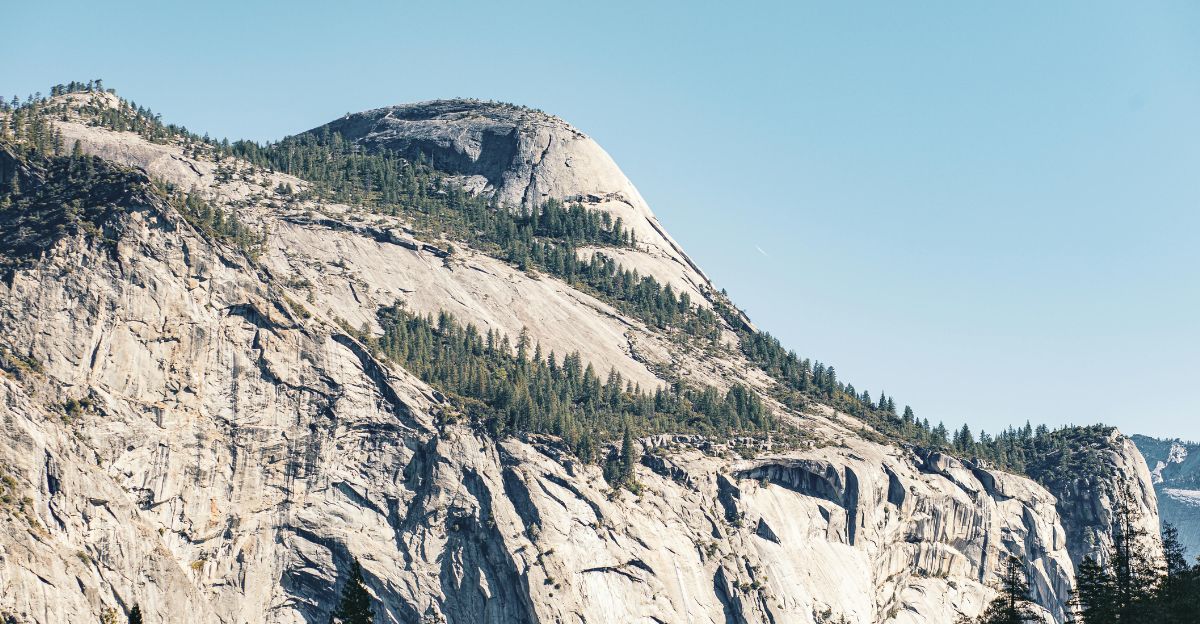
Yosemite National Park, which welcomes nearly 4 million visitors annually, faced an unprecedented geological crisis beginning in August 2023. Park officials discovered a crack on the Royal Arches—initially about one inch wide—accompanied by strange, unexplained sounds emanating from the cliff face. What unfolded over the following months defied conventional geological understanding and prompted the indefinite closure of some of the park’s most iconic climbing routes.
A Crack That Defied Explanation
The fissure’s behavior proved alarming. Between August 2023 and August 2024, the crack expanded from one inch to nearly four inches wide—a 300 percent increase in twelve months. Park officials documented an unsettling expansion-contraction cycle: the fissure widened in fall 2023, narrowed during winter, then widened again as seasons changed.
Most concerning was a large granite pillar positioned directly above the crack that became partially detached. Officials reported hearing “pieces of rock rattling down the crack without touching it”—spontaneous debris falling without apparent cause. This phenomenon prompted the closure of multiple climbing routes including Serenity Crack, Sons of Yesterday, and Super Slide, along with sections of the Yosemite Valley Loop Trail.
A Geologist Confronts the Unknown
The park’s geologist, with fifteen years of experience at Yosemite, encountered something unprecedented. The combination of audible cracking, spontaneous debris, and rhythmic expansion-contraction cycles defied textbook explanations. Officials could monitor the crack using laser mapping and high-resolution photography, yet remained unable to predict when the detached pillar would collapse.
This candid admission intensified public concern. The situation fell outside regular park management protocols, signaling that standard risk assessment frameworks proved inadequate for this particular geological phenomenon.
Yosemite’s Rockfall History
The Royal Arches crisis emerged against a sobering backdrop. Historical records indicate that more than 1,000 rockfalls have occurred in Yosemite National Park during the past 150 years, many catastrophic. The park experiences approximately 80 rockfalls annually. Since documented record-keeping began in 1857, rockfalls have killed 15 people and injured at least 85 others. Two additional deaths occurred in 2017 and 2022, bringing the total to approximately 17-18 documented fatalities from rockfall.
Despite achieving a 95 percent reduction in rockfall risk by removing or repurposing high-risk buildings from danger zones, Yosemite’s granite remains inherently unstable, posing persistent threats to visitors and climbers.
Scientific Monitoring Without Predictive Certainty
The U.S. Geological Survey deployed remote sensing technology to track the fissure’s expansion and stress patterns. USGS scientists utilized laser-scanning equipment and high-resolution digital photography, capturing millimeter-level crack geometry changes. Real-time monitoring data informed NPS closure decisions.
However, USGS scientists acknowledged a critical limitation: current technology documents change but remains limited in forecasting catastrophic failure. This gap—between observation and prediction—underscored decisions to maintain precautionary closures. Peer-reviewed research confirmed that predicting granite failure remains scientifically unreliable, with formations often remaining stable for decades before failing suddenly.
An Indefinite Closure Without Resolution
On August 30, 2023, Yosemite’s Superintendent issued an official closure order. The closure remained in effect through November 2025 with no announced reopening timeline.
Yosemite committed additional resources to expanded geological monitoring in response. The park deployed laser-scanning technology and high-resolution photography to track crack propagation. Real-time monitoring data continued to inform closure decisions.
Yet despite over two years of intensive monitoring, leading geologists remained cautious about reopening timelines. Some experts argued that even a small residual rockfall risk, given potentially lethal consequences, justified continued closure. Others contended that accepting geological risk was inherent to climbing. This fundamental disagreement reflected broader philosophical divides about certainty thresholds for reopening.
The Larger Question
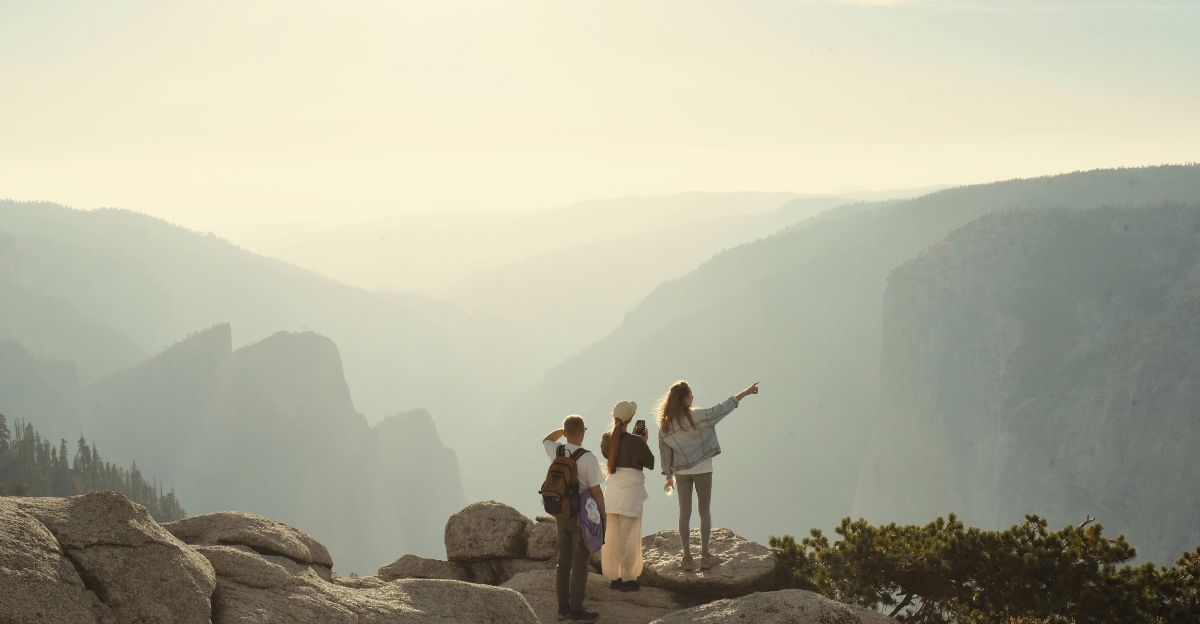
Over two years after the Royal Arches closure, fundamental questions persisted for America’s national parks. What evidence threshold justifies indefinite closure? Can parks remain open while acknowledging ongoing, unquantifiable risks? When scientific uncertainty persists, who decides—experts, stakeholders, or competing interests?
Climbers seeking Super Slide or Serenity Crack must look elsewhere. The granite pillar remains monitored, expanding and contracting seasonally, its intentions inscrutable. Whether future geologists declare the formation stable or the pillar collapses catastrophically remains to be seen.
Sources:
- Royal Arches crack discovery, progression, closure (August 2023-2025): NPS official website
- 1,000+ rockfalls over 150 years; ~80 annual rockfalls; 15-18 total deaths: USGS Data Series 746 and SIR 2014-5129
- USGS laser-scanning and monitoring technology: USGS reports and NPS website
- 95% rockfall risk reduction: USGS SIR 2014-5129
- 4 million annual visitors: NPS visitor statistics
- Geological monitoring methods and protocols: USGS investigations and NPS coordination